0%

Table of Contents

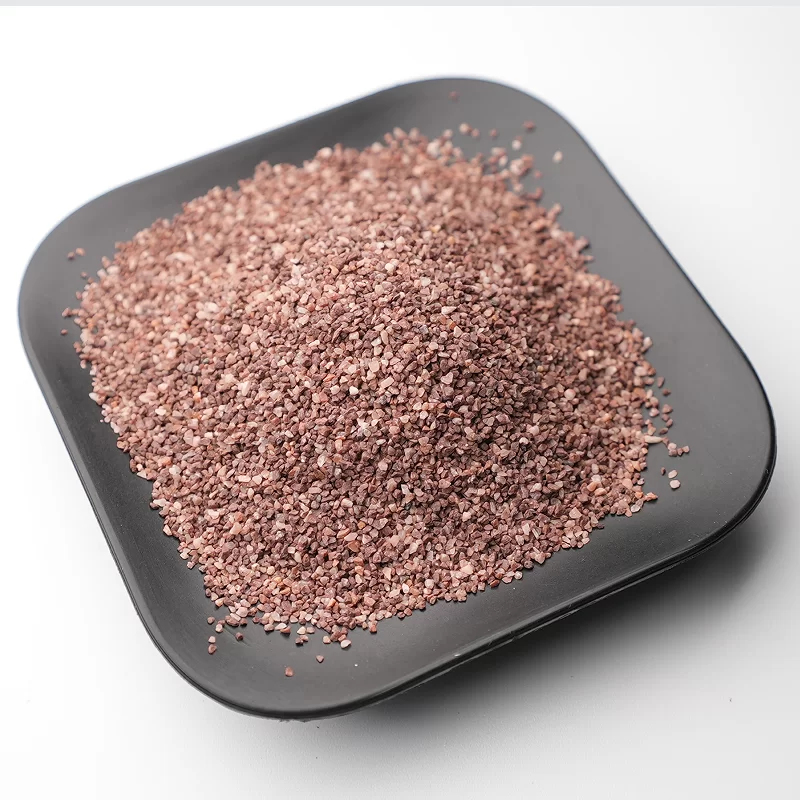
The selection of high-performance minerals is critical for the longevity of industrial flooring, and utilizing premium quartz sand for epoxy floor systems has become the global standard for achieving maximum durability. By integrating a high-purity silicon dioxide base, contractors can ensure that the resulting surface resists the most grueling mechanical stresses and chemical exposures found in modern industrial environments.

Globally, the demand for advanced flooring solutions is rising as infrastructure standards evolve to prioritize safety and maintenance efficiency. The integration of specialized minerals addresses the common problem of surface wear and peeling, which often plagues standard epoxy applications that lack the structural reinforcement provided by high-grade crystalline silica.

Choosing the right quartz sand for epoxy floor projects ensures that the bond between the resin and the substrate is reinforced, resulting in a surface that is not only visually seamless but chemically inert and exceptionally hard.

quartz sand for epoxy floor

The Fundamental Properties of Quartz Sand for Epoxy Floor

quartz sand for epoxy floor

At its core, the effectiveness of quartz sand for epoxy floor applications stems from its exceptional chemical inertness and structural stability. As a cornerstone of the non-metallic mining industry, this material is processed to eliminate impurities, ensuring that the silicon dioxide (SiO₂) remains the dominant component, which prevents adverse reactions with epoxy resins.

This high level of purity allows the mineral to act as a high-strength filler, distributing mechanical loads evenly across the floor surface. By combining extreme hardness with thermal resilience, it provides a reliable foundation that meets the most stringent global industrial standards for safety and durability.

Industry Standards for SiO₂ Purity and Stability

The purity of the silicon dioxide content is the primary determinant of how a flooring system will perform over time. Industrial-grade quartz sand is meticulously refined to ensure that the SiO₂ levels are consistent, which is essential for maintaining the chemical stability of the epoxy matrix.

When impurities are present, they can create weak points in the floor's structure or cause discoloration. By utilizing a product processed for high whiteness and purity, engineers can reduce contamination in sensitive applications, ensuring a cleaner and more professional finish.

Furthermore, this chemical stability means the material is naturally resistant to acid and alkali corrosion. This makes it an indispensable choice for chemical plants or pharmaceutical laboratories where the floor must withstand harsh cleaning agents and accidental chemical spills.

Technical Advantages of Mohs Hardness 7

One of the most significant technical edges of using quartz sand for epoxy floor is its Mohs hardness of 7. This level of hardness places it among the most wear-resistant materials available, second only to the hardest gemstones, ensuring that the floor can withstand heavy foot traffic and machinery.

In practical terms, this hardness prevents the abrasive wear that typically erodes softer sands. When integrated into an epoxy system, the quartz grains act as a protective shield, significantly extending the time between necessary maintenance cycles and reducing the overall cost of ownership.

Beyond simple abrasion, the structural integrity of the grains prevents crushing under extreme pressure. This ensures that the floor remains level and intact even in warehouses where heavy forklifts and industrial pallets are constantly in motion, maintaining a safe and efficient workspace.

Comparative Performance in Industrial Environments

When comparing premium minerals to standard industrial sands, the difference in performance is stark. Standard sands often exhibit variable chemical resistance and lower hardness, leading to rapid wear and a shorter operational lifespan for the flooring system.

By contrast, high-performance quartz sand offers absolute inertness and a melting point exceeding 1750℃, which provides unmatched thermal resilience. This allows the epoxy floor to maintain its properties even in environments subject to high-temperature industrial processes.

Performance Rating of Quartz Sand for Epoxy Floor Variants

Global Applications in Heavy-Duty Construction

The versatility of this material allows it to be deployed across a wide array of global industries. In large-scale logistics hubs across North America and Europe, the use of quartz sand for epoxy floor systems is essential for managing the friction and weight of automated guided vehicles (AGVs).

Similarly, in remote industrial zones and mining facilities, where environmental conditions are extreme, the thermal stability and chemical resistance of quartz sand ensure that flooring does not crack or degrade under fluctuating temperatures and corrosive dust.

Precision Particle Control and Visual Quality

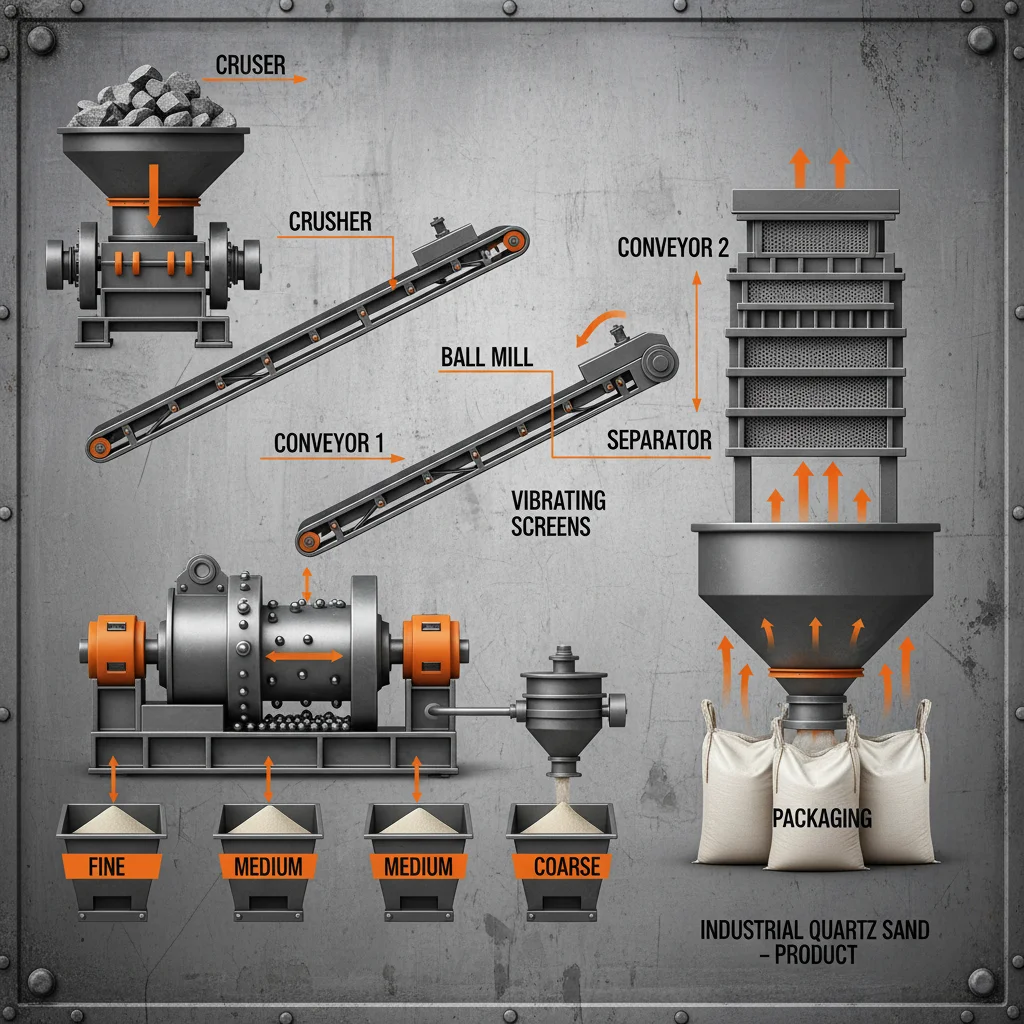
Achieving a flawless finish requires more than just raw material; it requires precision processing. Strict control over particle size and roundness ensures that the sand integrates seamlessly with the epoxy resin, preventing clumps or uneven textures that could compromise the floor's integrity.

This customization allows contractors to specify the exact grain size needed, whether it is a fine powder for a smooth finish or a coarser granular texture for anti-slip properties in wet environments. The result is a surface that meets specific technical requirements without sacrificing aesthetics.

Moreover, the high whiteness of the processed quartz sand serves as an excellent base for colored epoxy systems. By reducing contamination, the final color remains vibrant and consistent, providing a professional look that enhances the overall value of the facility.

Investment Value and Lifecycle Analysis

From a financial perspective, investing in premium quartz sand is a strategic decision to maximize resource value. While the initial procurement cost may be higher than standard sand, the reduction in maintenance cycles leads to a significantly higher long-term ROI.

The extended life-cycle of the flooring means fewer shutdowns for repairs, which is critical for 24/7 manufacturing plants where every hour of downtime represents a loss in productivity. The durability of the material ensures that the floor remains operational for years longer than traditional alternatives.

Ultimately, the combination of ultra-low wear rates and absolute chemical inertness creates a sustainable flooring solution. This reduces the need for frequent resurfacing, lowering the environmental impact and the total cost of ownership for the facility manager.

Lifecycle Performance Comparison: Premium Quartz vs Standard Sand

Performance Metric Standard Sand Premium Quartz Sand Impact on ROI
Wear Rate High / Rapid Ultra-Low / Durable Reduced Replacement Costs
Thermal Stability Moderate Exceptional (>1750℃) Higher Process Reliability
Chemical Resistance Variable Absolute Inertness Lower Chemical Damage
Maintenance Cycle Short (1-3 Years) Extended (5-10 Years) Maximized Uptime
Purity Level Low/Mixed High SiO₂ Purity Superior Aesthetic Quality
Resource Value Lower Efficiency Maximum Value Long-term Asset Growth

FAQS

What makes your quartz sand different from standard industrial sand?

Our quartz sand is engineered for extreme performance, featuring significantly higher SiO₂ purity and a Mohs hardness of 7. This combination provides far superior wear resistance and chemical stability compared to standard sands, which often contain impurities that can weaken the epoxy bond or lead to premature surface failure.

Can the particle size be customized for specific flooring requirements?

Yes, we provide precision processing to control grain size, roundness, and whiteness. Whether you need a fine powder for a seamless, high-gloss finish or a specific granular size for a high-traction anti-slip surface, we can customize the material to meet your exact technical specifications.

Is this material resistant to corrosive chemical environments?

Absolutely. Due to its chemical inertness and high purity, our quartz sand is highly resistant to both acid and alkali corrosion. This makes it an ideal additive for epoxy flooring in chemical processing plants, laboratories, and industrial kitchens where corrosive spills are a constant risk.

How does the high melting point benefit industrial flooring?

While epoxy resins have their own thermal limits, a filler with a melting point over 1750℃ ensures that the mineral component remains structurally stable under extreme heat. This prevents the "softening" of the aggregate and maintains the floor's compressive strength in high-temperature industrial environments.

How do you ensure the consistency of the product across bulk orders?

We employ a strict multi-stage quality management platform. This includes real-time inventory tracking and rigorous laboratory testing for SiO₂ purity and particle size distribution at every stage, from raw mining extraction to final grading and packaging, ensuring every shipment is identical.

What are the typical applications for this non-metallic quartz sand?

Beyond being used as a high-strength filler in quartz sand for epoxy floor systems, it is widely utilized in water filtration, foundry casting, glass production, and hydraulic fracturing due to its purity and hardness.

Conclusion

In summary, the integration of premium quartz sand into epoxy flooring systems is a critical technical requirement for any facility seeking maximum durability, chemical resistance, and long-term stability. By leveraging the natural hardness of a Mohs 7 mineral and the purity of high-grade silicon dioxide, industrial operators can create surfaces that not only withstand the most rigorous mechanical demands but also maintain their aesthetic and structural integrity over an extended lifecycle.

Looking forward, as industrial automation and heavy-load logistics continue to expand, the reliance on precision-engineered minerals will only grow. We recommend that facility managers and contractors prioritize purity and particle control to ensure a future-proof flooring solution that reduces downtime and maximizes operational ROI. Visit our website for more information: www.cnfloormaterials.com

Michael Davis

Michael Davis

Michael Davis is a Production Manager at Hebei Quanerduo Mining Development, overseeing the day-to-day operations of our processing and beneficiation workshops. He has been with the company since 2010, steadily climbing the ranks through his commitment to efficiency and quality. Michael is responsible for managing production schedules, maintaining equipment, and ensuring our output consistently meets the highest standards. He works closely with our quality control team to implement strict monitoring protocols and identify areas for improvement. Michael is a practical leader with a strong focus on safety and a keen eye for detail.
Previous Innovative Architecture and Modern Quartz Sand Uses for Design
Next High Performance Perlite Board for Fire Safety and Insulation
High-quality architectural stone — crafted for strength, beauty, and lasting performance.
How to Choose a Reliable Stone Exporter for Mineral Aggregates
Selecting a reliable stone exporter is a critical decision for construction firms and industrial manufacturers who rely on high-purity mineral aggregates. The global supply chain for non-metallic mineralsranging from decorative glass beads to structural graveldemands a partner capable of maintaining strict consistency and navigating complex international logistics. This article explores the technical and commercial framework required to vet suppliers and ensure material integrity. In the B2B mining and mineral sector, the challenge often lies in the gap between catalog specifications and delivered reality. Whether sourcing colored glass beads for high-end architectural flooring or quartz sand for industrial filtration
Colored Glass Beads Wholesale: Flat Beads or Spherical Beads for Decoration?
Compare colored glass beads wholesale options from Hebei Quanerduo Mining Development Co., Ltd.: spherical colored glass beads in multiple small size grades and glass cashew nut stones with a flattened oval shape. The comparison covers material, dimensions, optical range, hardness, density, colors, finishes, and suitable decorative applications.
Premium Quality Materials from Reliable stone wholesale suppliers
When sourcing premium mineral aggregates for large-scale construction or decorative projects, the choice of material significantly impacts both the aesthetic longevity and structural integrity of the installation. Whether you are designing a high-traffic public space, a luxury swimming pool, or a bespoke residential interior, understanding the nuances of mineral compositions is critical. Professional procurement requires a balance between durability, slip resistance, and visual appeal, which is why many industry experts look for reliable stone wholesale suppliers to secure consistent quality. From the versatility of ceramic and glass mosaics to the raw strength of natural quartz and pebble aggregates
Decorative Mosaic Tiles FAQ: Specifications, Ordering and Support Questions
Answers for buyers reviewing Decorative Mosaic Tiles, including material options, applications, surface properties, customization, maintenance and documented compliance information.
High Purity Industrial Mineral Sourcing and Stone China Suppliers
Sourcing high-purity industrial minerals from East Asia requires a deep understanding of the geological diversity and processing capabilities available in the region. For global procurement officers, finding reliable stone china suppliers involves evaluating not just the raw material availability, but the beneficiation technology that transforms raw geological resources into standardized industrial powders. This guide examines the technical specifications and selection criteria for non-metallic mineral powders used in modern construction and manufacturing. The demand for high-performance fillers like Calcium, Talc, Kaolin, and Metakaolin has grown as industries strive for better structural integrity and cost-efficiency.
How to Find and Use Cheap White Pebbles for Landscaping
Achieving a clean, modern aesthetic in outdoor design often comes down to the choice of ground cover, where the contrast of bright white minerals against greenery creates a striking visual impact. Homeowners and professional designers frequently seek high-impact yet cost-effective materials to define pathways, garden beds, and Zen-inspired spaces. The challenge lies in balancing the desire for an upscale look with a strict project budget. While premium marble chips are available, the market for affordable alternatives has expanded, offering various mineral options that provide similar luminance without the prohibitive cost of luxury stone.

If you are interested in our products, you can choose to leave your information here, and we will be in touch with you shortly.