The global demand for high-quality decorative aggregates has led to a renewed interest in rose quartz sand, a material that blends geological rarity with immense industrial utility. As architects and designers move toward more organic and tactile aesthetics, this specialized mineral provides a unique intersection of durability and visual elegance that standard silica sands cannot match.
From a technical perspective, understanding the mineralogical composition and grain distribution of rose quartz sand is essential for ensuring consistency in large-scale construction and artistic projects. Whether utilized in luxury resin flooring or high-end landscaping, the stability and colorfastness of the material make it a primary choice for professional contractors worldwide.
Integrating this material into modern design not only enhances the aesthetic value of a space but also leverages the inherent hardness of quartz, ensuring that the final application withstands the test of time and environmental wear. Exploring the nuances of its sourcing and application allows industry professionals to optimize both cost and visual impact.
Global Industry Context of Rose Quartz Sand
The global market for specialty minerals has seen a significant shift toward natural, colored aggregates. rose quartz sand sits at the center of this trend, particularly in the Asia-Pacific and European markets where the demand for "biophilic design" is surging. According to industry observations aligned with ISO standards for mineral purity, the shift toward natural quartz over synthetic dyes is driven by a consumer preference for authenticity and longevity.
However, the industry faces a persistent challenge: the inconsistency of natural deposits. Sourcing high-purity rose quartz that maintains a consistent hue across thousands of tons is a complex logistical and geological hurdle. This scarcity often creates price volatility, forcing developers to seek suppliers who can guarantee a standardized grade of material to avoid "patchwork" aesthetics in large architectural installations.
Defining Rose Quartz Sand and Its Properties
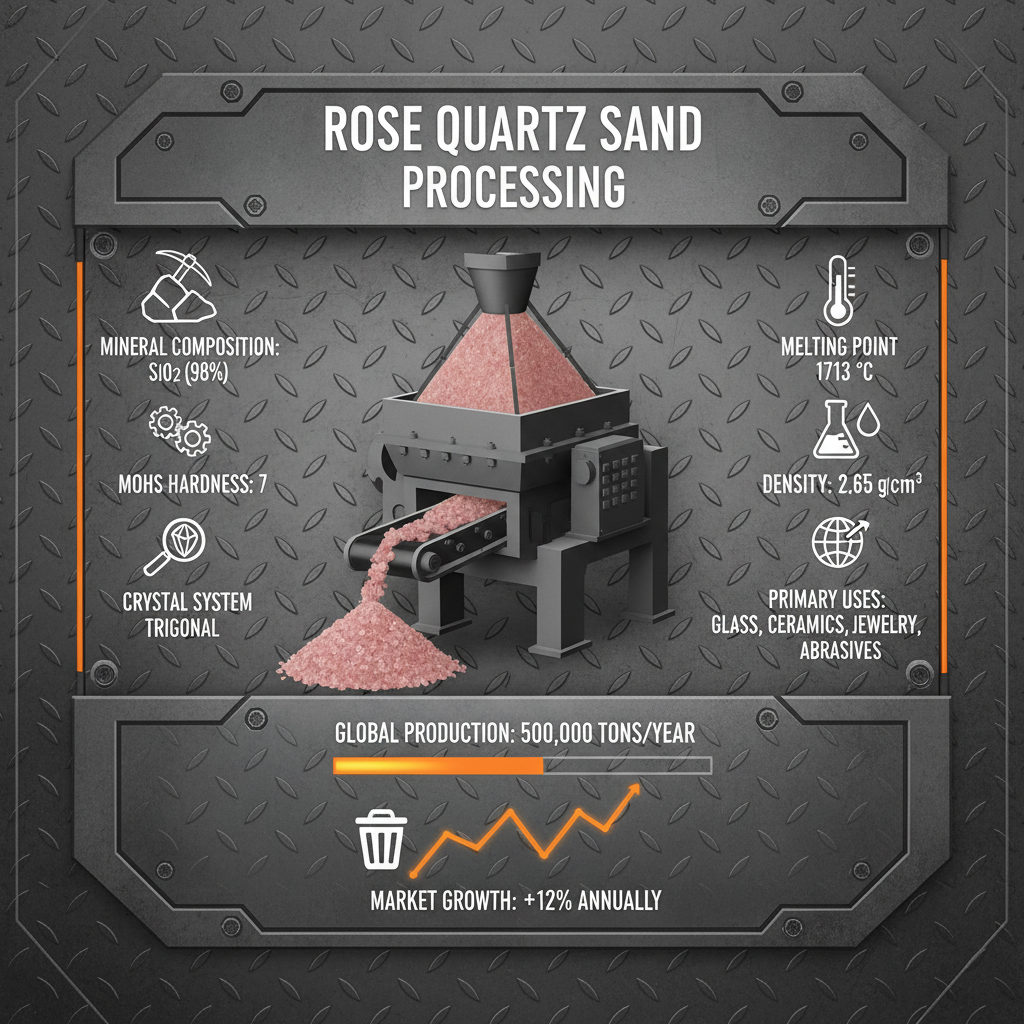
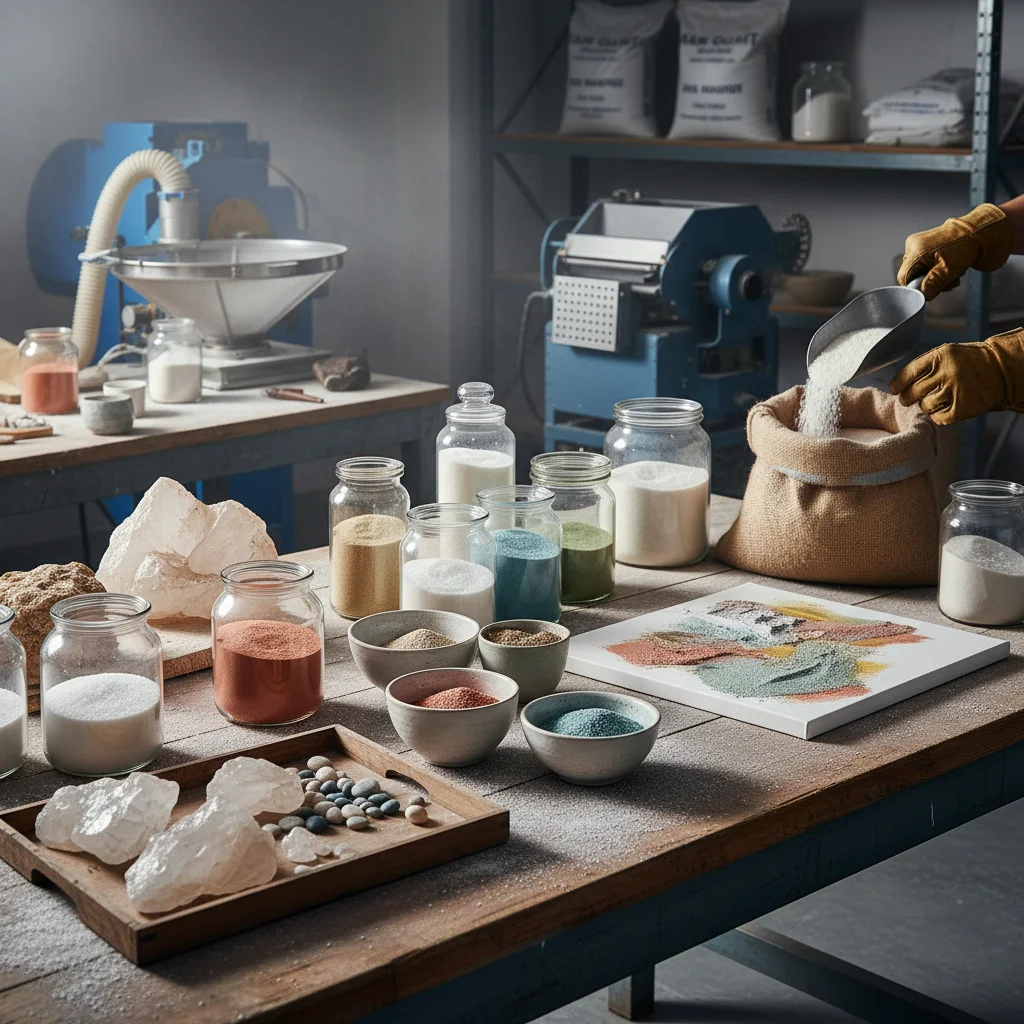
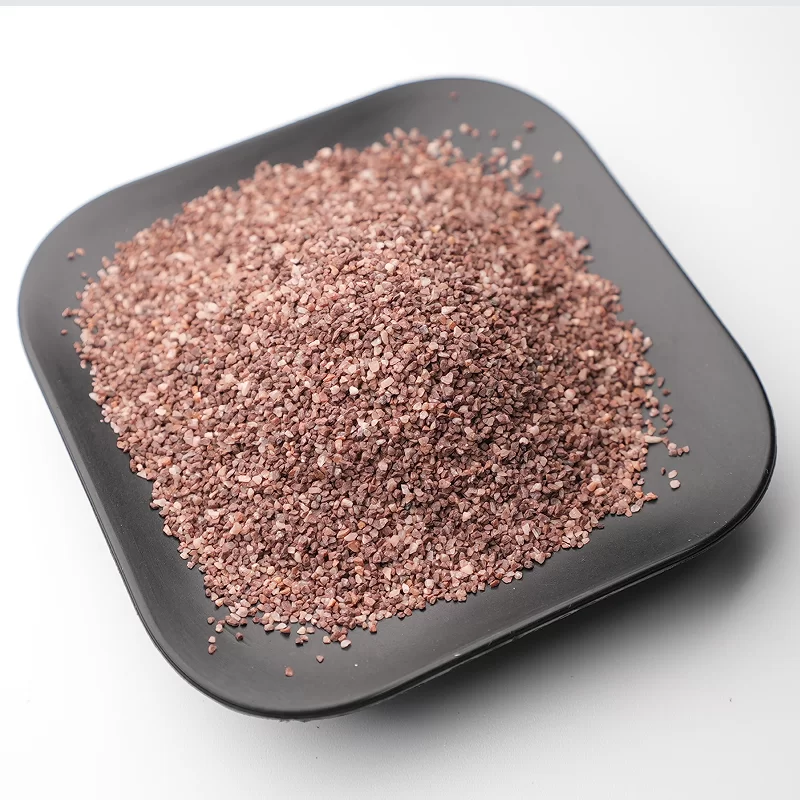
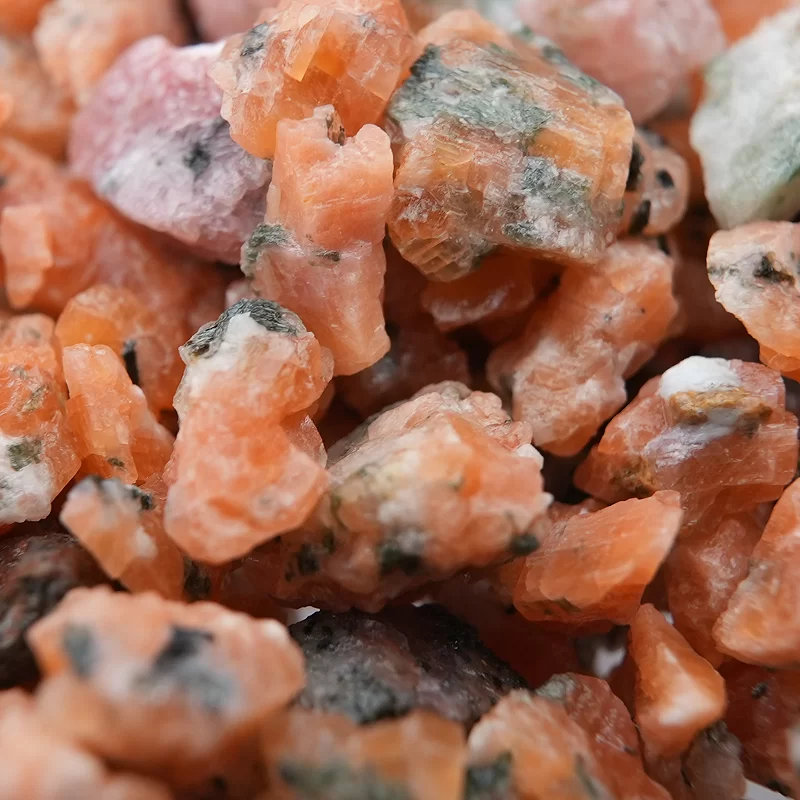
In simple terms, rose quartz sand is a naturally occurring granular form of quartz that owes its soft pink to rose coloration to trace amounts of titanium, iron, or manganese. Unlike colored glass or dyed sands, the color is intrinsic to the crystal structure, meaning it will not fade under intense UV exposure or leach chemicals into the environment over time.
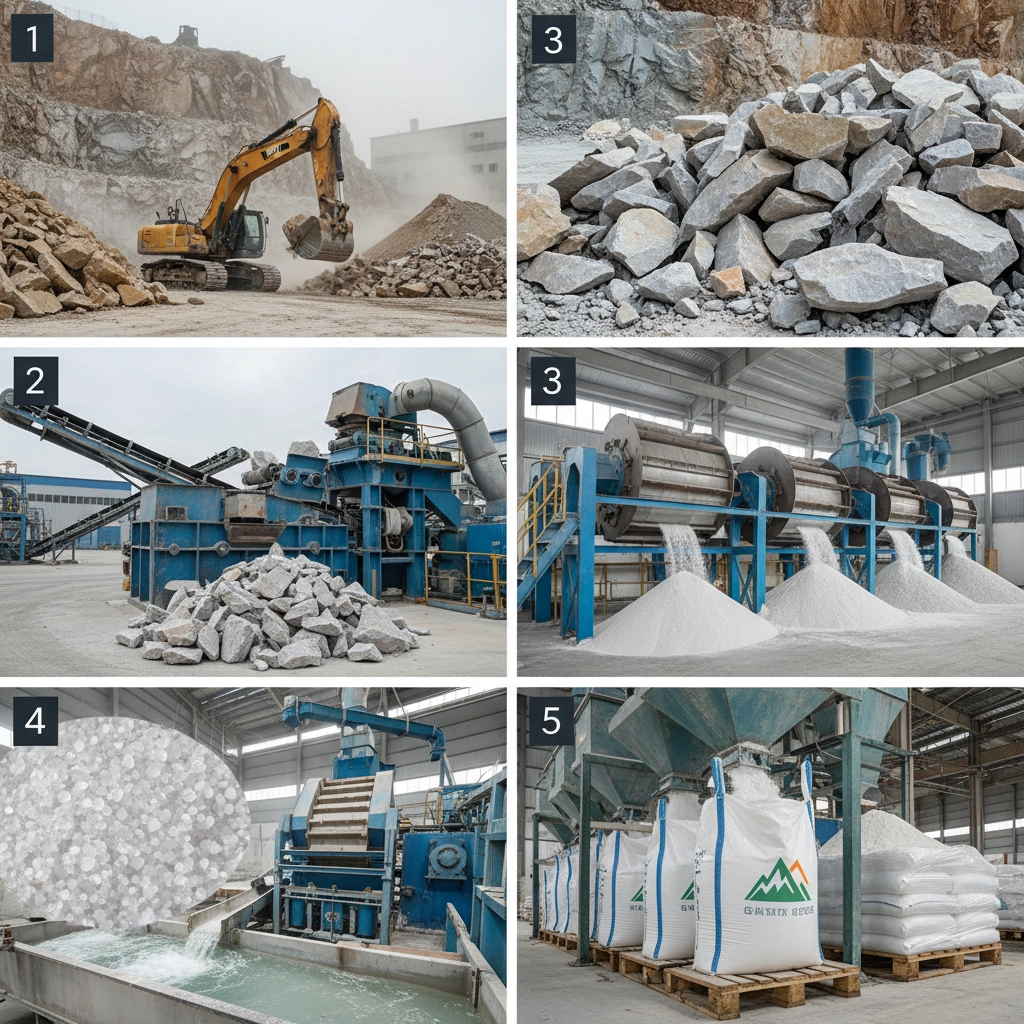
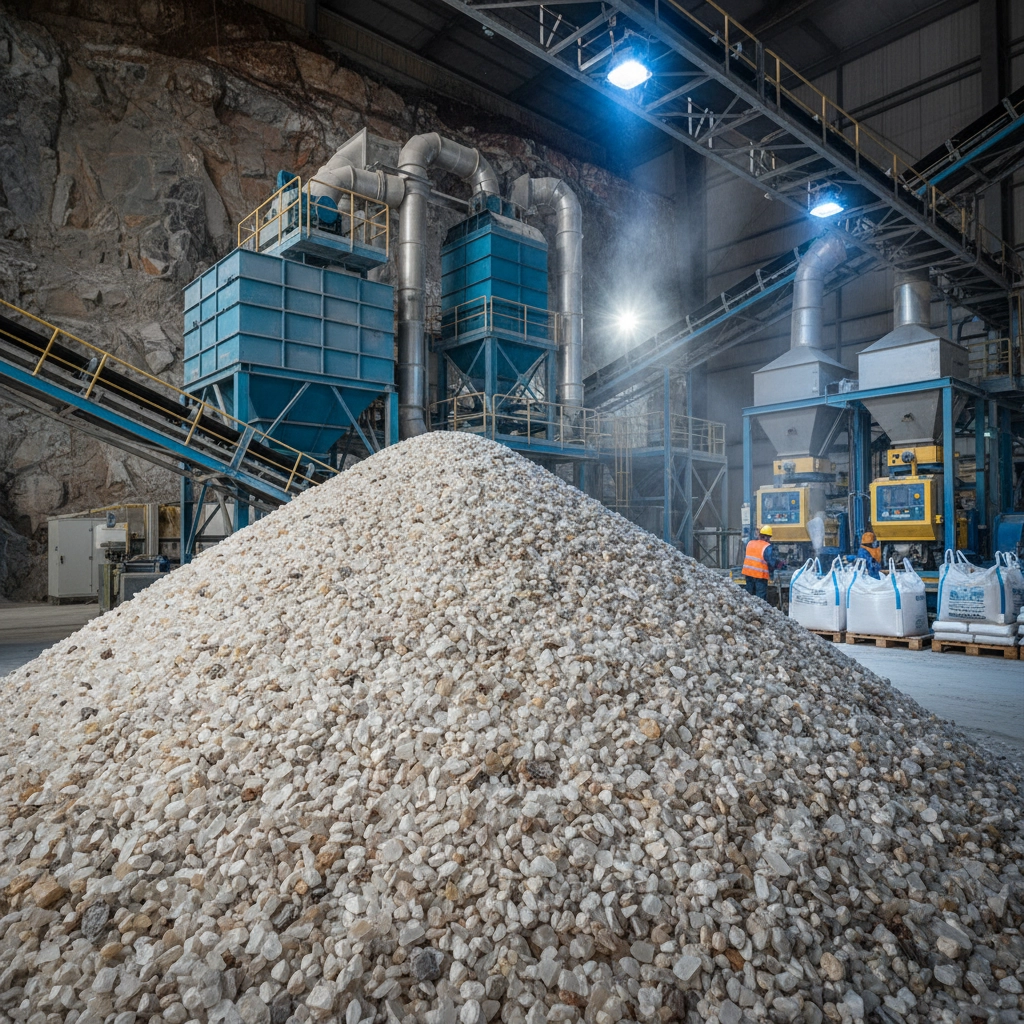
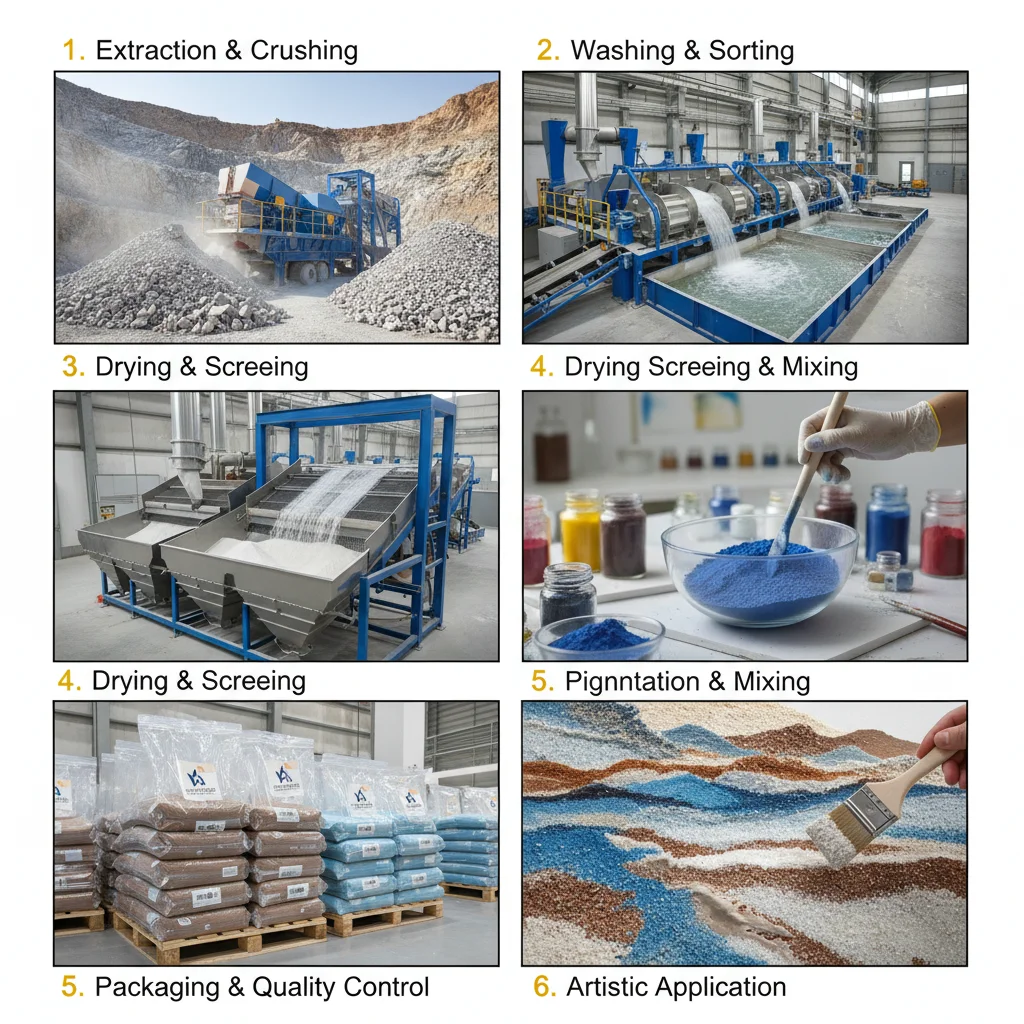
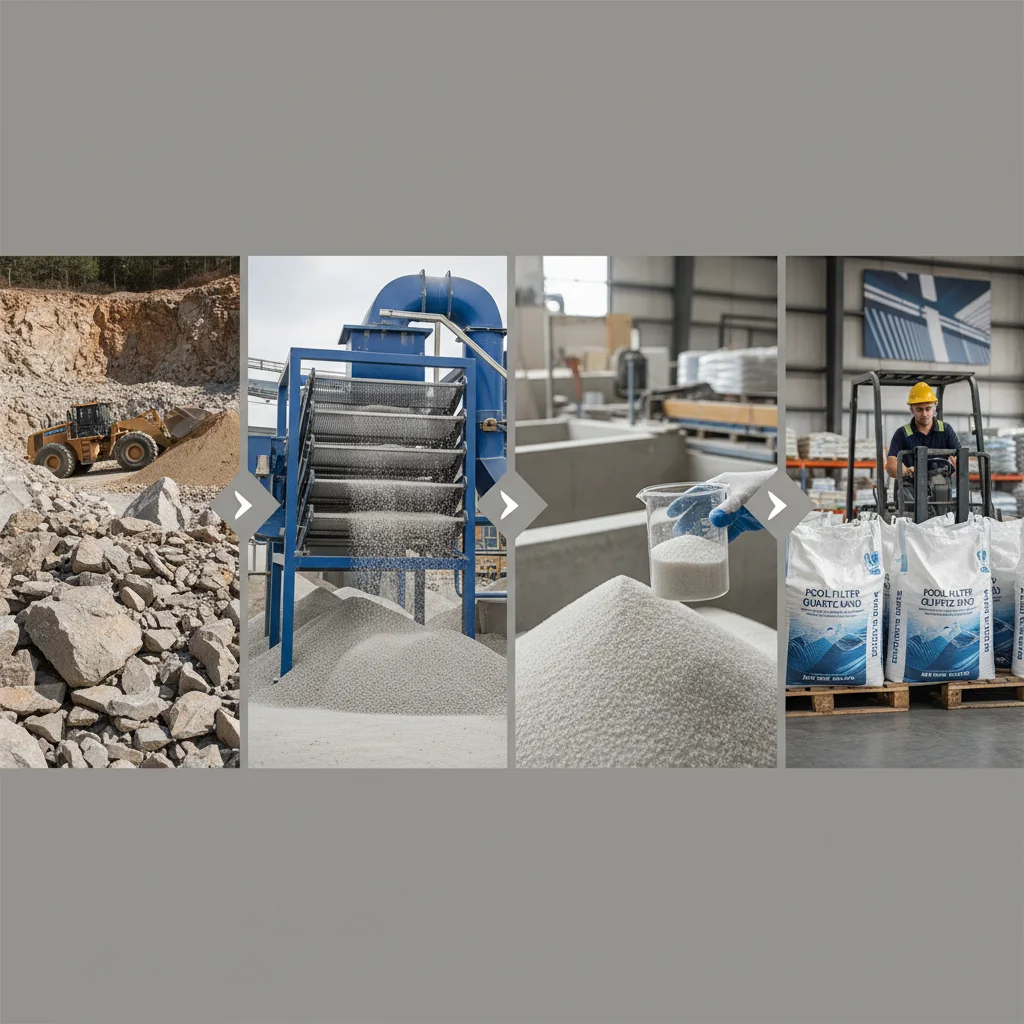
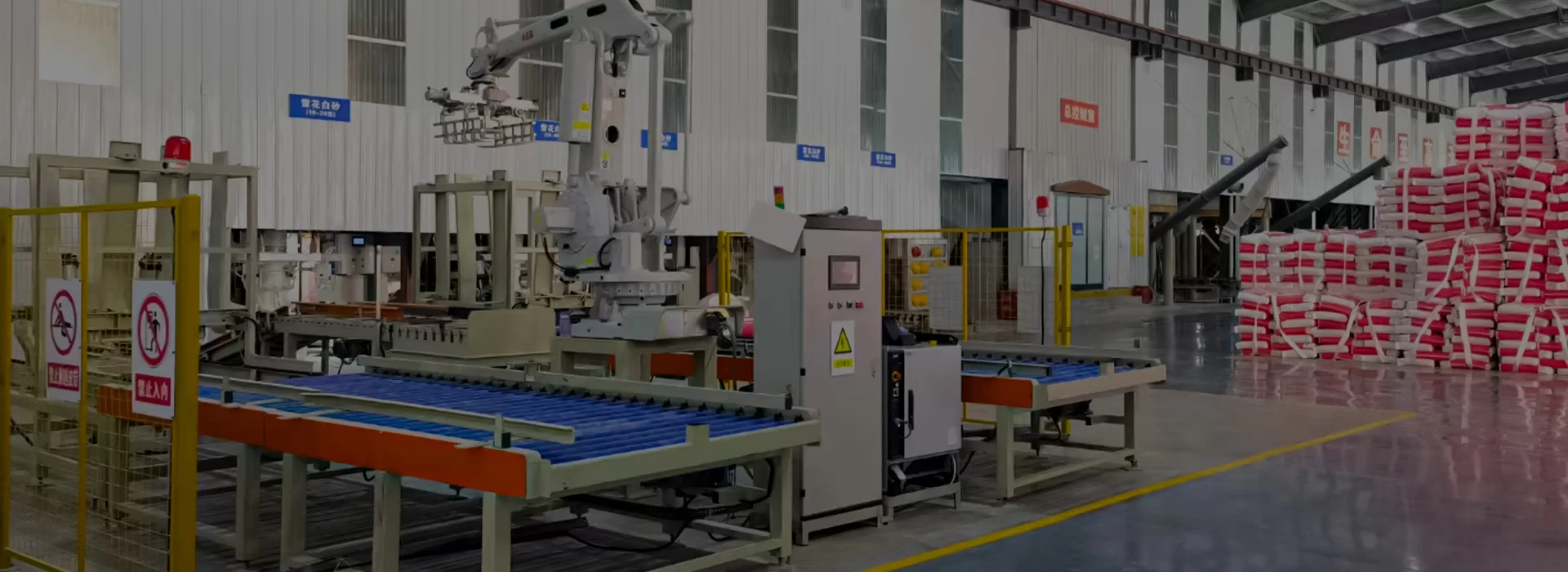
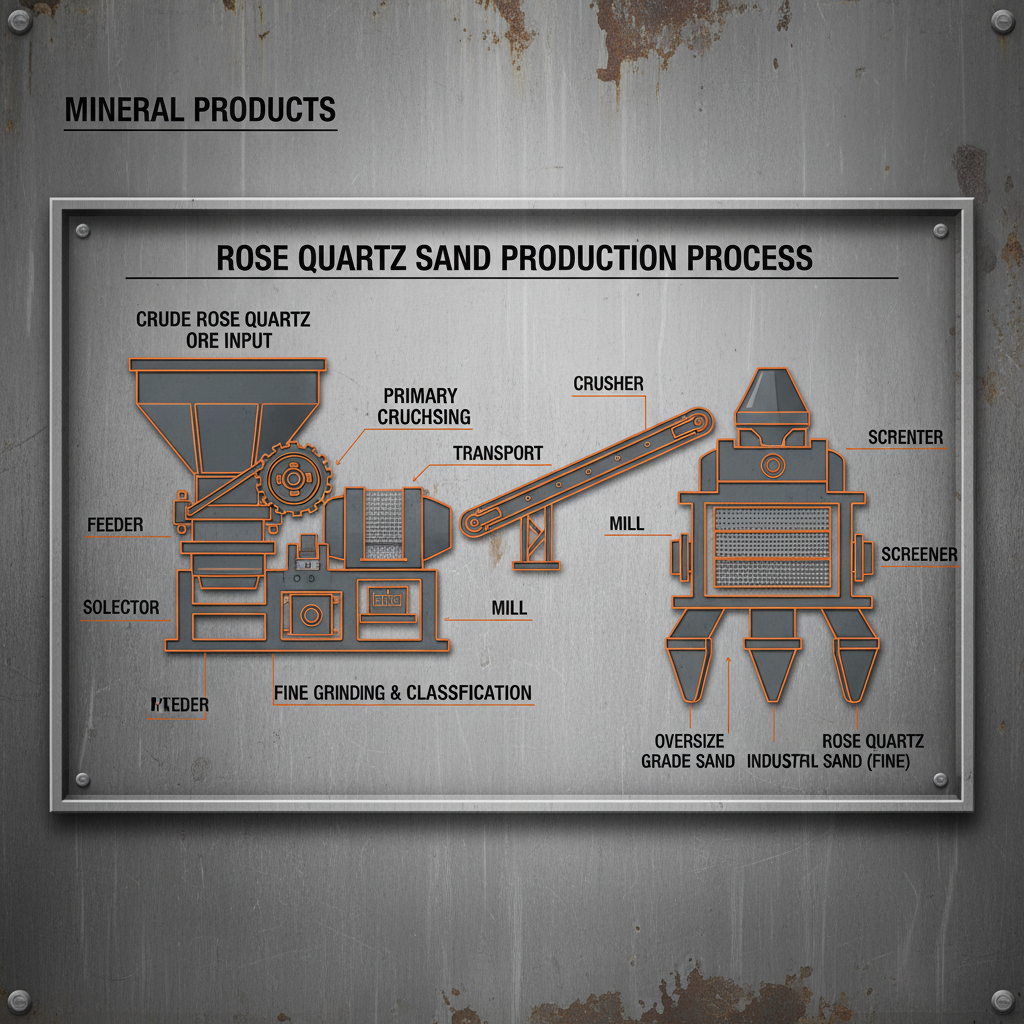
From a commercial standpoint, this material is classified as a non-metallic mineral aggregate. It is processed through rigorous crushing, screening, and washing phases to remove impurities and achieve specific mesh sizes. This precision allows it to be integrated into a variety of binders, from epoxy resins to high-strength cement, without compromising the structural integrity of the host material.
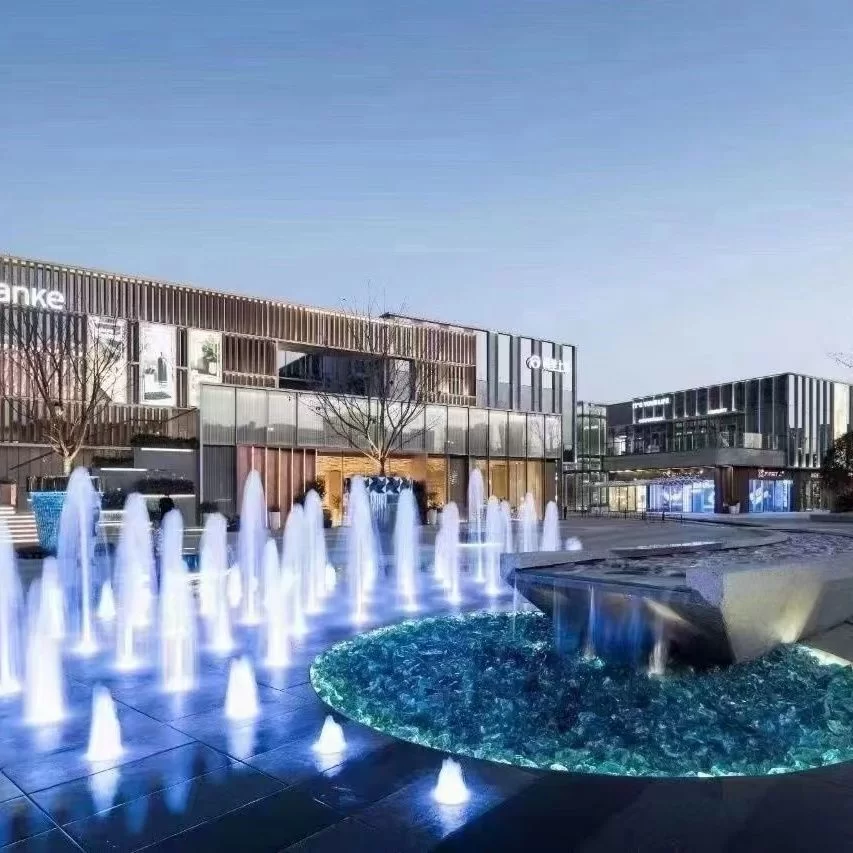
Modern industry relies on these properties to solve the problem of "sterile" industrial environments. By replacing grey gravel with rose-tinted quartz, developers can create spaces that feel warmer and more inviting while maintaining the rigorous hardness (7 on the Mohs scale) required for high-traffic commercial flooring and public plazas.
Core Components of Quality Quartz Aggregates
The primary factor in evaluating rose quartz sand is its color consistency. In the mining and processing phase, ore is sorted by hue to ensure that the final product meets the specific aesthetic requirements of the client, preventing unsightly variations in the finished surface.
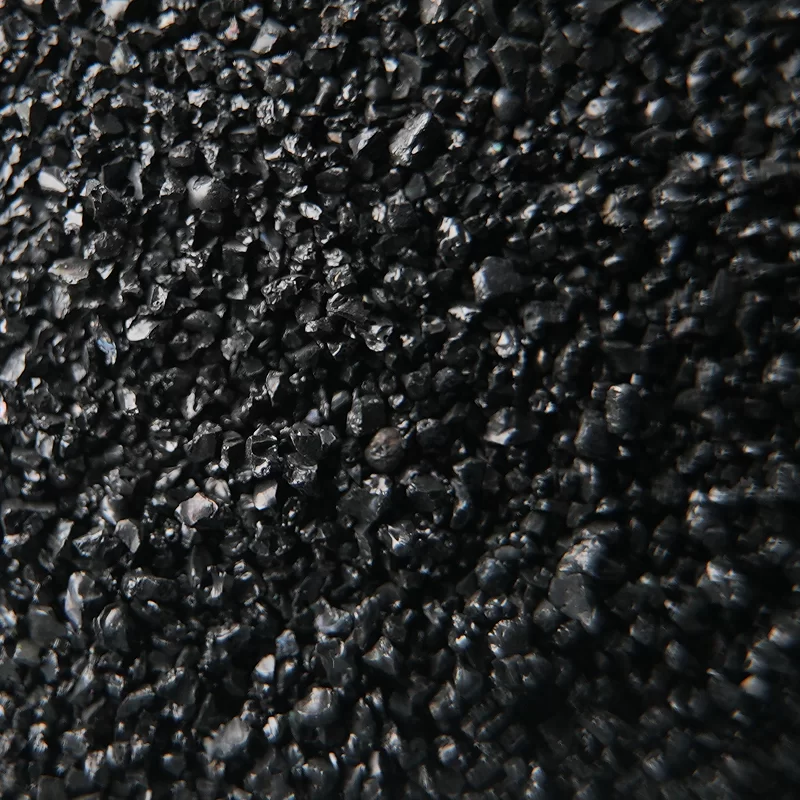
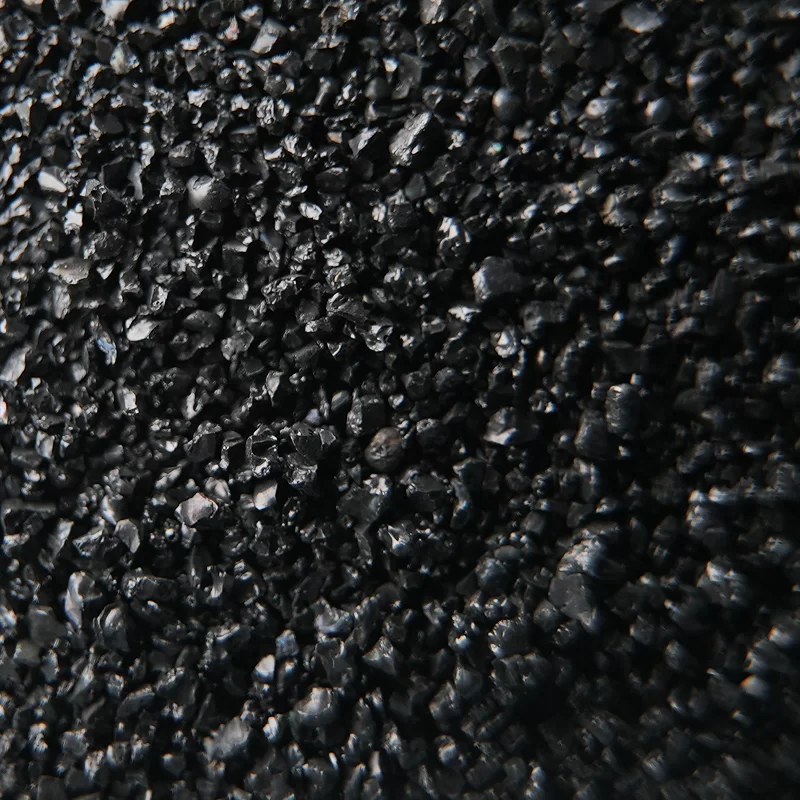
Another critical component is the grain morphology. Angular grains provide better mechanical interlocking in epoxy and concrete applications, whereas rounded grains are preferred for decorative landscaping and filtration. The ability to control the "sphericity" of the sand is what separates industrial-grade quartz from raw mine tailings.
Finally, chemical purity is paramount. The absence of clay, organic matter, and free iron oxides ensures that the rose quartz sand does not react negatively with chemical binders, which could otherwise lead to discoloration or structural cracking in the long term.
Performance Factors in Industrial Applications
When implementing rose quartz sand in industrial settings, the focus shifts from aesthetics to technical performance. Factors such as compressive strength, abrasion resistance, and thermal stability determine how the material behaves under stress, particularly in heavy-duty flooring or outdoor pavements.
To better understand the trade-offs between different processing methods, we analyze the performance ratings based on common industry metrics, including color vibrancy and structural bonding capacity.
Comparative Performance of Rose Quartz Sand Processing
Global Applications and Use Cases
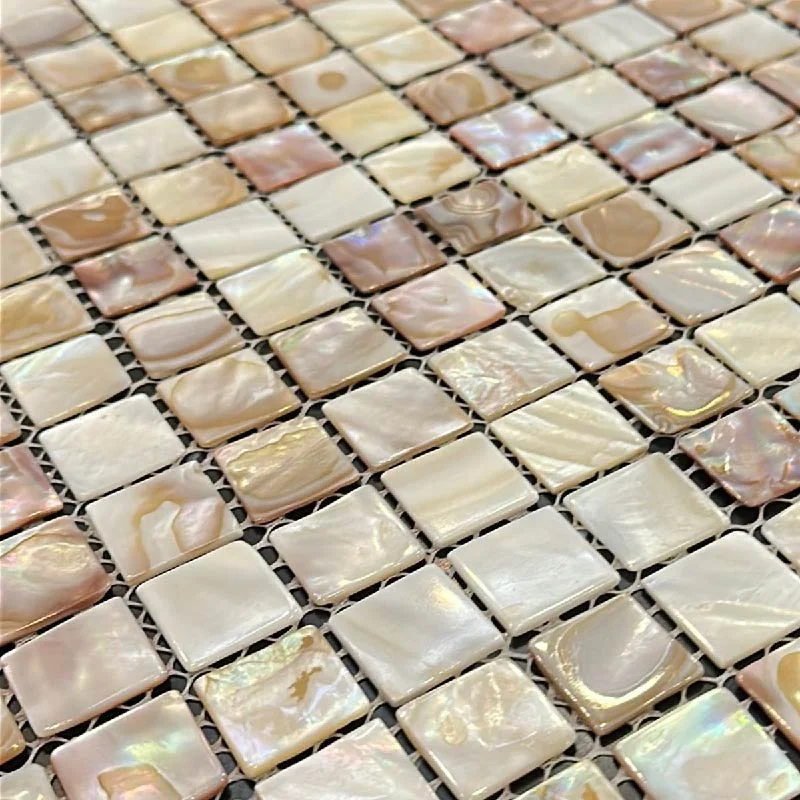
The application of rose quartz sand spans across multiple high-value sectors. In the luxury hospitality industry, it is frequently used in polished terrazzo floors and decorative wall cladding in hotels across Dubai and Singapore, where the soft pink hue evokes a sense of opulence and tranquility.
Beyond architecture, the material finds use in urban landscaping and public art installations. In remote industrial zones or public parks, it is used as a high-visibility, non-slip surfacing agent that remains aesthetically pleasing even under harsh weather conditions, proving that functional infrastructure can also be beautiful.
Long-Term Value and Sustainability
Investing in rose quartz sand offers significant long-term value through its extreme durability. Unlike synthetic alternatives, natural quartz does not degrade, peel, or lose color, which drastically reduces the lifecycle maintenance costs for facility managers and homeowners.
From a sustainability perspective, the use of natural minerals reduces the reliance on chemical pigments and petroleum-based dyes. When sourced from responsibly managed mines that adhere to environmental reclamation protocols, quartz sand provides a low-impact alternative for the construction industry.
There is also an emotional value associated with the material. The use of natural stone creates a psychological connection to the earth, fostering a sense of stability and timelessness in a world dominated by disposable materials. This "emotional durability" is a key driver for luxury brands integrating quartz into their flagship stores.
Future Trends and Technical Innovations
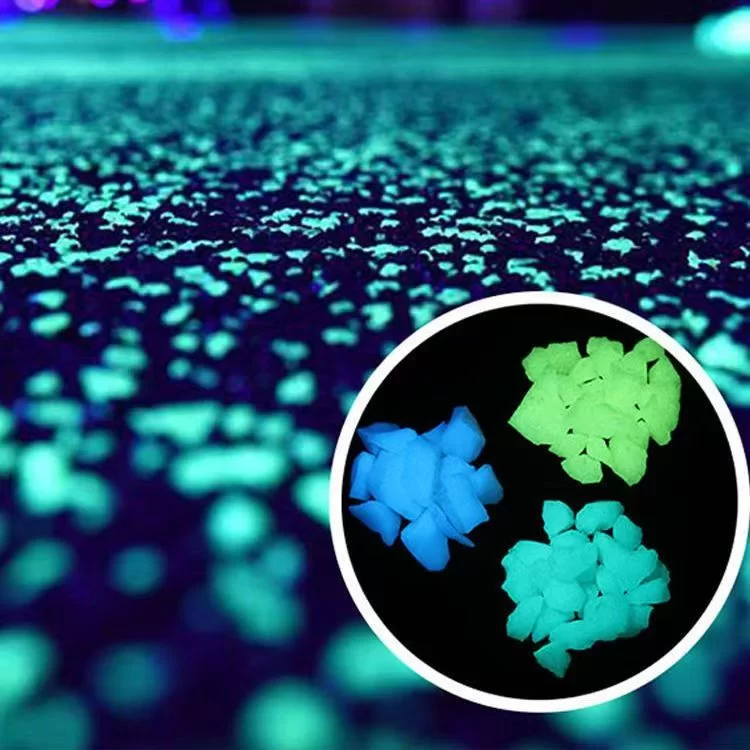
The future of rose quartz sand lies in the intersection of material science and automation. We are seeing the emergence of "smart" epoxy systems where quartz aggregates are blended with photo-luminescent materials to create floors that glow softly at night, combining the natural beauty of rose quartz with modern safety technology.
Furthermore, the adoption of AI-driven sorting technology in mines is allowing for unprecedented precision in color grading. This means that the "perfect pink" can be isolated more efficiently, reducing waste and lowering the cost for end-users while ensuring a 100% consistent product across different batches.
Sustainability policies are also driving the development of recycled quartz aggregates. Innovations in crushing spent industrial quartz and re-processing it into high-grade decorative sand are helping the industry move toward a circular economy without sacrificing the visual quality of the material.
Technical Specifications and Application Analysis of Rose Quartz Sand
| Grade Type |
Hardness (Mohs) |
Primary Use Case |
Durability Score |
| Fine Mesh (0.1-0.5mm) |
7.0 |
Epoxy Resin Coating |
9/10 |
| Medium Grain (0.5-2.0mm) |
7.0 |
Terrazzo Flooring |
10/10 |
| Coarse Aggregate (2.0-5.0mm) |
7.0 |
Decorative Landscaping |
8/10 |
| Industrial Powder |
6.5 |
Pigment Additive |
7/10 |
| Premium Sorted Pink |
7.0 |
Luxury Interior Wall |
9/10 |
| Eco-Recycled Quartz |
6.8 |
Sustainable Paving |
8/10 |
FAQS
No, unlike dyed sands or synthetic aggregates, the pink color of rose quartz sand is a natural mineral property caused by internal trace elements. This makes it highly resistant to UV radiation, ensuring that the color remains vibrant even in outdoor applications under direct sun for many years.
For the best results in commercial flooring, a clear, UV-stable epoxy resin is recommended. This allows the natural brilliance of the rose quartz sand to shine through while providing a hard, waterproof seal that prevents dirt from penetrating the aggregate layer.
We use a combination of mechanical crushing and multi-stage vibrating screens to isolate specific mesh sizes. Whether you need an ultra-fine powder for coatings or coarse grains for landscaping, the material is sieved to meet strict tolerances for uniform distribution.
Yes, as a naturally occurring mineral, it avoids the energy-intensive melting processes required for glass production. Furthermore, it is chemically inert, meaning it doesn't release toxins into the soil or water, making it a safer choice for environmentally sensitive projects.
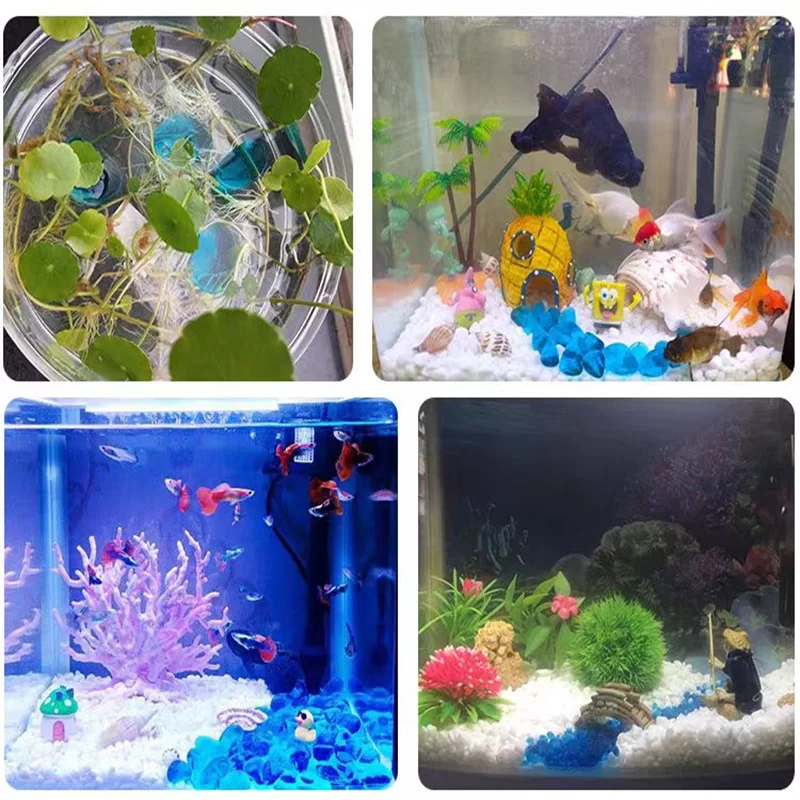
Absolutely. Due to its hardness and resistance to chemical erosion (such as chlorine), rose quartz sand is an excellent choice for pool pebbles and finishes, providing a shimmering, luxurious look that is both slip-resistant and durable.
We recommend requesting a pre-shipment sample and specifying the "Color Grade" in your order. By sourcing from the same mineral vein and using standardized sorting technology, we can provide batches that maintain a consistent hue across your entire project area.
Conclusion
In summary, rose quartz sand represents a perfect harmony of geological beauty and industrial strength. By leveraging its natural UV resistance, high Mohs hardness, and timeless aesthetic, designers and engineers can create spaces that are not only structurally sound but visually captivating. From the precision of its grain size to the purity of its mineral composition, every aspect of this material contributes to a high-value finish that outperforms synthetic alternatives.
Looking forward, the integration of smarter sorting technologies and sustainable mining practices will only make this material more accessible and eco-friendly. For those seeking to elevate their next architectural or landscaping project, transitioning to high-grade natural quartz is a strategic investment in quality and longevity. Discover the perfect aggregate for your vision by visiting our website: www.cnfloormaterials.com.