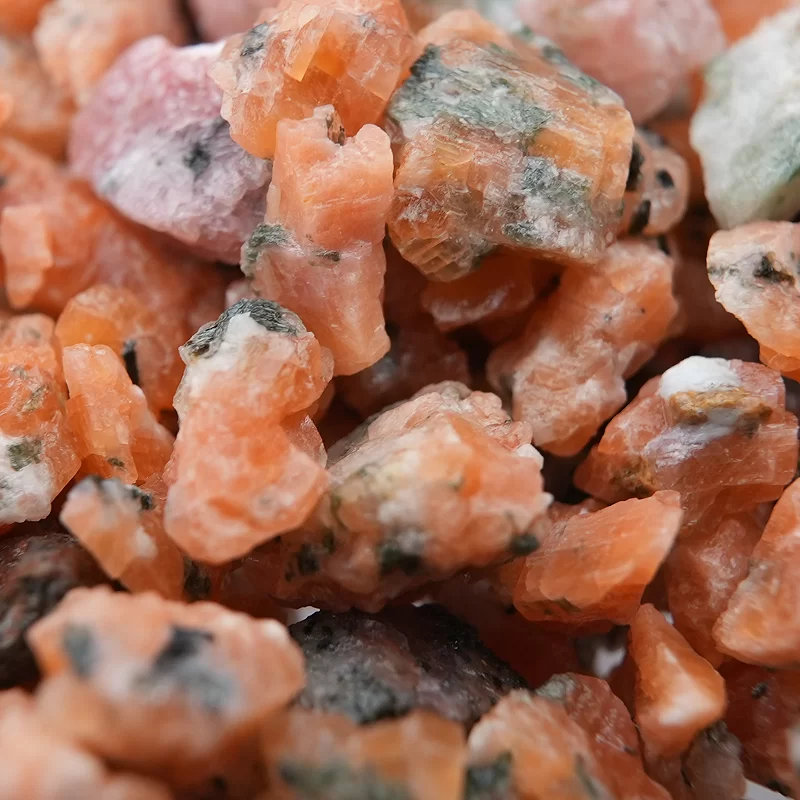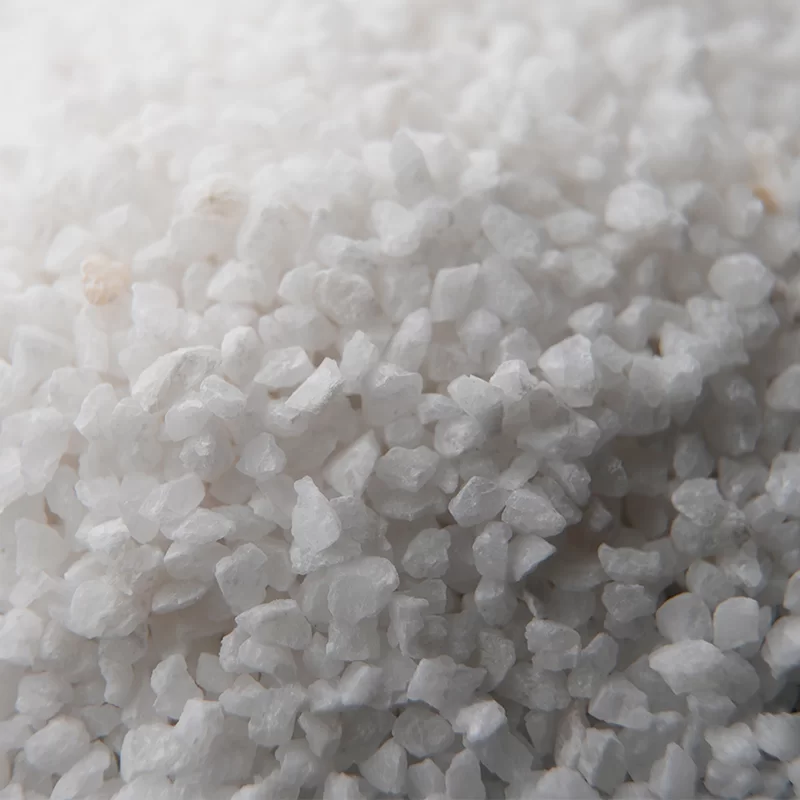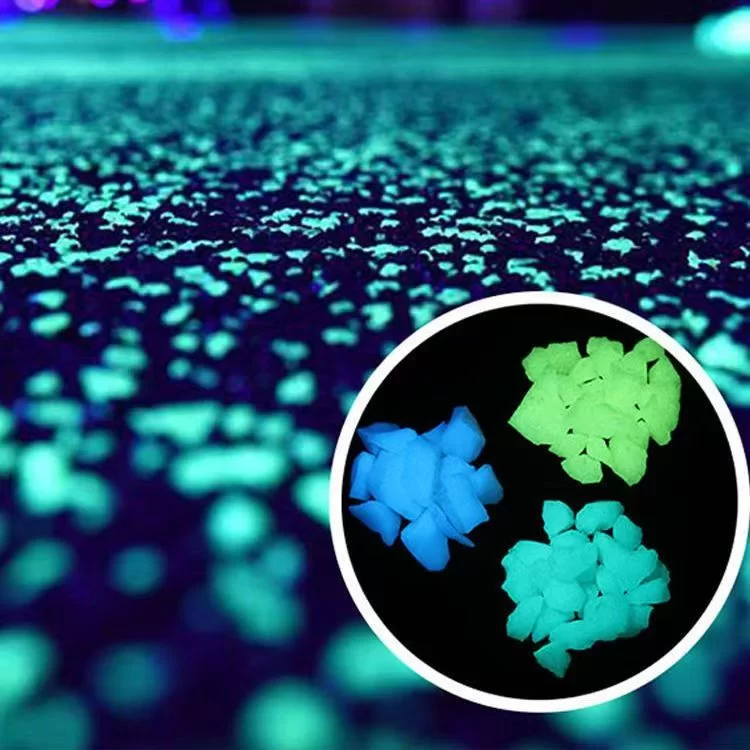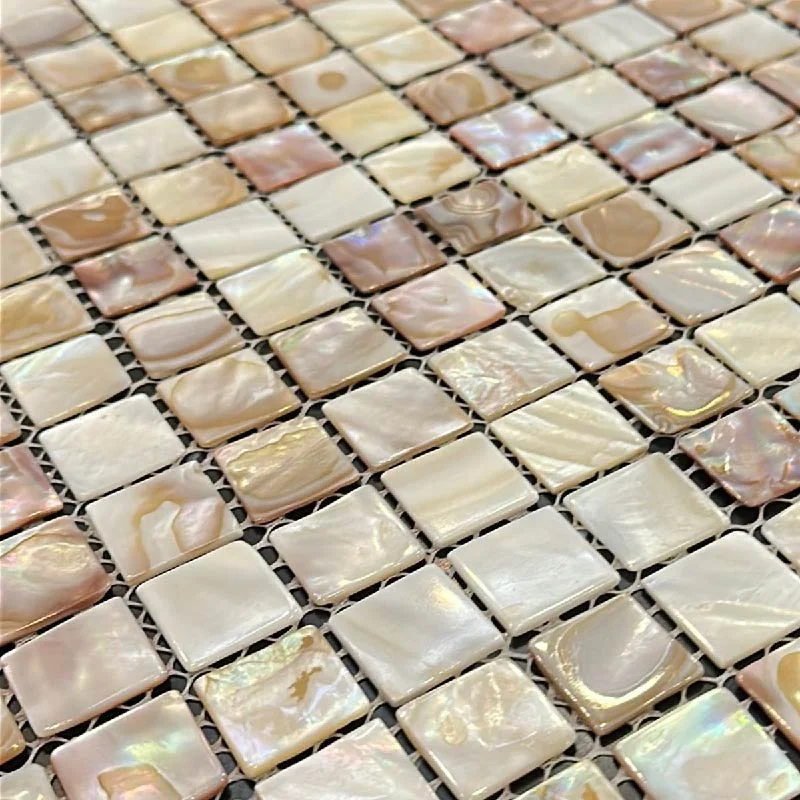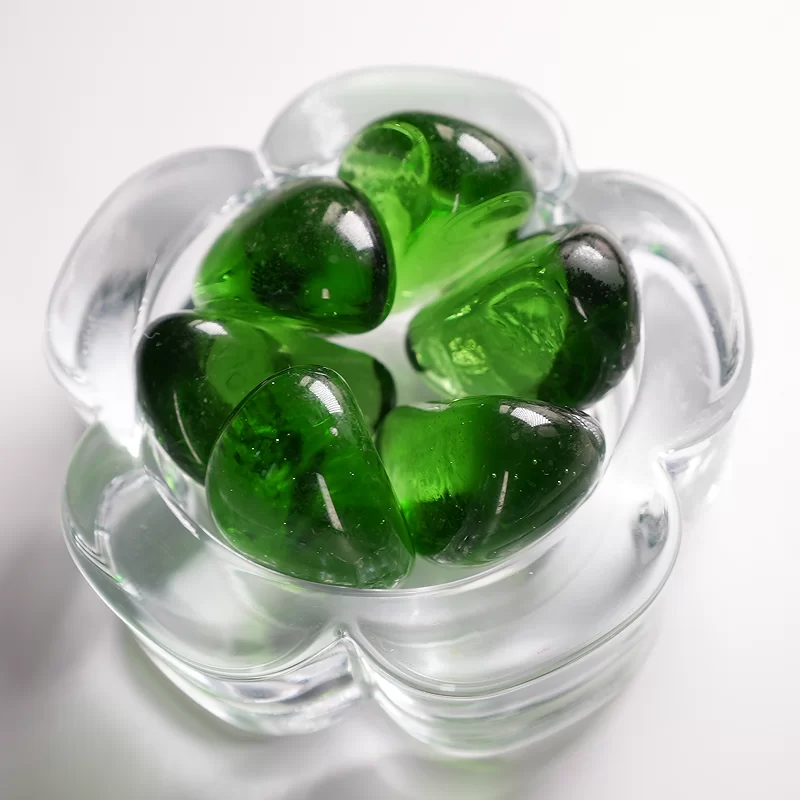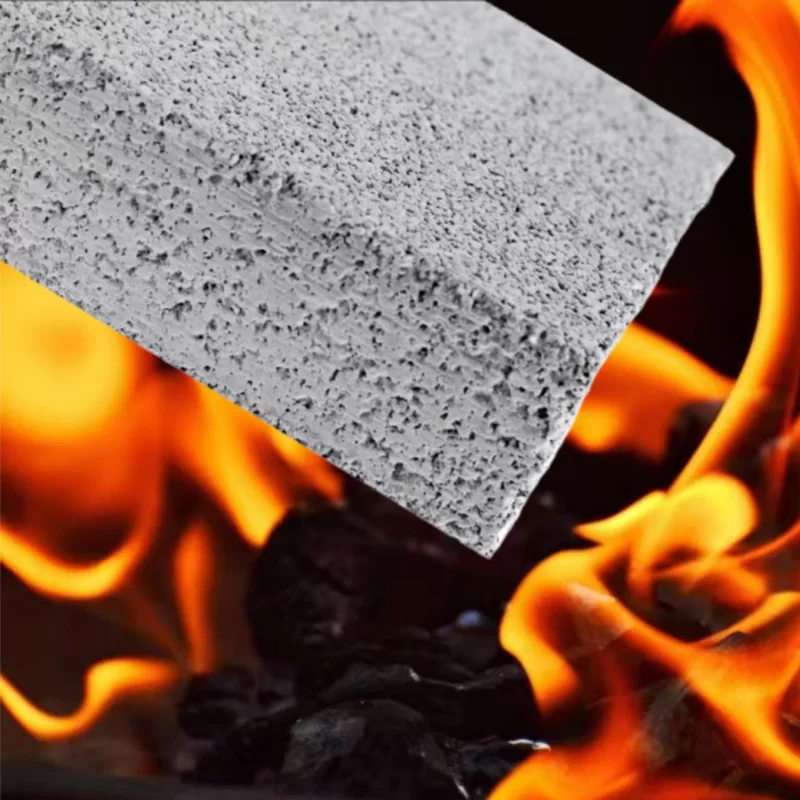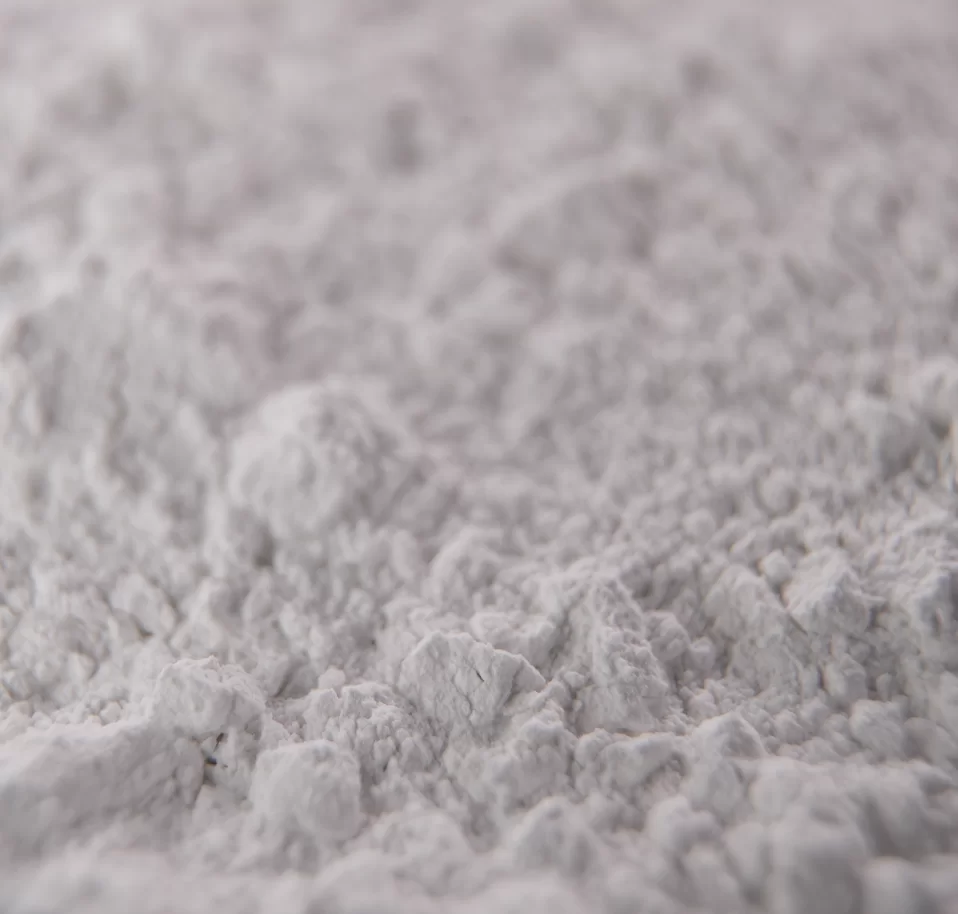
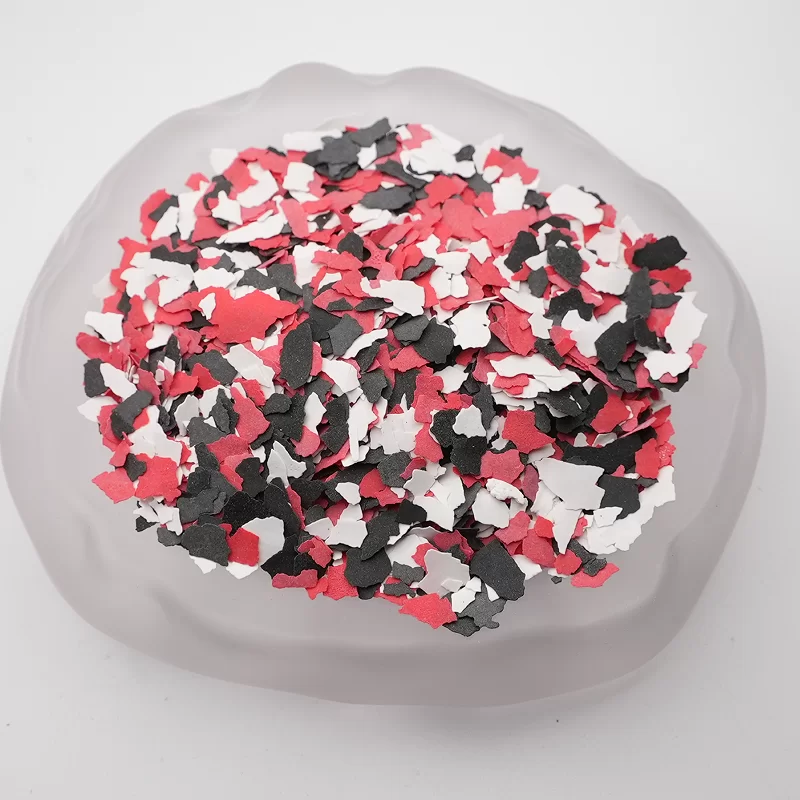
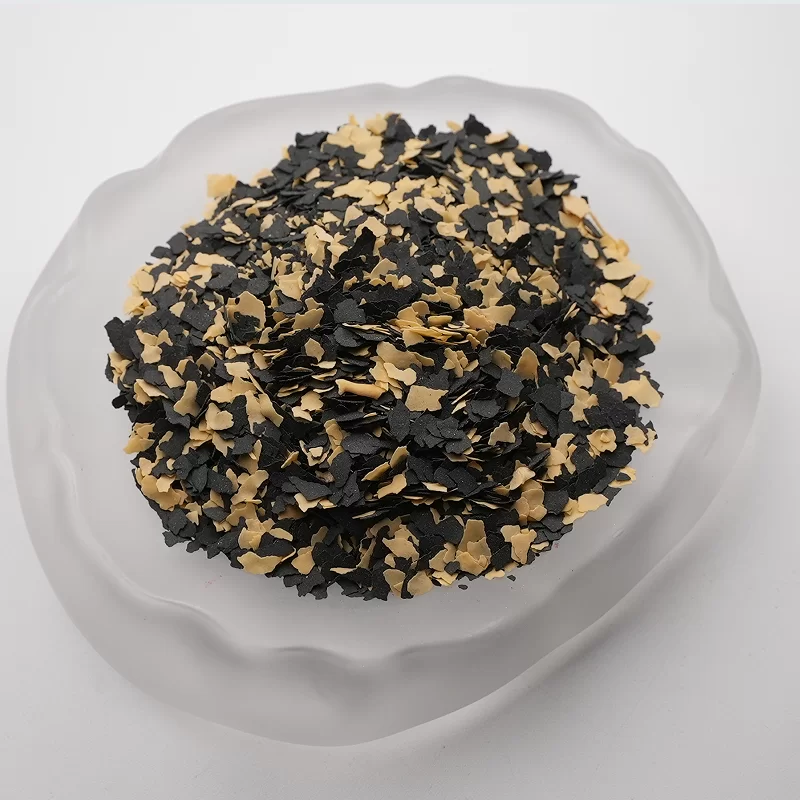
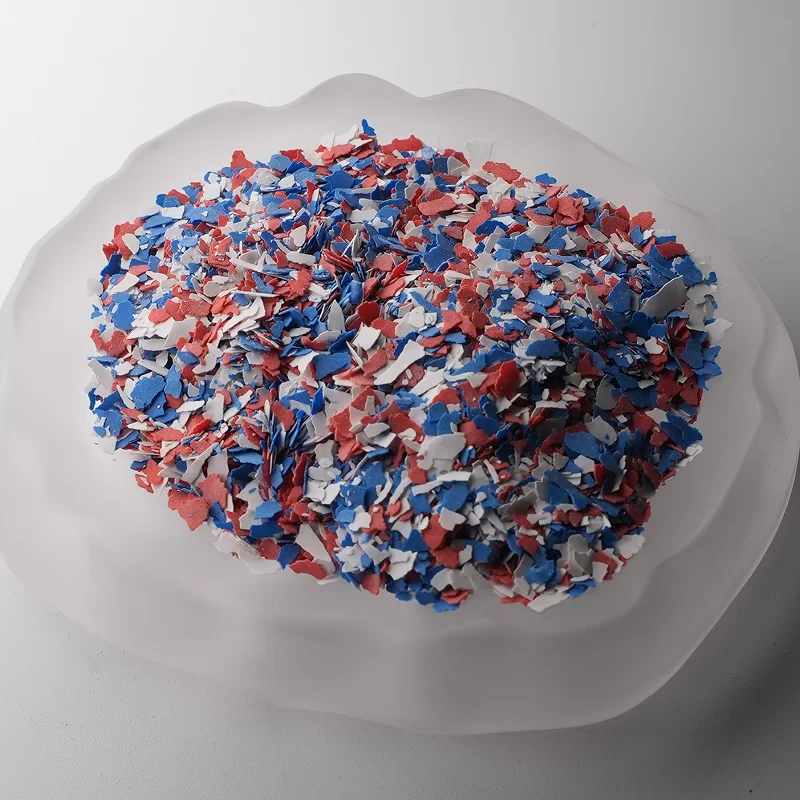
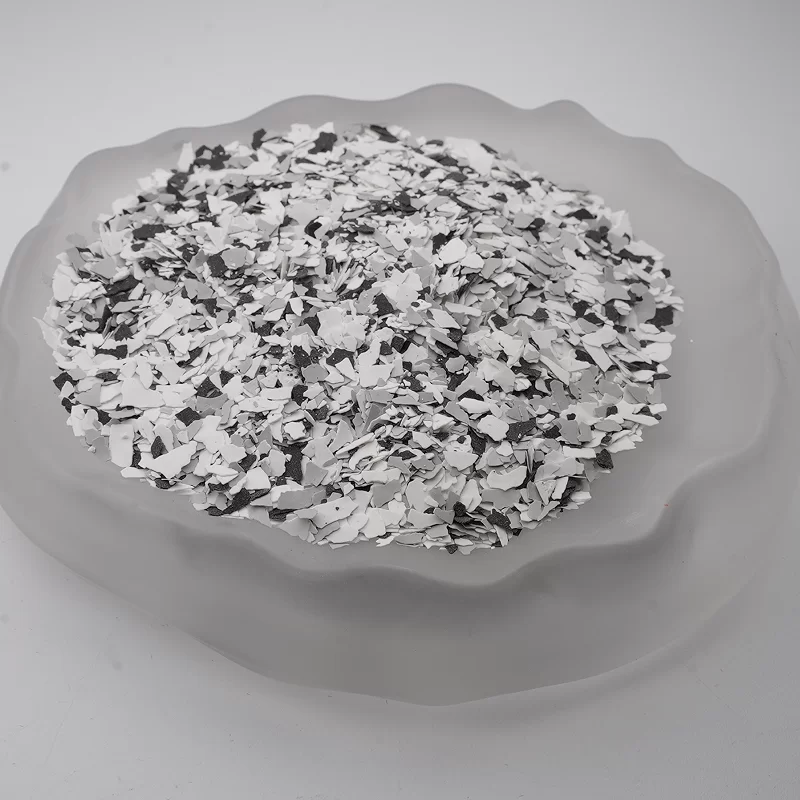
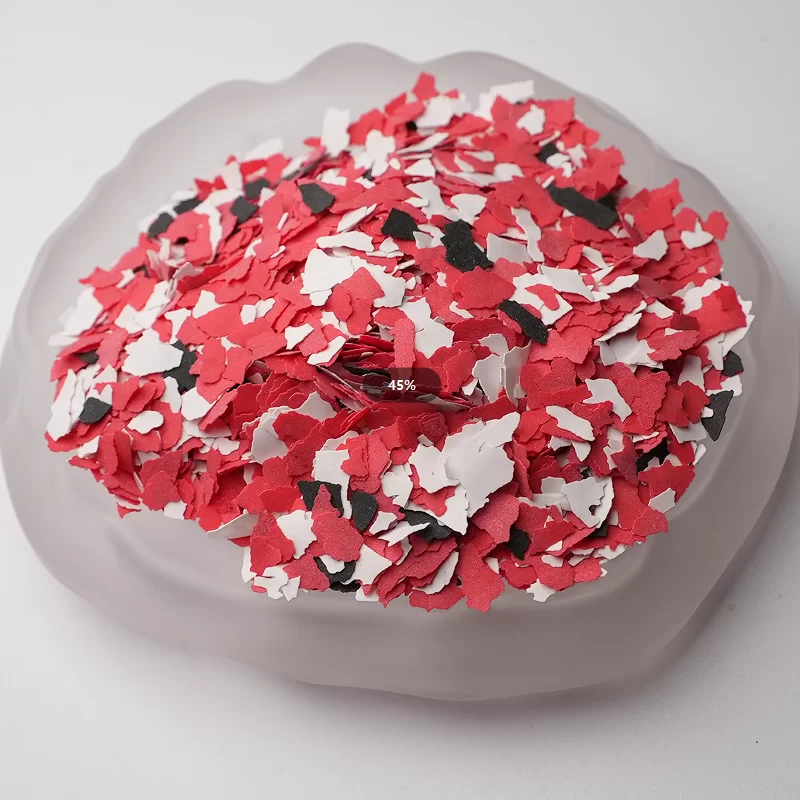
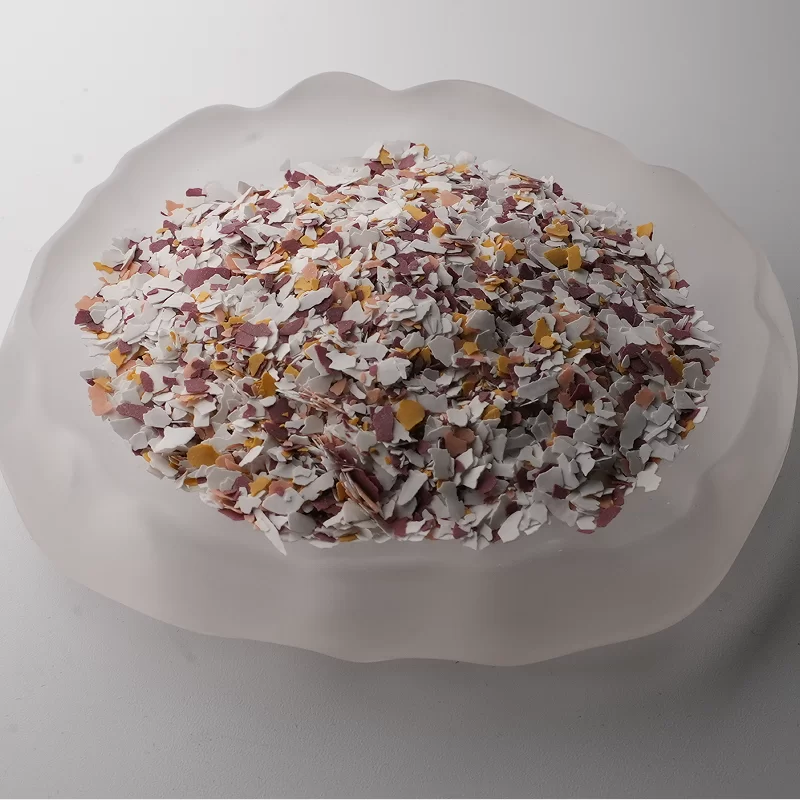
The Mica Flakes floor boasts a natural stone-like texture and a variety of rich color options. By combining different colors, you can create unique patterns and effects such as starry skies, marble, or granite. Unlike tiles or marble, it seamlessly integrates for a complete and grand appearance. We can customize colors and effects to match your brand tones and space design themes. The surface is protected by a high-strength epoxy resin seal layer, making it more durable than ordinary epoxy or cement floors. It can withstand heavy vehicles and equipment, as well as high-intensity foot traffic. Despite its smooth surface, the rock chip texture provides excellent anti-slip properties, ensuring safety even in humid environments. The seamless structure is also resistant to minor cracks caused by thermal expansion or concrete sinking, making it ideal for warehouses, workshops, and areas with heavy equipment.
The high-quality resin system ensures UV resistance, preventing yellowing and powdering. It maintains vibrant colors over time, outperforming many traditional epoxy floors. With excellent wear and pressure resistance, proper use and maintenance can extend its service life to 10-20 years or more. The seamless surface eliminates dust and stain hiding spots, making cleaning effortless. It also resists common chemicals, keeping the floor clean. Simple daily cleaning is sufficient, reducing long-term maintenance costs. It can be applied to new or refurbished concrete, diamond, or terrazzo floors, offering wide adaptability. The construction thickness can be adjusted to suit different usage needs. While the initial investment may be higher, considering its ultra-long service life, extremely low maintenance costs, and no need for replacement, the total life cycle cost is very economical.
Colorful:We can customize the product with any color combination, allowing for unlimited design creativity. We can also add personalized patterns, logos, and more.
Seamless:When combined with epoxy resin, it creates a seamless and integrated floor that is both visually appealing and easy to clean.
High wear resistance and Pressure resistance:The material boasts the durability of natural stone, offering greater resistance to wear and tear compared to regular epoxy flooring. It's also able to withstand heavy vehicle traffic.
Anti-corrosion:This material exhibits excellent resistance to most common acids, bases, solvents, and oils. It is also easy to clean and maintain.
Floor Mica Flakes:1-3mm, 3-5mm
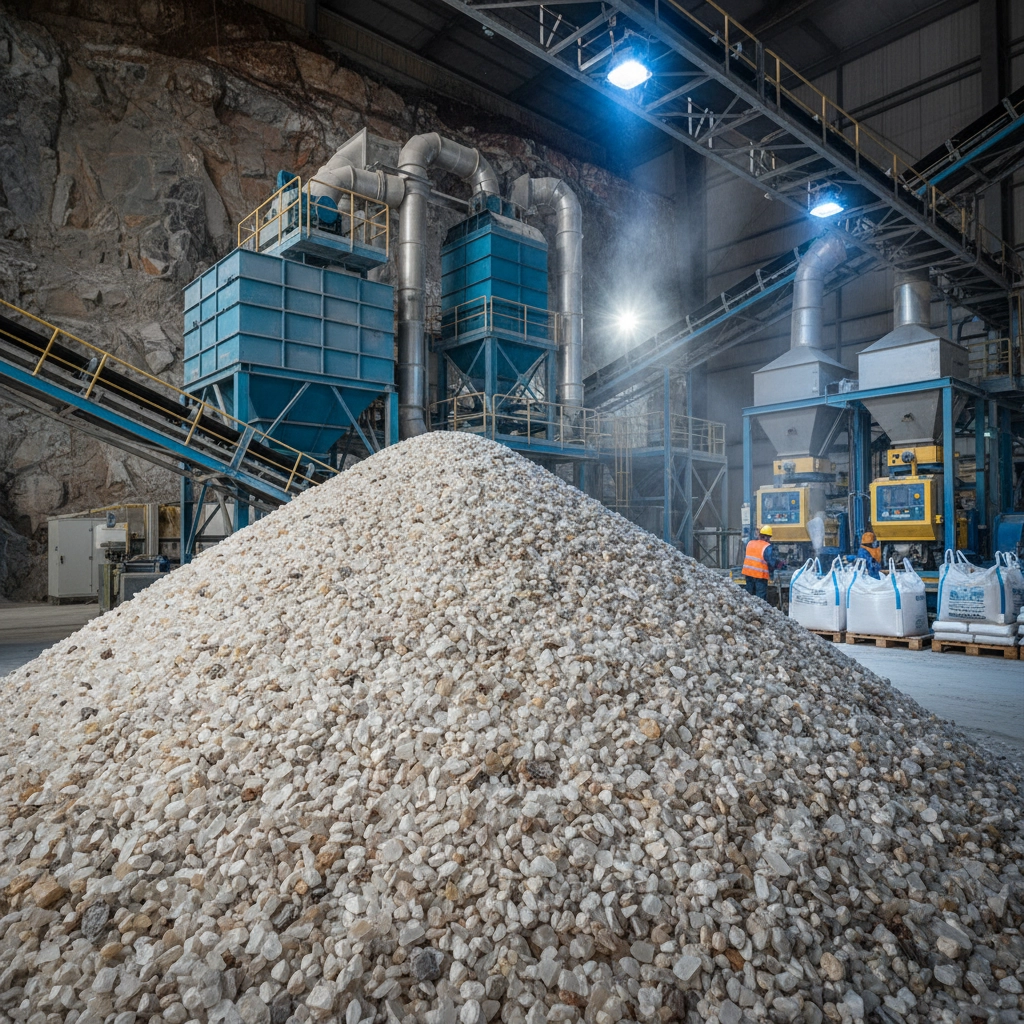
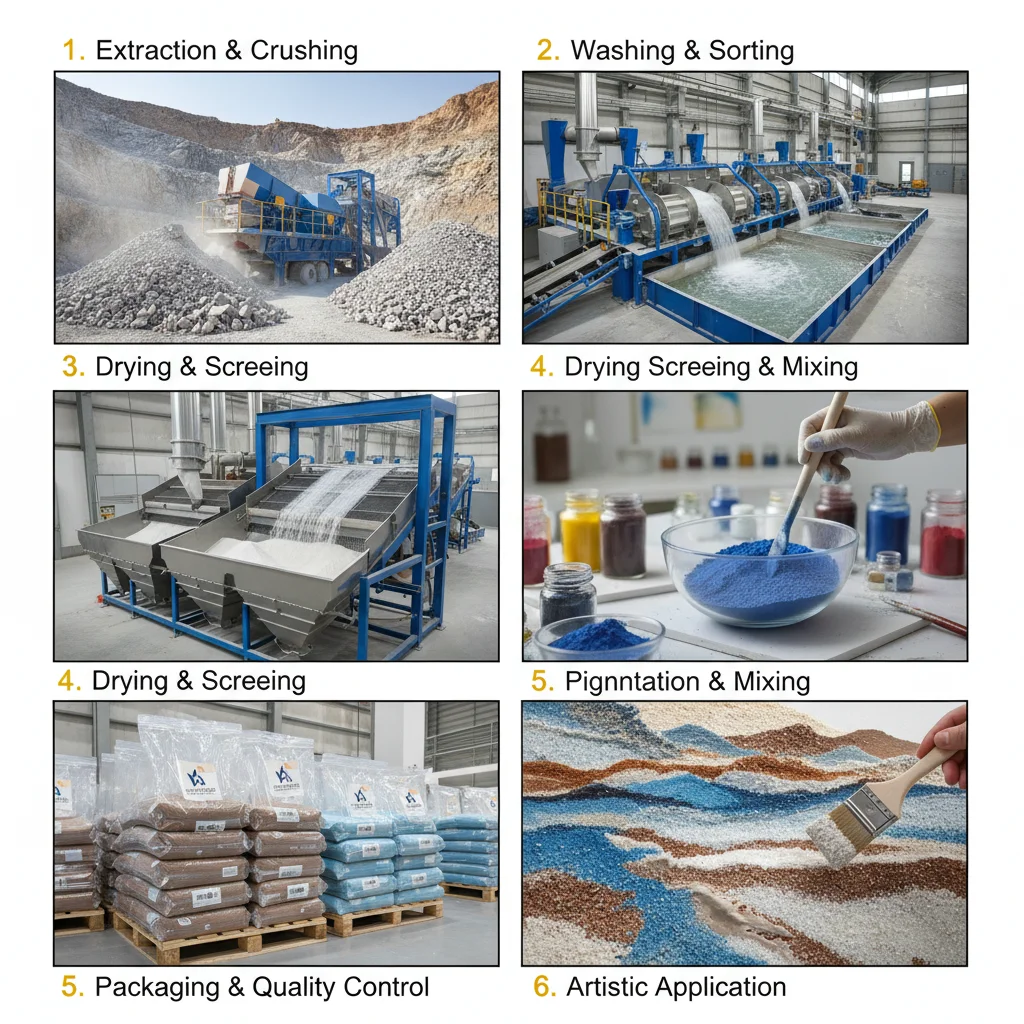
Flooring Mica Flakes are decorative polymer flakes used for flooring, mimicking the appearance of natural rocks like granite and marble. They're made of inorganic materials, polymer resin, and mineral pigments, and are mixed with epoxy or polyurethane coatings during construction. The resulting composite flooring system resembles natural gravel but has a smooth, mirror-like surface and excellent performance.
What Are Mica Flakes for Epoxy and How Do They Improve Epoxy Floors
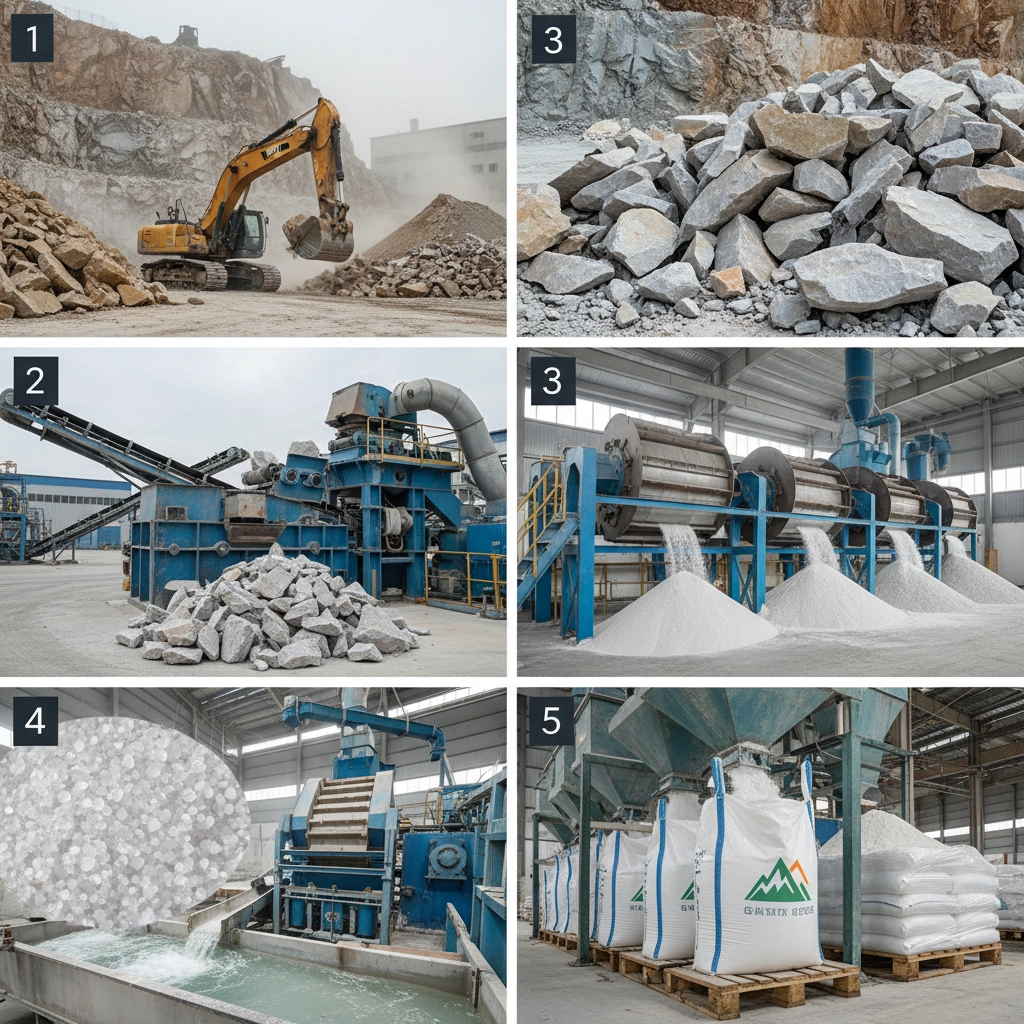
Mica flakes for epoxy are decorative mineral flakes commonly used in epoxy flooring systems to enhance both the appearance and performance of the floor surface. These flakes are made from natural mica minerals that are processed into lightweight, thin particles with reflective properties. When broadcast into wet epoxy coatings, the flakes become embedded in the surface layer, creating a visually textured finish that improves durability and aesthetics.
One of the main advantages of using mica flakes for epoxy is their ability to create unique decorative effects. The flakes are available in various colors and sizes, allowing flooring designers to produce surfaces that resemble natural stone, terrazzo, or granite. This decorative flexibility makes mica flake floor systems popular in commercial spaces, garages, showrooms, and industrial facilities where both functionality and appearance are important.
In addition to visual benefits, mica flakes for epoxy also enhance the functional performance of epoxy flooring. The flakes add an extra layer of protection that helps improve wear resistance, reduce visible scratches, and increase slip resistance. This makes epoxy floors more durable in high-traffic areas and environments where safety is a priority.
For large flooring projects, many contractors prefer purchasing epoxy flakes bulk to ensure color consistency and cost efficiency. Bulk supply allows installers to maintain uniform decorative patterns across large floor areas while reducing material costs and simplifying project logistics.
Mica Flake Floor vs Traditional Epoxy Flooring: What’s the Difference
A mica flake floor system differs significantly from traditional solid-color epoxy flooring in both appearance and performance. While standard epoxy floors typically feature a smooth, uniform surface, flooring systems that incorporate mica flakes for epoxy create a textured and multi-dimensional decorative effect. This layered appearance helps conceal imperfections, stains, and wear marks that are more visible on plain epoxy surfaces.
From a design perspective, mica flake floor coatings provide far greater visual flexibility. Different flake sizes, colors, and blending ratios can be used to produce customized flooring styles ranging from subtle decorative finishes to bold stone-like patterns. As a result, many commercial buildings, retail spaces, and automotive facilities prefer mica flakes for epoxy flooring systems to achieve a premium aesthetic.
Performance is another key difference. The addition of flakes can improve surface traction and durability. Because the flakes form a reinforced layer within the coating system, mica flake floor solutions often provide better resistance to abrasion and heavy foot traffic compared with basic epoxy coatings.
Cost efficiency also plays a role in large-scale installations. Contractors frequently purchase epoxy flakes bulk to maintain consistent color blends across large areas while reducing material costs. Bulk sourcing ensures that flooring installers have enough material to complete projects efficiently without interruptions.
How to Choose the Right Size of Mica Flakes for Epoxy Floors
Choosing the correct size of mica flakes for epoxy floors is an important step in achieving both the desired decorative appearance and the right level of performance. The size of the flakes directly affects the texture, visual style, and coverage of a mica flake floor system. Flooring contractors and designers typically select flake sizes based on the type of project, the overall design concept, and the functional requirements of the flooring environment.
Small-sized mica flakes for epoxy, usually around 1–2 mm, are often used when a subtle and refined decorative finish is required. These smaller flakes create a smoother and more uniform surface while still adding visual depth and texture. They are commonly used in residential garages, office interiors, and retail stores where a clean and professional appearance is preferred.
Medium-sized flakes, typically between 2–4 mm, are one of the most popular options for mica flake floor systems. This size provides a balanced combination of decorative effect and surface durability. The flakes create a noticeable textured appearance while still maintaining a comfortable walking surface. Medium-sized flakes are widely used in commercial buildings, showrooms, and light industrial facilities.
Larger flakes, generally above 4 mm, create a more dramatic decorative effect and are often used to mimic natural stone or terrazzo-style flooring. These larger flakes can provide stronger visual contrast and help hide surface imperfections in large flooring areas. However, they may require thicker topcoat layers to fully encapsulate the flakes.
When working on large projects, many contractors prefer sourcing epoxy flakes bulk to ensure consistent size distribution and color matching throughout the installation. Bulk supply also helps reduce costs and simplifies material management for large-scale epoxy flooring applications.
Best Applications for Mica Flake Floor Systems
Thanks to their decorative appearance and durable performance, mica flake floor systems are widely used across a variety of commercial and industrial environments. These flooring systems combine epoxy coatings with mica flakes for epoxy, creating a protective surface that is both visually appealing and highly resistant to wear.
One of the most common applications for mica flake floor systems is in garages and automotive facilities. The flakes help hide tire marks, stains, and scratches that typically occur in high-use areas, while the textured surface can also improve slip resistance. This makes them a popular choice for residential garages, car dealerships, and service centers.
Retail stores and showrooms also frequently use mica flakes for epoxy flooring because the decorative finish creates a professional and attractive environment for customers. The stone-like appearance produced by the flakes can elevate the overall interior design while maintaining the durability required for high foot traffic.
Industrial and warehouse spaces are another ideal application. When contractors purchase epoxy flakes bulk, they can efficiently install large floor systems that offer long-term durability and low maintenance requirements. The additional protective layer created by the flakes helps extend the service life of epoxy flooring even in demanding environments.
Because of their combination of aesthetics, strength, and cost efficiency, mica flake floor systems have become a preferred solution for many modern epoxy flooring projects.