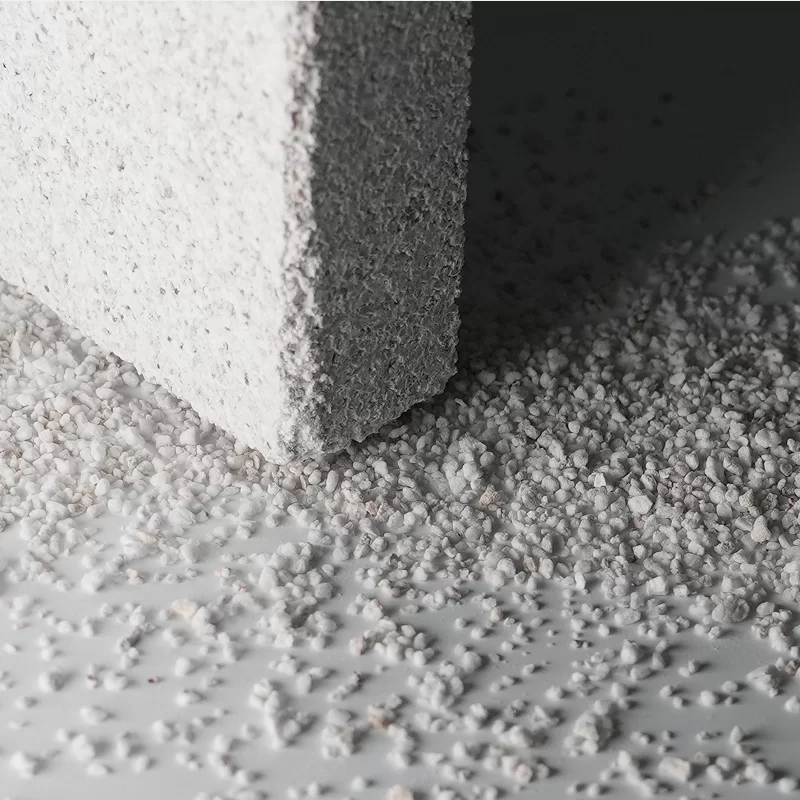
Perlite Board For Fire Prevention

Perlite Board For Fire Prevention

The major advantage of perlite board is its good insulation performance, strong stability, and excellent performance in fire prevention and energy saving.

Send email to us >
Download
PRODUCT FEATURES

Excellent insulation performance: The major advantage of perlite board is its good insulation performance, strong stability, and excellent performance in fire prevention and energy saving.

Long service life: Perlite insulation board has a better service life than other types of insulation boards. Because it is a rock like material, it is usually not prone to aging and can be used for a long time.

Easy construction and low maintenance cost: Perlite insulation board not only has excellent performance, but also has high social and economic value. The construction is relatively simple and the maintenance cost is low.

Environmental friendliness, energy efficiency, and earthquake resistance: Perlite insulation board also has advantages such as environmental friendliness, energy efficiency, and earthquake resistance, and is suitable for various types of buildings.

Sound insulation and moisture resistance: Perlite insulation board also has the advantages of sound insulation and moisture resistance.

Perlite board has been widely used in the construction industry due to its excellent thermal insulation performance, long service life, simple construction process, low maintenance cost, as well as environmental protection, energy saving, earthquake resistance and other characteristics.


Lightweight: The density of perlite board is relatively low, usually between 100-300kg/m ³.

Thermal insulation and thermal insulation performance: Due to its porous structure, perlite board has good thermal insulation and thermal insulation performance.

Sound absorption effect: The sound absorption effect of perlite board is about 5 times higher than that of ordinary concrete, and the sound insulation coefficient is greater than 45.

Fire resistance: Perlite board is an A-grade non combustible inorganic insulation material with good fire resistance.

Waterproof performance: Perlite fireproof board has undergone immersion testing, and the board will not expand, deform or fall off, maintaining its original strength. The water absorption rate is only 50g/(m ² · h), which is about one tenth of similar products.

Environmental performance: Perlite board is made of pure inorganic green and environmentally friendly materials, which are non-toxic, harmless, and pollution-free.


Size:500*500*30mm;525*450*40mm made as customer required


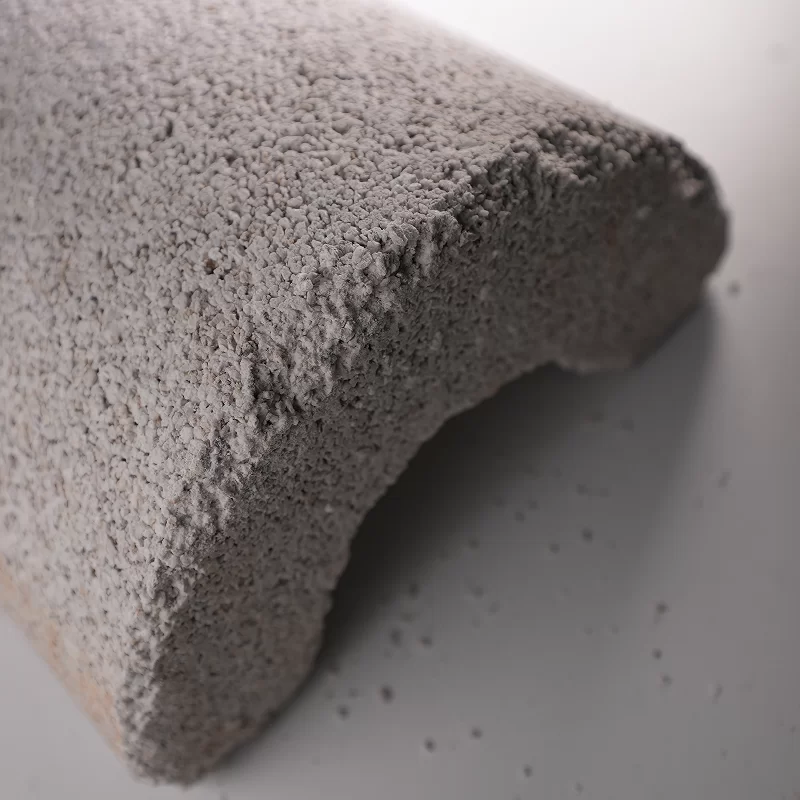
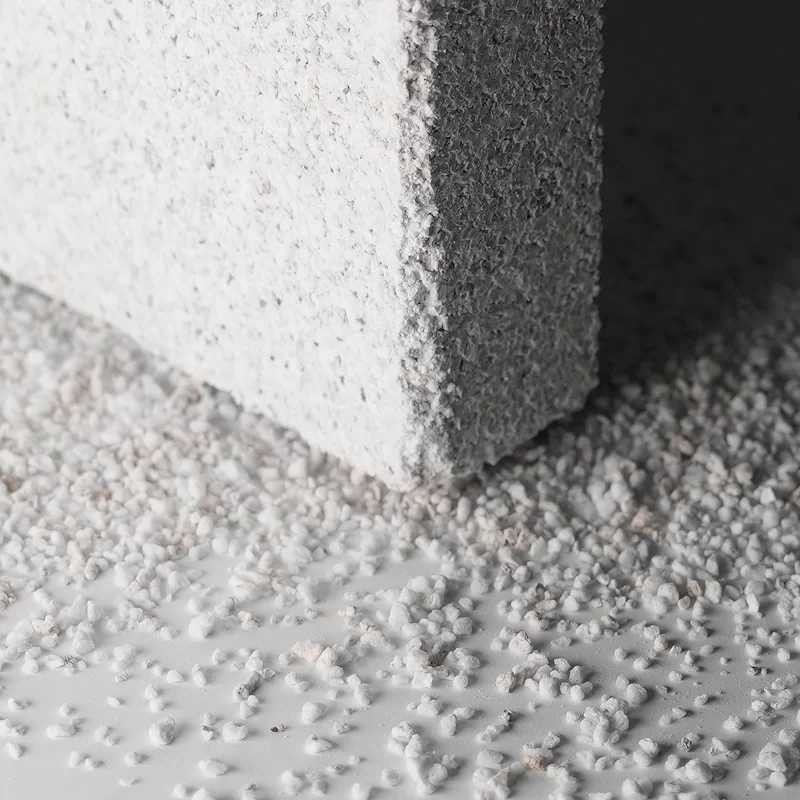
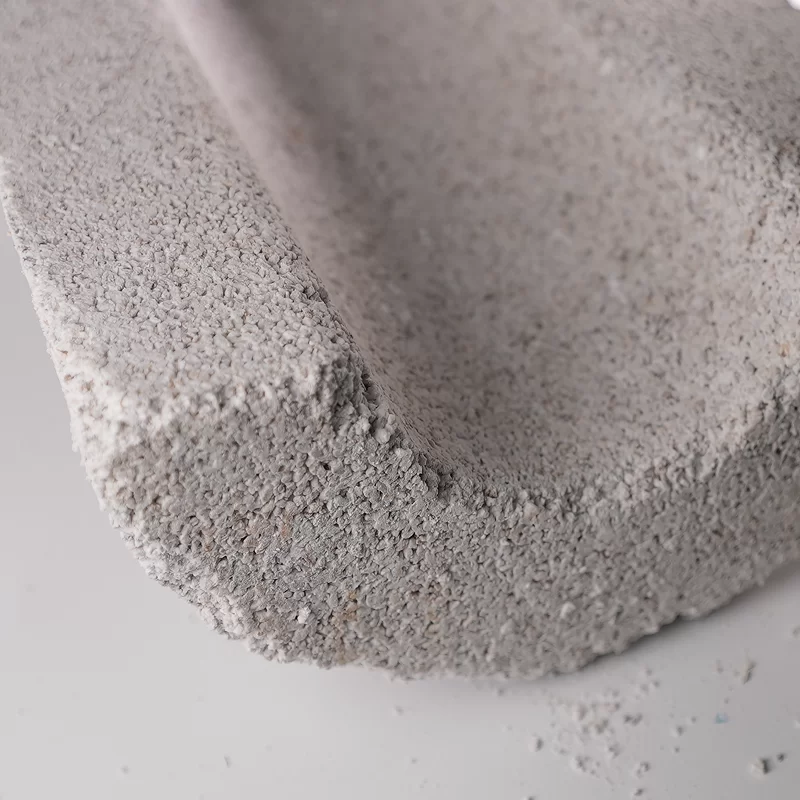
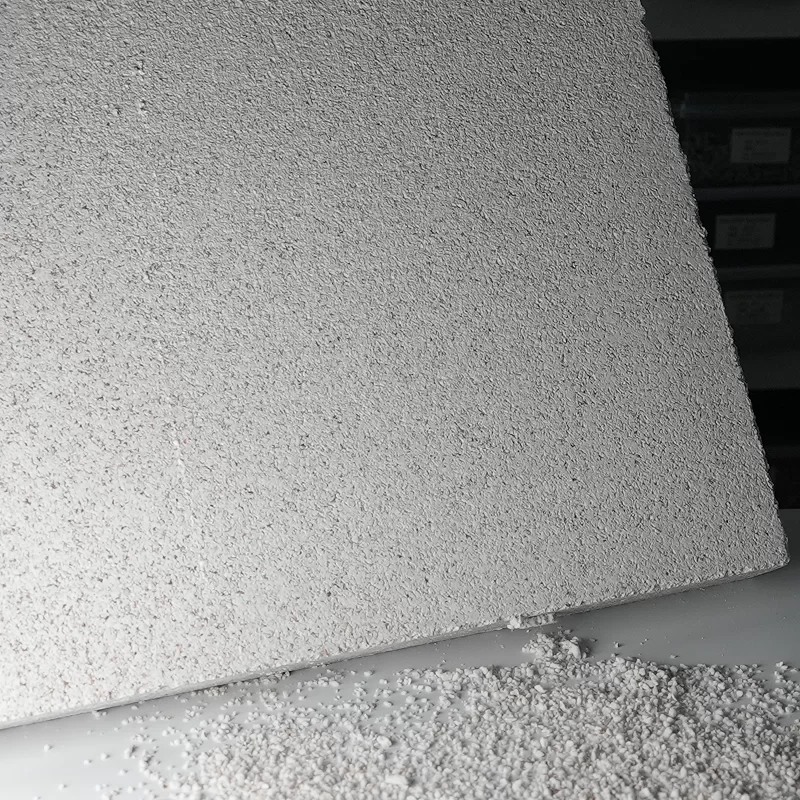
Perlite fireproof board, also known as expanded perlite fireproof board, is made of expanded perlite particles as raw material, mixed with an appropriate amount of inorganic environmentally friendly adhesive, reinforced with double-layer metal mesh, pressed and dried to form a perlite thin plate with a size of 500*500mm and a thickness of 30-40mm

Contact Us
Contact Us Let’s Bring your Ideas to Life Contact us Today For Custom Solutions.
High-quality architectural stone — crafted for strength, beauty, and lasting performance.
Factors Influencing Industrial Silica Quartz Price Per Ton
Determining the cost of high-purity silica is a complex process influenced by mineral grade, processing requirements, and global supply chain dynamics. For industrial buyers, understanding the variables that dictate the silica quartz price per ton is essential for accurate project budgeting and supplier selection. This analysis explores how raw material specifications and logistical factors converge to establish market value. In the B2B mineral sector, pricing is rarely static. The variance between standard construction sand and high-grade quartz used in architectural terrazzo or glass production is significant. Factors such as the presence of iron oxides, the precision of grain sizing
Factors Influencing Industrial Quartz Sand Price per Ton
Procuring industrial minerals requires a delicate balance between material purity and cost-efficiency. For businesses in construction, glass manufacturing, and decorative arts, understanding the factors that influence the quartz sand price per ton is essential for maintaining project budgets without compromising on quality. High-purity silica sand serves as a fundamental raw material, but its value fluctuates based on grain size, chemical composition, and processing levels. Whether you are sourcing for large-scale industrial beneficiation or specialized architectural mosaics, the technical specifications of the sand such as acid resistance and thermal stability directly impact the final applications durability.
Factors Influencing Industrial Quartz Sand Price and Quality
For procurement managers and construction engineers, understanding the variables that influence quartz sand price is essential for budget optimization and project stability. Quartz sand, primarily composed of silicon dioxide SiO2, is a critical raw material used in everything from glass manufacturing to high-performance architectural paving. The cost of this mineral is not static; it fluctuates based on geological availability, purity levels, and the energy required for processing. The B2B market for silica aggregates operates on a complex intersection of resource extraction and industrial refinement. Whether the sand is destined for a Sponge City permeability project or a high-precision chemical application
Understanding the Quartz Sand Price per kg and Quality Factors
Understanding the quartz sand price per kg involves analyzing the complex intersection of material purity, particle grading, and processing costs. Whether you are sourcing for industrial filtration or high-end architectural terrazzo, the cost per kilogram reflects the materials ability to withstand mechanical wear and chemical corrosion. In the non-metallic mining sector, price fluctuations are often driven by the availability of high-purity quartz veins and the energy costs associated with high-temperature fusion and precision sieving. For professionals, the challenge lies in balancing the upfront cost with the long-term structural integrity and aesthetic gloss of the finished installation.
Guide to Selecting a Professional High Purity Quartz Sand Supplier
Selecting a reliable quartz sand supplier is a critical decision for architectural and industrial projects that demand extreme durability and aesthetic precision. Quartz sand, primarily composed of silicon dioxide, serves as the foundational aggregate for a variety of high-performance materials, from engineered glass sand to industrial fillers. This guide examines the technical specifications and procurement criteria necessary to ensure material consistency across large-scale installations. In the B2B sector, the challenge often lies in balancing purity with cost-efficiency. Whether used in high-end luxury Terrazzo or as a specialized filler for rubber and plastics, the physical properties of the silica
Premium Glass Sand from a Leading quartz sand manufacturer
Selecting high-performance aggregates for luxury architectural installations requires a precise balance of aesthetic brilliance and structural integrity. Premium colorful glass sand, engineered from recycled glass or high-purity quartz, serves as a critical material for high-end Terrazzo and sophisticated water mosaic floor tiles. Unlike traditional minerals, these engineered materials utilize high-temperature fusion to create a product that is not only visually striking but also industrially durable. For architects and contractors, the transition to engineered glass sand solves common issues regarding permeability and wear resistance. By integrating these materials into mortars for walls, floors, and ceilings, professionals can achieve a signature frosted effect

If you are interested in our products, you can choose to leave your information here, and we will be in touch with you shortly.