Sandstone Pebbles for Sale – Durable Natural Stones for Industrial Use
Sandstone Pebbles for Sale: Durable & Natural Choices for Industrial Uses
Having spent more than a decade navigating the ins and outs of industrial materials, I’ve come to appreciate how something as seemingly simple as sandstone pebbles can transform projects — and sometimes frustrate vendors or engineers alike if specifications aren’t quite right. Oddly enough, these little stones play a surprisingly big role in areas from landscaping to filtration media.
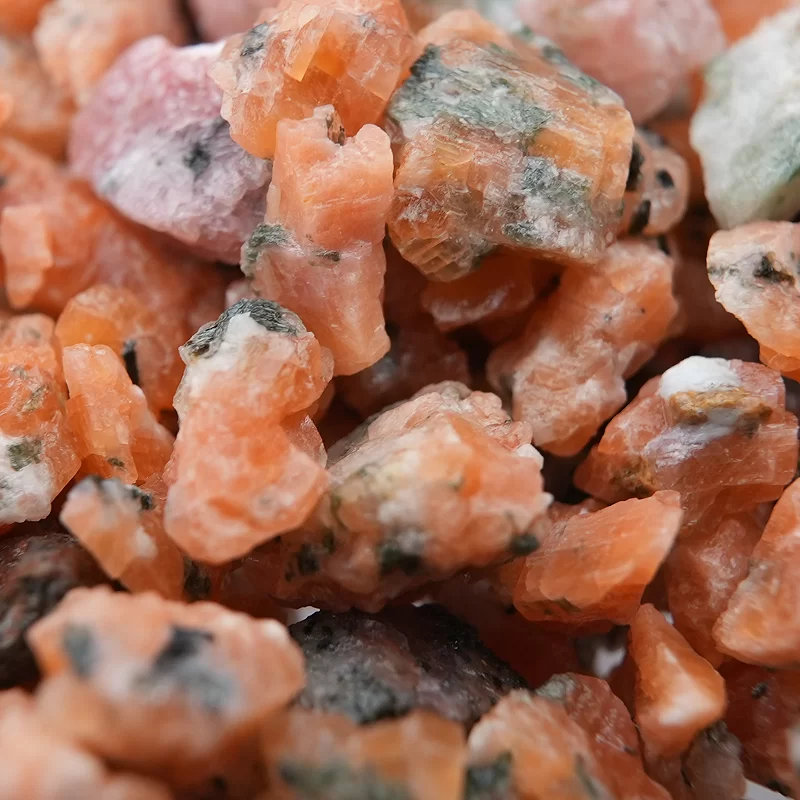
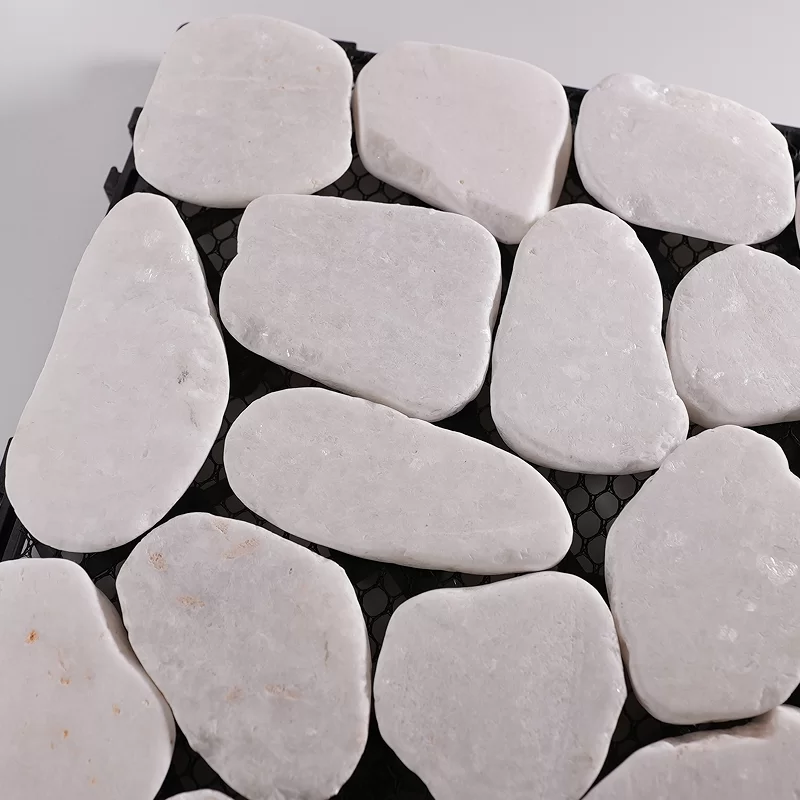
In real terms, sandstone pebbles come from sedimentary rock known for its durability and natural texture, making them ideal for applications requiring a balance of aesthetic appeal and functional resilience. I've often seen clients demanding specific size ranges or colors — and frankly, that customization can be a game changer, even if it means more logistical juggling behind the scenes.
When evaluating sandstone pebbles for sale, here are a few things industry folks like me usually keep in mind:
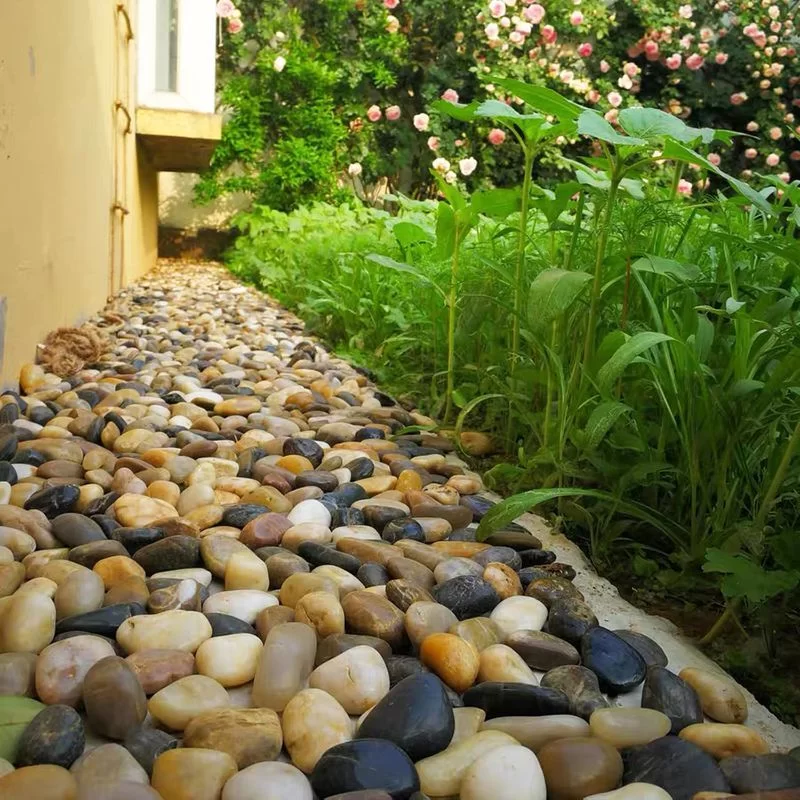
- Grain size and shape: Rounded versus angular makes a big difference depending on whether you’re creating a walking surface or a drainage bed.
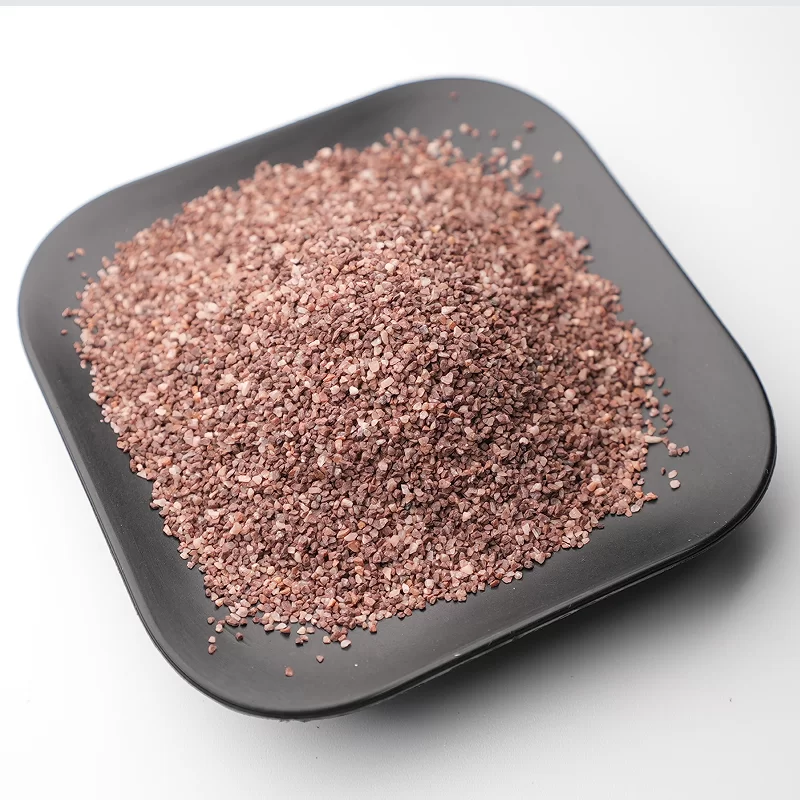
- Color variations: Natural sandstone ranges from creamy whites to rich browns and reds. Matching the local environment or design palette often matters to clients.
- Durability: It’s soft compared to quartz but hard enough for most landscaping jobs — just avoid heavy truck traffic.
- Porosity & water retention: This impacts how pebbles perform in filtration or erosion control.
Here’s a very typical product spec table, something you’ll usually get from a trusted supplier, to give you an idea:
| Specification | Details |
|---|---|
| Material | 100% Natural Sandstone |
| Pebble Size | 10–40 mm (custom sizing available) |
| Color Range | Cream, Light Brown, Red Tones |
| Moisture Content | Less than 2% |
| Bulk Density | 1.45–1.6 t/m³ |
Now, I suppose you’re wondering how to pick a vendor? Frankly, not all sandstone pebble suppliers are created equal. I’ve worked around several in Asia, Europe, and the U.S., and the key differentiators usually are availability, quality consistency, and delivery times — especially if you need larger volumes.
Here’s a quick vendor comparison I put together from my recent projects. Obviously, pricing and lead times vary depending on your location and order, but this gives a snapshot:
| Vendor | Quality Grade | Order Min. (tons) | Typical Lead Time | Customization Options |
|---|---|---|---|---|
| Supplier A (Asia) | Medium | 5 | 3 weeks | Yes (size & color) |
| Supplier B (Europe) | High | 2 | 1–2 weeks | Limited |
| Supplier C (U.S.) | Medium–High | 1 | < 1 week | Good (mostly size) |
One memorable project was supplying sandstone pebbles for a new eco-friendly commercial park. The design team wanted a natural feel but with reliable drainage under heavy footpaths. After rounds of samples and onsite testing, we landed on sandstone pebbles sized between 15 and 30 mm, mostly cream with specks of red. The client was thrilled with the natural look — and the installation team appreciated how consistent the pebble shape made compaction easier than they expected.
In terms of environmental impact, sandstone pebble quarrying does have some concerns — notably dust and habitat disruption. However, reputable suppliers today have adopted better reclamation processes, reducing the footprint quite a bit. So I tend to ask vendors how they source their material before sealing any deals. It feels like responsible procurement is going to matter more and more — you know, not just for green certifications but because clients care.
In sum, if you’re in the market for sandstone pebbles, think carefully about the specs and how they line up with your project needs. And always ask for samples. Nothing beats seeing and feeling the product yourself.
After all, in industrial materials, it’s the little details — texture, sizing, delivery timing — that can make or break your project.
References:- Industrial Materials Handbook, 5th Edition, 2019
- Supplier Sustainability Reports 2022
- Client Project Logs, 2021–2023