


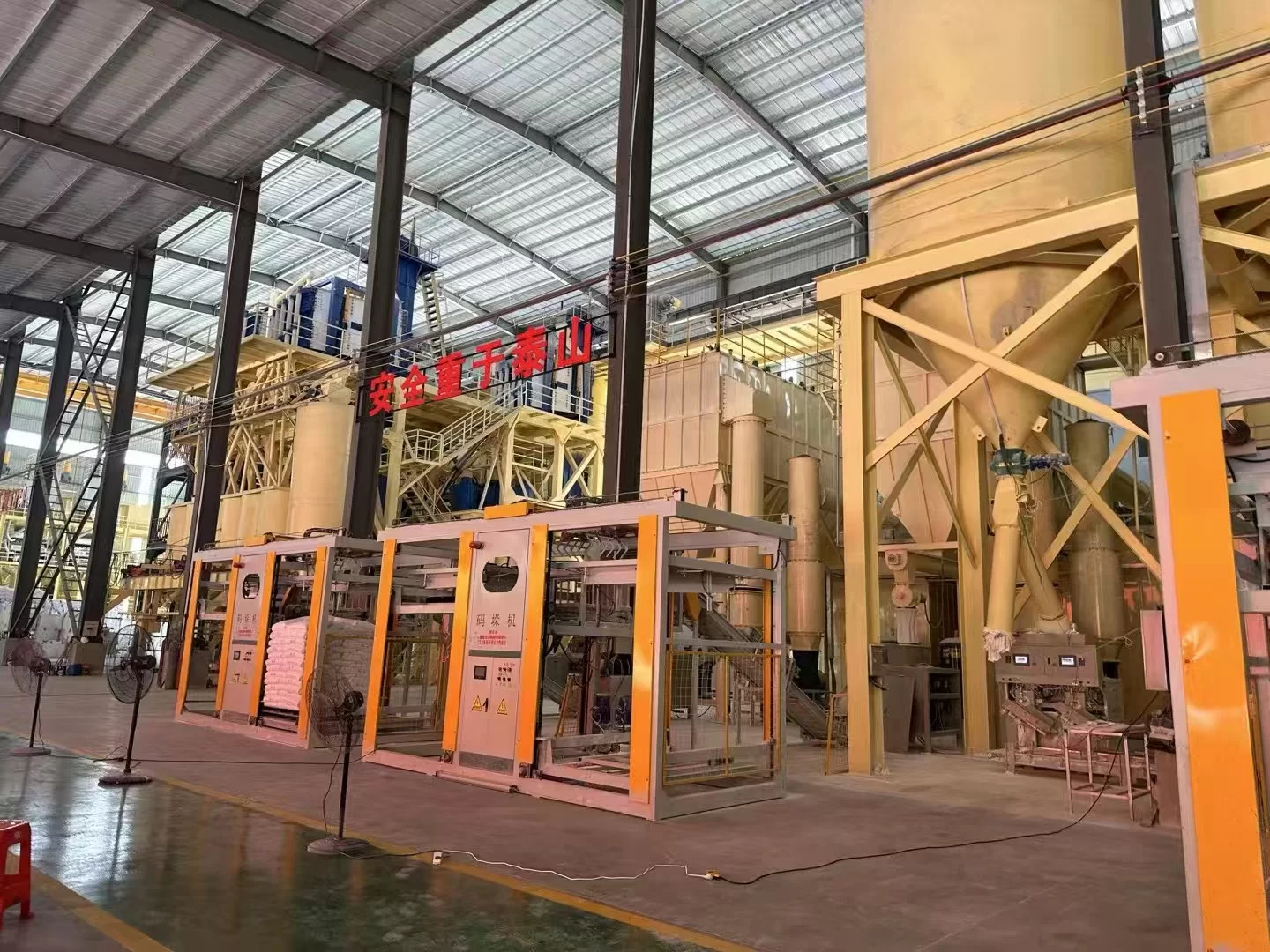
High-quality architectural stone — crafted for strength, beauty, and lasting performance.
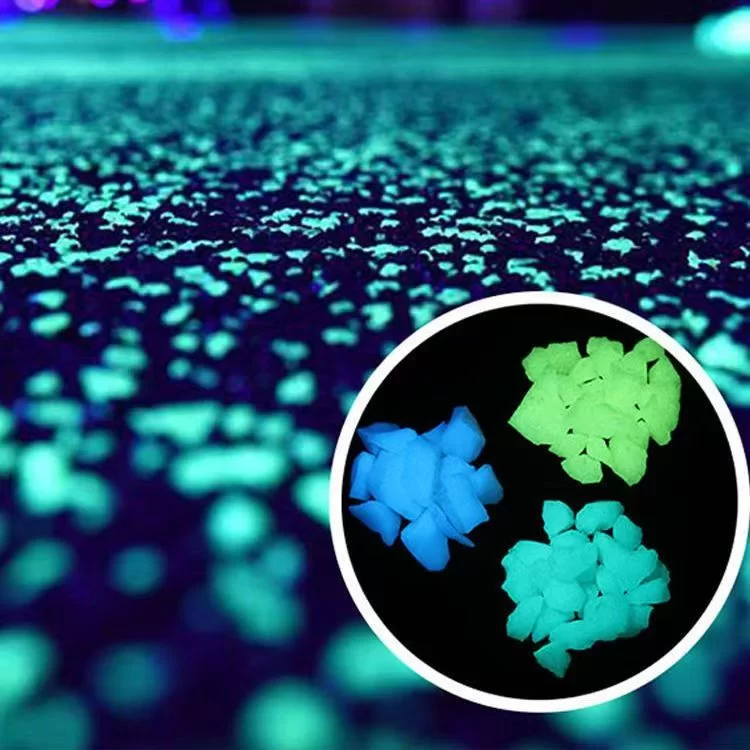
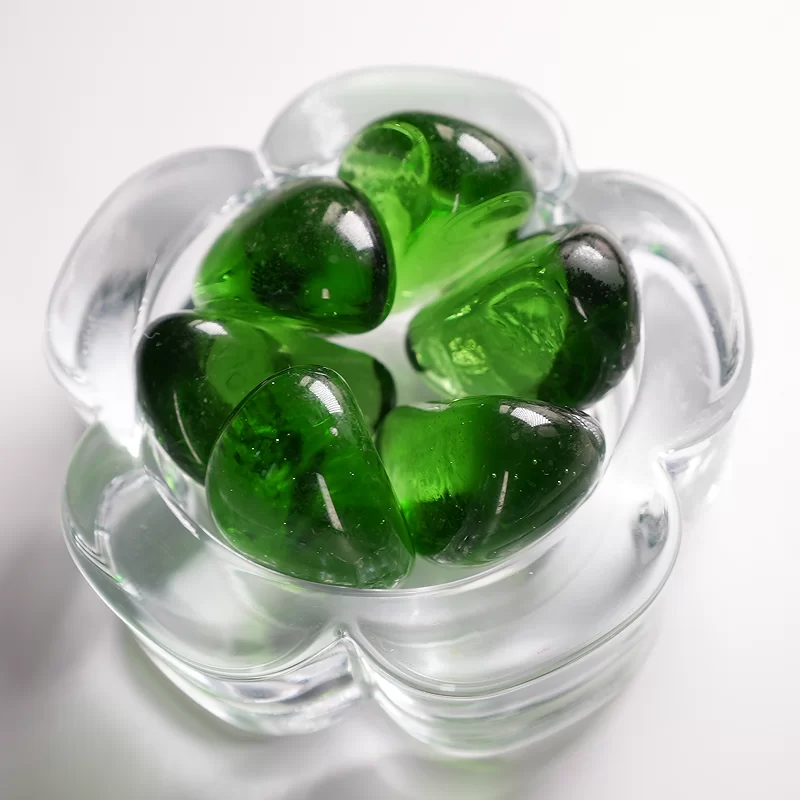
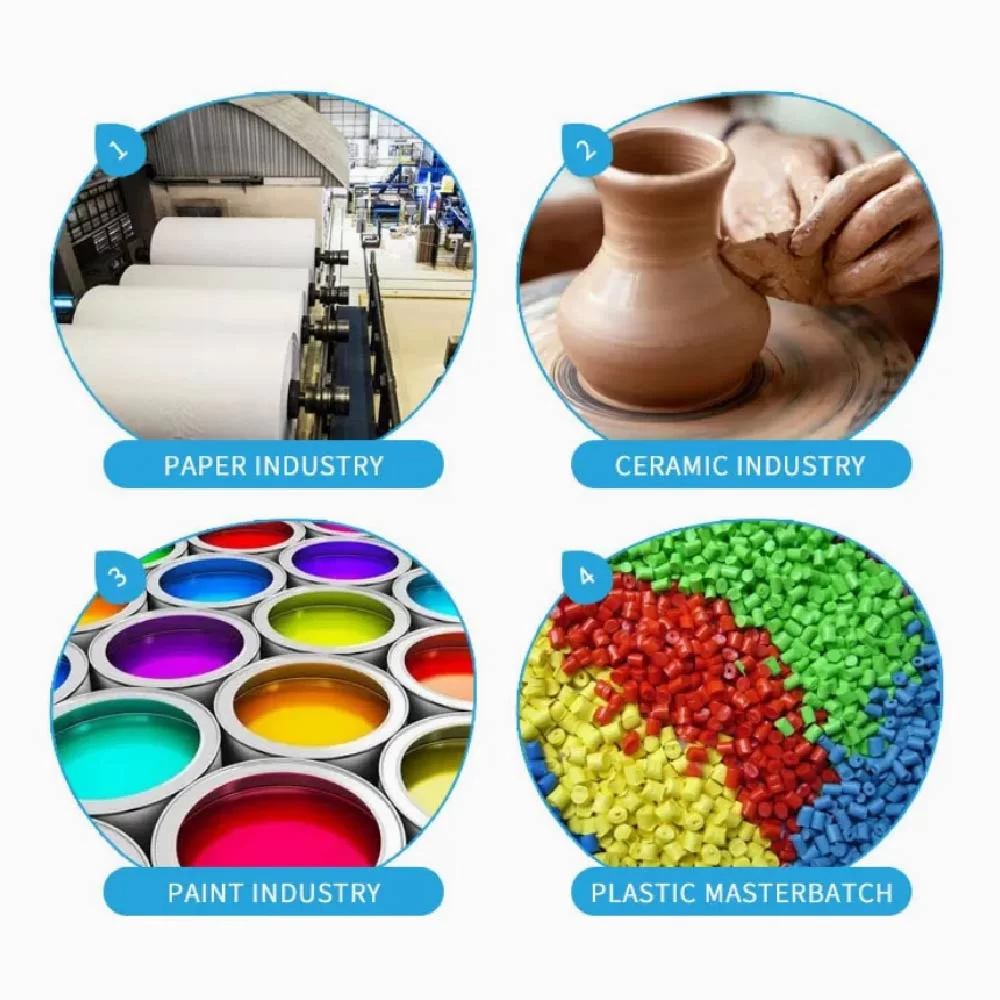
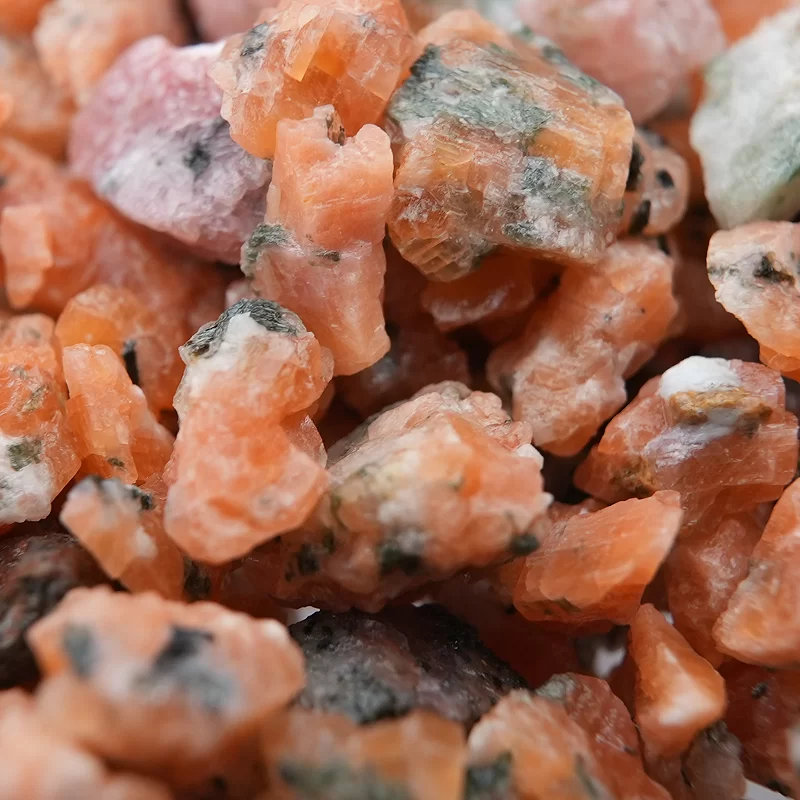

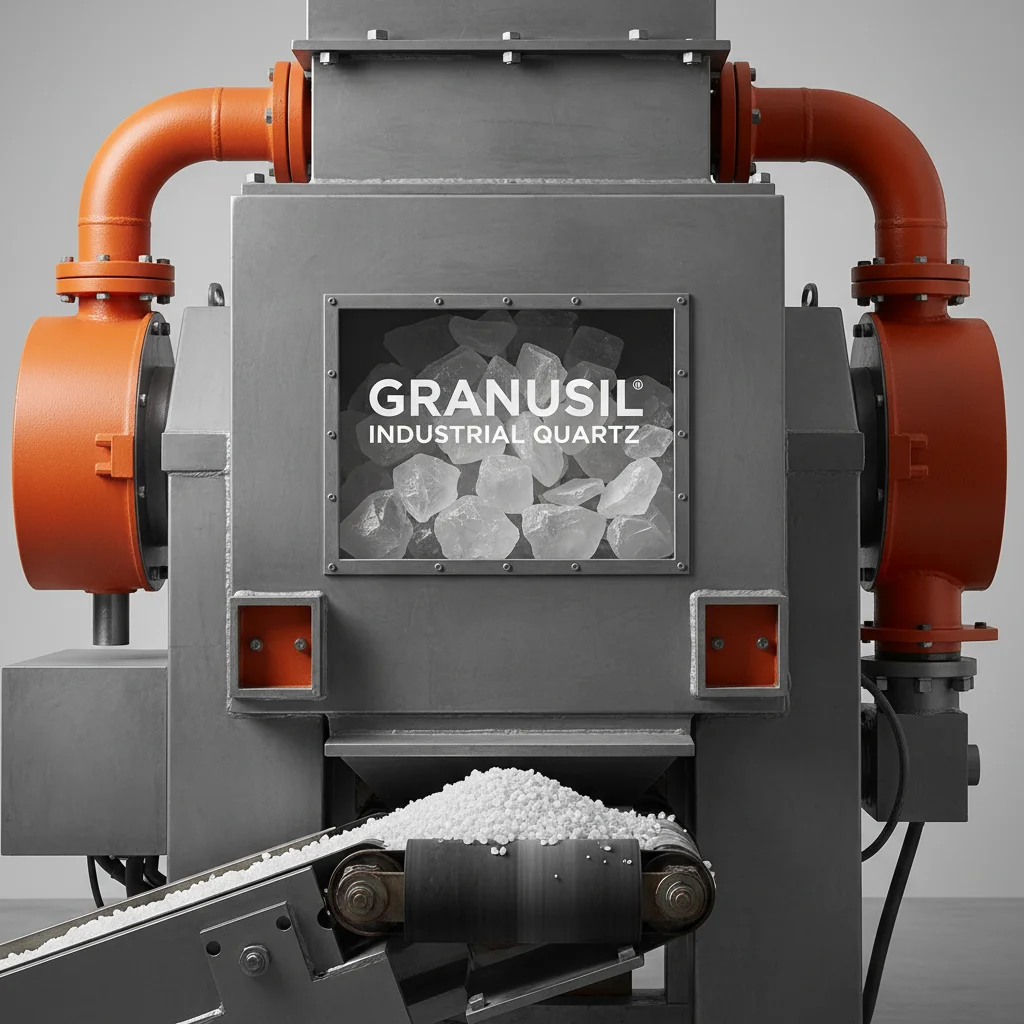
In the sophisticated landscape of industrial mineral extraction, granusil industrial quartz stands as a cornerstone material that bridges the gap between raw geological deposits and high-precision engineering. Its unique chemical stability and physical hardness make it indispensable for a wide array of manufacturing processes, from glass production to advanced filtration systems. Understanding the nuances of this material is not merely a technical requirement but a strategic advantage for companies aiming to optimize their production yield and product longevity.
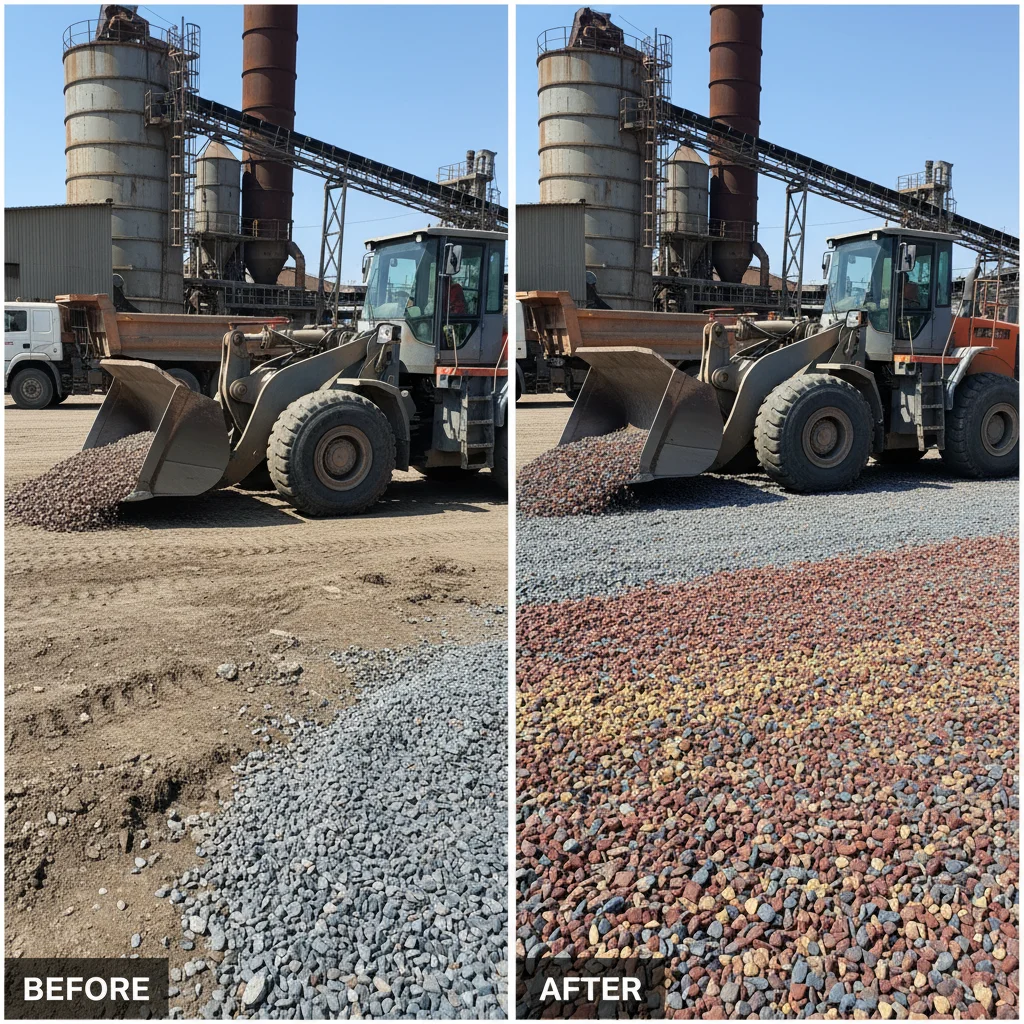
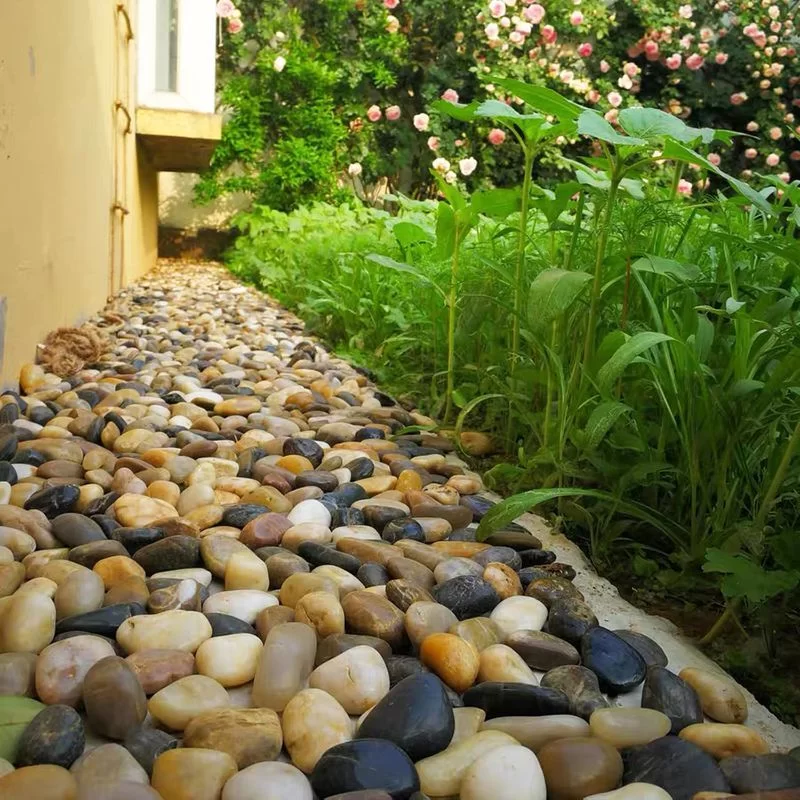
Creating a visually stunning garden or walkway requires a balance of functionality and aesthetic appeal. Using colored gravel for landscaping is one of the most effective ways to introduce vibrant tones and professional texture to your outdoor environment. Unlike traditional mulch, colored stone provides a permanent solution that resists decay and reduces maintenance. Whether you are looking to define a path, highlight a flower bed, or create a modern Zen garden, the right choice of aggregate can transform a dull yard into a masterpiece. In this guide, we will explore the various types of colored gravel and how to use them.
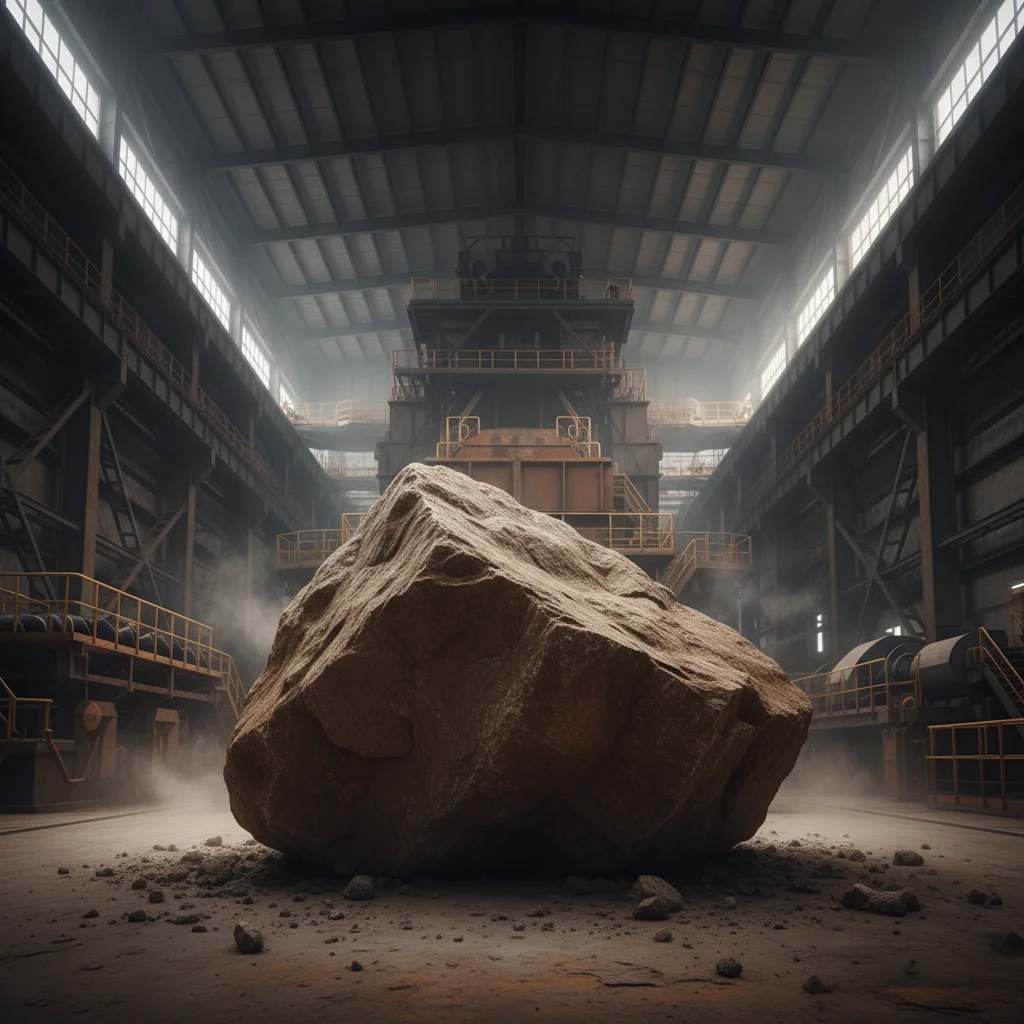
Creating a visually stunning and sustainable outdoor environment requires a thoughtful choice of materials. Among the most versatile options available, brown landscape rock offers a perfect blend of natural aesthetics and long-term durability. Whether you are designing a Zen garden, constructing a retaining wall, or simply looking for a low-maintenance alternative to traditional mulch, these earthy tones provide a timeless appeal. In this comprehensive guide, we will explore the various types of brown stone, their practical benefits, and how to integrate them into your home's exterior design to increase both beauty and property value.
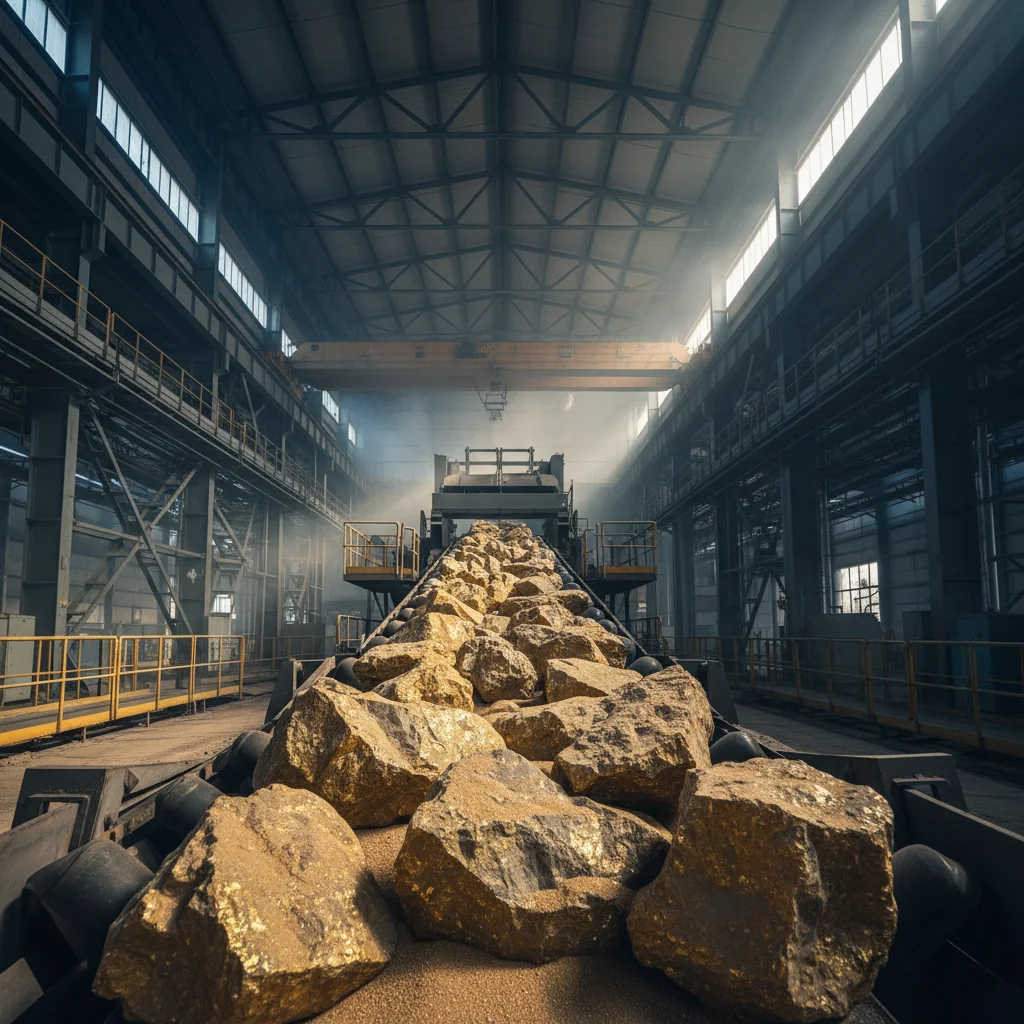
Gold sand quartz, a fascinating combination of materials, holds a significant place in both industrial applications and aesthetic design. Its unique properties stemming from the quartz component, coupled with the visual appeal of sand-like grains, make it a versatile material across diverse sectors. This article delves into the intricacies of gold sand quartz, exploring its definition, key attributes, global applications, and future prospects. Understanding this material is crucial for professionals in construction, manufacturing, and design, enabling them to leverage its benefits effectively.
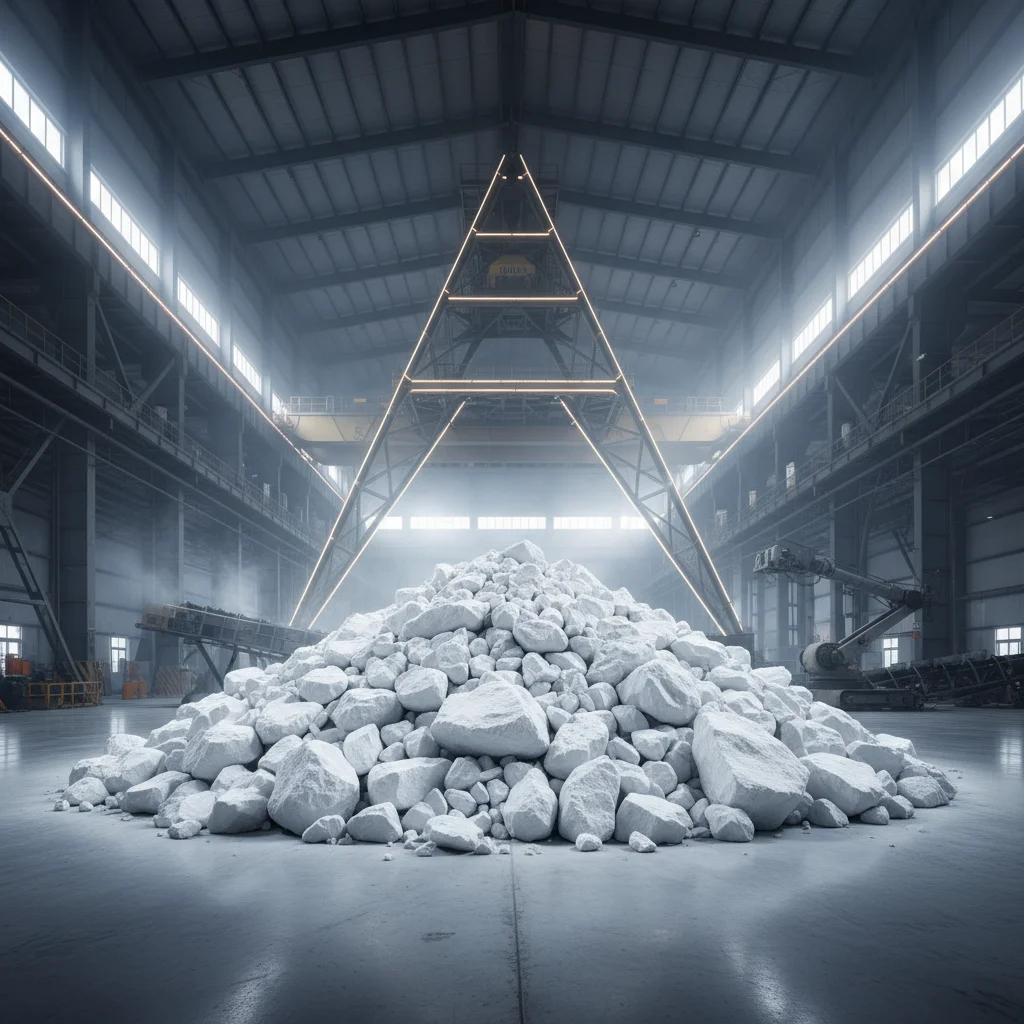
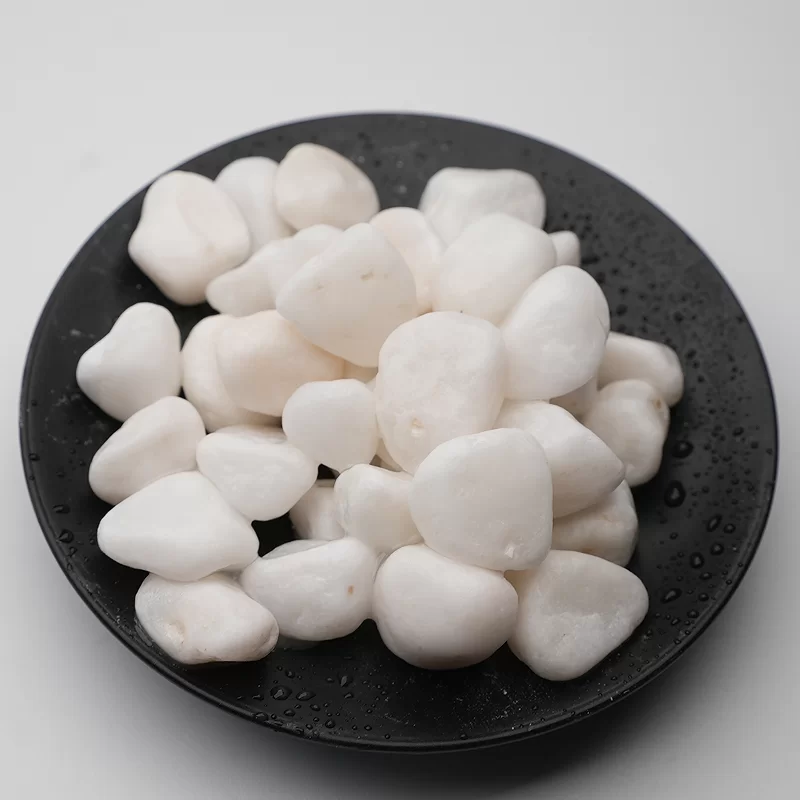
Creating a beautiful and low-maintenance landscape often involves choosing the right ground cover. Bright white landscaping rocks are a popular option, offering a clean, modern aesthetic and a host of practical benefits. This article will explore everything you need to know about these rocks, from their uses and benefits to installation tips and cost considerations. We will guide you through selecting the perfect white rocks for your outdoor space and maximizing their impact on your overall landscape design.
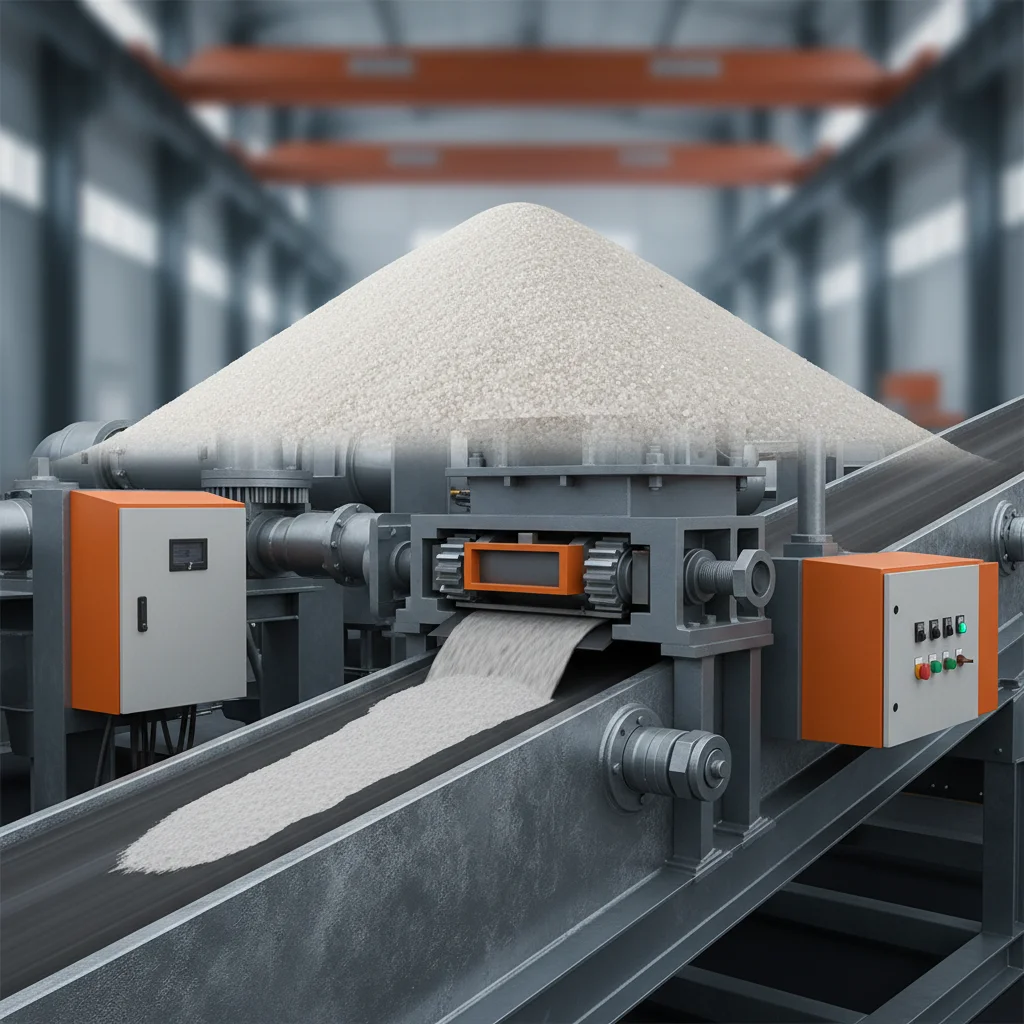
Dry quartz sand, a granular material composed of silica, plays a pivotal role in a diverse array of industries worldwide. From glass manufacturing and foundry casting to construction and filtration, its unique properties – chemical inertness, thermal stability, and abrasive qualities – make it an indispensable component in countless applications. Understanding the characteristics and sourcing of dry quartz sand is crucial for optimizing processes and ensuring product quality across numerous sectors.


