
Enhancing Your Outdoor Space with Brown Landscape Rock Guide
Enhancing Your Outdoor Space with Brown Landscape Rock
Creating a visually stunning and sustainable outdoor environment requires a thoughtful choice of materials. Among the most versatile options available, brown landscape rock offers a perfect blend of natural aesthetics and long-term durability. Whether you are designing a Zen garden, constructing a retaining wall, or simply looking for a low-maintenance alternative to traditional mulch, these earthy tones provide a timeless appeal. In this comprehensive guide, we will explore the various types of brown stone, their practical benefits, and how to integrate them into your home's exterior design to increase both beauty and property value.
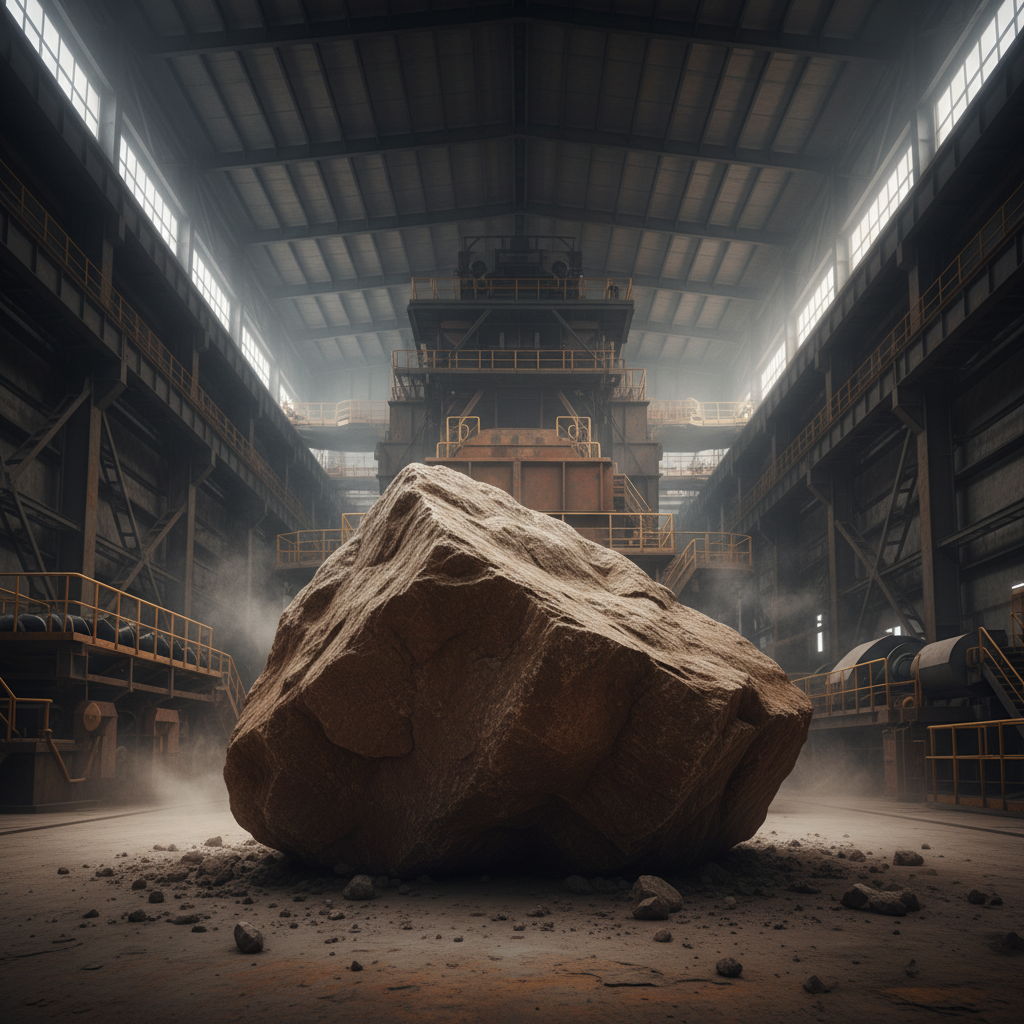
Choosing the Right Type of Brown Landscape Rock
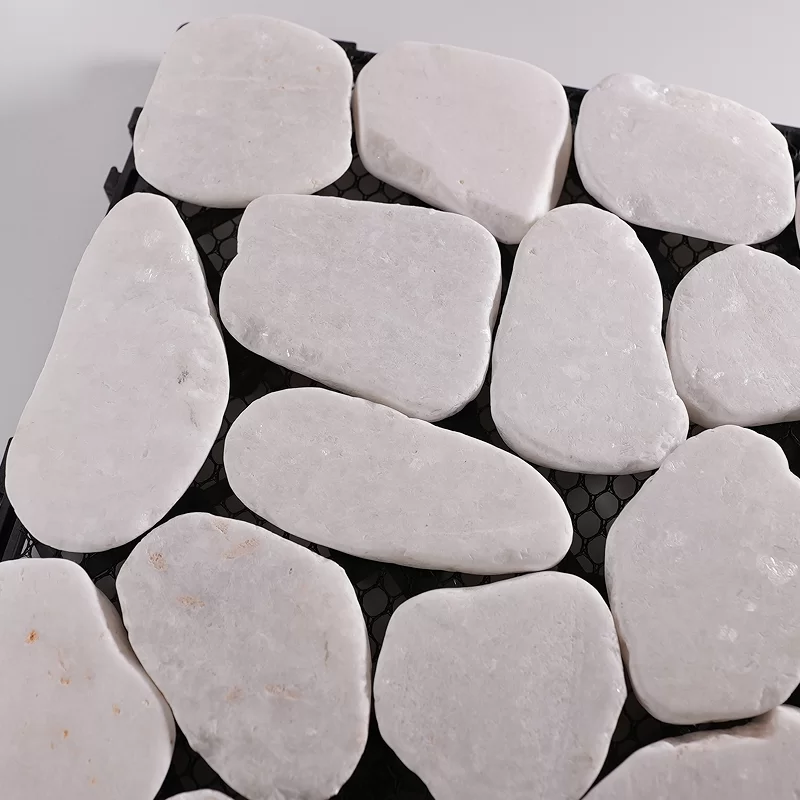
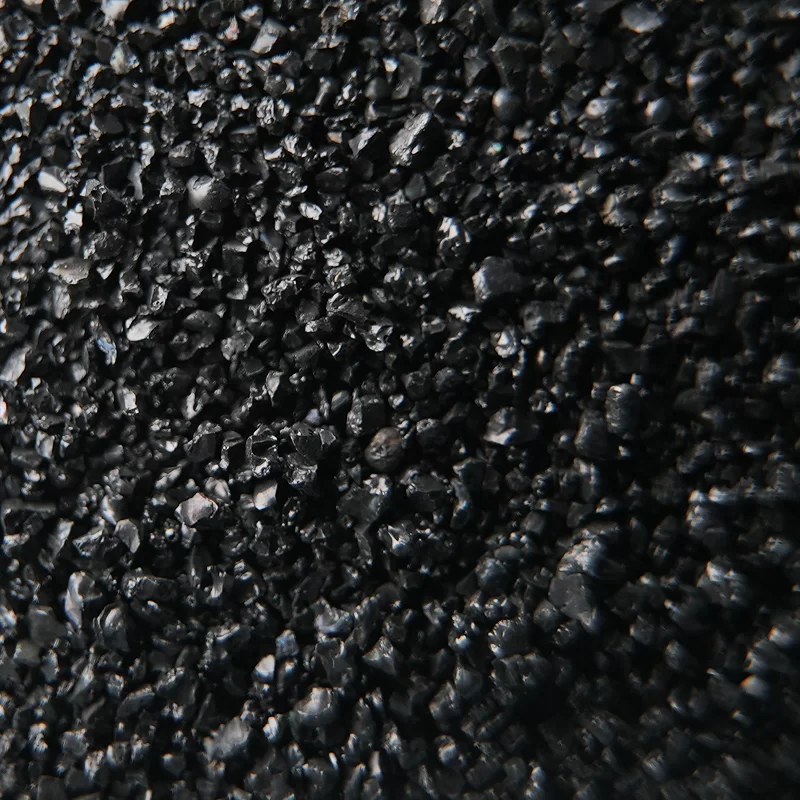
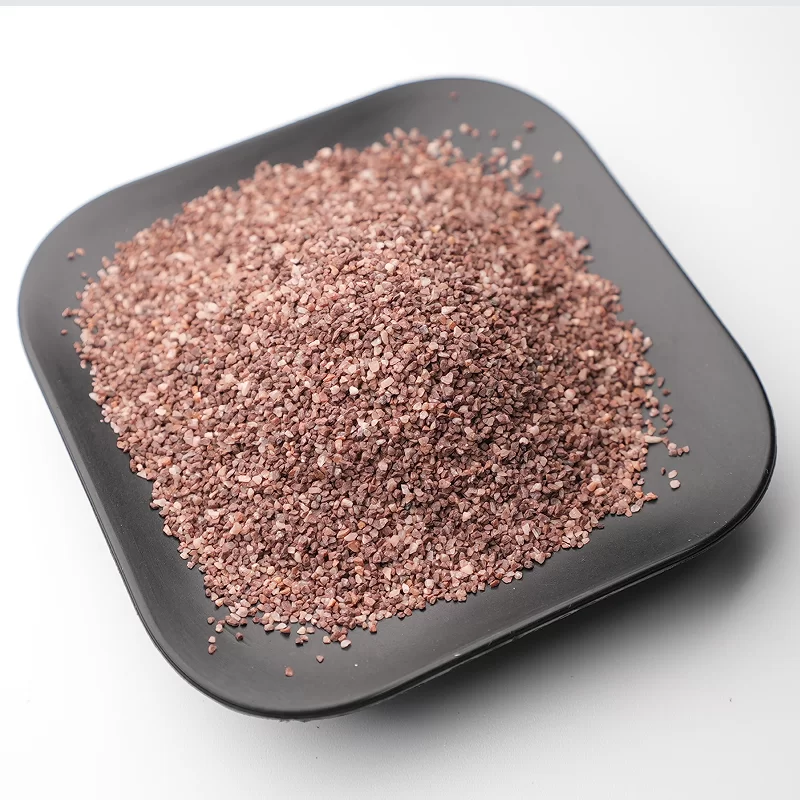
Not all brown stones are created equal. Depending on the mineral composition, you can find everything from deep chocolate hues to light sandy tans. River rocks are ideal for dry creek beds due to their smooth edges, while crushed basalt or lava rock provides a more rugged, porous texture that is excellent for drainage. When selecting your brown landscape rock, consider the existing color palette of your home. Warm browns complement red brick or cream-colored siding, creating a cohesive and inviting transition from the indoors to the outdoors.
Design Tip: Mix different sizes of brown stones to create a more organic, natural look. Combining large boulders with smaller pebbles mimics the natural stratification found in wilderness landscapes.
Functional Benefits of Brown Landscape Rock
Beyond the visual appeal, using stone in your garden serves several practical purposes. First, it acts as an efficient weed suppressant; a thick layer of rock blocks sunlight from reaching weed seeds. Second, it is a superior alternative to organic mulch because it does not decompose, meaning you won't need to replace it every spring. Additionally, brown landscape rock helps in moisture retention by reducing evaporation from the soil, which is critical for drought-resistant plantings and xeriscaping projects.
Comparing Brown Landscape Rock vs. Traditional Mulch
Homeowners often debate between using organic mulch and inorganic stone. While mulch is cheaper upfront, the long-term costs and maintenance associated with it can be significant. Brown stones offer a permanent solution that resists wind displacement and pest infestation. Below is a detailed comparison to help you decide which material suits your specific needs and budget.
Installation Guide for Brown Landscape Rock
To ensure your brown landscape rock looks professional and stays in place, proper preparation is key. Start by clearing the area of all existing weeds and debris. It is highly recommended to lay down a high-quality geotextile weed barrier fabric before spreading the stones. This prevents the rock from sinking into the soil over time and adds an extra layer of protection against invasive weeds. Spread the rocks evenly to a depth of 2-3 inches to ensure full coverage and maximum efficiency.
Product Specifications for Premium Brown Stone
When ordering materials, it is essential to understand the specifications to calculate the quantity needed for your project. Most premium brown rocks are categorized by their diameter and weight. Whether you are looking for a fine gravel for pathways or large cobbles for accent features, knowing the density and size helps in achieving a balanced look. Here are the common specifications available for our top-grade brown landscape rock:
Conclusion: Elevate Your Landscape Today
Investing in brown landscape rock is more than just an aesthetic choice; it is a commitment to a low-maintenance, durable, and environmentally friendly garden. By choosing the right stone type and following professional installation steps, you can create a sophisticated outdoor space that remains beautiful through every season. Whether you prefer the sleek look of river stones or the rustic charm of crushed rock, the earthy tones of brown stone ensure your home looks natural and polished. Start your transformation today and experience the lasting value of professional landscaping materials.
Frequently Asked Questions (FAQs)
How do I calculate how much brown landscape rock I need?
To determine the quantity of rock needed, you first need to calculate the square footage of your area (Length x Width). Once you have the square footage, decide on the depth—typically 2 to 3 inches for most projects. You can use an online landscaping calculator or the formula: (Square Footage x Depth in inches) / 324 to find the total cubic yards required. It is always a good idea to order 10% more than your calculated amount to account for settling and uneven terrain.
Does brown landscape rock fade over time?
Natural brown stones, such as granite or river rock, are highly resistant to fading because their color is inherent to the mineral structure of the stone. Unlike dyed mulches or some painted gravels, natural brown landscape rock maintains its hue regardless of UV exposure. To keep the stones looking fresh, we recommend occasionally rinsing them with a garden hose to remove dust and accumulated organic debris.
Can I use brown landscape rock in a vegetable garden?
While stone is excellent for ornamental gardens, it is generally not recommended for use directly inside vegetable planting beds. Rocks can absorb and radiate heat, which may affect the root temperature of sensitive vegetables. However, they are perfect for the pathways between your garden beds. Using stone for paths keeps your feet clean and prevents soil compaction, making your gardening experience more efficient and your overall layout more organized.
What is the best way to clean brown landscape rock?
Over time, leaves, pine needles, and dust can accumulate on your stone. The most effective way to clean them is using a leaf blower for dry debris, followed by a gentle spray from a garden hose. For deeper cleaning or removing algae/moss, a diluted mixture of white vinegar and water can be applied and then rinsed off. Avoid using harsh chemicals or bleach, as these can damage surrounding plants and potentially alter the natural appearance of the stone.