Achieving a clean, modern aesthetic in outdoor design often comes down to the choice of ground cover, where the contrast of bright white minerals against greenery creates a striking visual impact. Homeowners and professional designers frequently seek high-impact yet cost-effective materials to define pathways, garden beds, and Zen-inspired spaces.
The challenge lies in balancing the desire for an upscale look with a strict project budget. While premium marble chips are available, the market for affordable alternatives has expanded, offering various mineral options that provide similar luminance without the prohibitive cost of luxury stone.
Understanding the trade-offs between different mineral types is essential for long-term satisfaction. In this guide, we examine how to source cheap white pebbles for landscaping and the technical factors that determine their durability and brightness over time.


White pebbles typically originate from limestone, quartz, or marble deposits. The "cheap" variety often consists of crushed limestone or lower-grade calcite, which are abundant in mining regions and require less intensive processing than pure white marble.
From a geological perspective, the brightness of the stone is determined by its mineral purity. While high-end pebbles are often naturally white, more affordable options may undergo a whitening process or be sourced from strata with a naturally higher alumina content, which affects their texture and how they reflect sunlight.
Evaluating the quality of landscaping pebbles goes beyond visual appeal. The hardness of the material, measured on the Mohs scale, dictates how quickly the pebbles will wear down under foot traffic. Quartz-based pebbles are significantly harder and more resistant to abrasion than carbonate-based stones, making them ideal for high-traffic pathways.
Another critical factor is the uniformity of size. Professional-grade gravel is screened through precise sieving processes to ensure a consistent diameter. This consistency prevents smaller particles from settling at the bottom (segregation), which can lead to uneven drainage and an unsightly "muddy" appearance over time.
Chemical stability also plays a role, especially in coastal or urban environments. Stones that are high in calcium carbonate can react with acidic rain or salt, leading to gradual erosion of the surface polish and a loss of the vivid white color that makes these materials desirable.
One of the primary reasons some white pebbles turn grey or yellow is their inherent porosity. High-porosity stones act like sponges, absorbing organic matter, tannins from falling leaves, and environmental pollutants. This is particularly common in lower-cost sedimentary stones.
The long-term brightness of landscaping pebbles is inversely proportional to their absorption rate; low-porosity minerals resist staining and maintain their original luminance far longer than porous alternatives.
To combat this, many manufacturers provide polished or coated options. While a natural polish is achieved through tumbling, some industrial coatings provide an artificial seal. When selecting a budget-friendly option, it is important to verify if the stone is naturally dense or if it relies on a temporary coating that may peel over time.
When analyzing the "value" of landscaping minerals, it is helpful to look at a relative index that balances initial cost against maintenance requirements and lifespan. A very cheap stone may require annual replacement or intensive cleaning, whereas a mid-range stone may last a decade with minimal care.
The following assessment model compares different white mineral types across five key performance metrics to help buyers identify the most efficient investment for their specific project goals.
The utility of white pebbles varies significantly depending on the installation environment. In decorative flower beds where the stones are purely visual and rarely touched, low-cost crushed limestone is often sufficient. These areas prioritize coverage and immediate brightness over extreme hardness.
Conversely, in "dry creek" designs or perimeter drainage zones, the requirement shifts toward durability and water permeability. Hebei Quanerduo Mining Development focuses on producing high-quality decorative gravel and pebbles that balance these needs, ensuring that minerals used in these functional areas do not degrade rapidly when exposed to constant moisture and soil acidity.
Modern landscaping is shifting toward a "low-maintenance, high-impact" philosophy. This has led to an increased demand for minerals that integrate with smart irrigation systems and permeable paving. White pebbles are no longer just aesthetic fillers; they are being used as functional layers in sustainable urban drainage systems (SuDS).
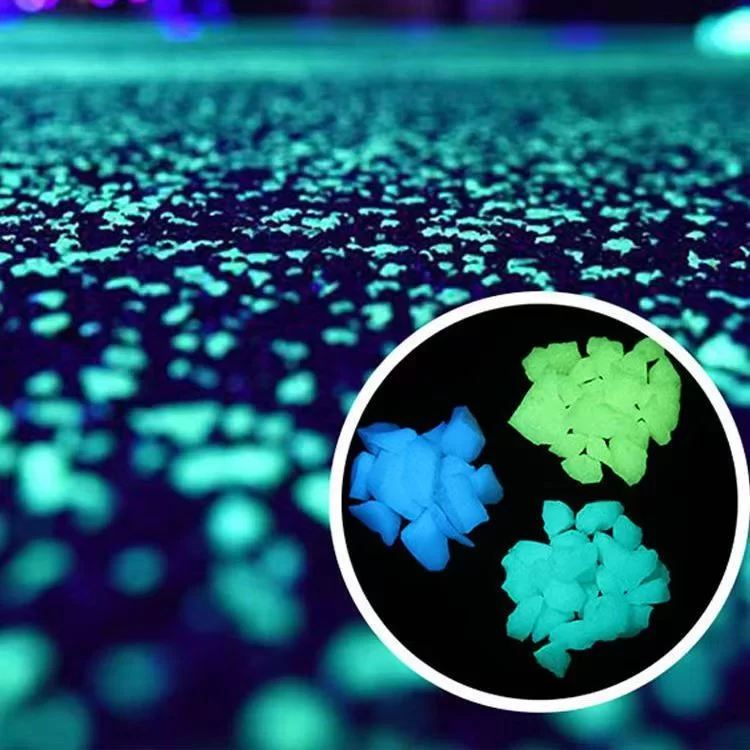
There is also a growing trend toward mixing materials. Designers are combining white pebbles with colored glass, luminous materials, or natural colored sand to create textured, multi-dimensional landscapes. This approach allows the use of affordable white base stones while adding "pops" of high-value materials for a luxury feel.
Environmental awareness is also influencing sourcing. Buyers are increasingly asking for minerals that are processed with minimal water waste and sourced from mines with strict environmental controls, moving the industry toward a more sustainable extraction model.
Choosing the right material requires a systematic approach to trade-offs. The primary tension exists between the initial purchase price and the long-term maintenance effort. A "cheap" initial investment often hides a higher cost in labor (cleaning) or replacement frequency.
The most successful installations utilize the right stone for the right zone. For example, using a high-density quartz pebble for the main entrance and a more affordable limestone pebble for the backyard perimeter optimizes the budget without compromising the overall property value.
The following framework provides a comparative analysis of the most common options for those seeking affordable yet effective white landscaping solutions.
| Mineral Type | Brightness Level | Abrasion Resistance | Stain Resistance |
|---|---|---|---|
| Crushed Limestone | Medium-High | Low | Low |
| White Quartzite | High | Very High | High |
| Polished Marble | Very High | Medium | Medium |
| White Calcite | High | Low-Medium | Medium |
| Synthetic Resin | Uniform High | High | Very High |
| Natural River Stone | Off-White | Medium-High | Medium |
Yellowing is usually caused by organic tannins from leaves or iron deposits in the soil. To prevent this, always install a high-quality, heavy-duty weed barrier (geotextile fabric) beneath the pebbles to isolate them from the soil. Additionally, regularly blowing away organic debris and occasionally rinsing the stones with a mild, pH-neutral cleaner can maintain their brightness.
For walking paths, a medium size (typically 20mm to 40mm) is ideal. Pebbles that are too small can get stuck in shoe treads and shift easily, while stones that are too large can be unstable and uncomfortable to walk on. Ensure the pebbles are well-compacted and the depth is limited to about 2-3 inches to prevent a "sinking" feeling when walking.
Pebbles offer a permanent solution compared to mulch, which decomposes and needs annual replenishment. Pebbles provide better drainage and a cleaner, more modern look. However, they can absorb more heat from the sun, which may affect some shade-loving plants. In terms of value, pebbles have a higher upfront cost but a significantly lower long-term maintenance cost.
Yes, crushed limestone is a common and effective budget alternative. It provides a similar bright white look initially. The main difference is that limestone is softer and more porous than marble, meaning it will wear down faster in high-traffic areas and is more prone to staining. For low-traffic decorative borders, it is an excellent cost-saving choice.
To calculate the amount, multiply the area (length x width) by the desired depth (usually 0.1 to 0.15 feet). This gives you the total cubic feet. Since most pebbles are sold by the ton or bag, you will need to convert cubic feet to weight based on the specific mineral's density (typically around 100 lbs per cubic foot). Always buy 10% extra to account for settling.
Pebbles themselves do not attract weeds, but wind-blown seeds can land in the gaps between stones and find a moist environment in the underlying soil. Using a professional-grade landscape fabric is the most effective way to prevent weeds. Once seeds lodge in the pebbles, they are harder to remove than in mulch, so a thorough initial installation is key.
Selecting affordable white landscaping pebbles does not require a compromise on quality, provided the material is matched to the specific demands of the environment. By distinguishing between high-porosity limestone and high-density quartz or marble, designers can strategically allocate their budgets to achieve a premium look.
Ultimately, the success of a white mineral installation depends as much on the preparation—such as the use of geotextiles and proper depth—as it does on the stone itself. With a mindful approach to material selection and maintenance, a stunning, high-contrast landscape can be achieved and maintained sustainably.



If you are interested in our products, you can choose to leave your information here, and we will be in touch with you shortly.