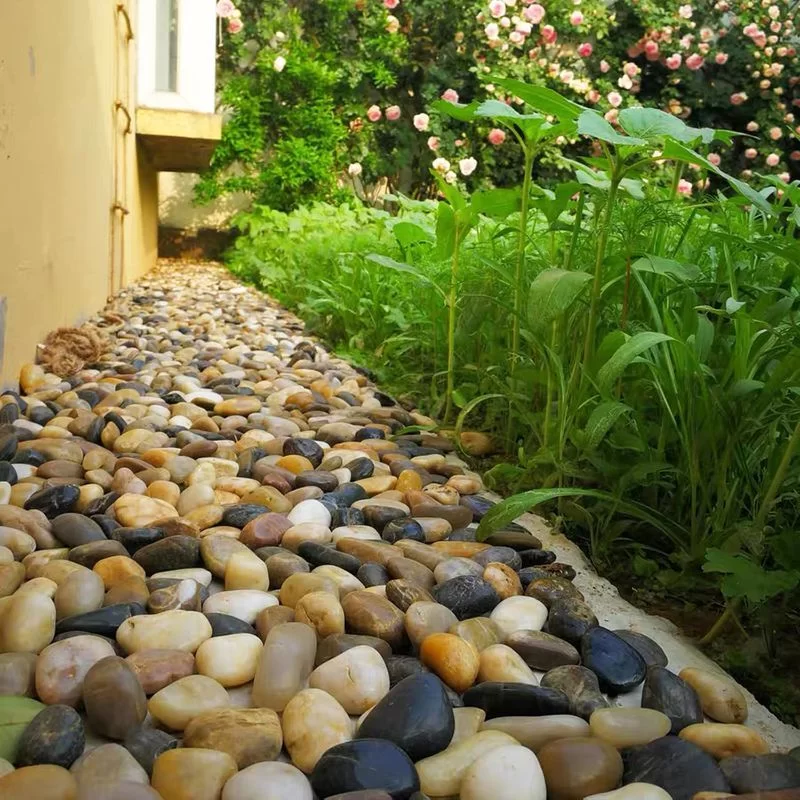
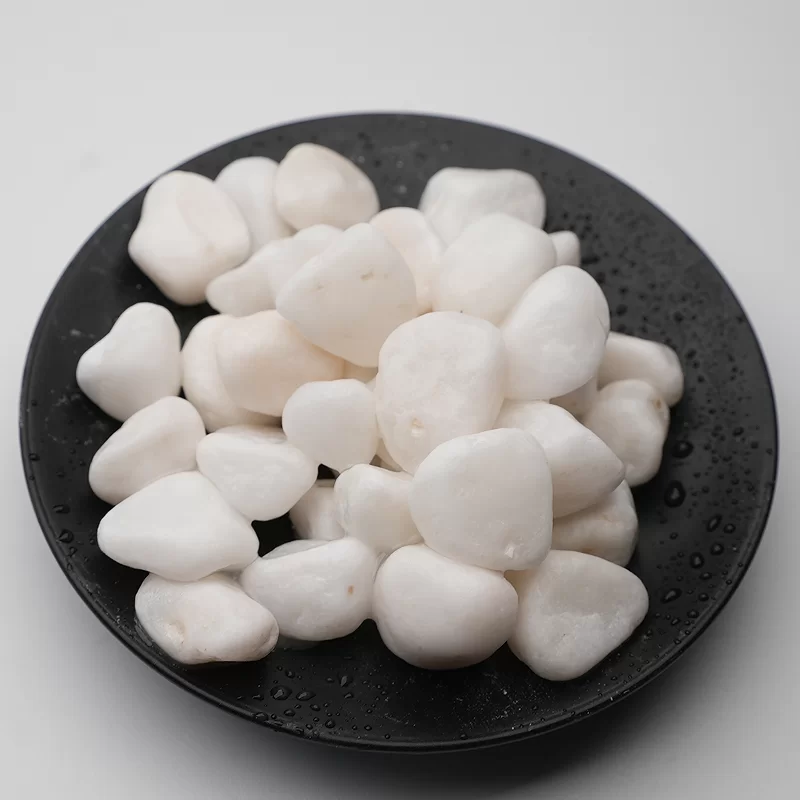
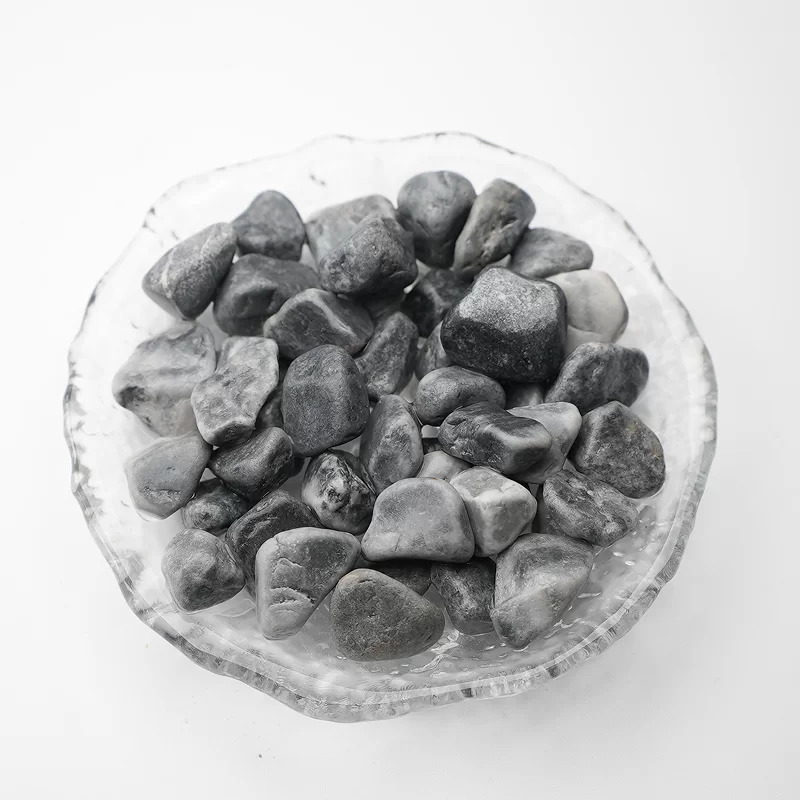
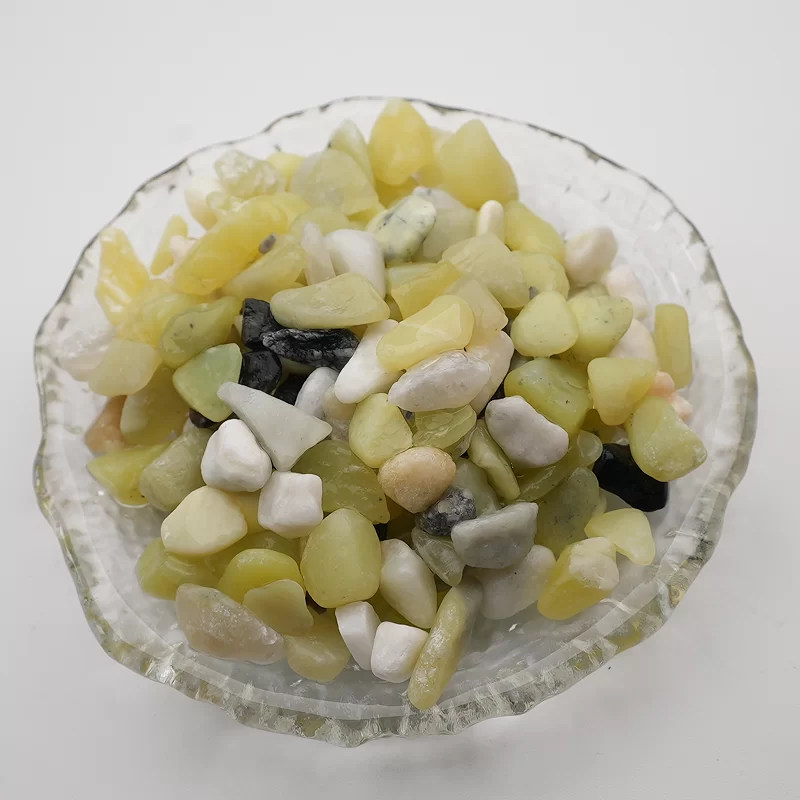
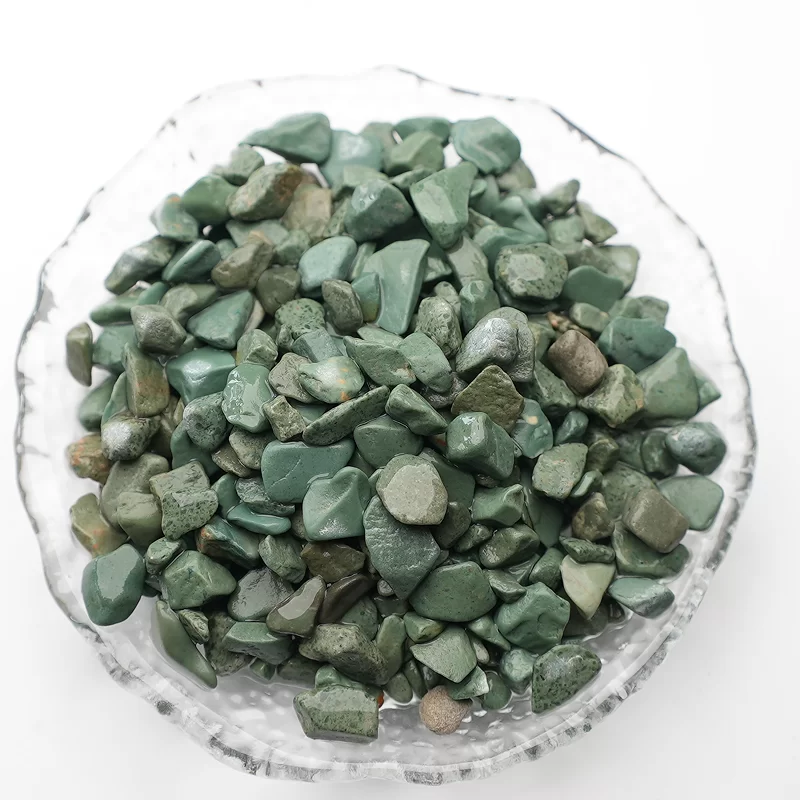
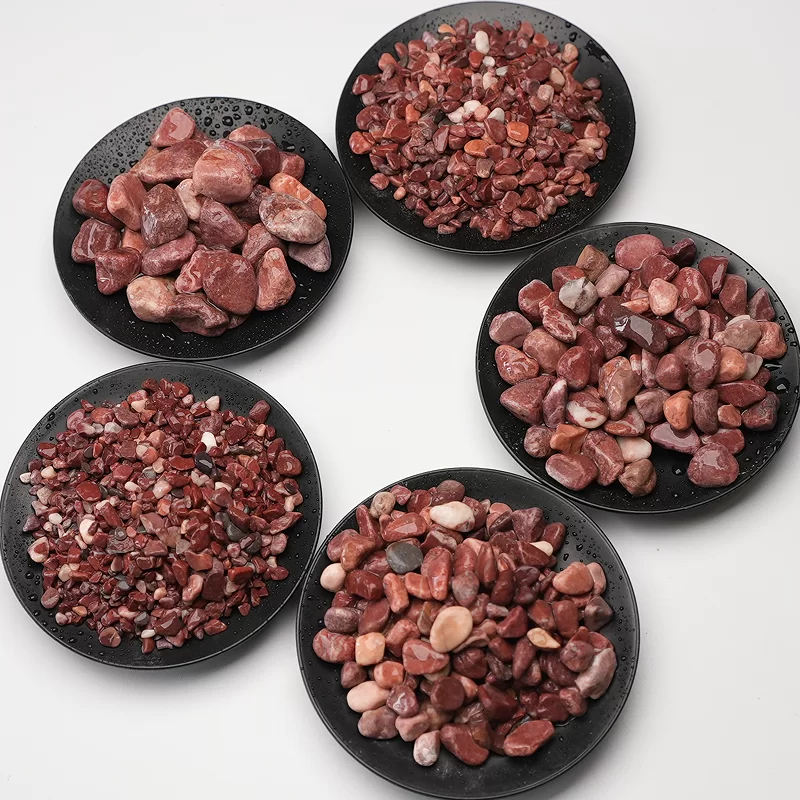
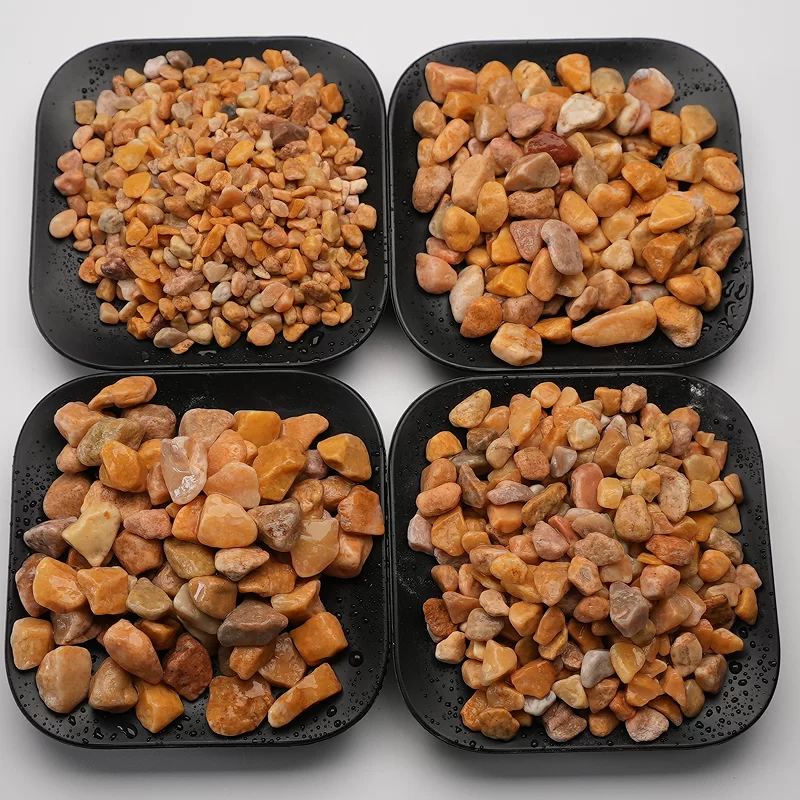
The application of pebbles in paving is extensive and has a long history. They can not only create functional, durable and solid roads, but also bring unparalleled natural beauty and artistic value.
The application of pebbles in paving is extensive and has a long history. They can not only create functional, strong and durable roads, but also bring unparalleled natural beauty. Pebble paving is far more than simply laying stones on the ground; it is a craft that integrates engineering, ecology and art. Whether it is pursuing the traditional patterns of retro elegance or creating modern permeable roads with a simple and ecological style, pebbles can provide excellent solutions. Before deciding to use them, it is crucial to weigh the advantages of their aesthetic and ecological benefits against the disadvantage of unevenness, and ensure that experienced workers carry out standardized construction. This is the key to success.
The cemented stone made from Crushed stone pebbles has many advantages: The special polymer adhesive has extremely high strength and, after curing, can firmly bond the stones, forming a whole. It has excellent compressive and wear resistance, meeting the load requirements for sidewalks, bicycle lanes, and even light vehicle lanes (such as residential roads and parking lots). It is not prone to loosening or falling off.
The surface is composed of natural stone particles, with high roughness and a large friction coefficient. Even in rainy or snowy weather, it can provide excellent anti-slip performance, ensuring the safety of pedestrian passage, far exceeding that of smooth stone or ceramic tiles.
The pore structure enables the underground water vapor to naturally evaporate, unlike impermeable pavement, which causes moisture accumulation below the ground. This is beneficial for the soil ecosystem and the growth of plant roots (especially suitable for the areas around tree pits). Before deciding to use it, weigh the advantages of its aesthetic and ecological features against the disadvantages of unevenness, and ensure that it is constructed by experienced workers in accordance with specifications. This is the key to success.
The surface of the pebbles is smooth, and their adhesion to the cement slurry is slightly weaker compared to the rougher crushed stones. However, this becomes an advantage in the "water washing" key step. Construction workers can more easily wash away the surface cement slurry at the right moment, allowing the pebbles to be perfectly exposed. The surface is clean and not easily contaminated by cement slurry, thus better presenting their original color.
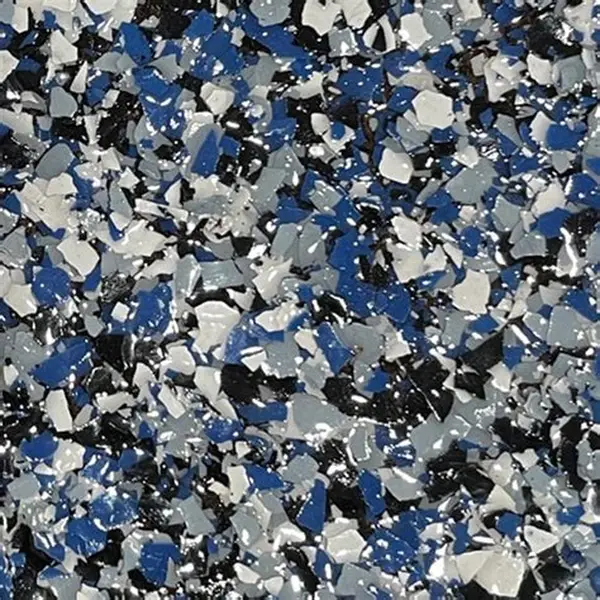
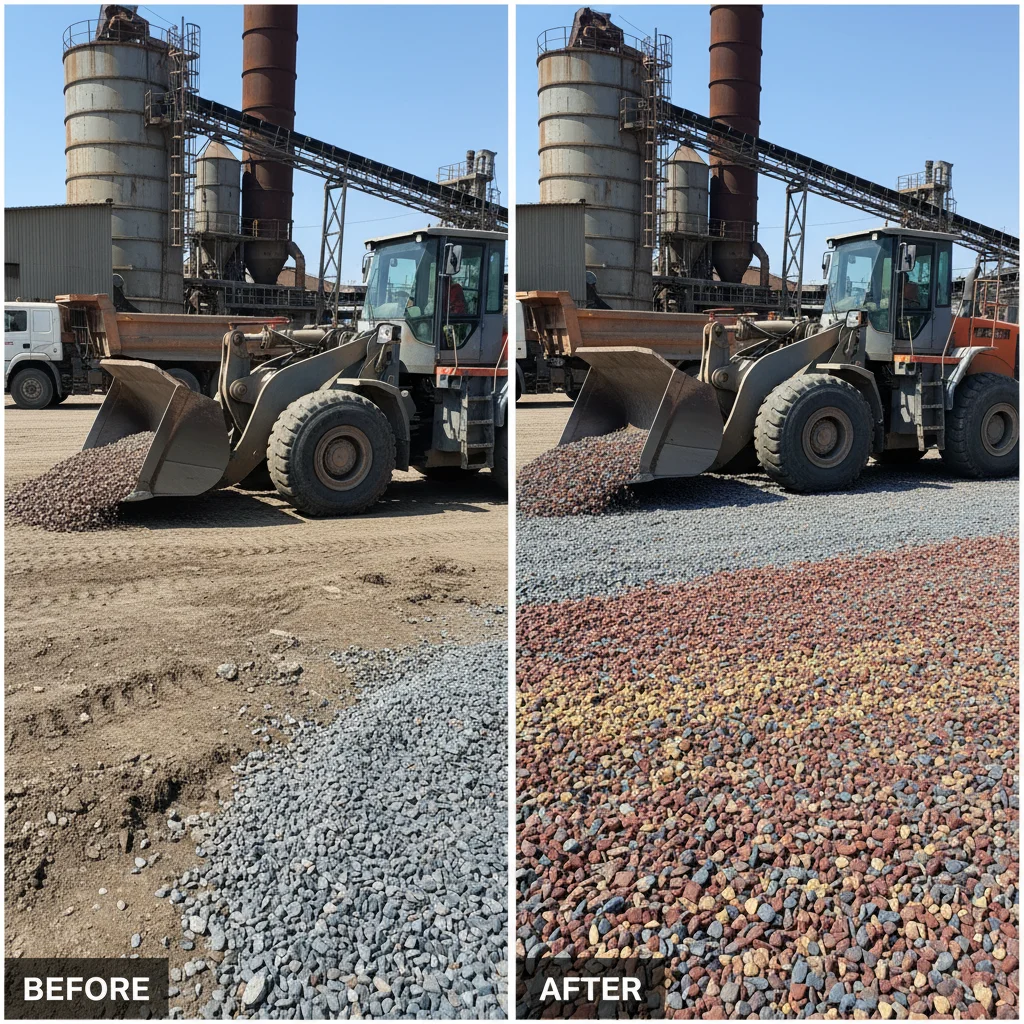
Can create unique artistic effects: By using different colors (such as black, white, gray, and yellow) of pebbles to create regional combinations or puzzles, one can create highly artistic patterns and gradient effects, thereby enhancing the overall taste and uniqueness of the project.
Corrosion-resistant: The main component, SiO₂, is a very stable compound that is resistant to acids, alkalis, and weathering. It does not react with chemical substances in the surrounding environment and has an extremely long service life.
Natural and non-toxic: It is 100% natural material, non-radioactive, and free of harmful substances to humans or the environment. It is an ideal environmentally friendly building material.
Renewable: Although it cannot be regenerated quickly, it is abundant as a natural stone resource. Permeability: As a paving material, its gaps allow rainwater to seep through, replenishing groundwater and alleviating surface runoff. It is the preferred material for the "sponge city" concept.
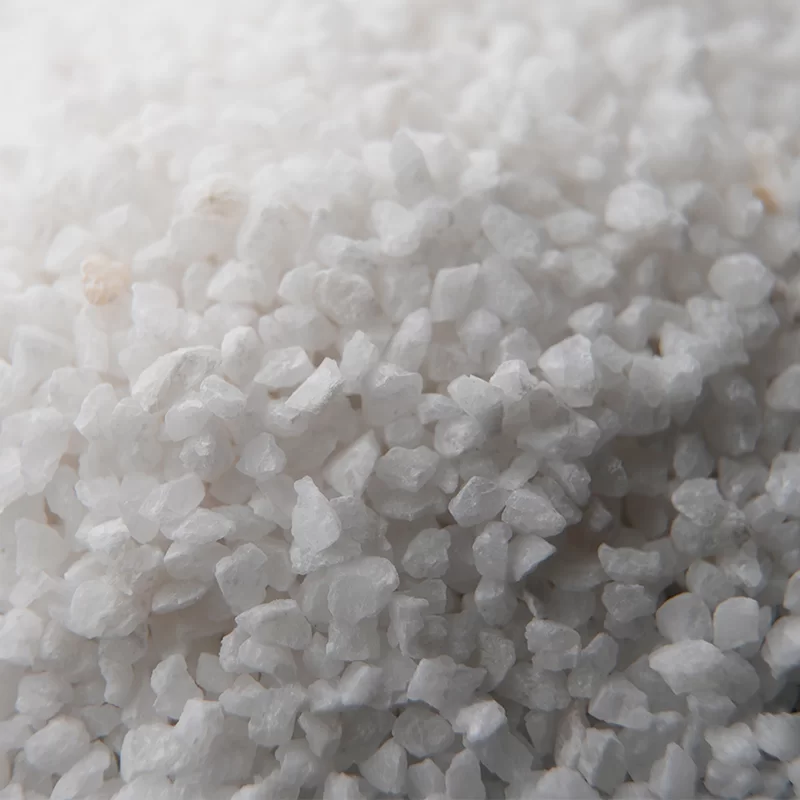
Crushed Stone Pebble: 2-3mm, 3-5mm,4-6mm,6-9mm,9-12mm,1-2cm,2-3cm,3-5cm
Construction process:
The construction process of water-washed stone: Base treatment and preparation → Material mixing and stirring → Layer laying and leveling → Initial pressing → Surface washing → Curing → Finished product protection and application of sealant (optional)
The construction process of adhesive stone: Base treatment and preparation → Ingredient mixing and stirring → Laying and spreading → Compaction and leveling → Curing and maintenance → Cleaning and maintenance
Best Pebble Sizes for Resin Bound Driveways and Pathways
Choosing the right resin pebbles size is one of the most important factors when designing durable and visually appealing resin surfaces. Whether you are installing a driveway, pathway, or patio, the size of the aggregate directly affects drainage, strength, texture, and overall appearance. High-quality resin bound pebbles combined with the correct grading create a smooth, permeable surface that performs well for years while maintaining an attractive natural finish.
For most resin bound pebbles installations, the commonly recommended pebble size ranges from 1–3 mm, 2–5 mm, and 3–6 mm. The 1–3 mm resin pebbles are typically used for pathways, garden walkways, and decorative areas. Their smaller size allows them to pack tightly with the resin binder, producing a smoother finish that is comfortable for foot traffic and easy to maintain. These finer aggregates also enhance slip resistance, which is particularly useful in landscaped garden paths or courtyard areas.
For driveways and surfaces exposed to heavier loads, 2–5 mm or 3–6 mm resin bound pebbles are often preferred. These larger pebbles provide better structural strength and improved load distribution when vehicles pass over the surface. The slightly larger aggregate also enhances permeability, allowing rainwater to drain naturally through the resin bound system and helping the surface comply with sustainable drainage system (SuDS) requirements in many regions.
Another consideration when selecting resin pebbles is the balance between aesthetics and performance. Smaller pebbles create a sleek, uniform appearance, while larger resin bound pebbles produce a more textured, natural stone look. Many professional installers even blend different aggregate sizes to achieve both durability and visual depth.
Ultimately, the best pebble size depends on the specific application, expected traffic level, and design preference. By selecting properly graded resin pebbles and ensuring they are evenly coated with high-quality resin, installers can create long-lasting resin bound pebbles surfaces that combine excellent drainage, structural reliability, and decorative appeal for modern driveways and pathways.
Benefits of Using Natural Pebbles in Resin Bound Surfaces
Natural pebbles have become a preferred aggregate for resin bound systems due to their durability, aesthetic appeal, and environmental advantages. In resin bound surfaces, carefully selected natural pebbles are mixed with a clear resin binder to create a smooth, permeable, and visually attractive pavement. This combination allows driveways, walkways, patios, and public spaces to benefit from both structural performance and decorative design.
One of the primary benefits of using natural pebbles in resin bound surfaces is their excellent durability and weather resistance. Natural pebbles are formed over time through geological processes, which gives them a dense structure and strong resistance to wear. When embedded within a resin bound system, they help create a surface that can withstand heavy foot traffic, vehicle loads, and varying weather conditions without cracking or deteriorating quickly. This makes them ideal for long-term outdoor applications.
Another major advantage is their natural aesthetic diversity. Natural pebbles are available in a wide range of colors, textures, and sizes, including warm beige tones, elegant greys, deep browns, and subtle mixed shades. This natural variation allows designers and property owners to create customized resin bound surfaces that complement surrounding landscapes or architectural styles. Whether used in residential gardens or commercial plazas, natural pebbles provide a timeless and organic appearance that artificial aggregates often struggle to replicate.
Natural pebbles also contribute to the permeability and sustainability of resin bound paving systems. The structure of resin bound surfaces creates small gaps between the aggregates, allowing rainwater to drain through the surface rather than pooling on top. This helps reduce surface runoff, supports sustainable drainage systems (SuDS), and minimizes the risk of flooding in urban areas.
Finally, using natural pebbles enhances the low-maintenance nature of resin bound surfaces. Their smooth, rounded shape allows for even distribution within the resin matrix, creating a stable and easy-to-clean surface that resists weed growth and dirt accumulation. As a result, property owners can enjoy a long-lasting, visually appealing surface with minimal upkeep.
Resin Bound Pebbles vs Resin Bonded Aggregates: What’s the Difference?
When planning a decorative and durable surface for outdoor spaces, many designers and contractors compare resin bound pebbles with resin bonded aggregates. While both systems combine natural stones with resin to create attractive surfaces, their installation methods, performance, and long-term benefits differ significantly. Understanding these differences helps homeowners, architects, and contractors choose the most suitable option for pathways, patios, driveways, and commercial landscapes.
Resin bound pebbles are mixed with a clear polyurethane resin before being applied to a prepared base. The mixture is then troweled onto the surface to create a smooth, seamless layer where every pebble is fully coated in resin. This method forms a porous structure, allowing water to drain naturally through the surface. Because of this permeability, resin bound pebble systems are often considered SUDS-compliant (Sustainable Urban Drainage Systems), making them ideal for environmentally friendly construction projects. The finished surface is smooth, visually consistent, and comfortable to walk on, which is why resin bound pebbles are widely used for garden paths, pool surrounds, and residential driveways.
In contrast, resin bonded aggregates are installed using a different process. First, a layer of resin is spread over a solid base such as concrete or asphalt. Then loose aggregates or decorative stones are scattered on top of the resin. Once cured, the stones adhere to the surface but remain partially exposed. This creates a rougher texture and a more traditional gravel-like appearance. However, because the aggregates sit on top of the resin layer rather than being fully encapsulated, excess stones may become loose over time, and the surface is generally non-permeable, meaning water cannot easily drain through it.
Another important difference lies in durability and maintenance. Resin bound pebble surfaces tend to be more stable because the stones are fully locked within the resin matrix. They resist cracking, puddling, and weed growth more effectively. Resin bonded systems can still provide excellent decorative results, but they may require occasional maintenance to replace loose aggregates or refresh the top layer.
In summary, the main distinction is that resin bound pebbles create a smooth, permeable, and long-lasting surface, while resin bonded aggregates produce a textured, non-permeable finish with a more traditional stone look. Choosing between the two depends on the desired appearance, drainage requirements, and the specific application of the project.