The procurement of mineral aggregates has shifted from bulk raw material sourcing toward a demand for engineered, high-precision decorative solutions. For architects and landscape designers, the decision to buy crushed rock is no longer just about volume and grade, but about how the material integrates into a modular installation system to ensure long-term structural stability and aesthetic consistency.
This evolution is driven by the need to reduce onsite labor costs and eliminate the variability inherent in manual stone laying. Traditional crushed rock application requires significant man-hours and often results in uneven distribution, which can lead to drainage issues or visual inconsistencies in high-end commercial and residential projects.
This analysis explores the transition from loose mineral aggregates to prefabricated pebble mosaic systems, evaluating the technical specifications, adhesive performance, and deployment frameworks that modern buyers must consider to optimize their project lifecycles.


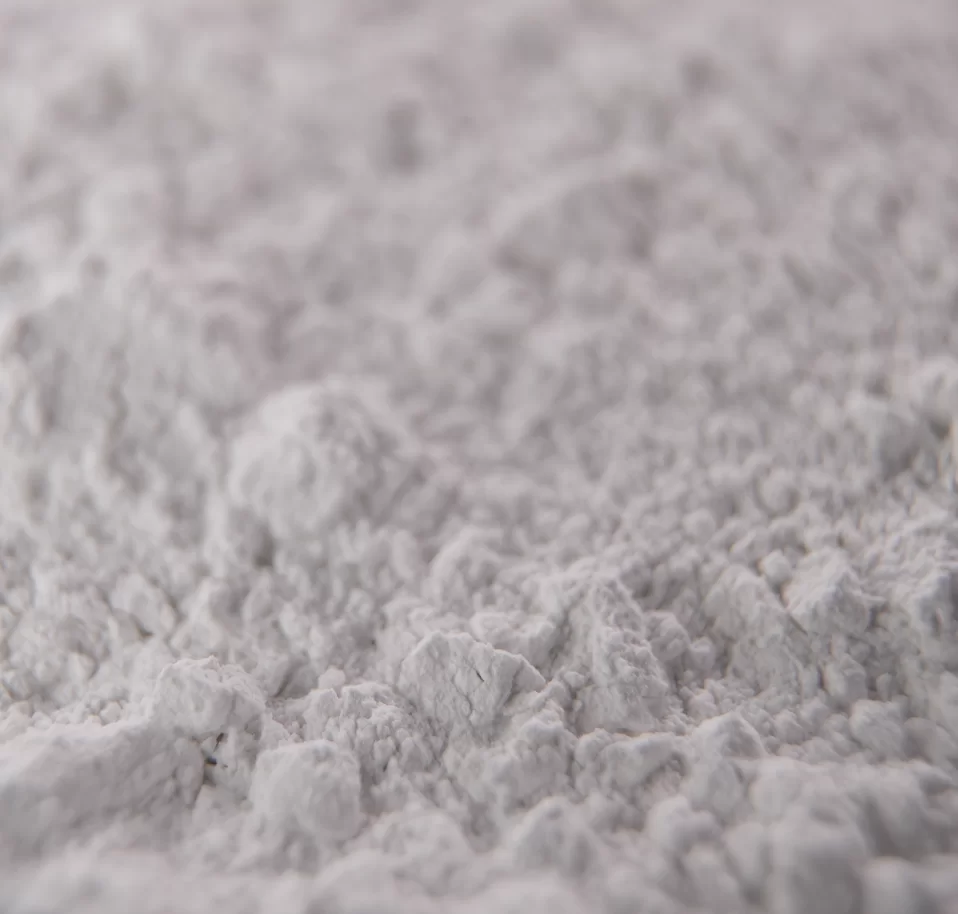
The traditional approach to sourcing decorative stone involved buying crushed rock in bulk and manually arranging it on a substrate. This method, while cost-effective in terms of raw materials, creates high volatility in labor costs and final visual quality.
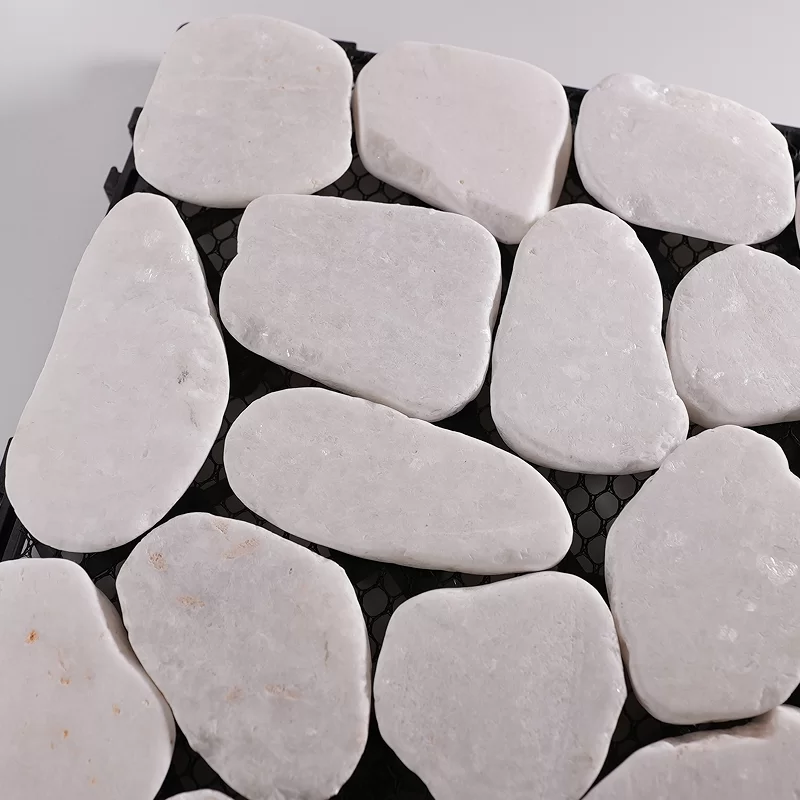
Modular Pebble Mosaics transform these natural minerals into standardized sheets. By bonding screened pebbles to a flexible mesh base using industrial adhesives, the process achieves "factory-level production," ensuring that every square meter of the installation is identical in density and pattern.
When evaluating material quality, the dimensions of the individual stones and the overall sheet thickness are primary technical indicators. Typical specifications for prefabricated pebble sheets range from 250mm x 250mm to 300mm x 300mm per sheet, with pebble layer thicknesses generally spanning 10mm to 25mm.
These dimensions directly impact the load-bearing capacity and the tactile profile of the surface. A thinner pebble layer is often preferred for indoor accent walls to minimize protrusion, while thicker layers are utilized in garden landscapes and exterior facades to provide a more robust, natural appearance and higher impact resistance.
Color consistency is another critical factor. Whether sourcing black, white, yellow, or mixed tones, the mineral purity determines the product's resistance to UV-induced fading. High-grade pebbles undergo rigorous screening and cleaning to ensure that the final decorative effect remains stable under prolonged environmental exposure.
The structural integrity of a pebble mosaic depends entirely on the interface between the natural stone and the mesh backing. This is achieved through the application of specialized epoxy resins or industrial-grade stone glues that create a chemical bond capable of withstanding mechanical stress.
The production workflow—screening, cleaning, layout design, automatic gluing, and pressure curing—ensures that the adhesive is distributed uniformly. This prevents "hollow spots" within the sheet, which would otherwise compromise the service life and aesthetic appeal of the final installation.
Comparing the deployment of prefabricated sheets against the traditional method of buying crushed rock for manual placement reveals a significant disparity in operational efficiency. The modular approach effectively shifts the labor-intensive sorting and arrangement phase from the construction site to the factory floor.
This transition reduces the risk of human error and eliminates the need for specialized stone-masons for every square inch of the project. The flexible mesh base allows for rapid application even on curved surfaces, which would be nearly impossible to achieve consistently with loose aggregates.
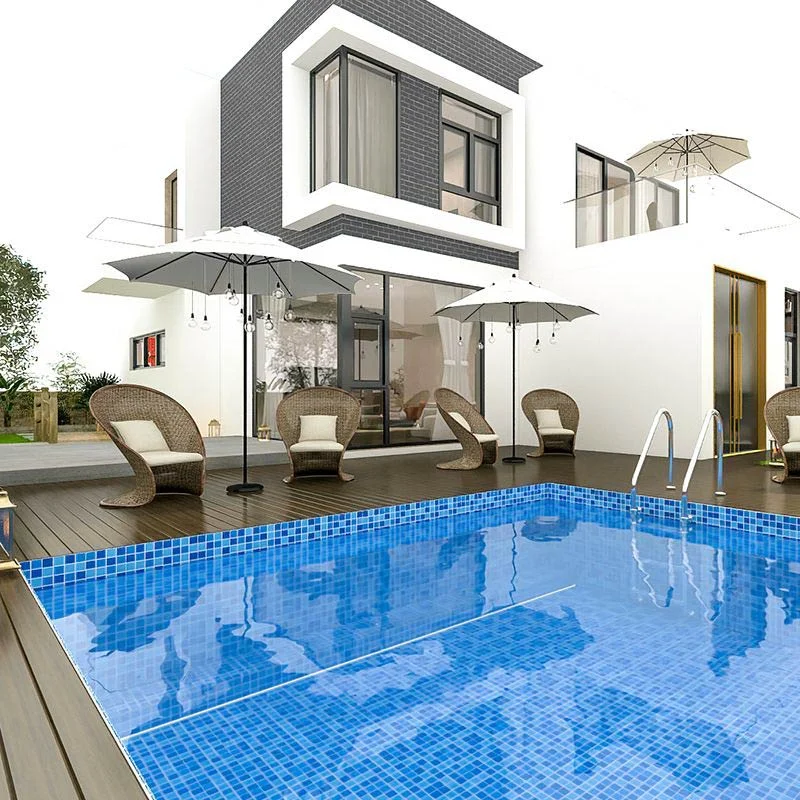
The versatility of modular stone systems allows them to be integrated into diverse architectural environments. In commercial spaces, they are frequently used for theme walls and high-traffic entrance areas where a natural, tactile experience is required but maintenance must be kept to a minimum.
For residential applications, such as villa courtyards and homestay exterior walls, these materials provide a balance between rustic aesthetics and modern engineering. Garden paths and flower bed decorations also benefit from the standardized sheets, as they prevent stone migration and ensure the path remains level over time.
The mining and processing of non-metallic minerals are moving toward more sustainable, closed-loop systems. The industry is increasingly focusing on reducing the energy intensity of pebble screening and cleaning processes, utilizing recycled water systems to minimize the environmental footprint of mineral beneficiation.
Technological integration is also expanding into the development of bio-based adhesives that provide the same thermal stability and bonding strength as epoxy resins but with lower VOC emissions. This shift is essential for meeting the growing demand for "green building" certifications in international markets.
Furthermore, the modularization of natural materials is expected to evolve toward custom digital layout designs, allowing architects to specify exact pebble arrangements that are then produced automatically in the factory, further reducing onsite waste and increasing precision.
Selecting the right mineral product depends on the intersection of environmental constraints and aesthetic requirements. A buyer looking to buy crushed rock in modular form must weigh factors such as UV resistance and freeze-thaw stability against the specific location of the installation.
For interior applications, the primary focus is on color uniformity and gap aesthetics. In contrast, exterior installations require a rigorous check of the adhesive's temperature tolerance and the stone's mineral hardness to prevent erosion over time.
The following matrix provides a technical framework for matching configuration types to specific deployment scenarios, ensuring that the selected material is optimized for its intended operating environment.
| Configuration Type | Pebble Thickness | Adhesive Profile | Recommended Use Case |
|---|---|---|---|
| Standard Decorative | 10-15mm | General Epoxy | Indoor Background Walls |
| High-Durability Exterior | 15-25mm | Weather-Resistant Resin | Villa Courtyards / Facades |
| Precision Accent | 10mm | High-Bond Specialized Glue | Commercial Theme Walls |
| Landscape Heavy-Duty | 20-25mm | Industrial Stone Glue | Garden Paths / Columns |
| Curved Surface Fit | 12-18mm | Flexible Mesh Composite | Architectural Columns |
| Industry Baseline | 15mm | Standard Resin | General Decorative Use |
Bulk crushed rock consists of loose aggregates that must be manually spread and leveled, leading to higher labor costs and variability in appearance. Pebble mosaic sheets are prefabricated modular units where natural pebbles are bonded to a flexible mesh using high-strength adhesives. This ensures a standardized distribution, reduced installation time, and the ability to apply the material to curved surfaces with consistent density.
Extreme temperatures can cause expansion and contraction of both the stone and the adhesive. High-quality sheets use adhesives capable of withstanding ranges from -30°C to 40°C. If the adhesive is not thermal-resistant, freeze-thaw cycles in outdoor environments can lead to cracking or peeling, causing the pebbles to detach from the mesh base. Therefore, verifying the temperature resistance of the glue type is critical for exterior projects.
Yes, one of the core engineering advantages of the prefabricated sheet is its flexible mesh base. Unlike rigid tiles, the mesh allows the sheet to conform to curved architectural elements, such as rounded columns or organic-shaped walls. The installer only needs to apply the appropriate adhesive to the treated base surface and press the sheet into place, maintaining the integrity of the pebble layout.
For garden paths, you should prioritize pebble thickness (ideally 20-25mm for better impact resistance) and weather resistance (UV resistance and freeze-thaw stability). Additionally, ensure the glue type used is an industrial stone glue or heavy-duty epoxy resin to prevent displacement under foot traffic and environmental moisture. A thicker pebble layer also provides a more natural look for landscape integration.
Quality is verified through a multi-stage production workflow: screening for size uniformity, cleaning and drying to remove impurities that could weaken the adhesive bond, and a final quality inspection after pressure curing. Uniform gaps and a firm mesh base on the back of the sheet are the primary indicators of a correctly executed screening and bonding process.
To ensure consistency, buyers should source from a single production batch and verify the mineral origin of the pebbles. Since the appearance is determined by the natural properties of the rock, requesting a standardized sample from the manufacturer's current catalog is essential. Prefabricated sheets offer better consistency than bulk rock because the layout and color blending are controlled in a factory environment.
The transition from sourcing bulk aggregates to utilizing modular pebble mosaic systems represents a significant leap in construction efficiency and aesthetic control. By integrating high-strength adhesives and standardized production workflows, the industry has effectively mitigated the risks associated with manual stone laying, such as uneven distribution and high labor volatility.
For professional buyers and architects, the focus must remain on the technical synergy between pebble thickness, adhesive thermal stability, and the specific demands of the application environment. Those seeking to optimize their procurement process can find high-precision solutions at www.cnfloormaterials.com/product/pebbles-mosaic.html, ensuring that the natural beauty of minerals is matched by modern engineering reliability.



If you are interested in our products, you can choose to leave your information here, and we will be in touch with you shortly.