
Finding affordable, high-quality mineral aggregates is a primary challenge for large-scale infrastructure and construction projects. Whether for road bases, concrete mixing, or decorative flooring, the procurement of cheap crushed rock often involves a complex trade-off between immediate material cost and long-term structural integrity. This guide analyzes the factors that influence aggregate pricing and how to optimize sourcing without compromising quality.
In the B2B mining and construction sector, "cost-effective" does not simply mean the lowest price per ton. It refers to the total value delivered, encompassing material purity, size consistency, and the efficiency of the supply chain. For companies operating in regions like Hebei, leverage of local geographical advantages—such as proximity to the Taihang Mountain mineral deposits—can significantly reduce overheads and provide more competitive pricing for bulk mineral products.
Readers will explore the technical distinctions between various crushed stone types, the logistics of bulk procurement, and the specific evaluation criteria used by professional engineers. By understanding the intersection of mineral processing and procurement strategy, project managers can make informed decisions that reduce capital expenditure while ensuring a durable final build.
Understanding Aggregates in Modern Construction
Crushed stone, or aggregate, serves as the skeletal framework for the majority of global infrastructure. The process involves mechanically breaking down larger rock formations into smaller, angular pieces that lock together to provide stability and load-bearing capacity. According to general geological standards found in cheap crushed rock resources, the angularity of the particles is critical for internal friction, which prevents the shifting of road beds and foundations under heavy pressure.
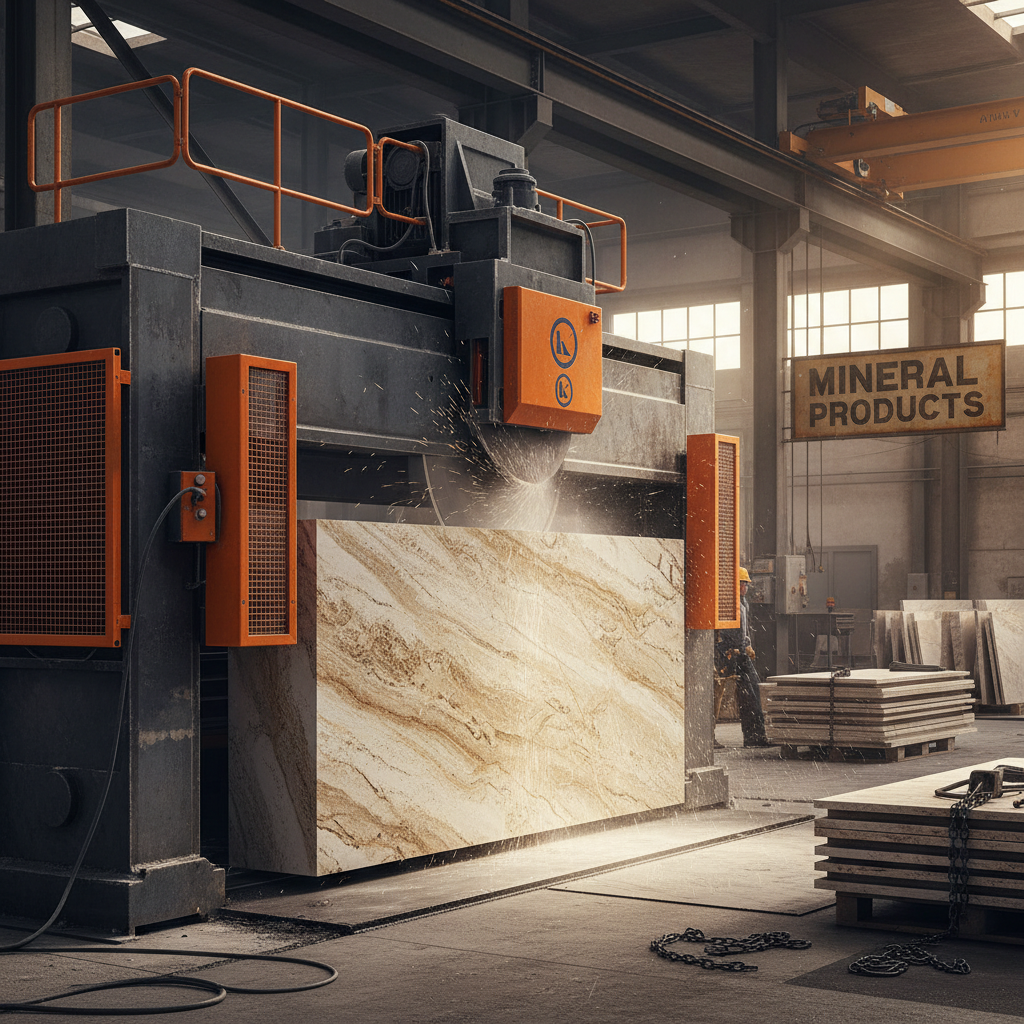
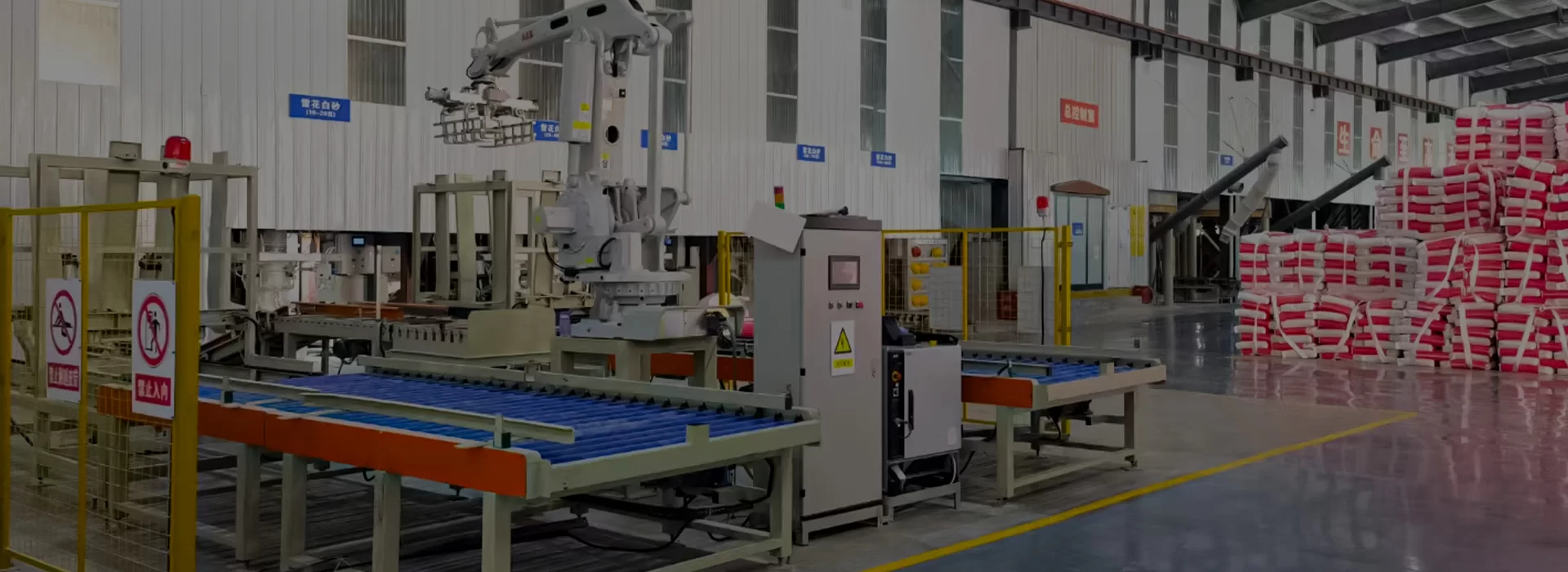
From an industrial perspective, the production of these materials involves several stages: quarrying, primary crushing, screening for size distribution, and occasionally beneficiation to remove impurities. For professional enterprises like Hebei Quanerduo Mining Development, utilizing modern laboratory testing equipment ensures that the gravel, pebble, and quartz sands produced meet specific engineering tolerances. The integration of scientific management in the processing and packing workshops allows for a consistent output that reduces waste and lowers the unit cost for the end customer.
The versatility of these minerals extends beyond basic roadwork. In specialized applications, such as the creation of epoxy flooring systems, decorative mineral flakes and crushed quartz provide not only aesthetic value but also essential wear resistance and anti-slip properties. The shift toward high-performance composites requires a deeper understanding of how the physical properties of the rock—such as hardness and porosity—interact with chemical binders like resins.
Strategic Sourcing and Value Analysis
Optimizing the procurement of mineral aggregates requires a shift from a "price-first" mentality to a "value-first" strategy. The following analysis breaks down the critical dimensions of bulk aggregate sourcing, focusing on how to maintain quality while minimizing expenses.
Cost Drivers in Mineral Sourcing
The price of crushed minerals is primarily driven by three factors: extraction costs, processing complexity, and transportation. Raw materials located at the foot of resource-rich mountains typically have lower extraction costs. Processing costs vary depending on the required gradation; highly specific size distributions (e.g., 1-3mm or 3-5mm for specialty flooring) require more rigorous screening, which can increase the price compared to general-purpose fill.
| Cost Factor | Impact Level | Primary Driver | Buyer's Check |
|---|---|---|---|
| Extraction | Medium | Quarry depth & accessibility | Local resource proximity |
| Processing | Low-Medium | Grading & screening precision | Sieve analysis report |
| Logistics | High | Distance from site to plant | Freight cost per ton/km |
| Quality Control | Low | Laboratory testing frequency | Certification & ASTM standards |
| Volume | Medium | Bulk order discounts | Total tonnage required |
| Customization | Medium | Specific color/mineral purity | Custom blend requirements |
Balancing Grade and Budget
Not every project requires the highest grade of processed stone. Using premium-grade architectural quartz for a sub-base layer is an inefficient use of budget. Professional procurement involves matching the material grade to the application's structural requirement. For example, using natural gravel for drainage and processed crushed rock for load-bearing surfaces allows a project manager to distribute costs effectively without risking structural failure.
Application-Specific Material Selection
The choice of material must align with the environmental conditions of the site. In humid environments or areas with chemical exposure, the mineral's resistance to corrosion becomes paramount. Hebei Quanerduo's product range, including quartz and glass sand, is designed to handle various industrial stresses. For flooring, using mica flakes integrated with epoxy resin creates a seamless, UV-resistant surface that outperforms traditional cement floors in both durability and maintenance costs.
Logistics and Transportation Impact
Since aggregates are heavy and low-value per unit of weight, transportation often represents the largest portion of the final invoice. Sourcing from a supplier with convenient transportation access—such as those located in major provincial capitals like Shijiazhuang—can significantly reduce the "landed cost." Coordinating shipment schedules to ensure a continuous supply without overloading on-site storage is key to maintaining project momentum.
Quality Control for Bulk Aggregates
Budget-friendly sourcing should never bypass quality assurance. A professional supplier provides detailed laboratory testing to ensure the material is free from organic contaminants and meets the required hardness. A dedicated quality control team is essential to guarantee that every shipment maintains the same specification, preventing inconsistencies that could lead to uneven settling or premature cracking in concrete structures.
Environmental and Regulatory Compliance
Modern B2B procurement must consider the sustainability of the source. Suppliers who implement scientific management and strictly control their mining processes are more likely to provide a stable, long-term supply chain. Ensuring that the quarry operations are certified and comply with local environmental laws prevents project delays caused by regulatory shutdowns or legal disputes over resource extraction.
Long-term Lifecycle Value
The true cost of a material is measured over its service life. While the initial investment in high-quality resin-bound mineral floors may be higher than simple epoxy, the 10-20 year lifespan and negligible maintenance costs make the total life cycle cost far more economical. This principle applies to all aggregates: materials that resist wear and thermal expansion reduce the need for frequent repairs, ultimately saving the business significant capital.
FAQ
What factors typically make mineral aggregates more affordable?
Affordability is primarily driven by the proximity of the quarry to the project site, reducing transportation costs. Additionally, sourcing materials that require less intensive processing (such as general-purpose gravel versus precision-graded quartz) and purchasing in bulk volumes typically lower the price per ton.
How can I tell if a low-cost supplier is sacrificing quality?
Check for a professional laboratory testing system and certifications. A reliable supplier should be able to provide a sieve analysis report and hardness certifications. If a supplier cannot provide consistent technical specifications for their mineral products, there is a high risk of material inconsistency.
What is the difference between gravel and crushed stone for foundations?
Gravel is typically naturally rounded, while crushed stone is mechanically broken and angular. For foundations and road bases, angular crushed stone is preferred because the sharp edges lock together, providing superior stability and preventing the material from shifting under load.
Can decorative mineral flakes improve industrial floor durability?
Yes, when combined with epoxy or polyurethane resins, mineral flakes create a reinforced composite layer. This increases wear resistance, provides better slip resistance, and hides surface imperfections and scratches better than solid-color epoxy coatings, extending the overall floor life.
How should I handle the logistics of bulk mineral procurement?
Establish a delivery schedule based on your project's consumption rate to avoid site congestion. Source from suppliers with a multi-layer management system to ensure delivery deadlines are met and utilize regional hubs to minimize the distance between the processing plant and the construction site.
Are there specific minerals recommended for high-traffic warehouses?
For high-traffic areas, hard minerals like quartz or specialized mica flakes embedded in high-strength resin are recommended. These provide the necessary pressure resistance to withstand heavy vehicles and equipment while remaining easy to clean and maintain over a 10-20 year period.
References and further reading
- International Standards for Aggregate Testing and Grading (ASTM/EN Standards)
- Geological Survey of Mineral Deposits in the Taihang Mountain Region
- Industrial Flooring Composites: The Role of Mineral Fillers in Resin Performance
Related Articles