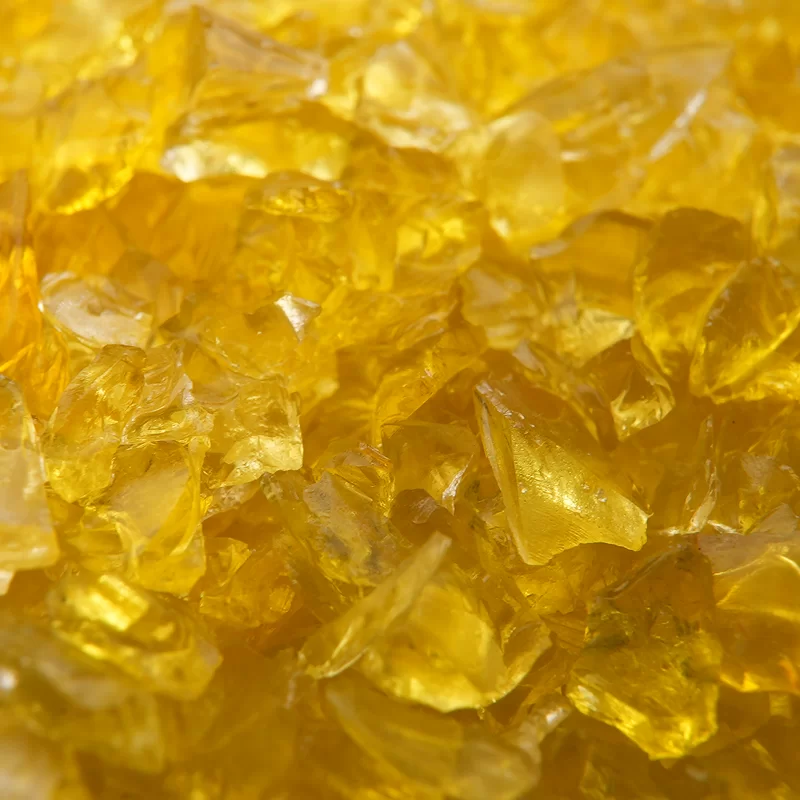
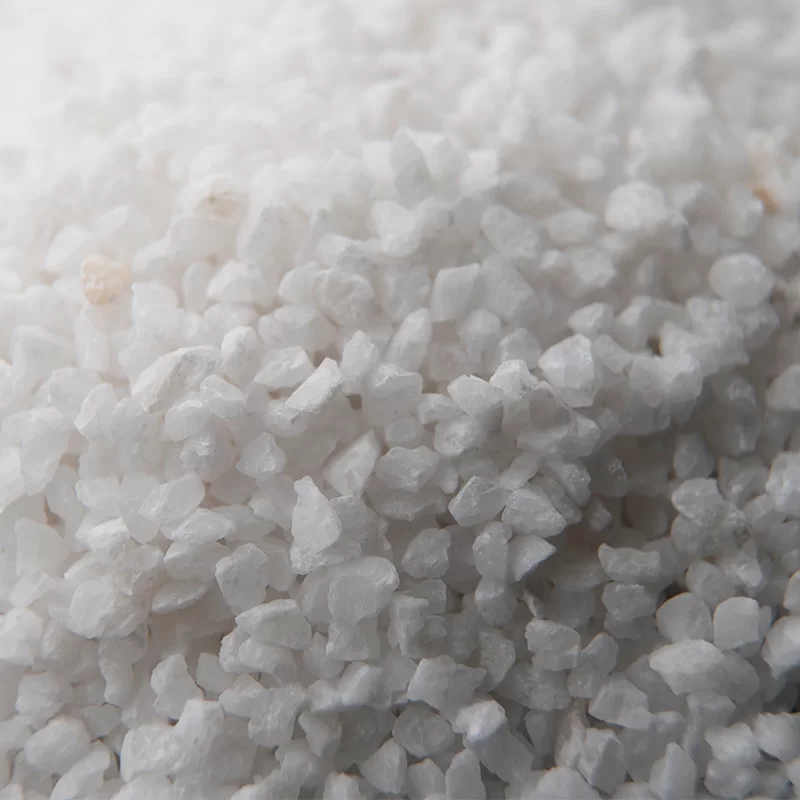
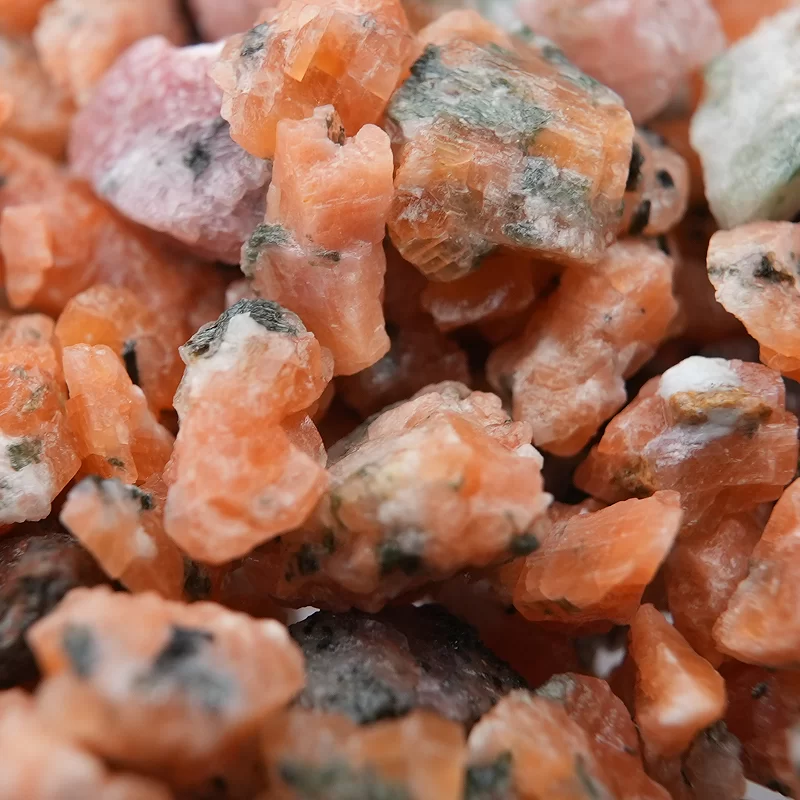
Natural colored sand, often referred to in specialized decorative circles as Yuhua stone, represents a pinnacle of blending geological abundance with modern architectural aesthetics. These granular materials, derived from natural ores, provide a versatile palette for designers and engineers looking to enhance the visual and structural quality of surfaces worldwide.
The global demand for high-quality decorative aggregates has surged as urban centers pivot toward sustainable and durable building materials. Yuhua stone offers a unique solution by providing a wide spectrum of natural colors—ranging from deep blacks and vibrant reds to serene blues and greens—that do not fade over time, unlike synthetic dyes.
Understanding the technical composition and application methods of Yuhua stone is essential for achieving high-performance finishes in textured paints, epoxy flooring, and exterior wall reliefs. By leveraging its natural hardness and chemical stability, professionals can ensure that their projects are not only visually striking but also resistant to the elements.

The Composition and Nature of Yuhua stone
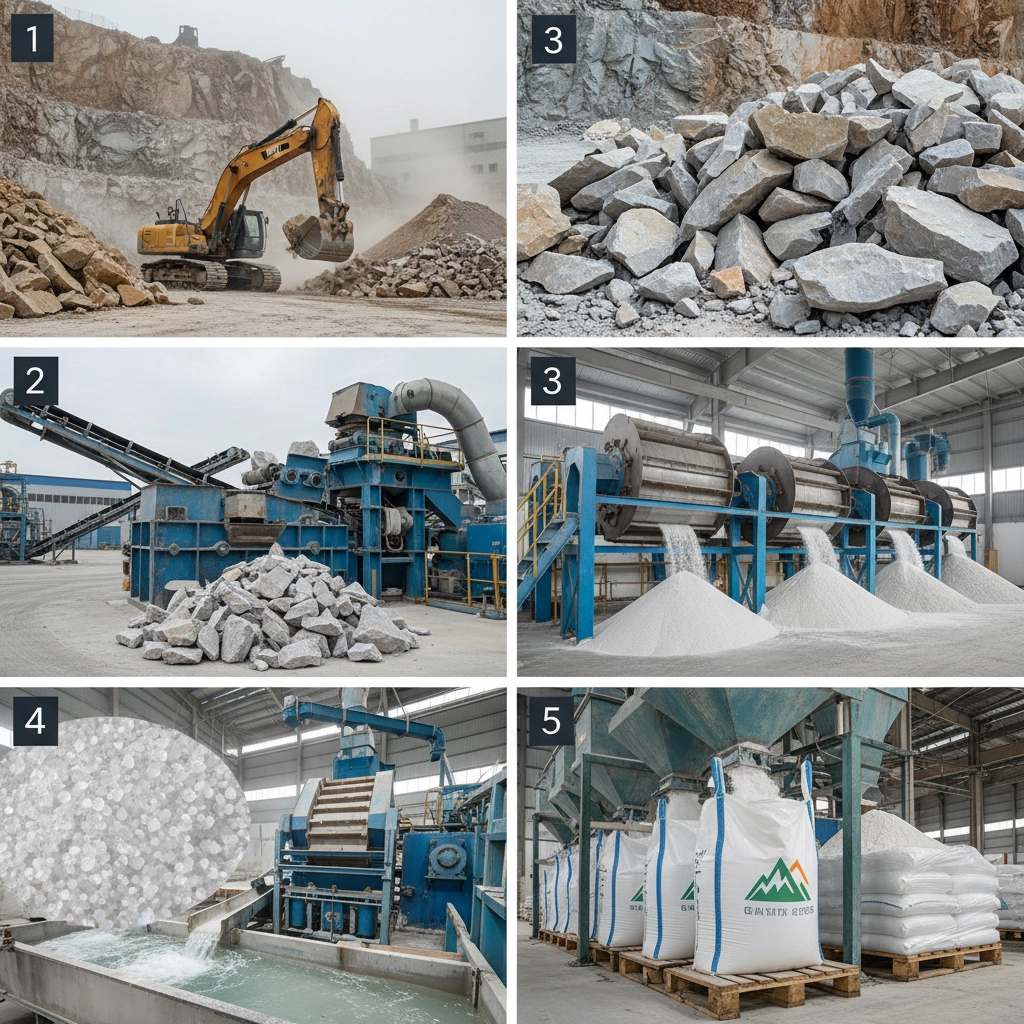
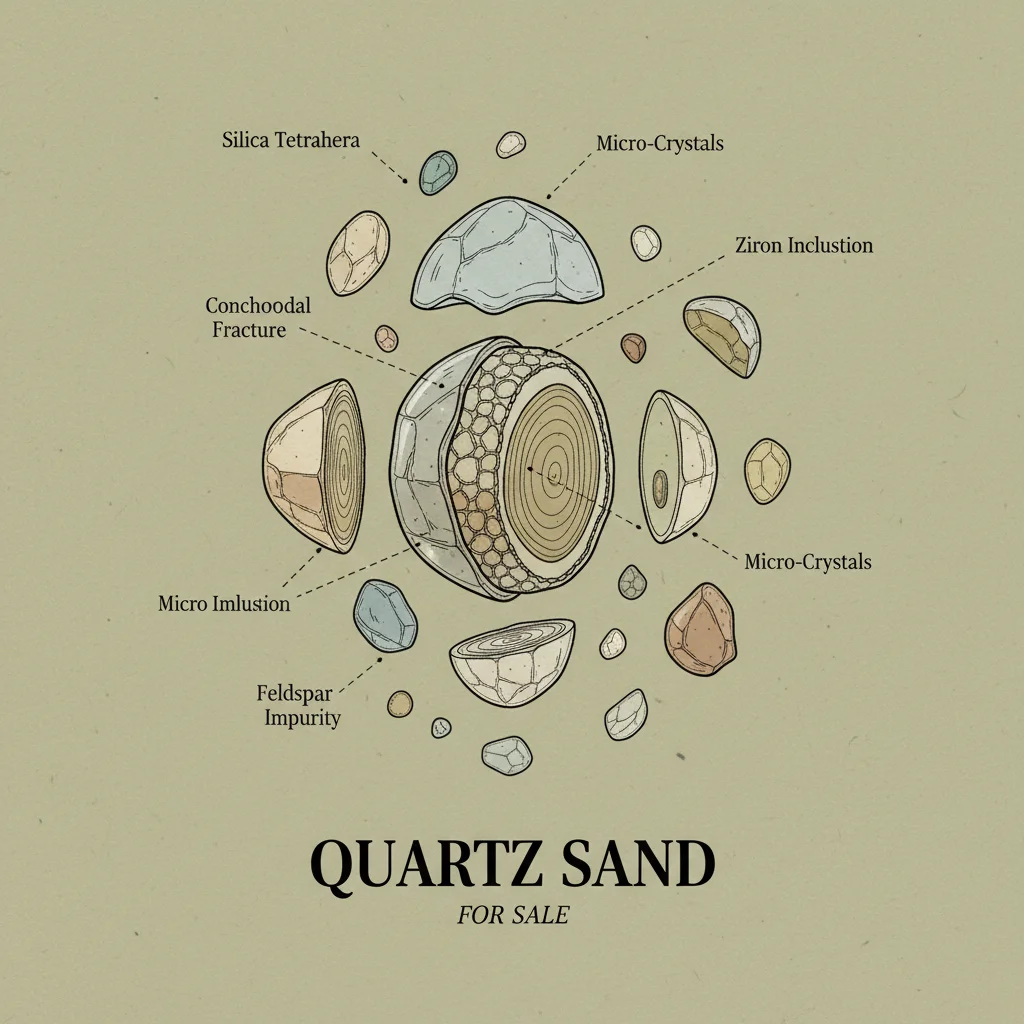
Yuhua stone is fundamentally a colored granular material meticulously processed from natural ores such as quartz sand, feldspar, and mica. Through a rigorous cycle of screening, grinding, and grading, the raw mineral is transformed into a precise aggregate that retains its natural mineralogical properties while meeting strict industrial size requirements.
The core strength of this material lies in its chemical makeup, where Silicon dioxide (SiO₂) typically accounts for 60% to 80% of the volume. This high silica content is what grants the material its legendary wear resistance and transparency, while natural iron oxides provide the rich red and yellow tones, and mica enhances the overall surface glossiness.
Technical Parameters for Performance Stability
To ensure consistency in industrial applications, the technical specifications of Yuhua stone are tightly controlled. The particle size distribution generally ranges from 0.15mm to 3.0mm, though it is highly customizable to meet the specific needs of a project, whether it be a fine-grained interior finish or a coarse exterior aggregate.
Beyond size, the bulk density is maintained between 0.8 and 1.5 g/cm³, ensuring a stable volumetric fill during the mixing process. The oil absorption rate is kept low, at ≤15 g/100g, which is critical for epoxy-based systems to prevent the sand from absorbing too much binder, which would otherwise compromise the strength of the final floor or wall.
Hardness is another non-negotiable metric, with a Mohs hardness rating of ≥5. This ensures that surfaces paved with these materials can withstand heavy foot traffic and environmental abrasion without losing their structural integrity or color brilliance, making it an ideal choice for high-traffic commercial zones.
Versatile Applications in Modern Architecture
The versatility of Yuhua stone allows it to transition seamlessly from industrial utility to high-end art. It is widely utilized in the creation of textured paints and real stone paints, where its natural granularity provides a three-dimensional effect that mimics the organic feel of natural rock formations on interior and exterior walls.
In the realm of flooring, Yuhua stone serves as a premium aggregate for terrazzo and epoxy colored sand flooring. These applications benefit from the material's non-toxic and odorless properties, ensuring that indoor air quality is maintained while providing a durable, waterproof, and corrosion-resistant surface.
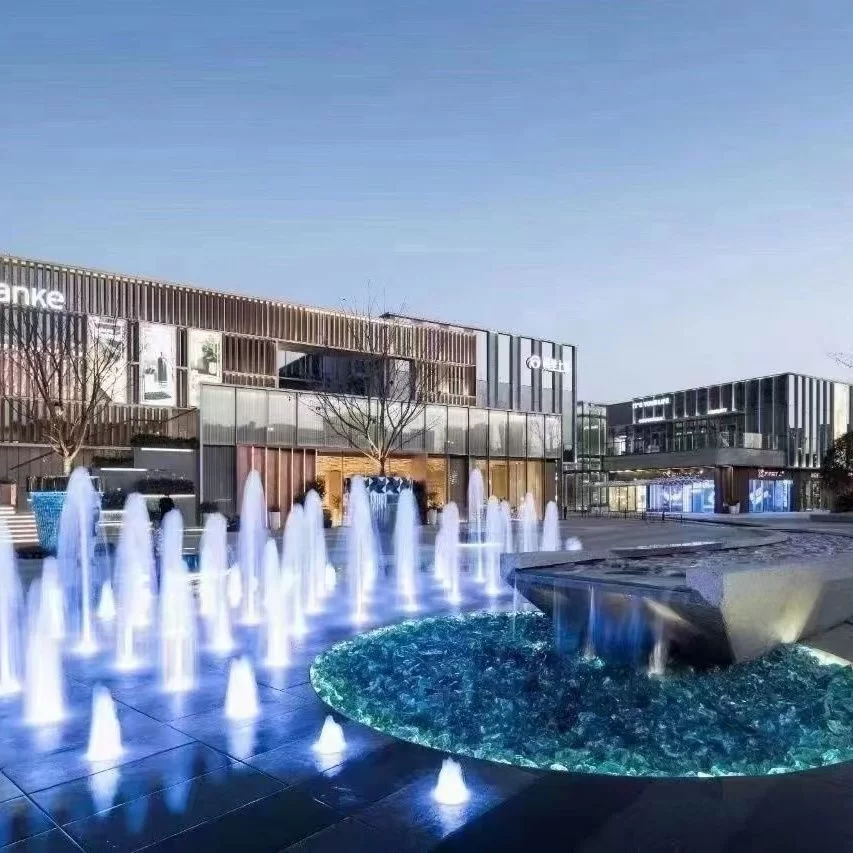
Moreover, the use of these colorful stones in landscaping—paving roads and ground surfaces—not only beautifies the urban environment but also promotes a sense of well-being. The brilliant colors and soft tones of the spray-painted finishes created from this sand add a layer of sophistication to public parks and corporate plazas.
Durability and Wear Resistance Analysis
When evaluating the long-term value of Yuhua stone, its resistance to environmental degradation stands out. Because the colors are derived from natural minerals like iron oxide, they are chemically bonded to the particle, meaning the material does not bleach under intense UV exposure or peel like traditional paints.
The combination of high silica content and a Mohs hardness of 5+ means that the wear layer of a floor or wall remains intact even under rigorous use. This reduces the frequency of maintenance and renovation, providing a significant cost-saving advantage over the lifecycle of the building.
Yuhua stone Performance Rating by Application
Environmental Impact and Sustainability
One of the most significant advantages of Yuhua stone is its adherence to non-toxic and eco-friendly standards. Unlike synthetic aggregates that may release Volatile Organic Compounds (VOCs) or contain harmful dyes, these natural colored sands are derived from earth-mined minerals, ensuring they are safe for both installers and end-users.
Furthermore, the extreme durability of the material contributes to sustainability by extending the replacement cycle of architectural finishes. By reducing the waste generated from frequent repairs and using naturally occurring minerals, the industry moves closer to a circular economy in construction and decoration.
Installation Techniques for Superior Adhesion
Achieving a flawless finish with Yuhua stone requires a deep understanding of the bonding agent's relationship with the aggregate. For epoxy flooring, the low oil absorption of the sand ensures that the resin fully encapsulates each grain, creating a monolithic structure that is both waterproof and incredibly strong.
In the case of wall reliefs and spray paints, the particle size—ranging from 10-20 mesh to 80-120 mesh—must be selected based on the desired texture. Finer meshes are ideal for smooth, satin-like finishes, while coarser meshes provide the rugged, stone-like appearance typical of high-end architectural reliefs.
The key to long-term success is ensuring the substrate is clean and primed. Because natural colored sand has strong inherent adhesion properties, it bonds tightly to properly prepared concrete or masonry, preventing peeling or cracking even in extreme temperature fluctuations.
Comparative Analysis of Color Series
The color series available for Yuhua stone is designed to cover every possible architectural mood. The black and gray series are frequently chosen for industrial-chic interiors and modern corporate offices, providing a neutral yet sophisticated backdrop that emphasizes minimalism.
Conversely, the red, yellow, and green series are often employed in public spaces and residential gardens to evoke a sense of energy and nature. The blue and white series are prized for their ability to create a feeling of openness and cleanliness, making them popular in healthcare facilities and coastal developments.
By selecting the appropriate color series and particle size, designers can manipulate the light reflection and tactile experience of a room. The presence of mica in these series ensures that regardless of the color chosen, there is a subtle, brilliant luster that catches the light, adding depth to the surface.
Technical Comparison of Yuhua stone Color Series and Properties
| Color Series | Primary Mineral Agent | Typical Application | Visual Effect Score (1-10) |
|---|
| Black/Gray Series | Magnetite/Dark Quartz | Industrial Flooring | 8 |
| Red/Yellow Series | Iron Oxide | Exterior Wall Paint | 9 |
| White Series | Pure Quartz/Calcite | Interior Decoration | 10 |
| Blue/Green Series | Rare Earth Minerals | Decorative Paving | 7 |
| Mixed Series | Multi-Mineral Blend | Terrazzo Aggregates | 9 |
| Glossy Series | High Mica Content | Art Reliefs | 8 |
FAQS
Yuhua stone is derived from natural ores like quartz and feldspar, meaning its colors come from minerals like iron oxide rather than artificial dyes. This results in superior UV resistance, no fading over time, and a non-toxic profile that is safer for indoor environments compared to synthetic alternatives.
Yes, it is highly suitable for outdoors. With a Mohs hardness of ≥5 and a composition primarily of silicon dioxide, it is naturally resistant to abrasion, waterproofing, and corrosion. When paired with a high-quality binder, it withstands freeze-thaw cycles without cracking.
For smooth, refined finishes like interior wall paint, 80-120 mesh is recommended. For mid-range textures in epoxy flooring, 40-80 mesh works best. For heavy-duty paving or coarse architectural reliefs, 10-40 mesh provides the necessary structural presence and tactile feel.
Absolutely. Because it is composed of natural minerals and is non-toxic and odorless, it meets the strict health requirements for public institutions. It does not release harmful chemicals, ensuring a safe environment for sensitive populations.
Maintenance is minimal. Because the material is wear-resistant and waterproof, standard cleaning with mild detergents is usually sufficient. For epoxy-based finishes, a periodic wax or sealant can enhance the brilliance of the natural mica and quartz.
Yes, the particle size distribution is fully customizable from 0.15mm to 3.0mm. We can adjust the grading process to ensure the material meets the exact flow and density requirements of your specific binder or architectural application.
Conclusion
Yuhua stone stands as a bridge between the raw power of nature and the precision of modern engineering. By combining high silicon dioxide content for durability with a rich spectrum of natural mineral colors, it provides an unparalleled solution for architects and designers seeking long-term value. Its ability to resist wear, water, and corrosion—while remaining non-toxic—makes it a gold standard for everything from industrial epoxy floors to artistic exterior reliefs.
As the construction industry moves toward more sustainable and health-conscious materials, the reliance on natural aggregates like these will only grow. Investing in high-quality colored sand is not just an aesthetic choice, but a strategic decision to ensure the longevity and safety of a structure. To explore the full range of colors and technical specifications, visit our website: www.cnfloormaterials.com