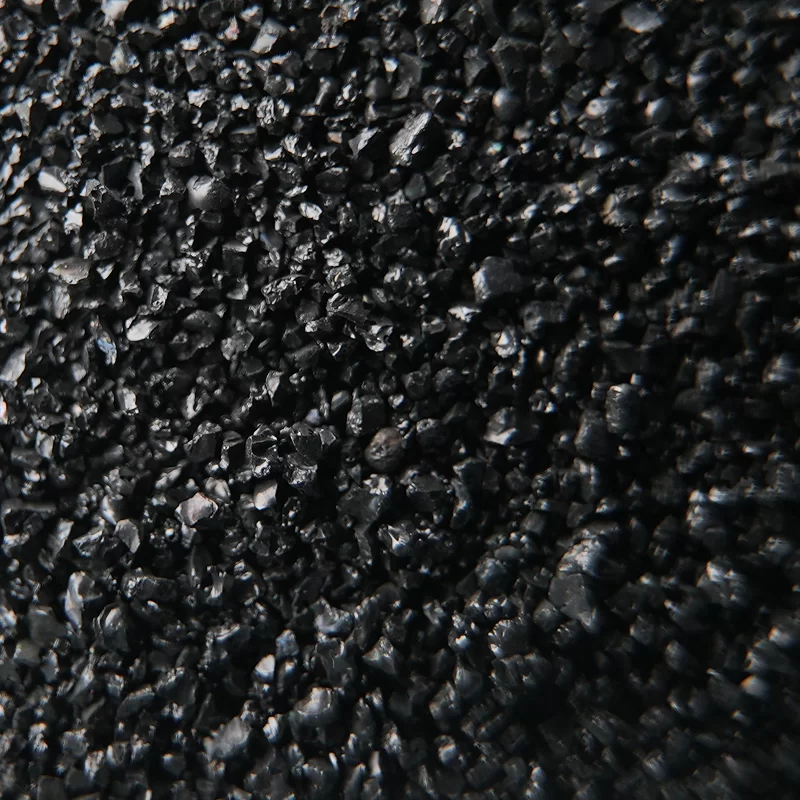
In the world of high-performance industrial minerals, the demand for extreme durability and wear resistance has led to the widespread adoption of premium Emery. This natural corundum-based mineral is prized globally for its exceptional Mohs hardness of 9, making it an essential component for creating surfaces that can withstand the most punishing environments.
Whether used in precision grinding or as a critical additive for industrial flooring, the structural integrity of Emery ensures that assets maintain their operational lifespan. By utilizing its natural toughness and specific grinding profile, industries can achieve a level of surface smoothness and safety that synthetic alternatives often struggle to replicate.
While some may search for large decorative garden pebbles for aesthetic landscaping, the true industrial value of this mineral lies in its capacity for anti-slip performance and high-speed grinding efficiency in workshops and factories.

The Mineral Composition of Industrial Emery
Our premium Emery is a naturally occurring mineral primarily composed of Aluminum Oxide (Al₂O₃), known scientifically as corundum. This chemical composition is what grants the material its legendary stability and hardness, ensuring it does not degrade even when subjected to extreme pressure and friction in industrial settings.
Unlike processed synthetics, the natural structure of corundum provides a unique shell-like segment toughness. This characteristic is vital for professionals who require a high-speed grinding cycle that minimizes surface marking while maximizing material removal.
Extreme Hardness and Abrasion Resistance
The defining characteristic of this material is its Mohs hardness of 9, which places it second only to diamond on the hardness scale. This ultra-hard nature makes it the gold standard for any application where abrasion resistance is the primary requirement, such as high-traffic industrial ramps or precision sandblasting tasks.
Because it is so resistant to wear, Emery prevents the premature crumbling that often plagues softer minerals. This ensures that the abrasive force remains consistent over long periods, reducing the frequency of surface reapplications and maintenance shutdowns.
In heavy-duty environments, this hardness translates directly into safety. By providing a permanent, high-friction surface, it effectively eliminates slip hazards in workshops and parking lots, protecting personnel and equipment alike.
Operational Efficiency in Grinding Cycles
Efficiency in industrial grinding is measured by the speed of material removal and the quality of the final finish. Natural Emery excels in this regard, offering a rapid grinding cycle that significantly reduces project timelines and labor costs.
While some users might look for large decorative garden pebbles for visual appeal, industrial operators prioritize the "low marking" characteristic of Emery. This ensures a fine, uniform surface that is aesthetically clean yet functionally rugged.
The shell-like toughness of the natural corundum crystals means the edges wear down more gracefully than electric furnace alternatives. This results in a polished part with fewer shallow sand marks, enhancing the overall professional appearance of the finished asset.
Comparison of Industrial Surface Materials
When selecting a material for industrial flooring or abrasive tasks, the choice typically falls between natural Emery, synthetic abrasives, or standard industrial sand. Each offers a different balance of initial cost, installation speed, and long-term lifespan value.
Natural Emery consistently outperforms standard sand in wear resistance and exceeds synthetic abrasives in terms of toughness and cost-effectiveness, making it the most logical choice for large-scale industrial zones.
Performance Metrics of Surface Materials
Application in Anti-Slip Flooring Systems
One of the most critical applications of Emery is its integration into epoxy or polyurethane flooring systems. By mixing the ultra-hard particles into the resin, contractors can create a surface that is virtually indestructible and provides maximum grip, even in oily or wet conditions.
Furthermore, the availability of Emery in various colors allows for strategic visual zoning. This means that driveways, pedestrian walkways, and high-danger zones can be color-coded to enhance safety and organizational flow within a factory or warehouse.
Quality Control in Corundum Extraction
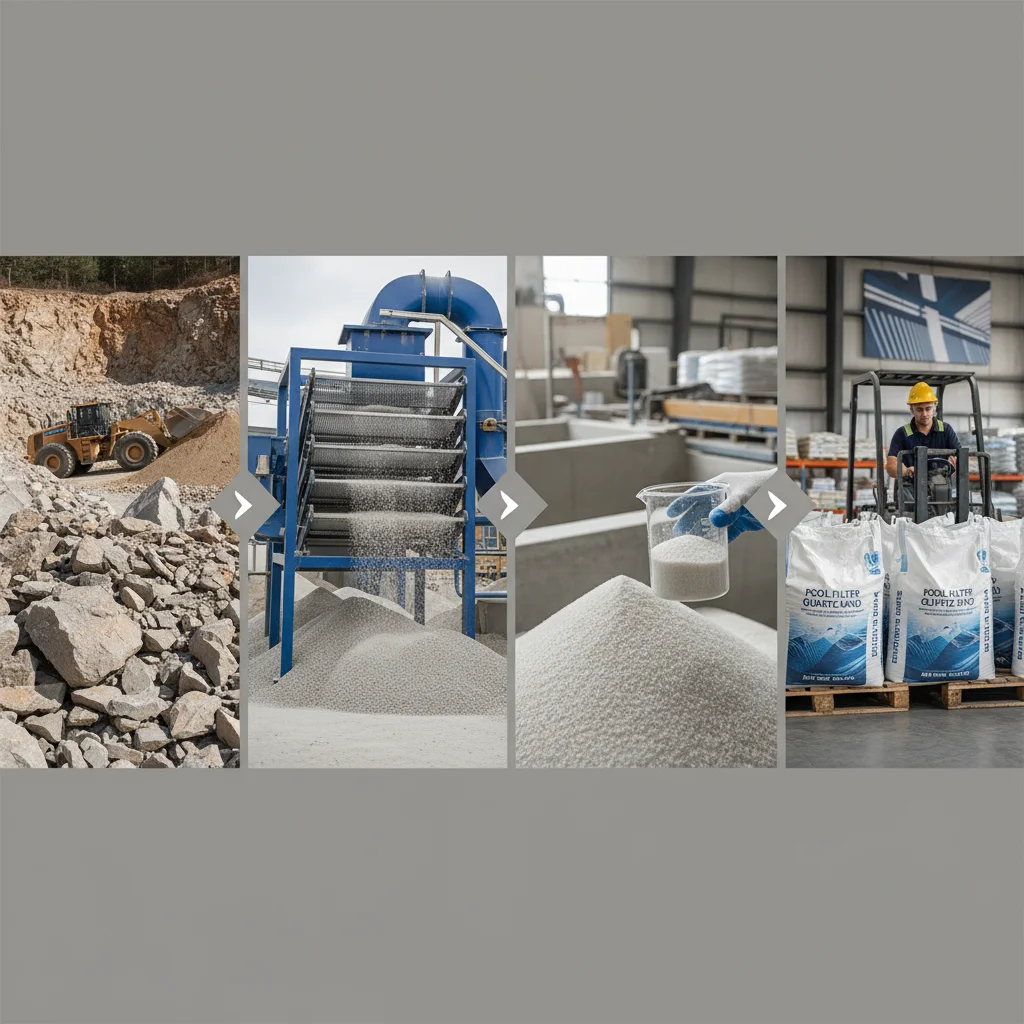
The performance of Emery is directly linked to the purity of the raw corundum extraction. Strict control over the sourcing process ensures that the chemical composition remains consistent, preventing the inclusion of soft minerals that would compromise the Mohs 9 hardness.
Advanced precision grading is then employed to screen the particles. This ensures that every batch delivered has a uniform particle size, which is essential for achieving a smooth, consistent finish when applied to flooring or used in grinding wheels.
Finally, every batch undergoes rigorous testing. This includes Mohs scale verification and abrasion resistance tests to guarantee that the product will perform as expected in the most demanding industrial environments.
Investment Return and Economic Value
From a financial perspective, Natural Emery offers an ideal balance between low acquisition cost and high performance. While some synthetic materials may offer slightly higher initial grinding force, they often come with a significantly higher price tag and lower toughness.
The long-term value is realized through the extended lifespan of the treated surface. Because the material does not crumble or wear down quickly, the interval between maintenance cycles is extended, saving companies thousands in labor and material costs over time.
When considering large-scale projects, such as hospital hallways or airport hangars, the efficiency of installation combined with the durability of the finish makes Emery the most cost-effective professional solution available.
Economic Comparison of Industrial Abrasive Materials
| Material Type |
Initial Cost |
Wear Resistance |
Lifespan Value |
| Natural Emery |
Medium |
Excellent |
Very High |
| Synthetic Corundum |
High |
High |
High |
| Standard Quartz Sand |
Low |
Poor |
Low |
| Industrial Powder |
Low |
Moderate |
Medium |
| Epoxy Flakes |
Medium |
Moderate |
Medium |
| Ceramic Beads |
High |
High |
High |
FAQS
Emery's extreme hardness (Mohs 9) and abrasion-resistant texture provide a durable, high-friction surface. When embedded in flooring resins, it creates a rugged profile that prevents slips even under heavy industrial use and oily conditions.
While synthetic corundum may have a slightly higher raw grinding force, natural Emery possesses stronger toughness and a shell-like segment characteristic. This results in smoother polished parts with significantly fewer sand marks.
Yes. By utilizing different colored corundum mixed with epoxy or polyurethane, you can visually define driveways, pedestrian paths, and hazard zones, improving safety and operational organization.
It is widely used in industrial workshops, parking lots, ramps, schools, and hospitals where high durability, safety, and wear resistance are paramount for public and worker safety.
Absolutely. Its lower price point compared to many high-end synthetics, combined with its high grinding efficiency and long lifespan, makes it a highly economical choice for large industrial areas.
Our Emery is primarily composed of aluminum oxide (Al₂O₃), which is the core chemical component of the mineral corundum, giving it its signature hardness and stability.
Conclusion
Natural Emery stands as an indispensable asset for industrial applications requiring extreme hardness and long-term durability. From its chemical composition of aluminum oxide to its Mohs 9 hardness, it provides an unmatched combination of abrasion resistance, operational efficiency, and cost-effectiveness, ensuring that industrial surfaces remain safe and functional under the most grueling conditions.
As industries move toward more sustainable and long-lasting infrastructure, the reliance on high-performance minerals like Emery will only grow. By investing in premium corundum-based materials, businesses can significantly reduce their maintenance overhead while enhancing the safety and professional finish of their facilities. Visit our website: www.cnfloormaterials.com