0%

Table of Contents

Understanding the fluctuations in quartz sand price is essential for stakeholders across the construction, glass manufacturing, and foundry industries. As a primary raw material for everything from high-performance concrete to solar panels, the cost of high-purity silica sand directly influences the bottom line of global infrastructure projects and industrial production.

Globally, the market is witnessing a shift toward higher purity standards, which complicates the supply chain and introduces volatility into the quartz sand price. With increased demand for semiconductor-grade quartz and specialized decorative aggregates, procurement managers must now navigate a complex landscape of logistical constraints and geological scarcity.

By analyzing the economic drivers and technical specifications that dictate the quartz sand price, businesses can optimize their sourcing strategies. This guide provides a comprehensive look at how purity, grain size, and regional availability converge to determine the market value of this indispensable mineral.

quartz sand price

Global Market Dynamics of Quartz Sand Price

quartz sand price

The global quartz sand price is not a static figure but a reflection of an intricate balance between geological availability and industrial demand. As emerging economies expand their urban infrastructure, the appetite for construction-grade silica has surged, putting upward pressure on bulk pricing.

Furthermore, the rise of the green energy sector—specifically the production of photovoltaic cells—has created a niche yet high-value demand for ultra-pure quartz. This dichotomy between "industrial grade" and "high-purity grade" creates a tiered pricing structure that defines the current market.

Technical Specifications Influencing Cost

One of the primary drivers of the quartz sand price is the specific grain size distribution required for the application. Coarser sands used in filtration or construction are generally cheaper, whereas finely milled industrial powders require intensive processing, which adds significant value to the final cost.

The chemical composition, particularly the percentage of SiO2, acts as a critical benchmark. A variance of even 1% in impurity levels (such as iron oxide) can dramatically alter the price, as low-iron quartz is mandatory for clear glass production and high-end decorative coatings.

Processing costs—including washing, drying, and screening—also play a pivotal role. The energy-intensive nature of purifying silica means that the quartz sand price often correlates with global energy trends and fuel costs.

Purity Levels and Their Financial Impact

When analyzing the quartz sand price, it is helpful to categorize the product by purity. Standard construction sand typically sits at the lowest price point, serving as a bulk filler in epoxy systems or concrete.

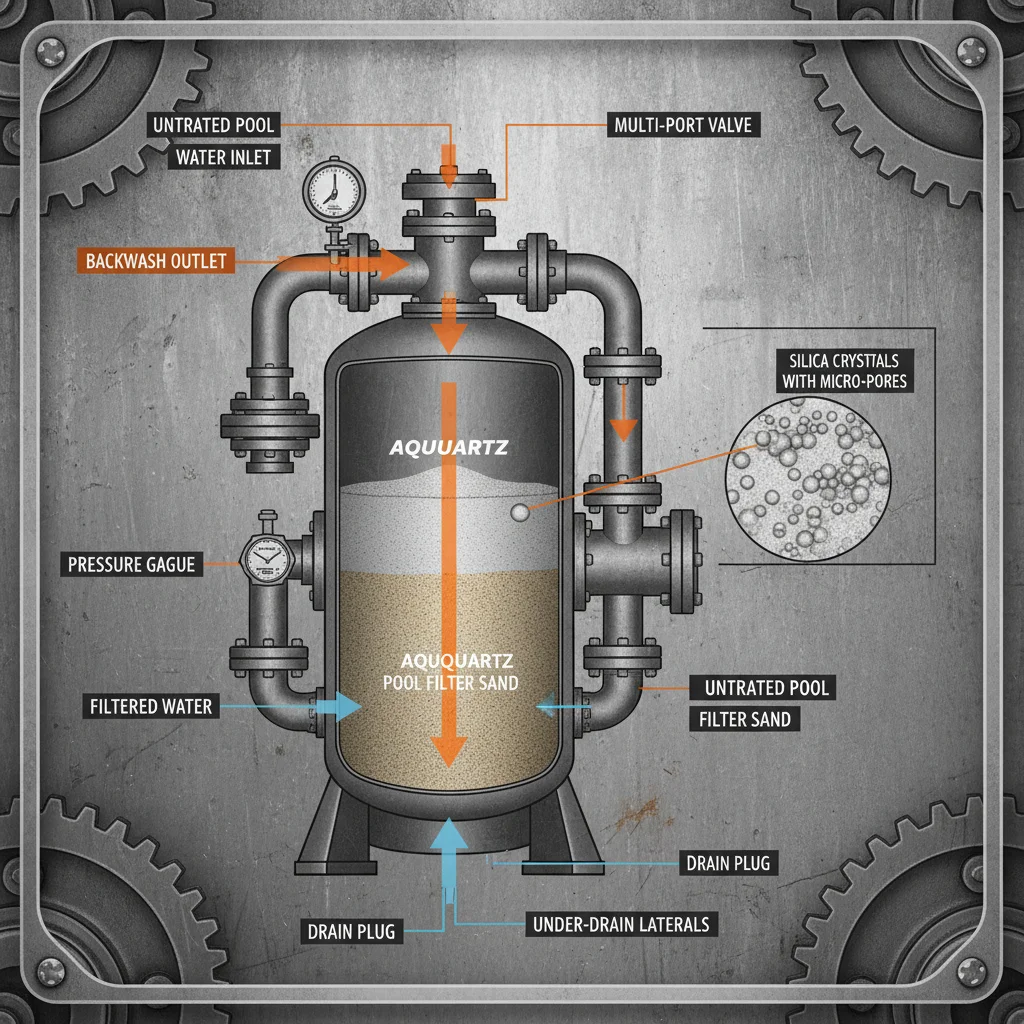
Intermediate purity sands, often used for water filtration and foundry molds, command a moderate quartz sand price because they require strict adherence to hardness and roundness standards to ensure operational efficiency.

At the top of the pyramid is the high-purity silica used in semiconductors and specialty glass. Here, the quartz sand price is decoupled from bulk commodity rates and is instead driven by the extreme costs of chemical purification and scarcity of high-grade deposits.

Comparison of Regional Pricing Models

The quartz sand price varies significantly by region due to the "weight-to-value" ratio. Because silica is heavy and relatively inexpensive per ton, transport costs often exceed the cost of the raw material itself, leading to highly localized pricing.

In regions with abundant natural deposits, such as parts of Asia and North America, the base price remains low. However, in areas where high-purity deposits are absent, the quartz sand price reflects the cost of long-haul shipping and import duties.

Regional Influence on Quartz Sand Price

Industrial Applications and Value Addition

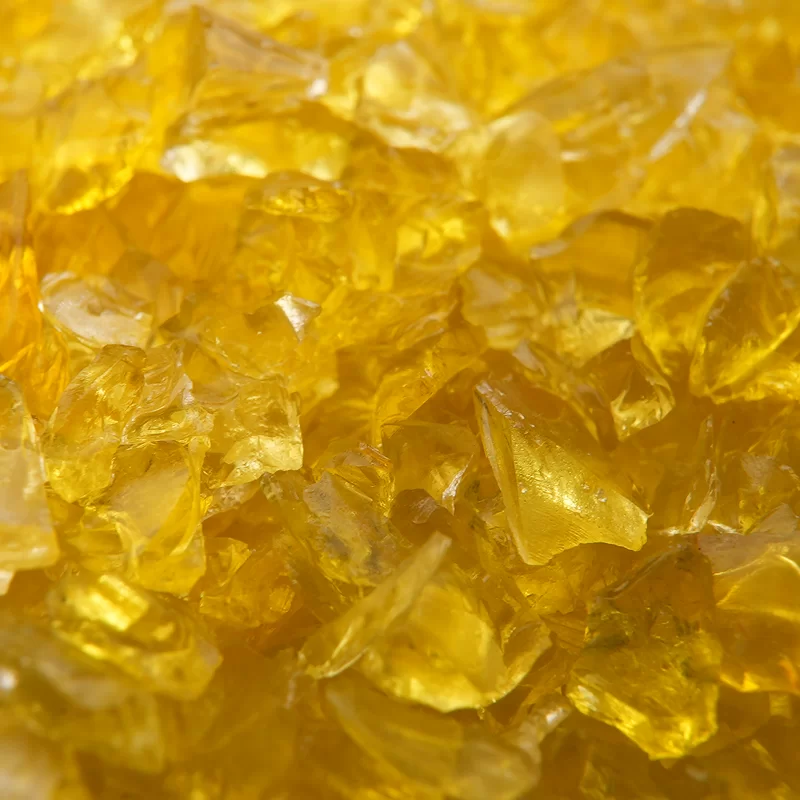
The application of the material significantly alters the perceived quartz sand price. For instance, in the production of epoxy flakes and decorative pebbles, the value is added through coloring and precise sizing, moving the product from a raw commodity to a specialized architectural material.

In the industrial powder sector, the quartz sand price is influenced by the required mesh size. Ultra-fine powders used in ceramics and paints require sophisticated milling equipment, which justifies a higher premium compared to bulk sand used in road construction.

Logistics and Supply Chain Pressure

Shipping and handling are the invisible components of the quartz sand price. Because quartz is a heavy mineral, the choice between rail, barge, or truck transport can swing the final delivered price by 20% to 50%.

Recent global disruptions in maritime shipping have forced many buyers to look for local suppliers, even if the base quartz sand price is higher domestically. The risk of supply chain breakage now outweighs the benefit of cheap overseas sourcing.

Furthermore, environmental regulations regarding the dredging of river sand have led to a surge in the use of mined quartz sand. This regulatory shift has created a new floor for the quartz sand price, as mined alternatives become the primary legal source.

Future Trends in Silica Sourcing

Looking ahead, the quartz sand price will likely be influenced by the push for sustainability. "Green mining" practices, which reduce the ecological footprint of extraction, may introduce a "sustainability premium" into the pricing structure.

Automation in sorting and purification is also expected to stabilize the quartz sand price by reducing labor costs and increasing the yield of high-purity fractions from lower-grade deposits.

As we transition to a more digital economy, the demand for high-purity quartz for electronics will remain a primary driver of price peaks. Companies that secure long-term contracts with diversified mines will be best positioned to hedge against volatility in the quartz sand price.

Comparative Analysis of Quartz Sand Pricing and Grades

Material Grade Purity Level (SiO2) Price Volatility Primary Driver
Construction Grade 90-95% Low Local Demand
Industrial Filtration 98-99% Medium Grain Uniformity
Glass Manufacturing 99.5%+ Medium-High Iron Content
Decorative Quartz Variable Low Color/Esthetics
Foundry Silica 99% Medium Thermal Stability
Semiconductor Grade 99.99%+ High Extreme Purity

FAQS

What factors have the biggest impact on quartz sand price?

The most significant factors include the SiO2 purity percentage, the iron oxide content (especially for glass grade), the precision of the grain size distribution, and the cost of transportation from the quarry to the end-user. Because of its weight, logistics often account for a large portion of the final cost.

Why is there such a price difference between construction sand and industrial quartz sand?

Construction sand is typically a raw commodity with minimal processing. Industrial quartz sand, however, undergoes rigorous washing, screening, and sometimes chemical treatment to remove impurities. This additional processing, combined with stricter quality control, drives the price higher.

How do I hedge against volatility in the quartz sand price?

The best way to manage price fluctuations is through long-term supply contracts with reputable miners and diversifying your sourcing locations. By not relying on a single region, you can mitigate the impact of local logistical failures or regional policy changes.

Does the color of the sand affect the quartz sand price?

For industrial uses, color is usually a sign of impurities (like iron), which may lower the value for glass makers but increase it for others. For decorative quartz, specifically colored sands and pebbles, the price is based on the aesthetic appeal and the cost of the dyeing process rather than raw mineral purity.

Is recycled quartz available and how does it affect market pricing?

Recycled glass cullet can sometimes replace raw quartz in glass production, which can put downward pressure on the quartz sand price for that specific industry. However, for high-precision industrial applications, virgin quartz is still required, maintaining a stable price floor.

How is the quartz sand price calculated for bulk international shipments?

International pricing is usually based on FOB (Free On Board) or CIF (Cost, Insurance, and Freight) terms. The base cost is determined by the grade and volume, while CIF adds the substantial cost of ocean freight and insurance, which is critical for heavy mineral commodities.

Conclusion

In summary, the quartz sand price is a complex variable driven by a combination of mineral purity, processing intensity, and the logistics of transporting heavy bulk materials. From basic construction aggregates to ultra-pure semiconductor silica, each grade serves a distinct industrial purpose and follows its own economic logic. Understanding these drivers allows businesses to make more informed procurement decisions and optimize their supply chains for long-term stability.

As the world moves toward greener energy and more sustainable construction, we expect the market to value transparency and eco-friendly extraction more highly. For those seeking reliable materials that balance quality and cost-efficiency, staying informed on market trends is the key to maintaining a competitive edge. To explore our full range of high-quality silica and decorative products, visit our website: www.cnfloormaterials.com

Brian Thompson

Brian Thompson

Brian Thompson is the Logistics and Supply Chain Manager for Hebei Quanerduo Mining Development. He's responsible for ensuring efficient and reliable delivery of our mineral products to customers worldwide. Brian joined the company in 2016, bringing extensive experience in international shipping and warehouse management. He coordinates with shipping companies, manages inventory levels, and meticulously tracks shipments to guarantee timely arrival. Brian excels at problem-solving and proactively addresses potential logistical challenges to minimize disruptions. He plays a critical role in upholding our commitment to exceptional customer service.
Previous Premium Industrial Quartz Sand Solutions
Next Understanding the Factors of Quartz Sand Price per kg
High-quality architectural stone — crafted for strength, beauty, and lasting performance.
Factors Influencing Industrial Silica Quartz Price Per Ton
Determining the cost of high-purity silica is a complex process influenced by mineral grade, processing requirements, and global supply chain dynamics. For industrial buyers, understanding the variables that dictate the silica quartz price per ton is essential for accurate project budgeting and supplier selection. This analysis explores how raw material specifications and logistical factors converge to establish market value. In the B2B mineral sector, pricing is rarely static. The variance between standard construction sand and high-grade quartz used in architectural terrazzo or glass production is significant. Factors such as the presence of iron oxides, the precision of grain sizing
Factors Influencing Industrial Quartz Sand Price per Ton
Procuring industrial minerals requires a delicate balance between material purity and cost-efficiency. For businesses in construction, glass manufacturing, and decorative arts, understanding the factors that influence the quartz sand price per ton is essential for maintaining project budgets without compromising on quality. High-purity silica sand serves as a fundamental raw material, but its value fluctuates based on grain size, chemical composition, and processing levels. Whether you are sourcing for large-scale industrial beneficiation or specialized architectural mosaics, the technical specifications of the sand such as acid resistance and thermal stability directly impact the final applications durability.
Factors Influencing Industrial Quartz Sand Price and Quality
For procurement managers and construction engineers, understanding the variables that influence quartz sand price is essential for budget optimization and project stability. Quartz sand, primarily composed of silicon dioxide SiO2, is a critical raw material used in everything from glass manufacturing to high-performance architectural paving. The cost of this mineral is not static; it fluctuates based on geological availability, purity levels, and the energy required for processing. The B2B market for silica aggregates operates on a complex intersection of resource extraction and industrial refinement. Whether the sand is destined for a Sponge City permeability project or a high-precision chemical application
Understanding the Quartz Sand Price per kg and Quality Factors
Understanding the quartz sand price per kg involves analyzing the complex intersection of material purity, particle grading, and processing costs. Whether you are sourcing for industrial filtration or high-end architectural terrazzo, the cost per kilogram reflects the materials ability to withstand mechanical wear and chemical corrosion. In the non-metallic mining sector, price fluctuations are often driven by the availability of high-purity quartz veins and the energy costs associated with high-temperature fusion and precision sieving. For professionals, the challenge lies in balancing the upfront cost with the long-term structural integrity and aesthetic gloss of the finished installation.
Guide to Selecting a Professional High Purity Quartz Sand Supplier
Selecting a reliable quartz sand supplier is a critical decision for architectural and industrial projects that demand extreme durability and aesthetic precision. Quartz sand, primarily composed of silicon dioxide, serves as the foundational aggregate for a variety of high-performance materials, from engineered glass sand to industrial fillers. This guide examines the technical specifications and procurement criteria necessary to ensure material consistency across large-scale installations. In the B2B sector, the challenge often lies in balancing purity with cost-efficiency. Whether used in high-end luxury Terrazzo or as a specialized filler for rubber and plastics, the physical properties of the silica
Premium Glass Sand from a Leading quartz sand manufacturer
Selecting high-performance aggregates for luxury architectural installations requires a precise balance of aesthetic brilliance and structural integrity. Premium colorful glass sand, engineered from recycled glass or high-purity quartz, serves as a critical material for high-end Terrazzo and sophisticated water mosaic floor tiles. Unlike traditional minerals, these engineered materials utilize high-temperature fusion to create a product that is not only visually striking but also industrially durable. For architects and contractors, the transition to engineered glass sand solves common issues regarding permeability and wear resistance. By integrating these materials into mortars for walls, floors, and ceilings, professionals can achieve a signature frosted effect

If you are interested in our products, you can choose to leave your information here, and we will be in touch with you shortly.