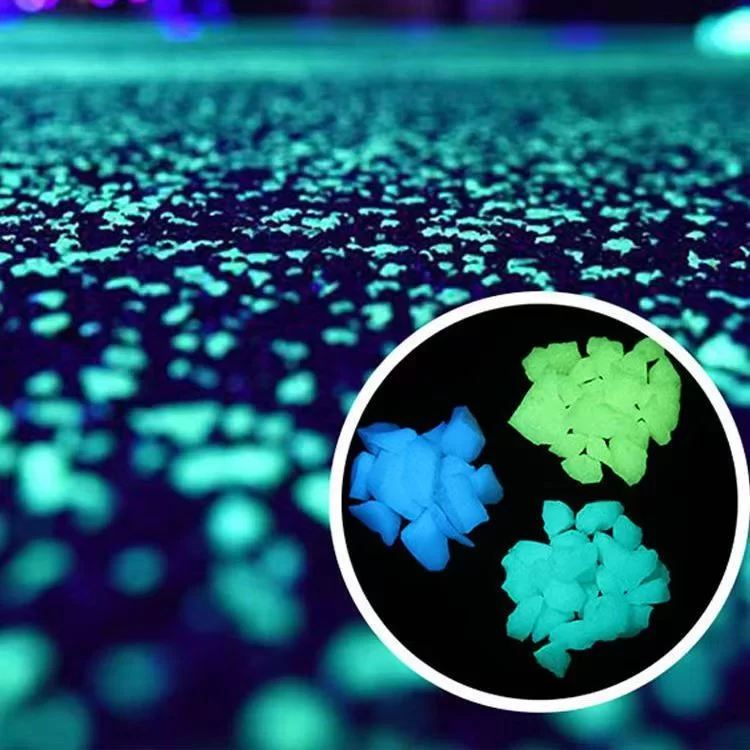
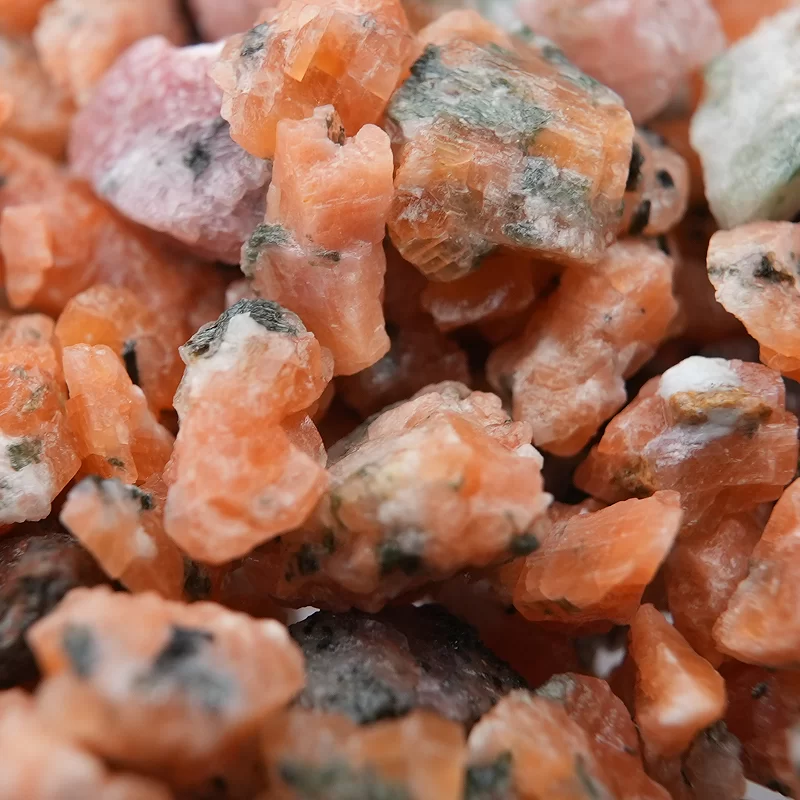
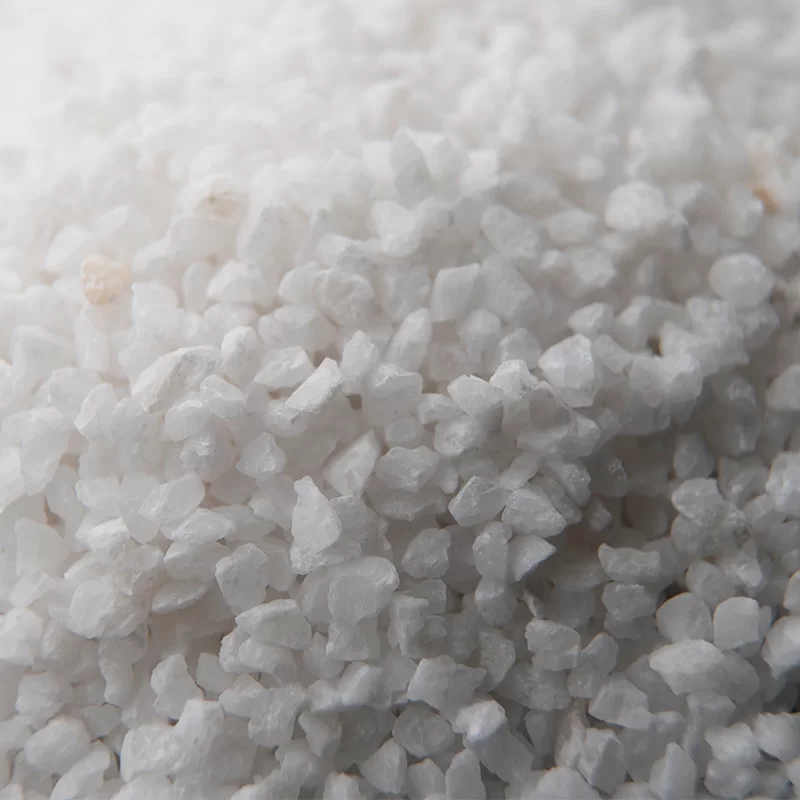
In the modern construction and architectural landscape, finding materials that balance cost-effectiveness with high-performance utility is a constant challenge. While many homeowners and developers search for aesthetic solutions like cheap white pebbles for landscaping, the industrial sector focuses on structural efficiency and thermal protection. The demand for sustainable, inorganic insulation has led to the rise of perlite boards, which provide a critical intersection between economy and high-grade technical performance.
Globally, the shift toward green building materials is no longer optional but a necessity driven by energy regulations and environmental standards. The industry is moving away from toxic synthetic foams toward mineral-based solutions that offer superior fire resistance and longevity. By integrating materials that are both affordable and durable, builders can reduce the total cost of ownership while improving the safety and energy efficiency of various building types.
Understanding the technical specifications of expanded perlite products allows professionals to optimize their project budgets without compromising on quality. Whether you are exploring decorative options like cheap white pebbles for landscaping for exterior aesthetics or implementing perlite fireproof boards for internal safety, the core objective remains the same: achieving maximum value through material science.

The Material Composition of Perlite Boards
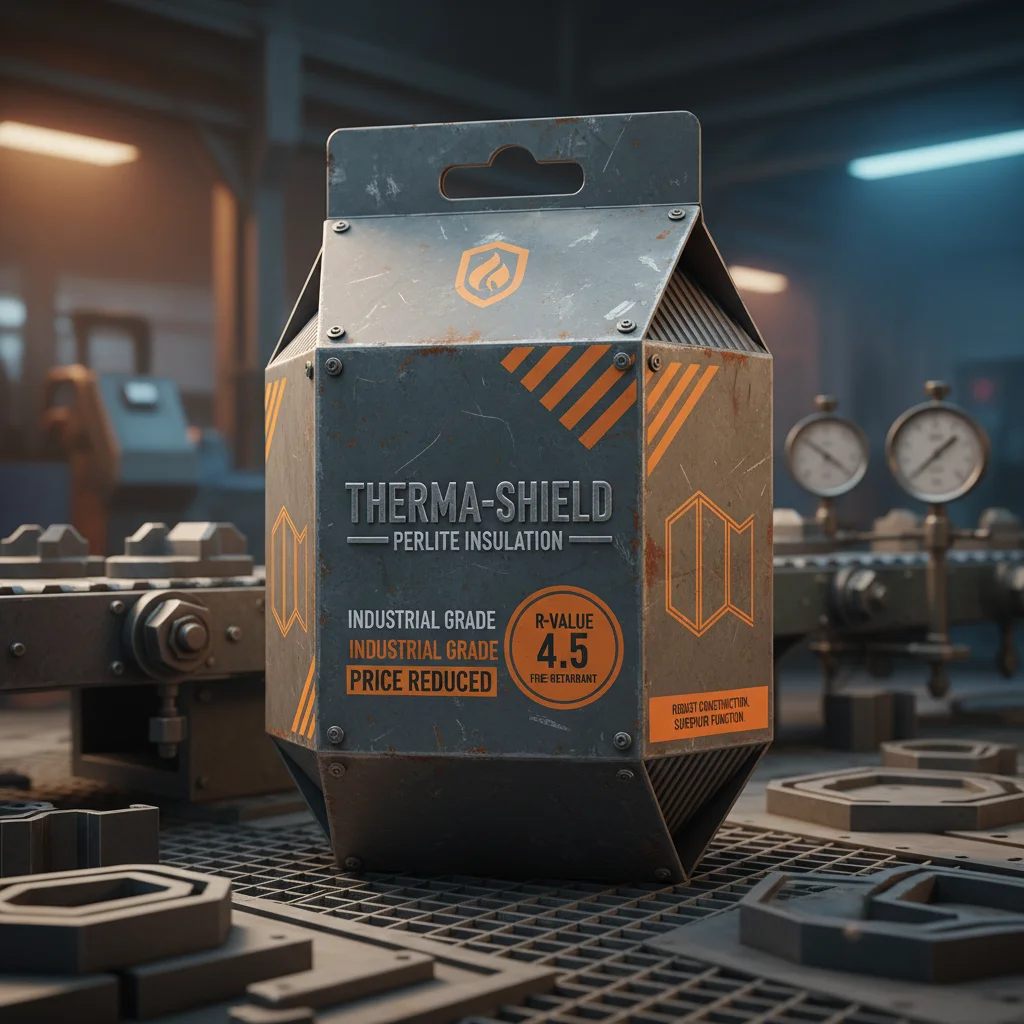
Perlite fireproof boards, often categorized alongside specialized mineral products like cheap white pebbles for landscaping in terms of raw mineral origins, are engineered from expanded perlite particles. These particles are mixed with a precise amount of inorganic, environmentally friendly adhesive and reinforced with a double-layer metal mesh. This structural reinforcement ensures that the thin plates, typically 30-40mm in thickness, maintain their integrity under physical stress.
The manufacturing process involves pressing and drying the mixture into standardized sizes, such as 500500mm, though custom dimensions are available to meet specific architectural requirements. By leveraging the natural properties of volcanic glass, the resulting board is a rock-like material that is inherently resistant to aging, ensuring a service life that far exceeds that of traditional organic insulation boards.
Thermal Insulation and Energy Efficiency
The primary technical advantage of perlite insulation boards lies in their exceptional thermal performance. Due to a highly porous internal structure, these boards effectively block heat transfer, making them ideal for maintaining stable indoor temperatures. This characteristic directly contributes to significant energy savings, reducing the reliance on HVAC systems in both residential and industrial buildings.
Unlike decorative materials such as cheap white pebbles for landscaping which serve a visual and drainage purpose, perlite boards function as a thermal barrier. Their lightweight nature—with a density typically ranging between 100-300kg/m³—allows for easy installation without adding excessive dead load to the building structure, while still providing robust insulation.
This combination of low density and high thermal resistance makes the material a preferred choice for energy-efficient architecture. By implementing these boards, developers can meet strict international building codes regarding energy consumption, effectively lowering the carbon footprint of the structure over its entire lifecycle.
Fire Resistance and Safety Standards
Safety is paramount in modern construction, and perlite fireproof boards are classified as A-grade non-combustible inorganic insulation materials. This means they do not ignite and do not release toxic fumes when exposed to extreme heat, providing a critical safety margin for occupants during fire emergencies.
While a homeowner might look for cheap white pebbles for landscaping to improve the look of a garden, an engineer selects perlite boards to protect the structural integrity of a building. The inorganic nature of the board ensures it remains stable even under intense thermal stress, preventing the rapid spread of flames.
Furthermore, the inclusion of a double-layer metal mesh reinforcement prevents the board from cracking or crumbling during a fire event. This ensures that the protective barrier remains intact, giving emergency responders more time to act and significantly reducing the risk of total structural collapse.
Comparison of Physical Properties
When analyzing the performance of industrial minerals, it is essential to compare their physical attributes against traditional alternatives. Perlite boards offer a unique balance of lightweight construction and high strength, which is often absent in cheaper, less stable insulation materials.
To illustrate the superiority of these mineral-based solutions over standard concrete or synthetic options, we can look at performance ratings across several key metrics. While aesthetics are handled by materials like cheap white pebbles for landscaping, structural safety is driven by the following parameters.
Performance Rating of Perlite Board vs Alternatives
Acoustic Performance and Moisture Resistance
One of the most overlooked benefits of perlite boards is their exceptional sound absorption. The sound absorption effect is approximately five times higher than that of ordinary concrete, with a sound insulation coefficient greater than 45. This makes them an ideal solution for recording studios, industrial workshops, and residential units where noise pollution is a concern.
In addition to acoustics, the waterproof performance of these boards is highly impressive. Immersion testing confirms that the boards do not expand, deform, or fall off when exposed to water, maintaining their original structural strength. With a water absorption rate of only 50g/(m²·h)—about one-tenth of similar products—they provide a reliable defense against moisture and humidity.
Construction Ease and Maintenance Costs
From a project management perspective, the simplicity of construction is a major draw. Perlite insulation boards are designed for straightforward installation, which significantly reduces labor hours and costs. Because they are lightweight and come in standardized sizes, they can be quickly deployed across large surface areas without the need for heavy machinery.
Maintenance is similarly low. Because the material is essentially a rock-like inorganic substance, it does not suffer from the degradation, rot, or pest infestations that plague organic insulation. This longevity means that the initial investment is spread over many decades, offering a lower total cost of ownership compared to cheaper, short-term alternatives.
When comparing the long-term value, investing in high-quality perlite boards is as strategic as selecting cheap white pebbles for landscaping for low-maintenance outdoor areas; both choices prioritize durability and reduced future expenditure over the lifecycle of the property.
Environmental Impact and Sustainability Analysis
Perlite boards represent a gold standard in green building materials. Made from pure inorganic materials, they are non-toxic, harmless, and pollution-free. Unlike some industrial insulators that release volatile organic compounds (VOCs), perlite boards contribute to healthier indoor air quality, ensuring a safer environment for occupants.
Furthermore, the material's earthquake resistance adds a layer of structural resilience. Its ability to absorb energy and remain stable during seismic shifts makes it particularly valuable in high-risk geographic zones. This commitment to safety and sustainability aligns with global goals for resilient urban development.
Ultimately, the transition to mineral-based insulation is a move toward planetary health. By reducing energy waste and eliminating toxic chemicals from the construction chain, perlite boards prove that industrial efficiency and environmental stewardship can coexist.
Core Sustainability and Performance Metrics of Perlite Boards
| Metric Category |
Perlite Board Value |
Industry Average |
Advantage Level |
| Fire Rating |
Class A Non-combustible |
Class B/C |
Extreme |
| Density |
100-300kg/m³ |
500-1200kg/m³ |
High |
| Water Absorption |
50g/(m²·h) |
500g/(m²·h) |
Extreme |
| Sound Coeff. |
> 45 |
20-30 |
High |
| Toxicity |
Non-toxic / Green |
Variable VOCs |
Extreme |
| Service Life |
Long-term Rock-like |
10-20 Years |
High |
FAQS
Unlike traditional foam insulation, perlite boards are A-grade non-combustible inorganic materials. They do not burn or release toxic smoke during a fire, and they are significantly more resistant to aging and moisture, ensuring a much longer service life without degradation.
Yes, while the standard sizes are 50050030mm and 52545040mm, perlite boards can be manufactured as per customer requirements to ensure a perfect fit for specific architectural needs and installation constraints.
Perlite boards are highly effective for soundproofing. Their sound absorption effect is roughly five times higher than ordinary concrete, with a sound insulation coefficient exceeding 45, making them ideal for noise reduction in high-decibel environments.
No, perlite boards have very low maintenance costs. Because they are made from inorganic, rock-like materials, they are not prone to aging, rotting, or pest infestation, which minimizes the need for repairs or replacements over the long term.
Absolutely. Perlite boards are made from pure inorganic, green materials that are non-toxic, harmless, and pollution-free. They contribute to a healthier indoor environment and align with strict eco-friendly building certifications.
Perlite fireproof boards have a water absorption rate of only 50g/(m²·h), which is about one-tenth of similar products. Immersion testing shows they do not expand or deform, maintaining their full strength even in humid conditions.
Conclusion
In summary, perlite insulation boards offer an unparalleled combination of fire resistance, thermal efficiency, and environmental sustainability. By integrating high-grade inorganic materials with structural reinforcement, these boards solve the critical industrial challenge of protecting buildings while reducing energy costs. From their exceptional sound absorption to their rock-like durability, they provide a long-term value proposition that far outweighs the initial installation effort.
Looking forward, the adoption of such mineral-based solutions is essential for the evolution of resilient, green architecture. Whether you are prioritizing the safety of a high-rise structure or searching for efficient materials to complement your design, perlite boards stand as a superior choice for the modern era. For more information on high-quality industrial minerals and decorative solutions, visit our website: www.cnfloormaterials.com.