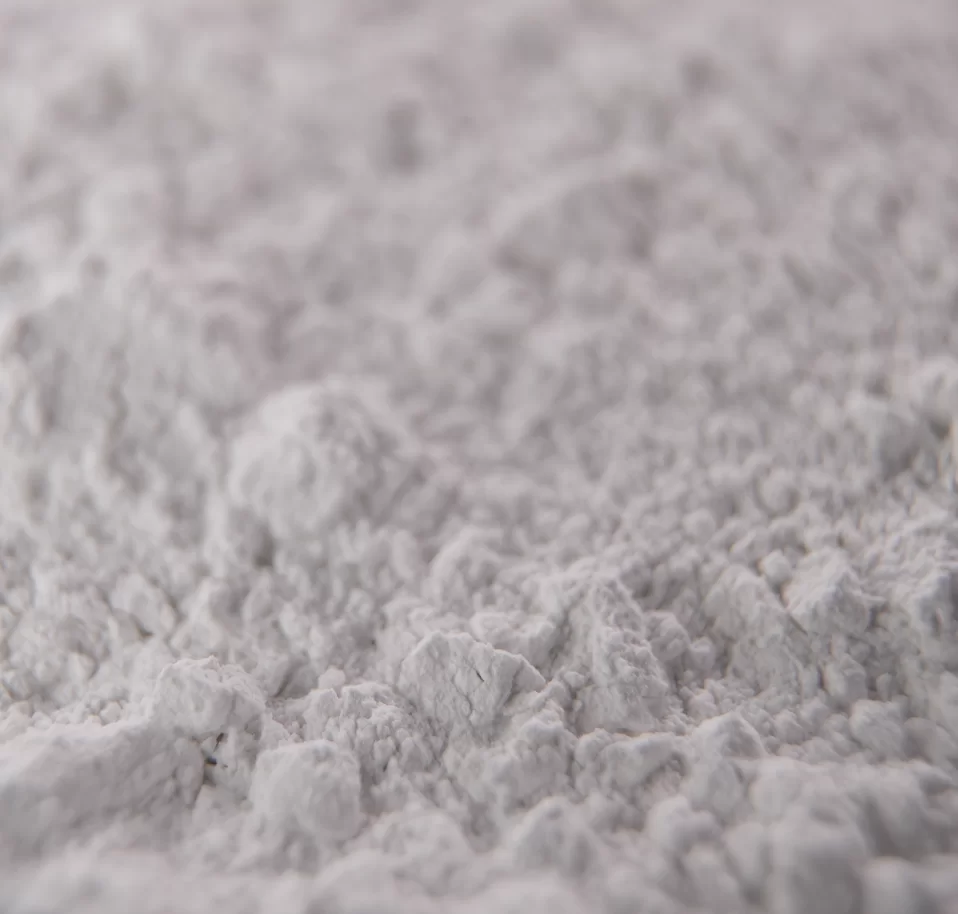
The architectural and design world is witnessing a resurgence in the use of natural minerals to create tactile, visually stunning environments. Among these, natural pink sand stands out as a premier choice for designers seeking a balance between organic warmth and industrial durability. By leveraging the raw beauty of natural ores, this material provides a sustainable alternative to synthetic dyes, offering a timeless aesthetic that enhances both residential and commercial spaces.
From a technical perspective, the integration of pink-toned natural colored sands into modern building materials has solved many previous challenges regarding color fading and surface wear. Unlike artificial pigments that degrade under UV exposure, the inherent iron oxide and mineral compositions of natural pink sand ensure that the brilliance of the hue remains consistent over decades. This stability makes it an invaluable asset for high-traffic areas where both form and function are non-negotiable.
Understanding the geological origins and the rigorous processing of these materials—ranging from precision screening to grading—allows engineers to optimize their application. Whether used in epoxy flooring, terrazzo, or advanced textured paints, the versatility of this material stems from its controlled particle size distribution and high Mohs hardness. This comprehensive guide explores the technical specifications, global applications, and future trends of this essential decorative mineral.

The Composition and Nature of Natural Pink Sand
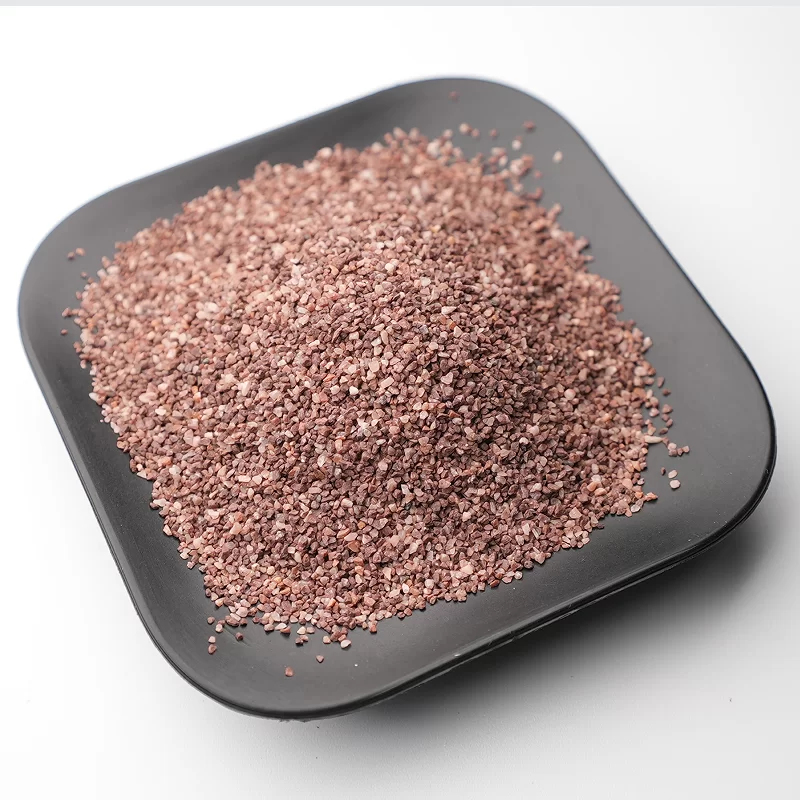
natural pink sand is a specialized granular material derived from high-quality natural ores, such as quartz and feldspar. Through a meticulous process of screening, grinding, and grading, the raw ore is transformed into a consistent aggregate that maintains its organic color profile. This process ensures that the resulting sand is free from impurities while preserving the essential minerals that give it its characteristic pinkish hue.
Unlike synthetic alternatives, this material relies on the natural presence of iron oxide and other trace minerals to achieve its color. This ensures a "soft color tone" and a bright luster that feels integrated into the environment rather than applied to it. Its role in the mining and processing industry is critical, as it bridges the gap between raw geological extraction and high-end architectural finishing.
Technical Specifications and Physical Properties
The performance of natural pink sand is defined by its rigorous physical parameters. With a particle size distribution typically ranging from 0.15mm to 3.0mm, and available in specific mesh sizes such as 10-20, 20-40, 40-80, and 80-120, it provides the flexibility required for everything from fine coatings to coarse terrazzo aggregates. This precision in grading allows for optimal packing density in epoxy and cementitious matrices.
Durability is a cornerstone of its technical profile, boasting a Mohs hardness of ≥5 Grade. This ensures that surfaces paved with this material exhibit exceptional wear resistance, making them suitable for heavy-footfall industrial zones and public walkways. Furthermore, with a bulk density of 0.8-1.5 g/cm³, the material provides a stable structural foundation that prevents shrinking or cracking in cured coatings.
Another critical parameter is the oil absorption rate, which is kept ≤15 g/100g. Low oil absorption is vital for the construction of epoxy colored sand flooring and real stone paints, as it ensures that the binding resin is not overly absorbed by the sand, thereby maintaining the strength of the bond and the vibrancy of the surface luster.
Core Components and Their Industrial Roles
The industrial efficacy of natural pink sand is rooted in its chemical composition. Silicon dioxide (SiO₂) is the primary component, accounting for 60% to 80% of the material. This high silica content is what grants the sand its legendary wear resistance and a level of transparency that allows light to penetrate the surface, enhancing the three-dimensional effect of the finish.
The distinct coloration is managed by Iron Oxide (Fe₂O₃), which acts as the natural coloring agent. In the case of natural pink sand, the concentration and oxidation state of the iron create those warm, earthy pink and red tones. This is a permanent geological characteristic, meaning the color will not bleach or peel away like traditional paint.
Additionally, the presence of Mica plays a pivotal role in the aesthetic quality of the final product. Mica enhances the surface glossiness, providing a subtle sparkle when hit by light. This combination of SiO₂, Fe₂O₃, and Mica makes the material ideal for high-end reliefs and interior wall stone paints where a luxurious, natural shimmer is desired.
Application Performance Across Different Mediums
The versatility of natural pink sand allows it to be integrated into a wide array of construction materials. In textured paints and real stone coatings, it provides a non-toxic, odorless finish with strong adhesion to substrates. For flooring, specifically epoxy colored sand systems, it creates a seamless, waterproof, and corrosion-resistant surface that is as durable as it is beautiful.
When used in terrazzo aggregates or marble substitutes, the material's hardness ensures that the polished surface remains scratch-resistant. The ability to customize particle size means that architects can transition from a smooth, satin-like finish in interior hallways to a rugged, anti-slip texture for exterior road surfaces and public plazas.
Performance Comparison of Natural Pink Sand Applications
Global Use Cases in Modern Architecture
Across the globe, natural pink sand is being adopted in high-profile urban redevelopment projects. In European city centers, it is frequently used in the paving of pedestrian zones to create a warm, welcoming atmosphere that resists the wear and tear of millions of footsteps. Its non-toxicity and odorless nature make it a preferred choice for sustainable "Green Building" certifications in North America.
In Asia, particularly in luxury hospitality design, the material is utilized in interior reliefs and decorative wall coatings. By mixing different grades of colored sand, designers create three-dimensional art installations that mimic natural rock formations, providing a sense of serenity and connection to nature within dense metropolitan environments.
Long-Term Value and Environmental Advantages
The investment value of natural pink sand lies in its longevity. Because it is a natural mineral, it does not suffer from the chemical degradation common in synthetic dyes. This reduces the need for frequent repainting or resurfacing, significantly lowering the lifecycle cost of a building's maintenance.
From an environmental standpoint, the use of natural ores reduces the reliance on petroleum-based pigments. The processing of these sands—focusing on screening and grading—is relatively low-impact compared to the synthesis of artificial polymers. Furthermore, the durability of the resulting surfaces means fewer materials are wasted over time.
Beyond the logical benefits of cost and sustainability, there is an emotional value to using organic materials. The soft color tones and natural textures promoted by the use of colorful stones on the ground are known to beautify the environment and promote a sense of psychological well-being for the inhabitants of a space.
Future Innovations in Colored Sand Technology
The future of natural pink sand is heading toward greater integration with smart materials. We are seeing the development of "hybrid aggregates" where natural colored sands are blended with luminous materials to create safety pathways that glow at night while maintaining a natural pink aesthetic during the day.
Automation in the grading process is also improving. New laser-sorting technologies allow for an even tighter particle size distribution, which means that the "three-dimensional effect" of spray paints can be precisely controlled. This allows for higher resolution in architectural reliefs and more consistent textures in epoxy flooring.
Sustainability policies are also driving the industry toward "closed-loop" mining, where the byproduct of the screening process is repurposed for other industrial powders. This ensures that the extraction of natural colored sand is as efficient and eco-friendly as possible.
Technical Performance Analysis of Natural Pink Sand Variants
| Sand Grade (Mesh) |
Primary Application |
Wear Resistance (1-10) |
Aesthetic Luster |
| 10-20 Mesh |
Road Paving/Terrazzo |
10 |
Matte Organic |
| 20-40 Mesh |
Epoxy Flooring |
9 |
Balanced Gloss |
| 40-80 Mesh |
Textured Wall Paint |
7 |
Soft Shimmer |
| 80-120 Mesh |
Fine Relief Coatings |
6 |
High Luster |
| Custom Blend A |
Artistic Installations |
8 |
Variable |
| Custom Blend B |
Anti-slip Walkways |
10 |
Natural Earthy |
FAQS
Natural pink sand derives its color from inherent minerals like iron oxide present in the ore. Unlike dyed sand, which uses a surface coating of pigment, the color of natural sand is consistent throughout the grain. This means it will not fade under sunlight (UV resistance) and will not peel or flake off during heavy wear, ensuring a lifelong aesthetic consistency.
Yes, it is highly suitable. With a Mohs hardness of ≥5 and a composition primarily of silicon dioxide, it is naturally resistant to corrosion and weathering. When integrated into waterproof epoxy or cementitious coatings, it creates a barrier that withstands rain, freeze-thaw cycles, and extreme heat without losing its structural integrity or color.
Particle size determines the texture and reflection. Coarser grains (10-20 mesh) create a more rugged, slip-resistant surface with a matte look, ideal for outdoor roads. Finer grains (80-120 mesh) result in a smoother, more reflective surface that enhances the "bright luster" and is typically used for interior decorative walls or high-end polished flooring.
Absolutely. One of the primary advantages of our natural colored sand is that it is non-toxic and odorless. Because it is a processed natural mineral rather than a chemical composite, it does not release Volatile Organic Compounds (VOCs), making it an ideal choice for healthcare facilities, schools, and residential bedrooms.
Maintenance is remarkably simple due to the material's wear resistance. For epoxy or terrazzo surfaces, regular sweeping and occasional mopping with a pH-neutral cleaner are sufficient. Because the color is natural, there is no need for specialized waxes or sealants to "protect" the color from fading, which significantly reduces long-term maintenance costs.
The choice depends on the desired balance between durability and aesthetics. For heavy-duty industrial flooring, we recommend 20-40 mesh for optimal strength. For artistic wall reliefs or "real stone" paint, 40-80 or 80-120 mesh provides the best three-dimensional effect and smoothness. We offer customizable distributions to meet specific engineering requirements.
Conclusion
In summary, natural pink sand represents the perfect intersection of geological beauty and industrial performance. By combining the hardness of silicon dioxide, the permanent hue of iron oxide, and the luster of mica, this material provides an unmatched solution for wear-resistant, non-toxic, and visually stunning architectural finishes. From its precise particle grading to its ability to enhance the psychological well-being of a space, it is clear that natural colored sands are superior to synthetic alternatives in every measurable metric.
Looking forward, the integration of these minerals into sustainable building practices will only increase. As the world shifts toward eco-friendly and durable materials, the role of natural aggregates in creating "living" architecture becomes paramount. We encourage architects and developers to embrace the timeless quality of natural minerals to build spaces that are not only functional but also inspiring. For high-quality, customizable natural colored sand solutions, visit our website: www.cnfloormaterials.com