High Purity Natural Emery Corundum Powder Factory and Suppliers in China

High Purity Natural Emery Corundum Powder Factory and Suppliers in China

Looking for reliable China suppliers? Our factory provides premium natural Emery composed of Al2O3 aluminum oxide. Featuring a Mohs hardness of 9, it delivers unmatched wear resistance for industrial anti-slip flooring and sandblasting.

Send email to us >
Download
PRODUCT FEATURES

Our premium Emery is a naturally occurring industrial mineral primarily composed of high-purity corundum (Al₂O₃), specifically engineered to deliver extreme durability and superior abrasive performance. With a Mohs hardness rating of 9—surpassed only by diamond—this mineral provides unparalleled abrasion resistance and structural integrity, making it the ideal choice for the most demanding industrial environments and heavy-duty applications.

Designed for precision abrasive tasks and high-traffic surface protection, our Emery serves as the professional gold standard for anti-slip flooring and sandblasting. By integrating high material toughness with a specialized grinding profile, it ensures a smooth, uniform finish with minimal surface marking, effectively optimizing both the aesthetic quality and the operational lifespan of critical industrial assets.

Detailed Parameters

Chemical CompositionAl₂O₃ (Aluminum Oxide)Mohs Hardness9 (Ultra-Hard)
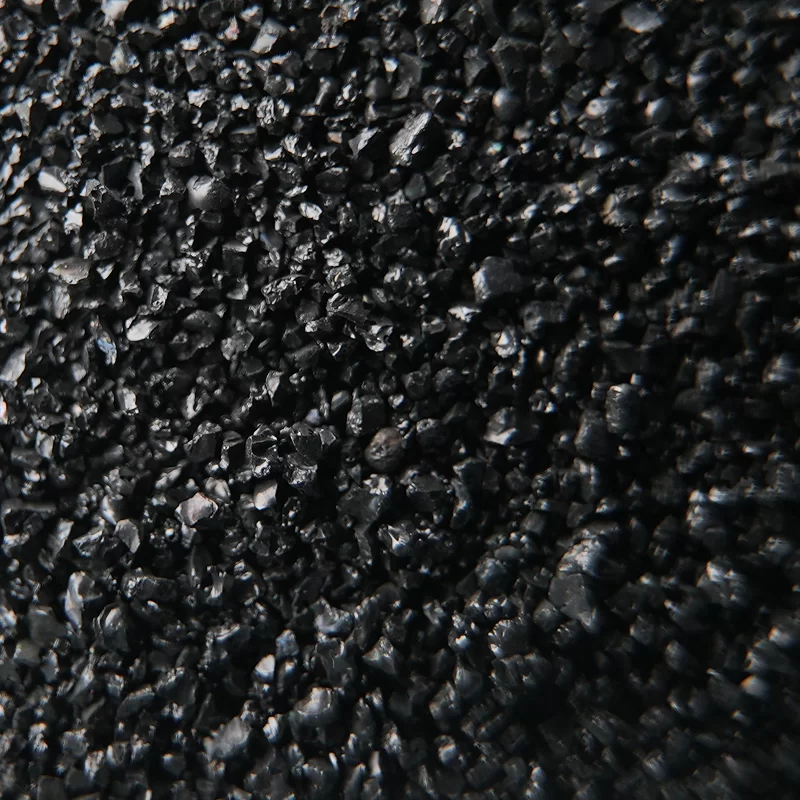
Mineral TypeNatural CorundumAppearanceOpaque particles
Common ColorsDark Brown / Dark GrayTextureHighly Abrasion-Resistant
Primary FunctionWear-Resistance & Anti-SlipGrinding CharacteristicShell-like segment toughness
Surface ResultHigh Smoothness / Low MarkingsEfficiencyHigh-speed grinding cycle

Key Advantages

Extreme Hardness

With a Mohs hardness of 9, it provides superior protection against severe wear and tear in heavy-duty industrial settings.

High Efficiency

Rapid grinding time and high operational efficiency significantly reduce overall project timelines and labor costs.

Superior Finish

Creates a fine, uniform grinding surface with fewer and shallower marks compared to electric furnace alternatives.

Visual Zoning

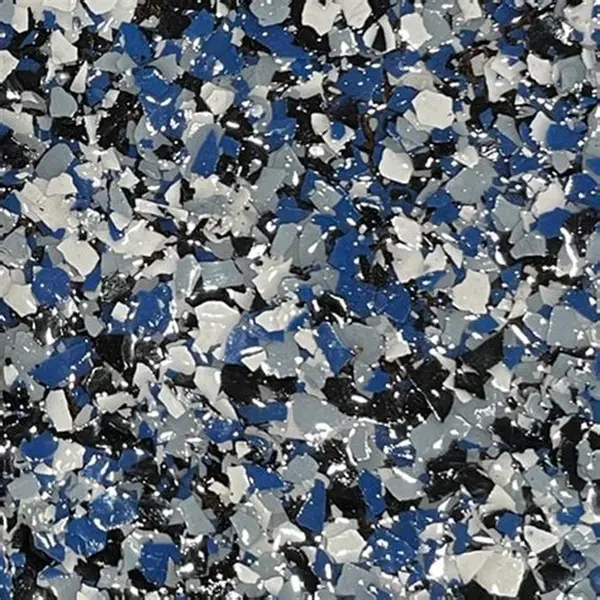
Available in various colors to define functional areas like driveways and danger zones for enhanced site safety.

Strong Toughness

Exceptional material toughness prevents premature crumbling, maintaining consistent abrasive force during use.

Cost-Effective

Offers an ideal balance between low material acquisition costs and high-performance industrial grinding output.

Product Gallery

Management Platforms

Raw Material Sourcing

Strict control over natural corundum extraction to ensure chemical purity and consistent mineral hardness.

Precision Grading

Advanced screening processes to provide uniform particle sizes for specialized industrial flooring applications.

Quality Inspection

Rigorous testing of abrasion resistance and Mohs scale verification for every produced batch.

Application Support

Expert guidance on mixing ratios with epoxy or polyurethane materials for optimal bonding performance.

Logistics Optimization

Secure packaging and streamlined shipping protocols to prevent material contamination during transit.

Custom Color Matching

Tailored color solutions to meet specific industrial safety standards and architectural aesthetics.

Investment Return Comparison

Comparison MetricNatural EmerySynthetic AbrasivesStandard Sand
Initial CostLow to MediumHighVery Low
Surface FinishUltra-SmoothModerateRough
Wear ResistanceExcellentHighPoor
Installation SpeedFastModerateSlow
Lifespan ValueVery HighHighLow

Frequently Asked Questions

Q: What makes Emery suitable for anti-slip flooring?                                    

Emery's extreme hardness (Mohs 9) and abrasion-resistant texture provide a durable, high-friction surface that prevents slips even under heavy industrial use.

Q: How does natural Emery compare to electric furnace white corundum?                                    

While its grinding force is slightly lower, natural Emery possesses stronger toughness and a shell-like segment characteristic, resulting in smoother polished parts with fewer sand marks.

Q: Can Emery be used for different functional zones in a factory?                                    

Yes. By utilizing different colored corundum mixed with epoxy or polyurethane, you can visually define driveways, pedestrian paths, and hazard zones.

Q: Which industries commonly use this product for flooring?                                    

It is widely used in industrial workshops, parking lots, ramps, schools, and hospitals where high durability and safety are paramount.

Q: Is natural Emery cost-effective for large-scale projects?                                    

Absolutely. Its lower price point compared to some synthetics, combined with high grinding efficiency, makes it a highly economical choice for large areas.

Q: What is the primary chemical composition of your Emery?                                    

Our Emery is primarily composed of aluminum oxide (Al₂O₃), which is the core component of the mineral corundum.

Ready to Upgrade Your Industrial Flooring Durability?

                Contact Us    
Contact Us
Contact Us Let’s Bring your Ideas to Life Contact us Today For Custom Solutions.
High-quality architectural stone — crafted for strength, beauty, and lasting performance.
Factors Influencing Industrial Silica Quartz Price Per Ton
Determining the cost of high-purity silica is a complex process influenced by mineral grade, processing requirements, and global supply chain dynamics. For industrial buyers, understanding the variables that dictate the silica quartz price per ton is essential for accurate project budgeting and supplier selection. This analysis explores how raw material specifications and logistical factors converge to establish market value. In the B2B mineral sector, pricing is rarely static. The variance between standard construction sand and high-grade quartz used in architectural terrazzo or glass production is significant. Factors such as the presence of iron oxides, the precision of grain sizing
Factors Influencing Industrial Quartz Sand Price per Ton
Procuring industrial minerals requires a delicate balance between material purity and cost-efficiency. For businesses in construction, glass manufacturing, and decorative arts, understanding the factors that influence the quartz sand price per ton is essential for maintaining project budgets without compromising on quality. High-purity silica sand serves as a fundamental raw material, but its value fluctuates based on grain size, chemical composition, and processing levels. Whether you are sourcing for large-scale industrial beneficiation or specialized architectural mosaics, the technical specifications of the sand such as acid resistance and thermal stability directly impact the final applications durability.
Factors Influencing Industrial Quartz Sand Price and Quality
For procurement managers and construction engineers, understanding the variables that influence quartz sand price is essential for budget optimization and project stability. Quartz sand, primarily composed of silicon dioxide SiO2, is a critical raw material used in everything from glass manufacturing to high-performance architectural paving. The cost of this mineral is not static; it fluctuates based on geological availability, purity levels, and the energy required for processing. The B2B market for silica aggregates operates on a complex intersection of resource extraction and industrial refinement. Whether the sand is destined for a Sponge City permeability project or a high-precision chemical application
Understanding the Quartz Sand Price per kg and Quality Factors
Understanding the quartz sand price per kg involves analyzing the complex intersection of material purity, particle grading, and processing costs. Whether you are sourcing for industrial filtration or high-end architectural terrazzo, the cost per kilogram reflects the materials ability to withstand mechanical wear and chemical corrosion. In the non-metallic mining sector, price fluctuations are often driven by the availability of high-purity quartz veins and the energy costs associated with high-temperature fusion and precision sieving. For professionals, the challenge lies in balancing the upfront cost with the long-term structural integrity and aesthetic gloss of the finished installation.
Guide to Selecting a Professional High Purity Quartz Sand Supplier
Selecting a reliable quartz sand supplier is a critical decision for architectural and industrial projects that demand extreme durability and aesthetic precision. Quartz sand, primarily composed of silicon dioxide, serves as the foundational aggregate for a variety of high-performance materials, from engineered glass sand to industrial fillers. This guide examines the technical specifications and procurement criteria necessary to ensure material consistency across large-scale installations. In the B2B sector, the challenge often lies in balancing purity with cost-efficiency. Whether used in high-end luxury Terrazzo or as a specialized filler for rubber and plastics, the physical properties of the silica
Premium Glass Sand from a Leading quartz sand manufacturer
Selecting high-performance aggregates for luxury architectural installations requires a precise balance of aesthetic brilliance and structural integrity. Premium colorful glass sand, engineered from recycled glass or high-purity quartz, serves as a critical material for high-end Terrazzo and sophisticated water mosaic floor tiles. Unlike traditional minerals, these engineered materials utilize high-temperature fusion to create a product that is not only visually striking but also industrially durable. For architects and contractors, the transition to engineered glass sand solves common issues regarding permeability and wear resistance. By integrating these materials into mortars for walls, floors, and ceilings, professionals can achieve a signature frosted effect

If you are interested in our products, you can choose to leave your information here, and we will be in touch with you shortly.