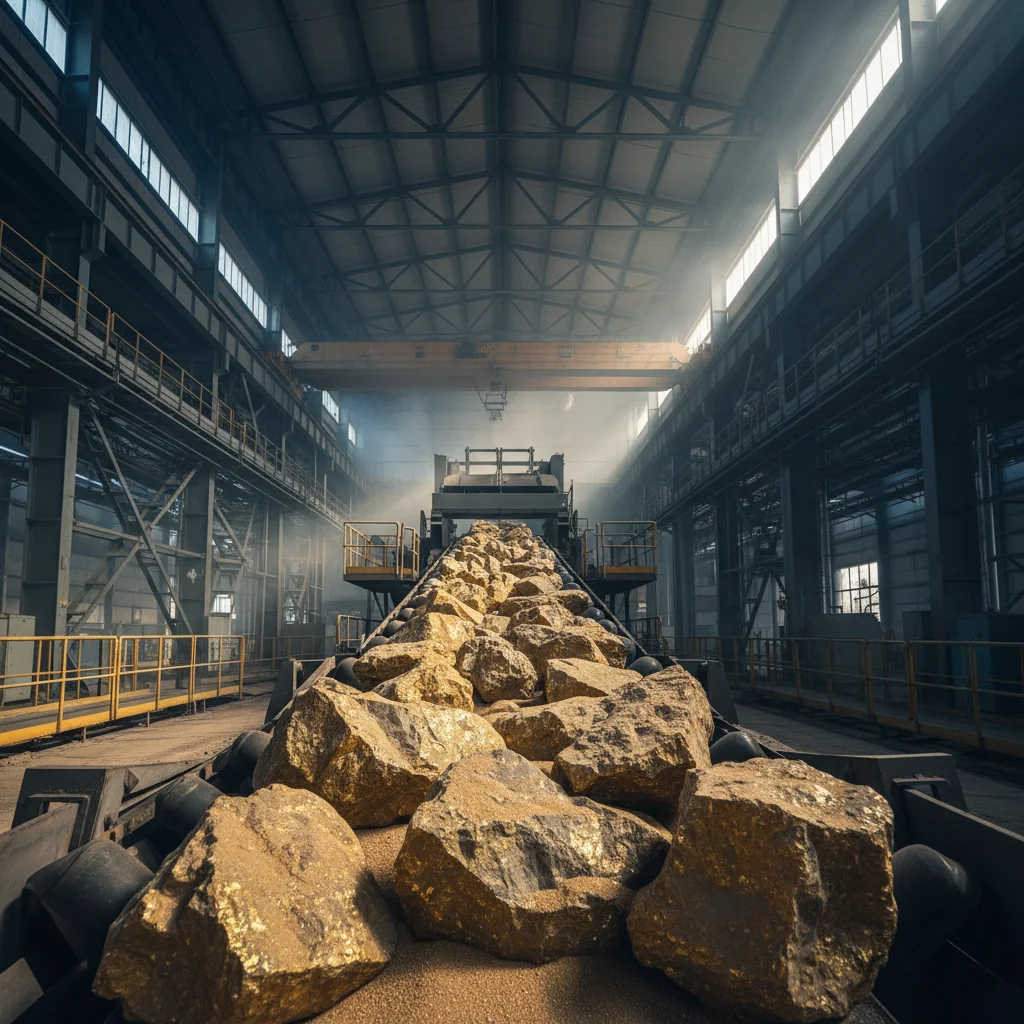
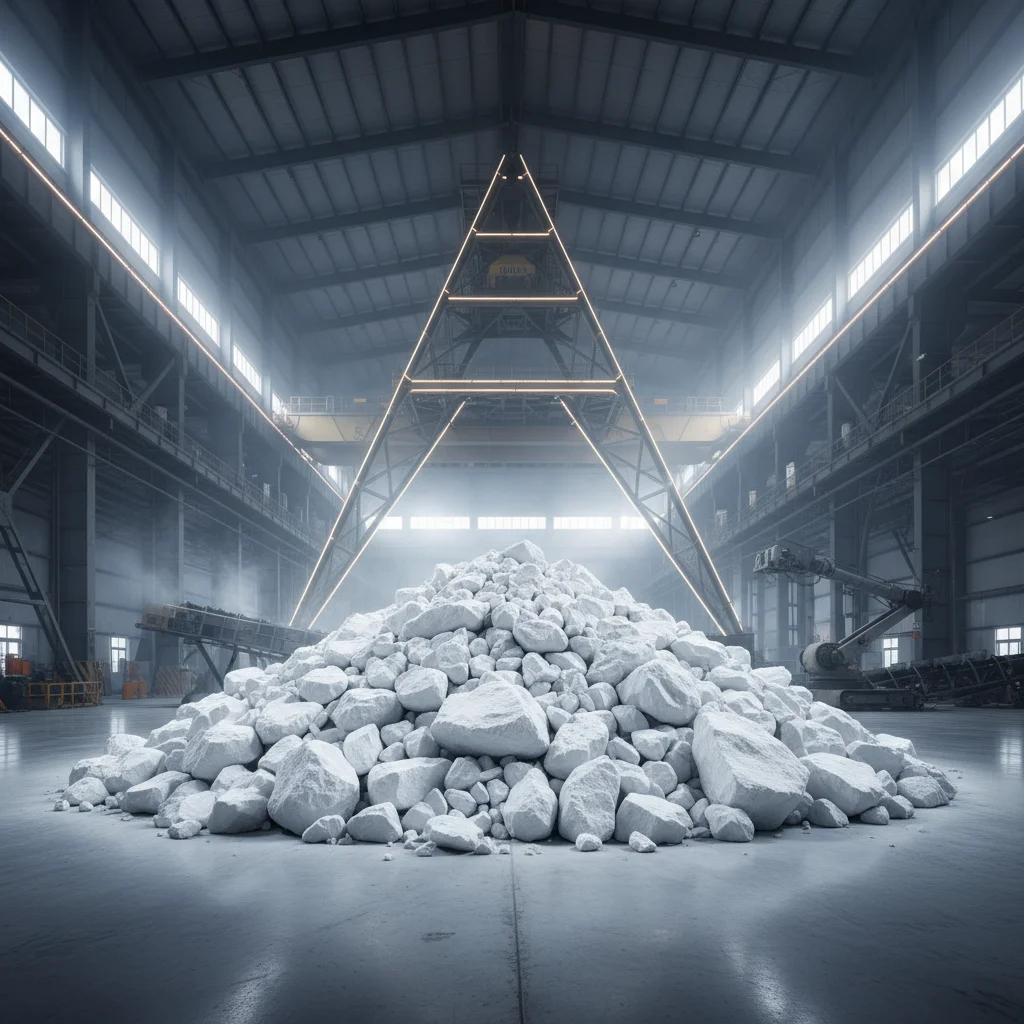
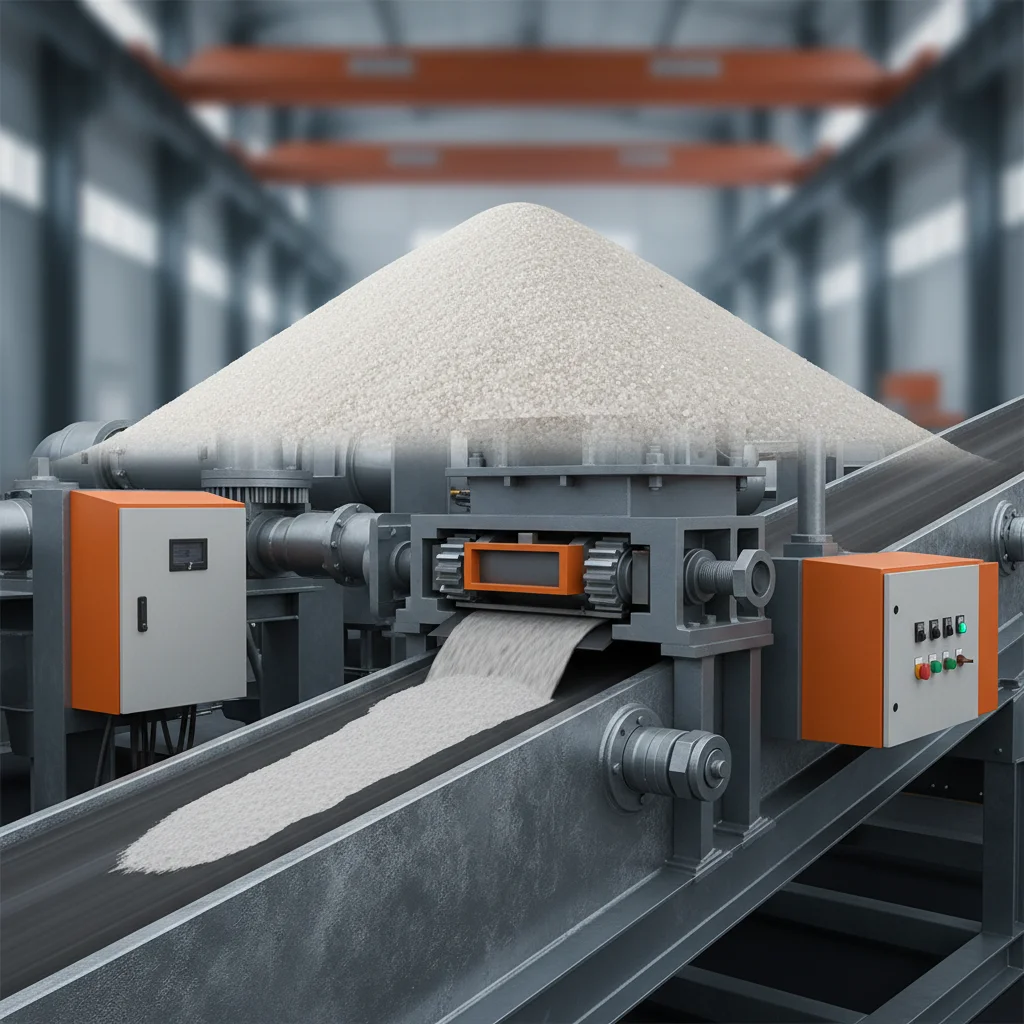
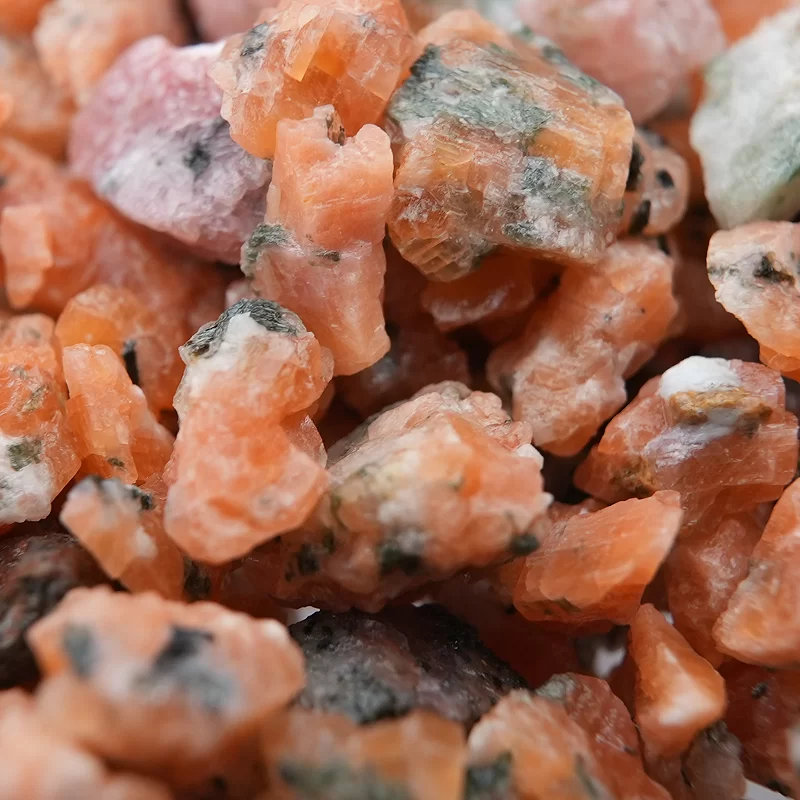
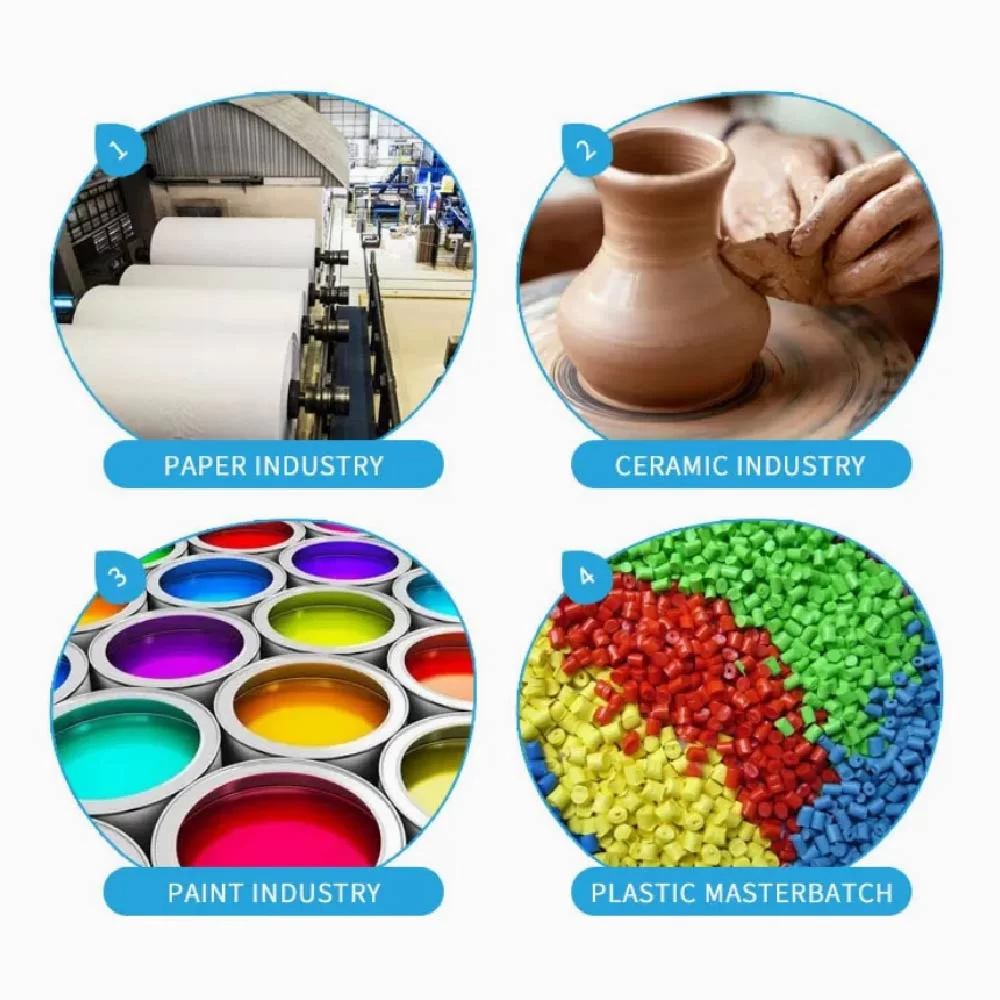
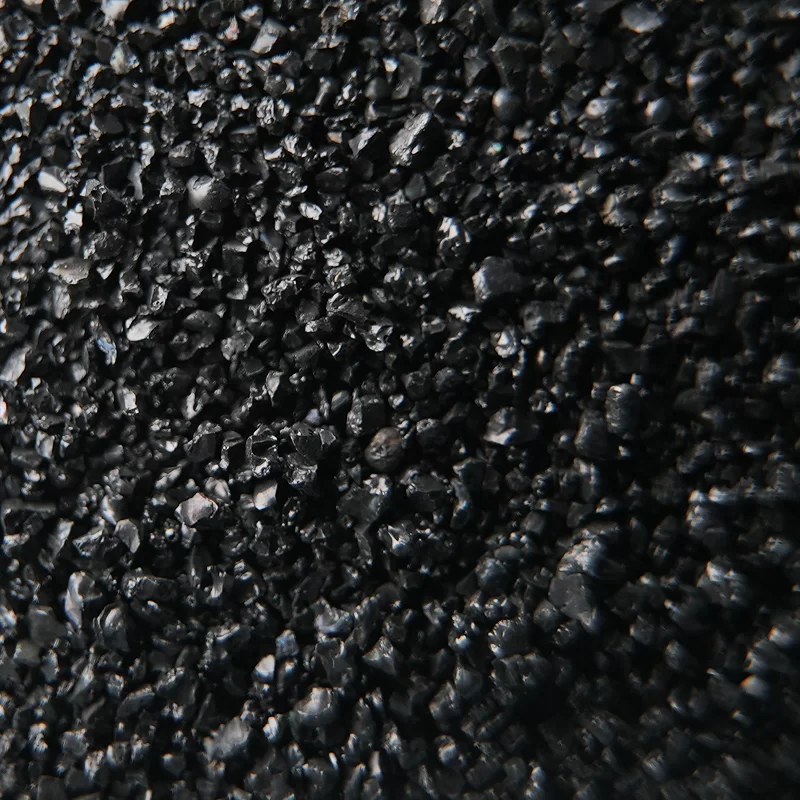
Quartz sand powder, a ubiquitous material derived from the natural abundance of quartz, plays a pivotal role in a surprisingly diverse range of industries globally. From the foundation of modern glass manufacturing and the precision of abrasive blasting to the burgeoning fields of foundry casting and even advanced ceramics, its unique properties – hardness, chemical inertness, and controlled particle size – make it indispensable. Understanding the intricacies of quartz sand powder, its sourcing, processing, and applications is crucial for professionals across sectors, and increasingly, for informing sustainable practices within these industries.
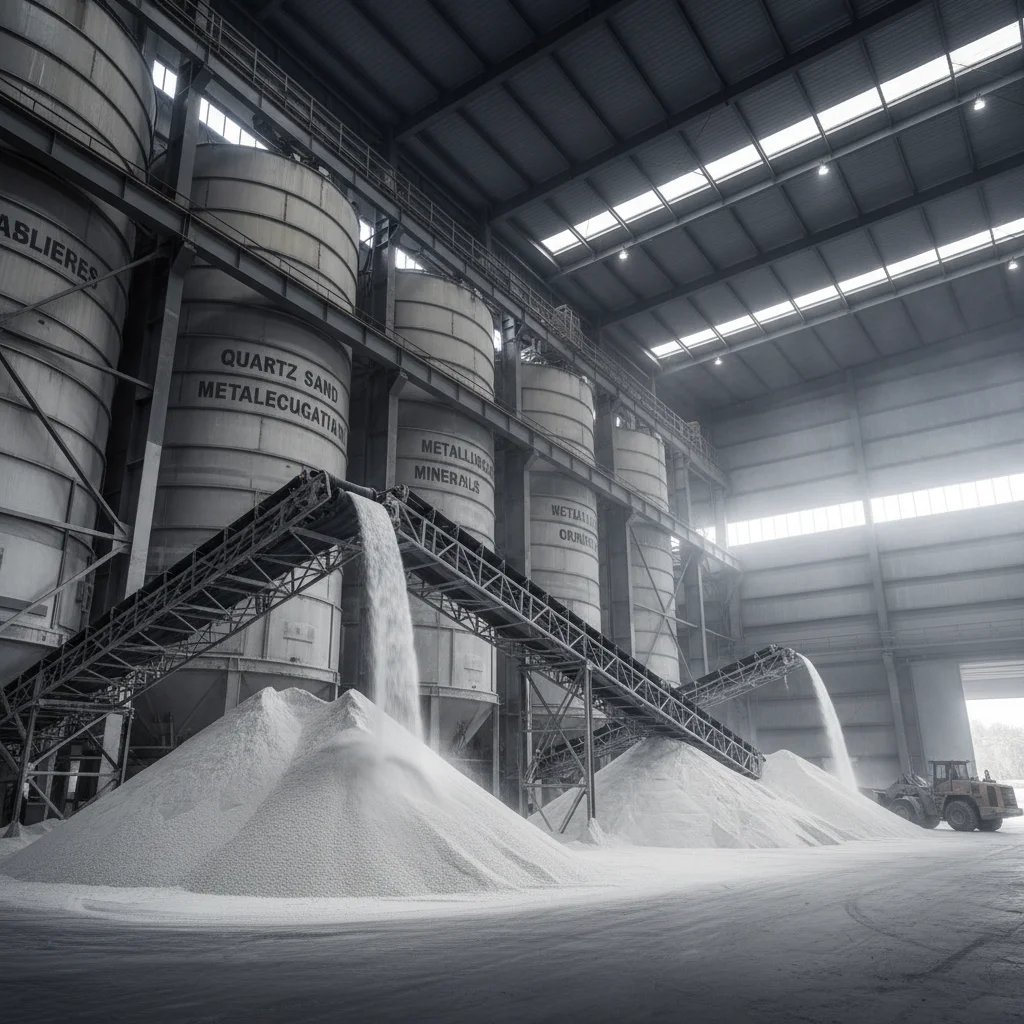
The global demand for quartz sand powder is substantial and continually growing, driven by infrastructural development, industrial expansion, and technological advancements. Recent reports from the UN Statistical Division and the World Bank highlight a consistent rise in demand, particularly in emerging economies experiencing rapid urbanization and industrialization. However, this demand presents challenges: responsible sourcing, minimizing environmental impact during extraction, and ensuring consistent quality are paramount concerns that require innovative solutions and adherence to ISO standards.
At its core, quartz sand powder is finely divided silica (SiO2), a crystalline mineral renowned for its hardness and durability. Unlike other sands, quartz sand boasts a high silica content and consistent chemical composition. This makes it uniquely suited to applications demanding stability and resistance to chemical attack. Its utility extends beyond simply being a raw material; it’s a critical component enabling modern manufacturing processes and providing essential materials for numerous consumer products, bridging the gap between natural resources and everyday life.
Quartz sand powder’s widespread usage is rooted in its unique physical and chemical attributes. Its exceptional hardness, a consequence of its crystalline structure, makes it an ideal abrasive material, utilized in industries ranging from surface preparation to precision cutting. Moreover, its chemical inertness, meaning its resistance to reacting with other substances, ensures stability in diverse applications, particularly in the production of high-purity materials.
Beyond its industrial prowess, the availability and relative cost-effectiveness of quartz sand powder contribute significantly to its global demand. Sourced from abundant natural deposits, its processing into usable powder form is comparatively straightforward, making it a sustainable and economically viable option for numerous industries worldwide. However, maintaining a balance between accessibility and responsible extraction remains a critical consideration.
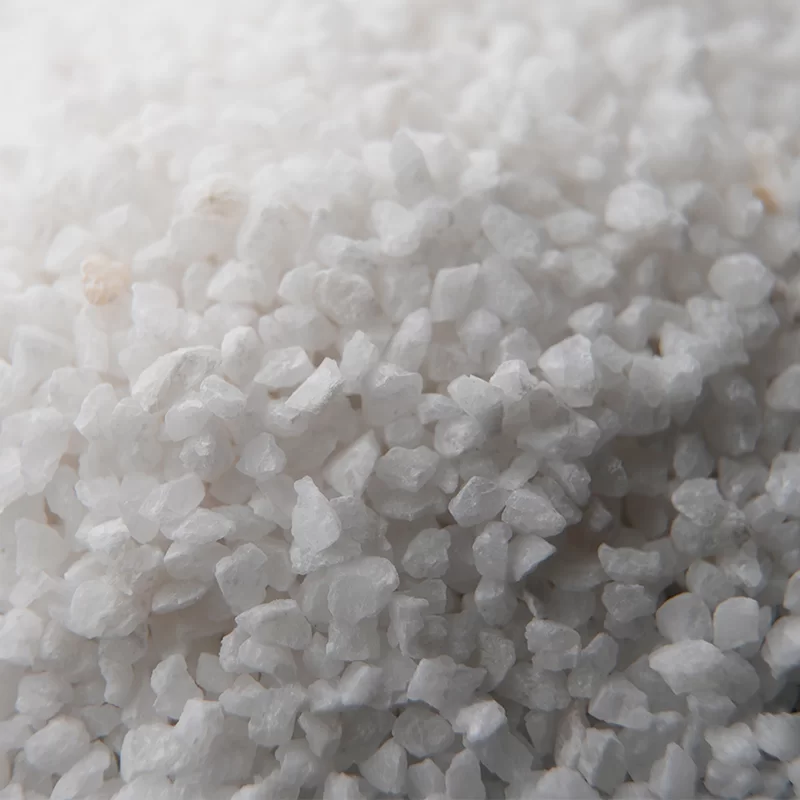
Quartz sand powder is a granular material consisting of finely divided quartz (silicon dioxide, SiO2) particles. It's distinct from other types of sand due to its high silica content (typically over 99%), resulting in exceptional hardness and chemical purity. The ‘powder’ designation arises from the particle size, generally ranging from 0.063 mm to 4 mm, though specific sizes vary depending on the intended application.
Its connection to modern industry is fundamental. It's a key raw material in glass manufacturing, providing the essential silica component. In the foundry industry, it acts as a mold material, enabling the precise casting of metal parts. Its abrasive properties are crucial for applications like sandblasting, removing rust, and preparing surfaces for coating.
The material’s significance isn't limited to purely industrial contexts. It also plays a role in water filtration, where its granular structure effectively traps sediment and impurities, contributing to cleaner water supplies – a need increasingly vital in humanitarian relief efforts and sustainable resource management.
Durability is paramount. Quartz sand powder’s inherent hardness, ranking 7 on the Mohs scale, ensures resistance to wear and tear, making it suitable for long-lasting applications. This durability translates to reduced material consumption and lower maintenance costs in industries like abrasive blasting and surface preparation.
Chemical Inertness is another critical attribute. Quartz sand powder is largely unreactive with most chemicals, resisting corrosion and degradation even in harsh environments. This property is vital in industries like glassmaking and the production of specialty ceramics, where purity and stability are essential.
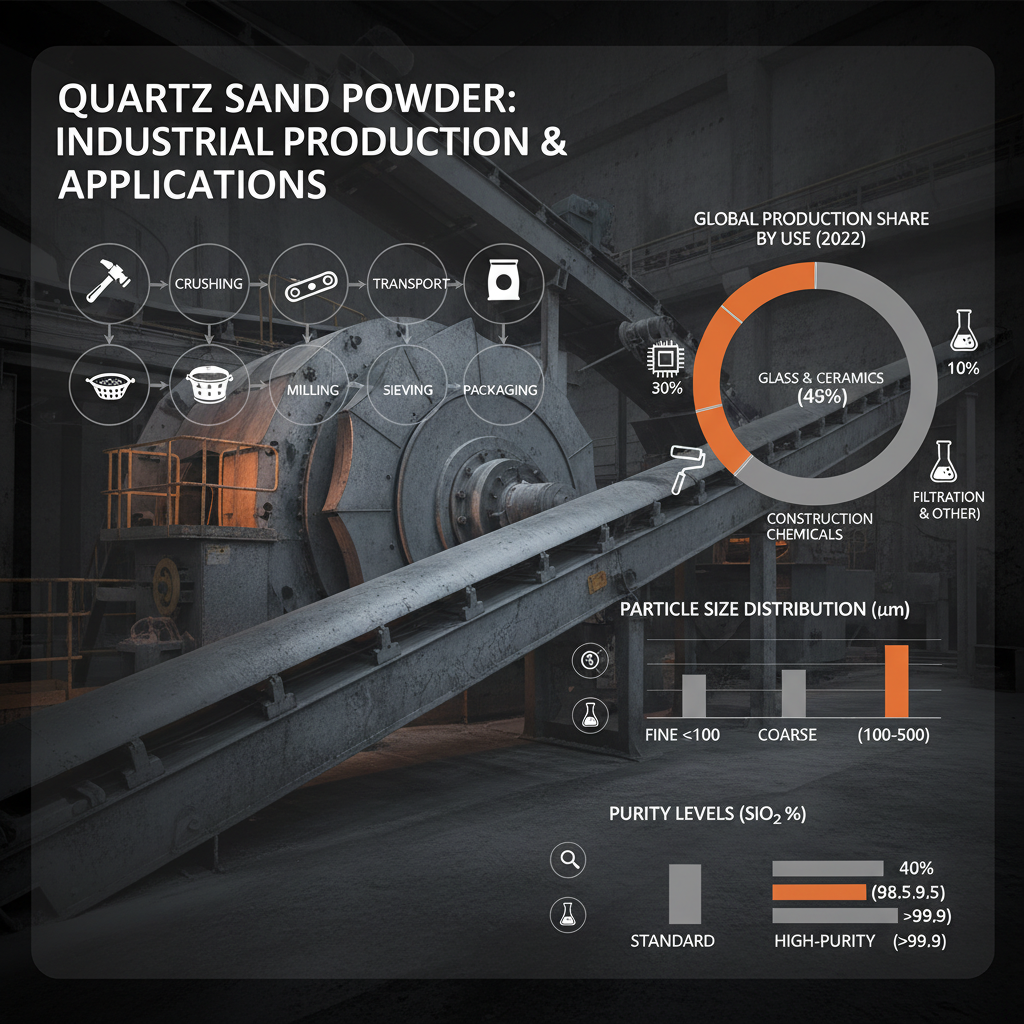
Particle Size Distribution significantly impacts performance. The ability to precisely control the size and grading of the particles allows for tailoring the material to specific applications. Finer particles are ideal for polishing, while coarser particles excel in abrasive blasting. Consistent particle size distribution guarantees predictable results and minimizes waste.
The glass industry is by far the largest consumer of quartz sand powder. It provides the primary silica component for manufacturing various glass types, from container glass to specialized optical glass. The purity and consistency of the quartz sand powder directly impact the clarity, strength, and optical properties of the finished glass product.
Foundry casting relies heavily on quartz sand powder to create molds for metal parts. The sand's ability to withstand high temperatures and maintain its shape during the molten metal pouring process is essential for achieving precise and defect-free castings. This application is critical in the automotive, aerospace, and manufacturing sectors.
Cost-Effectiveness is a significant advantage. Quartz sand is an abundant natural resource, making it a relatively inexpensive raw material compared to alternatives like synthetic abrasives. This affordability translates into lower production costs for manufacturers and more competitive pricing for end-consumers.
Sustainability is becoming increasingly important. While extraction must be managed responsibly, quartz sand is a naturally occurring material that doesn’t require complex or energy-intensive manufacturing processes. Utilizing quartz sand powder contributes to reducing reliance on synthetic materials and lowering the overall environmental footprint of numerous industries.
Driven by the demand for sustainable materials, research is focused on minimizing the environmental impact of quartz sand extraction and processing. Innovative techniques like dry-mining and closed-loop water systems aim to reduce water consumption and dust emissions during extraction.
Nanotechnology is also playing a role, with researchers exploring the potential of nano-sized quartz particles to enhance the performance of various materials, including coatings, composites, and ceramics. This opens up new possibilities for creating high-performance products with enhanced durability and functionality.
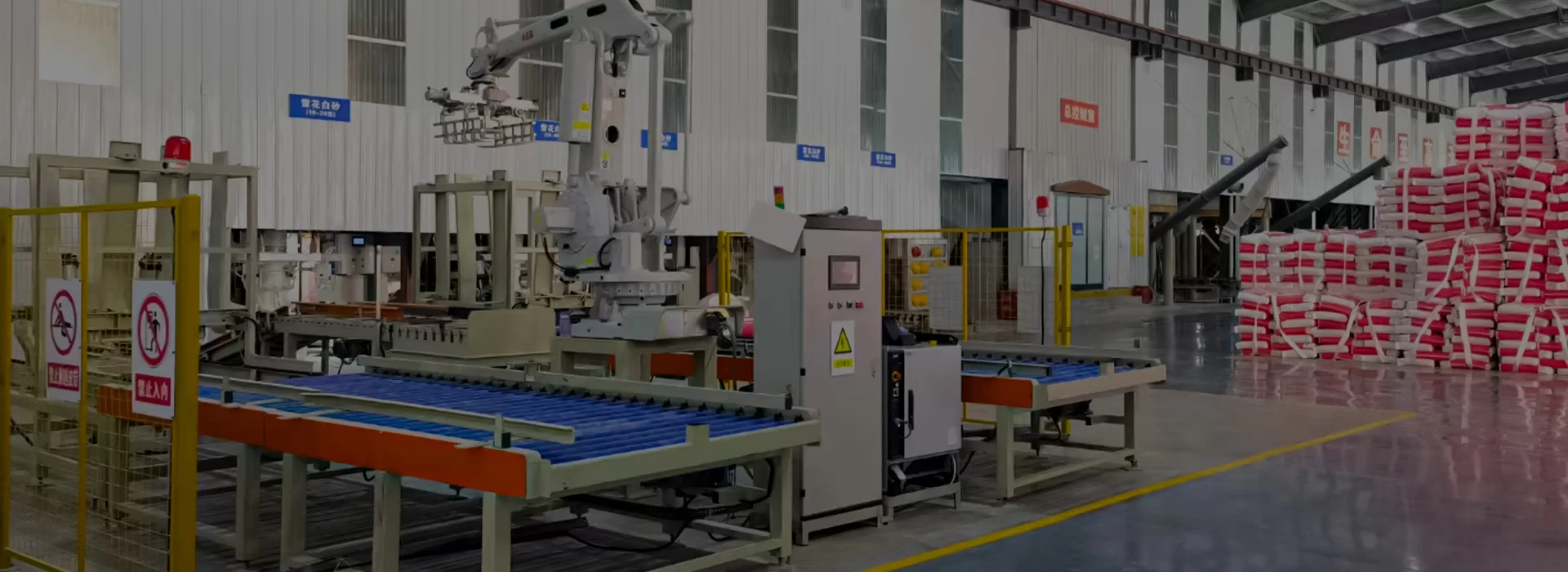
The integration of digital technologies, such as AI-powered grading and quality control systems, is streamlining the production process and ensuring consistent quality. This automation leads to increased efficiency, reduced waste, and improved product traceability.
One significant challenge is the potential for silica dust exposure during handling and processing, which poses health risks to workers. Implementing stringent dust control measures, such as enclosed systems and personal protective equipment, is crucial for ensuring worker safety.
Responsible sourcing and minimizing environmental impact are also paramount. Over-extraction can lead to habitat destruction and erosion. Adopting sustainable mining practices, including land reclamation and biodiversity conservation, is essential for mitigating these risks. Certifications and industry standards, such as those promoted by the ISO, can help ensure responsible practices.
The need for consistent quality and particle size distribution also presents a challenge. Utilizing advanced processing techniques and rigorous quality control measures can address this issue, ensuring that quartz sand powder meets the specific requirements of various applications.
| Challenge | Impact | Solution | Implementation Cost (1-10) |
|---|---|---|---|
| Silica Dust Exposure | Respiratory Health Risks | Enclosed Systems, PPE, Ventilation | 6 |
| Over-Extraction | Habitat Destruction, Erosion | Sustainable Mining Practices, Land Reclamation | 7 |
| Inconsistent Quality | Reduced Product Performance | Advanced Processing, Quality Control | 5 |
| Water Usage | Water Scarcity, Environmental Impact | Closed-Loop Water Systems, Water Recycling | 8 |
| Transportation Costs | Increased Carbon Footprint | Local Sourcing, Optimized Logistics | 4 |
| Regulatory Compliance | Legal Risks, Operational Delays | Adherence to ISO Standards, Environmental Assessments | 6 |
The glass industry is the largest consumer, using quartz sand powder as the primary silica source. Other key industries include foundry casting, where it creates molds, abrasive blasting for surface preparation, and water filtration, utilizing its granular structure to remove impurities. Additionally, the ceramics and construction industries also incorporate quartz sand powder in their processes.
For abrasive blasting, a coarser particle size of quartz sand powder (typically between 0.425 mm and 1.0 mm) is generally preferred. This provides the necessary impact force to effectively remove rust, paint, or other coatings. However, the optimal size depends on the substrate material and the desired level of aggressiveness. Finer particles are used for delicate surface preparation.
The silica content is paramount. High-purity quartz sand powder (typically over 99% SiO2) ensures superior chemical inertness and durability. Lower silica content can lead to impurities that affect the performance and reliability of the final product. Industries like glassmaking demand extremely high silica content for clarity and strength.
Yes, quartz sand mining can have environmental impacts, including habitat destruction, erosion, and water contamination. Sustainable mining practices, such as land reclamation, water recycling, and dust control measures, are crucial for mitigating these concerns. Responsible sourcing and adherence to environmental regulations are essential.
Silica dust exposure poses a health risk, potentially leading to silicosis. Workers should wear appropriate personal protective equipment (PPE), including respirators, safety glasses, and gloves. Implementing dust control measures, such as enclosed systems and ventilation, is also vital. Regular health monitoring is recommended.
Future trends include developing more sustainable extraction methods, utilizing nanotechnology to enhance material properties, and integrating digital technologies for improved quality control and process optimization. There’s also growing research into alternative silica sources and exploring methods to reduce waste and improve resource efficiency.
Quartz sand powder remains an indispensable material across a remarkably diverse range of industries. Its unique combination of durability, chemical inertness, and cost-effectiveness ensures its continued relevance in manufacturing, construction, and environmental applications. Understanding its properties, applications, and the challenges surrounding its sourcing and processing is crucial for professionals and decision-makers alike.
Looking ahead, prioritizing sustainable practices, embracing technological innovation, and promoting responsible sourcing will be paramount to ensuring the long-term availability and responsible utilization of this vital resource. Visit our website at www.cnfloormaterials.com to learn more about our high-quality quartz sand powder products and services.

If you are interested in our products, you can choose to leave your information here, and we will be in touch with you shortly.