0%

Table of Contents

Quartz sand white represents a critical component in numerous industrial applications, ranging from glass manufacturing and filtration systems to construction materials and even specialized foundry processes. Its consistent chemical composition, high purity, and angular shape contribute to its versatility and demand globally. Understanding its properties and sourcing is paramount for maintaining efficient and high-quality production across diverse sectors.

The global demand for quartz sand white is experiencing steady growth, driven by expanding construction activity in emerging economies and increasing requirements for specialized glass and chemical products. This demand places a significant emphasis on sustainable sourcing practices and efficient processing technologies to minimize environmental impact and ensure long-term supply security. The availability and cost-effectiveness of quartz sand white directly impacts numerous downstream industries.

Addressing potential supply chain disruptions and ensuring the quality of quartz sand white are key challenges facing manufacturers and end-users alike. Innovative solutions, including advanced beneficiation techniques and the exploration of alternative sources, are becoming increasingly important to meet the evolving needs of the global market.


quartz sand white

Introduction to Quartz Sand White

quartz sand white

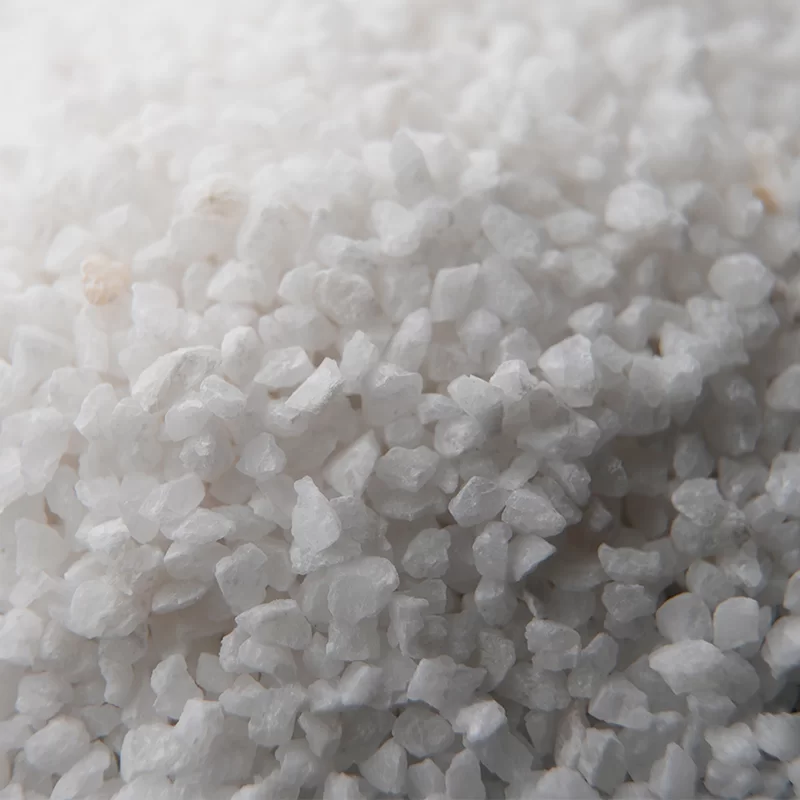
Quartz sand white, a naturally occurring granular material composed primarily of silica (SiO2), has become indispensable in a wide array of industrial processes. Its consistent composition, angular shape, and lack of organic impurities make it ideal for applications requiring high purity and reliable performance. This material is a crucial building block for industries ranging from glass manufacturing to water filtration.

The demand for quartz sand white is intrinsically linked to global economic growth and infrastructure development. As nations invest in construction, manufacturing, and environmental remediation, the need for this versatile material continues to rise. Securing a stable and sustainable supply of high-quality quartz sand white is a critical priority for businesses and governments worldwide.

Defining Quartz Sand White

Quartz sand white is defined as granular material derived from the weathering and erosion of quartz-rich rocks. Its defining characteristic is its high silica content, typically exceeding 99%, making it a highly sought-after resource for various industrial applications. The “white” designation refers to its natural color, though variations can occur depending on the presence of trace minerals.

Understanding the geological origins and processing methods of quartz sand white is essential for assessing its quality and suitability for specific applications. Different sources yield materials with varying grain sizes, shapes, and impurity levels. Careful selection and beneficiation are crucial to ensure optimal performance in downstream processes.

The importance of quartz sand white extends beyond its chemical composition; its physical properties play a critical role in its functionality. Its angular shape promotes interlocking and strength in construction materials, while its consistent grain size ensures efficient filtration performance.

Key Properties of Quartz Sand White

One of the most significant properties of quartz sand white is its exceptional hardness, ranking 7 on the Mohs scale. This inherent durability makes it resistant to abrasion and weathering, ensuring long-term performance in demanding applications. This is crucial for applications such as abrasive blasting and the production of durable construction materials.

Chemical inertness is another vital characteristic. Quartz sand white does not readily react with other substances, making it safe for use in applications involving sensitive chemicals or potable water. This property is particularly important in water filtration systems and the production of high-purity chemicals.

Furthermore, its high melting point (approximately 1713°C) allows it to withstand extreme temperatures without significant deformation or decomposition. This makes it an indispensable component in the glass manufacturing industry, where it serves as the primary raw material for producing a wide range of glass products.

Applications Across Industries

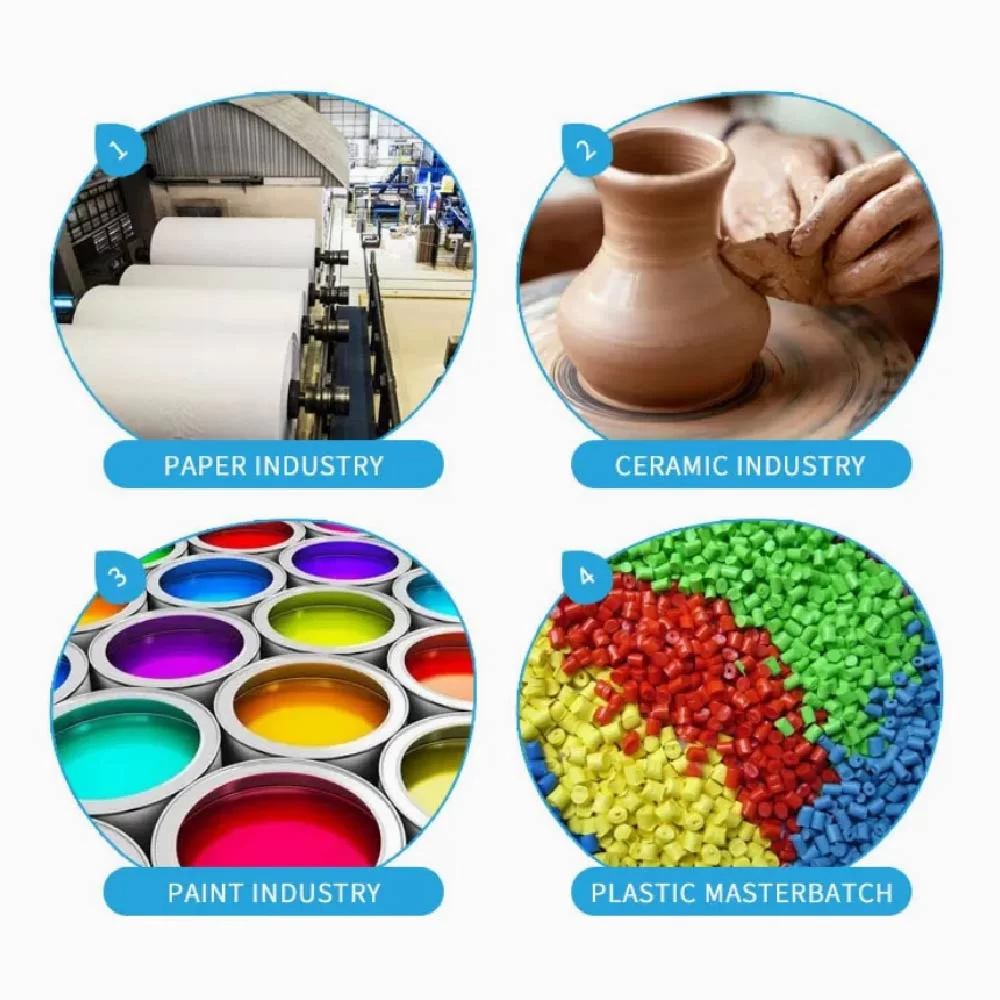
The versatility of quartz sand white is demonstrated by its widespread use across a multitude of industries. In the glass industry, it’s the fundamental ingredient for producing container glass, flat glass, and specialty glass. In construction, it's a key component in concrete, asphalt, and grouts, providing strength and durability.

Water filtration relies heavily on quartz sand white due to its effective filtering capabilities. Its granular structure allows it to remove suspended solids and impurities from water, making it suitable for both municipal and industrial water treatment plants. Beyond these core applications, it’s also used in foundries for mold making, in oil and gas extraction for proppant applications, and in the production of paints and coatings.

Quartz Sand White Application Breakdown

Advantages and Economic Value

The economic value of quartz sand white stems from its abundance, relatively low cost of extraction, and widespread applicability. Its durability translates to lower maintenance and replacement costs in construction and infrastructure projects, offering long-term savings. The consistent quality ensures reliable performance and minimizes production losses in manufacturing processes.

Beyond economic benefits, the use of quartz sand white contributes to sustainability through its non-toxic nature and potential for recycling. Choosing high-quality quartz sand white enhances product performance and longevity, reducing overall resource consumption.

Future Trends in Quartz Sand White

Emerging technologies are focused on improving the efficiency and sustainability of quartz sand white production. Advanced beneficiation techniques are being developed to reduce waste and minimize environmental impact. Research into alternative sources, such as recycled glass and industrial byproducts, is gaining momentum.

The growing demand for specialty glass, driven by advancements in electronics and renewable energy, is expected to fuel innovation in quartz sand white processing. The development of tailored materials with specific particle size distributions and purity levels will become increasingly important to meet the evolving needs of these high-tech industries.

Digitalization and automation are also playing a role in optimizing supply chain management and quality control, ensuring a more reliable and cost-effective supply of quartz sand white to global markets.

Challenges and Sustainable Solutions

A significant challenge facing the quartz sand white industry is the potential for environmental degradation associated with mining and processing. Dust control, water management, and land reclamation are critical concerns that require proactive mitigation strategies.

Sustainable solutions include implementing closed-loop water systems, utilizing renewable energy sources for processing, and restoring mined land to its original condition. Promoting responsible sourcing practices and adhering to stringent environmental regulations are essential for ensuring the long-term viability of the industry.

Another challenge is the increasing competition for high-quality quartz sand white resources. Exploring alternative materials and developing innovative processing techniques can help alleviate supply constraints and reduce reliance on limited natural deposits.

Summary of Challenges and Potential Solutions

Challenge Environmental Impact Economic Considerations Potential Solutions
Resource Depletion Habitat Loss, Ecosystem Disruption Increased Mining Costs Exploration of New Deposits, Recycling
Dust Pollution Respiratory Issues, Environmental Damage Compliance Costs, Potential Fines Dust Suppression Systems, Enclosed Processing
Water Consumption Water Scarcity, Water Pollution Water Treatment Costs Closed-Loop Water Systems, Water Recycling
Land Degradation Soil Erosion, Loss of Biodiversity Reclamation Costs Land Reclamation Programs, Reforestation
Transportation Costs Carbon Emissions, Air Pollution Fuel Costs, Logistics Expenses Local Sourcing, Optimized Logistics
Quality Control Issues Product Failures, Customer Dissatisfaction Warranty Claims, Reputational Damage Rigorous Testing, Automated Quality Checks

FAQS

What are the primary applications of quartz sand white in the glass industry?

Quartz sand white is the main component in producing various types of glass, including container glass for bottles and jars, flat glass for windows, and specialized glass for electronics and laboratory equipment. Its high silica content and purity are crucial for achieving the desired clarity, strength, and chemical resistance in glass products. The consistent grain size also aids in the melting process, resulting in homogenous glass compositions.

How does the grain size of quartz sand white affect its performance in water filtration?

The grain size of quartz sand white is a critical factor in water filtration. Different grain sizes offer varying levels of filtration efficiency. Coarser grains are ideal for removing larger particles, while finer grains are more effective at trapping smaller impurities. A well-graded mixture of grain sizes provides optimal filtration performance by creating a porous bed that effectively removes a wide range of contaminants.

What are the environmental concerns associated with quartz sand white mining?

Quartz sand white mining can have several environmental impacts, including habitat loss, soil erosion, dust pollution, and water consumption. Mining operations often require significant land clearing, disrupting local ecosystems. Dust generated during extraction and processing can pose respiratory hazards and contribute to air pollution. Water is used in washing and beneficiation processes, potentially leading to water scarcity and contamination.

What are some sustainable sourcing practices for quartz sand white?

Sustainable sourcing practices include implementing responsible mining techniques, such as minimizing land disturbance and restoring mined areas. Utilizing closed-loop water systems to reduce water consumption and prevent contamination is also crucial. Exploring alternative materials, like recycled glass, and adopting efficient processing technologies to minimize waste generation are key steps towards sustainability. Certifications and audits can verify adherence to environmental standards.

How does the cost of quartz sand white compare to alternative filtration media?

Quartz sand white is generally more cost-effective compared to many alternative filtration media, such as activated carbon or specialized synthetic filters. Its abundance and relatively simple processing contribute to its lower price point. However, the overall cost-effectiveness depends on the specific application and required filtration performance. While more expensive alternatives may offer higher efficiency for certain contaminants, quartz sand white provides a reliable and affordable solution for a wide range of filtration needs.

What quality control measures are essential for quartz sand white intended for critical applications?

For critical applications, such as water filtration and pharmaceutical manufacturing, rigorous quality control measures are essential. These include particle size analysis, chemical purity testing, and microscopic examination to identify and quantify impurities. Regular monitoring of key parameters and adherence to industry standards, such as ISO certifications, ensure consistent quality and reliability. Thorough documentation of testing results is crucial for traceability and accountability.

Conclusion

Quartz sand white remains a foundational material for numerous industries, providing essential properties like durability, chemical inertness, and cost-effectiveness. Its applications span from glass manufacturing and construction to water filtration and beyond, highlighting its versatility and continued relevance in a rapidly evolving world. Responsible sourcing and sustainable processing are vital for ensuring the long-term availability and minimizing the environmental impact of this valuable resource.

Looking ahead, innovation in beneficiation techniques, exploration of alternative sources, and adoption of circular economy principles will be crucial for addressing challenges related to resource depletion and environmental sustainability. Continuing to invest in research and development will unlock new applications and optimize the performance of quartz sand white, solidifying its position as a cornerstone of modern industry. Visit our website to learn more: www.cnfloormaterials.com

Michael Davis

Michael Davis

Michael Davis is a Production Manager at Hebei Quanerduo Mining Development, overseeing the day-to-day operations of our processing and beneficiation workshops. He has been with the company since 2010, steadily climbing the ranks through his commitment to efficiency and quality. Michael is responsible for managing production schedules, maintaining equipment, and ensuring our output consistently meets the highest standards. He works closely with our quality control team to implement strict monitoring protocols and identify areas for improvement. Michael is a practical leader with a strong focus on safety and a keen eye for detail.
Previous Exploring the Versatile Applications of Quartz Sand Powder in Modern Industries
Next The Significance of Silica Quartz Sand in Global Industries and Sustainable Practices
High-quality architectural stone — crafted for strength, beauty, and lasting performance.
Best Uses of Colored Gravel for Landscaping to Enhance Your Yard
Creating a visually stunning garden or walkway requires a balance of functionality and aesthetic appeal. Using colored gravel for landscaping is one of the most effective ways to introduce vibrant tones and professional texture to your outdoor environment. Unlike traditional mulch, colored stone provides a permanent solution that resists decay and reduces maintenance. Whether you are looking to define a path, highlight a flower bed, or create a modern Zen garden, the right choice of aggregate can transform a dull yard into a masterpiece. In this guide, we will explore the various types of colored gravel and how to use them.
Enhancing Your Outdoor Space with Brown Landscape Rock Guide
Creating a visually stunning and sustainable outdoor environment requires a thoughtful choice of materials. Among the most versatile options available, brown landscape rock offers a perfect blend of natural aesthetics and long-term durability. Whether you are designing a Zen garden, constructing a retaining wall, or simply looking for a low-maintenance alternative to traditional mulch, these earthy tones provide a timeless appeal. In this comprehensive guide, we will explore the various types of brown stone, their practical benefits, and how to integrate them into your home's exterior design to increase both beauty and property value.
Exploring the Versatile Applications of Gold Sand Quartz in Modern Industries
Gold sand quartz, a fascinating combination of materials, holds a significant place in both industrial applications and aesthetic design. Its unique properties stemming from the quartz component, coupled with the visual appeal of sand-like grains, make it a versatile material across diverse sectors. This article delves into the intricacies of gold sand quartz, exploring its definition, key attributes, global applications, and future prospects. Understanding this material is crucial for professionals in construction, manufacturing, and design, enabling them to leverage its benefits effectively.
Enhance Your Outdoor Space with Bright White Landscaping Rocks Ideas
Creating a beautiful and low-maintenance landscape often involves choosing the right ground cover. Bright white landscaping rocks are a popular option, offering a clean, modern aesthetic and a host of practical benefits. This article will explore everything you need to know about these rocks, from their uses and benefits to installation tips and cost considerations. We will guide you through selecting the perfect white rocks for your outdoor space and maximizing their impact on your overall landscape design.
Exploring the Versatile Applications of Dry Quartz Sand and Future Trends
Dry quartz sand, a granular material composed of silica, plays a pivotal role in a diverse array of industries worldwide. From glass manufacturing and foundry casting to construction and filtration, its unique properties – chemical inertness, thermal stability, and abrasive qualities – make it an indispensable component in countless applications. Understanding the characteristics and sourcing of dry quartz sand is crucial for optimizing processes and ensuring product quality across numerous sectors.
Enhance Your Outdoor Space with Stunning Blue Decorative Landscape Rock
Creating a visually stunning and functional outdoor space often involves thoughtful material choices. Blue decorative landscape rock offers a unique and versatile solution for gardens, walkways, and various landscaping projects. This article will explore the benefits of using blue rock in your outdoor designs, including its aesthetic appeal, practical applications, and how to choose the right type for your needs.

If you are interested in our products, you can choose to leave your information here, and we will be in touch with you shortly.