Selecting the right insulation material often involves a difficult trade-off between fire safety, thermal efficiency, and structural longevity. For industrial and commercial construction, perlite board has emerged as a critical solution that addresses these conflicting requirements through its unique volcanic glass composition.
Unlike synthetic foams or traditional mineral wools, expanded perlite boards offer a non-combustible, inorganic structure that maintains stability under extreme thermal stress. This makes them indispensable for projects where energy efficiency must be paired with stringent fire-resistance ratings.
Understanding the technical nuances of this material—from its porous architecture to its moisture-resistant properties—allows engineers and procurement managers to optimize building envelopes for both safety and sustainability. We explore the performance metrics and application strategies that define modern perlite board implementation.

The Engineering Composition of Expanded Perlite Boards

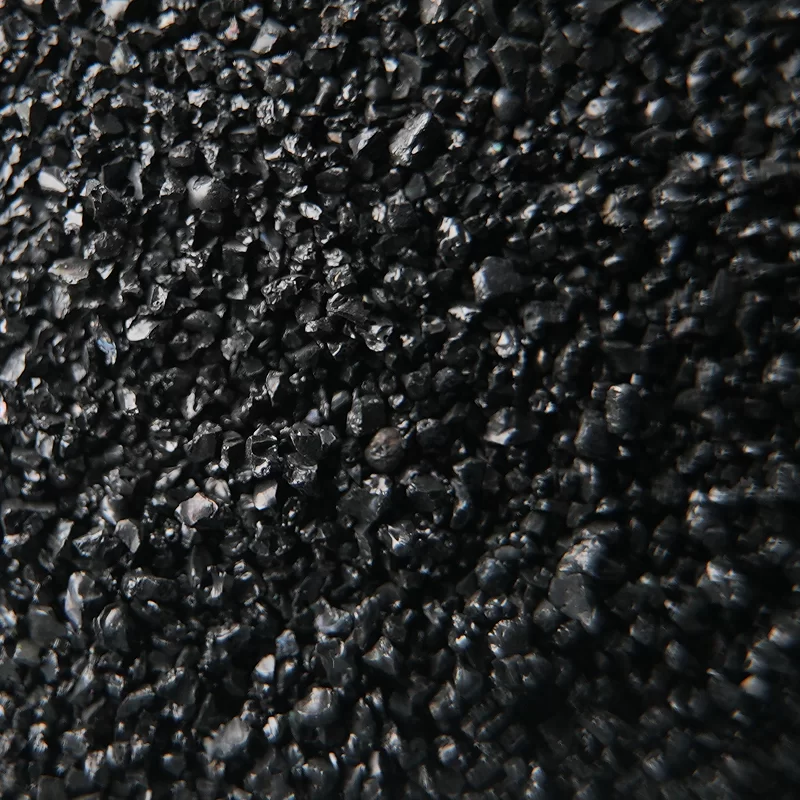
At its core, a perlite board is engineered from expanded perlite particles, a volcanic glass that undergoes a rapid heating process to expand its volume. This expanded material is then blended with inorganic, environmentally friendly adhesives and reinforced with double-layer metal mesh to ensure structural integrity during pressing and drying.
The resulting thin plate, typically manufactured in dimensions such as 500500mm with thicknesses ranging from 30mm to 40mm, possesses a low-density porous structure (100-300kg/m³). This cellular arrangement is what allows the material to trap air, creating an effective thermal barrier while remaining lightweight.
Because it is derived from natural mineral resources, the board is inherently resistant to aging and organic decay. This inorganic nature ensures that the material does not emit toxic fumes when exposed to heat, aligning with global green building standards for non-toxic and pollution-free construction.
Core Technical Advantages in Thermal and Fire Management
The primary value proposition of perlite insulation boards lies in their A-grade non-combustible classification. In the event of a fire, these boards do not expand, deform, or fall off, maintaining their original strength and preventing the spread of flames through the building's core.
Beyond fire resistance, the material's sound absorption coefficient is significantly higher than that of ordinary concrete, often providing five times the sound attenuation. This dual-functionality—thermal insulation combined with acoustic damping—reduces the need for multiple layers of different materials.
Moisture resistance is another critical technical edge. With a water absorption rate of approximately 50g/(m²·h), which is nearly ten times lower than some similar mineral products, these boards prevent the structural degradation typically caused by humidity and water seepage.
High-Impact Application Scenarios Across Construction Sectors
In industrial settings, perlite boards are extensively used for furnace linings and high-temperature equipment casing where energy efficiency and heat containment are paramount. Their ability to withstand repeated thermal cycles without cracking makes them ideal for industrial heat shields.
In commercial architecture, these boards are utilized in wall partitions, ceiling insulation, and fire-rated corridors. Their lightweight nature reduces the dead load on the building's foundation, which is particularly beneficial for high-rise structures or seismic-prone regions where earthquake resistance is a design requirement.
Residential applications often focus on attic and basement insulation, where the moisture-resistant and mold-proof characteristics of perlite provide a healthier living environment compared to organic fiber-based insulators that may trap dampness.
Evaluating Performance Benchmarks Against Traditional Insulation
Comparing perlite board to traditional concrete or synthetic foams reveals a stark difference in efficiency. The porous structure directly translates to lower thermal conductivity, which minimizes energy loss in climate-controlled environments.
When evaluating the sound insulation coefficient, perlite boards consistently outperform standard masonry. The following metrics illustrate the relative efficiency gains in critical areas such as fire rating, sound dampening, and moisture resistance.
perlite board Performance Metrics
As indicated, the integration of perlite-based solutions provides a measurable uplift in safety and efficiency. The stability of these metrics over a long service life ensures that the initial investment in high-quality mineral insulation yields long-term operational savings.
Strategic Implementation and Procurement Best Practices
Implementing perlite insulation boards requires a focus on precision fitting and adhesive compatibility. Because the boards are lightweight and easy to construct, the overall installation time is reduced, which directly lowers labor costs.
From a procurement perspective, buyers should evaluate the density (typically 100-300kg/m³) and the reinforcing mesh quality. Ensure that the supplier provides verified A-grade non-combustible certifications to meet local building codes and safety regulations.
Customization is also a key factor. Standard sizes like 50050030mm are common, but for complex industrial geometries, requesting boards made to specific customer requirements can prevent gaps in the thermal envelope, which would otherwise create "thermal bridges" and reduce efficiency.
Future Trajectories in Mineral-Based Insulation Technology
The trend toward "Green Building" is likely to drive further innovation in the production of inorganic insulation. We may see the integration of nano-materials to further reduce thermal conductivity without increasing the board's thickness.
Automation in the pressing and drying process is expected to create even more consistent density profiles, which could further improve the sound insulation coefficient and structural stability across larger surface areas.
As global energy regulations tighten, the demand for materials that combine earthquake resistance with extreme fire prevention is expected to rise, positioning expanded perlite as a primary alternative to carbon-intensive synthetic insulators.
Decision Matrix for Selecting Optimal Insulation Materials
Choosing between insulation types requires a balanced analysis of the operating environment. While some materials offer lower initial costs, the lifecycle cost of mineral-based solutions is often lower due to their resistance to aging and moisture.
The table below outlines the critical differences between perlite board and other common insulation strategies based on performance dimensions and application suitability.
| Insulation Type | Fire Rating | Moisture Resistance | Primary Use Case |
|---|---|---|---|
| Perlite Board | A-Grade Non-combustible | High (Low absorption) | Firewalls & Industrial Heat Shields |
| Glass Wool | Variable (Combustible binders) | Moderate (Sags when wet) | General Acoustic Partitioning |
| EPS Foam | Combustible (Melts) | High (Waterproof) | Temporary Thermal Packaging |
| Rock Wool | Non-combustible | Moderate (Absorbent) | High-temp Piping Insulation |
| Concrete Block | Non-combustible | Low (Porous) | Structural Load Bearing Walls |
| Polyurethane | Combustible | High | Spray-on Envelope Sealing |
For those seeking a balance of sustainability, fire safety, and long-term stability, perlite boards provide a robust technical path. Readers evaluating these options can review the relevant product and company information available through www.cnfloormaterials.com.
Frequently Asked Questions
Conclusion
The transition toward safer and more energy-efficient building materials necessitates a move toward inorganic, mineral-based solutions. Perlite boards satisfy this need by integrating superior fire resistance, sound attenuation, and moisture stability into a lightweight, easy-to-install format.
Whether used in heavy industrial heat shielding or modern commercial architecture, the long-term value of perlite insulation is evident in its durability and safety profile. For professional sourcing and technical specifications, the resources at www.cnfloormaterials.com provide a comprehensive starting point for high-performance mineral product procurement.