When evaluating the budget for high-performance thermal barriers, the perlite insulation board price is rarely a static figure, as it fluctuates based on density requirements, board thickness, and the purity of the expanded volcanic glass used. For procurement managers and architects, understanding the variables that drive these costs is essential for maintaining project viability without compromising on thermal efficiency.
The market for mineral-based insulation is currently shifting toward materials that balance structural rigidity with extreme low-thermal conductivity. Perlite, a naturally occurring amorphous volcanic glass, provides a unique advantage due to its lightweight nature and fire-resistant properties, making it a staple in industrial and residential cryogenic and high-temperature applications.
Navigating the selection process requires a clear understanding of how material grade affects long-term energy savings. In this guide, we analyze the cost drivers of perlite insulation board price and provide a framework for assessing value beyond the initial invoice.


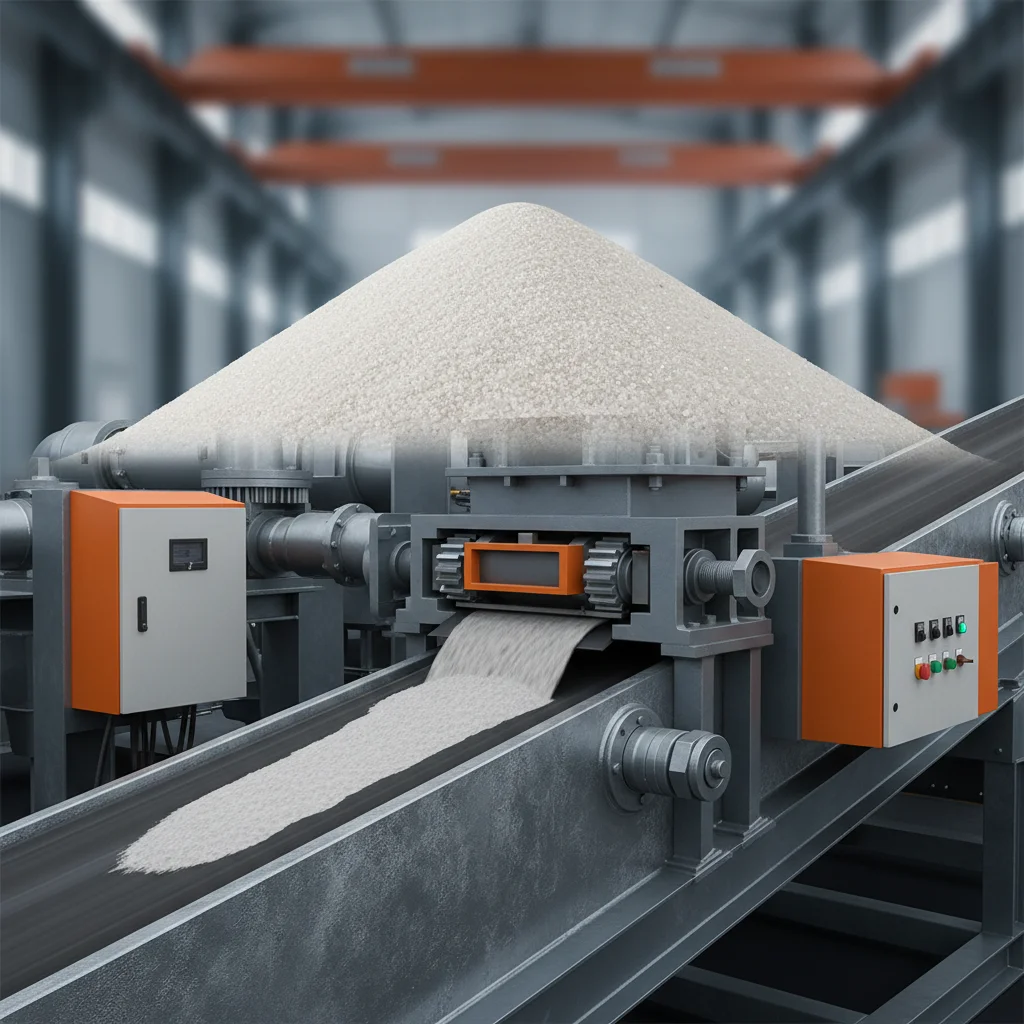
At its core, a perlite board is created by heating raw perlite ore to high temperatures, causing it to "pop" or expand rapidly. This process creates a lightweight, cellular structure that traps air, which is the primary mechanism for thermal insulation. The quality of the raw ore—sourced from non-metallic mineral deposits—directly influences the stability of the resulting board.
The binding agents used to solidify these expanded granules into boards also play a role in the final price. Whether a board uses organic binders for flexibility or cementitious binders for fireproofing and strength determines its categorization and its suitability for specific architectural or industrial environments.
The perlite insulation board price is primarily driven by the density of the finished product. Lower-density boards offer superior insulation (lower R-value per inch) but have minimal structural strength. Conversely, high-density boards are designed for load-bearing or high-impact areas, requiring more raw material and a more intensive pressing process, which increases the cost per square meter.
Another critical factor is the thickness and precision of the cut. Boards produced to exact architectural specifications with minimal tolerance require advanced machining and quality control audits. In the context of large-scale mining and processing, the cost of beneficiation—removing impurities from the raw clay and volcanic sand—also filters down to the end-user price.
Furthermore, the chemical stability of the board, particularly its resistance to acids and alkalis, adds a premium. Boards treated for industrial environments where chemical exposure is common are more expensive than those intended for simple residential ceiling insulation, reflecting the specialized additives required to prevent material degradation.
There is an inherent trade-off in perlite board engineering: as density increases to improve compressive strength, the amount of trapped air decreases, slightly reducing the thermal insulation efficiency. Engineers must calculate the "sweet spot" where the board is strong enough to withstand operational pressure but porous enough to block heat transfer.
The value of perlite insulation is not found in the lowest unit price, but in the total cost of ownership, where lower thermal conductivity reduces long-term HVAC energy expenditures and minimizes the need for frequent replacements in high-heat zones.
For those integrating perlite boards into complex systems, it is worth noting that they often complement other materials. For example, using a perlite board as a core filler in industrial panels can enhance overall stability while maintaining a lightweight profile, effectively optimizing the project's total material spend.
To understand why certain boards command a higher price, we look at the relative impact of different production variables. While raw material extraction is a baseline cost, the energy required for the expansion process and the precision of the final sizing are the primary differentiators in premium pricing.
The following index illustrates how different factors contribute to the overall price variance in the mineral insulation market, highlighting that technical specifications usually outweigh simple raw material volume.
In a typical industrial setting, such as a cold storage facility or a high-temperature furnace lining, the selection of perlite boards depends on the operational environment. For cryogenic applications, the priority is the lowest possible thermal conductivity to prevent heat ingress, whereas for furnace linings, fire resistance and the ability to withstand thermal shock are paramount.
Buyers should be wary of selecting boards based solely on the lowest price per unit. A board with poor binder quality may crumble under thermal stress, leading to costly downtime and emergency repairs. Investing in a board with verified chemical stability and high-purity quartz or mineral content ensures a more durable installation.
The non-metallic mineral mining sector is evolving toward more sustainable extraction and processing methods. As global energy regulations tighten, the demand for high-efficiency insulation like perlite is growing, which in turn influences the pricing strategies of mining companies. Integration of automated sieving and fusion control technologies has allowed for more consistent board quality.
Companies like Hebei Quanerduo Mining Development Co., Ltd. emphasize the importance of strict quality control in the beneficiation stage. By ensuring the purity of the raw mineral before expansion, they can produce boards with more predictable thermal properties, reducing the risk of "cold spots" in an insulation system.
This move toward "engineered" mineral products means that the market is moving away from commodity-grade perlite toward specialized, high-performance boards. This shift typically leads to a more stable pricing model based on technical performance rather than raw material market volatility.
When finalizing a purchase, procurement teams should use a weighted matrix that balances initial cost, installation speed, and thermal longevity. It is helpful to compare perlite boards against other mineral fillers or synthetic foams, particularly regarding fire safety and environmental impact.
The trade-off usually involves balancing structural rigidity against the desired R-value. For example, a high-density board may be more expensive and slightly less insulating but will save on additional support framing costs because of its own structural integrity.
The following table provides a relative suitability guide for different perlite board grades based on common project requirements, helping buyers align their budget with the necessary technical outcomes.
| Board Grade | Primary Application | Thermal Efficiency | Structural Strength |
|---|---|---|---|
| Low Density | Residential Ceilings | Excellent | Low |
| Medium Density | Commercial Wall Lining | Good | Moderate |
| High Density | Industrial Flooring | Fair | High |
| Fire-Rated Spec | Firewall Barriers | Good | Moderate |
| Chemical-Resistant | Lab/Industrial Plant | Good | Moderate |
| Custom Engineered | Cryogenic Tanks | Superior | Variable |
The price is most significantly influenced by the board's density, thickness, and the type of binder used. Higher-density boards require more raw material and higher pressing force, increasing the cost. Additionally, specialized certifications for fire resistance or chemical stability add premiums to the base price, as these require higher-purity raw ore and more rigorous quality audits during production.
There is an inverse relationship between density and thermal insulation. Low-density boards have more air pockets, which minimizes heat transfer and provides superior insulation. High-density boards are stronger and more durable but have slightly higher thermal conductivity. The choice depends on whether the priority is pure thermal resistance or the ability of the board to support structural loads.
Yes, perlite is a naturally occurring volcanic glass and is considered a more sustainable alternative to petroleum-based synthetic foams. It is chemically inert, non-toxic, and often produced using processes that have a lower environmental footprint. Furthermore, its longevity and fire-resistant nature reduce the need for frequent replacements, contributing to a more circular economy in construction.
Perlite itself is water-resistant, but the overall board's performance depends on the binder. Boards using cementitious binders are generally well-suited for damp environments. However, for areas with constant water exposure, a moisture-resistant coating or a specific high-density grade is recommended to prevent water penetration from affecting the board's structural integrity over time.
Value should be calculated using a Life Cycle Cost (LCC) analysis. This includes the initial purchase price, installation labor, and the projected energy savings over 10-20 years. A slightly more expensive board with a better R-value can often pay for itself within a few years through reduced heating and cooling costs, making it the more economical choice in the long run.
Expanded perlite refers to the loose, popped volcanic granules used as a filler or additive in mortars and plasters. Perlite boards are a processed product where these expanded granules are compressed and bound together into rigid panels. While the loose material provides insulation, the boards provide both insulation and a structural surface for walls and ceilings.
Determining the right perlite insulation board price is a balancing act between immediate procurement costs and long-term operational efficiency. By focusing on the technical determinants—density, purity, and binder quality—buyers can avoid the pitfalls of under-specifying their insulation and ensure the structural longevity of their projects.
As the mining industry moves toward more precise, engineered mineral products, the ability to source boards with consistent thermal and mechanical properties becomes a competitive advantage. Whether for industrial cryogenic systems or sustainable commercial architecture, perlite remains a premier choice for those seeking a fusion of safety, sustainability, and performance.



If you are interested in our products, you can choose to leave your information here, and we will be in touch with you shortly.