When evaluating industrial thermal solutions, the perlite insulation price is a critical variable that influences both initial capital expenditure and long-term operational efficiency. Within the non-metallic mining and sand and gravel extraction sectors, perlite is prized for its lightweight nature and exceptional thermal resistance, making it a staple for high-temperature industrial applications.
Procurement managers often struggle to balance the upfront cost of perlite-based materials against the energy savings they provide. The challenge lies in understanding how raw material purity, expansion ratios, and processing methods directly impact the market price and subsequent performance in real-world insulation projects.
This analysis provides a comprehensive breakdown of the factors driving perlite insulation costs, how to evaluate different product forms such as boards and powders, and a practical framework for calculating the return on investment for industrial thermal upgrades.

Primary Drivers of Perlite Insulation Costs

The market price of perlite insulation is primarily dictated by the processing stage of the volcanic glass. Raw perlite must be heated to high temperatures to "pop" or expand, a process that consumes significant energy. The expansion ratio—how many times the material increases in volume—directly affects the density and thermal conductivity of the final product, and thus its price point.
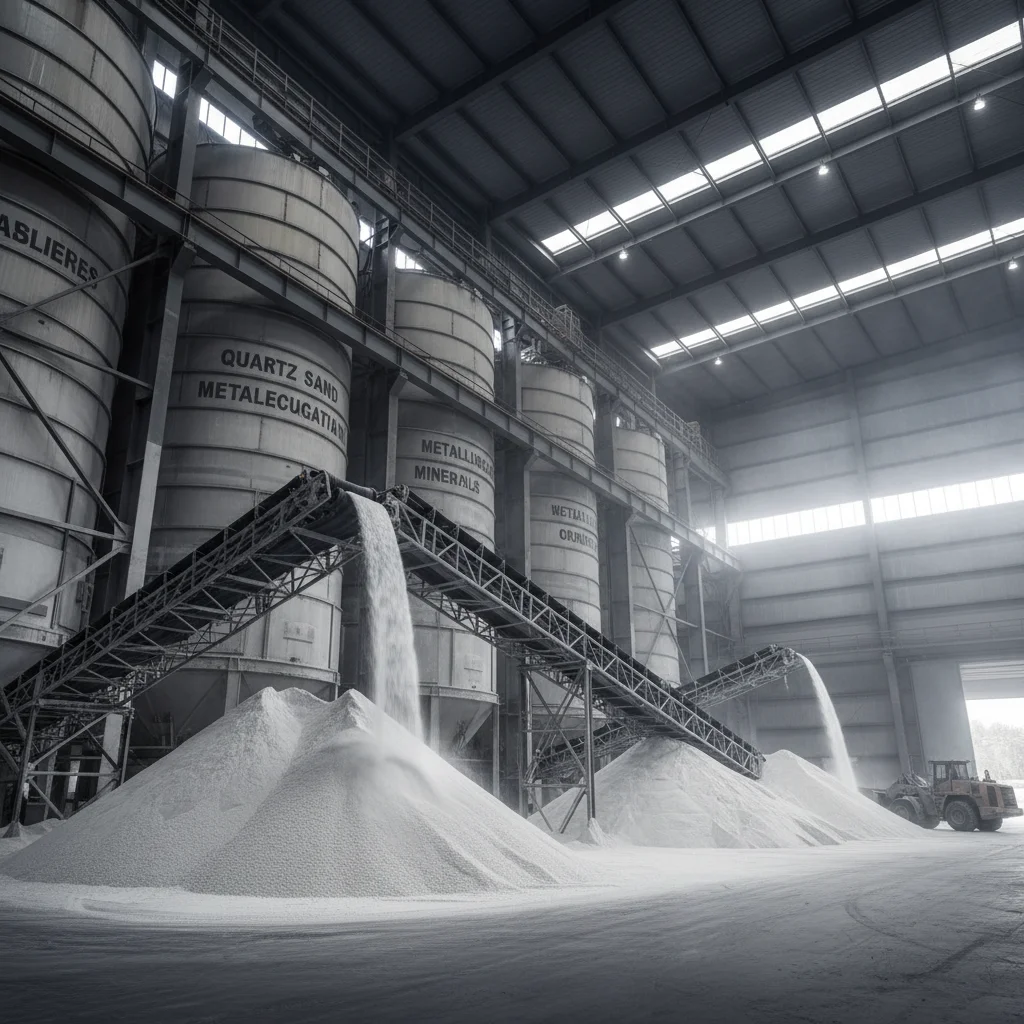
Beyond energy, the geographical proximity of the mining site to the processing facility plays a major role. Because expanded perlite is highly voluminous but lightweight, transportation costs can represent a substantial percentage of the final perlite insulation price. Sourcing from regions rich in non-metallic minerals, such as the Taihang Mountain area, often allows for more competitive pricing due to integrated supply chains.
Comparing Perlite Board vs. Loose Fill Pricing
Choosing between perlite boards and loose-fill perlite involves a trade-off between material cost and installation labor. Loose-fill perlite is generally lower in raw material cost per cubic meter, as it requires less binders and simpler processing. It is ideal for filling cavities or creating insulating layers in large-scale industrial tanks.
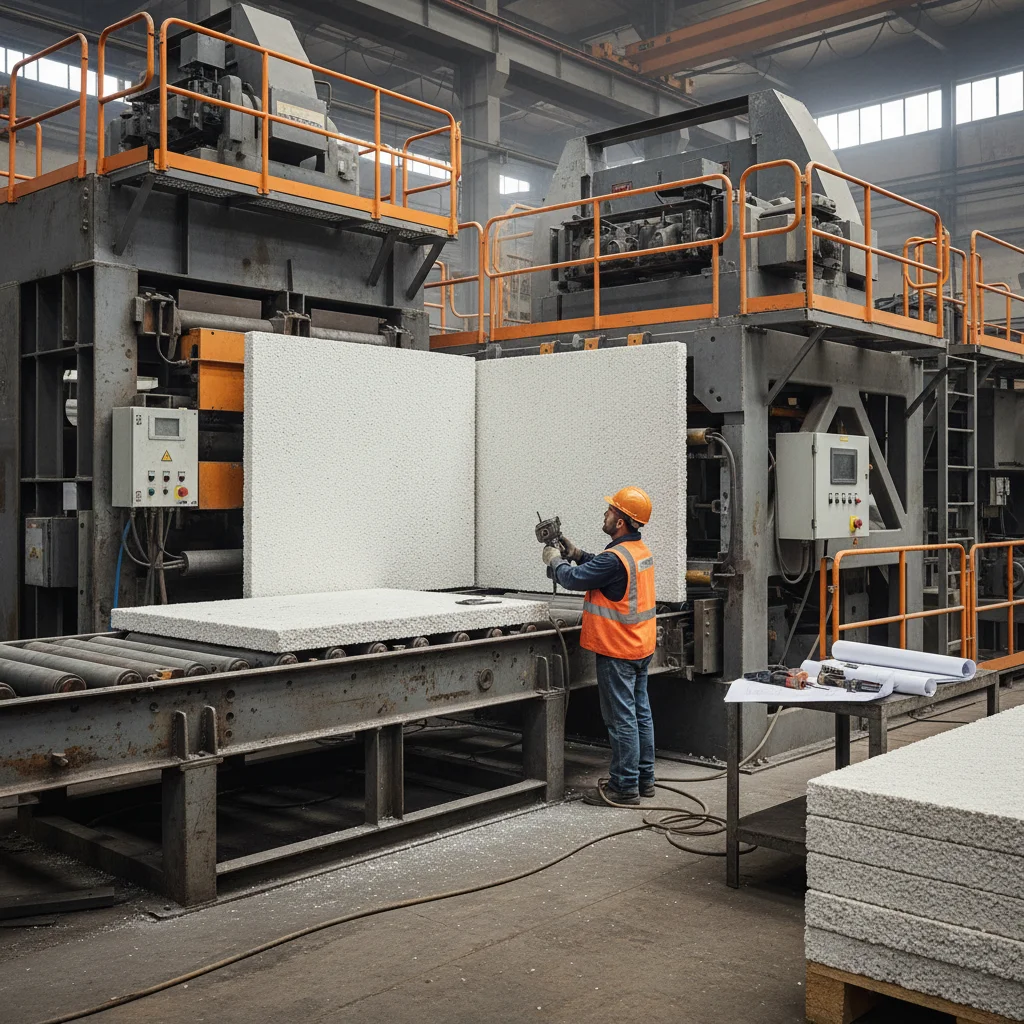
In contrast, perlite boards involve a more complex manufacturing process where the expanded minerals are compressed with binders to create structural rigidity. While the perlite insulation price for boards is higher, they offer the advantage of being a finished architectural product that provides both insulation and a level of physical protection, reducing the need for additional cladding materials.
Application-Specific Cost Implications
The economic value of perlite insulation varies significantly depending on the environment. In high-temperature industrial furnaces, the price is justified by the material's ability to withstand thermal shock and reduce heat loss. In these scenarios, the cost of the material is negligible compared to the energy savings achieved over a 12-month period.
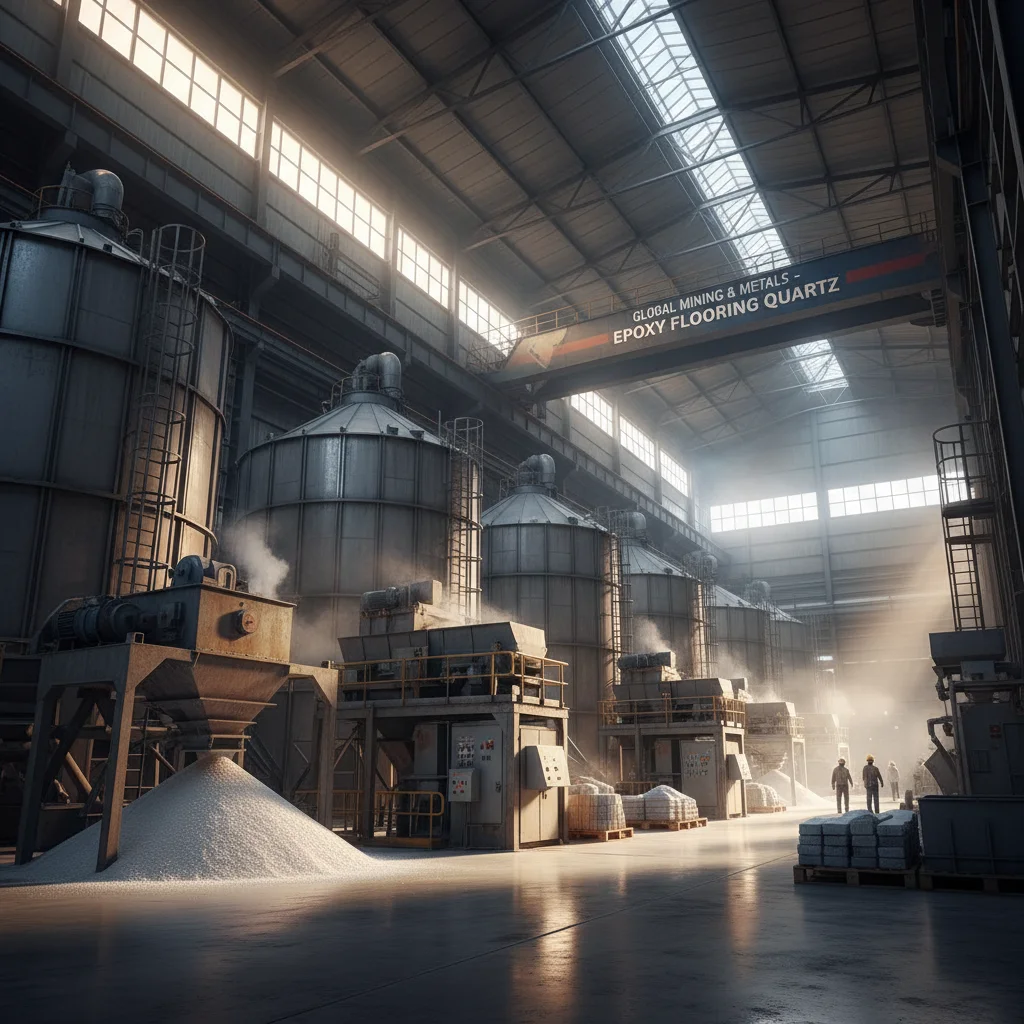
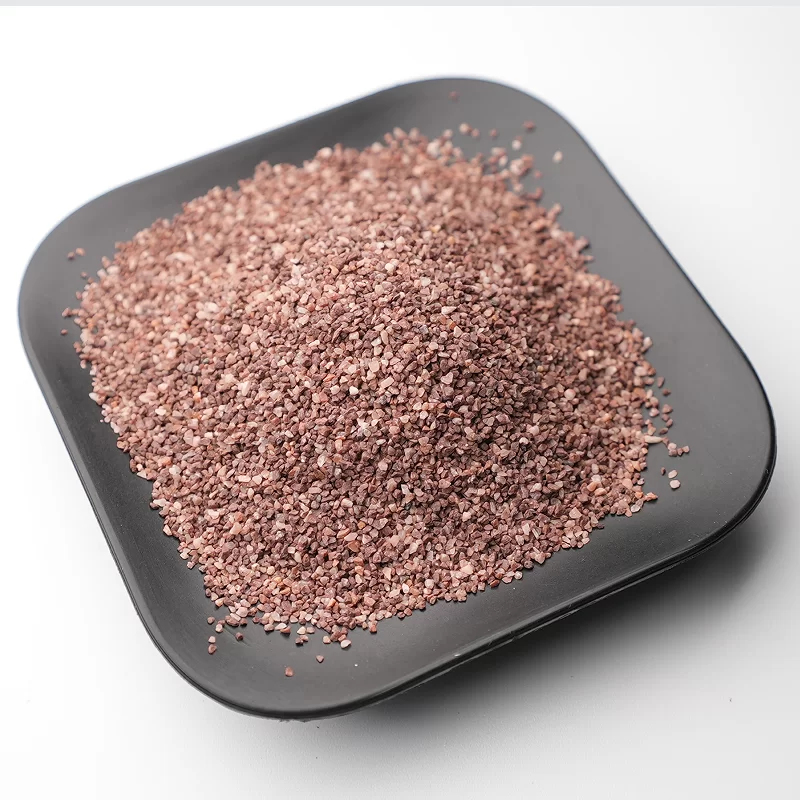
For construction and cryogenic applications, perlite is often used for its non-absorbent and fire-resistant properties. When integrating perlite with other minerals—such as quartz sand or industrial powders—the composite's price is balanced against the requirement for compressive strength. Professional mineral processing ensures that these combinations maintain their insulating properties without increasing the cost prohibitively.
Relative Cost-Benefit Analysis Index
To understand the value proposition of perlite, it is helpful to view it through a normalized performance index. This conceptual framework compares the relative efficiency of perlite against other common industrial insulators across five key dimensions: thermal resistance, weight, fire safety, ease of installation, and overall cost-effectiveness.
The illustrative data suggests that while perlite may not always be the cheapest option in terms of raw volume, its performance in fire safety and weight reduction provides a high relative value, especially in large-scale industrial mining and processing facilities where structural load is a concern.
Evaluating Supplier Quality vs. Price
A common mistake in procurement is selecting a supplier based solely on the lowest quoted perlite insulation price. Low-cost perlite often suffers from inconsistent expansion ratios, leading to "dead spots" in insulation where heat leaks occur. This results in higher energy bills that quickly erase any initial savings on material costs.
High-quality suppliers utilize modern laboratory testing equipment to ensure uniform particle size and density. For companies like Hebei Quanerduo Mining Development, which specializes in the research and sale of mineral products, the focus is on a multi-layer management system that controls the beneficiation and packing stages. This ensures that the product delivered matches the technical specifications required for the project.
Hidden Costs in Perlite Installation
When budgeting for a project, the perlite insulation price is only one part of the total cost of ownership. For loose-fill applications, the cost of specialized blowing equipment and the labor for professional installation must be accounted for. Improper installation can lead to settling, where the material compacts over time, reducing the R-value of the insulation.
For perlite boards, hidden costs may include the adhesives and fasteners required for secure mounting. Additionally, if the boards are used in high-moisture environments, an additional vapor barrier may be necessary. Planning for these ancillary materials at the onset prevents budget overruns and ensures the thermal integrity of the installation.
Strategic Procurement Decision Framework
The final decision on which perlite product to purchase should be based on a weighted matrix of project requirements. Whether the goal is maximum thermal resistance, fire compliance, or minimum weight, the following framework helps categorize the best approach based on the intended use case.
| Product Type | Primary Cost Driver | Best Use Case | Main Risk |
|---|---|---|---|
| Loose-Fill Perlite | Transportation | Tank/Cavity Filling | Material Settling |
| Perlite Boards | Binding Process | Wall/Ceiling Insul. | Higher Upfront Cost |
| Perlite Plasters | Additive Quality | Surface Coating | Application Labor |
| Composite Powders | Mineral Purity | Industrial Casting | Mixing Consistency |
| Expanded Granules | Expansion Energy | Lightweight Concrete | Density Variation |
| Custom Panels | Precision Cutting | Specialized Equipment | Lead Time Delay |
By aligning the product type with the specific needs of the industrial environment, buyers can optimize their spending and ensure that the perlite insulation price paid translates into maximum operational efficiency.
Frequently Asked Questions
The most influential factors include the energy costs for the expansion process, the raw mineral purity, the expansion ratio (density), and the transportation costs due to the material's high volume.
Yes, perlite boards generally have a higher price point because they require binders and a compression process to create a rigid structure, whereas loose-fill is simply expanded mineral.
Perlite is often more competitive in high-temperature or fire-prone environments where synthetic foams would fail, providing better long-term value despite varying initial costs.
Generally, no. The industrial expansion process requires specialized high-temperature furnaces and precision control that are not cost-effective for on-site installation.
Absolutely. Higher purity perlite expands more uniformly and has better thermal properties, which commands a premium price but ensures higher energy efficiency.
Look beyond the unit price. Check for certifications of density and thermal conductivity, the supplier's experience in the mineral processing industry, and their logistics capabilities.
Conclusion
Optimizing the perlite insulation price requires a shift from viewing it as a commodity cost to viewing it as a strategic investment in thermal efficiency. By understanding the drivers of cost—from mineral expansion to logistics—and selecting the appropriate product form (boards vs. loose-fill), industrial operators can significantly reduce energy waste and improve facility safety.
For those seeking high-quality mineral solutions and professional guidance on material selection, you can review the technical specifications and product range at www.cnfloormaterials.com to ensure your project meets the highest industrial standards.