The exploration of specialized mineral aggregates has revealed that quartz sand uses extend far beyond simple construction, playing a pivotal role in the creation of high-end architectural finishes. By integrating high-purity silica particles with various binders, industries can achieve a balance of structural integrity and aesthetic brilliance that defines modern interior design.
Globally, the demand for durable and customizable surfacing materials has led to an increased focus on the versatility of crushed stone and silica. Understanding the diverse range of quartz sand uses allows architects and developers to optimize material selection for longevity, ensuring that high-traffic areas maintain their luster and strength over decades of use.
From the grand hallways of international airports to the intimate details of home decor, the application of these minerals is indispensable. By leveraging the specific properties of quartz sand uses, professionals can create seamless, impact-resistant surfaces that blend retro charm with contemporary performance standards.

The Artistic Versatility of Mineral Aggregates
The appeal of terrazzo made from crushed stone lies in the ability to creatively combine aggregates of various colors, sizes, and materials to form unique patterns and textures. This process allows for an aesthetic effect that is both retro and modern, providing a canvas for exceptional artistic expression.
Because these materials are customizable in any color and can even incorporate embedded metal sheets or shells, the design possibilities are nearly infinite. This flexibility ensures that the final product is a seamless, integrated design that complements the specific architectural vision of any project.
Core Technical Advantages of Quartz-Based Surfaces
One of the primary reasons for the widespread adoption of these materials is their exceptional physical durability. The surface of quartz-based terrazzo is inherently hard, wear-resistant, and impact-resistant, which is critical for areas experiencing heavy foot traffic.
This structural integrity results in an extremely long service life, far surpassing traditional flooring options. Evidence of this longevity can be seen in many historic buildings where terrazzo floors have remained intact and functional for several decades without significant degradation.
Beyond mere strength, the chemical stability of natural stone particles ensures that the surfaces do not fade or react poorly to environmental stressors. This makes them an ideal choice for industrial and commercial environments where hygiene and resilience are paramount.
Specialized Applications in Modern Architecture
The scope of quartz sand uses in construction is vast, ranging from large-scale infrastructure to minute home accents. In high-traffic hubs like airports, train stations, and hospitals, the material provides a seamless flooring solution that is easy to maintain and visually imposing.
For interior design, the utility of quartz sand uses extends to wall decorations, where it serves as a sophisticated backdrop or art wall. This application enhances the perceived quality of a space, adding depth and texture that paint or wallpaper cannot replicate.
Furthermore, the material is highly effective for functional surfaces such as kitchen countertops, bathroom sinks, and bar tops. Its ability to be molded into furniture, including coffee tables and planters, demonstrates its versatility as both a structural element and a decorative finish.
Comparative Performance of Installation Methods
Selecting the right construction process is essential to maximizing the performance of the aggregate. Traditional cement-based terrazzo involves a rigorous process of base treatment, inserting partition strips, and polishing to achieve a classic, stone-heavy look.
In contrast, epoxy resin terrazzo and pervious exposed aggregate systems offer different functional benefits. Epoxy systems provide a faster cure time and more vivid color options, while pervious systems focus on environmental drainage and permeability.
Performance Analysis of Quartz Sand Uses Methods
Sustainability and Long-Term Value
The long-term value of using natural crushed stone and silica is found in its sustainability. Unlike synthetic materials that degrade and require frequent replacement, natural stone aggregates offer a permanent solution that reduces the lifetime carbon footprint of a building.
Moreover, the durability of these surfaces means fewer resources are spent on repairs and maintenance. This reliability fosters trust among developers and owners, who view the installation as a capital investment rather than a recurring expense.
Innovative Trends in Terrazzo Design
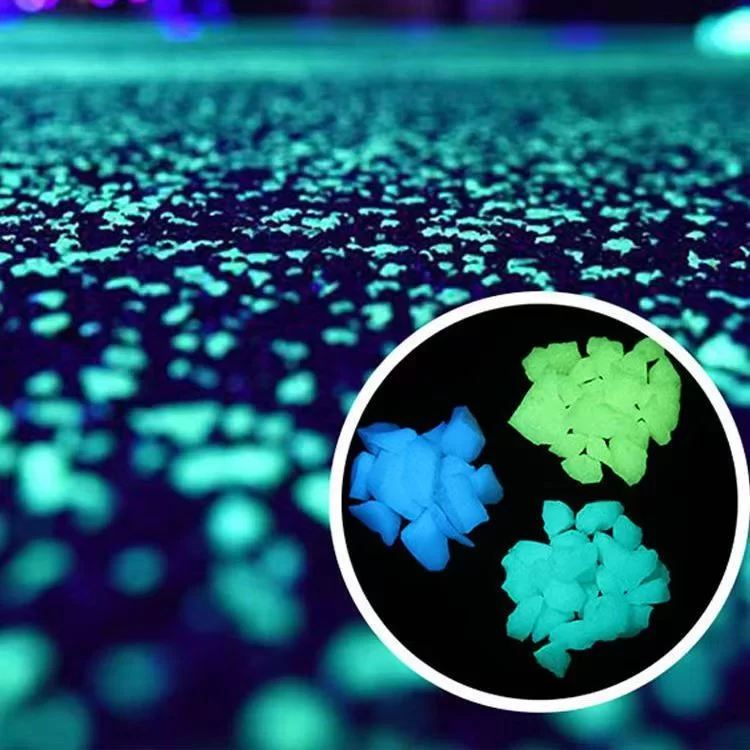
Current trends are shifting toward highly personalized environments where the aggregate becomes a storyteller. The integration of non-traditional materials, such as recycled glass or luminous materials, is expanding the creative boundaries of what mineral-based surfaces can achieve.
Technological advancements in grinding and polishing have also enabled the creation of more complex patterns and mirror-like finishes. This has led to a resurgence of terrazzo in high-end residential furniture and luxury retail spaces.
As digital fabrication and 3D modeling become more prevalent, the ability to pre-visualize the distribution of aggregates allows for a level of precision in design that was previously impossible, bridging the gap between architecture and fine art.
Material Specifications and Grading Standards
The effectiveness of any installation depends on the morphological characteristics of the stone. Our gravel stone is made from natural loose granules, ensuring a pure, non-adhesive composition that interacts predictably with different binding agents.
Surface texture is a critical factor; the rough and loose nature of the crushed stone provides the necessary mechanical bond for cement or epoxy resins. This ensures that the aggregate remains locked in place even under extreme pressure.
To accommodate various design needs, a strict range of sizes is maintained, from fine 2-3mm particles to larger 3-5cm chunks. This grading allows for everything from smooth, sand-like finishes to bold, chunky textures.
Quartz Sand and Gravel Grading Analysis
| Grain Size |
Texture Profile |
Primary Application |
Durability Score |
| 2-3mm |
Fine / Smooth |
Countertops & Sinks |
9/10 |
| 3-5mm |
Medium-Fine |
Residential Flooring |
8/10 |
| 5-8mm |
Medium |
Commercial Hallways |
10/10 |
| 8-12mm |
Coarse |
Industrial Floors |
10/10 |
| 1-2cm |
Bold / Chunky |
Outdoor Walkways |
9/10 |
| 3-5cm |
Large Aggregate |
Decorative Landscaping |
7/10 |
FAQS
In interior design, quartz sand and crushed stone are primarily used as aggregates for terrazzo flooring, kitchen countertops, and decorative wall panels. They provide a durable, seamless finish that can be customized in various colors and textures to suit both modern and classic aesthetics.
Terrazzo is generally more durable than traditional tiles because it is a seamless system without grout lines, which are typically the weakest points in a tiled floor. Its high resistance to impact and wear makes it ideal for high-traffic commercial areas like airports and hospitals.
Yes, one of the greatest advantages of using crushed stone is full customization. You can choose from a wide array of natural colors, select specific grain sizes, and even embed materials like shells or metal sheets to create unique, artistic patterns.
Cement-based terrazzo uses a traditional mortar mix and is known for its timeless look and extreme longevity. Epoxy terrazzo uses a resin binder, which allows for a wider range of colors, a faster installation process, and a non-porous surface that is easier to clean.
Pervious exposed aggregate is excellent for areas where stormwater management is a priority, such as driveways and parking lots. However, the base layer must be properly prepared to ensure stability and effective drainage according to the specific site conditions.
Maintenance is relatively simple: regular sweeping and occasional mopping with a pH-neutral cleaner are usually sufficient. For high-traffic areas, periodic polishing can restore the original luster and ensure the surface remains wear-resistant.
Conclusion
The versatility of mineral aggregates, particularly through the diverse range of quartz sand uses, has transformed the way we approach architectural surfacing. By combining natural durability with endless customization options, these materials provide a sustainable and aesthetically superior alternative to traditional flooring and cladding.
Looking forward, the integration of eco-friendly binders and smart material grading will continue to push the boundaries of terrazzo and stone design. We encourage architects and designers to explore the potential of these aggregates to create spaces that are not only beautiful but built to last for generations. Visit our website: www.cnfloormaterials.com