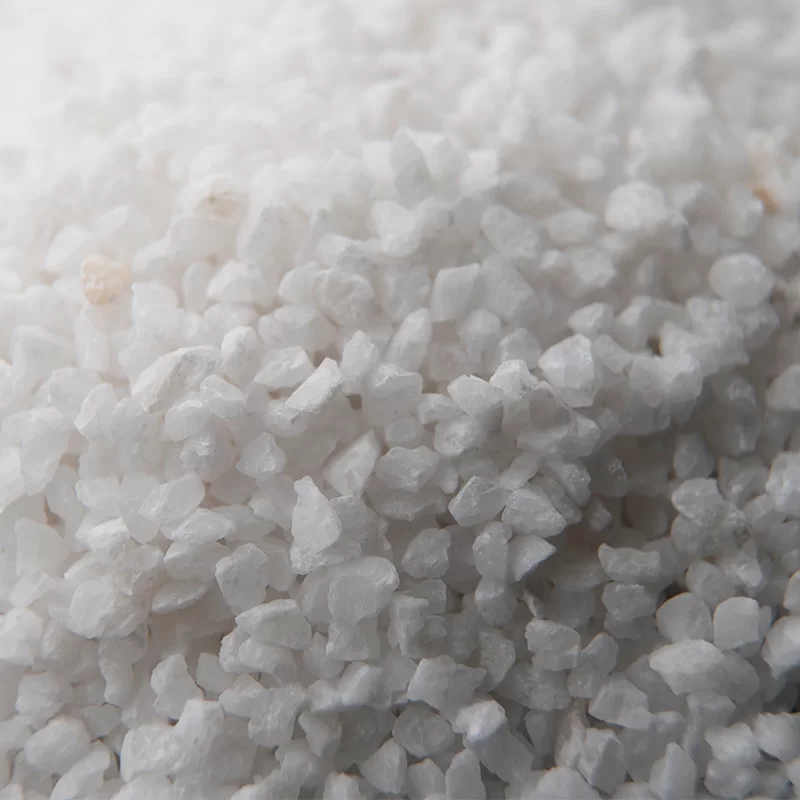
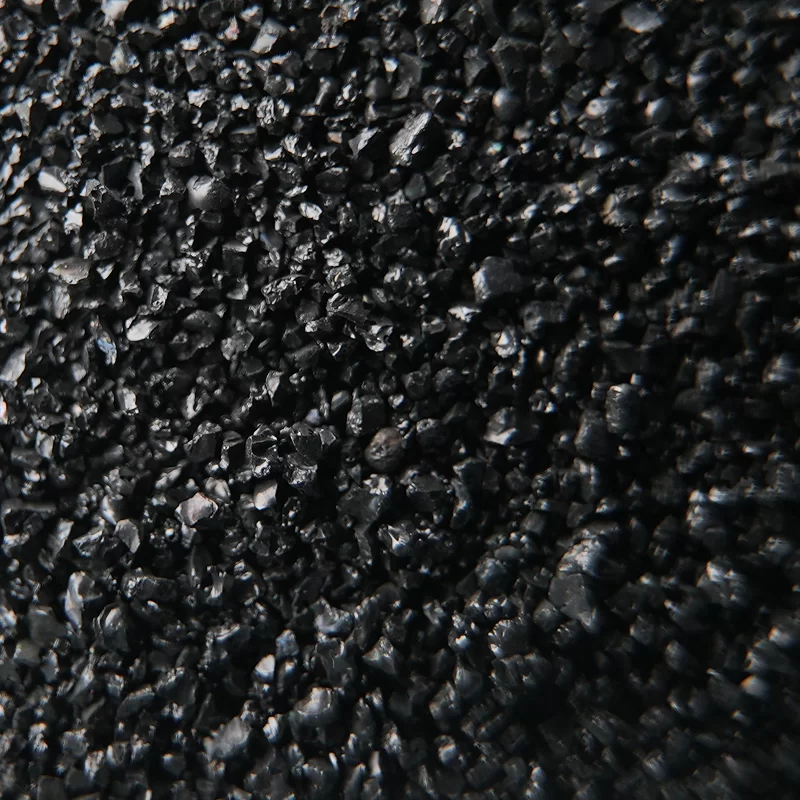
Finding high-quality sand for sale is more than a simple procurement task; it is a strategic decision that impacts the structural integrity of construction projects and the aesthetic quality of architectural designs. From the foundational layers of urban skyscrapers to the refined textures of decorative epoxy flooring, the type of aggregate chosen determines the longevity and performance of the end product.
In the global industrial landscape, the demand for specialized mineral aggregates has surged, shifting the focus from raw extraction to precision-engineered materials. Whether you are seeking industrial-grade quartz sand for filtration or decorative colored sand for artistic installations, understanding the mineralogical composition and grain size distribution is essential for optimizing material efficiency and reducing waste.
This comprehensive guide explores the diverse ecosystem of sand for sale, detailing the technical specifications of different mineral types and their specific applications in modern industry. By bridging the gap between raw mining parameters and commercial application, we aim to provide professionals with the insights needed to select the perfect aggregate for any project scope.

Global Market Dynamics of Sand for Sale
The global trade of mineral aggregates has evolved into a complex network where quality and sustainability are the primary drivers. With the rapid urbanization of Asia and Africa, the demand for sand for sale has reached unprecedented levels, prompting a shift toward more regulated and ethically sourced deposits. According to industry trends aligned with ISO standards, there is a growing emphasis on the "circular economy," where recycled aggregates are beginning to complement virgin sand.
However, the challenge remains in the inconsistency of raw materials. Many buyers struggle with varying silt contents and impurity levels that can compromise the strength of concrete or the clarity of glass. This has led to the rise of professional suppliers who offer processed, graded, and certified sands, ensuring that industrial users receive a consistent product that meets stringent engineering requirements.
Defining Quality Standards for Industrial Sand
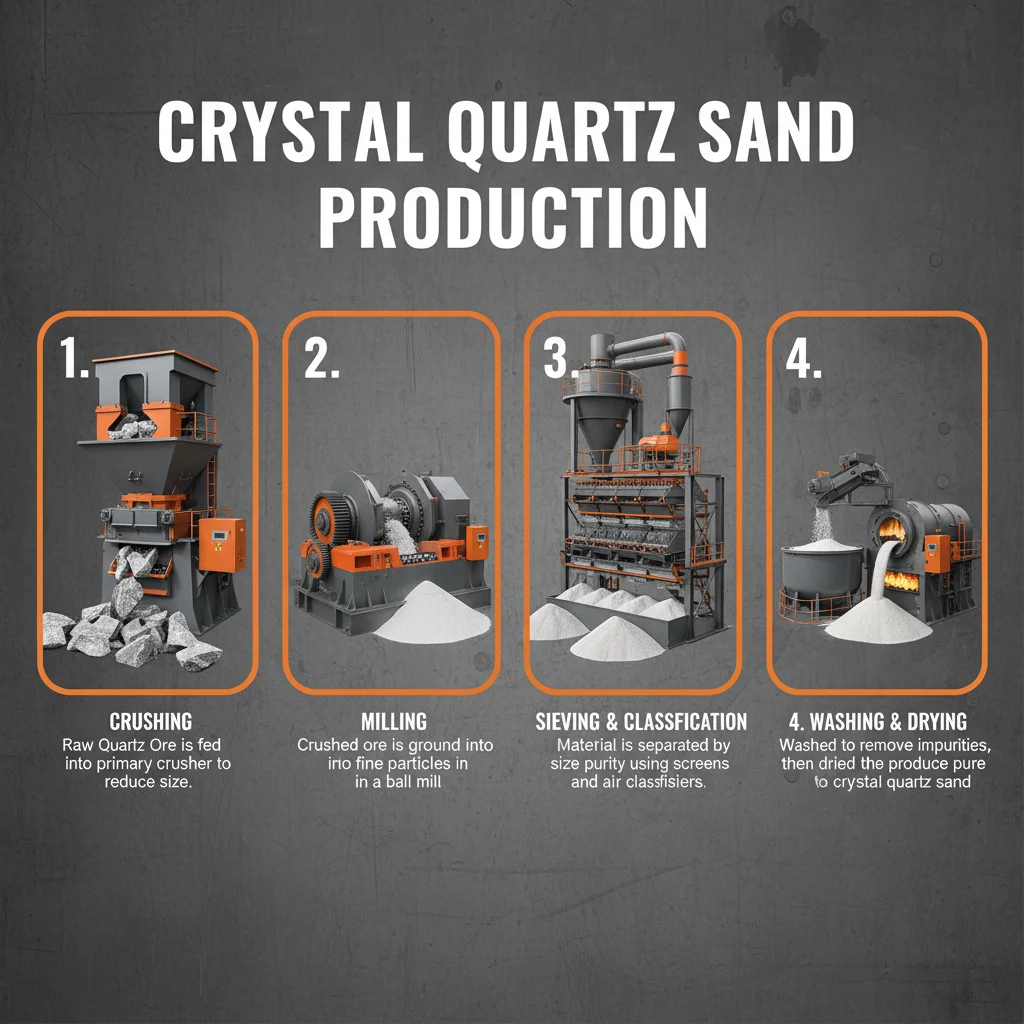
When searching for sand for sale, it is critical to distinguish between "natural sand" and "industrial-grade aggregate." Natural sand, while abundant, often contains organic impurities and salts that can lead to corrosion in reinforced concrete or discoloration in decorative finishes. Industrial sand, conversely, undergoes a series of washing, screening, and sometimes chemical treatments to ensure a high purity level.
The meaning of "quality" varies by application. For those in the construction sector, quality refers to the angularity of the grains, which provides the mechanical interlock necessary for high compressive strength. For those in the specialty chemical or flooring industry, quality is measured by the uniformity of the particle size distribution (PSD) and the vibrancy of the pigments used in colored sands.
Ultimately, the value of any mineral aggregate lies in its suitability for the intended purpose. A product that is perfect for a beach replenishment project would be disastrous for an epoxy flooring system. Therefore, technical data sheets (TDS) and Material Safety Data Sheets (MSDS) have become the gold standard for verifying the properties of any sand for sale.
Core Components of High-Performance Aggregates
The durability of a finished structure is often rooted in the chemical stability of the sand for sale used during the mixing phase. Silica content is the most critical factor here; high-purity quartz sand ensures that the material does not react negatively with alkaline cement, preventing the dreaded Alkali-Silica Reaction (ASR) that causes cracking over time.
Scalability in procurement depends on the supplier's ability to maintain consistent grain morphology across thousands of tons. Whether it is the fine texture of Emery sand or the coarse grip of decorative gravel, the consistency of the "sieve analysis" ensures that the application process remains uniform, reducing labor costs and material waste.
Cost efficiency is not merely about the lowest price per ton but about the "yield" of the material. High-quality sand for sale with low moisture content and minimal dust prevents the over-consumption of binders (like epoxy or cement), thereby lowering the total project cost and improving the overall ROI for the contractor.
Comparative Analysis of Sand Sourcing Methods
Choosing the right procurement channel for sand for sale often involves a trade-off between cost, purity, and environmental impact. Direct quarry sourcing offers the lowest price but often lacks the refined grading required for specialty applications. In contrast, processed mineral suppliers provide a "value-added" product that is ready for immediate industrial use.
To better understand the performance metrics, we can analyze the efficiency of different sand types based on their versatility, purity, and cost-effectiveness across various industrial sectors.
Performance Metrics for Various Sand for Sale Categories
Global Applications in Modern Infrastructure
The versatility of sand for sale extends far beyond basic concrete. In the realm of high-end architecture, decorative colored sands and luminous materials are used to create visually stunning floors and facades that are both durable and artistic. These materials are particularly prevalent in luxury hotel lobbies and public plazas in urban centers like Dubai and Singapore.
In industrial zones, specialized sands are used for critical filtration systems and abrasive blasting. For instance, in oil and gas refineries, high-purity quartz sand is indispensable for water filtration to prevent equipment corrosion. Similarly, emery sand is the preferred choice for heavy-duty surface preparation in shipbuilding and aerospace engineering due to its extreme hardness.
Long-Term Value and Sustainable Sourcing
Investing in premium sand for sale provides long-term value through reduced maintenance costs. When a project uses low-grade sand with high impurities, the risk of efflorescence (white salty deposits) and structural cracking increases significantly. By selecting chemically stable aggregates, developers ensure the longevity of the asset and maintain the property's market value.
Beyond the financial aspect, sustainability has become a non-negotiable requirement. Responsible sourcing prevents the ecological destruction of riverbeds and coastal areas. Many forward-thinking companies are now opting for "manufactured sand" (M-Sand), which is produced by crushing hard granite stone, providing a sustainable alternative to river sand without compromising on mechanical properties.
The emotional value of using high-quality materials also manifests as "trust." Clients feel more secure knowing that the invisible components of their building—the sand and aggregates—meet international safety and quality standards, fostering a relationship of transparency between the contractor and the end-user.
Future Innovations in Mineral Aggregates
The future of sand for sale is being shaped by the integration of nanotechnology and smart materials. We are seeing the emergence of "functionalized sands" that can absorb CO2 from the atmosphere or change color based on temperature shifts, offering new possibilities for "green" buildings and interactive architectural surfaces.
Digital transformation is also optimizing the supply chain. AI-driven sorting technology can now analyze the grain shape and mineral composition of sand in real-time, allowing suppliers to offer hyper-specific blends tailored to a client's exact chemical requirements. This precision reduces material waste and optimizes the strength-to-weight ratio of new construction materials.
As we move toward a more eco-conscious era, the focus will shift toward the complete recyclability of mineral products. The development of advanced binders that allow colored sands and epoxy flakes to be reclaimed and reused will redefine the lifecycle of decorative flooring, making the industry not only profitable but truly sustainable.
Analysis of Material Performance and Application Suitability
| Material Type | Primary Application | Durability Rating | Eco-Impact Score |
|---|
| Quartz Sand | Glass & Filtration | 10/10 | 7/10 |
| Colored Sand | Decorative Flooring | 8/10 | 6/10 |
| Emery Sand | Abrasive Blasting | 9/10 | 5/10 |
| M-Sand | Concrete Production | 9/10 | 9/10 |
| Luminous Sand | Safety Markings | 7/10 | 7/10 |
| Decorative Gravel | Landscaping | 10/10 | 8/10 |
FAQS
Choosing the right grain size depends on the desired finish and structural needs. For structural concrete, a balanced distribution of medium to coarse grains is ideal for strength. For decorative epoxy floors, finer, uniform grains (typically 0.1mm to 0.5mm) are used to ensure a smooth, seamless appearance. We recommend requesting a sieve analysis report from your supplier to verify the particle size distribution before purchase.
Yes, as long as the sand is sourced from a reputable supplier using non-toxic, industrial-grade pigments. High-quality colored sands are chemically inert and do not release harmful VOCs. To ensure safety, check if the product complies with REACH or RoHS standards, especially if it will be used in areas with high foot traffic or in homes with children and pets.
In most commercial contexts, these terms are used interchangeably because quartz is the mineral form of silica (SiO2). However, "silica sand" is a broader term that can include various grades of purity. "Quartz sand" usually implies a higher level of purity and a more crystalline structure, making it more suitable for high-end glass manufacturing or precision filtration systems.
Not all sands are suitable for blasting. Standard construction sand is too soft and contains too much dust, which can be hazardous (silicosis risk) and ineffective. Emery sand is specifically engineered for its hardness and angularity, allowing it to strip paint and rust efficiently. For professional blasting, always use certified abrasive media to ensure safety and performance.
Moisture content significantly affects the water-to-cement ratio. If the sand is too wet, it adds unplanned water to the mix, which can weaken the final concrete and increase shrinkage cracks. Professional suppliers offer "dry-screened" sand or provide the moisture percentage so that engineers can adjust the mix design accordingly to maintain structural integrity.
Look for certifications such as ISO 14001 (Environmental Management) or labels indicating the sand is "Manufactured" (M-Sand) rather than dredged from riverbeds. Sourcing from companies that practice land reclamation and follow strict environmental impact assessments ensures that your project contributes to sustainable development and avoids the ecological damage associated with illegal sand mining.
Conclusion
Selecting the right sand for sale is a fundamental step that bridges the gap between architectural vision and structural reality. From the high-purity demands of industrial filtration to the aesthetic precision of decorative flooring, the quality of the aggregate directly influences the durability, safety, and visual appeal of the end product. By prioritizing mineral purity, grain consistency, and sustainable sourcing, professionals can ensure that their projects are built to last while minimizing environmental impact.
As the industry evolves toward smarter, greener materials, the importance of partnering with expert suppliers will only grow. We encourage engineers, architects, and contractors to look beyond the price tag and evaluate the technical specifications of their mineral aggregates. Embracing innovation—such as recycled M-Sand and functionalized minerals—will define the next generation of sustainable infrastructure. For premium, certified mineral solutions, visit our website: www.cnfloormaterials.com