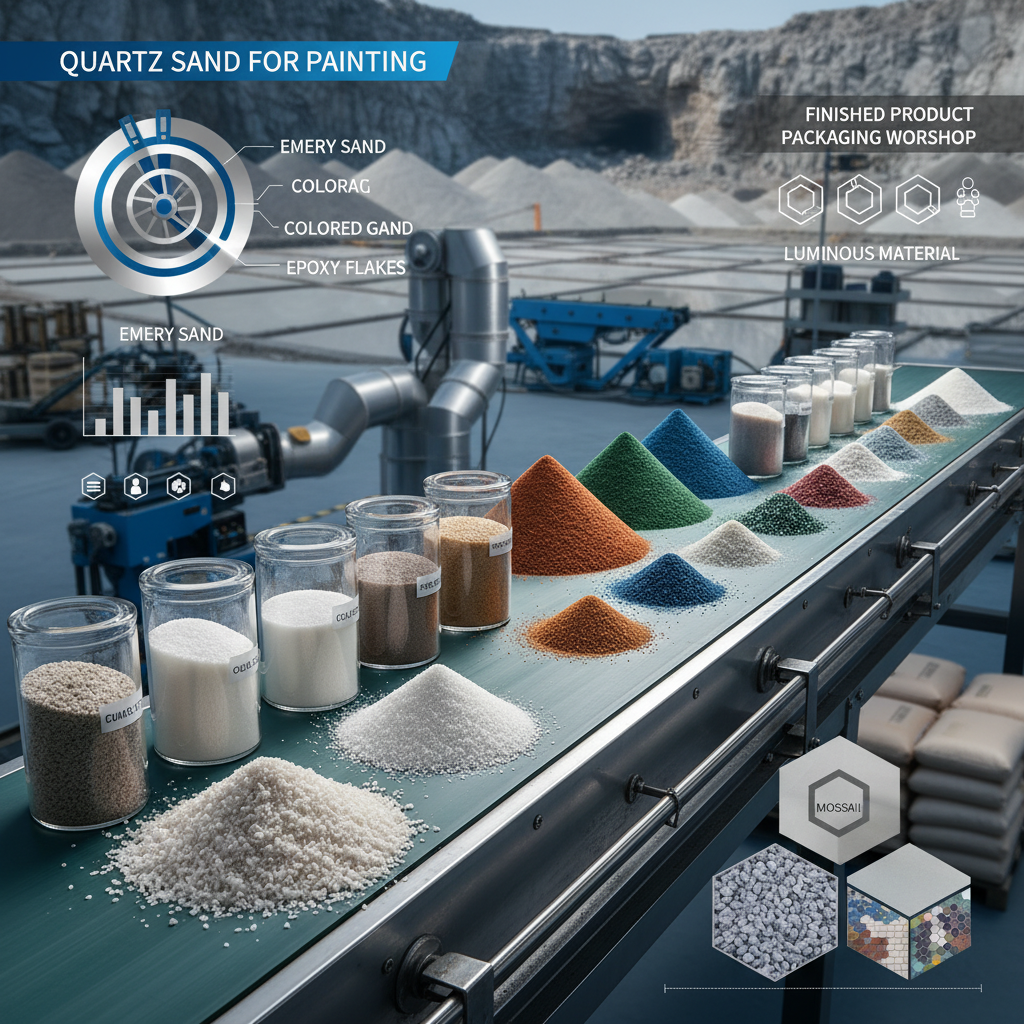
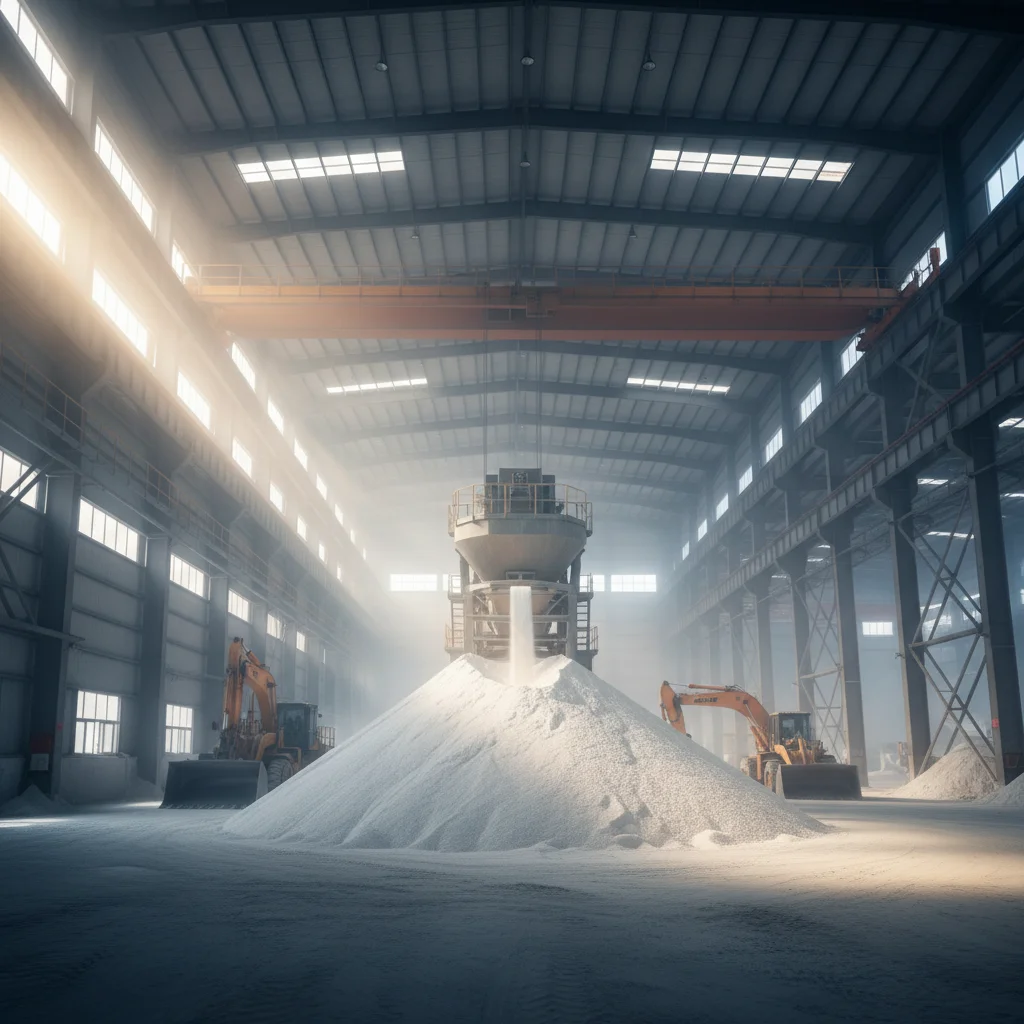
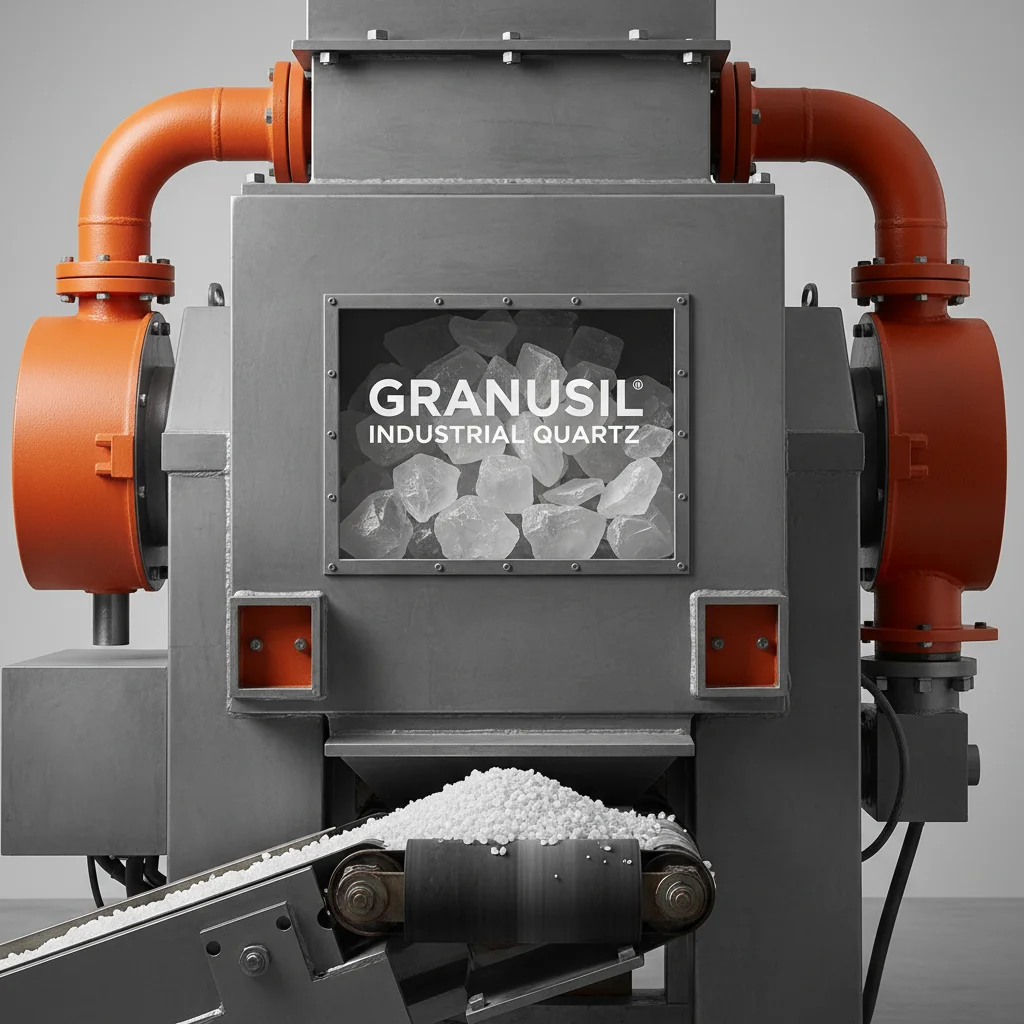
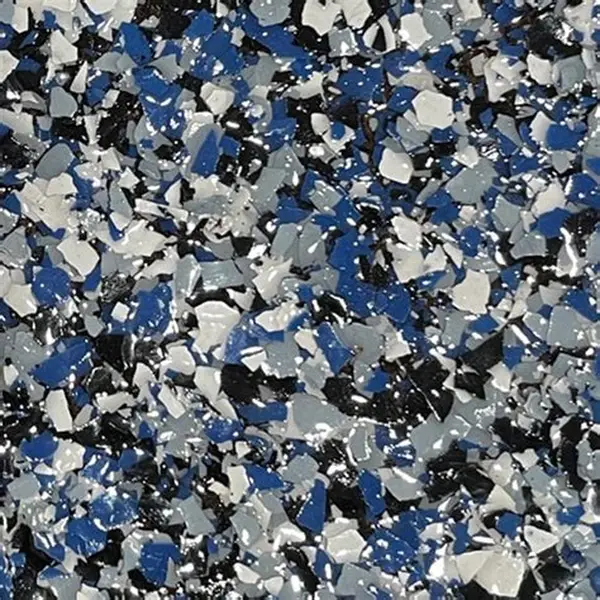
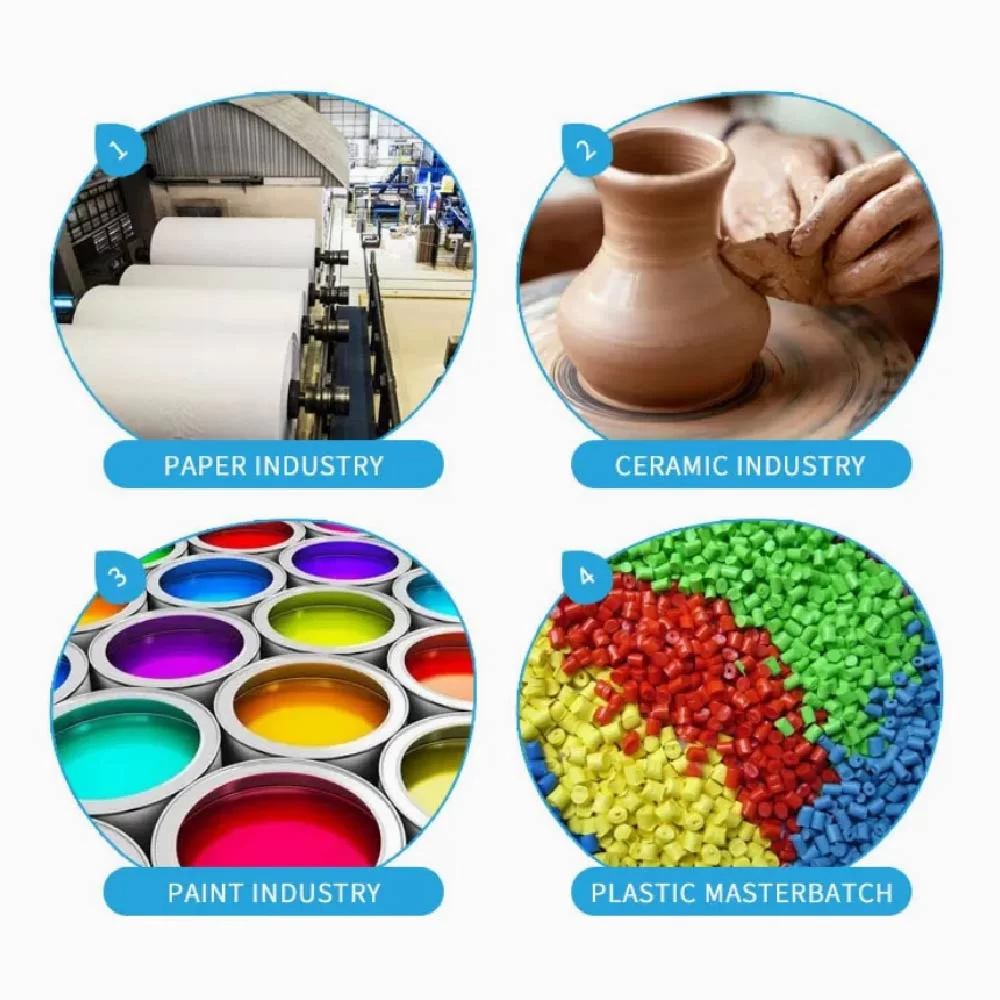
In the world of high-performance architectural coatings and industrial flooring, the selection of aggregates is paramount to the final outcome's durability and aesthetic appeal. quartz sand for painting has emerged as a cornerstone material, providing the necessary structural integrity and texture that pure resins simply cannot achieve on their own. By integrating high-purity silica, professionals can ensure a finish that resists wear while maintaining a sophisticated visual profile.
Globally, the demand for specialized textures in commercial and residential spaces has driven the evolution of silica-based additives. The use of quartz sand for painting is no longer just about slip resistance; it is about creating a synergy between chemical binders and mineral hardness to extend the lifecycle of the surface. Whether it is for an epoxy garage floor or a decorative wall finish, the precision of the sand grain determines the quality of the application.
Understanding the technical nuances of these mineral additives allows contractors and designers to optimize their material costs without sacrificing quality. From grain size distribution to the purity of the silica, every variable affects how the paint adheres and how it weathers over time. This guide delves into the global industry standards and practical applications that make quartz sand for painting an indispensable asset in modern construction.

Global Industry Context of Quartz Sand for Painting
The global construction and chemicals market has seen a significant shift toward high-durability surfacing, with ISO standards increasingly emphasizing the role of mineral fillers in polymer coatings. quartz sand for painting plays a critical role in this transition, as the industry moves away from volatile organic compounds (VOCs) toward more stable, mineral-reinforced systems. In regions like Europe and North America, the integration of high-purity quartz is essential for meeting stringent safety regulations regarding slip resistance in public spaces.
However, the industry faces a recurring challenge: the volatility of raw material purity and the inconsistency of grain sizing. Many projects suffer from "pitting" or uneven wear because the sand used lacks the rigorous grading required for professional paint systems. By standardizing the procurement of quartz sand for painting, the global supply chain is now enabling more predictable outcomes for large-scale infrastructure projects.
Defining Technical Specifications of Painting Sand
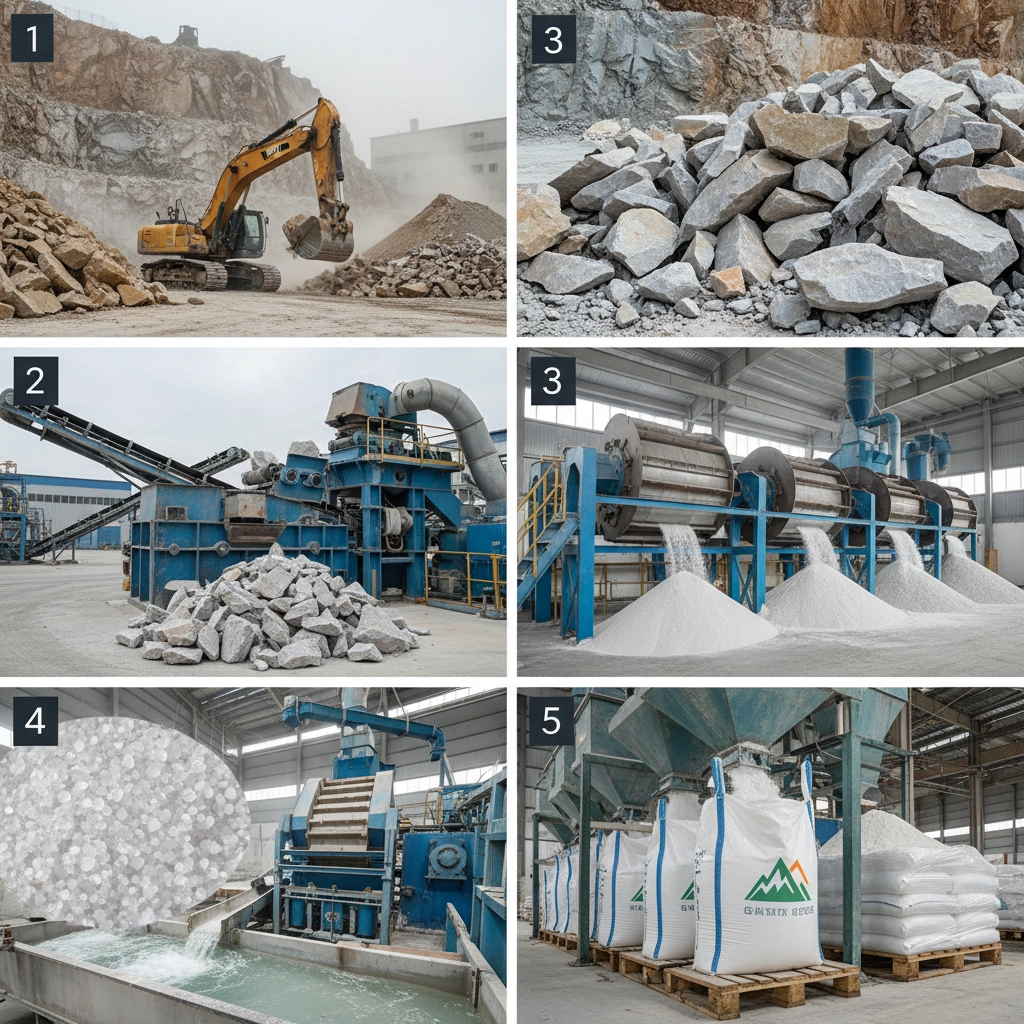
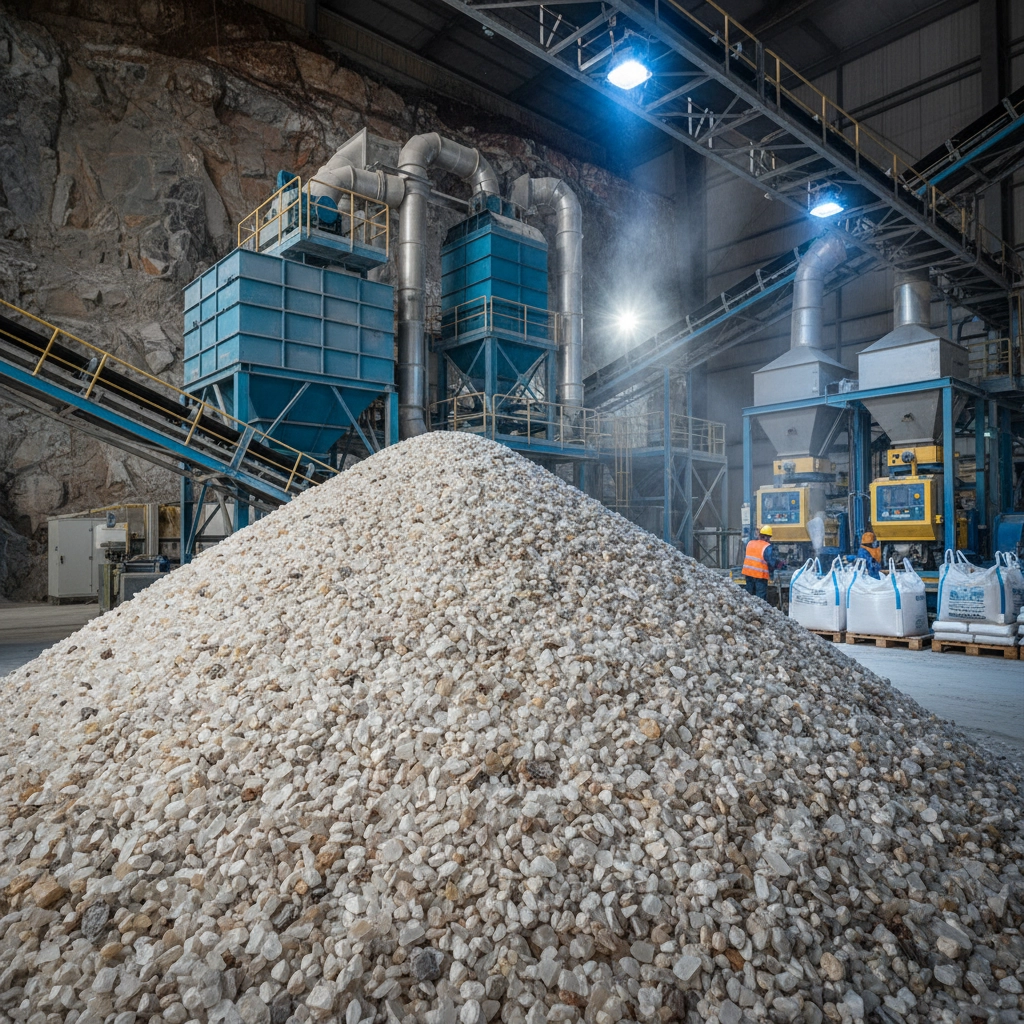
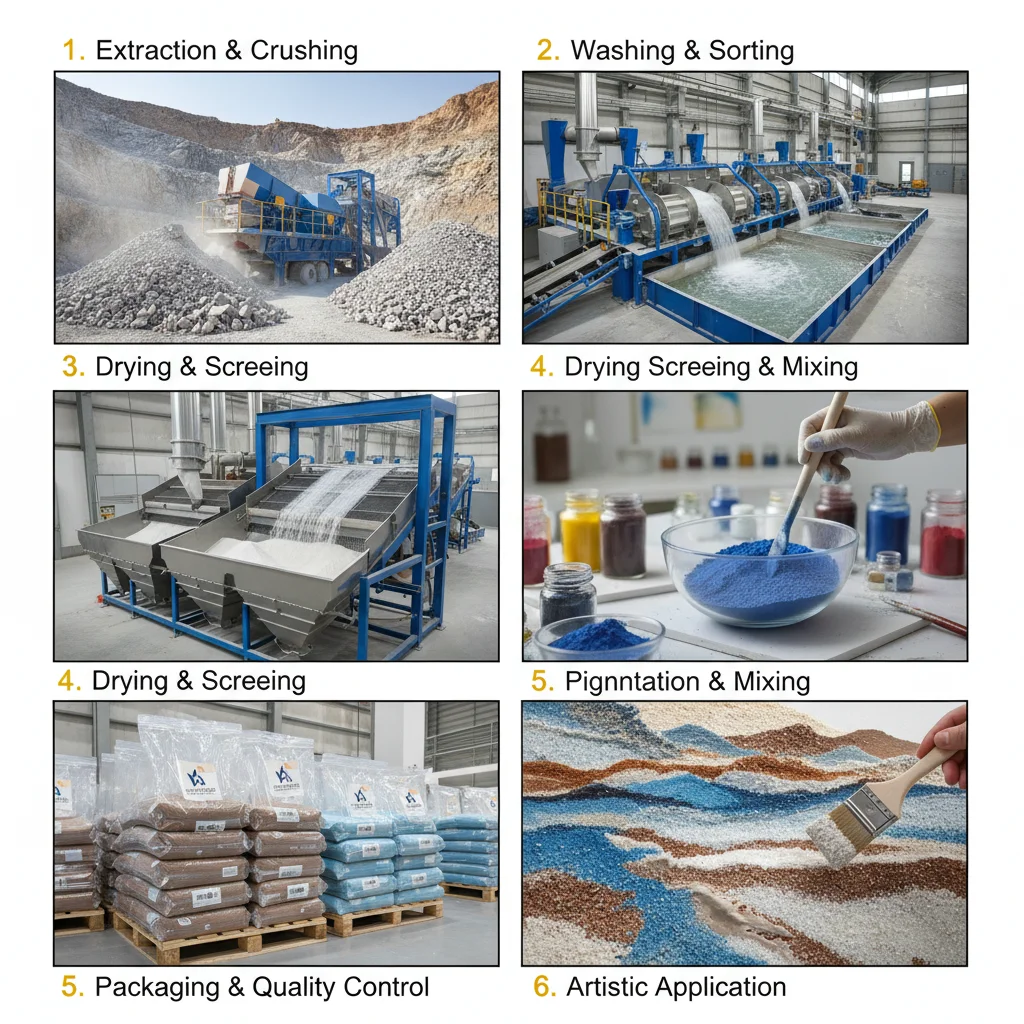
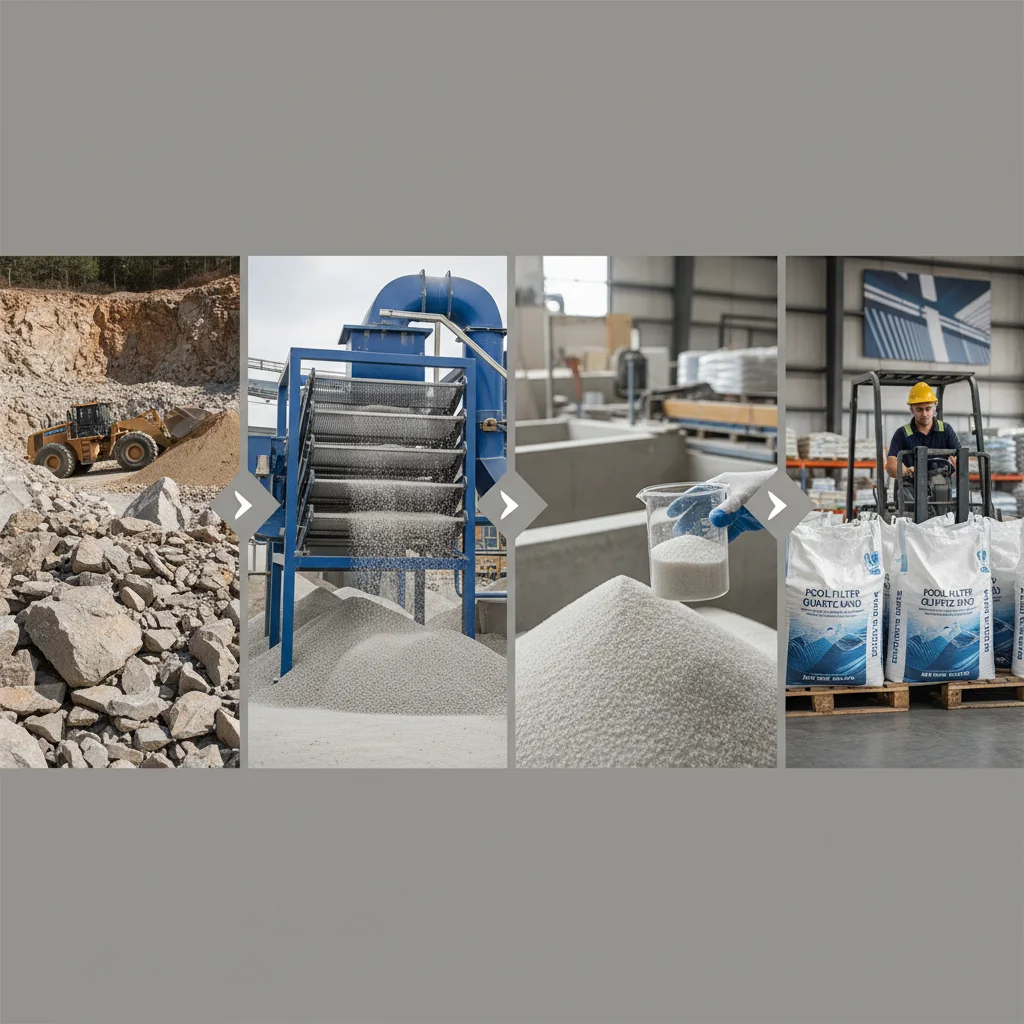
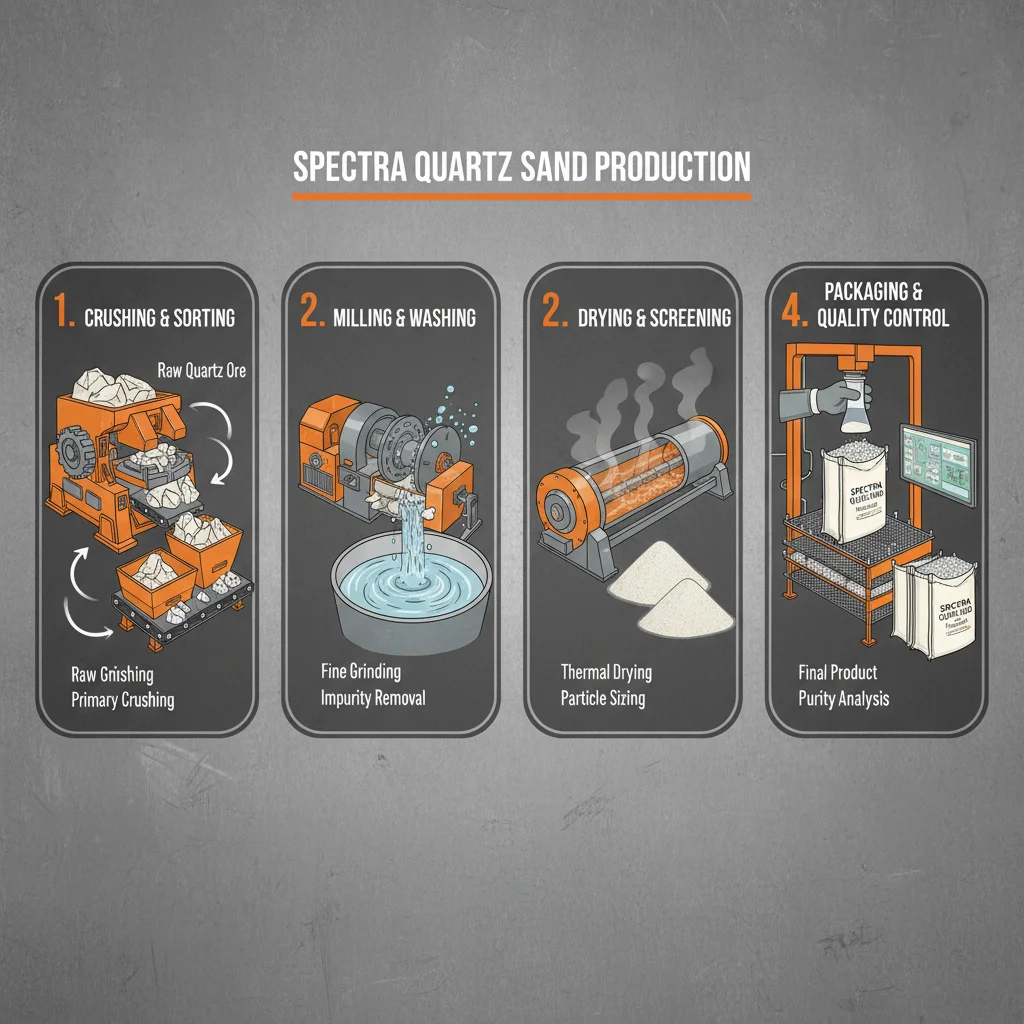
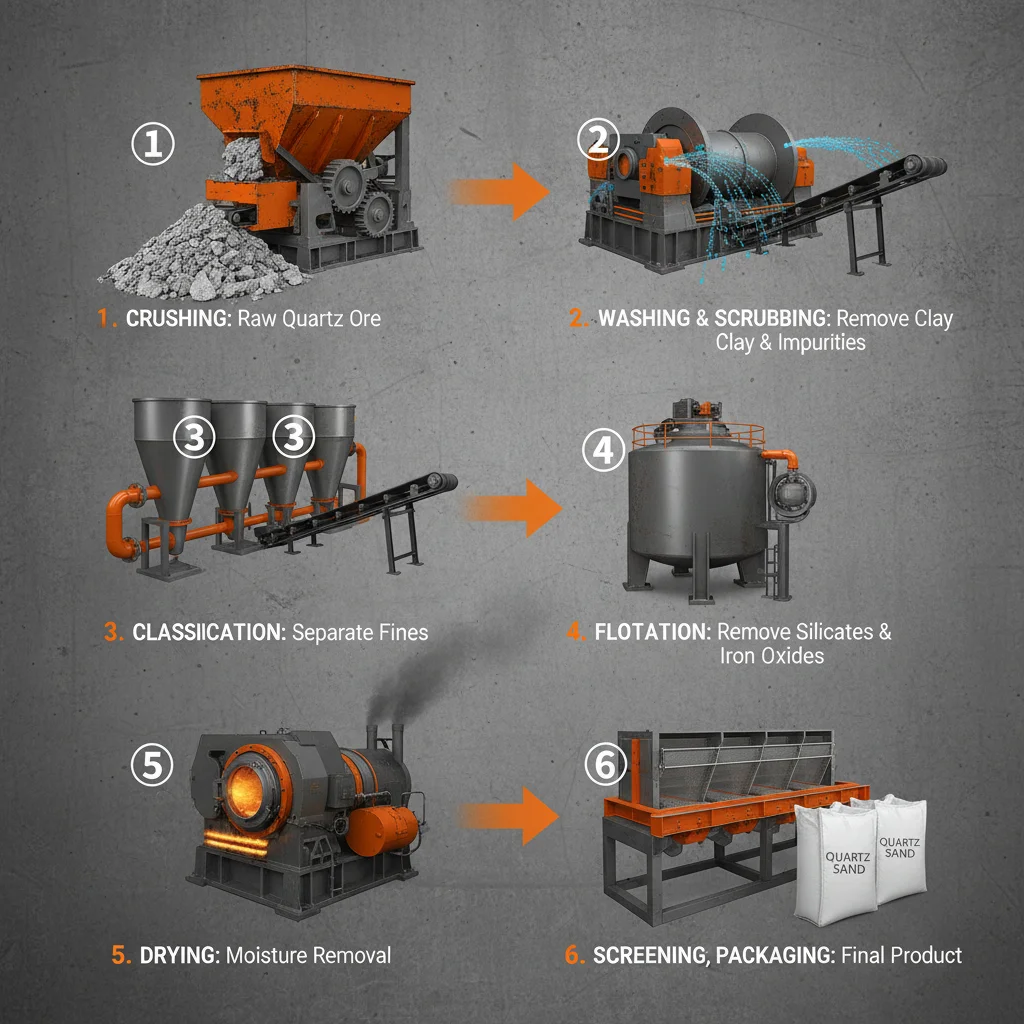
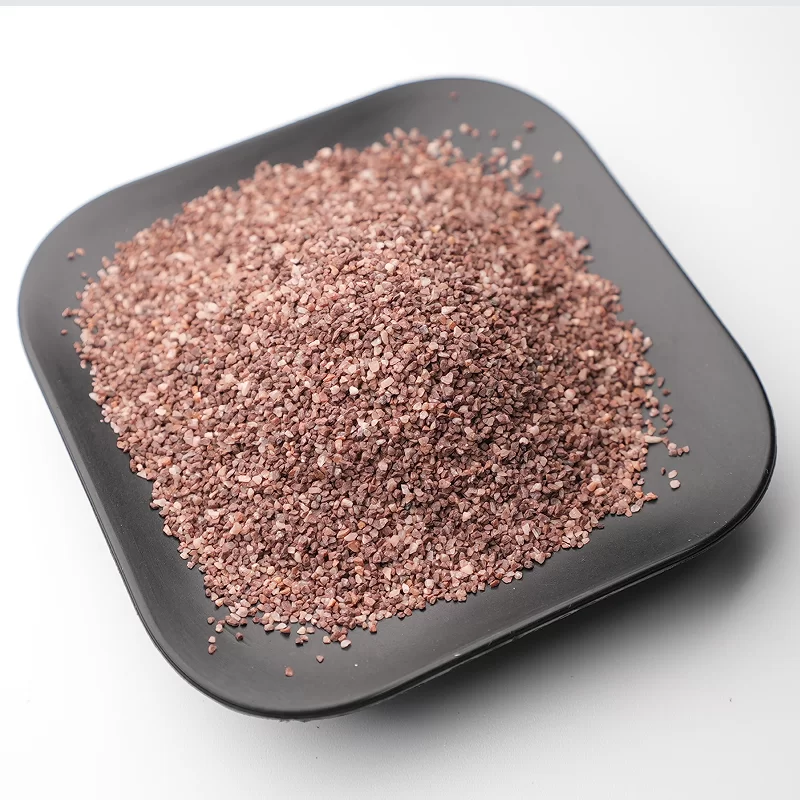
At its core, quartz sand for painting is a highly processed form of silica (SiO2), characterized by its extreme hardness and chemical inertness. Unlike general construction sand, painting sand is washed, dried, and screened to exact micron levels to ensure it blends seamlessly with resins like epoxy, polyurethane, or acrylics. This process removes impurities such as clay and organic matter, which would otherwise compromise the adhesive bond between the paint and the substrate.
The connection to modern industry lies in the pursuit of "functional aesthetics." In humanitarian and urban development projects, such as the rapid renovation of medical facilities or schools, using specialized quartz aggregates ensures that surfaces can withstand heavy foot traffic and rigorous chemical cleaning. This makes quartz sand for painting not just a decorative additive, but a functional necessity for public health and safety.
Furthermore, the grain shape—whether angular or rounded—drastically alters the performance of the final coating. Angular grains provide superior mechanical interlocking with the binder, creating a "rugged" surface ideal for industrial workshops, whereas rounded grains offer a smoother, more refined finish suitable for high-end residential interiors.
Core Components of High-Quality Silica Aggregates
The first critical factor is Chemical Purity. For quartz sand for painting to be effective, the SiO2 content must typically exceed 99%. Any presence of iron oxides can lead to discoloration or "bleeding" through the paint film, which is unacceptable in high-aesthetic commercial projects.
Grading and Particle Size Distribution is the second pillar. The consistency of the mesh size ensures that the quartz sand for painting distributes evenly across the surface. If the particles are too varied, the paint will pool in certain areas, leading to uneven curing and premature peeling.
Finally, Moisture Control is paramount. Since many industrial paints are moisture-sensitive, any residual dampness in the quartz sand for painting can cause bubbling (outgassing) during the drying process. Professional-grade sand is oven-dried to ensure a bone-dry state before it ever touches the resin.
Global Applications and Industrial Use Cases
In real-world contexts, quartz sand for painting is utilized across diverse sectors. In the pharmaceutical industry, it is used in "clean room" flooring to provide a sterile, non-porous surface that resists caustic cleaning agents. Similarly, in remote industrial zones—such as mining camps in Australia or oil rigs in the North Sea—quartz-reinforced coatings protect steel decks from extreme abrasion and corrosive salt spray.
Beyond heavy industry, the architectural world uses these materials for decorative "stucco" and textured wall finishes. In high-traffic urban hubs like Singapore or Dubai, the use of colored quartz sand for painting allows for the creation of visually striking, slip-resistant walkways that can withstand intense UV exposure without fading or cracking.
Performance Comparison of Quartz Sand for Painting Methods
Long-Term Value and Economic Advantages
The primary tangible benefit of using quartz sand for painting is the drastic reduction in maintenance costs over a 10-year lifecycle. By increasing the hardness of the surface, the frequency of re-coating is reduced, which minimizes both material waste and operational downtime for businesses. Logically, the initial investment in high-grade silica is offset by the longevity of the finish.
From an emotional and psychological perspective, the reliability of a quartz-reinforced floor builds trust. In a commercial environment, a surface that doesn't chip or wear down suggests a commitment to quality and safety. This sense of stability is invaluable for brands that want to project professionalism and innovation through their physical infrastructure.
Future Trends in Sustainable Mineral Coatings
The future of quartz sand for painting is inextricably linked to the "Green Building" movement. We are seeing a rise in the use of recycled quartz aggregates and the development of bio-based resins that pair perfectly with mineral fillers. The goal is to create a carbon-neutral coating system that maintains the industrial-strength properties of traditional silica.
Digital transformation is also playing a role. AI-driven grading systems now allow manufacturers to achieve "hyper-consistent" particle sizes, reducing waste during the production of quartz sand for painting. This automation ensures that every batch is identical, removing the guesswork from the application process for contractors.
Furthermore, we are witnessing the integration of "smart" additives. Some new iterations of painting sand are being infused with photocatalytic properties, allowing the surface to actively break down pollutants in the air, transforming a simple floor or wall into an environmental purifier.
Challenges and Expert Solutions in Implementation
Despite its benefits, the most common limitation is "settling" or "stratification," where the quartz sand for painting sinks to the bottom of the paint bucket during storage. To overcome this, experts recommend the use of high-shear mixers and the addition of thixotropic agents to the paint formula, which keep the minerals suspended evenly until the moment of application.
Another challenge is the risk of "pinholing," often caused by air trapped between the sand grains. The professional solution involves a multi-stage application: a primer coat to seal the substrate, followed by a broadcast of quartz sand for painting, and finally a top-coat "lock" layer that encapsulates the grains completely.
Lastly, improper surface preparation remains a leading cause of failure. No matter the quality of the sand, if the substrate is oily or damp, the bond will fail. Using diamond grinding or shot-blasting to create a "profile" on the concrete ensures that the quartz-paint mixture has a mechanical grip to latch onto.
Technical Analysis of Quartz Sand for Painting Performance Dimensions
|
Sand Grade
|
Abrasion Resistance
|
Adhesion Strength
|
Visual Clarity
|
| Fine (0.1-0.3mm) |
Moderate |
Very High |
Smooth/Glassy |
| Medium (0.3-0.6mm) |
High |
High |
Textured |
| Coarse (0.6-1.2mm) |
Extreme |
Moderate |
Rugged |
| Ultra-Pure White |
High |
High |
Crystal Clear |
| Colored Quartz |
Moderate |
High |
Vibrant |
| Recycled Silica |
Moderate |
Moderate |
Varied |
FAQS
For residential garages, a medium grain size (typically 0.3mm to 0.6mm) is recommended. This provides an ideal balance between slip resistance—preventing accidents during wet weather—and ease of cleaning. Finer grains may not provide enough grip, while coarser grains can be too aggressive and difficult to mop.
Absolutely not. Beach sand contains salts, shells, and organic impurities that react chemically with epoxy and polyurethane resins. This leads to poor adhesion, bubbling, and rapid discoloration. Professional quartz sand for painting is washed and dried to ensure maximum chemical compatibility.
Quartz sand itself is inert and does not chemically alter the curing speed of the resin. However, the volume of sand added can affect the "open time" (how long you have to manipulate the paint). A higher concentration of sand can sometimes help stabilize the film and reduce shrinkage during the drying process.
Yes, quartz is a natural mineral. When paired with low-VOC or water-based resins, it creates a highly sustainable flooring solution. Moreover, because it extends the life of the coating, it reduces the overall consumption of synthetic chemicals over the building's lifespan, contributing to a lower environmental footprint.
The best method is to use a mechanical mixer with a high-shear paddle immediately before application. For larger projects, using pre-blended systems or adding specific rheology modifiers to the paint can help maintain a homogeneous mixture, ensuring the quartz is evenly distributed across the entire floor.
While both are hard minerals, emery sand is significantly more abrasive and is typically used for stripping surfaces rather than as a filler in paint. quartz sand for painting is engineered for structural integration and aesthetics, offering a more controlled texture that doesn't compromise the integrity of the paint film.
Conclusion
In summary, quartz sand for painting is far more than a simple additive; it is a critical engineering component that determines the longevity, safety, and visual quality of industrial and decorative coatings. By focusing on chemical purity, precise grain sizing, and proper application techniques, professionals can transform ordinary surfaces into high-performance assets that withstand the test of time and heavy usage.
Looking forward, the integration of sustainable sourcing and smart-mineral technology will continue to push the boundaries of what mineral-reinforced coatings can achieve. For architects and contractors seeking to elevate their projects, investing in premium silica aggregates is the most reliable path to achieving a world-class finish. Visit our website for more professional solutions: www.cnfloormaterials.com