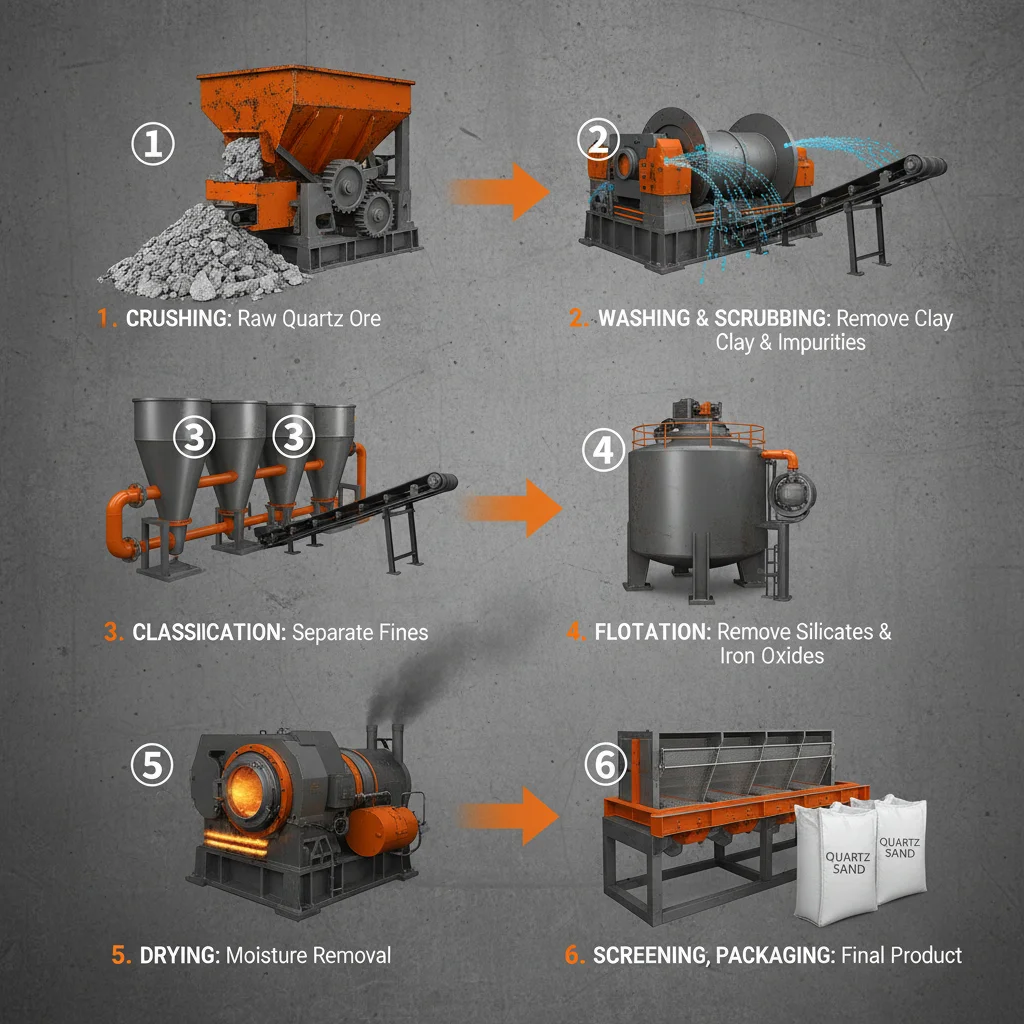
The global construction and decoration industry has seen a significant shift toward materials that balance aesthetic versatility with extreme durability. At the heart of this evolution is the strategic application of mineral-based components, where the specific sand use in the creation of high-end mosaics has redefined interior and exterior design standards. By transforming raw geological materials into refined artistic tiles, the industry now offers solutions that are not only visually stunning but also technically superior.
Understanding the technical nuances of these materials is crucial for architects and homeowners alike. The transition from large-format ceramic tiles to intricate mosaics represents a technological breakthrough, allowing for greater customization and a unique "puzzle effect" that enhances the decorative value of any space. This shift is driven by a demand for materials that can withstand harsh environments while maintaining a sophisticated, elegant appearance.
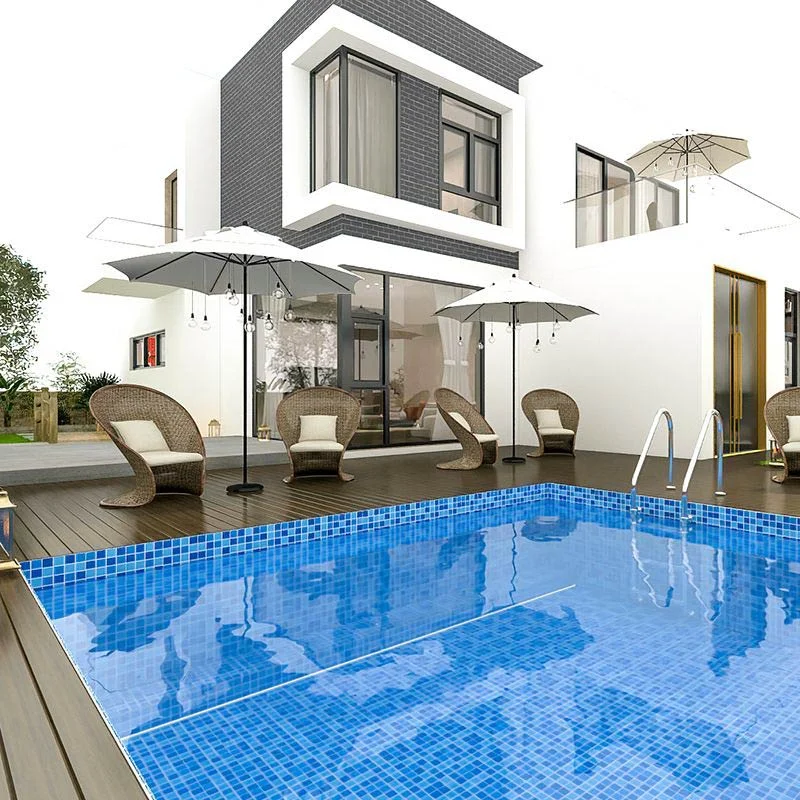
From public swimming pools and high-traffic restaurants to private bathrooms and kitchens, the versatile sand use in producing glass, stone, and ceramic mosaics ensures a product that is radiation-resistant, non-absorbent, and chemically stable. These properties make mosaics an ideal choice for those seeking a long-term investment in both safety and style.

Versatility and Application of Mosaic Materials
Mosaic materials have maintained a timeless popularity across global markets due to their extraordinary adaptability. Whether applied in expansive public areas like luxury restaurants and community swimming pools or within the intimate settings of a modern home, these materials provide a seamless blend of function and fashion. The ability to customize shapes and colors allows designers to tailor the atmosphere of a room precisely to their vision.
Unlike traditional large-scale tiles, the small-sized nature of ceramic mosaics is considered a technological breakthrough. This exquisite scale allows for the creation of intricate patterns and a versatile aesthetic that can fit any architectural style, from classical elegance to ultra-modern minimalism. The result is a decorative surface that is as unique as the space it inhabits.
Technical Performance and Stability
The technical integrity of mosaic tiles is rooted in their superior material composition. These products are engineered to be radiation-resistant and high-temperature resistant, ensuring they remain stable even in extreme thermal environments. Their non-absorbent nature prevents the seepage of liquids, which is critical for maintaining structural integrity in wet areas.
Furthermore, the chemical stability of these materials ensures that they do not react with common cleaning agents or environmental pollutants. This results in a soft color tone and a simple, elegant beauty that does not fade over time. The thermal stability prevents cracking during seasonal temperature fluctuations, providing a reliable surface for decades.
From a regulatory standpoint, these materials are designed to meet strict national standards. Their compressive strength and tensile strength are optimized to handle significant pressure, while their acid resistance ensures they can withstand the harsh chemicals often found in industrial or commercial cleaning protocols.
Durability and Wear Resistance Standards
One of the most significant advantages of choosing high-quality mosaics is their unparalleled longevity. Because many of these tiles utilize natural stone as a primary raw material, the specific sand use and mineral sourcing result in a wear resistance that far surpasses traditional wooden floors or standard ceramic tiles.
Durability is further enhanced by the material's resistance to stains and moisture. In high-humidity environments such as bathrooms or kitchens, the moisture-resistant properties of these tiles prevent mold growth and water damage. This makes the strategic sand use in the manufacturing process a key factor in the product's overall lifespan.
The ability to assemble these tiles into a puzzle-like effect does not compromise their strength. On the contrary, the interlocking nature of a well-installed mosaic surface distributes weight and pressure effectively, reducing the likelihood of individual tile failure and ensuring a permanent, high-performance finish.
Safety and Anti-Slip Performance
Safety is a paramount concern in the design of wet zones. Mosaic tiles offer a distinct advantage over large-format tiles due to the increased number of grout lines created by the small tiles. These lines act as natural friction points, providing significantly better anti-slip performance, which is essential for bath centers and swimming pools.
By integrating high-friction surface textures, these mosaics reduce the risk of accidents in areas where water is constantly present. This combination of practical safety and aesthetic beauty makes them the preferred choice for designers who refuse to compromise on security for the sake of style.
Mosaic Safety Performance based on sand use
Maintenance and Installation Efficiency
One of the most appealing aspects of mosaic tiles is the minimal effort required for their upkeep. Unlike other delicate flooring or wall materials, mosaics require almost no specialized maintenance once installed. A simple cleaning routine using water, mild soap, and a soft cloth is sufficient to keep the surfaces pristine.
This ease of maintenance, combined with the material's inherent resistance to wear and stains, makes mosaics a cost-effective solution for high-traffic commercial environments. The time and resources saved on maintenance allow property managers to focus on other operational priorities without worrying about the degradation of their interior surfaces.
Environmental Friendliness and Natural Sourcing
In an era where environmental consciousness is driving purchasing decisions, the eco-friendly nature of natural mosaics is a significant advantage. Many varieties, including shell, marble, and jade mosaics, are crafted from raw materials that are processed without the introduction of harmful substances. This commitment to natural sourcing ensures that the indoor air quality remains untainted.
The use of sustainable minerals and the reduction of synthetic additives reflect a broader industry move toward "green" architecture. By choosing materials that are biologically inert and derived from the earth, consumers can satisfy their desire for luxury while remaining aligned with environmental protection goals.
Moreover, the long service life of these materials contributes to sustainability by reducing the frequency of replacement. Because natural stone mosaics do not degrade like synthetic polymers or softwoods, they minimize the amount of waste sent to landfills over the life of a building.
Personalization and Creative DIY Potential
Mosaic tiles offer an infinite canvas for creativity, making them a favorite among fashion-forward DIY enthusiasts. Because they are composed of dozens of small pieces that form a larger unit, they allow for a level of personalization that is impossible with standard tiling. From custom color gradients to complex geometric patterns, the design possibilities are endless.
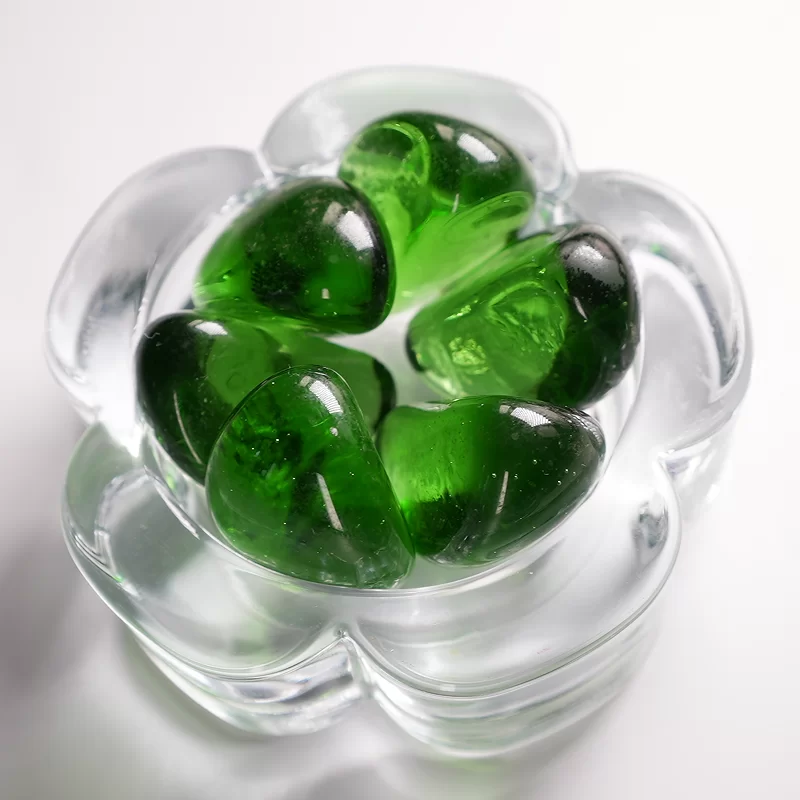
The market now provides a vast array of materials—including porcelain, metal, glass, and crystal—each bringing its own unique texture and light-reflective property to a project. This variety ensures that whether a user is looking for a subtle, organic feel or a bold, futuristic statement, there is a mosaic material that fits the need.
This creative flexibility extends to the "DIY" movement, where individuals can experiment with different patterns to express their own style and inspiration. The result is a living piece of art that transforms a functional wall or floor into a personalized expression of identity.
Analysis of Mosaic Material Characteristics and Applications
| Material Type |
Primary Advantage |
Ideal Application |
Durability Score (1-10) |
| Glass Mosaic |
High Transparency & Color |
Swimming Pools |
8 |
| Marble Mosaic |
Natural Luxury |
Hotel Lobbies |
9 |
| Ceramic Mosaic |
Extreme Versatility |
Kitchen Backsplashes |
8 |
| Stone Mosaic |
Maximum Wear Resistance |
Outdoor Patios |
10 |
| Shell Mosaic |
Organic Iridescence |
Spa Bathrooms |
7 |
| Metal Mosaic |
Modern Industrial Look |
Feature Walls |
7 |
FAQS
Mosaic tiles are superior for bathrooms primarily due to their anti-slip properties. Because they are composed of many small pieces, they create more grout lines, which increase friction and grip on the floor. Additionally, their non-absorbent nature and high moisture resistance make them ideal for humid environments.
Generally, yes. Natural stone mosaics possess a level of wear resistance that is often incomparable to traditional ceramic tiles or wooden floors. Their dense mineral structure allows them to withstand higher levels of foot traffic and abrasion over a longer service life.
No, one of the biggest advantages of mosaic tiles is that they require almost no specialized maintenance. Simple cleaning with water, mild soap, and a cloth is sufficient to remove stains and dirt, making them very low-maintenance compared to porous natural stones or hardwood.
Absolutely. Many mosaic options, such as shell, jade, and marble mosaics, are made from raw natural materials. They do not contain harmful chemical substances during processing, making them an eco-friendly choice for those pursuing a natural and healthy living environment.
Yes, mosaics are highly customizable. Because they are designed as small individual units, they can be assembled into any "puzzle effect" or pattern you desire. This provides immense space for creativity, allowing for fully personalized designs in any room.
Glass mosaics are typically the best choice for swimming pools. They are non-absorbent, chemically stable, and offer vibrant colors that enhance the look of the water. Their anti-slip properties also ensure safety for swimmers in wet areas.
Conclusion
In summary, the strategic sand use and mineral integration in mosaic production have created a product line that perfectly balances aesthetic beauty with industrial-grade performance. From the exceptional anti-slip safety in bathrooms to the long-term wear resistance of natural stone, mosaics provide a sustainable and customizable alternative to traditional flooring. Their ability to combine radiation resistance, thermal stability, and environmental friendliness makes them a superior choice for both public and private spaces.
Looking forward, the trend toward personalized, eco-friendly architecture will only increase the demand for these versatile materials. By embracing the creativity of DIY designs and the reliability of natural minerals, property owners can ensure their spaces are not only beautiful today but durable for generations to come. We encourage you to explore the infinite possibilities of mosaic decoration to elevate your design projects. Visit our website: www.cnfloormaterials.com