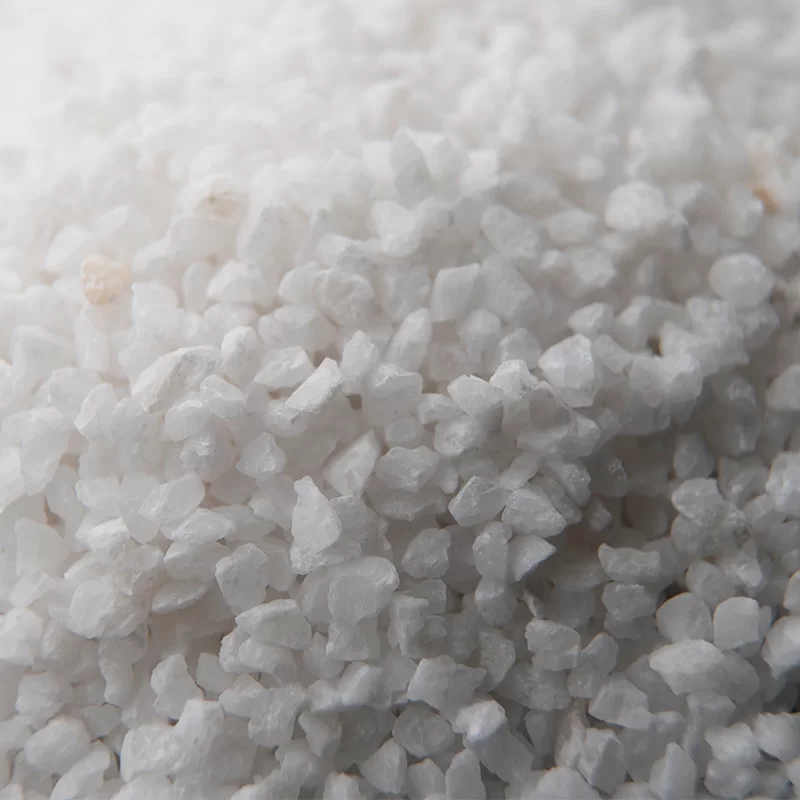
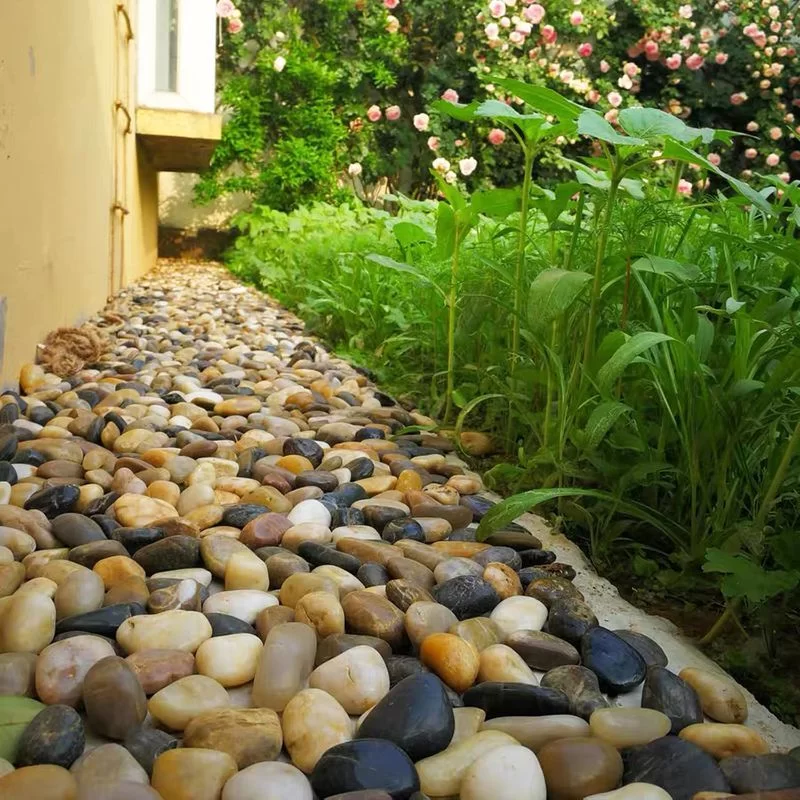
The integration of high-quality mineral fillers into modern landscaping and construction has redefined how we perceive outdoor aesthetics. While many homeowners seek the visual appeal of large decorative pebbles for garden designs, the underlying science of mineralogy—incorporating materials like calcium powder, talc, and kaolin—ensures that these environments are not only beautiful but structurally sound and durable.
From an industrial perspective, the synergy between raw mineral extraction and end-user application is critical. The transition from bulk mining in the non-metallic mineral sector to the refined distribution of decorative elements allows for a sustainable approach to urban greening. Understanding the properties of these minerals helps in choosing the right materials that withstand weathering and maintain their luster over time.
Whether you are a professional landscaper or a DIY enthusiast, incorporating large decorative pebbles for garden projects provides an immediate upgrade to any outdoor space. By combining the raw strength of industrial minerals with the elegance of natural stone, one can create a low-maintenance, high-impact environment that balances ecological health with commercial appeal.

The Industrial Foundation of Decorative Mineral Elements
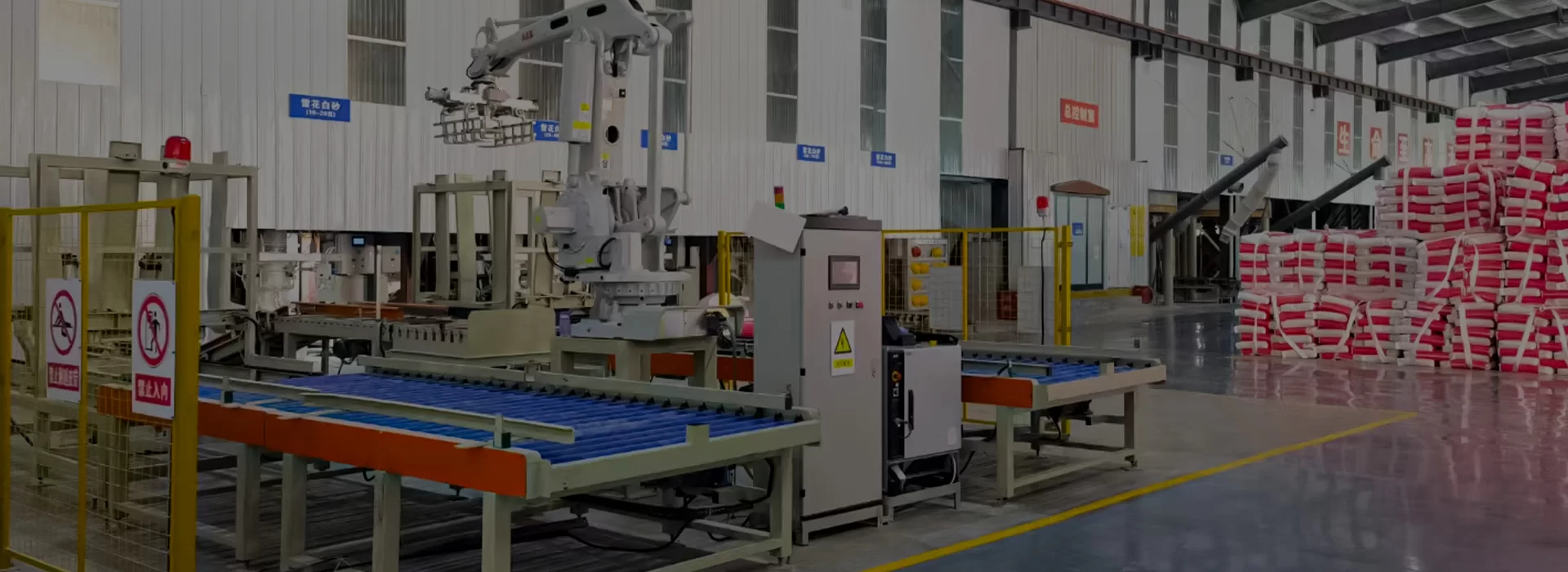
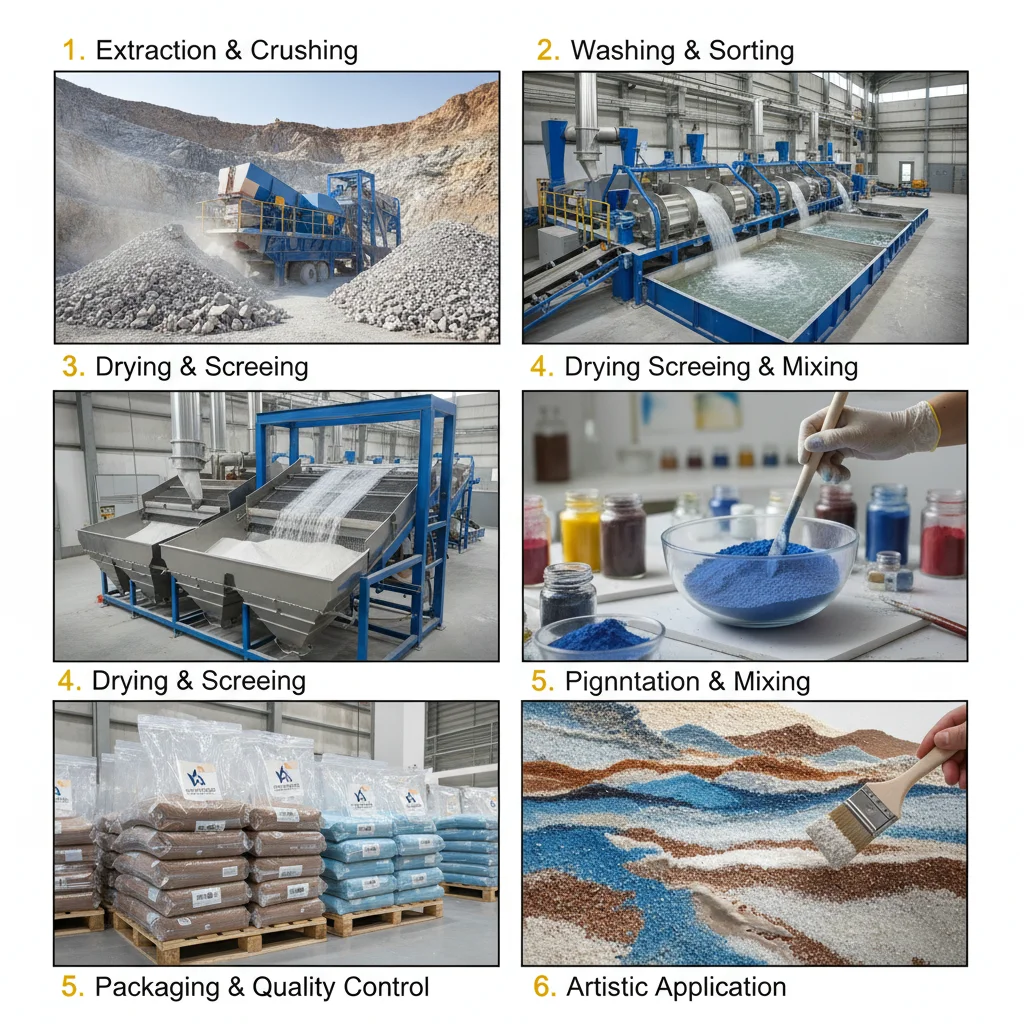
The extraction of non-metallic minerals forms the backbone of the decorative stone and filler industry. By utilizing advanced mining techniques in the clay and sandy stone sectors, producers can provide the raw materials necessary for creating a wide array of textures and colors. This industrial process ensures that every piece of stone or powder meets strict quality standards before it ever reaches a residential landscape.
Integrating these minerals allows for the production of synthetic binders and adhesives that keep decorative elements in place. For instance, the use of calcium powder in cement production creates the stable base required for installing large decorative pebbles for garden paths, ensuring that the aesthetic appeal is matched by a foundation that prevents shifting and erosion.
Core Components of High-Performance Mineral Fillers
Calcium powder serves as an economical and practical filler, essential for the production of cement and concrete. In the context of outdoor design, it acts as a primary filler for tile adhesives and wall putties, providing the necessary sanding properties that allow for a smooth transition between structured walkways and organic garden elements.
Talc powder acts as a performance-enhancing expert, primarily used in the plastics industry to improve stiffness and heat resistance. However, its role as a suspending agent in coatings is what allows the vibrant colors often seen in treated decorative stones to remain stable and resistant to the elements, preventing pigment settling and enhancing overall durability.
Kaolin and Metakaolin represent the high-tech end of the mineral spectrum. While Kaolin is indispensable in ceramics and papermaking due to its plasticity and whiteness, Metakaolin is utilized in high-performance concrete to reduce permeability and inhibit alkali-aggregate reactions, significantly extending the life of the structures that support large decorative pebbles for garden installations.
Defining the Role of Large Decorative Pebbles for Garden
When we discuss large decorative pebbles for garden use, we are referring to more than just aesthetic stones. These are carefully selected mineral aggregates that serve multiple functional purposes, including soil erosion control, weed suppression, and moisture retention for the underlying root systems.
The effectiveness of large decorative pebbles for garden layouts often depends on the purity of the minerals involved. By utilizing fillers like kaolin in the manufacturing of complementary ceramic borders, designers can ensure a cohesive look that blends industrial precision with natural beauty.
Modern landscaping now views these pebbles as a component of a larger "hardscape" system. The integration of Metakaolin-reinforced mortars ensures that the areas where large decorative pebbles for garden paths meet concrete edges remain crack-free and resistant to sulfate attacks from the soil.
Comparative Analysis of Mineral Application Efficiency
Selecting the right mineral filler depends heavily on the desired outcome of the project. For standard residential projects, calcium powder provides the cost-efficiency needed for large-scale filling, whereas high-traffic commercial areas require the reinforcement properties of Metakaolin to ensure the structural integrity of the pebble bed.
To better understand how different mineral components contribute to the overall quality of the installation, we can analyze their performance across key metrics such as durability, cost-effectiveness, and aesthetic stability.
Mineral Performance for Large Decorative Pebbles for Garden Support
Global Applications of Industrial Mineral Powders
Across the globe, from the urban plazas of Tokyo to the residential estates of North America, the use of refined mineral powders is essential for maintaining outdoor environments. In regions with extreme temperature fluctuations, the addition of talc to the protective coatings of large decorative pebbles for garden use prevents the stones from cracking under thermal stress.
Furthermore, in industrial zones where soil contamination is a concern, Metakaolin-enhanced concrete barriers are used to isolate decorative areas from pollutants. This ensures that the aesthetic beauty of a garden does not come at the cost of environmental safety, providing a durable shield that protects both the plants and the decorative aggregates.
Long-Term Value and Sustainability in Landscaping
The long-term value of investing in high-quality minerals for your garden extends beyond simple aesthetics. By utilizing materials that inhibit alkali-aggregate reactions—such as Metakaolin—landscapers can significantly reduce the need for frequent replacements, leading to a more sustainable and cost-effective maintenance cycle.
Moreover, the use of natural colored sands and decorative gravel reduces the reliance on water-intensive lawns. When combined with a strategic layer of large decorative pebbles for garden drainage, these materials create a xeriscaped environment that is resilient to drought and requires minimal chemical intervention.
From an emotional standpoint, a well-designed mineral landscape provides a sense of tranquility and stability. The reliability of the materials ensures that the space remains a sanctuary for years, reflecting a commitment to quality and a deep respect for the natural properties of the earth.
Future Innovations in Mineral Extraction and Design
The future of the non-metallic mining industry is leaning heavily toward automation and green extraction. New methods of processing kaolin and calcium powder are reducing the carbon footprint of production, making the materials used in large decorative pebbles for garden projects more eco-friendly.
Digital transformation is also playing a role, with BIM (Building Information Modeling) allowing architects to simulate the drainage and stability of mineral beds before a single stone is laid. This precision reduces waste and ensures that the interaction between the fillers and the decorative pebbles is optimized for the specific climate of the installation site.
As we move toward smarter cities, the integration of luminous materials and specialized epoxy flakes into decorative gravel will allow gardens to become interactive spaces. The synergy of these advanced materials with traditional large decorative pebbles for garden aesthetics will create a new era of functional, glowing, and sustainable landscapes.
Core Analysis of Mineral Applications in Modern Landscaping
| Mineral Type |
Primary Function |
Durability Score |
Garden Application |
| Calcium Powder |
Economic Filler |
6/10 |
Cement base for pebbles |
| Talc Powder |
Coating Stability |
7/10 |
Color retention in stones |
| Kaolin |
Plasticity & Whiteness |
8/10 |
Ceramic border molding |
| Metakaolin |
High-Performance Reinforcement |
10/10 |
Anti-permeable foundations |
| Colored Sand |
Visual Contrast |
7/10 |
Gap filling between pebbles |
| Quartz Sand |
Structural Grit |
9/10 |
Sub-base stabilization |
FAQS
Metakaolin is a high-tech active powder that significantly reduces the permeability of concrete. For gardens using large decorative pebbles, this means the foundation is much more resistant to chloride and sulfate attacks from the soil, preventing cracks and ensuring the pebbles remain level for a longer period compared to traditional cement.
Yes, talc powder is frequently used in the coatings industry as a suspending agent. Its flake-like structure prevents pigments from settling and improves the storage stability of the paints used to color decorative gravel, ensuring that the vibrant hues of your garden pebbles do not fade quickly under UV exposure.
Calcium powder is considered an economical and practical filler. It is widely available and essential for cement production, making it a cost-effective choice for creating the structural base of garden paths. When sourced from responsible non-metallic mines, it provides a balanced approach to cost and functionality.
Kaolin is a core raw material for ceramics. In garden design, it is used to manufacture the high-quality ceramic tiles or borders that frame large decorative pebbles. Its ability to provide plasticity during molding and mechanical strength after sintering ensures the borders are both beautiful and durable.
Generally, yes. Mineral aggregates like decorative pebbles provide superior drainage and do not decompose like organic mulch. When paired with a quartz sand sub-base, they allow water to permeate the soil more efficiently while preventing the surface from becoming muddy, which is ideal for low-maintenance landscapes.
The best way to prevent shifting is to ensure a stable foundation. Using a mix of calcium powder-based concrete or Metakaolin-reinforced mortar for the edges, and a compacted layer of quartz sand underneath, creates a locked-in structure that keeps your decorative pebbles in place regardless of foot traffic.
Conclusion
The successful implementation of a mineral-based landscape depends on the harmony between aesthetic choice and industrial quality. By understanding the specific roles of calcium powder, talc, kaolin, and Metakaolin, we can transform a simple garden into a high-performance environment. The use of large decorative pebbles for garden design, when supported by the right mineral fillers, ensures a result that is visually stunning, structurally resilient, and environmentally sustainable.
As the industry moves toward greener extraction and smarter design, the potential for innovative outdoor spaces continues to grow. We encourage designers and homeowners to look beyond the surface and consider the mineral science that makes a landscape last. For premium mineral solutions and decorative materials, visit our website: www.cnfloormaterials.com