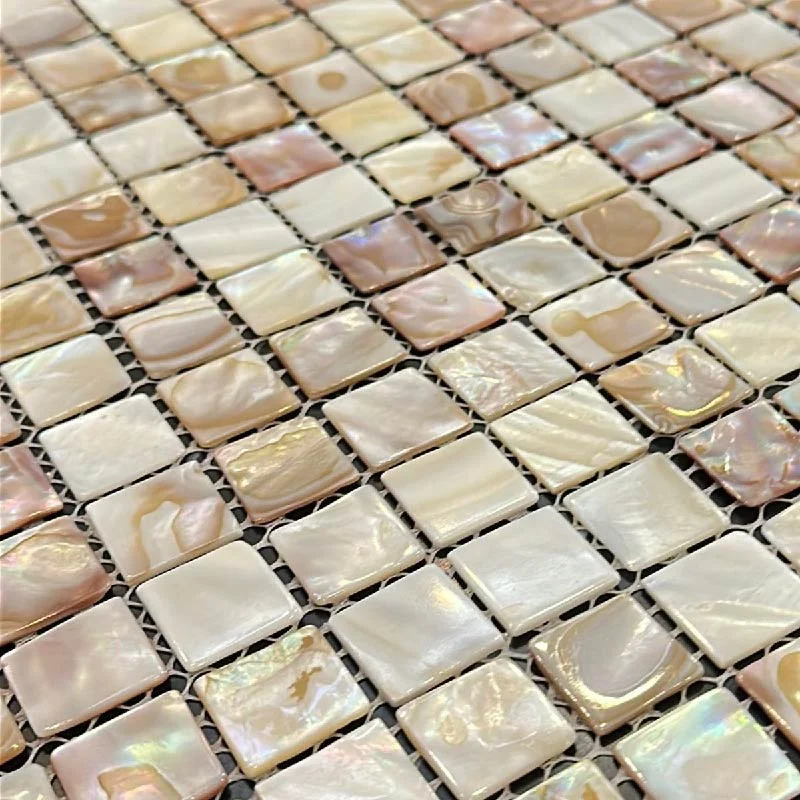
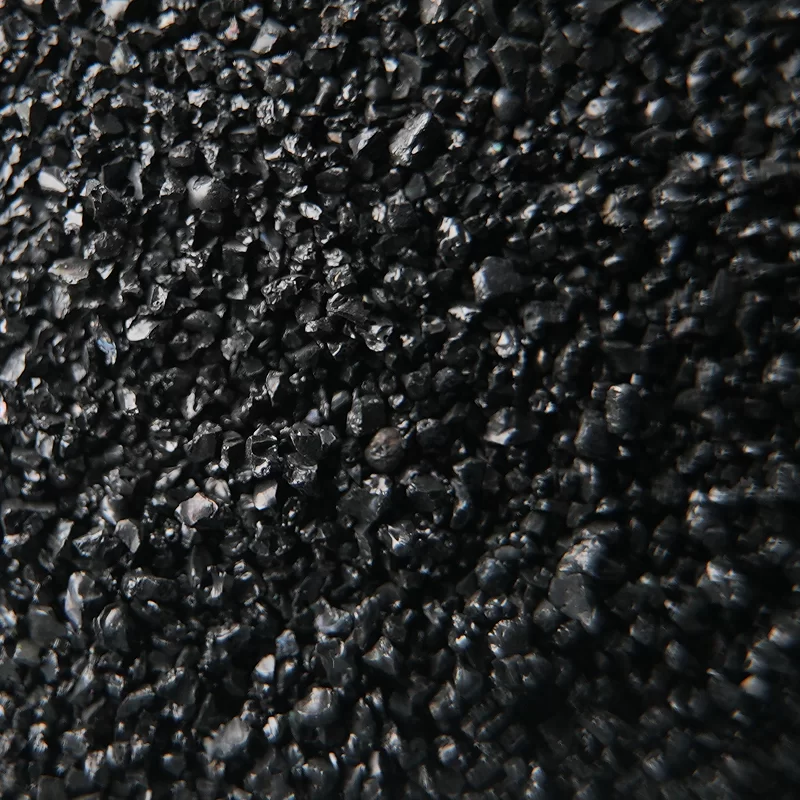
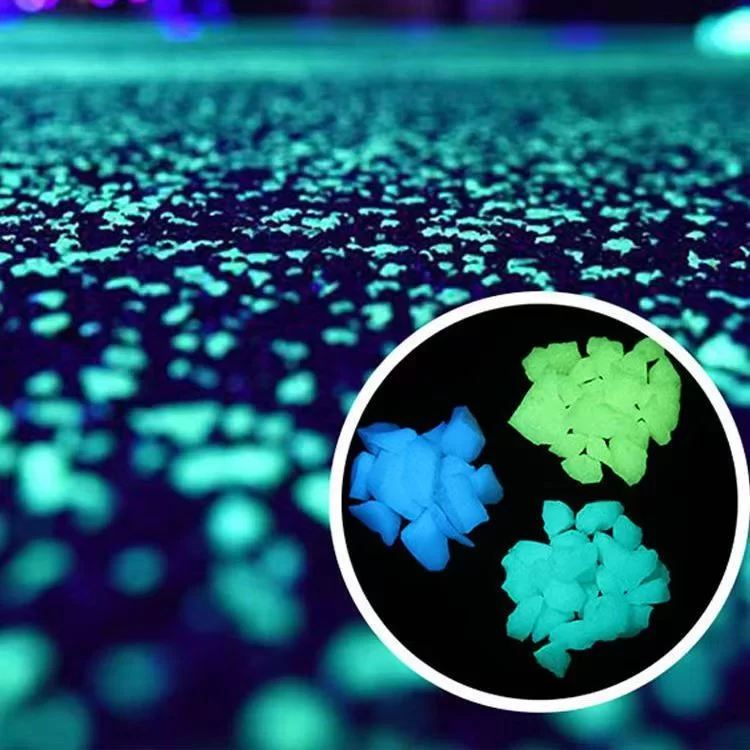
In the specialized world of mineral extraction and construction materials, sand white quartz stands as a cornerstone of both aesthetic design and industrial functionality. Its unique combination of high purity, crystalline hardness, and a brilliant natural white hue makes it indispensable for everything from high-end architectural finishes to precision industrial filtration. Understanding the nuances of this material is key for engineers and designers aiming for longevity and visual brilliance in their projects.
Globally, the demand for high-grade silica resources has surged as urban infrastructure evolves toward more sustainable and visually appealing materials. The ability of sand white quartz to resist chemical weathering and maintain its brightness under extreme conditions provides a competitive edge over synthetic alternatives. As global standards for building materials become more stringent, the reliance on naturally sourced, high-purity quartz sand continues to grow.
However, sourcing consistent, high-brightness quartz is not without its challenges. Variability in mineral composition and the need for precise grain size distribution often complicate the procurement process for large-scale projects. By exploring the technical properties and diverse applications of this material, stakeholders can better leverage its potential to create durable, eco-friendly, and stunning architectural landscapes.

Global Significance of Sand White Quartz
The global market for silica-based minerals is driven by an ever-increasing need for high-purity raw materials in the glass, semiconductor, and construction industries. sand white quartz is particularly valued because it minimizes impurities like iron oxide, which can cause discoloration in final products. This purity is not just an aesthetic preference but a technical requirement for high-performance applications.
From the skyscrapers of Dubai to the precision laboratories of Silicon Valley, the strategic sourcing of white quartz sand ensures that materials remain structurally sound and visually consistent. As ISO standards for building materials evolve, the industry is shifting toward certified, traceable mineral sources to ensure that the environmental and physical properties of the sand meet global benchmarks.
Technical Definition and Material Composition
In simple terms, sand white quartz is a naturally occurring granular form of crystalline silica (SiO2). Unlike common construction sand, white quartz is characterized by its low concentration of metallic contaminants, giving it a bright, reflective appearance and a high degree of chemical stability. This makes it a primary choice for specialized epoxy fillers and decorative coatings.
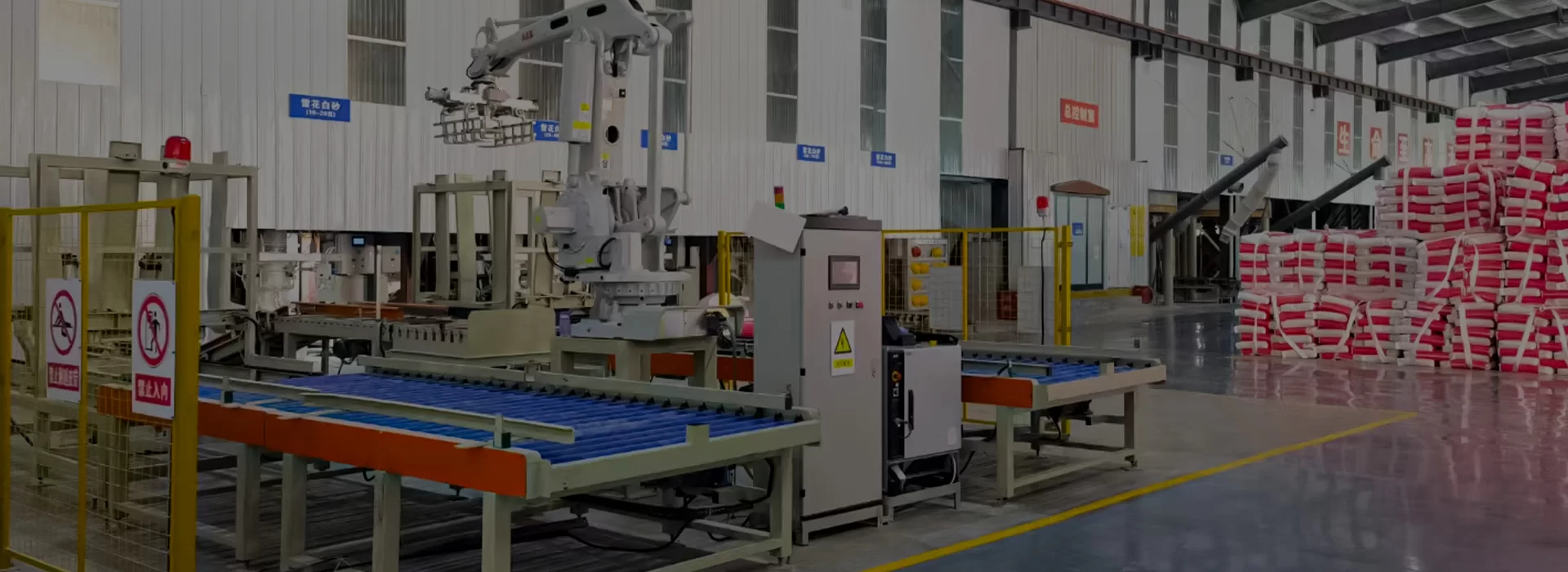
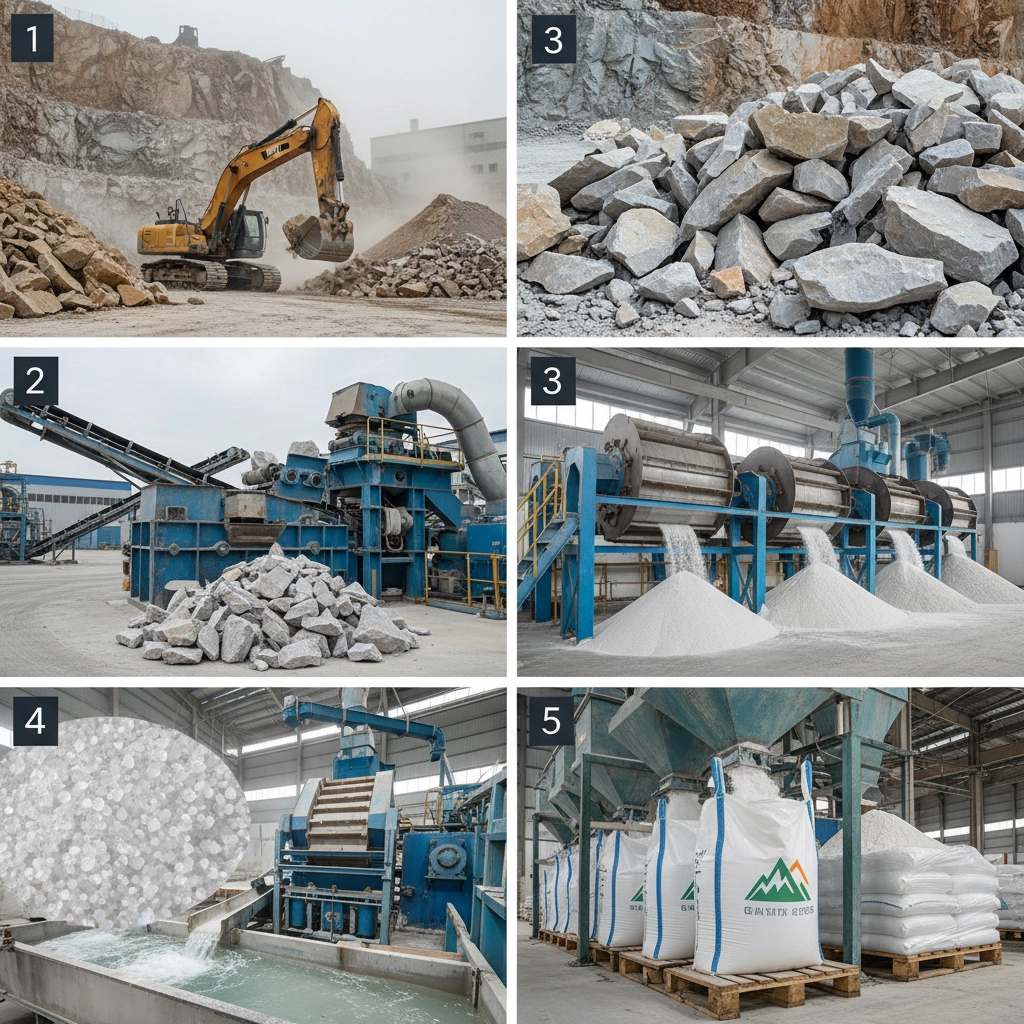
The connection between this material and modern industry is profound. In the realm of "non-metallic mining," the extraction of white quartz involves precise sorting and washing processes to remove clay and iron stains. This refined process ensures that the resulting sand provides a consistent base for products like engineered quartz stone and high-grade industrial powders.
Beyond its physical appearance, the hexagonal crystal structure of quartz grants the sand exceptional hardness (7 on the Mohs scale). This innate durability is why it is frequently used in abrasive applications and heavy-duty flooring, providing a surface that can withstand immense pressure and friction without degrading.
Core Performance Factors of Quartz Sand
Durability is the hallmark of sand white quartz. Because it is resistant to most acids and weathering agents, it is the ideal component for outdoor mosaics and industrial pavements that must face harsh environmental exposure without losing their structural integrity or color.
Scalability in production is another critical factor. High-quality deposits of white quartz allow for the mass production of consistent grain sizes—ranging from ultra-fine powders to coarse decorative pebbles. This flexibility ensures that a single raw material can serve multiple product lines, from epoxy flakes to Perlite board fillers.
Cost efficiency is achieved through the material's longevity. While high-purity sand white quartz may have a higher initial procurement cost than standard sand, its resistance to wear and tear significantly reduces long-term maintenance and replacement costs for commercial flooring and industrial liners.
Industrial Application and Performance Metrics
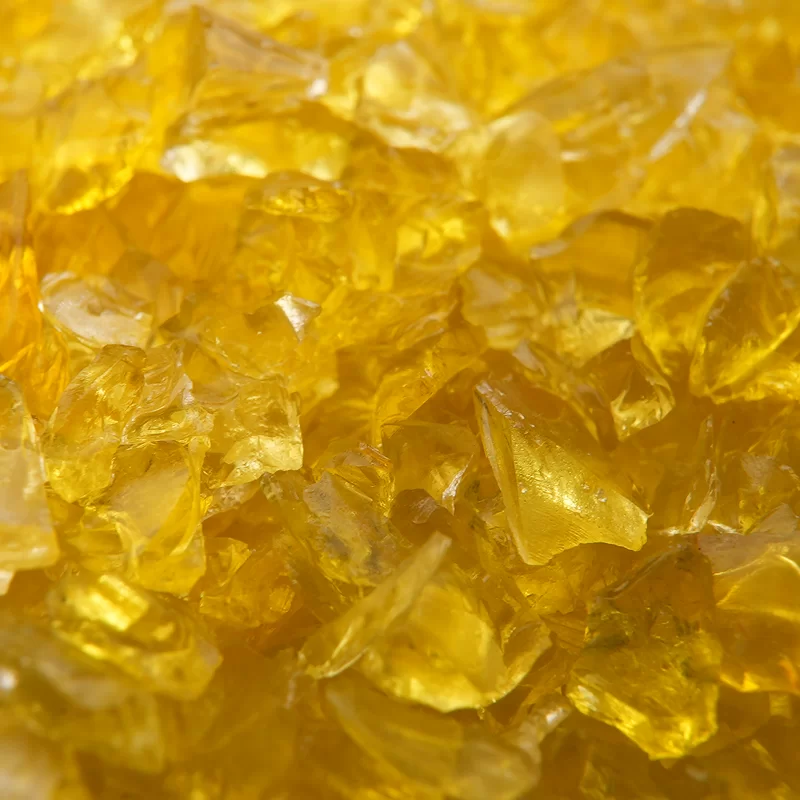
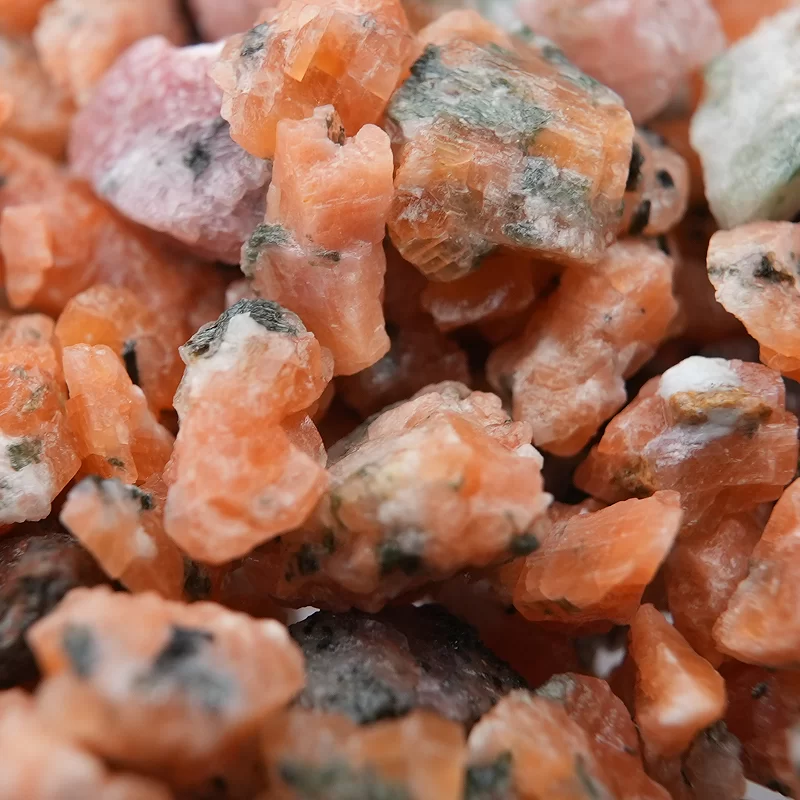
The practical application of sand white quartz varies significantly depending on the desired grain size and purity level. In the chemical industry, it is utilized as a high-efficiency filtration medium, whereas in the interior design sector, it is the primary ingredient for luminous materials and decorative colored sands.
To understand the efficiency of different quartz processing methods, we analyze the performance ratings across various industrial standards. Whether used as a base for epoxy flooring or as a component in industrial powder, the consistency of the grain size is the primary driver of the final product's quality.
Performance Rating of Sand White Quartz Processing Methods
Versatile Use Cases Across Global Regions
In remote industrial zones, sand white quartz is often used as a critical component in the construction of heavy-duty industrial floors. Its ability to bond with epoxy resins creates a seamless, non-slip surface that is essential for warehouses and manufacturing plants in regions with extreme temperature fluctuations.
Furthermore, in urban architectural projects across Europe and North America, this material is frequently integrated into "green" buildings. Because it is a natural mineral, it helps in reducing the carbon footprint compared to synthetic polymers, while providing the high-reflectivity surfaces that help in natural lighting optimization within modern office spaces.
Long-Term Value and Sustainability Benefits
The long-term value of investing in premium sand white quartz lies in its reliability. From a logical standpoint, the material's resistance to chemical erosion means that industrial linings last decades longer than those made from inferior sands. This reduces the frequency of facility shutdowns for repairs, directly impacting the bottom line of industrial operations.
From an emotional and aesthetic angle, the purity of white quartz evokes a sense of cleanliness, professionalism, and innovation. In healthcare environments or high-end retail spaces, the use of white quartz-based mosaics and powders creates a bright, sterile, yet welcoming atmosphere that fosters trust and dignity for the end-user.
Sustainability is also a key driver. The extraction process for quartz sand, when managed under strict environmental guidelines, is relatively low-impact. Moreover, the recyclability of quartz-based materials ensures that the lifecycle of the product ends with minimal environmental degradation, aligning with the global shift toward a circular economy.
Future Innovations in Quartz Processing
The future of sand white quartz is being shaped by digital transformation and automation. AI-driven sorting technologies are now being implemented in mines to identify and separate the highest-purity crystals from the ore in real-time, drastically reducing waste and increasing the brightness of the final sand product.
Green energy transitions are also opening new doors. High-purity silica is a prerequisite for the production of photovoltaic cells and high-performance glass for solar panels. Consequently, the demand for ultra-refined white quartz is expected to skyrocket as nations move toward carbon neutrality and renewable energy grids.
Additionally, the integration of nanotechnology is allowing manufacturers to create "smart" quartz sands. These materials can be coated with hydrophobic or antimicrobial agents at a molecular level, expanding the use of white quartz into specialized medical and aerospace applications where hygiene and weight are critical.
Comparative Analysis of Sand White Quartz Processing Standards
| Processing Level |
Purity Percentage |
Primary Application |
Market Value Score |
| Standard Washed |
95% - 97% |
General Construction |
6/10 |
| Industrial Refined |
98% - 99% |
Epoxy & Coatings |
8/10 |
| Optical Grade |
99.5% + |
Glass & Electronics |
10/10 |
| Decorative Sifted |
97% - 98% |
Mosaic & Landscaping |
7/10 |
| Ultra-Fine Powder |
99% + |
Precision Castings |
9/10 |
| Acid-Leached |
99.9% + |
Semiconductor Wafer |
10/10 |
FAQS
The primary difference lies in the purity. Sand white quartz has significantly lower iron and aluminum oxide content, which prevents the "yellowing" effect seen in regular silica. This purity ensures a brilliant white finish and superior chemical stability, making it essential for high-end aesthetics and precision industrial applications where contamination must be avoided.
It is used as a broadcast aggregate. When sprinkled into a wet epoxy layer, the quartz grains provide a hard, wear-resistant surface. Because of its natural hardness and color, it creates a durable, non-slip finish that maintains its brightness even under heavy foot or vehicle traffic in industrial settings.
Yes, sand white quartz is a natural mineral and is chemically inert, meaning it does not leach harmful chemicals into the soil or groundwater. Its durability also means it doesn't break down into micro-plastics like some synthetic alternatives, making it a sustainable choice for long-term landscaping projects.
Absolutely. Due to its consistent grain size and high purity, it is an excellent medium for sand filters. It effectively traps particulates without introducing impurities into the water stream, which is why it is widely used in swimming pools and industrial water treatment plants.
Consistency is guaranteed through strict sieve analysis and colorimetric testing. Reputable suppliers provide a Material Safety Data Sheet (MSDS) and a technical specification sheet that details the grain size distribution and purity levels, ensuring that every batch matches the project's requirements.
When properly installed (e.g., in an epoxy or concrete matrix), surfaces using sand white quartz can last 20 to 50 years. Its high Mohs hardness prevents scratching, and its chemical resistance prevents erosion, making it one of the longest-lasting mineral-based surface options available.
Conclusion
In summary, sand white quartz is far more than a simple construction aggregate; it is a high-performance mineral that bridges the gap between industrial strength and architectural beauty. From its critical role in high-purity glass and electronics to its widespread use in durable flooring and sustainable landscaping, its value is rooted in its purity, hardness, and timeless aesthetic. By focusing on high-grade sourcing and precise processing, industries can unlock significant long-term savings in maintenance and a superior quality of finish.
Looking forward, the evolution of quartz processing—driven by AI and green energy demands—will only increase the relevance of this material. We recommend that architects and industrial planners prioritize certified high-purity quartz to ensure their projects meet the sustainability and durability standards of tomorrow. For those seeking premium mineral solutions, exploring a diverse range of quartz products is the first step toward innovation. Visit our website: www.cnfloormaterials.com