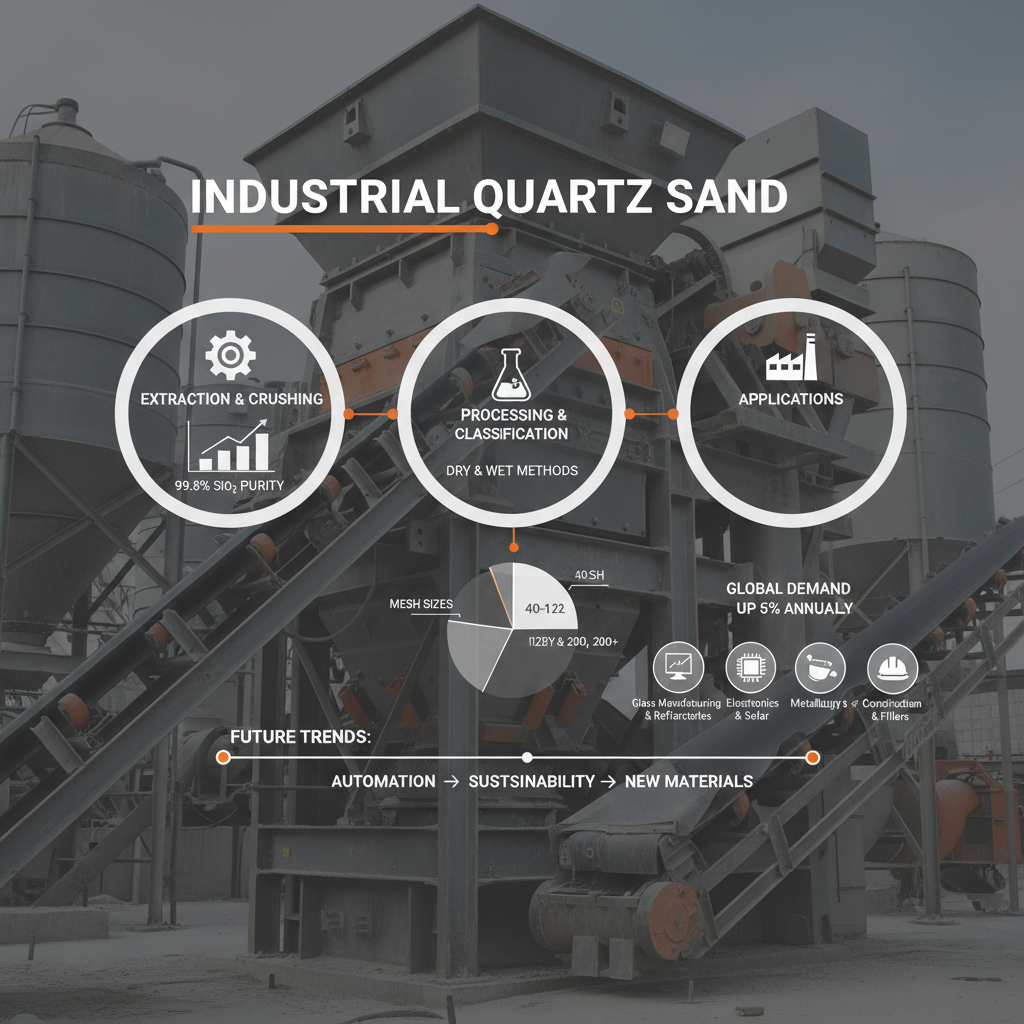
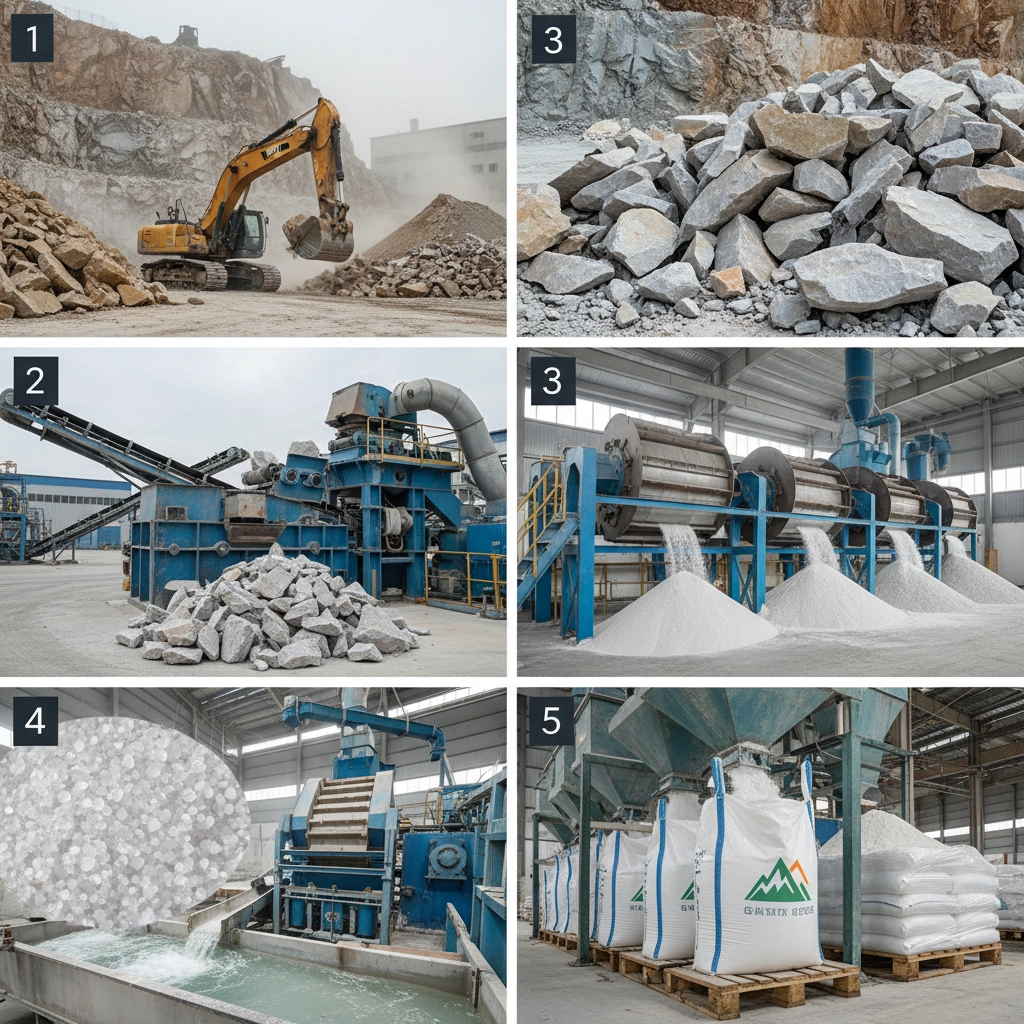
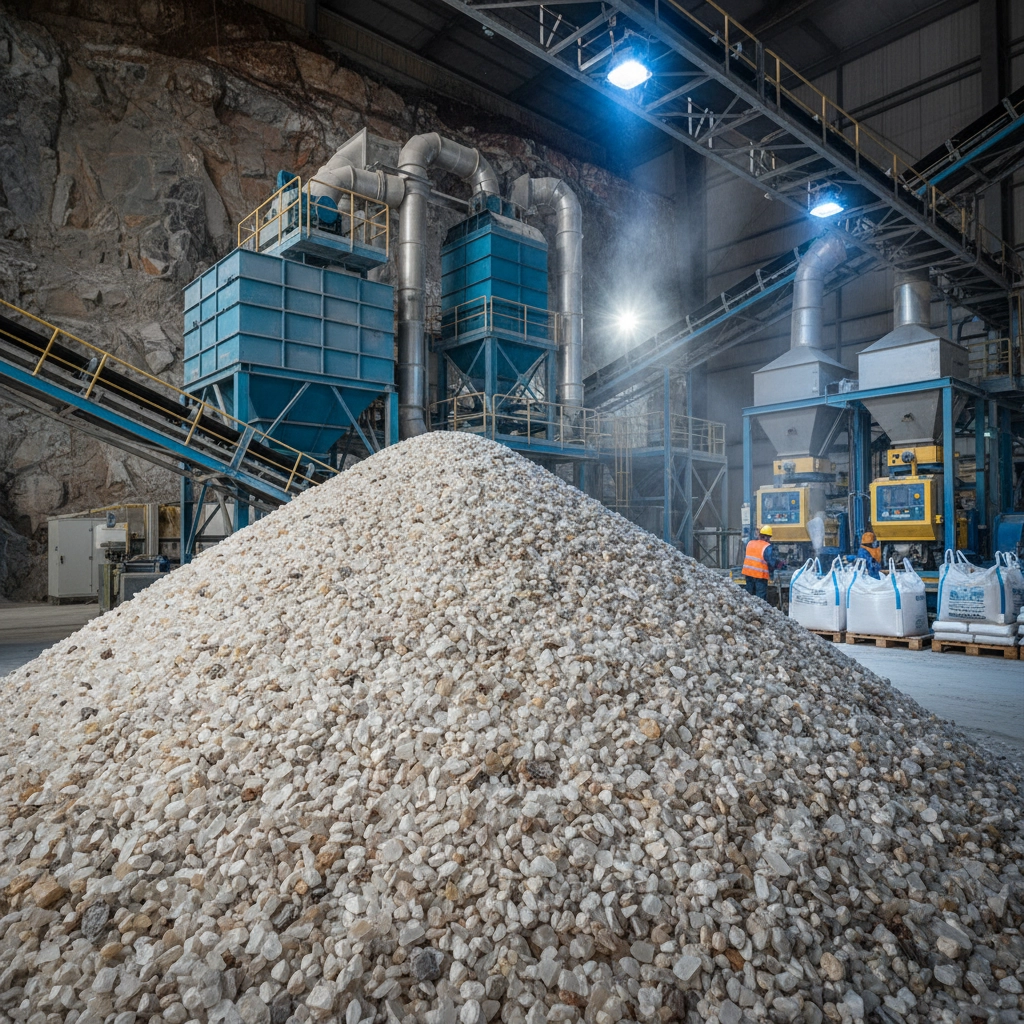
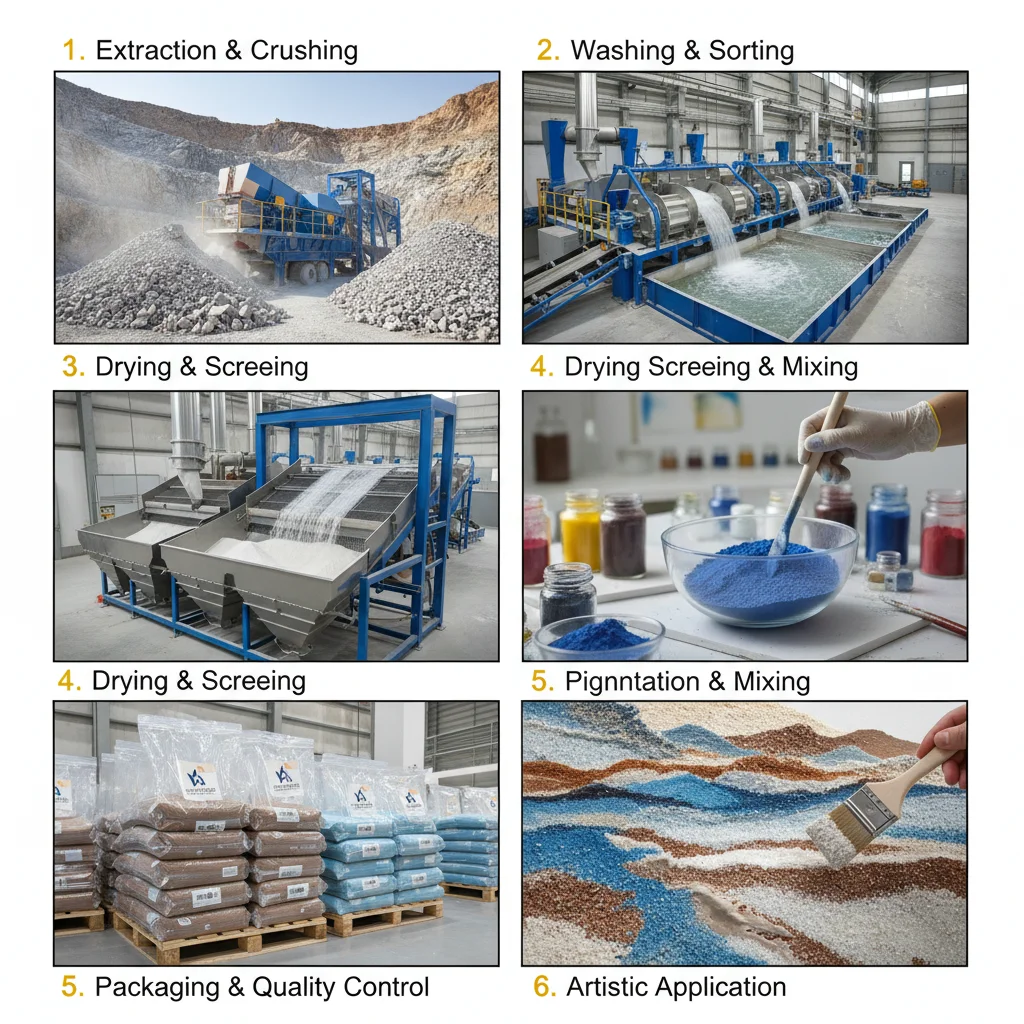
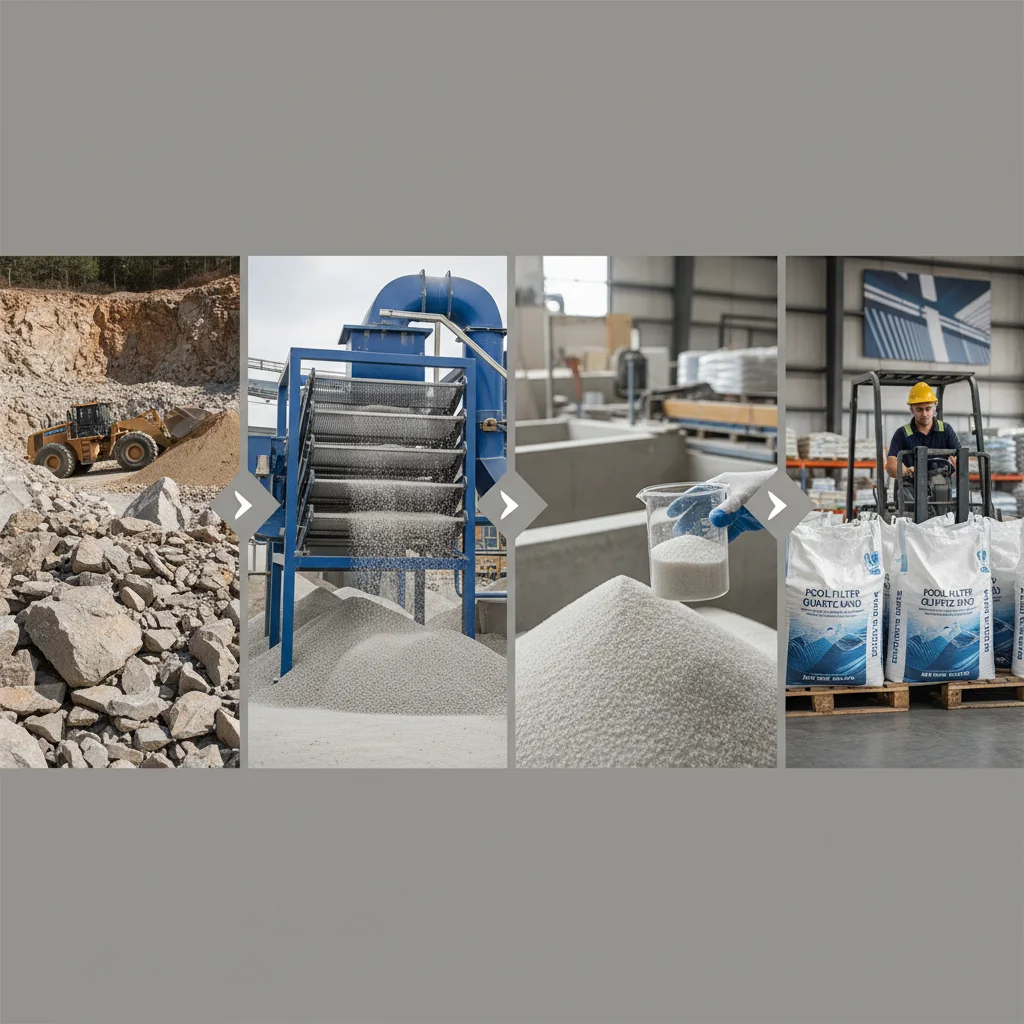
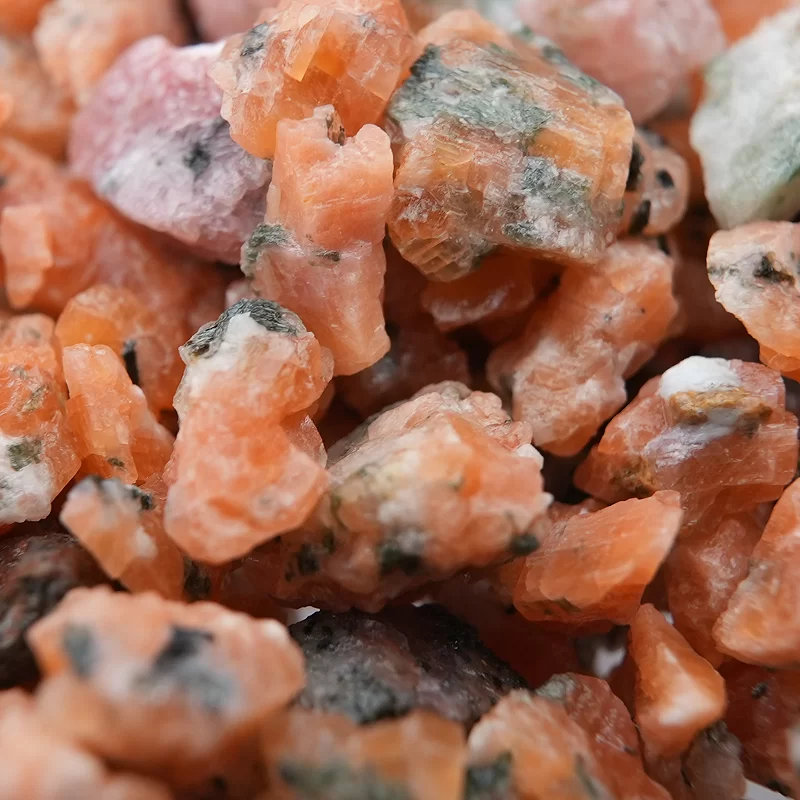
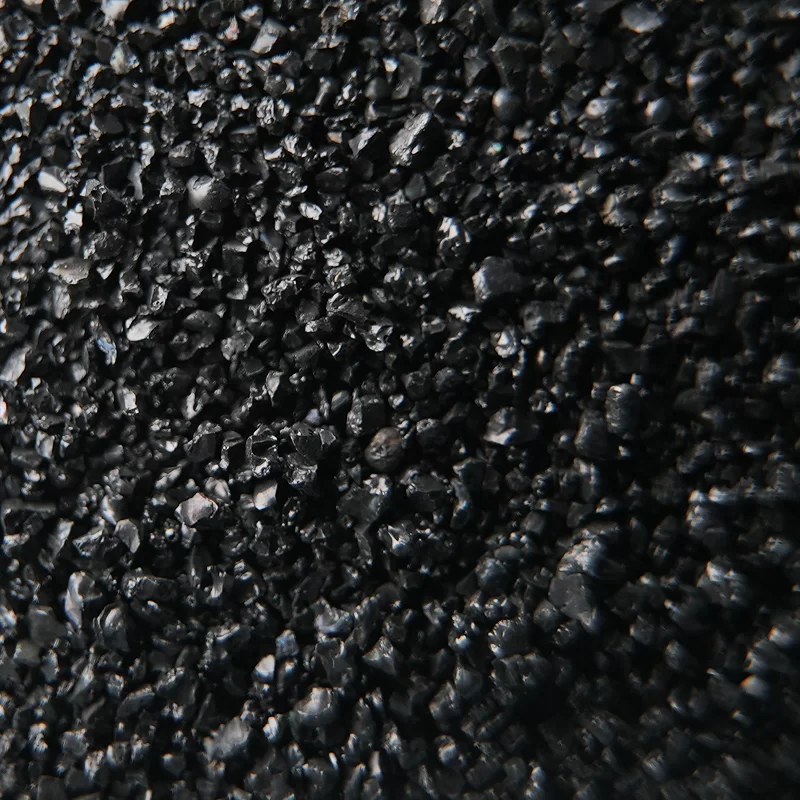
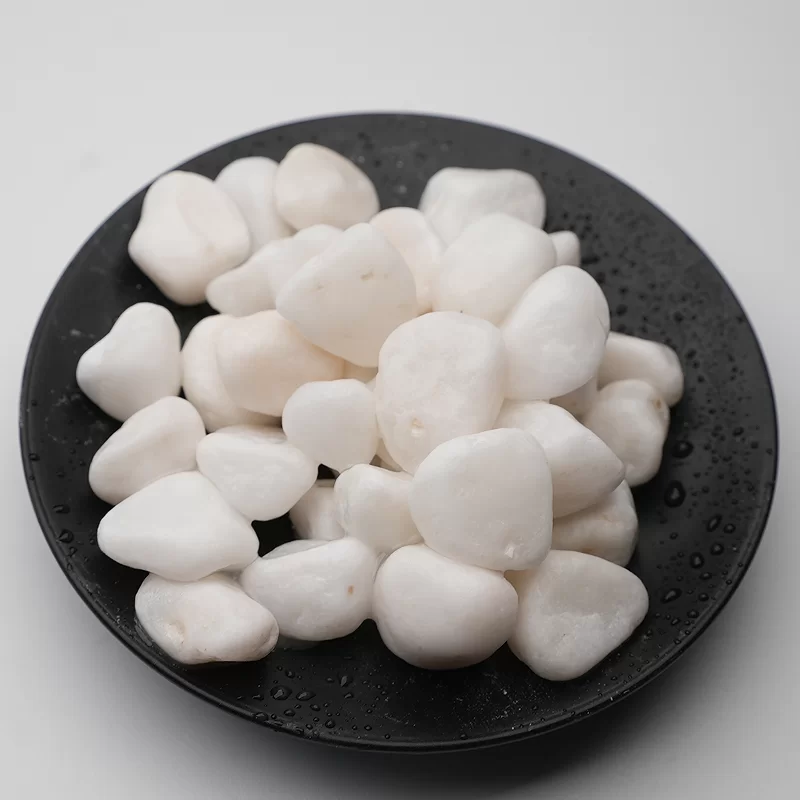
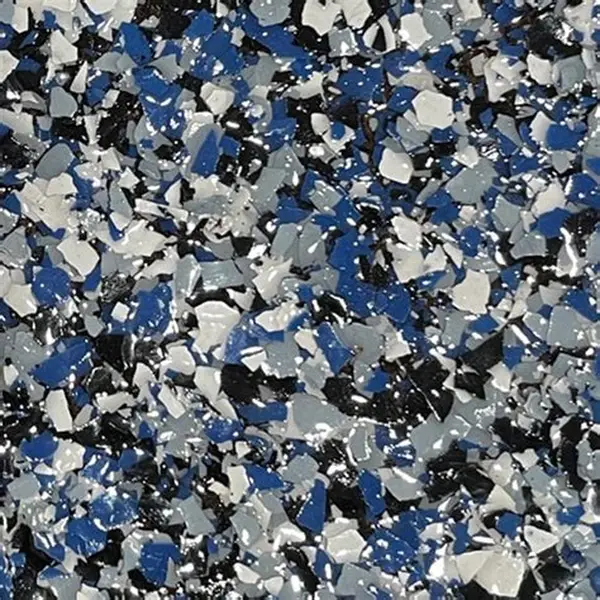
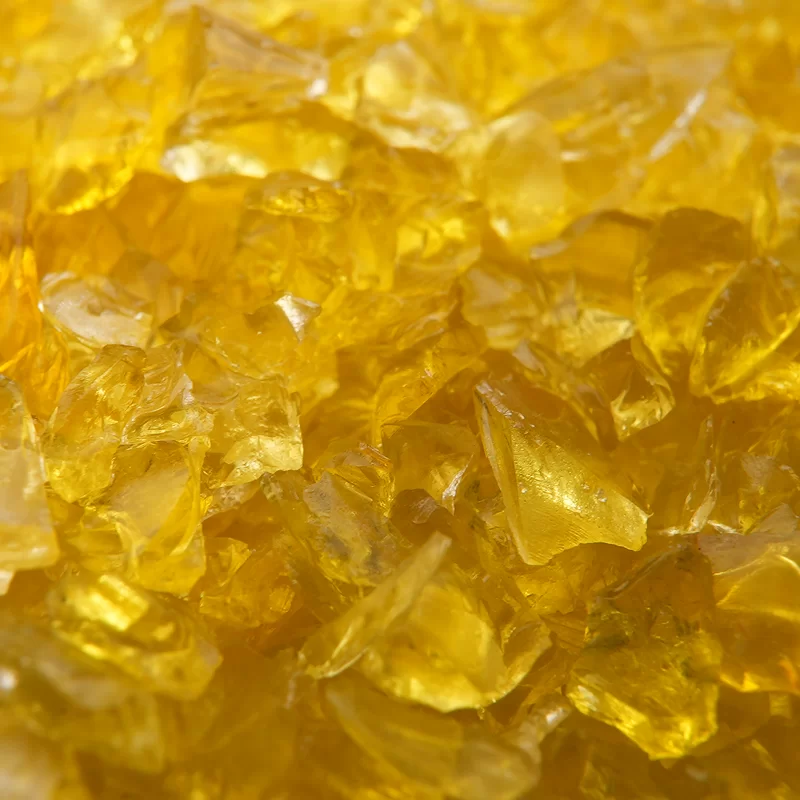
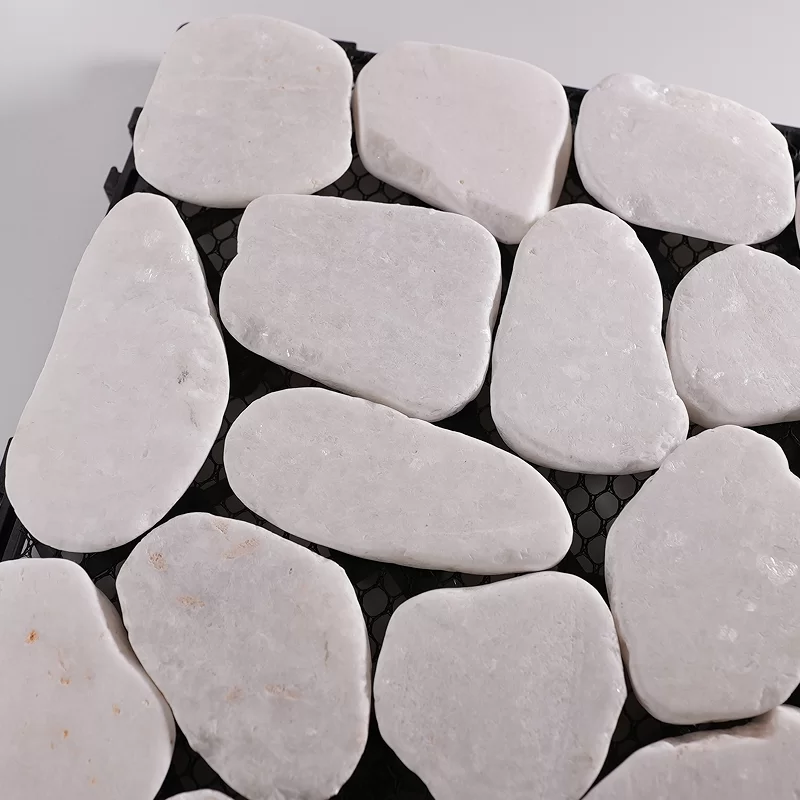
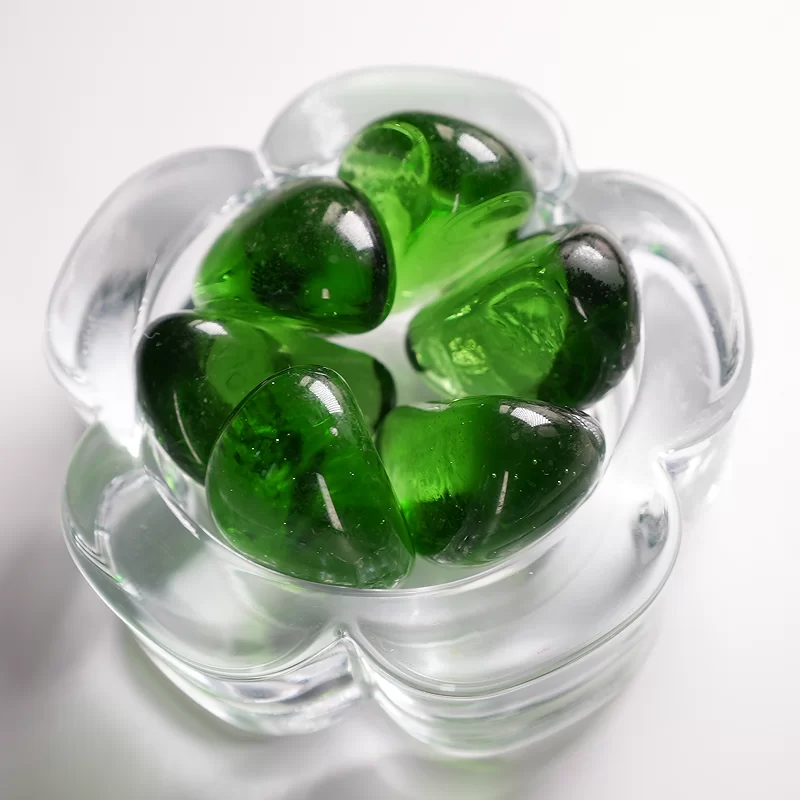
In the complex landscape of modern industrial materials, industrial quartz sand stands as a fundamental pillar, driving innovation across sectors ranging from high-precision glass manufacturing to advanced water filtration systems. This versatile mineral, characterized by its high silica content and exceptional hardness, is no longer seen as a simple raw commodity but as a precision-engineered component essential for structural integrity and chemical stability in diverse industrial applications.
The global demand for high-purity quartz is accelerating as technology evolves, particularly with the rise of semiconductors and green energy infrastructure. Understanding the nuanced properties of this material—such as grain size distribution, purity levels, and thermal expansion coefficients—is critical for engineers and procurement specialists who aim to optimize the performance and longevity of their end products.
By integrating high-grade industrial quartz sand into production cycles, companies can achieve significant improvements in product durability and operational efficiency. This comprehensive guide explores the technical dimensions, global applications, and future trajectory of this indispensable mineral, providing a roadmap for those seeking to leverage its full commercial potential.
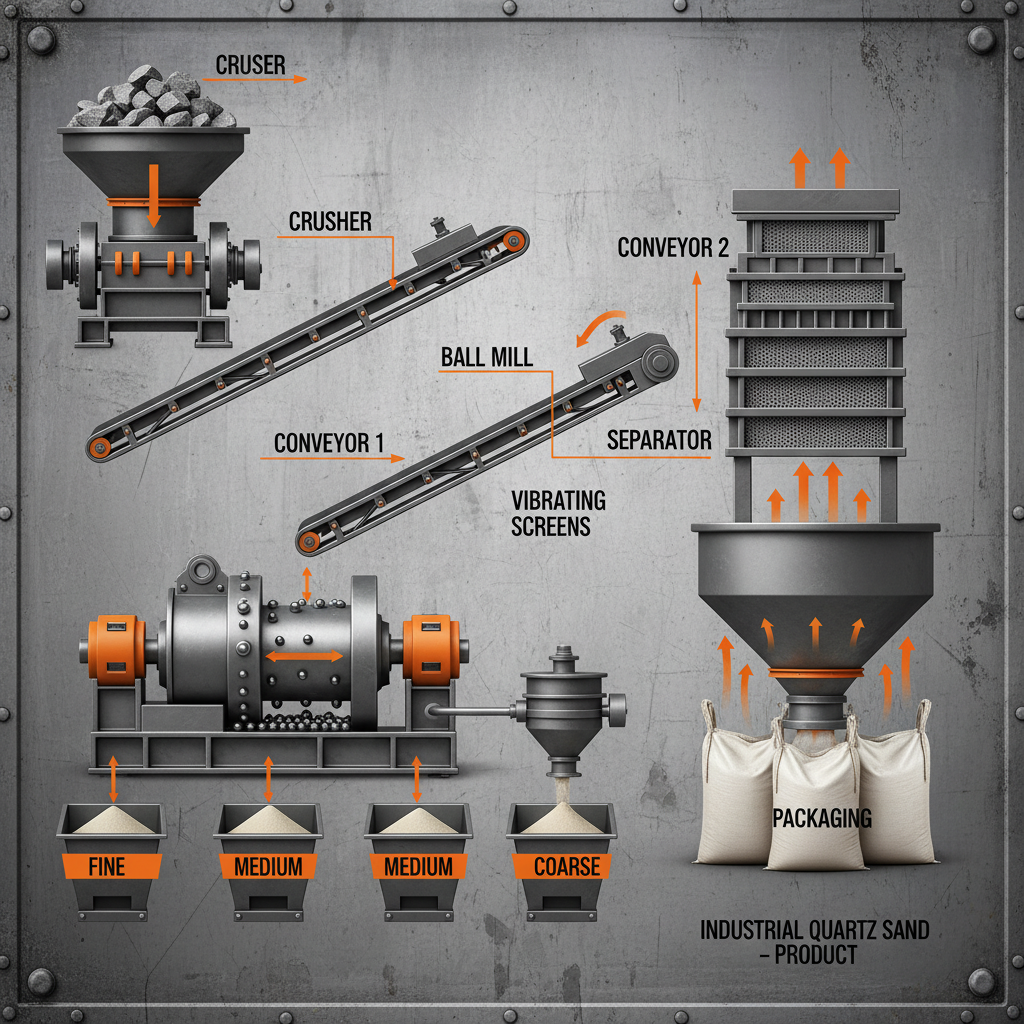
Global Relevance of Industrial Quartz Sand
On a global scale, the strategic importance of industrial quartz sand cannot be overstated. As urbanization accelerates in developing regions, the requirement for high-strength construction materials and specialized glass has surged. According to industry analysis aligned with ISO quality standards, the precision of silica grains directly influences the failure rate of high-pressure hydraulic systems and the transparency of architectural glass, making the sourcing of consistent, high-purity sand a geopolitical and economic priority.
However, the industry faces a critical challenge: the depletion of easily accessible, high-purity deposits. This scarcity has led to a shift toward advanced beneficiation processes to upgrade lower-grade sands into industrial-grade materials. The ability to maintain a stable supply chain while adhering to strict environmental regulations is now the primary hurdle for manufacturers worldwide, necessitating a move toward more sustainable mining and processing techniques.
Defining Industrial Quartz Sand in Modern Industry
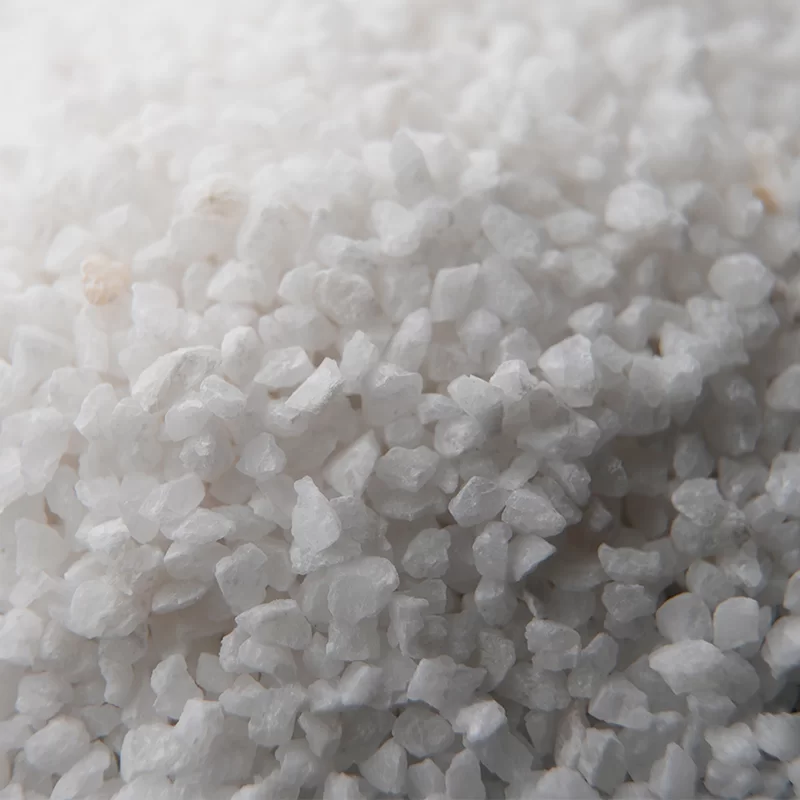
In simple technical terms, industrial quartz sand is a naturally occurring or processed granular material composed primarily of silicon dioxide (SiO2). Unlike common play sand or construction sand, industrial-grade quartz undergoes rigorous screening, washing, and sometimes chemical treatment to remove impurities like iron oxide and aluminum, ensuring a high level of chemical purity and precise grain morphology.
This material serves as the invisible backbone of modern infrastructure. From the silicon wafers used in microchips to the filtration beds in municipal water plants, its unique combination of hardness, chemical inertness, and thermal stability allows it to perform in environments where other minerals would degrade. It is the bridge between raw geological deposits and high-tech precision components.
Furthermore, its role extends into humanitarian and environmental needs. In regions struggling with water scarcity, specialized quartz sand filters provide a low-cost, highly effective method for purifying drinking water, demonstrating that this industrial material has a profound impact on public health and basic human dignity across the globe.
Core Components of Material Quality
The primary determinant of industrial quartz sand quality is its purity level, specifically the percentage of SiO2. High-purity quartz is essential for the electronics industry, where even trace amounts of metallic contaminants can cause electrical failure in semiconductors. The refinement process ensures that the silica remains the dominant component, providing the necessary electrical insulation and thermal resistance.
Another critical component is the grain shape and size distribution. Angular grains are preferred for applications requiring high friction or mechanical interlocking, such as in specialized epoxy coatings or abrasive blasting. Conversely, rounded grains are ideal for filtration media to minimize pressure drops and prevent premature clogging of the filter bed, showcasing the versatility of industrial quartz sand.
Finally, the chemical stability and resistance to acid/alkaline corrosion make it an ideal candidate for heavy industrial environments. This inert nature ensures that the sand does not react with the chemicals it is meant to filter or the binders it is mixed with, providing long-term structural reliability in harsh chemical processing plants and oil refineries.
Key Performance Factors for Application
When selecting industrial quartz sand, engineers prioritize several performance factors to ensure system longevity. Durability is paramount, as the material must withstand extreme mechanical wear without breaking down into fines, which could compromise the integrity of a filter or a casted part. Scalability in supply also plays a role, as large-scale infrastructure projects require thousands of tons of consistent material to avoid batch-to-batch variance.
Cost-efficiency is balanced against performance; while ultra-high purity sand is expensive, using a mid-grade version for general decorative gravel or emery sand applications reduces overhead without sacrificing quality. The following chart illustrates the performance ratings of different quartz processing methods across these key metrics.
Comparative Performance of Industrial Quartz Sand Processing Methods
Global Industrial Applications and Use Cases
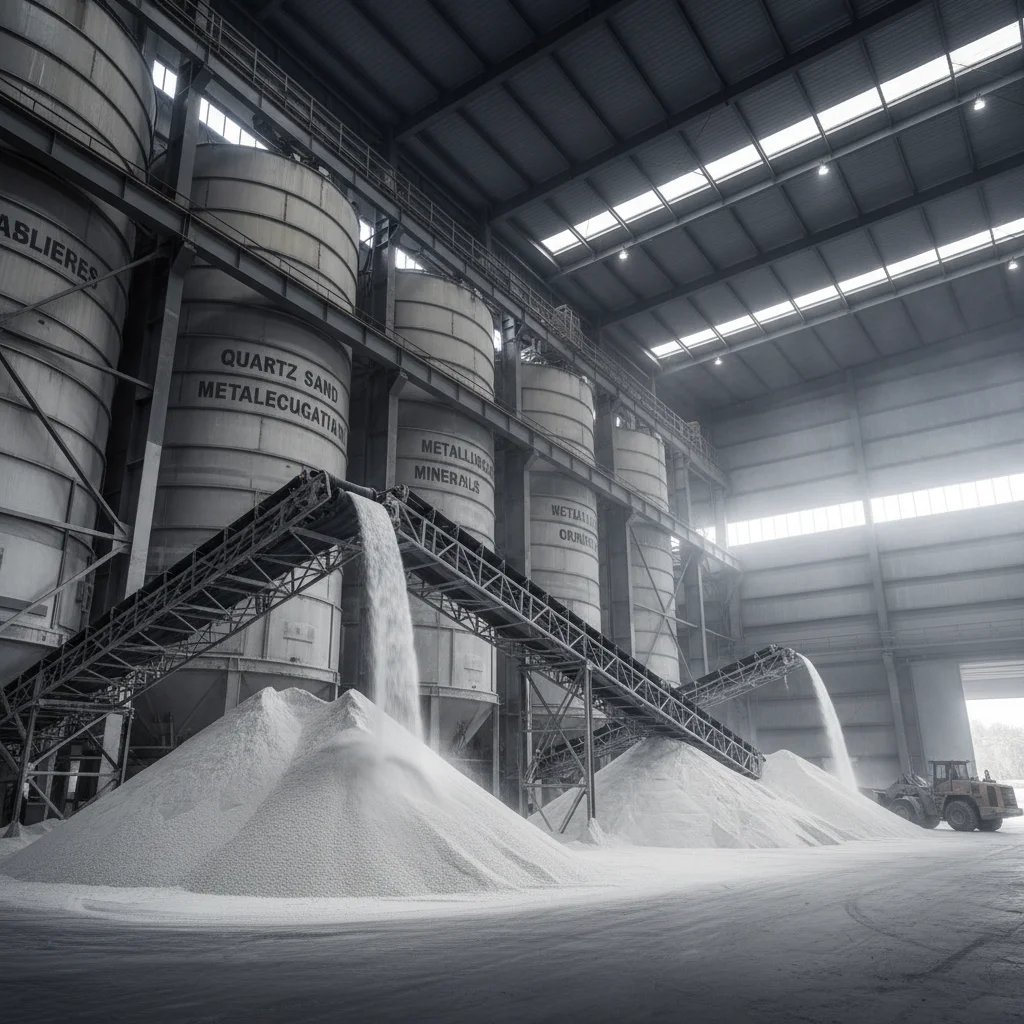
The versatility of industrial quartz sand allows it to be deployed in vastly different real-world contexts. In the oil and gas industry, specifically in hydraulic fracturing (fracking), high-strength quartz proppants are pumped into rock formations to keep fractures open, allowing for efficient hydrocarbon extraction. In these remote industrial zones, the mechanical strength of the sand is the difference between a productive well and a failed operation.
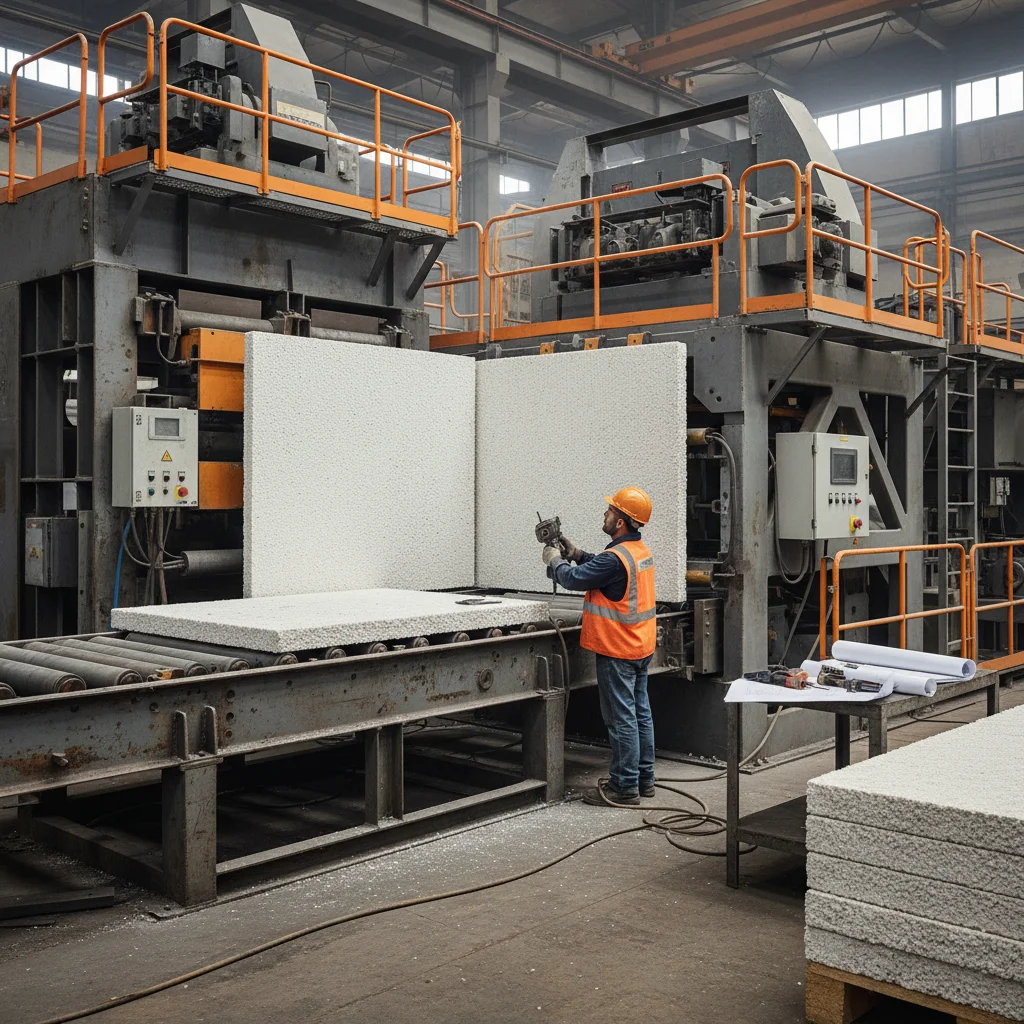
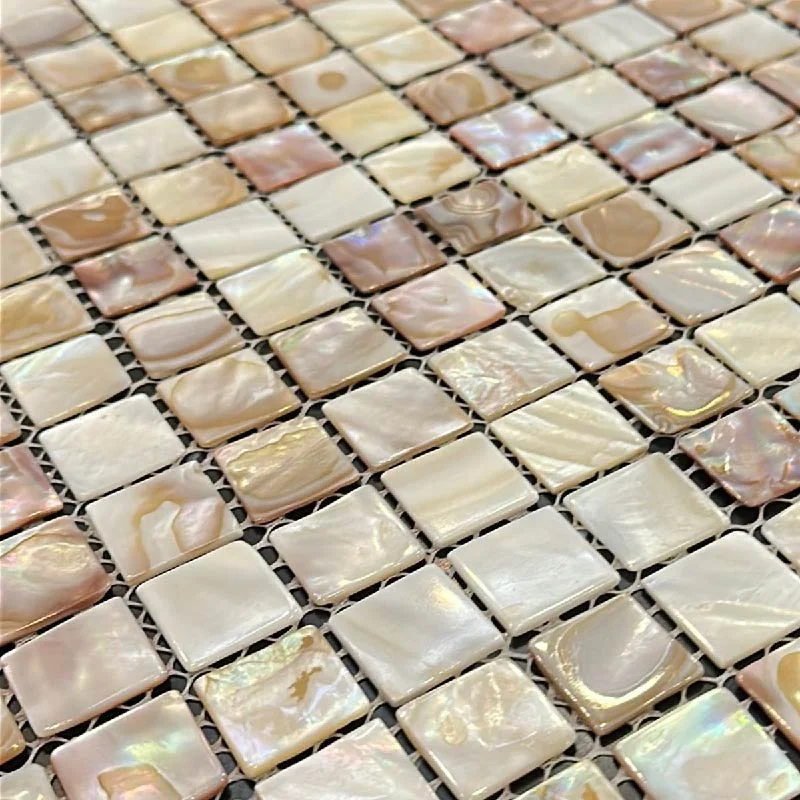
Beyond energy, it is indispensable in the construction of sustainable cities. In Europe and North America, quartz sand is widely used in the production of high-performance concrete and epoxy floor coatings for industrial warehouses, providing an abrasive, slip-resistant surface that lasts for decades. From the precision of luminous materials to the durability of perlite boards, the application of quartz continues to expand into specialized architectural aesthetics.
Long-term Value and Sustainability Advantages
Investing in high-quality industrial quartz sand provides tangible long-term value through reduced maintenance costs and increased product lifespans. When a water filtration system uses premium quartz, the interval between backwashing cycles increases, reducing water waste and energy consumption. This logical shift toward quality over quantity ensures that industrial operations remain lean and reliable.
From an emotional and ethical standpoint, the transition to responsibly sourced quartz sand fosters trust between manufacturers and consumers. Companies that can certify their minerals are sourced from mines with fair labor practices and low carbon footprints gain a competitive edge in an increasingly conscious market. Sustainability is no longer a buzzword; it is a requirement for market access.
Furthermore, the reliability of quartz in critical safety applications—such as fire-resistant materials and structural supports—provides peace of mind. The knowledge that a building's foundation or a chemical plant's lining is reinforced with stable, inert minerals ensures the safety of thousands of workers and residents, adding a layer of social dignity and security to industrial progress.
Future Trends and Technical Innovations
The future of industrial quartz sand is inextricably linked to the digital transformation and the green energy transition. We are seeing the emergence of "smart sands"—quartz grains coated with nano-materials to enhance specific properties, such as hydrophobic surfaces or increased catalytic activity for environmental remediation. These innovations are paving the way for next-generation filtration and energy storage solutions.
Automation in the mining and beneficiation process is also reducing the environmental footprint of sand production. AI-driven sorting technologies can now identify and remove impurities at the grain level in real-time, significantly reducing the amount of chemical reagents needed for purification. This shift toward "Green Mining" aligns with global policies aiming for carbon neutrality by 2050.
As we move toward a circular economy, the recycling of industrial quartz is becoming a focal point. Developing methods to reclaim quartz from waste glass and construction debris will mitigate the reliance on virgin mining, ensuring a sustainable supply of raw materials for future generations while protecting biodiversity in mining regions.
Analysis of Industrial Quartz Sand Application Trends and Efficiency
| Application Sector |
Required Purity (%) |
Key Performance Metric |
Sustainability Score (1-10) |
| Semiconductor Grade |
99.99% + |
Low Metallic Impurity |
6 |
| Water Filtration |
98.0% - 99.5% |
Uniform Grain Size |
9 |
| Glass Manufacturing |
99.0% - 99.8% |
Iron Oxide Content |
7 |
| Oil & Gas Proppants |
97.0% - 99.0% |
Compressive Strength |
5 |
| Epoxy Flooring |
95.0% - 98.0% |
Abrasion Resistance |
8 |
| Foundry Casting |
96.0% - 98.0% |
Thermal Stability |
7 |
FAQS
Industrial quartz sand is processed to achieve specific purity levels, grain sizes, and shapes. While construction sand is primarily used for bulk filling and basic concrete, industrial quartz is refined to remove contaminants like iron and organic matter, making it suitable for high-precision applications like glass making, chemical filtration, and electronics, where purity directly impacts the final product's quality.
Higher purity ensures that the sand itself does not leach minerals or contaminants into the filtered water. Furthermore, the precise grain size distribution prevents "channeling," where water bypasses the filtration media. This results in a more uniform flow and a significantly higher capture rate of suspended solids and pathogens, ensuring safer drinking water.
When sourced responsibly, yes. Modern mining practices focus on reducing land disturbance and implementing water recycling in the washing process. Additionally, the long lifespan of quartz-based products reduces the need for frequent replacements, lowering the overall lifecycle carbon footprint. The industry is also moving toward using recycled glass as a sustainable alternative to virgin quartz.
While it is highly versatile, the specific grade of sand must match the coating's purpose. For heavy-duty industrial floors, an angular, coarse-grain quartz is used to provide maximum grip and wear resistance. For finer, decorative finishes, a much smaller, rounded grain is preferred. Using the wrong grade can lead to poor adhesion or an uneven surface finish.
Buyers should request a detailed Certificate of Analysis (CoA) that specifies the SiO2 percentage, the presence of iron oxide (Fe2O3), and the sieve analysis for grain size. Sourcing from suppliers who adhere to ISO 9001 standards and providing third-party inspection reports (such as SGS) are the best ways to ensure the material meets the required technical specifications.
The lifespan depends on the water quality and the frequency of backwashing. In well-maintained systems using high-quality industrial quartz sand, the media can last between 3 to 5 years. However, if the sand is subjected to extreme chemical attacks or excessive mechanical attrition, it may need to be topped up or replaced sooner to maintain filtration efficiency.
Conclusion
In summary, industrial quartz sand is far more than a simple mineral; it is a high-performance material that enables the functionality of countless modern technologies. From ensuring the purity of our water to the stability of our energy infrastructure and the precision of our electronics, its unique chemical and physical properties provide the reliability and durability required by global industry. By focusing on purity, grain precision, and sustainable sourcing, businesses can unlock significant operational advantages and long-term value.
Looking ahead, the integration of nanotechnology and green mining will continue to redefine the boundaries of what this material can achieve. For companies seeking to optimize their production lines or improve product quality, the transition to premium, certified quartz sand is not just a technical upgrade—it is a strategic investment in future-proofing their business. We invite you to explore how our high-grade materials can elevate your industrial standards. Visit our website: www.cnfloormaterials.com