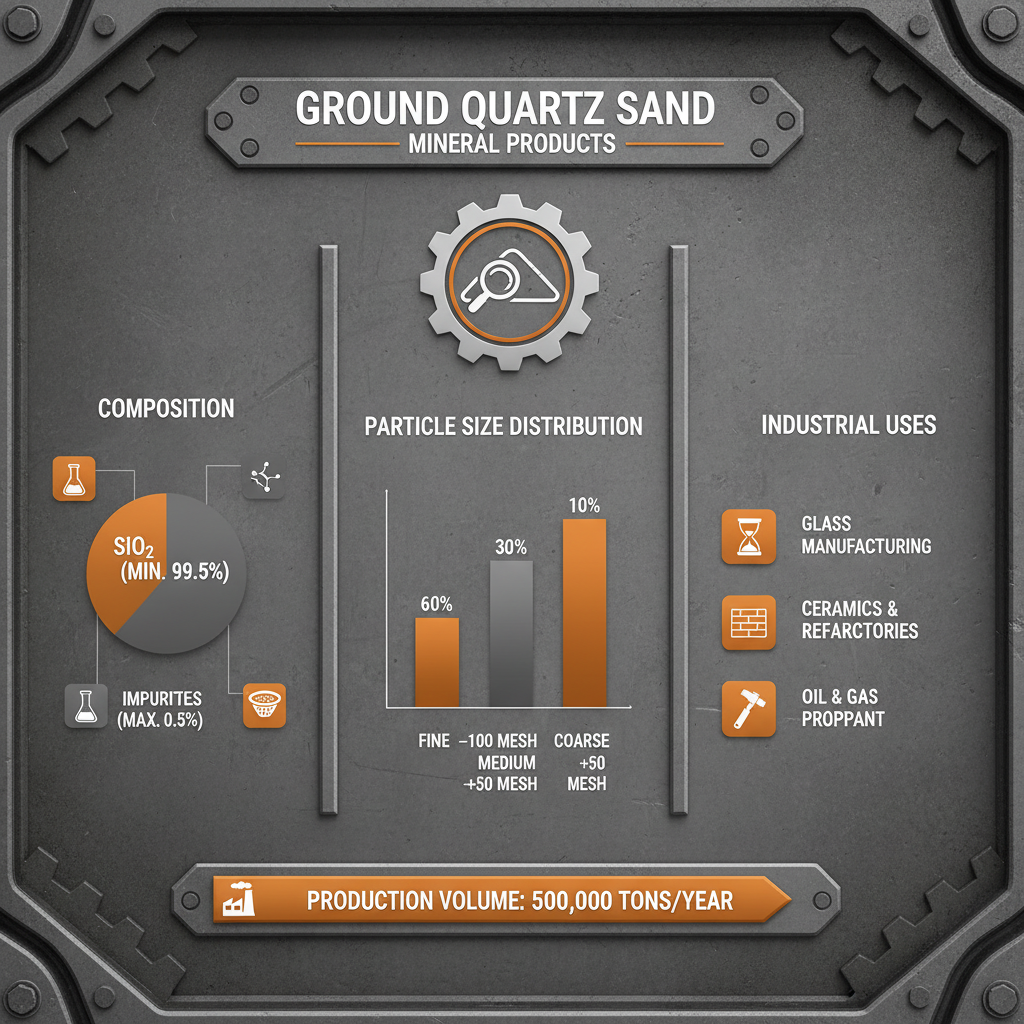
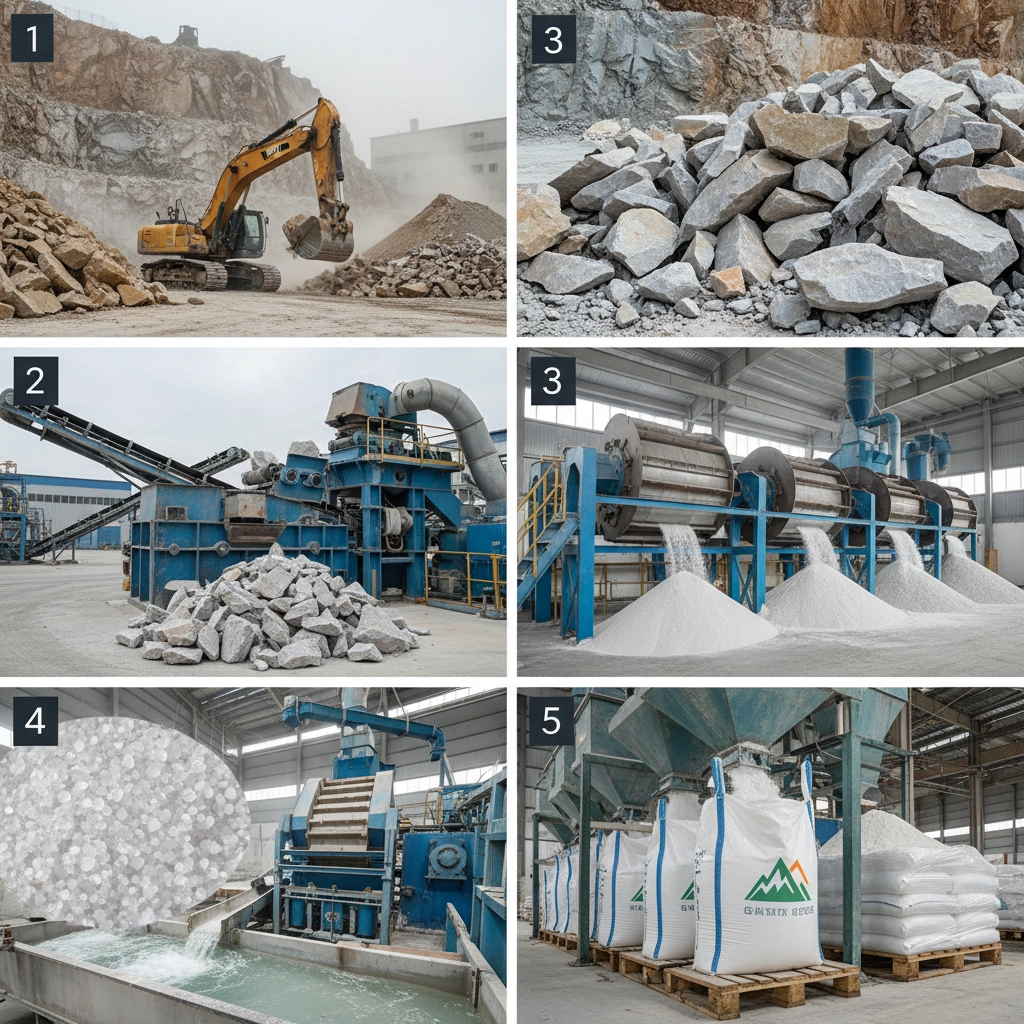
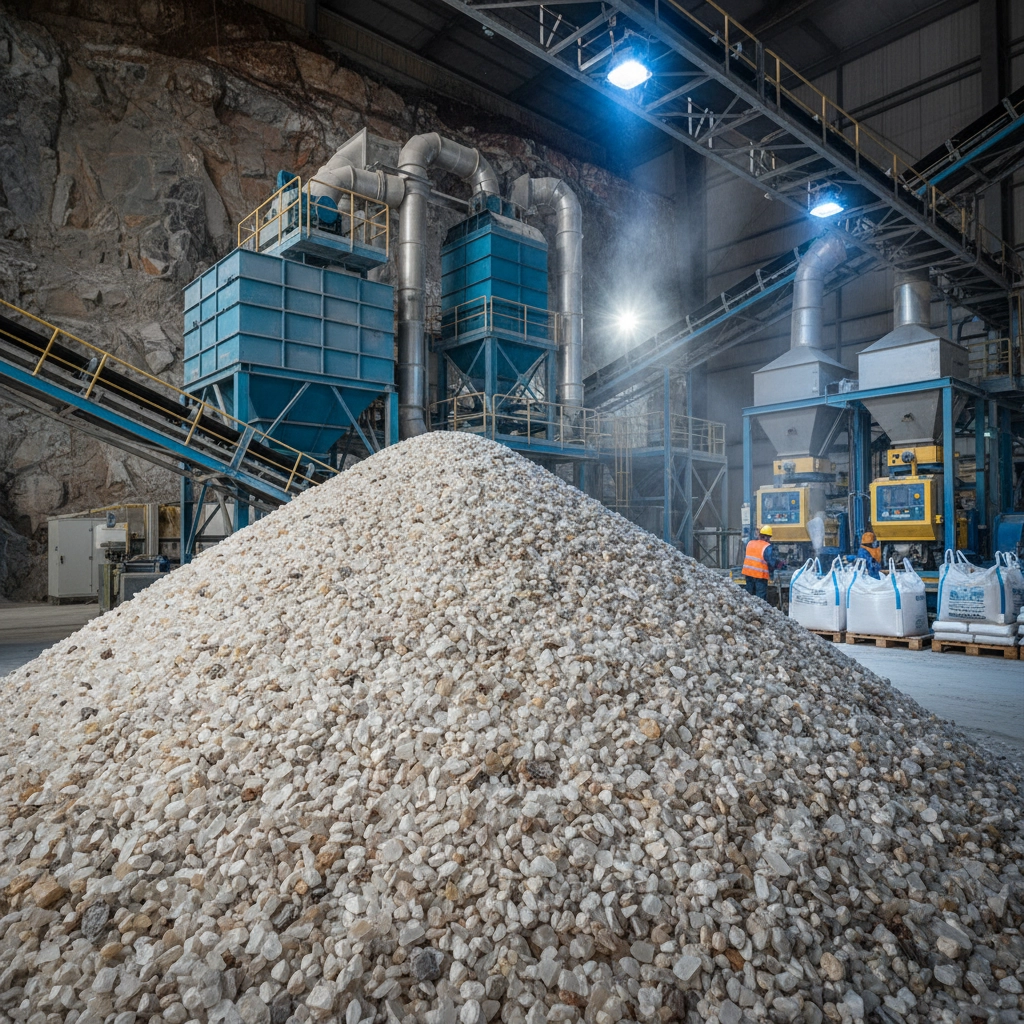
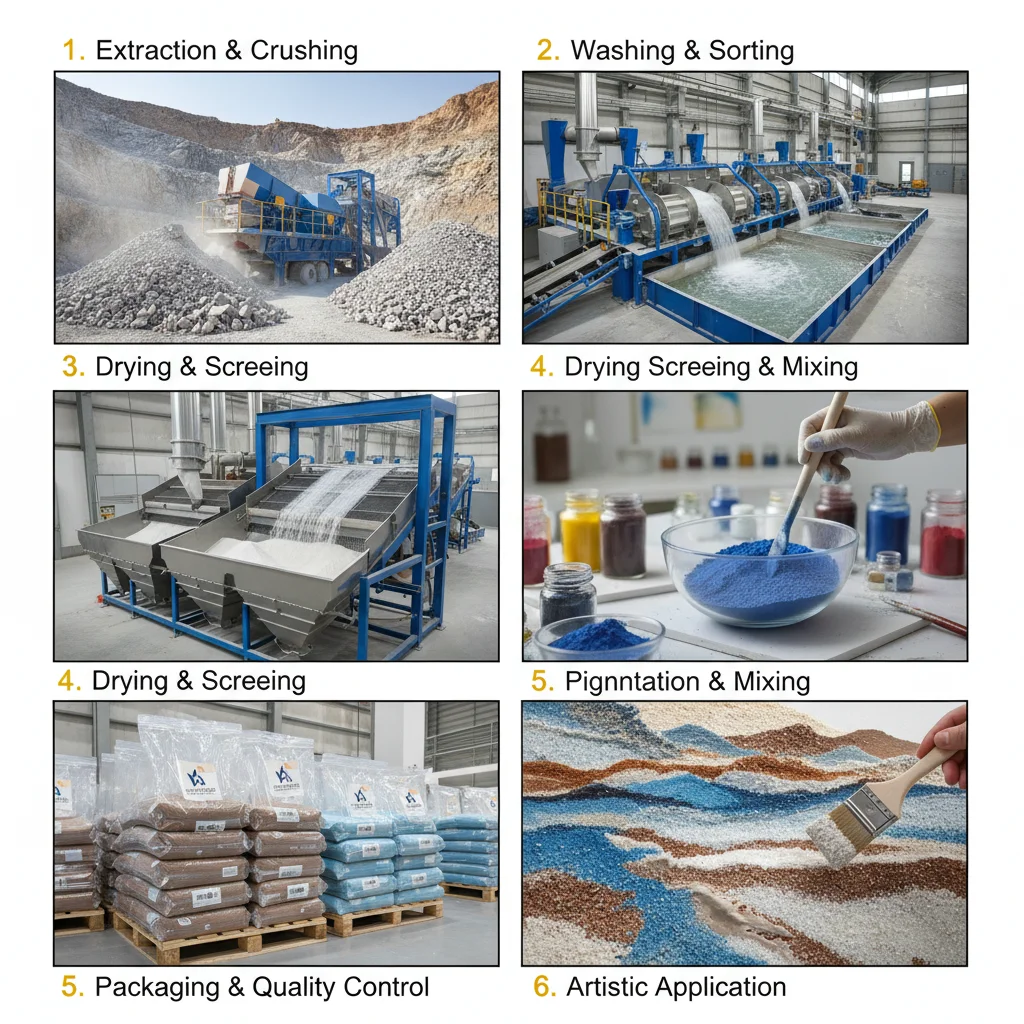
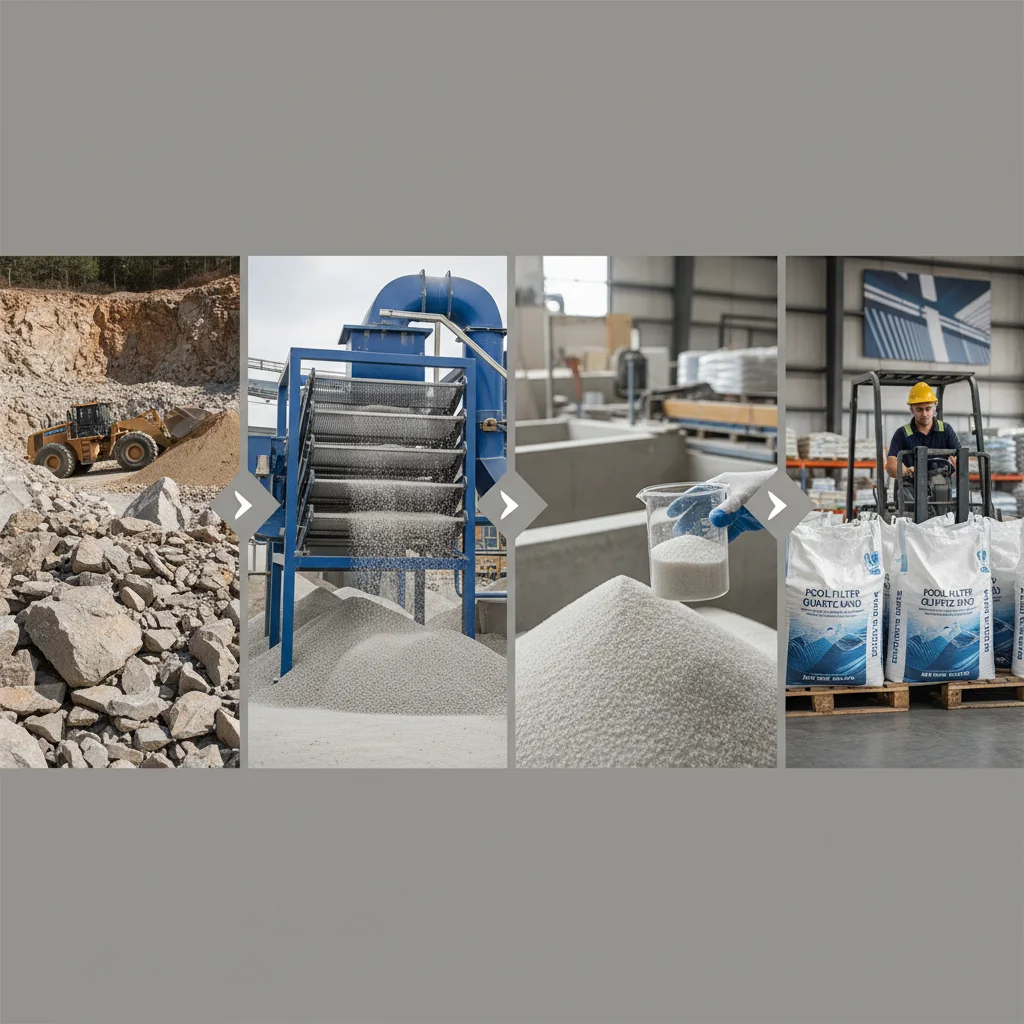
The global construction and industrial sectors have seen a significant shift toward high-performance materials, with ground quartz sand emerging as a cornerstone for durability and precision. As a processed mineral, it provides the structural integrity required for everything from heavy-duty industrial flooring to high-end decorative finishes, ensuring that surfaces can withstand extreme mechanical stress.
Understanding the nuances of this material is critical for architects, engineers, and procurement specialists who seek to balance cost-efficiency with long-term reliability. The precise grinding process transforms raw silica into a consistent particulate size, which eliminates the irregularities found in natural sand and allows for predictable chemical reactions in epoxy and cementitious binders.
By leveraging the inherent hardness and chemical stability of silica, ground quartz sand offers a versatile solution for modern infrastructure challenges. Whether used as a functional abrasive or a decorative aggregate, its ability to enhance bond strength and wear resistance makes it an indispensable asset in the non-metallic mining and processing industry.

Global Industry Context of Ground Quartz Sand
On a global scale, the demand for specialized aggregates has surged as urbanization accelerates in emerging economies. According to industry trends aligned with ISO standards for mineral powders, the move toward standardized ground quartz sand is driven by the need for extreme consistency in industrial coatings and composite materials. Traditional river sand is no longer viable due to environmental regulations and the lack of purity, leading industries to rely on mined and processed quartz.
The primary challenge facing the industry today is the volatility of raw material purity and the energy costs associated with precision milling. As global supply chains tighten, the ability to produce a uniform, contaminant-free ground product becomes a competitive advantage. This shift ensures that critical infrastructure, from pharmaceutical labs to aircraft hangars, possesses the floor durability required to meet international safety and operational codes.
Defining Ground Quartz Sand and Its Utility
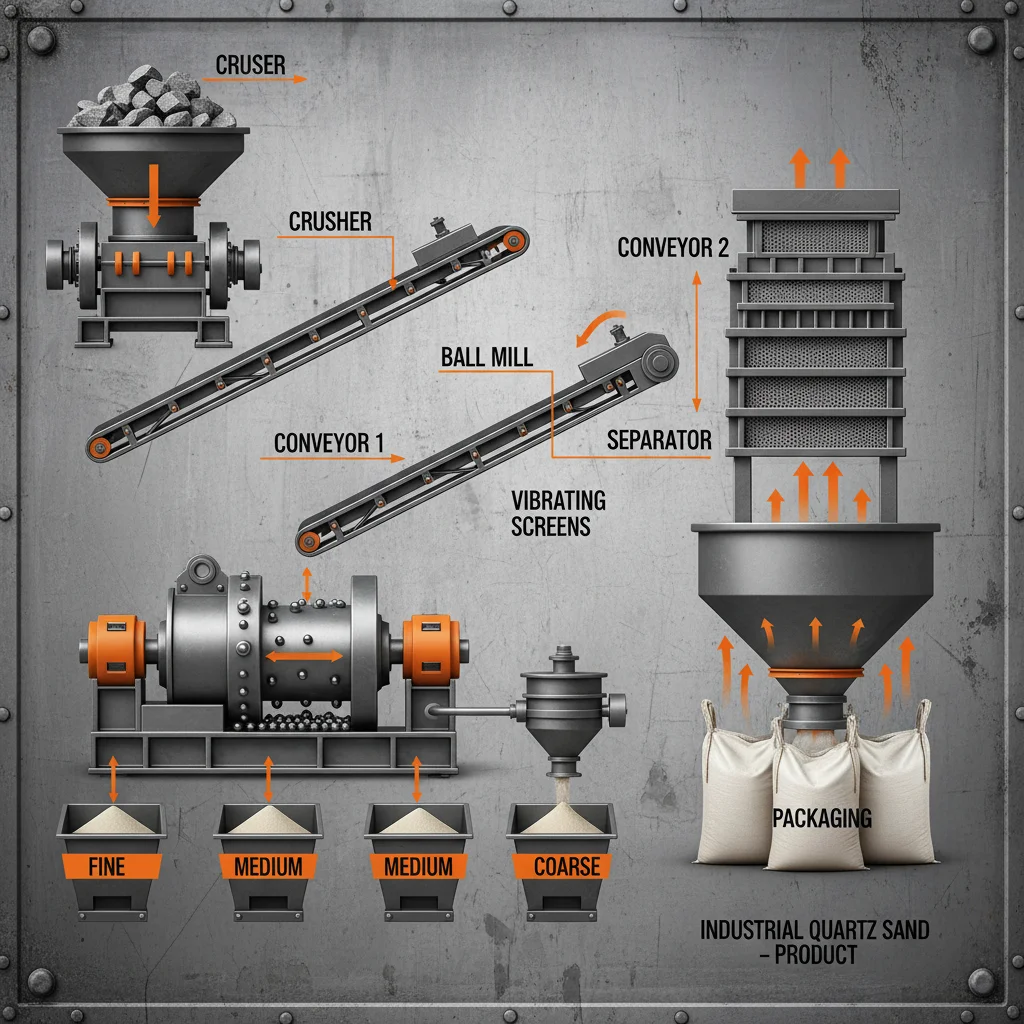
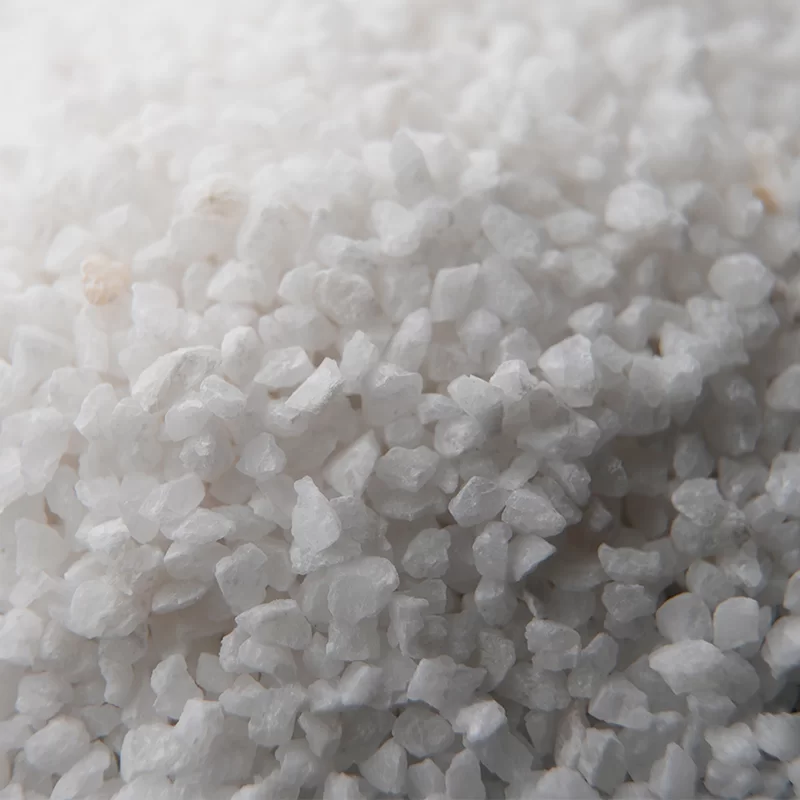
At its core, ground quartz sand is natural silica that has undergone a mechanical milling process to achieve a specific, controlled particle size distribution. Unlike raw sand, which contains various organic impurities and irregular grain shapes, the grinding process creates angular particles that provide superior mechanical interlocking when mixed with polymers or cements.
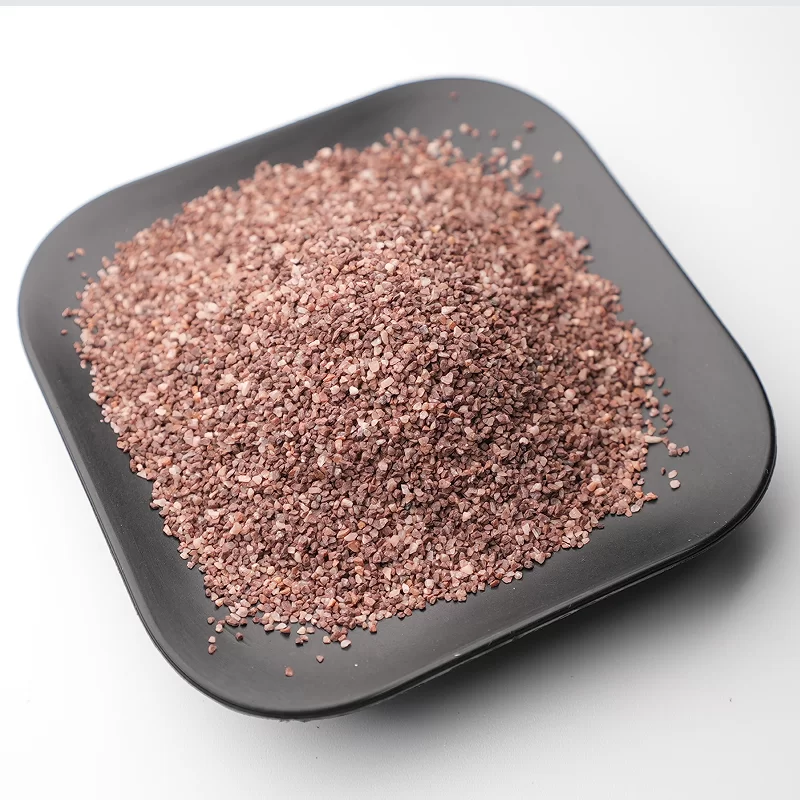
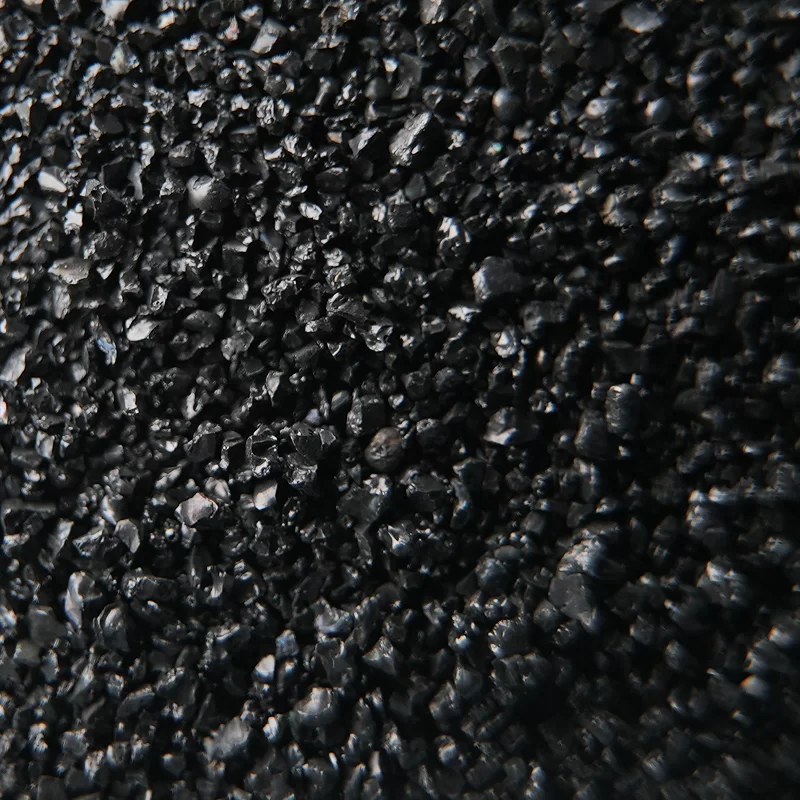
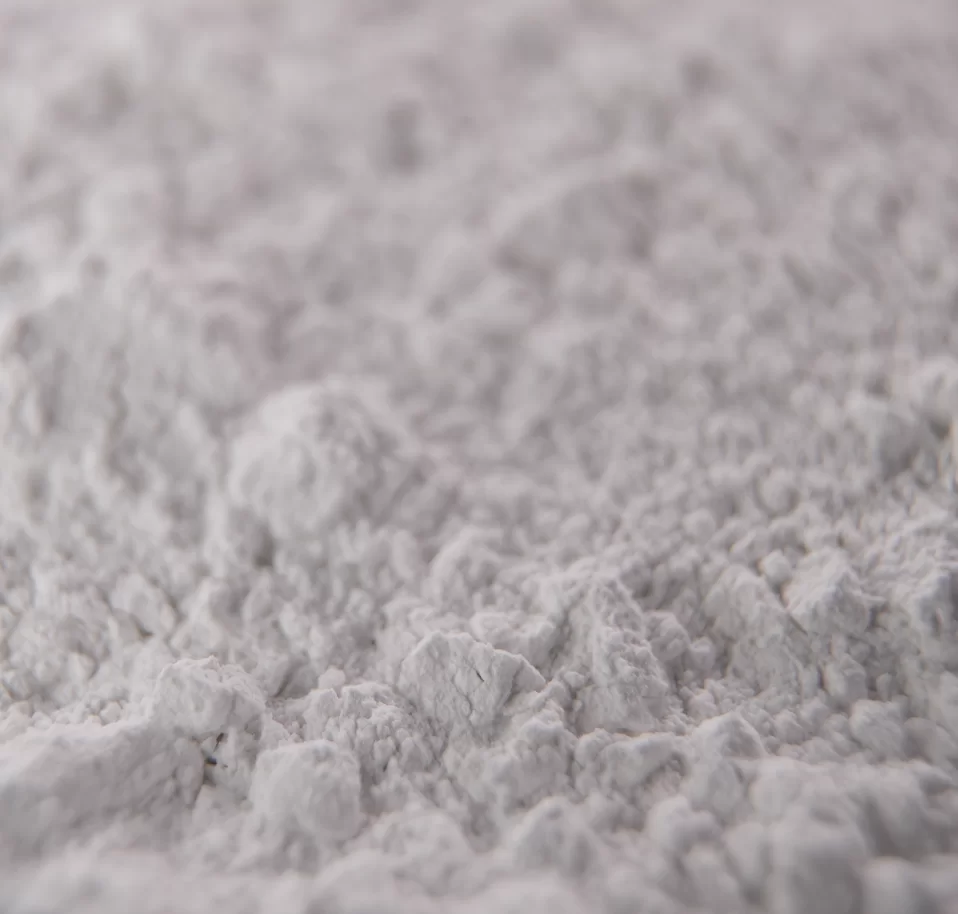
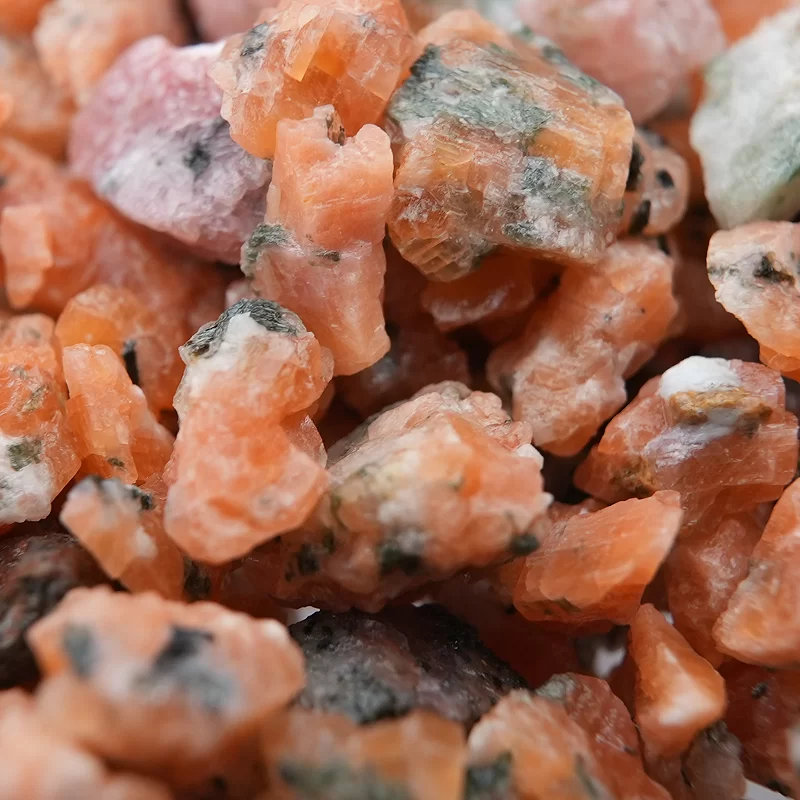
This material serves as a bridge between raw geological resources and advanced engineering needs. By controlling the mesh size, manufacturers can tailor the sand for specific roles—ranging from ultra-fine powders used in industrial fillers to coarse grits used for anti-slip safety surfaces. This versatility allows it to be integrated into a wide array of products, including epoxy flakes and natural colored sands.
In modern industrial contexts, this material is essential for creating "high-traffic" environments. Its chemical inertness means it does not react with harsh cleaning agents or industrial acids, making it the gold standard for chemical plants and food processing facilities where hygiene and durability are non-negotiable.
Core Components of High-Quality Silica Processing
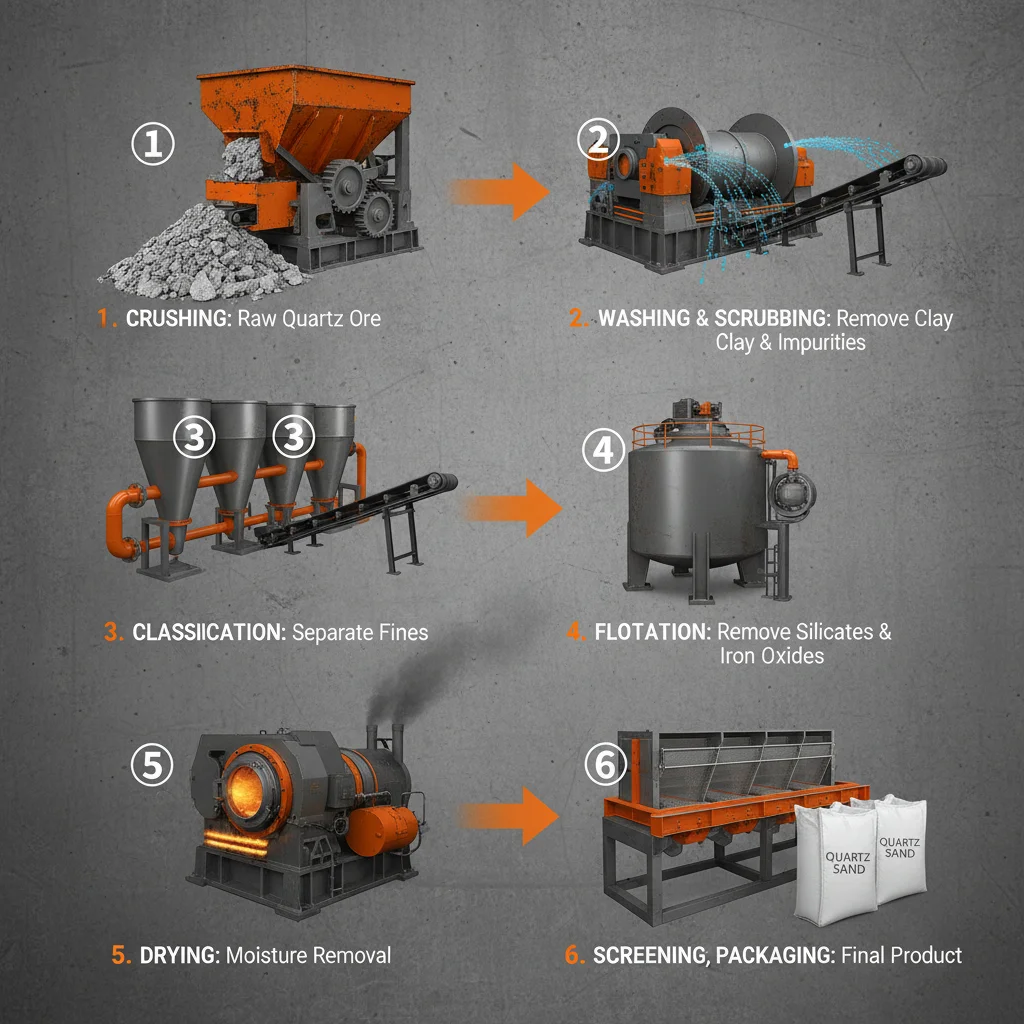
The efficacy of ground quartz sand depends heavily on its purity levels. High-grade silica, free from iron oxide and clay contaminants, ensures that the final application maintains its color integrity and structural strength, especially in decorative mosaics and colored glass precursors.
Particle size distribution (PSD) is the most critical technical factor. A narrow PSD ensures that the ground quartz sand packs efficiently, reducing the amount of resin or binder needed in epoxy flooring, which directly lowers project costs while increasing the overall compressive strength of the surface.
Finally, the angularity of the ground grains plays a pivotal role in friction and adhesion. Through controlled impact milling, the resulting grains provide a "tooth" that allows top-coats to bond more securely, preventing peeling and delamination in extreme temperature fluctuations.
Technical Performance and Scalability Metrics
When analyzing the performance of different processing methods, the industry looks at the balance between hardness, purity, and cost. The scalability of ground quartz sand production allows it to meet the needs of both small-scale artisanal mosaic projects and massive industrial warehouse developments.
The following data highlights how various processing grades perform across key industrial metrics, demonstrating the trade-off between extreme fineness and structural load-bearing capacity.
Performance Analysis of Ground Quartz Sand Grades
Real-World Applications Across Global Sectors
In the realm of industrial flooring, ground quartz sand is frequently used as a broadcast medium in epoxy systems. In logistics hubs across Europe and North America, this technique creates a slip-resistant, diamond-hard surface that can support the weight of heavy forklifts and automated guided vehicles (AGVs) without cracking.
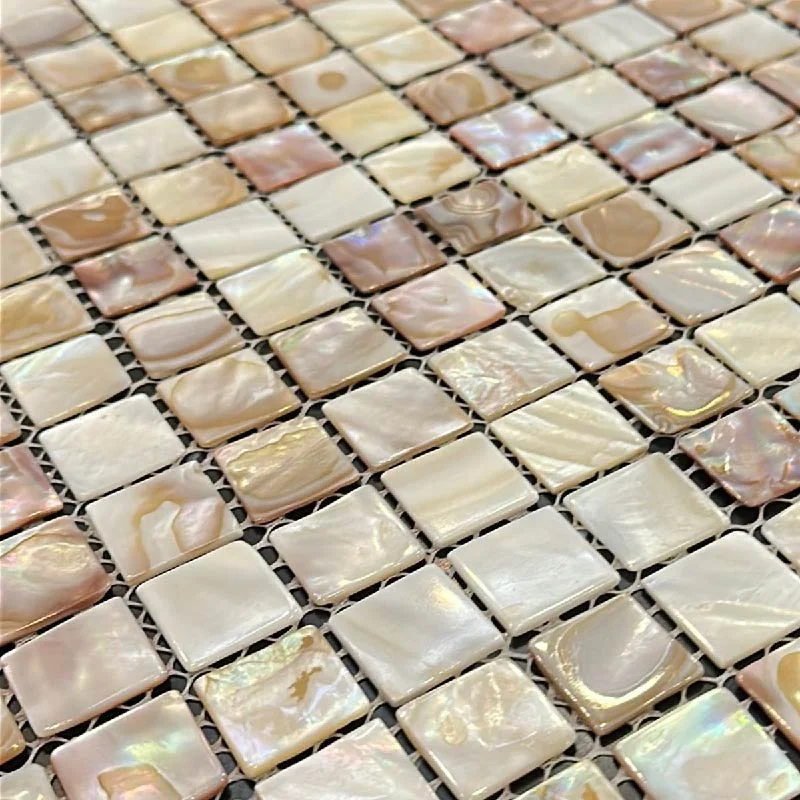
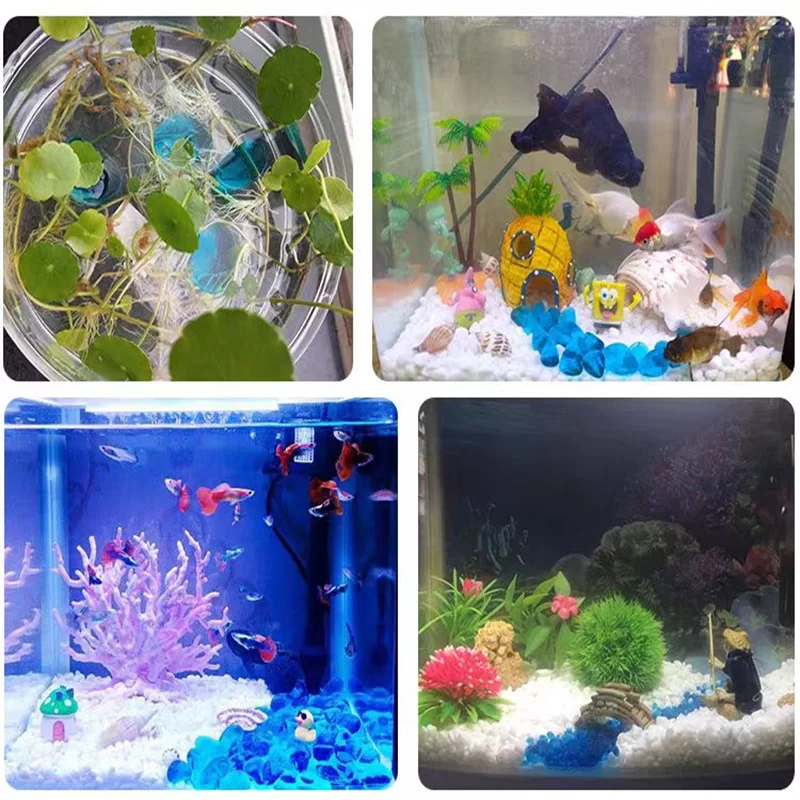
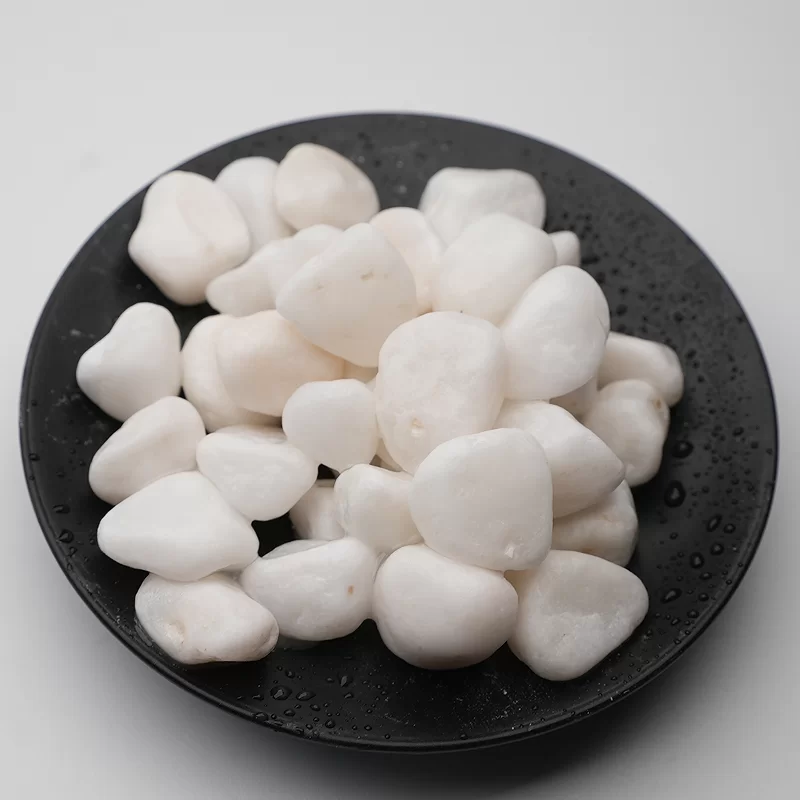
Beyond heavy industry, the material is pivotal in the architectural arts. From high-end decorative pebbles to luminous materials and mosaics, ground silica provides the base stability needed for vibrant pigments to adhere. In luxury hotels and public plazas, the use of colored ground quartz creates a seamless blend of aesthetic beauty and extreme weather resistance.
Long-Term Economic and Sustainable Value
From a financial perspective, the integration of high-quality ground quartz reduces the "life-cycle cost" of infrastructure. While the initial investment in processed silica may be higher than raw sand, the resulting surfaces require significantly less maintenance and have a longer replacement cycle, providing a higher return on investment (ROI) for facility managers.
Sustainability is also becoming a key driver. Modern mining operations for ground quartz sand are increasingly adopting closed-loop water recycling and dust suppression systems to minimize environmental impact. This aligns with global green building certifications like LEED and BREEAM, where material sourcing transparency is mandatory.
Furthermore, the durability of quartz-based materials prevents the waste associated with frequent renovations. By creating floors and walls that last decades rather than years, the industry reduces the overall carbon footprint associated with demolition and reconstruction.
Future Innovations in Mineral Grinding Technology
The future of mineral processing is leaning heavily toward automation and AI-driven particle analysis. New laser-diffraction technologies allow producers of ground quartz sand to monitor grain size in real-time, ensuring that every batch meets exact specifications with zero variance, which is critical for high-precision industrial powders.
We are also seeing a rise in "functionalized" silica, where the surface of the ground quartz is chemically treated to enhance its hydrophobic properties or to improve its bonding with bio-based resins. This innovation paves the way for more eco-friendly construction materials that do not compromise on strength.
As we move toward a circular economy, the ability to reclaim and re-grind quartz waste from glass production into high-quality industrial sand is becoming a reality. This transition from linear extraction to circular utilization represents the next frontier in sustainable mining.
Comparative Analysis of Ground Quartz Sand Processing Standards
| Processing Grade |
Purity Level (%) |
Application Focus |
Wear Resistance (1-10) |
| Standard Industrial |
98.5% |
Warehouse Flooring |
8 |
| High-Purity Optical |
99.9% |
Glass & Electronics |
6 |
| Decorative Fine |
97.0% |
Artistic Mosaics |
7 |
| Abrasive Coarse |
96.0% |
Sandblasting/Grit |
10 |
| Epoxy Filler |
99.0% |
Chemical Resistant Floors |
9 |
| Eco-Recycled |
95.0% |
General Construction |
7 |
FAQS
Ground quartz sand is mechanically processed to achieve a precise particle size and shape, whereas natural sand has irregular grains and often contains organic impurities. The grinding process ensures consistency, which is vital for industrial applications like epoxy flooring, where predictable bonding and thickness are required for structural integrity.
Yes, it is highly recommended. Due to its chemical inertness and hardness, it provides excellent traction without reacting with the aggressive cleaning chemicals used in food-grade environments. When mixed with polyurethane or epoxy, it creates a durable, non-porous surface that meets strict hygiene standards.
The choice depends on the desired finish and function. For a smooth, decorative finish, ultra-fine powders are best. For heavy-duty industrial wear layers, a medium to coarse grit is preferred to provide maximum mechanical interlocking and slip resistance. Consulting a technical data sheet for particle size distribution (PSD) is always recommended.
When sourced from responsible mines and processed using modern, low-emission milling technology, it is a sustainable choice. Its extreme durability reduces the frequency of renovations, thereby lowering the total volume of construction waste over the lifespan of a building.
The physical performance (hardness and bonding) remains largely the same regardless of color. However, "natural" white quartz is usually the purest. Colored versions are typically achieved through high-quality pigments that are bonded to the silica surface, ensuring that the aesthetic appeal does not compromise the material's strength.
To prevent larger particles from settling at the bottom (segregation), it is typically packaged in reinforced moisture-proof bags or silos. For large industrial projects, bulk shipments are handled using pneumatic systems that maintain a consistent flow and distribution of the grit.
Conclusion
In summary, ground quartz sand is far more than a simple aggregate; it is a precision-engineered mineral that empowers modern construction and industrial design. By optimizing particle size and purity, it solves critical challenges related to surface wear, chemical resistance, and aesthetic versatility, providing a reliable foundation for infrastructure that must perform under pressure.
Looking forward, the integration of smarter milling technologies and sustainable sourcing will further solidify the role of processed silica in the green building movement. For those seeking to maximize the longevity and visual impact of their projects, investing in high-grade ground quartz is a strategic decision that ensures safety, durability, and timeless quality. Visit our website: www.cnfloormaterials.com