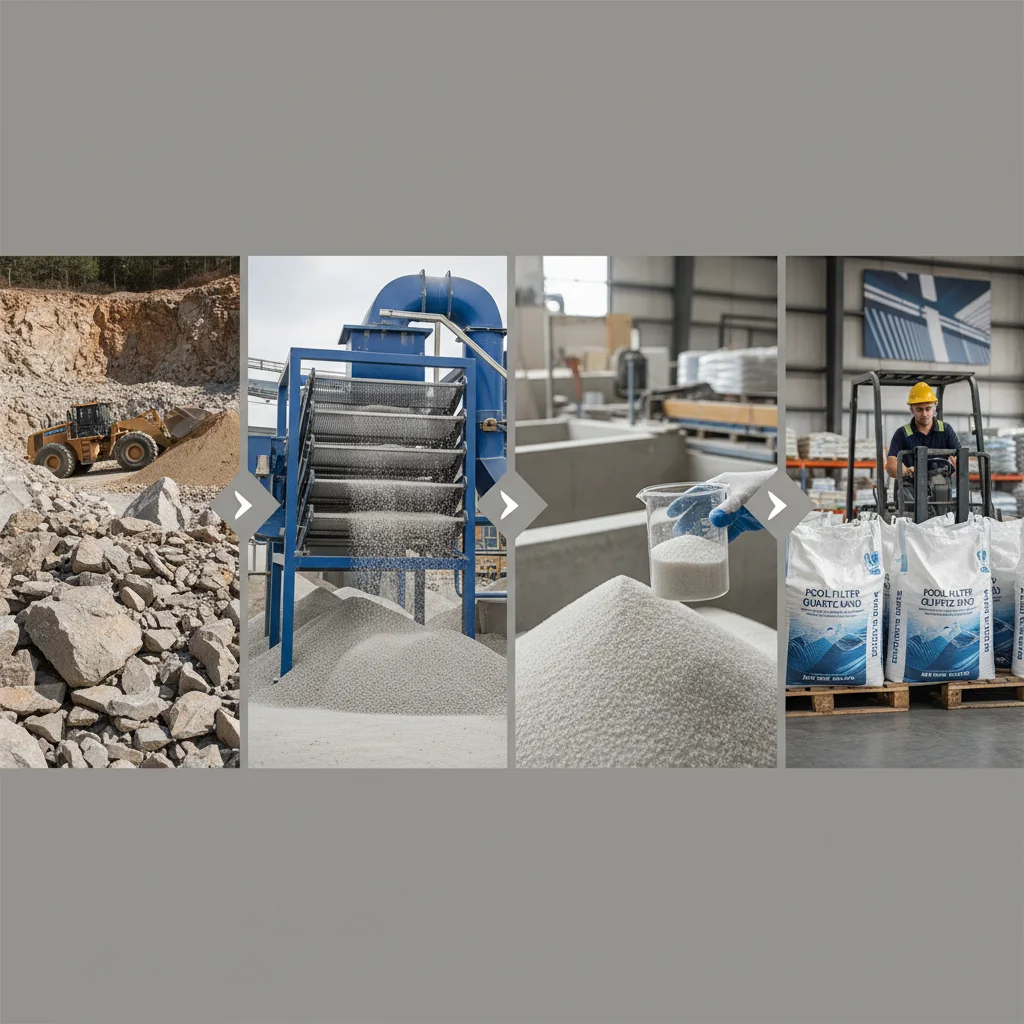
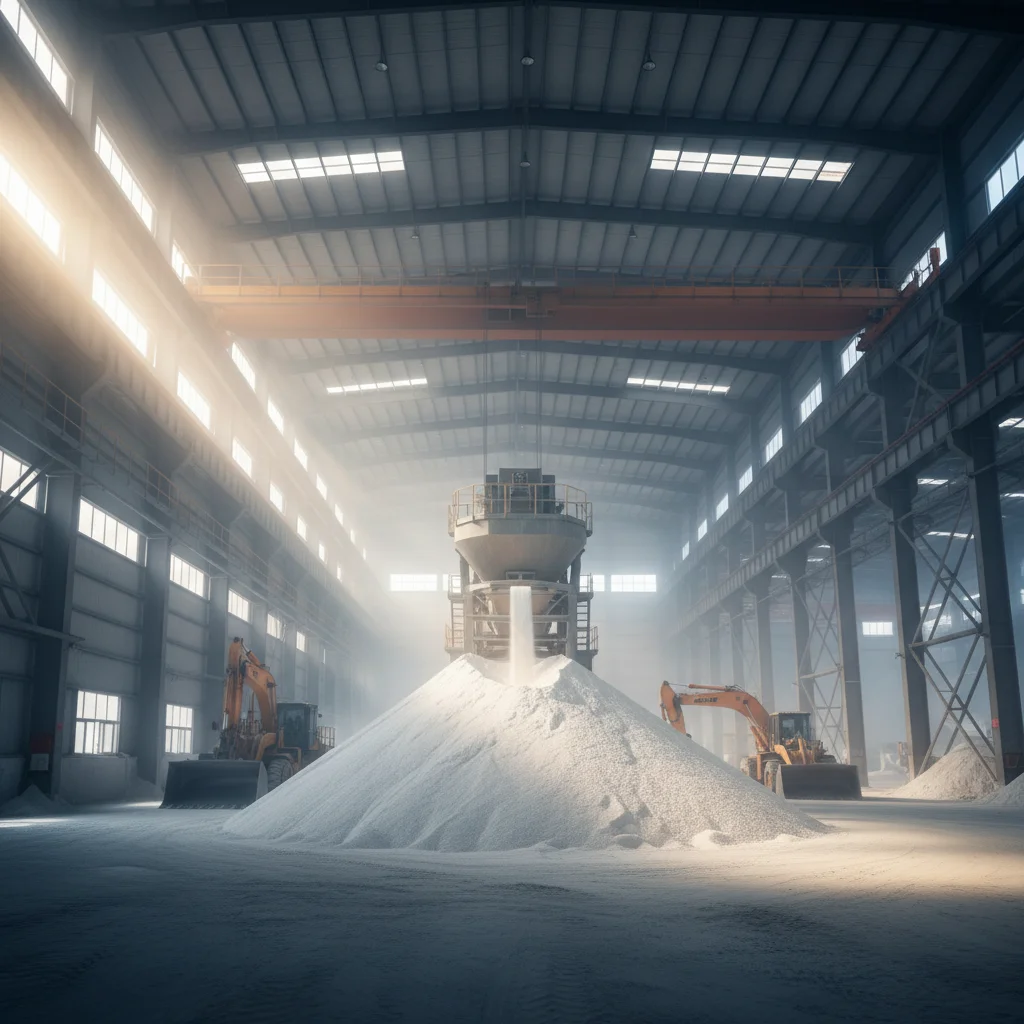
The global industrial landscape relies heavily on high-purity minerals to drive innovation in construction, filtration, and chemical manufacturing. Among these, granusil silica sand has emerged as a critical material due to its exceptional consistency, chemical stability, and versatility in diverse applications. Understanding the nuances of this material is essential for engineers and procurement specialists seeking to optimize the structural integrity and performance of their industrial projects.
From the production of high-strength mortars to advanced water purification systems, the demand for specialized silica grains is surging. The unique physical properties of granusil silica sand allow it to bridge the gap between raw geological deposits and the stringent requirements of modern ISO standards. By ensuring a precise grain size distribution and low impurity levels, this material minimizes failure rates in high-stress environments.
As sustainability becomes a cornerstone of the mining and construction industries, the efficient extraction and processing of silica are more important than ever. Utilizing granusil silica sand not only enhances the longevity of the end product but also reduces waste through precise application. This comprehensive guide explores the technical specifications, global applications, and future trajectories of this indispensable mineral.
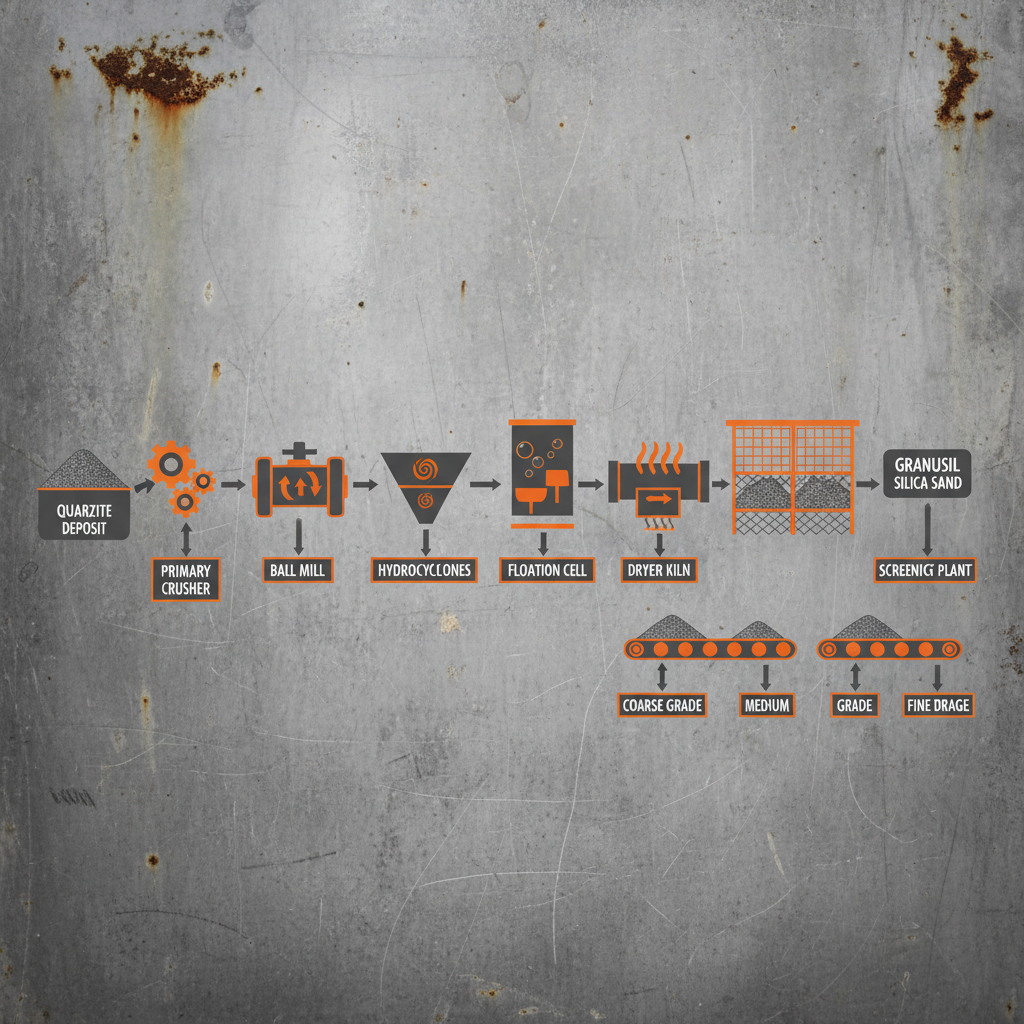
Global Industrial Relevance of Granusil Silica Sand
The global market for industrial minerals has seen a significant shift toward high-specification materials, where granusil silica sand plays a pivotal role. With the expansion of urban infrastructure in Asia and Africa, the need for reliable, high-purity silica for glass and ceramics has reached unprecedented levels. Data from international trade reports suggest that the demand for processed silica sand is growing at a CAGR of nearly 5%, driven largely by the electronics and renewable energy sectors.
However, the industry faces a critical challenge: the depletion of high-quality natural deposits. This scarcity has forced a transition toward more sophisticated processing techniques to ensure that standard sand can meet the rigorous requirements of specialized industrial use. Granusil silica sand addresses this by providing a standardized, high-purity alternative that maintains structural stability across varying temperature and pressure ranges.
Technical Definition and Material Composition
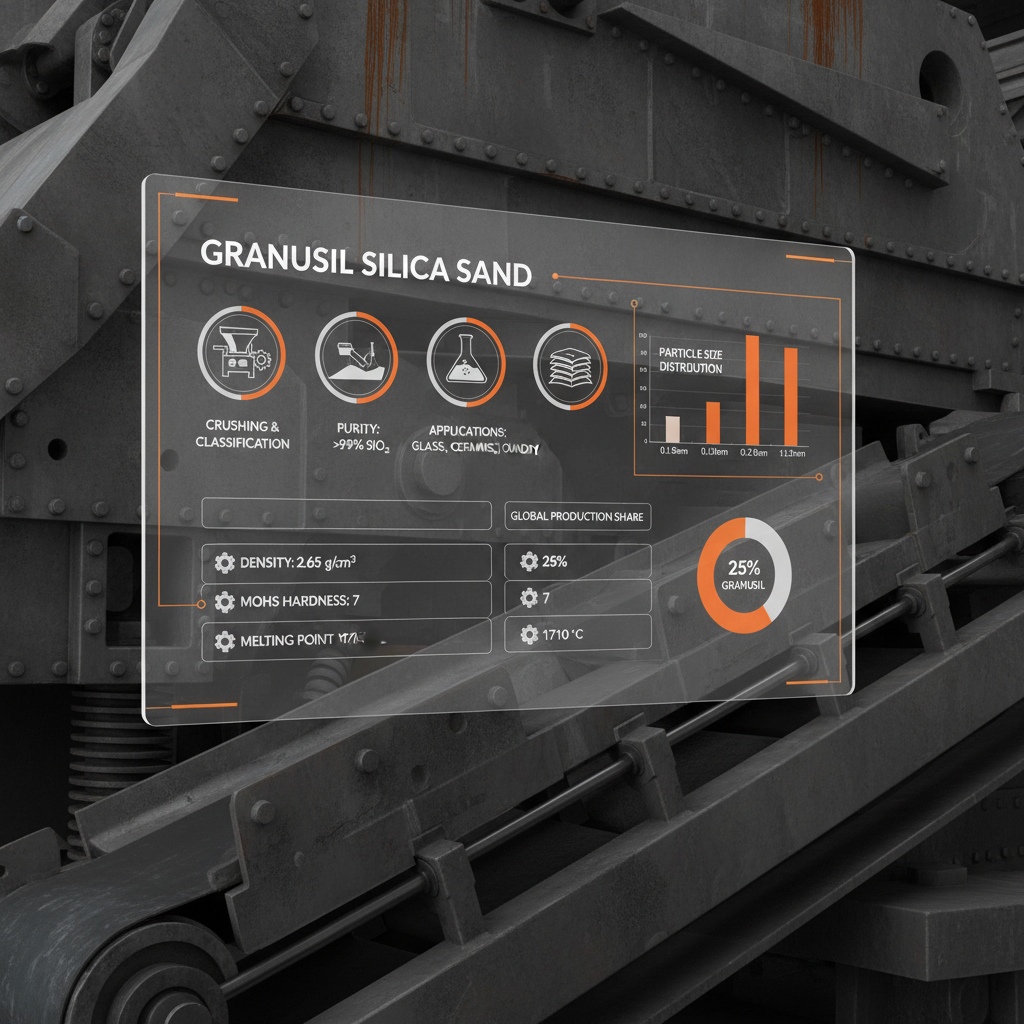
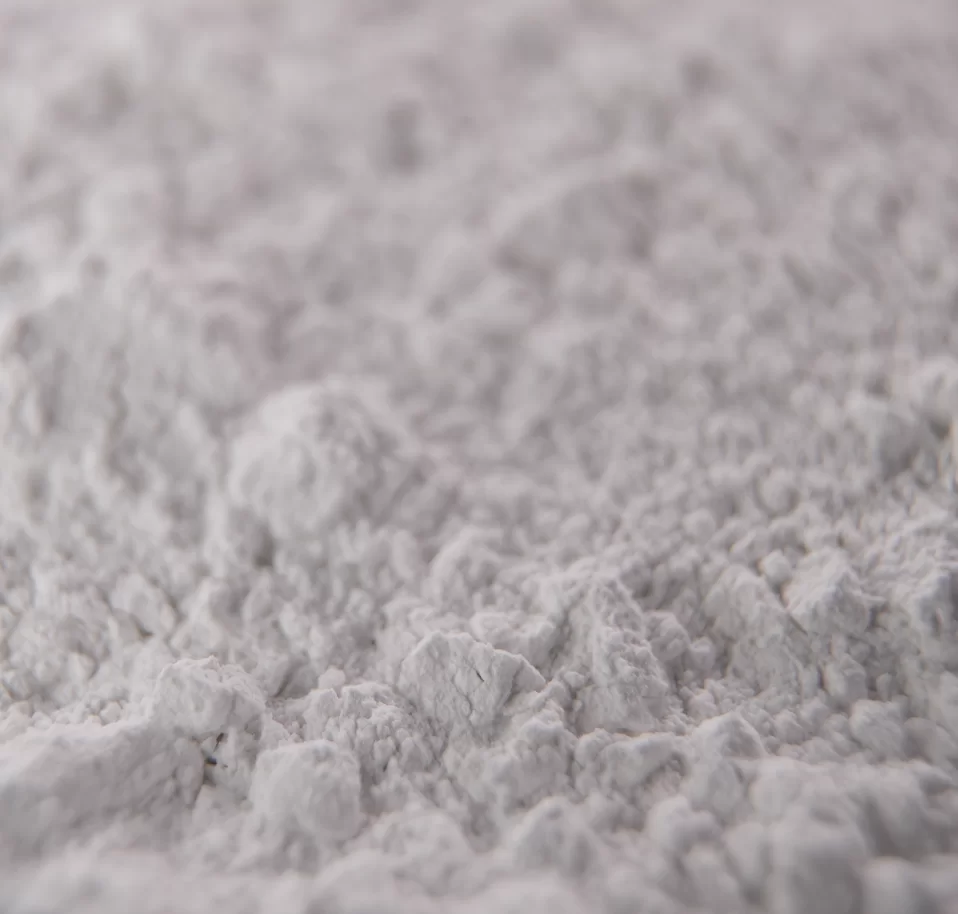
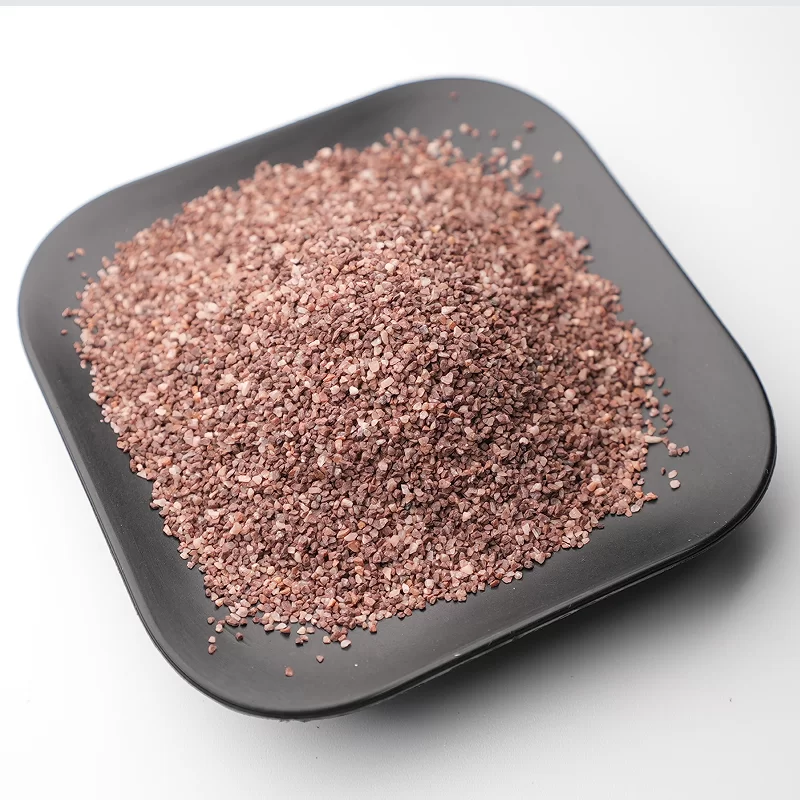
In technical terms, granusil silica sand is a high-purity silicon dioxide (SiO2) mineral, meticulously graded and processed to remove contaminants such as iron oxides and organic matter. Unlike raw quarry sand, which varies wildly in composition, this processed material is engineered to provide a consistent chemical profile, making it an essential raw material for the production of specialty glass, foundry molds, and high-performance filtration media.
Its connection to modern humanitarian and industrial needs is profound. For instance, in the construction of emergency shelters and resilient urban housing, the use of high-purity silica in cementitious composites ensures that structures can withstand seismic activities and extreme weather. The precise angularity of the grains provides a superior mechanical interlock, which is critical for the durability of load-bearing surfaces.
Furthermore, in the realm of environmental protection, the material is used in large-scale water treatment plants. The uniform porosity and chemical inertness of granusil silica sand allow for the efficient removal of suspended solids and pollutants, providing clean drinking water to millions in developing regions. This duality—serving both heavy industry and humanitarian goals—defines its unique position in the global mineral market.
Core Components of Quality Control
The primary factor determining the efficacy of granusil silica sand is its chemical purity. The presence of even trace amounts of iron (Fe2O3) can lead to discoloration in glass products or unwanted reactions in chemical catalysts. Therefore, rigorous leaching and magnetic separation processes are employed to ensure that the SiO2 content remains above 99%, ensuring a transparent and stable end product.
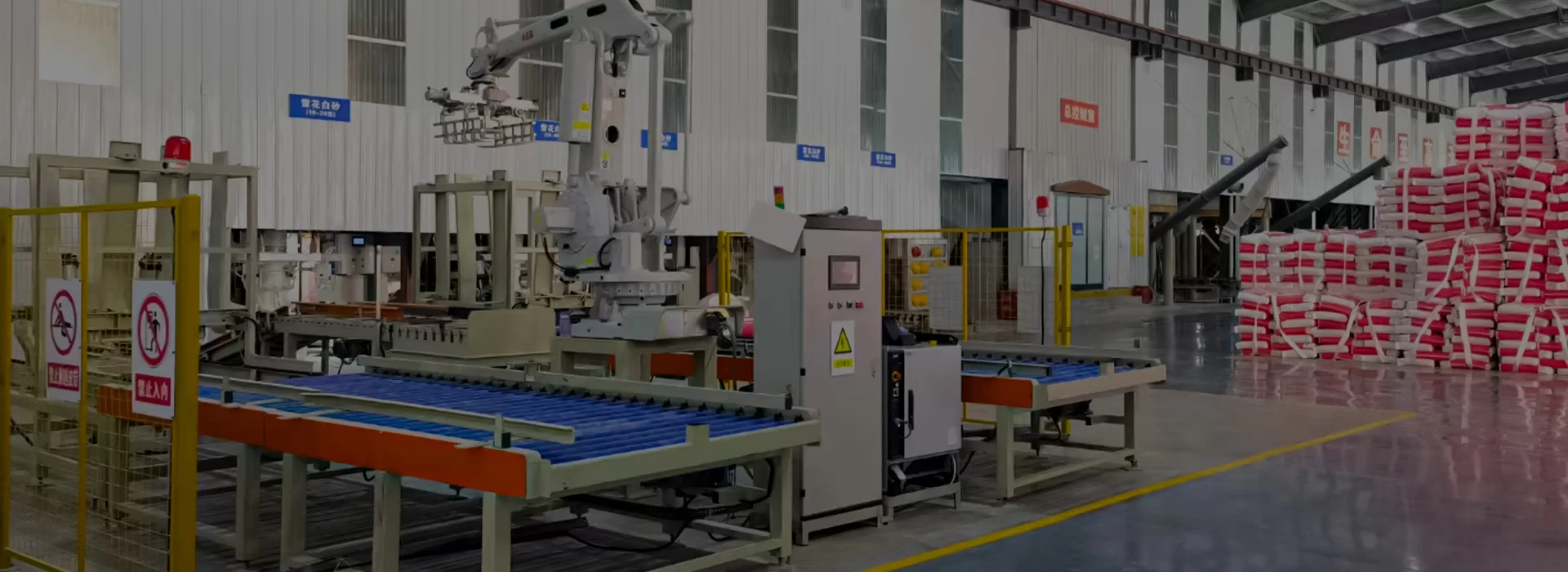
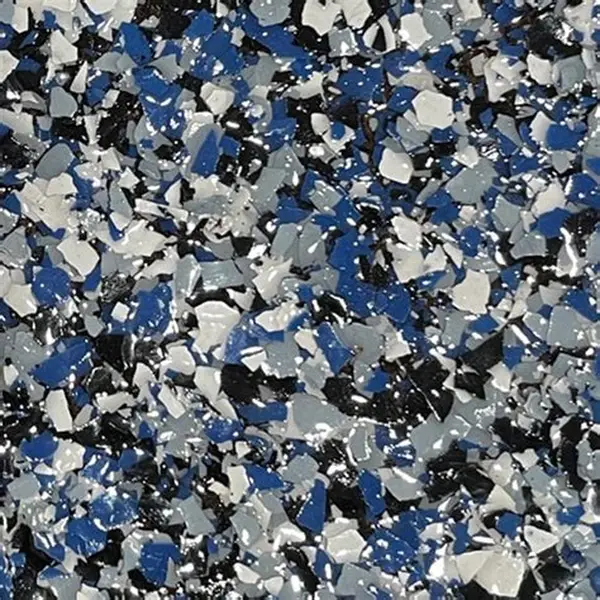
Grain size distribution (GSD) is another critical component of quality control for granusil silica sand. By utilizing advanced sieving and air-classification technologies, manufacturers can produce a "tight" distribution curve. This uniformity is vital for epoxy flooring and decorative coatings, where an uneven grain size would lead to surface imperfections and premature wear.
Finally, the mechanical hardness and sphericity of the particles dictate the material's durability in abrasive environments. Granusil silica sand is prized for its high Mohs hardness, which makes it an ideal candidate for sandblasting and abrasive cleaning. This resilience ensures that the material does not degrade rapidly during use, reducing the frequency of replacement and lowering overall operational costs for industrial users.
Performance Metrics in Practical Applications
When evaluating the performance of granusil silica sand across different industrial sectors, quantitative metrics provide the most accurate picture. Whether it is used as a filler in epoxy resin or as a filtration medium in aquaculture, the ability of the sand to maintain its physical properties under stress is paramount. We analyze these metrics based on purity, flowability, and compressive strength.
The following data represents a comparative analysis of various grades of silica sand used in the industry, highlighting how specialized processing elevates the performance of the material in critical environments.
Performance Comparison of Granusil Silica Sand Grades
Global Use Cases and Regional Implementations
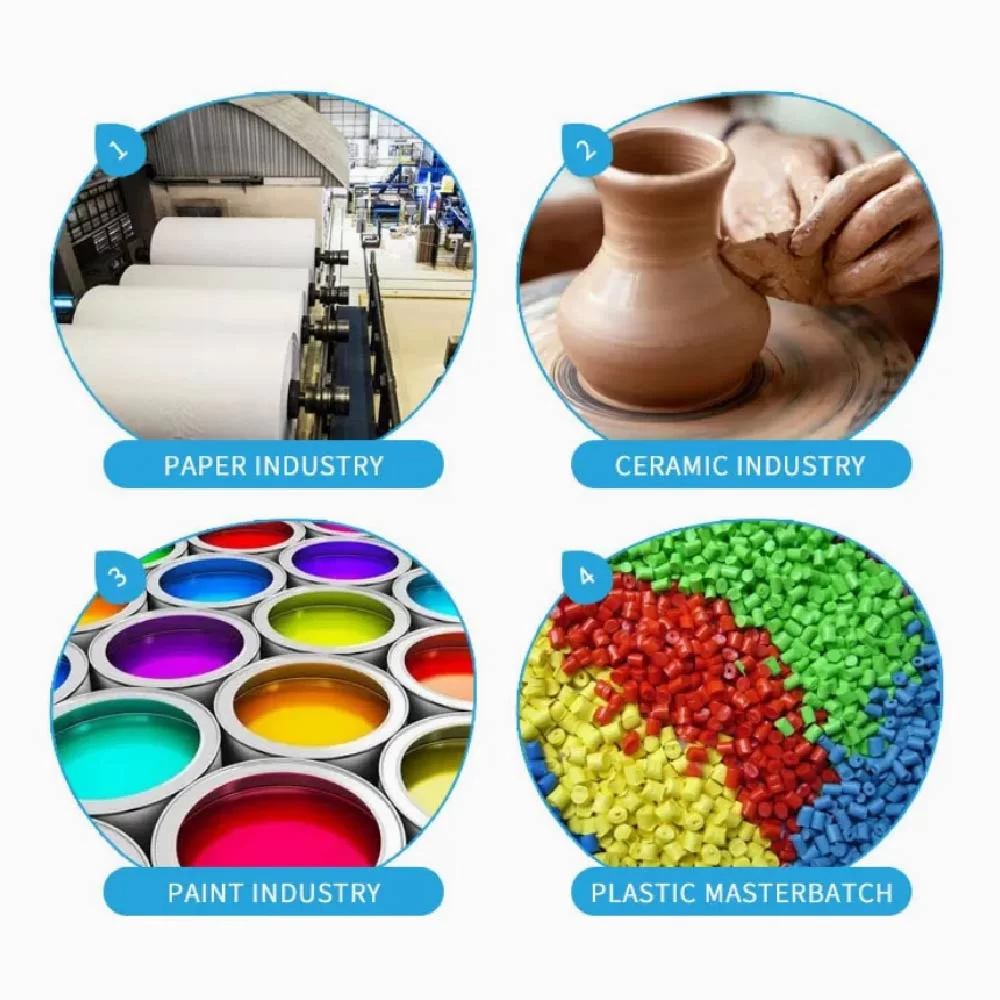
In the industrial zones of Southeast Asia, granusil silica sand is extensively used in the manufacturing of high-quality ceramics and porcelain. The material's low iron content is essential for achieving the pristine white finish required for luxury tableware and sanitary ware. By implementing precise grading, manufacturers in this region have reduced their firing waste by 15%, significantly increasing production efficiency.
Conversely, in the North American aerospace and automotive sectors, this material is utilized in foundry casting. The high thermal stability of granusil silica sand allows for the creation of molds that can withstand the extreme temperatures of molten steel and aluminum without collapsing. This ensures a high level of precision in the casting of engine blocks and turbine blades, where a millimeter of deviation can lead to catastrophic failure.
Long-Term Value and Sustainable Advantages
The long-term value of investing in granusil silica sand extends beyond immediate technical performance. From a cost-efficiency perspective, the high purity and uniformity of the material reduce the need for secondary processing or corrective measures during the manufacturing cycle. For a construction firm, using high-grade silica in epoxy flooring means a longer lifecycle for the floor, reducing maintenance costs and downtime for the client.
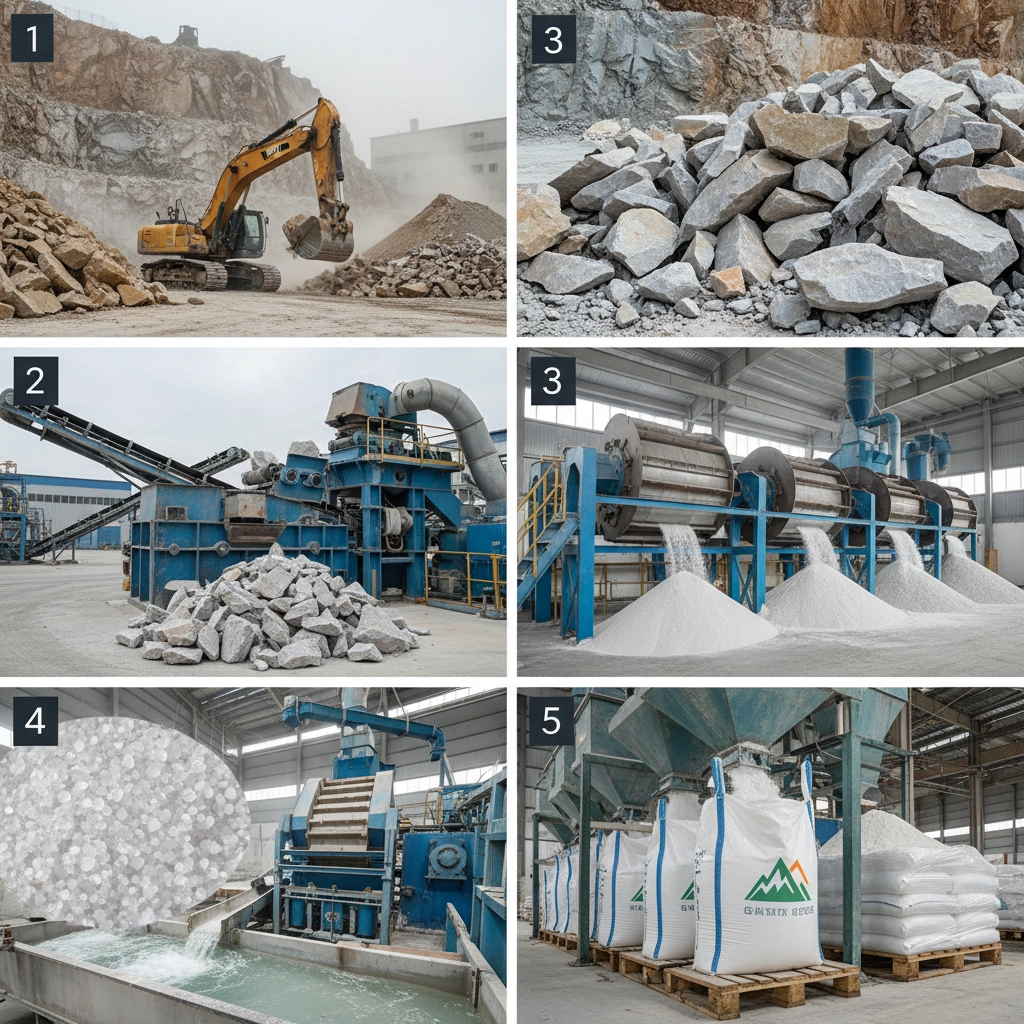
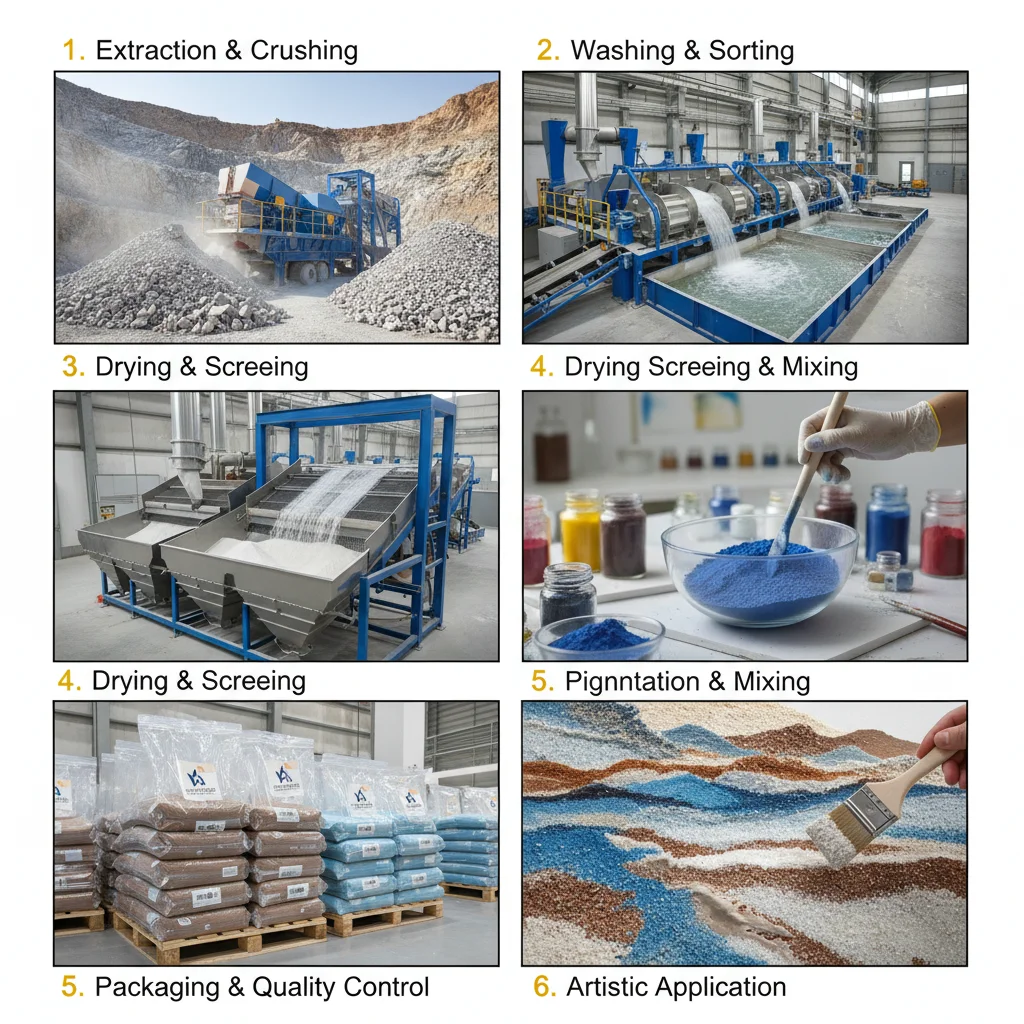
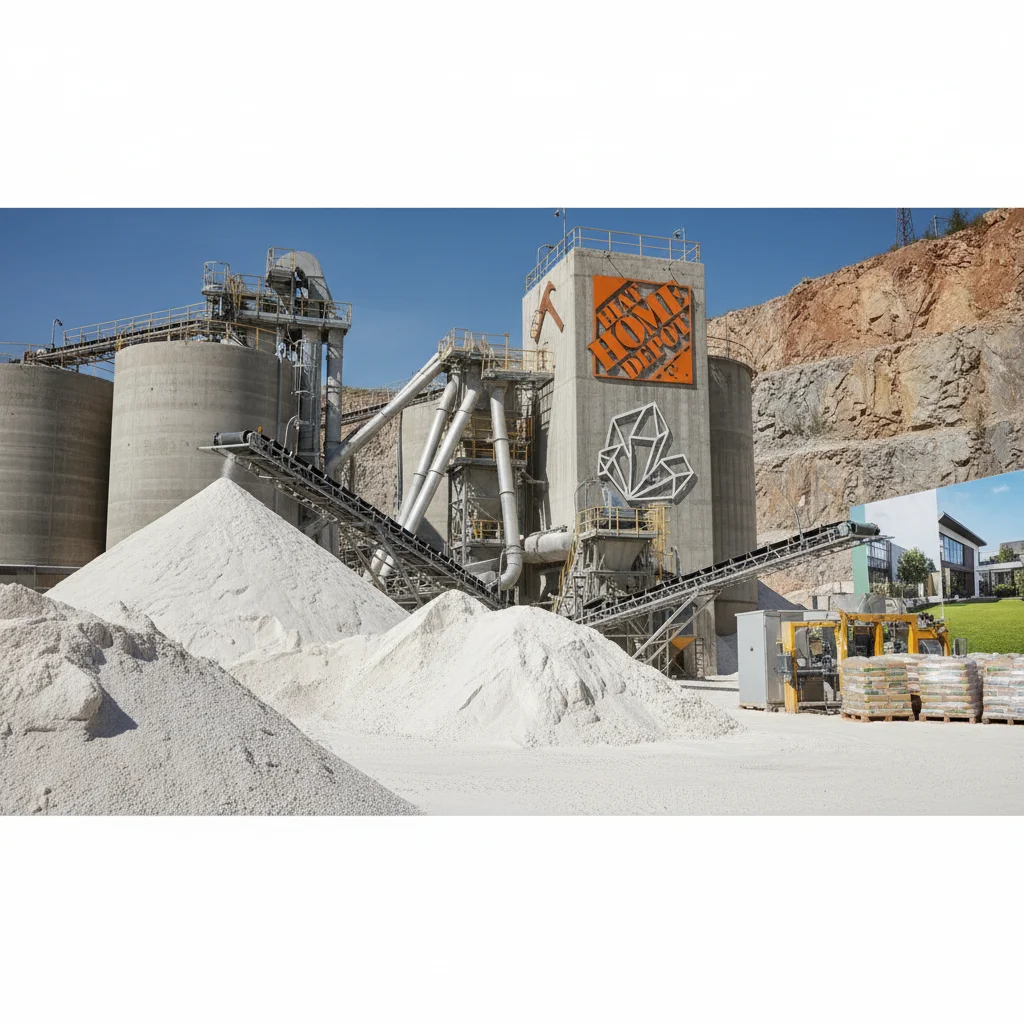
Sustainability is another critical angle. Modern extraction processes for this material are increasingly focusing on reducing the carbon footprint of mining operations. By utilizing closed-loop water systems for washing and sorting the sand, the environmental impact on local watersheds is minimized. This commitment to eco-friendly production makes the material an attractive choice for companies aiming to meet ESG (Environmental, Social, and Governance) targets.
Moreover, the reliability associated with standardized silica sand builds a foundation of trust between suppliers and contractors. In large-scale infrastructure projects, such as bridge decks or airport runways, the certainty that the material will perform consistently across thousands of tons of pour is invaluable. This psychological and logical assurance of safety and durability is what separates premium silica from generic alternatives.
Future Innovations and Market Challenges
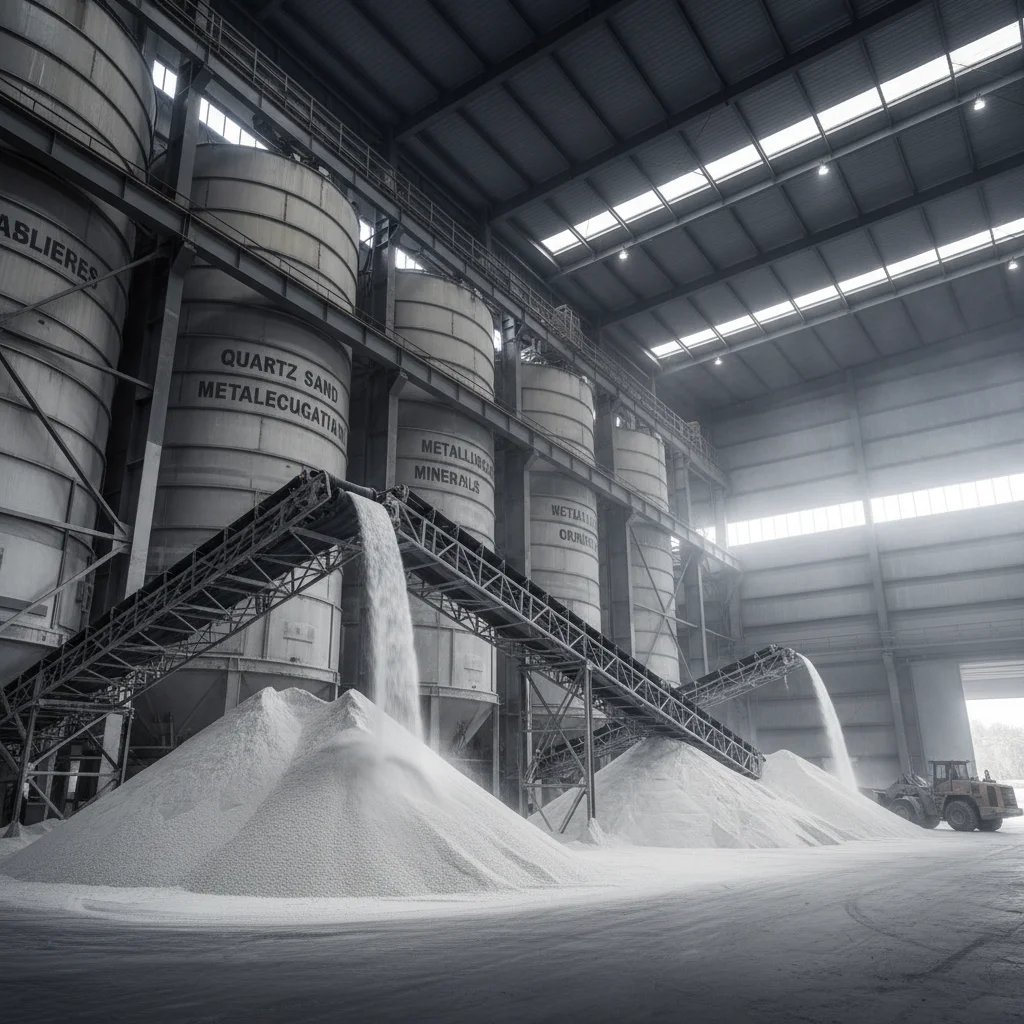
Looking forward, the evolution of granusil silica sand is being driven by the digital transformation of the mining industry. The integration of AI-driven sorting technologies allows for even more precise separation of minerals, potentially pushing purity levels to 99.9%. This "hyper-purity" is essential for the next generation of semiconductors and photovoltaic cells used in solar energy, positioning silica sand as a cornerstone of the green energy transition.
Despite these advancements, the industry must navigate significant challenges. Regulatory pressures regarding the extraction of river sand have led to a shift toward land-based mining, which often requires more energy-intensive processing. To overcome this, innovators are exploring "circular silica" initiatives, where glass waste is recycled and processed back into industrial-grade sand, reducing the reliance on virgin mineral deposits.
The convergence of automation and sustainability will likely redefine how silica is distributed globally. Blockchain tracking for mineral provenance is becoming more common, allowing buyers to verify that their granusil silica sand was sourced ethically and processed under strict environmental guidelines. This transparency will be a key competitive advantage in a market that increasingly values ethical sourcing.
Analysis of Granusil Silica Sand Application Tiers
| Application Sector |
Required Purity (%) |
Critical Property |
Performance Score (1-10) |
| Specialty Glass |
> 99.5% |
Low Iron Content |
10 |
| Water Filtration |
98% - 99% |
Uniform Grain Size |
9 |
| Epoxy Flooring |
97% - 99% |
Sphericity/Texture |
8 |
| Foundry Molds |
95% - 98% |
Thermal Stability |
9 |
| Abrasive Blasting |
90% - 95% |
Mohs Hardness |
7 |
| Construction Mortar |
90% - 97% |
Compressive Strength |
8 |
FAQS
The primary difference lies in purity and consistency. While quarry sand contains various mineral impurities and inconsistent grain sizes, granusil silica sand undergoes rigorous processing to ensure a high SiO2 percentage and a precise grain size distribution. This results in better chemical stability, superior aesthetic finishes in glass/ceramics, and higher structural reliability in industrial coatings.
Grain size determines the texture, slip resistance, and wear-level of the flooring. Uniform granusil silica sand ensures that the epoxy resin coats every particle evenly, preventing "bald spots" or oversized grains that could create trip hazards or points of structural weakness. Precise grading allows for a smoother, more professional finish with optimized durability.
Yes, when sourced from reputable suppliers. Modern production focuses on reducing water waste through recycling systems and minimizing the carbon footprint of transport. Additionally, the long-term durability it provides to infrastructure reduces the need for frequent repairs and replacements, thereby lowering the overall lifecycle environmental impact of the project.
Absolutely. One of the key strengths of granusil silica sand is its thermal stability. It can withstand extreme heat without significant shrinkage or chemical breakdown, making it ideal for molds used in casting metals. This prevents defects in the final cast and ensures the dimensional accuracy of the industrial parts.
Purity is typically verified through a Certificate of Analysis (CoA) provided by the manufacturer. This document lists the percentage of SiO2 and the levels of impurities like Fe2O3. For critical projects, third-party lab testing using X-ray fluorescence (XRF) spectroscopy is recommended to confirm that the material meets the required specifications.
Since it is a mineral, granusil silica sand does not "expire." However, it must be stored in a dry, contaminant-free environment. If exposed to moisture or organic debris, it may require re-drying or re-screening before use in high-precision applications like glass making or chemical synthesis to maintain its purity.
Conclusion
In summary, granusil silica sand is far more than a simple raw material; it is a precision-engineered mineral that underpins a vast array of global industries. From enhancing the clarity of specialty glass to ensuring the resilience of urban infrastructure and the purity of drinking water, its impact is both profound and pervasive. By focusing on purity, grain uniformity, and sustainable extraction, this material allows industries to push the boundaries of performance and reliability.
As we move toward a future defined by green energy and smart infrastructure, the role of high-purity silica will only grow. We recommend that procurement officers and engineers prioritize standardized, certified materials to mitigate risk and maximize the lifespan of their projects. For those seeking the highest standards in industrial minerals, exploring advanced grading and purity options is the key to maintaining a competitive edge. Visit our website: www.cnfloormaterials.com