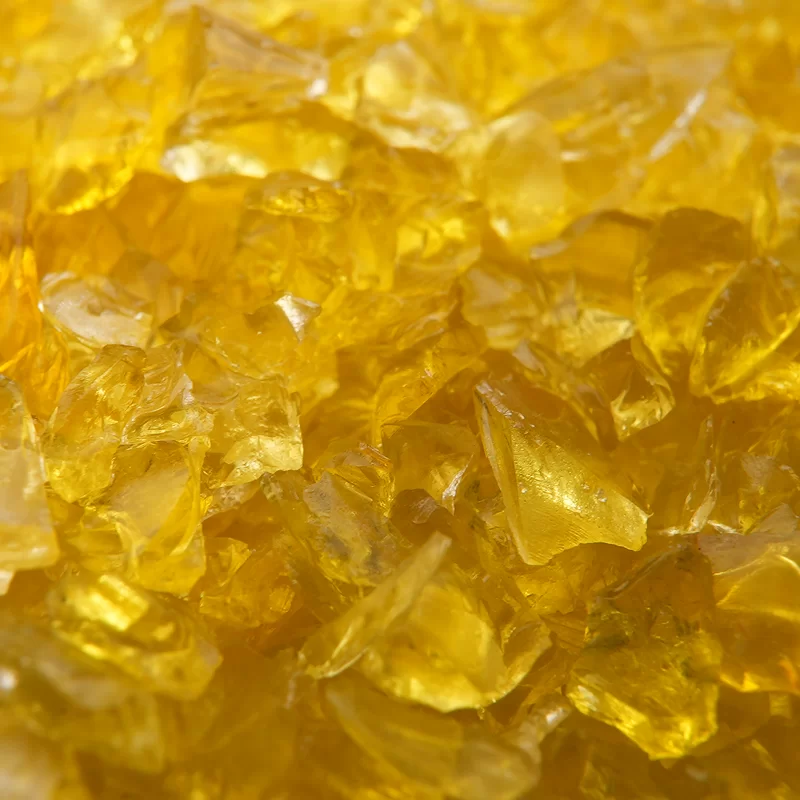
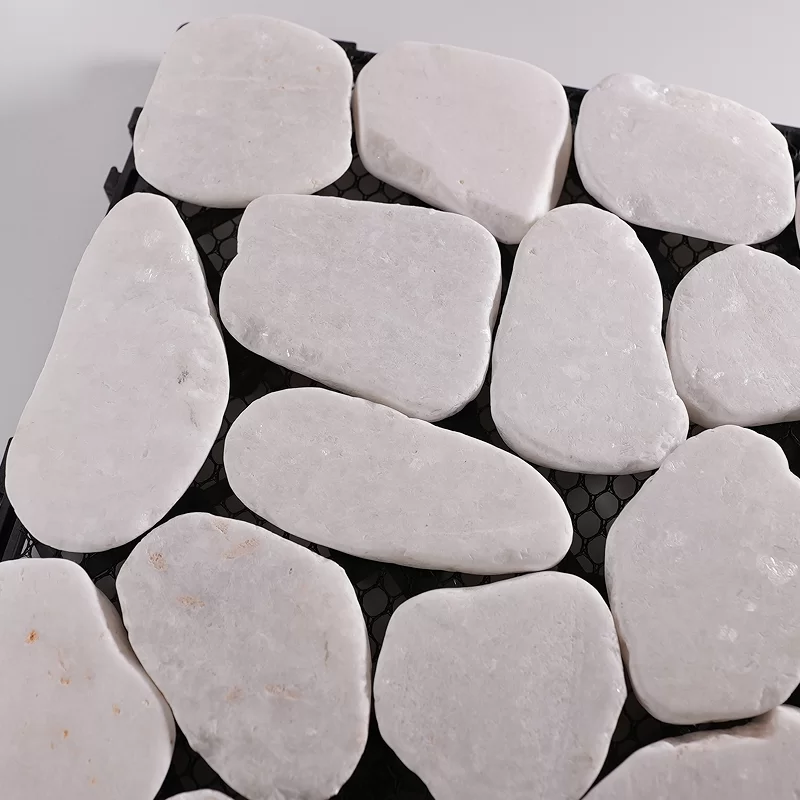
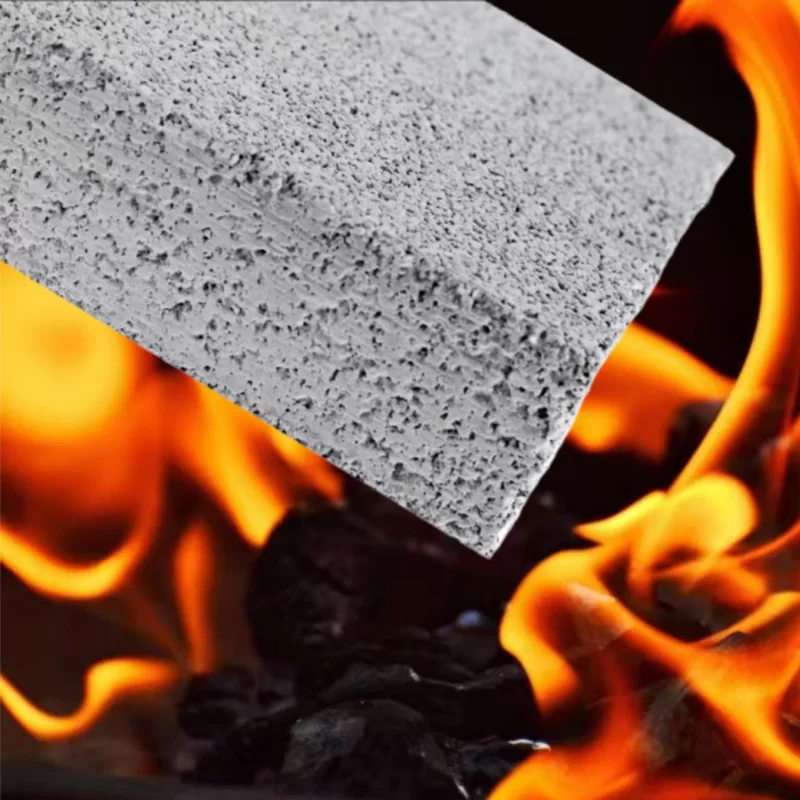
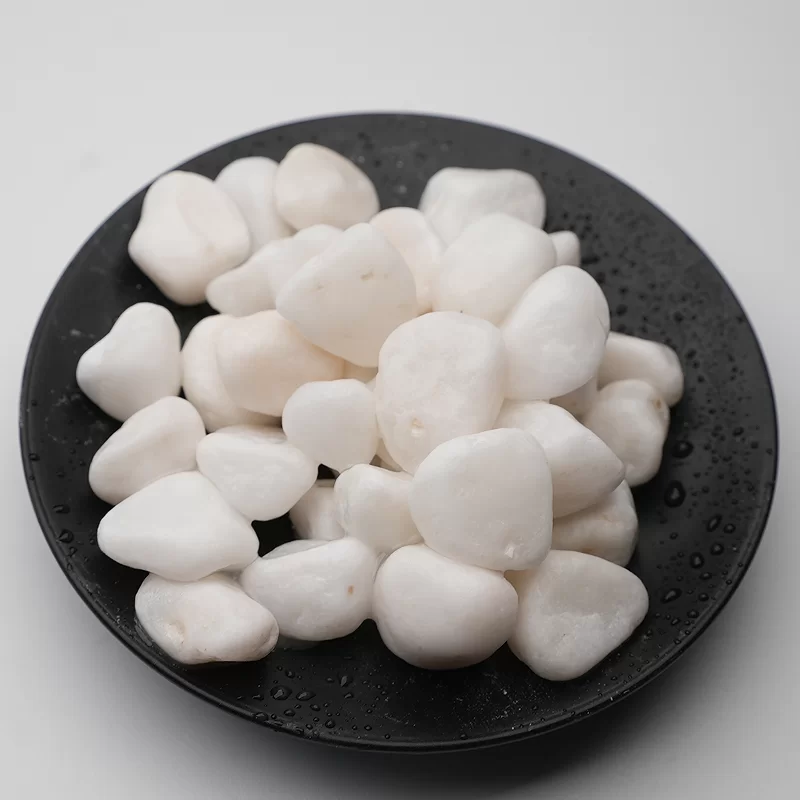
Perlite cover board represents a significant advancement in lightweight construction materials, offering a versatile solution for a range of applications. Its unique properties—primarily stemming from expanded volcanic glass—make it increasingly valuable in industries demanding thermal insulation, fire resistance, and reduced structural load. Understanding the benefits and applications of perlite cover board is crucial for professionals in construction, disaster relief, and sustainable building practices, as well as for those seeking innovative materials for specialized industrial needs.
The global demand for sustainable and efficient building materials is rapidly escalating, driven by factors like climate change, urbanization, and a growing awareness of energy conservation. Perlite cover board addresses these challenges directly by providing an environmentally friendly alternative to traditional construction materials. The increasing frequency of natural disasters also highlights the need for rapidly deployable and resilient building solutions, where perlite cover board’s lightweight and insulating properties prove invaluable. Globally, ISO standards and building codes are evolving to favor materials with lower environmental footprints, further boosting the demand for solutions like perlite cover board.
Furthermore, the ability to easily customize and integrate perlite cover board into existing building systems makes it an adaptable choice for diverse projects. From residential construction to large-scale industrial facilities, and from disaster relief shelters to specialized agricultural applications, perlite cover board is becoming a cornerstone of modern, sustainable construction, offering a blend of performance, cost-effectiveness, and environmental responsibility.
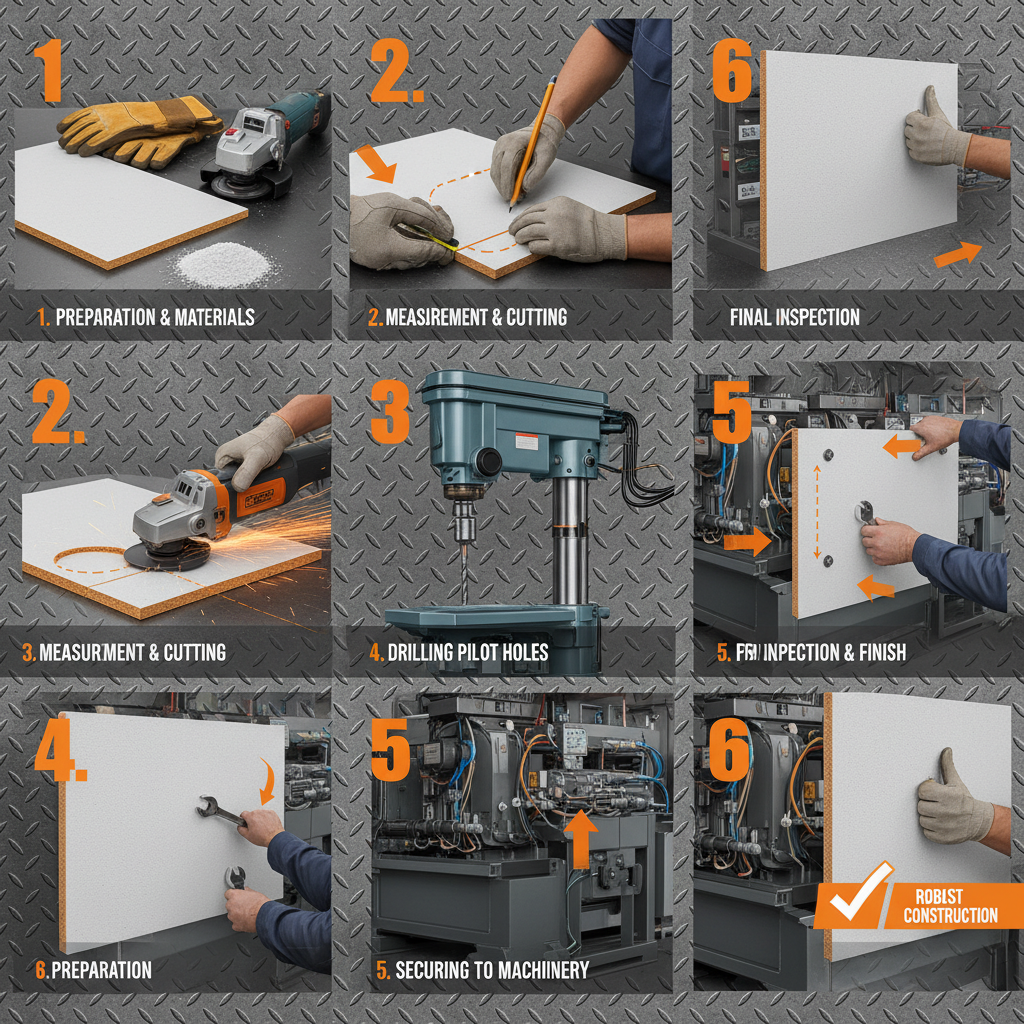
The Significance of Perlite Cover Board
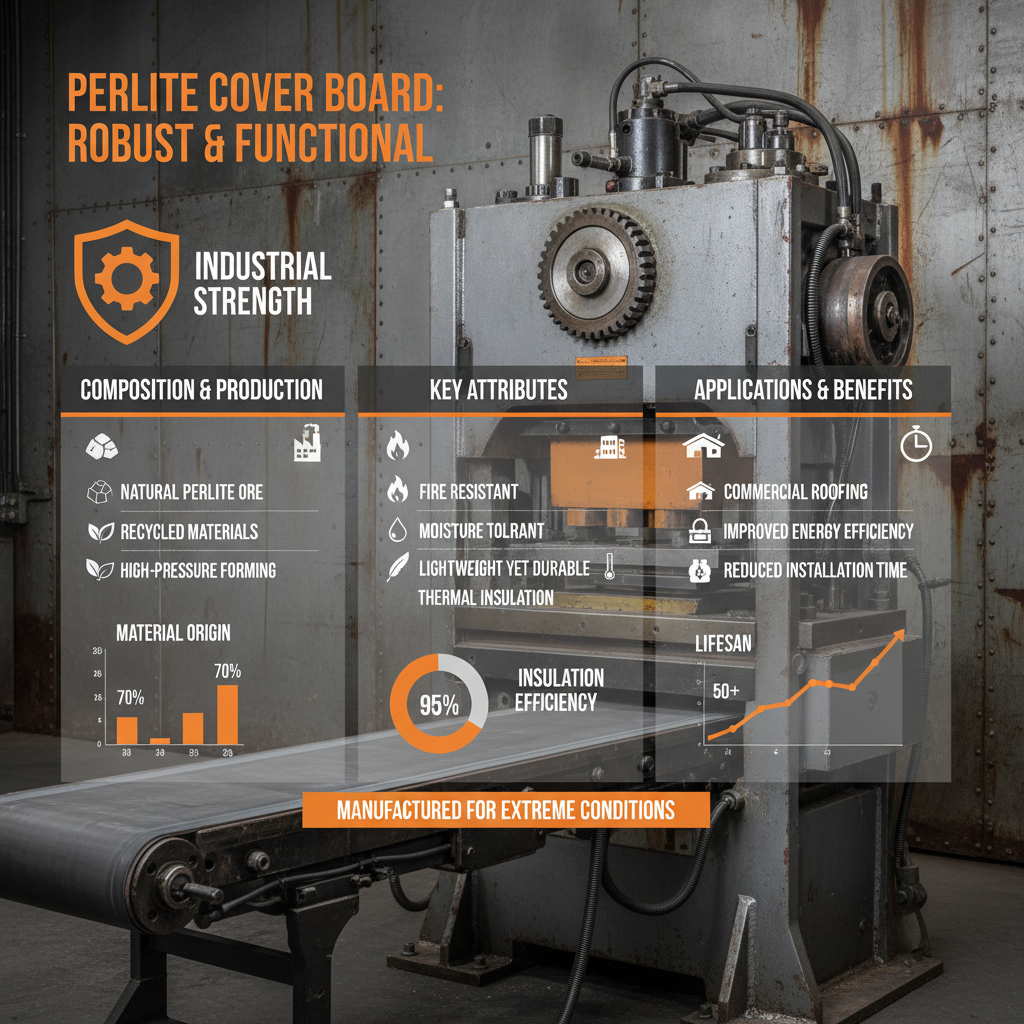
Perlite cover board’s growing prominence stems from its unique combination of physical and chemical properties. Expanded perlite, the core component, is incredibly lightweight yet provides exceptional thermal insulation, drastically reducing energy consumption in buildings. This lightweight nature also lowers transportation costs and simplifies installation processes, making it a cost-effective solution for a wide range of projects.
Beyond its practical advantages, the use of perlite cover board contributes to more sustainable construction practices. Perlite is a naturally occurring volcanic glass, and its expansion process requires relatively low energy input. This contrasts sharply with the energy-intensive production of many traditional building materials, contributing to a lower carbon footprint and aligning with growing demands for environmentally responsible building solutions.
Understanding Perlite Cover Board
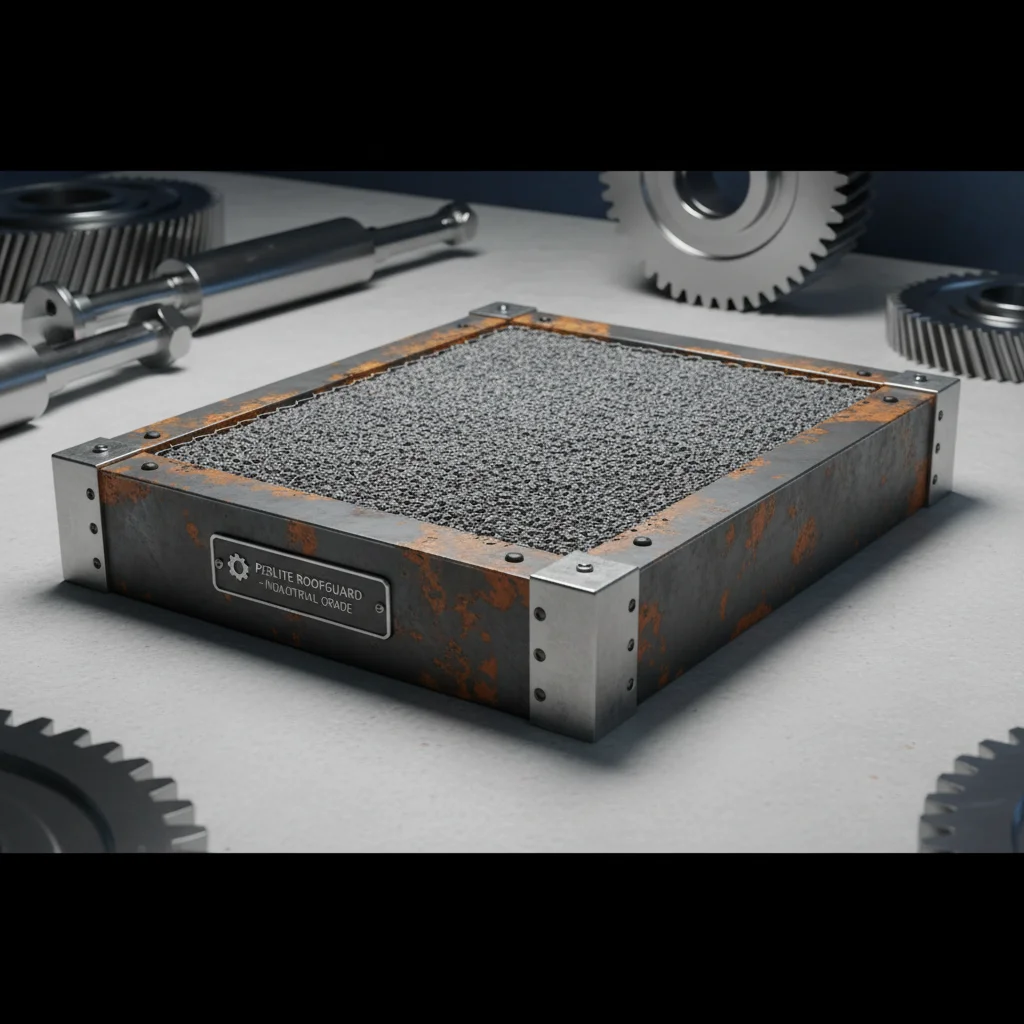
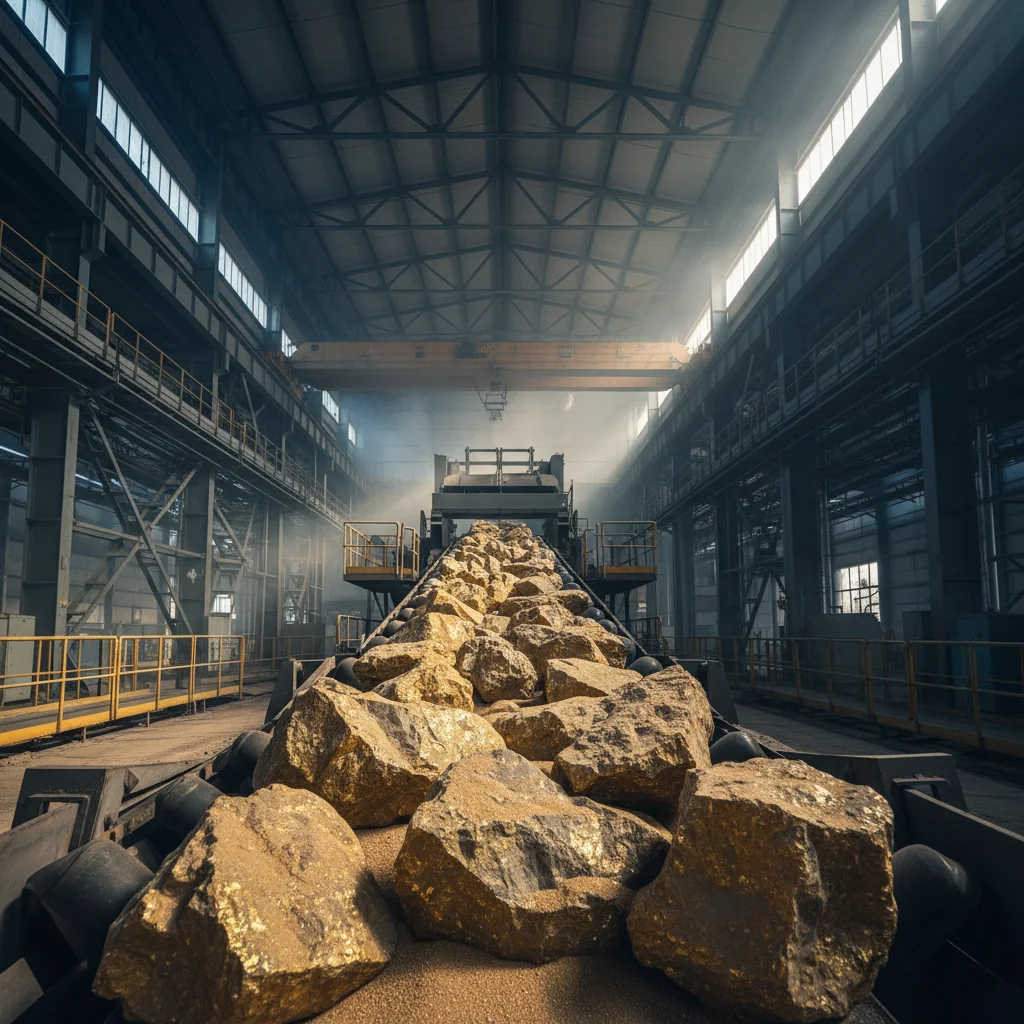
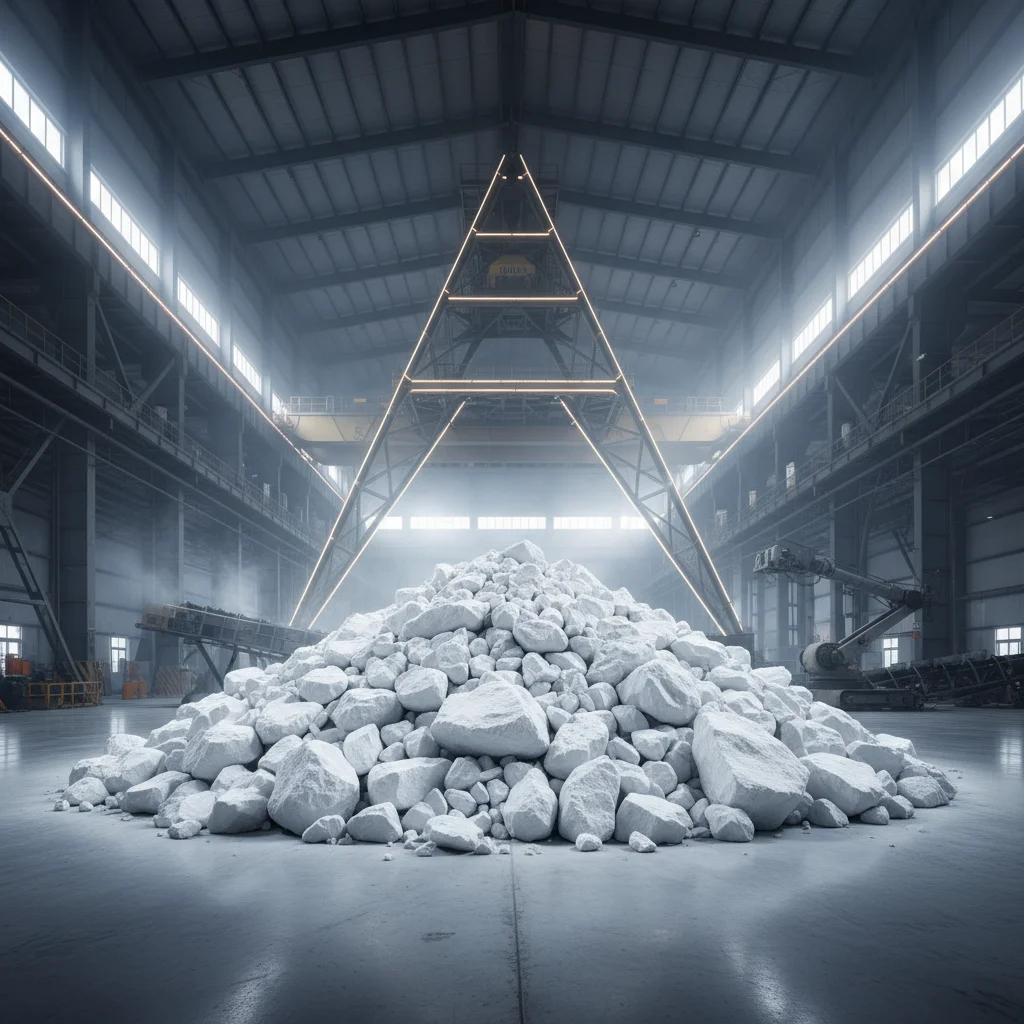
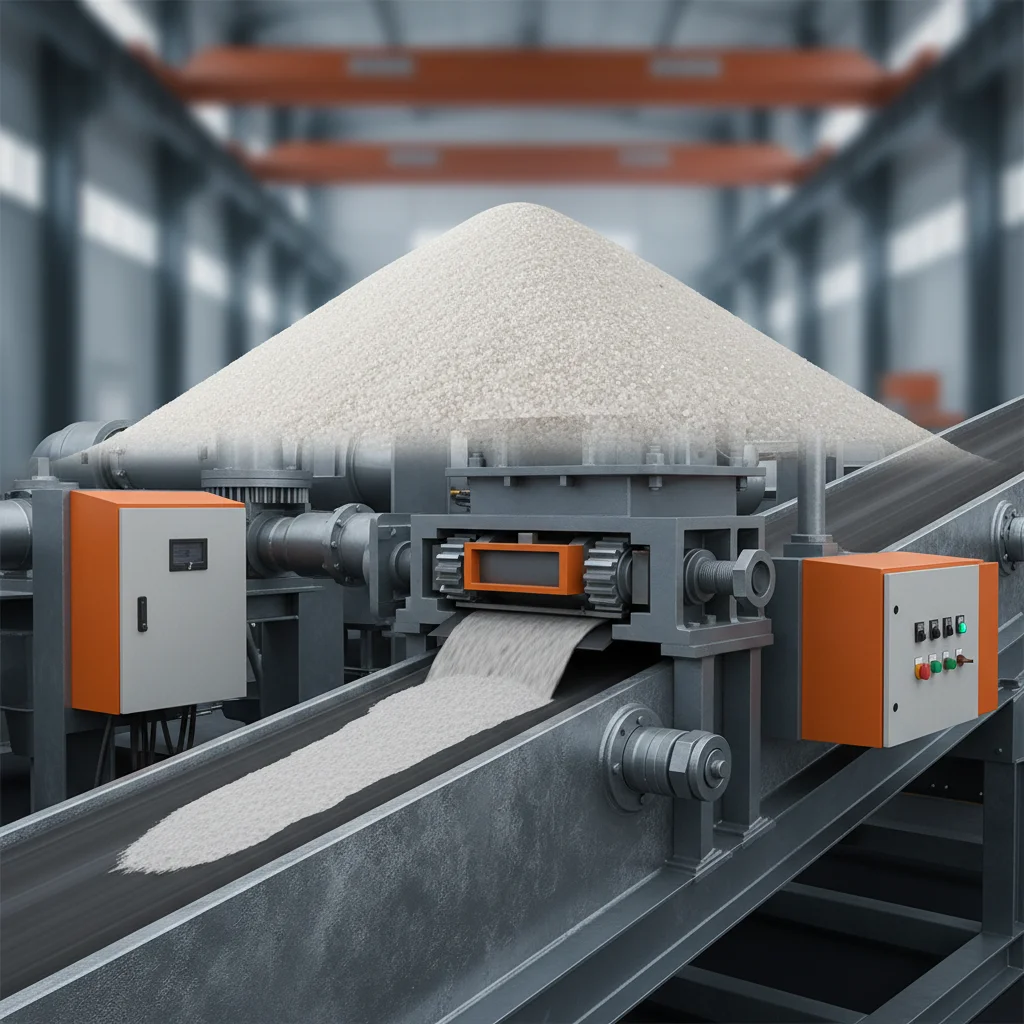
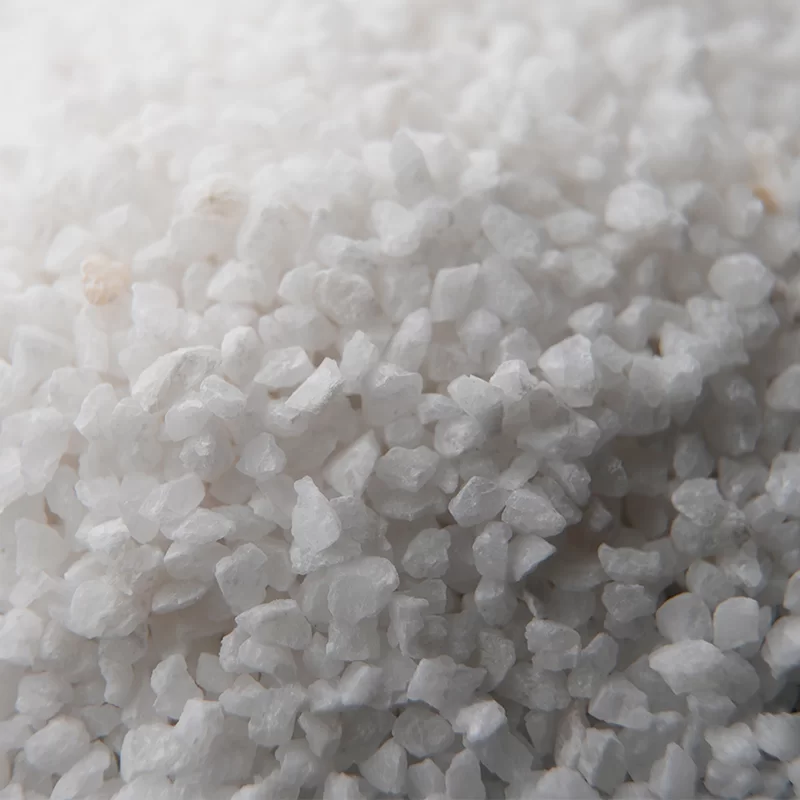
Perlite cover board is a prefabricated building material composed of expanded perlite particles bonded together, typically using an inorganic binder. The expansion process involves heating volcanic glass to high temperatures, causing it to puff up like popcorn, creating a lightweight, cellular structure. This structure is what gives perlite cover board its excellent insulating properties and low density. It's often used as a facing material for structural insulation panels (SIPs) or as a standalone thermal barrier in roofing and wall systems.
The connection to modern industry is strong. As construction moves towards more sustainable practices and energy-efficient designs, the demand for materials like perlite cover board increases. It’s no longer merely an alternative; it's becoming a preferred choice in many applications due to its performance and environmental benefits. This demand is further spurred by growing concerns regarding fire safety, as perlite is naturally non-combustible, offering an added layer of protection in buildings.
In humanitarian contexts, perlite cover board offers a rapidly deployable and thermally efficient shelter solution. Its lightweight nature and ease of assembly make it ideal for disaster relief efforts, providing immediate and comfortable shelter for affected populations. Furthermore, its insulating properties contribute to maintaining a stable internal temperature, crucial for protecting vulnerable individuals from extreme weather conditions.
Core Components of Perlite Cover Board
The foundational element of perlite cover board is, of course, expanded perlite. The quality and grade of the perlite ore significantly impact the final product's performance characteristics, including its density, thermal conductivity, and compressive strength. Manufacturers carefully select perlite sources to ensure consistent quality and optimal performance.
The binder is another crucial component, responsible for holding the expanded perlite particles together and providing structural integrity. Common binders include cementitious materials, mineral wool, or even specialized organic polymers. The choice of binder affects the board’s moisture resistance, fire resistance, and overall durability. Careful consideration is given to the binder's compatibility with the perlite and its long-term performance characteristics.
Additionally, many perlite cover boards incorporate additives to enhance specific properties. These can include reinforcing fibers for increased strength, waterproofing agents for improved moisture resistance, or fire retardants for added protection. The formulation of these additives is carefully tailored to meet the specific requirements of the intended application. Finally, surface treatments or coatings may be applied to improve aesthetics, durability, or resistance to environmental factors.
Key Performance Characteristics
Durability is a standout feature of perlite cover board. It resists degradation from moisture, pests, and mold, ensuring a long service life. This translates to reduced maintenance costs and a more sustainable building solution. The inherent stability of the volcanic glass ensures minimal shrinkage or expansion over time, maintaining the integrity of the board.
Thermal Performance is arguably its most prominent characteristic. The cellular structure of expanded perlite creates countless tiny air pockets, effectively trapping air and significantly reducing heat transfer. This results in superior insulation values, lowering energy consumption for heating and cooling.
Perlite Cover Board Performance Metrics
Global Applications and Use Cases
In post-disaster relief operations, perlite cover board provides a quick and efficient solution for constructing temporary shelters. Its lightweight nature and ease of assembly allow for rapid deployment, offering immediate protection from the elements. Organizations like the Red Cross and Habitat for Humanity are increasingly utilizing these materials in their emergency response efforts.
Within the construction industry, perlite cover board is employed in a variety of applications, including exterior wall cladding, roofing systems, and internal insulation. Its thermal properties contribute to energy-efficient buildings, reducing heating and cooling costs. Furthermore, its fire resistance enhances building safety, providing an added layer of protection.
Advantages and Long-Term Value
The cost-effectiveness of perlite cover board is a significant advantage. While the initial material cost might be comparable to some traditional alternatives, the reduced labor costs associated with its lightweight nature and ease of installation contribute to overall savings. Furthermore, the long-term energy savings from improved thermal insulation translate into substantial financial benefits for building owners.
Sustainability is at the core of perlite cover board’s value proposition. Its use reduces reliance on energy-intensive materials, lowering carbon emissions and promoting a circular economy. The material is also recyclable, further minimizing its environmental impact, and supporting a broader commitment to sustainable building practices.
From a social impact perspective, perlite cover board contributes to safer, healthier, and more comfortable living environments. Its non-combustible nature enhances fire safety, protecting occupants and minimizing property damage. Its insulating properties create more stable indoor temperatures, improving comfort and reducing health risks associated with extreme heat or cold.
Future Trends and Innovations
Ongoing research is focused on enhancing the performance characteristics of perlite cover board through the incorporation of nanotechnology and advanced materials. For example, integrating graphene or carbon nanotubes could further improve its strength, thermal conductivity, and fire resistance. These innovations promise to unlock even more diverse applications for this versatile material.
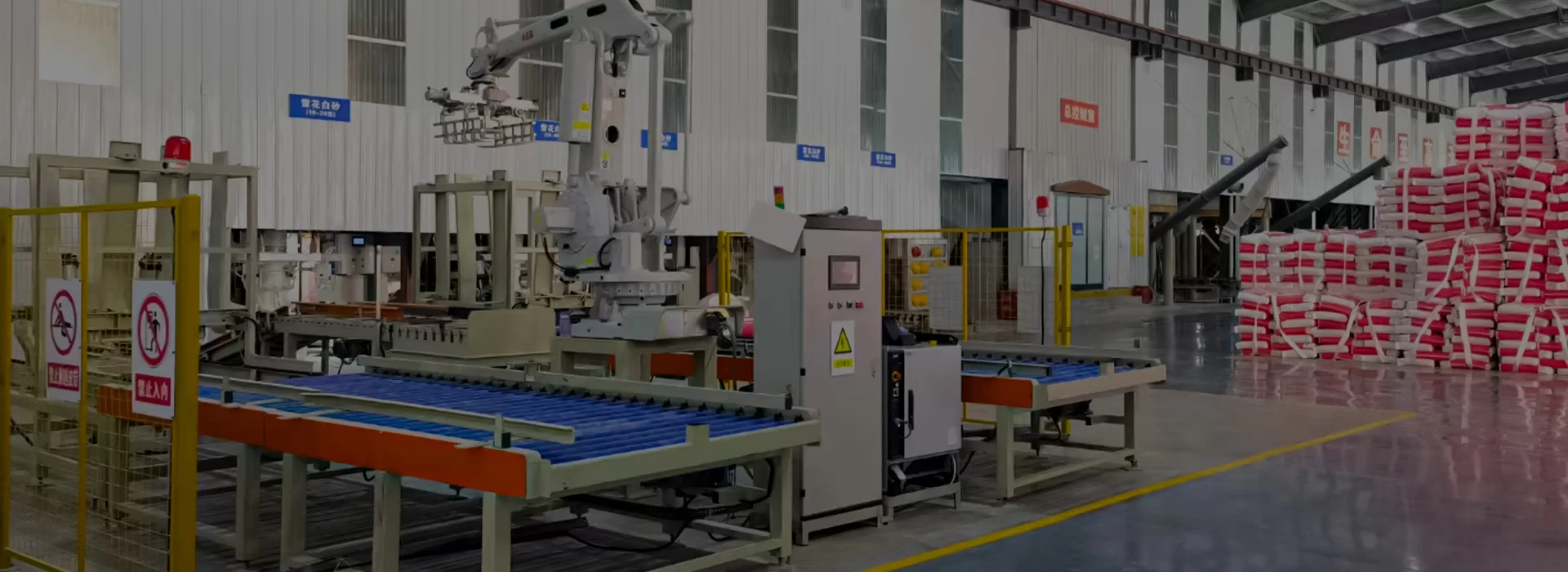
The integration of digital technologies, such as Building Information Modeling (BIM), is streamlining the design and construction processes involving perlite cover board. BIM allows for precise modeling of building systems, optimizing material usage and reducing waste. Automation in manufacturing processes is also improving the efficiency and consistency of perlite cover board production.
Challenges and Solutions
One common challenge is ensuring consistent moisture resistance in perlite cover board, as perlite itself is somewhat porous. Manufacturers are addressing this through the development of specialized binders and surface treatments that effectively repel water.
Another challenge is improving the material’s resistance to impact damage. Research is underway to incorporate reinforcing fibers or other additives that enhance its structural integrity. Furthermore, optimizing the manufacturing process to create a more dense and cohesive board structure can also improve its impact resistance.
Finally, promoting wider adoption of perlite cover board requires educating architects, builders, and consumers about its benefits and demonstrating its cost-effectiveness through case studies and performance data. Collaborative efforts between manufacturers, industry associations, and research institutions are crucial for overcoming these challenges and unlocking the full potential of this innovative material.
Summary of Challenges and Solutions for Perlite Cover Board
| Challenge |
Impact on Performance |
Proposed Solution |
Implementation Cost (1-10) |
| Moisture Absorption |
Reduced Thermal Efficiency, Potential Mold Growth |
Waterproof Binders and Surface Treatments |
6 |
| Impact Resistance |
Damage During Installation and Use |
Reinforcing Fibers & Denser Board Structure |
7 |
| Industry Awareness |
Slow Adoption Rate |
Educational Campaigns & Case Studies |
4 |
| Raw Material Sourcing |
Supply Chain Vulnerabilities |
Diversification of Perlite Sources |
5 |
| Binder Compatibility |
Reduced Long-Term Stability |
Advanced Material Testing & Selection |
8 |
| Manufacturing Consistency |
Variations in Product Quality |
Automated Production Processes |
9 |
FAQS
Perlite cover board offers several key advantages over traditional materials like fiberglass or foam. Its non-combustible nature significantly enhances fire safety, while its lightweight design reduces structural load and simplifies installation. It also provides excellent thermal insulation, contributing to energy efficiency and lower utility bills. Finally, it’s often more environmentally friendly, utilizing a natural volcanic material and requiring less energy to produce.
While perlite itself is somewhat porous, modern perlite cover boards are manufactured with specialized binders and surface treatments to enhance their moisture resistance. These treatments effectively repel water, preventing it from penetrating the board and compromising its insulating properties. However, it’s important to select a product specifically designed for humid climates and ensure proper installation to prevent moisture buildup.
The initial cost of perlite cover board can be comparable to some traditional materials. However, its overall cost-effectiveness is often higher due to reduced labor costs associated with its lightweight nature and ease of installation. Moreover, the long-term energy savings from its superior thermal insulation can significantly offset the initial investment, making it a financially sound choice.
Perlite cover board is naturally non-combustible and typically achieves the highest possible fire safety ratings, such as Class A or ASTM E84. This means it doesn’t contribute to flame spread or smoke development, providing a crucial layer of protection in the event of a fire. Specific ratings vary depending on the board’s formulation and testing standards.
Yes, perlite cover board is considered an environmentally friendly material. Perlite is a naturally occurring volcanic glass, and its expansion process requires relatively low energy input. The material is also recyclable, reducing waste and promoting a circular economy. Its use contributes to more sustainable building practices and a lower carbon footprint.
In residential construction, perlite cover board is commonly used for exterior wall cladding, roofing systems, internal wall insulation, and underfloor insulation. It’s particularly well-suited for applications where fire resistance and thermal performance are critical, such as in attics, basements, and around fireplaces. It's also used in creating energy-efficient SIPs (Structural Insulated Panels).
Conclusion
Perlite cover board stands out as a versatile and sustainable building material, offering a compelling combination of thermal performance, fire resistance, and environmental responsibility. Its lightweight nature and ease of installation translate into cost savings, while its long-term durability ensures a lasting investment. From disaster relief to high-performance buildings, the applications of perlite cover board are vast and continually expanding.
Looking ahead, continued innovation in materials science and manufacturing processes will further enhance the performance and broaden the applications of perlite cover board. Adopting this material is not simply a construction choice; it’s a step towards a more sustainable, resilient, and energy-efficient future. To learn more about integrating perlite cover board into your next project, visit our website: www.cnfloormaterials.com.