0%

Table of Contents

Expanded perlite board represents a significant advancement in lightweight construction materials, offering a unique combination of thermal insulation, fire resistance, and structural integrity. Its growing application across diverse sectors – from construction and horticulture to industrial packaging – underscores its global relevance. Understanding the properties and benefits of expanded perlite board is increasingly crucial for architects, engineers, and builders seeking sustainable and cost-effective solutions.        

       Globally, the demand for sustainable building materials is soaring, driven by increasing environmental awareness and stricter building codes. Expanded perlite board directly addresses this demand by offering a resource-efficient alternative to traditional materials like concrete and wood. The United Nations Sustainable Development Goals, particularly those focused on sustainable cities and communities (SDG 11) and responsible consumption and production (SDG 12), are directly supported by the adoption of materials like expanded perlite board.        

       The increasing need for affordable housing, particularly in rapidly urbanizing regions, presents a major challenge. Expanded perlite board’s lightweight nature reduces transportation costs, and its ease of installation contributes to faster construction times, making it an attractive solution for addressing this urgent need. This material isn’t simply about construction; it's about building a more sustainable and equitable future.
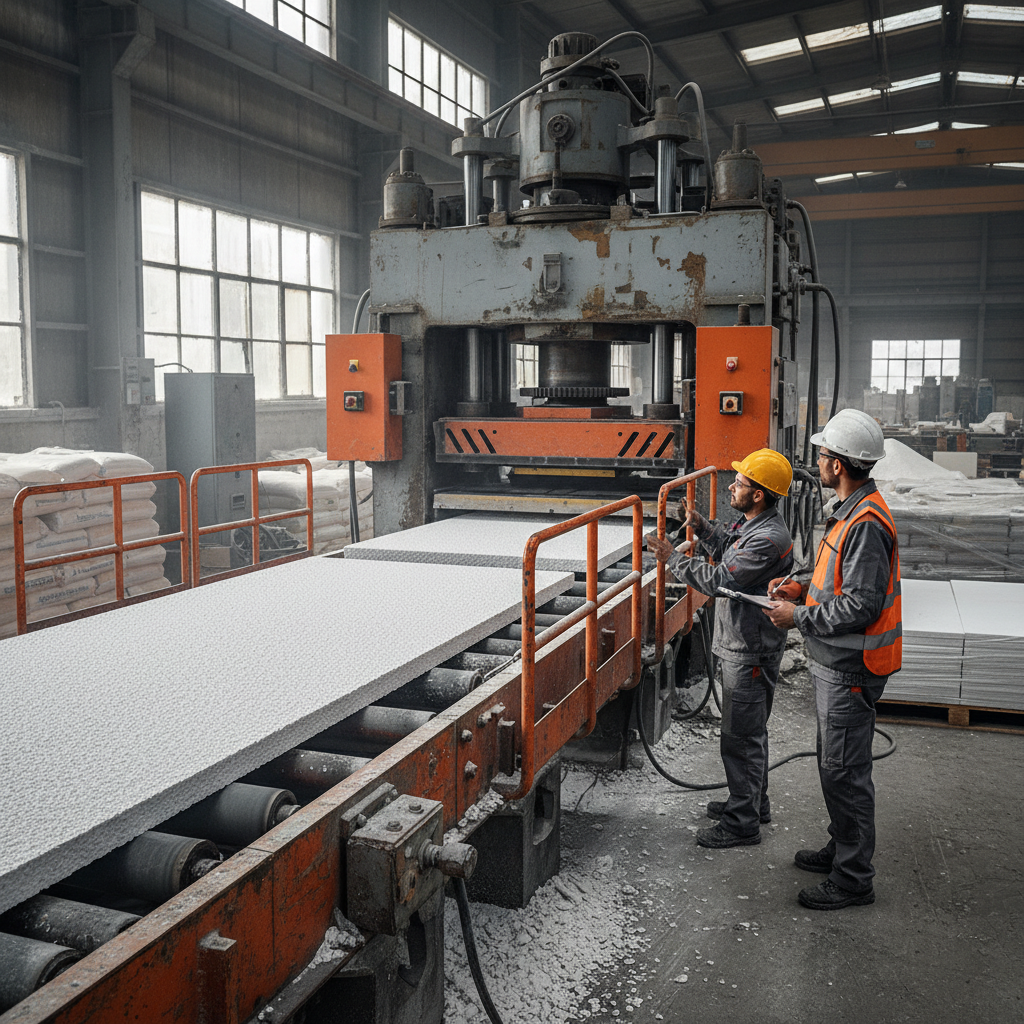

expanded perlite board    

Introduction to Expanded Perlite Board

expanded perlite board            

Expanded perlite board is a versatile material rapidly gaining prominence in modern construction and various industrial applications. Its unique cellular structure, derived from expanded volcanic glass (perlite), provides exceptional thermal insulation, making it an ideal component for energy-efficient buildings. The board’s lightweight nature also simplifies handling and reduces structural load.            

           This material is not only beneficial for new construction but also proves valuable for renovations and retrofitting projects, enhancing the energy performance of existing structures. Furthermore, its inherent fire resistance contributes significantly to building safety, making it a critical choice for applications requiring high fire protection standards.

Defining Expanded Perlite Board

Expanded perlite board is a manufactured material created by expanding perlite, a naturally occurring volcanic glass, through a high-temperature heating process. This process creates a lightweight, cellular structure, giving the board its characteristic properties.  The resulting material is typically formed into rigid boards of varying thicknesses and densities.        

       Unlike many traditional building materials, expanded perlite board is non-toxic and environmentally friendly. It doesn't contain harmful chemicals and can be recycled, minimizing its environmental impact. Its production requires relatively low energy consumption compared to materials like cement or steel.        

       The applications of expanded perlite board extend beyond construction. It is used in horticulture as a soil amendment, in industrial packaging for fragile goods, and even as a filler material in various composites. This versatility is a key factor driving its increasing global demand.

Core Properties of Expanded Perlite Board

Several key properties define the performance of expanded perlite board.  Firstly, its exceptional thermal insulation capabilities stem from the numerous tiny air cells trapped within its structure, significantly reducing heat transfer.  Secondly, the material is inherently fire-resistant, making it a safe choice for building applications where fire protection is paramount.

Furthermore, expanded perlite board is incredibly lightweight, reducing transportation costs and simplifying installation. This lightness doesn't compromise its structural integrity; the board maintains sufficient strength for various applications, particularly when reinforced or combined with other materials. It also exhibits good sound absorption properties, contributing to quieter indoor environments.

Finally, the material demonstrates excellent moisture resistance, preventing the growth of mold and mildew, which is crucial in environments with high humidity. These combined properties make expanded perlite board a superior choice in a wide range of building and industrial applications.

Key Factors Influencing Performance

The performance of expanded perlite board is influenced by several factors, including density, board thickness, and the specific formulation used during manufacturing. Higher density boards generally offer greater compressive strength, while thicker boards provide enhanced thermal insulation.        

       The addition of binders and reinforcing materials, such as cement or fibers, can further improve the board's mechanical properties and durability. Careful control of these factors during production ensures consistent quality and optimal performance for specific applications.

Expanded Perlite Board Performance Metrics

Global Applications & Real-World Use Cases

Expanded perlite board finds diverse applications globally. In the construction industry, it’s used for exterior wall cladding, interior partitions, roofing insulation, and fireproofing systems. These applications are prevalent in both residential and commercial buildings across Europe, North America, and Asia.        

       In post-disaster relief operations, its lightweight and insulating properties make it an ideal material for constructing temporary shelters and emergency housing. Organizations are increasingly turning to expanded perlite board for rapid deployment housing solutions, particularly in regions prone to natural disasters.

Advantages and Long-Term Value Proposition

The advantages of using expanded perlite board extend beyond its functional properties. From a cost perspective, its lightweight nature reduces transportation and installation expenses, contributing to overall project savings. Its durability ensures a long lifespan, minimizing the need for frequent replacements and associated costs.        

       Sustainability is a core benefit, as expanded perlite board is manufactured from a naturally occurring material and offers excellent thermal performance, reducing energy consumption and carbon emissions. This material contributes to a healthier indoor environment and promotes building resilience against environmental changes.

Future Trends & Innovations in Expanded Perlite Board

Ongoing research focuses on enhancing the performance of expanded perlite board through the incorporation of innovative materials and manufacturing techniques.  Developments in nanotechnology are exploring the use of nano-additives to further improve the board’s strength, fire resistance, and thermal insulation properties.        

       The integration of digital technologies, such as Building Information Modeling (BIM), is streamlining the design and construction process, allowing for precise optimization of expanded perlite board utilization. As the demand for sustainable building solutions continues to grow, we can anticipate further innovations that solidify expanded perlite board's position as a key material in the construction industry.        

       Furthermore, advancements in automation and robotics are reducing production costs and improving the consistency of expanded perlite board manufacturing, making it even more accessible and competitive in the global market.

FAQS

What are the primary fire resistance benefits of using expanded perlite board?            

Expanded perlite board is naturally fire-resistant due to its unique composition. The perlite itself doesn't burn, and the closed-cell structure contains and releases water vapor when exposed to high temperatures, effectively slowing down the spread of flames and reducing smoke development. It's often used in applications where stringent fire safety standards must be met, offering a non-combustible barrier.

How does expanded perlite board compare to traditional insulation materials like fiberglass?            

Expanded perlite board offers several advantages over fiberglass. It’s a more sustainable material, being derived from a natural volcanic glass, and doesn't require the same energy-intensive manufacturing process. It’s also non-irritating to handle, unlike fiberglass, and provides better sound absorption. While fiberglass might be cheaper upfront, expanded perlite board’s longevity and performance benefits can make it a more cost-effective choice in the long run.

Is expanded perlite board suitable for use in humid or wet environments?            

Expanded perlite board exhibits good moisture resistance, but it's not entirely waterproof. It can withstand exposure to humidity without significant degradation, and it doesn’t promote the growth of mold or mildew. However, for applications with prolonged direct water exposure, a protective coating or appropriate detailing is recommended to maintain its long-term performance.

What is the typical lifespan of buildings constructed with expanded perlite board components?            

Buildings incorporating expanded perlite board can have a very long lifespan, comparable to those built with traditional materials, often exceeding 50 years with proper maintenance. The board’s durability and resistance to degradation contribute to the overall structural integrity of the building.  Regular inspections and timely repairs of any exterior finishes are crucial for maximizing its lifespan.

How environmentally friendly is the production of expanded perlite board?            

Expanded perlite board is considered a relatively environmentally friendly building material. Perlite is a naturally abundant volcanic glass, and its expansion process requires less energy than the production of many alternatives like cement or steel. It’s also recyclable, reducing landfill waste. However, transportation emissions should be considered, so sourcing locally is recommended where possible.

Can expanded perlite board be cut and shaped on-site, or does it require specialized tools?            

Expanded perlite board can be cut and shaped on-site using standard woodworking tools, such as saws and knives. However, due to its lightweight and somewhat crumbly nature, it's recommended to use sharp blades and take precautions to minimize dust.  For complex cuts or large-scale projects, specialized cutting equipment may be more efficient.

Conclusion

Expanded perlite board represents a compelling solution for a wide array of construction and industrial applications. Its unique combination of thermal insulation, fire resistance, lightweight nature, and sustainability makes it a valuable alternative to traditional materials. By understanding its properties and potential, architects, engineers, and builders can unlock significant benefits in terms of cost savings, energy efficiency, and environmental responsibility.        

       Looking ahead, continued innovation in manufacturing techniques and material formulations will undoubtedly enhance the performance and versatility of expanded perlite board.  Embracing this material is not merely about adopting a new building product; it’s about investing in a more sustainable and resilient future for the built environment. Visit our website to learn more and explore how expanded perlite board can benefit your projects: expanded perlite board.

David Miller

David Miller

David Miller is a Senior Geologist at Hebei Quanerduo Mining Development, with over 15 years of experience in mineral exploration and quality control. He joined the company in 2012 and has been instrumental in optimizing our gravel and pebble sourcing processes. David specializes in identifying and assessing mineral deposits, ensuring the raw materials meet our stringent quality standards. He’s actively involved in implementing new testing methodologies in our laboratory and frequently collaborates with the beneficiation team to improve efficiency. David holds a Master's degree in Geology from the University of Arizona and is a respected voice in industry discussions regarding sustainable mining practices. He is passionate about ensuring our materials consistently exceed client expectations.
Previous Exploring the Versatility and Benefits of 3 4 Perlite Board in Modern Construction
Next Exploring the Versatility and Benefits of Perlite Cover Board Materials
High-quality architectural stone — crafted for strength, beauty, and lasting performance.
Factors Affecting Industrial Perlite Insulation Price and Value
When evaluating industrial thermal solutions, the perlite insulation price is a critical variable that influences both initial capital expenditure and long-term operational efficiency. Within the non-metallic mining and sand and gravel extraction sectors, perlite is prized for its lightweight nature and exceptional thermal resistance, making it a staple for high-temperature industrial applications. Procurement managers often struggle to balance the upfront cost of perlite-based materials against the energy savings they provide. The challenge lies in understanding how raw material purity, expansion ratios, and processing methods directly impact the market price and subsequent performance in real-world insulation projects.
Factors Influencing Perlite Insulation Board Price and Value
When evaluating the budget for high-performance thermal barriers, the perlite insulation board price is rarely a static figure, as it fluctuates based on density requirements, board thickness, and the purity of the expanded volcanic glass used. For procurement managers and architects, understanding the variables that drive these costs is essential for maintaining project viability without compromising on thermal efficiency. The market for mineral-based insulation is currently shifting toward materials that balance structural rigidity with extreme low-thermal conductivity. Perlite, a naturally occurring amorphous volcanic glass, provides a unique advantage due to its lightweight nature and fire-resistant properties, making it a staple
High Performance Perlite Board for Fire Safety and Insulation
Selecting the right insulation material often involves a difficult trade-off between fire safety, thermal efficiency, and structural longevity. For industrial and commercial construction, perlite board has emerged as a critical solution that addresses these conflicting requirements through its unique volcanic glass composition. Unlike synthetic foams or traditional mineral wools, expanded perlite boards offer a non-combustible, inorganic structure that maintains stability under extreme thermal stress. This makes them indispensable for projects where energy efficiency must be paired with stringent fire-resistance ratings. Understanding the technical nuances of this materialfrom its porous architecture to its moisture-resistant propertiesallows engineers and procurement managers to optimize building envelopes
Premium Quartz Sand for Epoxy Floor for Industrial Durability
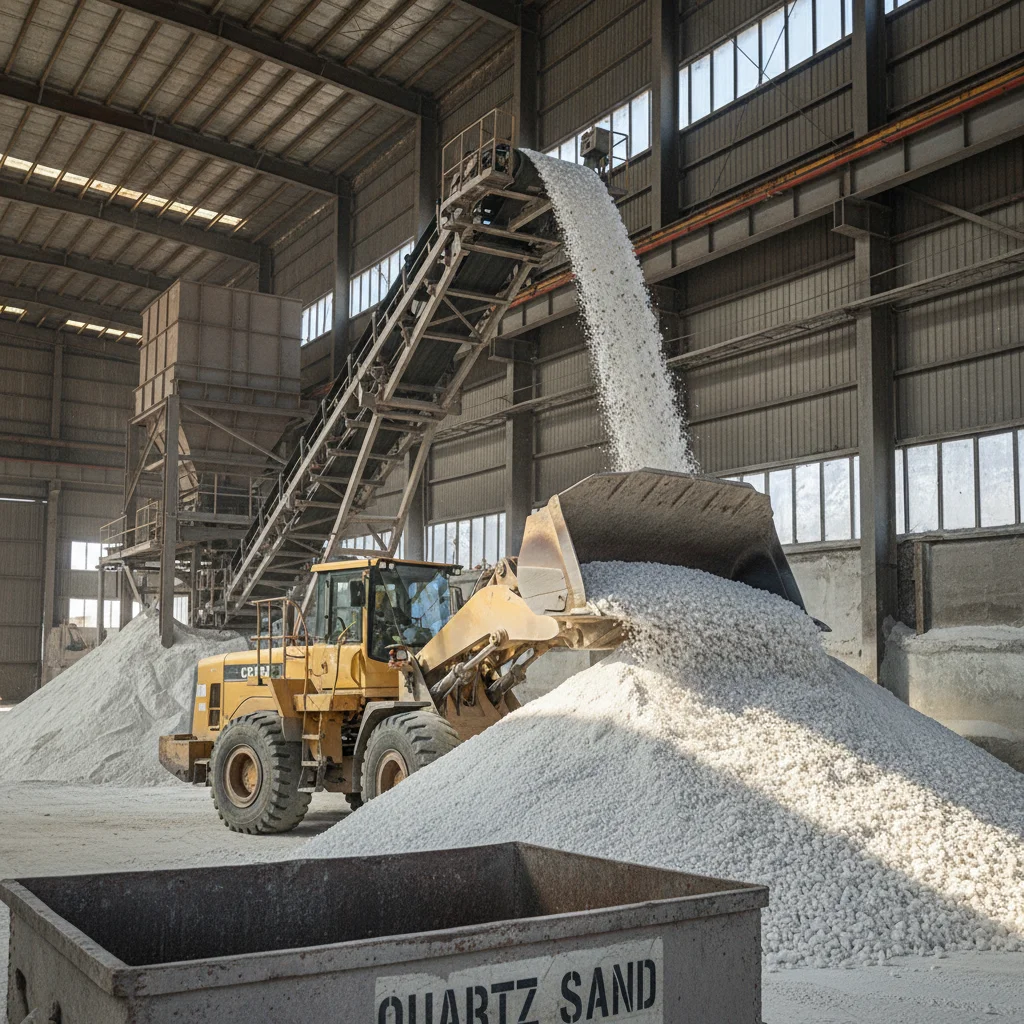
The selection of high-performance minerals is critical for the longevity of industrial flooring, and utilizing premium quartz sand for epoxy floor systems has become the global standard for achieving maximum durability. By integrating a high-purity silicon dioxide base, contractors can ensure that the resulting surface resists the most grueling mechanical stresses and chemical exposures found in modern industrial environments. Globally, the demand for advanced flooring solutions is rising as infrastructure standards evolve to prioritize safety and maintenance efficiency. The integration of specialized minerals addresses the common problem of surface wear and peeling, which often plagues standard epoxy applications
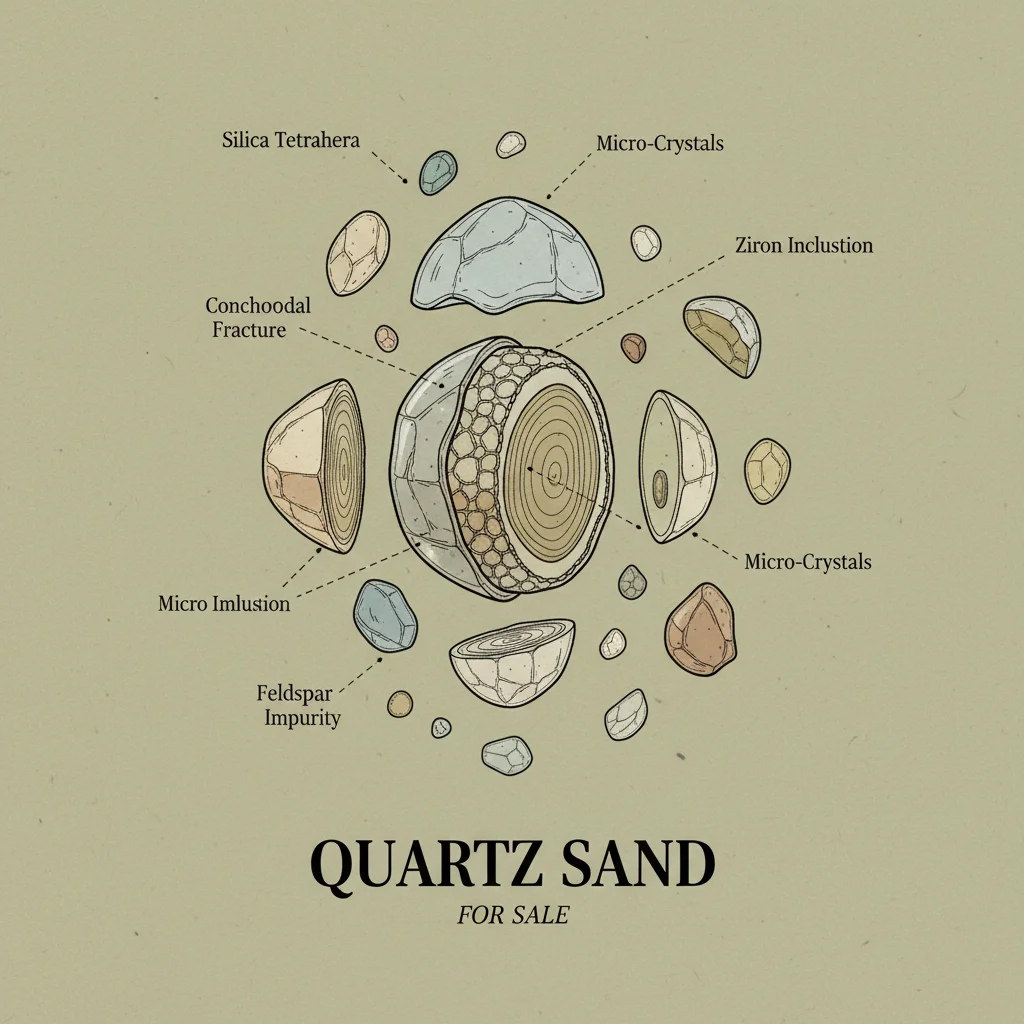
Innovative Architecture and Modern Quartz Sand Uses for Design
The exploration of specialized mineral aggregates has revealed that quartz sand uses extend far beyond simple construction, playing a pivotal role in the creation of high-end architectural finishes. By integrating high-purity silica particles with various binders, industries can achieve a balance of structural integrity and aesthetic brilliance that defines modern interior design. Globally, the demand for durable and customizable surfacing materials has led to an increased focus on the versatility of crushed stone and silica. Understanding the diverse range of quartz sand uses allows architects and developers to optimize material selection for longevity, ensuring that high-traffic areas maintain their luster
Innovative Sand Use and Technical Benefits of Mosaic Tiles
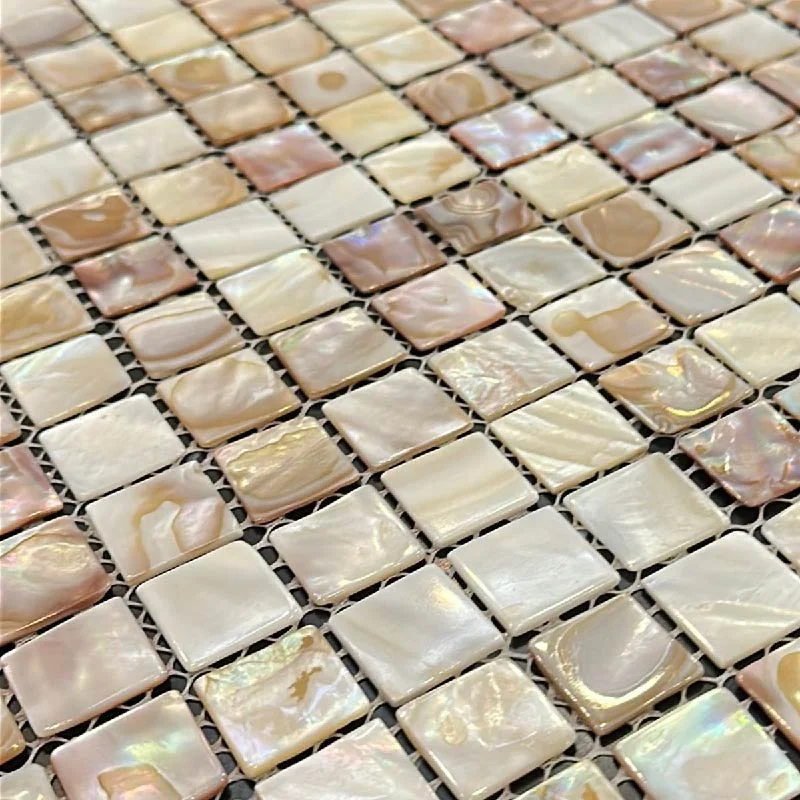
The global construction and decoration industry has seen a significant shift toward materials that balance aesthetic versatility with extreme durability. At the heart of this evolution is the strategic application of mineral-based components, where the specific sand use in the creation of high-end mosaics has redefined interior and exterior design standards. By transforming raw geological materials into refined artistic tiles, the industry now offers solutions that are not only visually stunning but also technically superior. Understanding the technical nuances of these materials is crucial for architects and homeowners alike.

If you are interested in our products, you can choose to leave your information here, and we will be in touch with you shortly.