0%

Table of Contents

Perlite board for fireproof door represents a significant advancement in passive fire protection, crucial for safeguarding lives and property globally. The demand for robust fire safety measures is ever-increasing due to urbanization, evolving building codes, and a heightened awareness of fire hazards. perlite board for fireproof door offers a lightweight, cost-effective, and highly efficient solution compared to traditional fire-resistant materials.        

       Globally, the fire protection market is valued at billions of dollars, with a consistent annual growth rate driven by stricter regulations and the increasing construction of high-rise buildings, industrial facilities, and public infrastructure. The United Nations and organizations like the World Bank prioritize building safety standards in disaster-prone regions. Perlite board addresses the need for accessible and reliable fire protection in these areas.        

       This technology addresses the challenge of balancing fire safety requirements with economic constraints, particularly in developing countries where affordable building materials are paramount. Its ease of installation and compatibility with various construction methods further enhance its appeal, ensuring widespread adoption and improved fire safety standards across diverse environments.
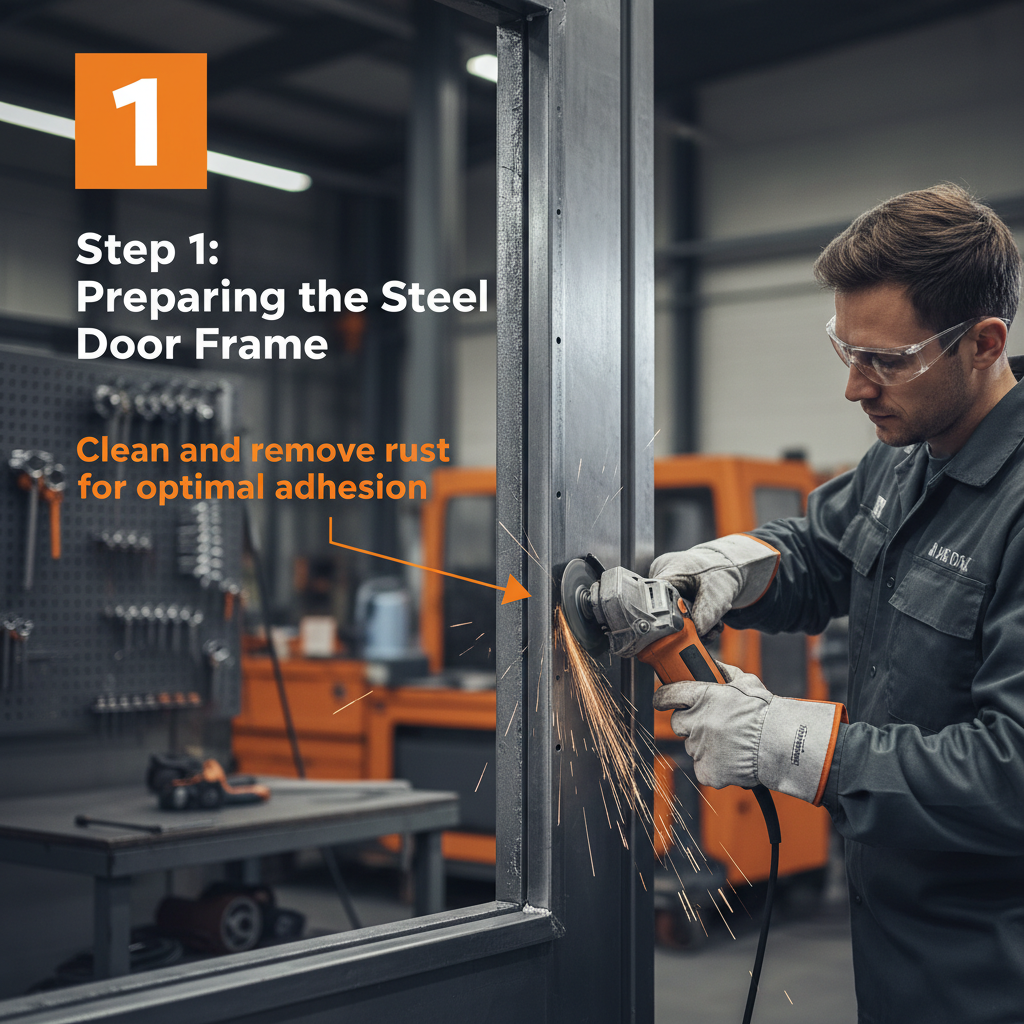
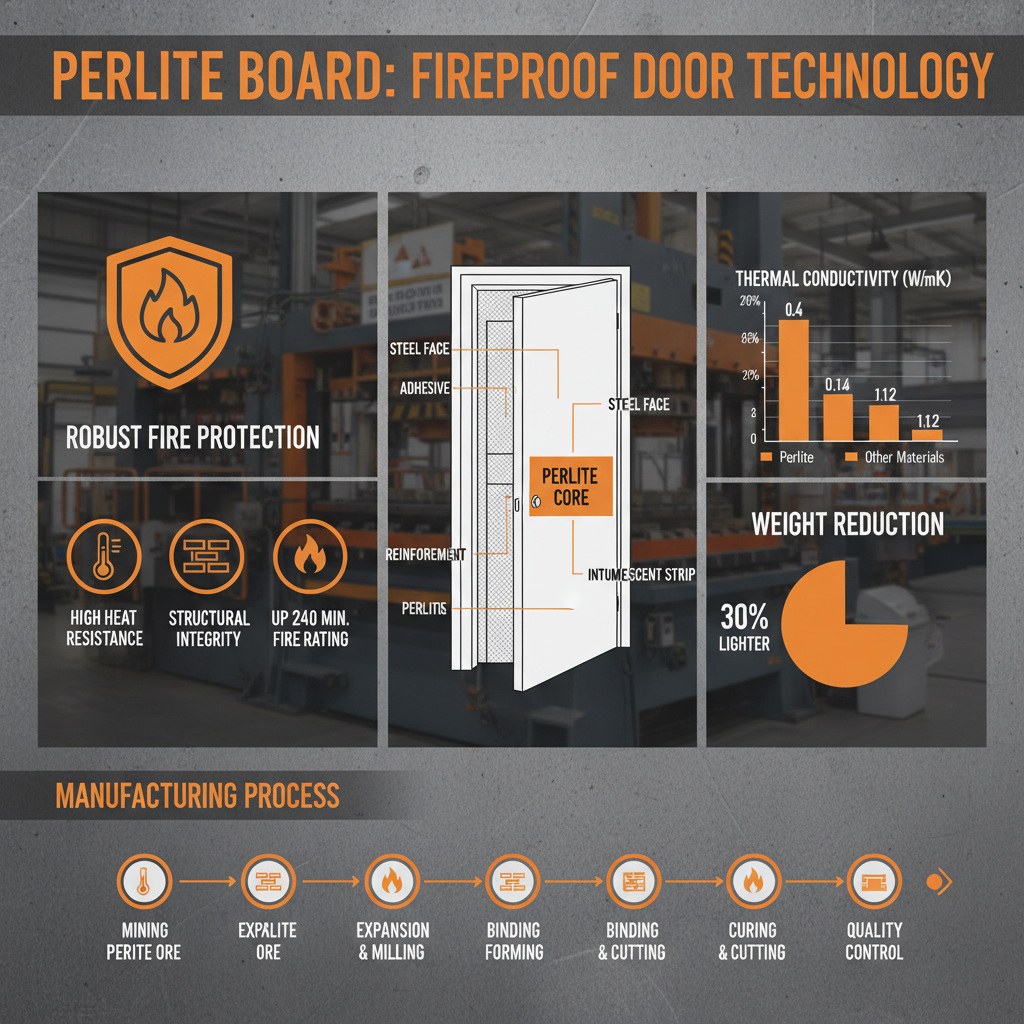
perlite board for fireproof door    

Introduction to perlite board for fireproof door

perlite board for fireproof door            

Perlite board for fireproof door is a composite material designed to provide exceptional fire resistance in door construction. It's crafted from expanded perlite, a volcanic glass heated to create a lightweight, porous material, combined with a binding agent. This unique composition offers a compelling alternative to traditional fire-rated door cores.

           The key advantage lies in its inherent non-combustibility and low thermal conductivity.  These properties ensure that even during intense fire exposure, the door remains structurally stable for an extended period, effectively containing the fire and providing crucial escape time for occupants.

The Global Relevance of Fireproof Doors

Fire safety is a global concern, with devastating consequences from fires occurring in both developed and developing nations. According to the National Fire Protection Association (NFPA), fire causes billions of dollars in property damage annually and thousands of fatalities worldwide.  Strict building codes and fire safety regulations, enforced by organizations like the International Organization for Standardization (ISO), are constantly evolving to mitigate these risks.

       The increasing density of urban populations and the growth of high-rise structures exacerbate the potential impact of fires, making effective fire protection systems paramount.  perlite board for fireproof door plays a vital role in meeting these evolving standards, offering a reliable and cost-effective solution for preventing fire spread and protecting lives.

       Furthermore, humanitarian organizations working in disaster relief and reconstruction frequently face the challenge of providing safe and durable shelter. Perlite board’s fire-resistant qualities contribute to building safer temporary housing and essential facilities in emergency situations, enhancing resilience in vulnerable communities.

Defining perlite board for fireproof door

Simply put, perlite board for fireproof door is a fire-resistant building material used primarily in the construction of fire doors. It’s not a solid block of perlite; rather, it’s a composite created by binding expanded perlite particles together.  The resulting board is lightweight, easy to cut and shape, and possesses exceptional fire-resistant properties.

           The connection to modern industry lies in the ever-increasing demand for sustainable and high-performance building materials. Perlite is a naturally occurring volcanic mineral, making it a relatively eco-friendly resource. The manufacturing process, while energy-intensive, can be optimized for reduced environmental impact.              

           In terms of humanitarian needs, perlite board offers a critical component for creating safe shelters and essential facilities in disaster-stricken areas or rapidly growing urban environments where affordable fire protection is essential.  Its ease of installation and lightweight nature are particularly valuable in these contexts.

Key Characteristics of perlite board for fireproof door

The effectiveness of perlite board for fireproof door stems from several key characteristics.  Firstly, its Non-Combustibility: Perlite itself does not burn, preventing the fuel source for fire propagation.  Secondly, Thermal Insulation: The porous structure of perlite provides excellent thermal insulation, slowing the transfer of heat and preventing the door from becoming excessively hot.

       Thirdly, Lightweight Nature:  This eases handling, transportation, and installation, reducing labor costs. Fourthly, Dimensional Stability:  Perlite board resists warping or shrinking, ensuring the door maintains its structural integrity during a fire.  Fifthly, Cost-Effectiveness: Compared to other fire-resistant materials like steel or concrete, perlite board offers a more affordable solution. Finally, Ease of Fabrication: It can be easily cut, shaped, and drilled to meet specific design requirements.

Performance Metrics for perlite board for fireproof door

Applications Across Industries

Perlite board for fireproof door is utilized in a diverse range of sectors. In the Construction Industry, it's a key component in fire-rated doors for residential, commercial, and industrial buildings.  Institutional Buildings, such as schools, hospitals, and government facilities, rely on perlite board to ensure the safety of occupants.

       The Industrial Sector employs these doors in facilities handling flammable materials, like chemical plants and manufacturing units.  In Transportation Hubs—airports, train stations, and subway systems—fire-resistant doors are crucial for evacuation safety. Furthermore, perlite board is finding increased use in Data Centers to protect sensitive equipment and infrastructure from fire damage.

The Advantages of perlite board for fireproof door

The benefits of incorporating perlite board for fireproof door extend beyond simple fire protection.  Cost Savings are significant, as the material is generally more affordable than traditional alternatives. Enhanced Safety is paramount, providing crucial time for evacuation and minimizing property damage.

       From a sustainability standpoint, perlite is a naturally abundant mineral.  The material’s lightweight nature reduces transportation costs and lowers the overall carbon footprint of construction projects.  The combination of safety, affordability, and environmental considerations makes perlite board a compelling choice for modern construction.

Future Trends and Innovations

Ongoing research and development are focused on improving the performance and sustainability of perlite board for fireproof door.  Innovations in binder technology aim to enhance the material's strength and durability while reducing its environmental impact.  The integration of smart sensors and monitoring systems is also being explored to provide real-time fire detection and alerting capabilities.

       Furthermore, advancements in nanotechnology hold the potential to create perlite-based composites with even greater fire resistance and thermal insulation properties. The push towards green building practices will likely drive increased demand for sustainable materials like perlite board, fostering further innovation in the field.        

       Policy changes supporting sustainable construction and stricter fire safety regulations will be key drivers in accelerating the adoption of perlite board and similar innovative materials.

FAQS

What is the typical fire resistance rating achieved with perlite board for fireproof door?            

The fire resistance rating of perlite board for fireproof door varies depending on the board's thickness, density, and the overall door assembly. Typically, doors constructed with perlite board can achieve fire resistance ratings of 30, 60, 90, or even 120 minutes, as tested and certified according to standards like UL 10C and EN 1634-1.  These ratings signify the amount of time the door can withstand fire exposure while maintaining its structural integrity and preventing the passage of flames.

Is perlite board environmentally friendly?            

Perlite itself is a naturally occurring volcanic glass, making it a relatively sustainable resource. While the expansion process requires energy, the overall environmental impact is generally lower than that of materials like steel or concrete. Furthermore, perlite board is non-toxic and does not emit harmful gases during a fire, contributing to a healthier indoor environment. Manufacturers are also increasingly focused on using eco-friendly binders and optimizing production processes to further minimize the environmental footprint.

How does perlite board compare in cost to other fire-resistant materials?            

Perlite board is generally more cost-effective than materials like steel, concrete, or gypsum board when considering fire resistance. This is due to the abundance of perlite as a raw material and the relatively simple manufacturing process. While the initial cost of perlite board may vary depending on the region and supplier, the long-term cost savings associated with reduced weight, easier installation, and lower transportation costs often make it a financially attractive option.

Can perlite board be used in both new construction and renovation projects?            

Yes, perlite board for fireproof door is versatile and suitable for both new construction and renovation projects. Its lightweight and easy-to-cut nature makes it adaptable to a variety of door designs and installation scenarios. In renovation projects, it can often be used to upgrade existing doors to meet current fire safety codes without requiring extensive structural modifications.

What is the typical lifespan of a fire door constructed with perlite board?            

The lifespan of a fire door constructed with perlite board is comparable to that of a standard wood or metal fire door—typically 20-30 years with proper maintenance. Regular inspections, including checks of the door frame, hinges, and latch, are essential to ensure continued functionality.  Factors such as environmental conditions and frequency of use can also affect the door's longevity.

Is perlite board susceptible to water damage?            

While perlite itself is not significantly affected by water, the binders used in perlite board can be susceptible to moisture absorption. Prolonged exposure to water can potentially weaken the board's structure and reduce its fire resistance. Therefore, it's important to protect perlite board doors from excessive moisture and ensure proper sealing and finishing to prevent water ingress.

Conclusion

Perlite board for fireproof door represents a compelling solution to the global challenge of enhancing fire safety. Its unique combination of fire resistance, affordability, sustainability, and ease of use makes it an increasingly valuable material in a wide range of applications. By embracing this innovative technology, we can significantly reduce the risks associated with fire and create safer environments for communities worldwide.        

       Looking ahead, continued research and development, coupled with supportive policies and industry collaboration, will be crucial in maximizing the potential of perlite board.  Investing in this technology is not only a matter of safety but also a step towards a more sustainable and resilient future. Visit our website to learn more: www.cnfloormaterials.com    

Kevin Wilson

Kevin Wilson

Kevin Wilson is a Chemical Engineer at Hebei Quanerduo Mining Development, specializing in the refinement of quartz sand and glass sand. He joined our team in 2018 after completing his PhD at MIT. Kevin focuses on optimizing the chemical processes involved in purification and grading our sand products, ensuring they meet the specific demands of our diverse client base. His research and implementation of new technologies have significantly improved product consistency and reduced waste. Kevin actively contributes to our sustainability initiatives, seeking eco-friendly solutions within our manufacturing processes.
Previous Sustainable Perlite Roof Insulation Board for Energy Efficient Buildings
Next Advancements in Fireproof Perlite Board for Modern Construction and Safety
High-quality architectural stone — crafted for strength, beauty, and lasting performance.
Factors Influencing Industrial Silica Quartz Price Per Ton
Determining the cost of high-purity silica is a complex process influenced by mineral grade, processing requirements, and global supply chain dynamics. For industrial buyers, understanding the variables that dictate the silica quartz price per ton is essential for accurate project budgeting and supplier selection. This analysis explores how raw material specifications and logistical factors converge to establish market value. In the B2B mineral sector, pricing is rarely static. The variance between standard construction sand and high-grade quartz used in architectural terrazzo or glass production is significant. Factors such as the presence of iron oxides, the precision of grain sizing
Factors Influencing Industrial Quartz Sand Price per Ton
Procuring industrial minerals requires a delicate balance between material purity and cost-efficiency. For businesses in construction, glass manufacturing, and decorative arts, understanding the factors that influence the quartz sand price per ton is essential for maintaining project budgets without compromising on quality. High-purity silica sand serves as a fundamental raw material, but its value fluctuates based on grain size, chemical composition, and processing levels. Whether you are sourcing for large-scale industrial beneficiation or specialized architectural mosaics, the technical specifications of the sand such as acid resistance and thermal stability directly impact the final applications durability.
Factors Influencing Industrial Quartz Sand Price and Quality
For procurement managers and construction engineers, understanding the variables that influence quartz sand price is essential for budget optimization and project stability. Quartz sand, primarily composed of silicon dioxide SiO2, is a critical raw material used in everything from glass manufacturing to high-performance architectural paving. The cost of this mineral is not static; it fluctuates based on geological availability, purity levels, and the energy required for processing. The B2B market for silica aggregates operates on a complex intersection of resource extraction and industrial refinement. Whether the sand is destined for a Sponge City permeability project or a high-precision chemical application
Understanding the Quartz Sand Price per kg and Quality Factors
Understanding the quartz sand price per kg involves analyzing the complex intersection of material purity, particle grading, and processing costs. Whether you are sourcing for industrial filtration or high-end architectural terrazzo, the cost per kilogram reflects the materials ability to withstand mechanical wear and chemical corrosion. In the non-metallic mining sector, price fluctuations are often driven by the availability of high-purity quartz veins and the energy costs associated with high-temperature fusion and precision sieving. For professionals, the challenge lies in balancing the upfront cost with the long-term structural integrity and aesthetic gloss of the finished installation.
Guide to Selecting a Professional High Purity Quartz Sand Supplier
Selecting a reliable quartz sand supplier is a critical decision for architectural and industrial projects that demand extreme durability and aesthetic precision. Quartz sand, primarily composed of silicon dioxide, serves as the foundational aggregate for a variety of high-performance materials, from engineered glass sand to industrial fillers. This guide examines the technical specifications and procurement criteria necessary to ensure material consistency across large-scale installations. In the B2B sector, the challenge often lies in balancing purity with cost-efficiency. Whether used in high-end luxury Terrazzo or as a specialized filler for rubber and plastics, the physical properties of the silica
Premium Glass Sand from a Leading quartz sand manufacturer
Selecting high-performance aggregates for luxury architectural installations requires a precise balance of aesthetic brilliance and structural integrity. Premium colorful glass sand, engineered from recycled glass or high-purity quartz, serves as a critical material for high-end Terrazzo and sophisticated water mosaic floor tiles. Unlike traditional minerals, these engineered materials utilize high-temperature fusion to create a product that is not only visually striking but also industrially durable. For architects and contractors, the transition to engineered glass sand solves common issues regarding permeability and wear resistance. By integrating these materials into mortars for walls, floors, and ceilings, professionals can achieve a signature frosted effect

If you are interested in our products, you can choose to leave your information here, and we will be in touch with you shortly.