Buy Decorative Rocks To Beautifully Transform Your Outdoor Living Spaces
Buy Decorative Rocks: Elevate Your Landscape with Style
Transforming your outdoor space is easier than you think, and decorative rocks are a fantastic way to add texture, color, and visual appeal. Whether you're aiming for a zen garden, a modern landscape, or a rustic pathway, the right rocks can make all the difference. This guide explores the world of decorative rocks, covering types, applications, and where to buy decorative rocks for your next project. Choosing quality rocks ensures longevity and enhances the overall beauty of your outdoor areas.
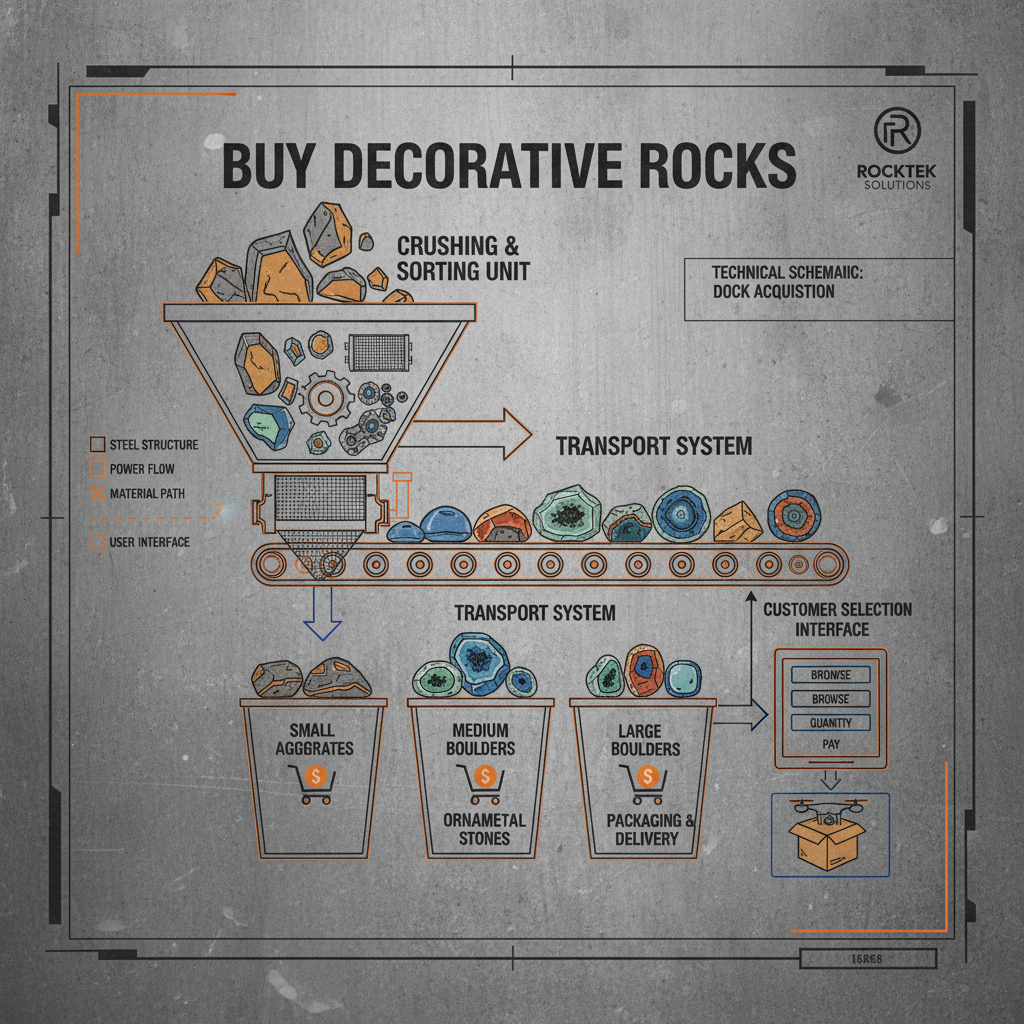
Types of Decorative Rocks Available for Purchase
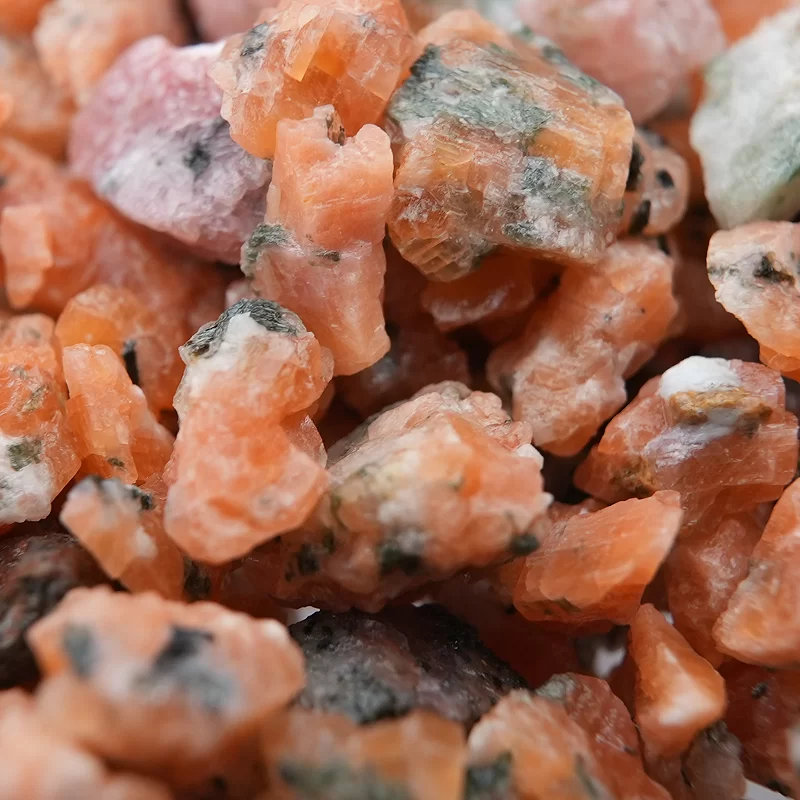
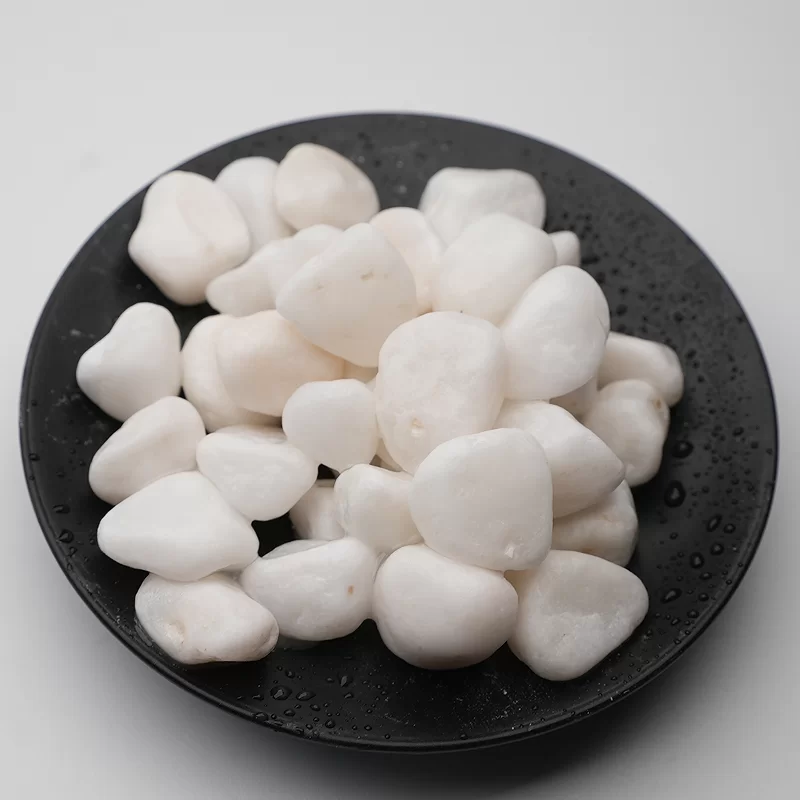
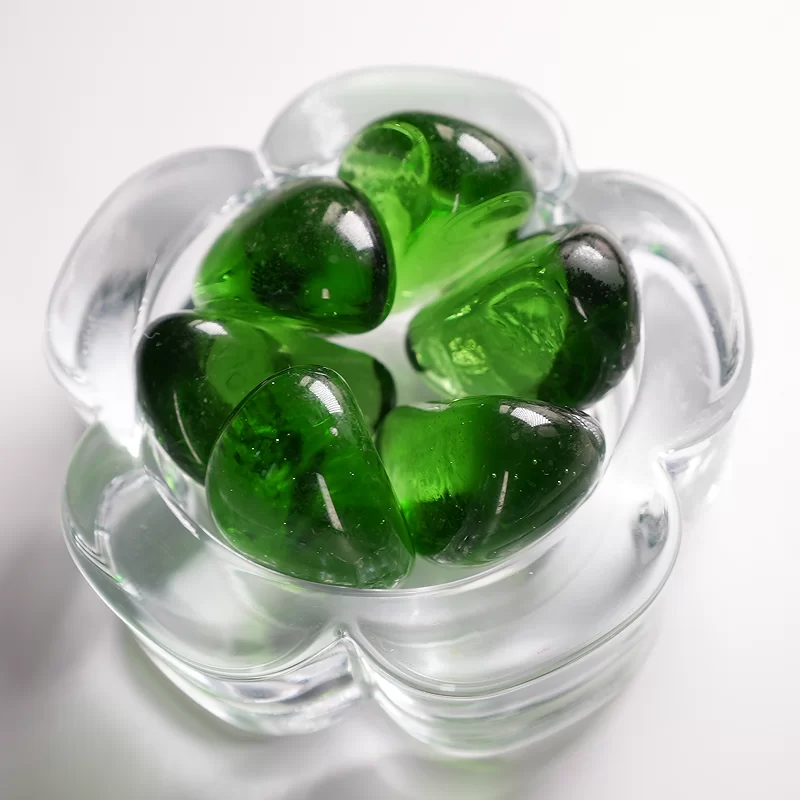
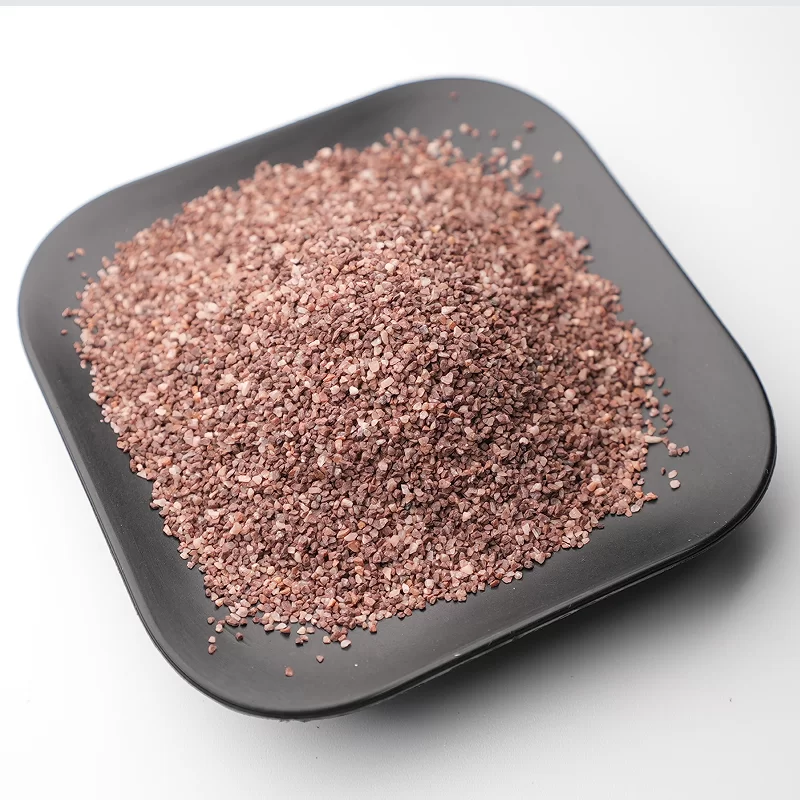
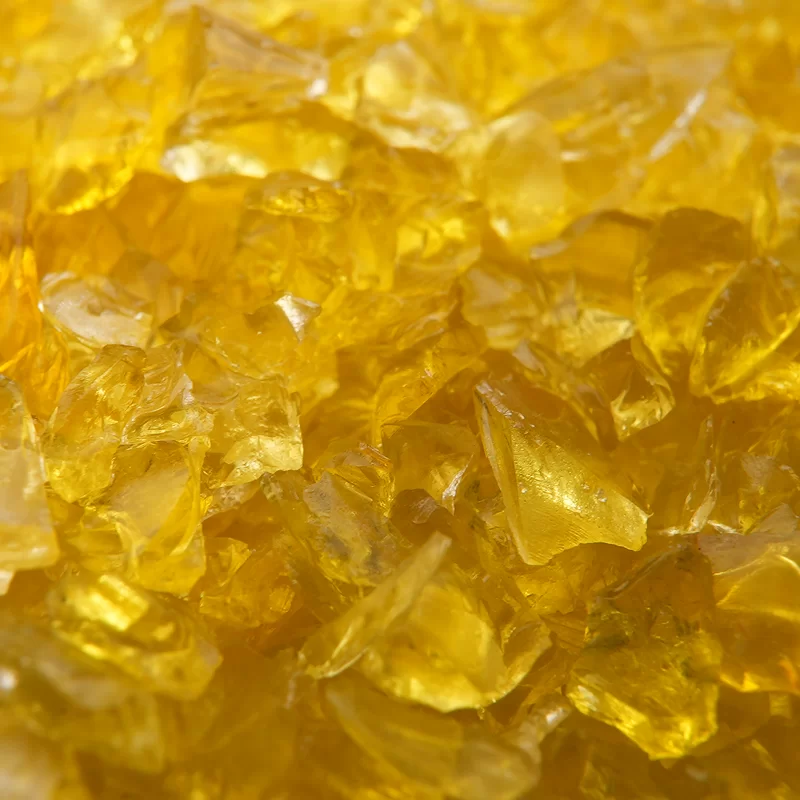
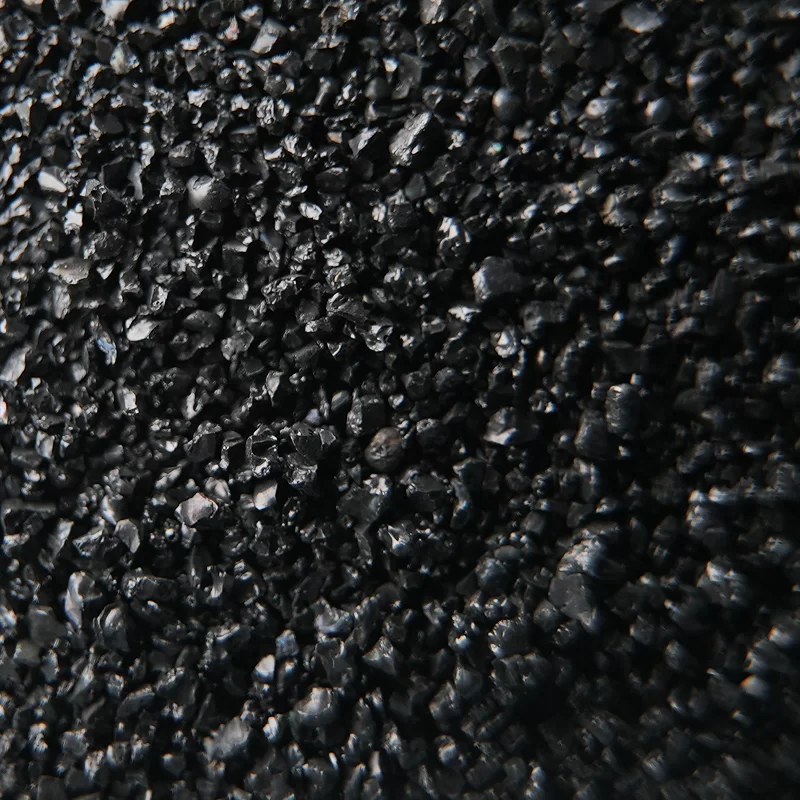
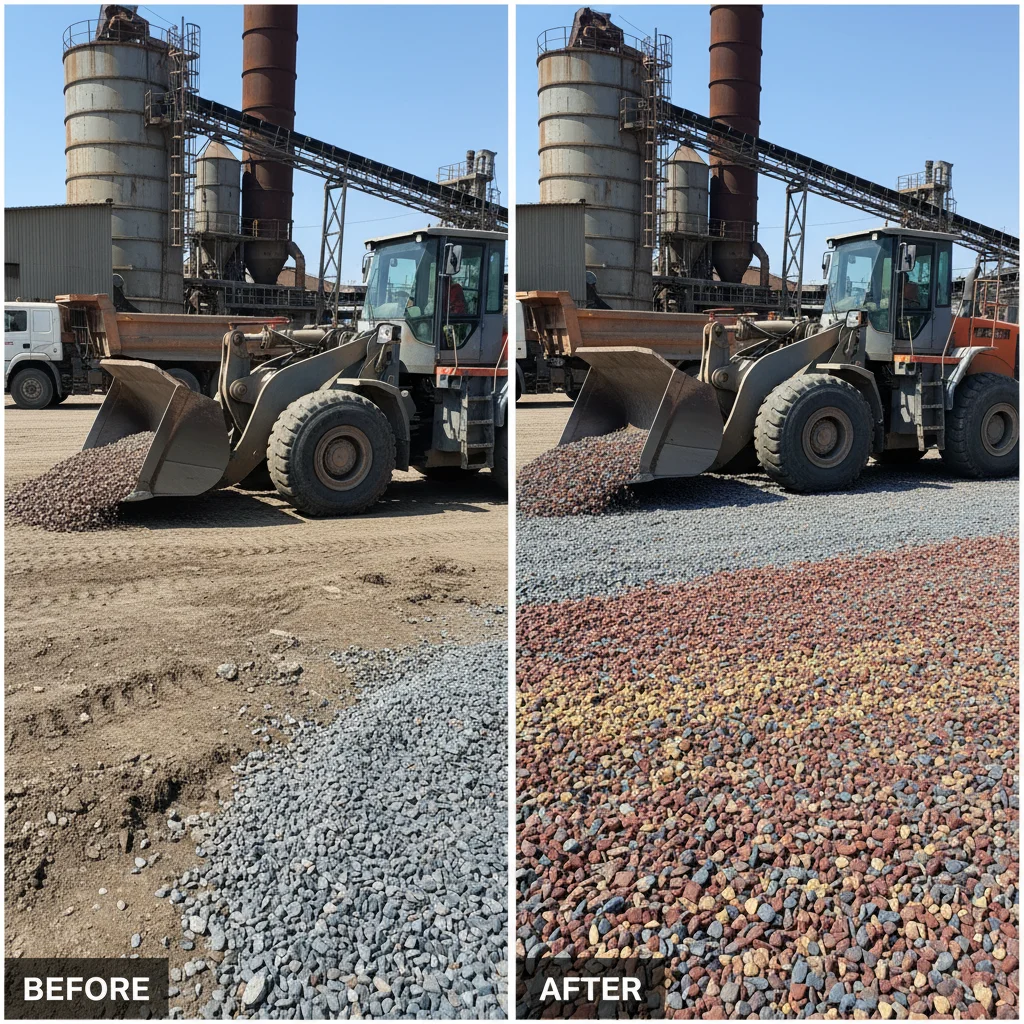
The variety of decorative rocks is impressive. Common options include river rock, lava rock, pea gravel, crushed stone, and polished stones. Each type offers a unique aesthetic and practical benefit. River rock, smoothed by water over time, provides a natural, organic look. Lava rock is lightweight and porous, making it ideal for drainage. Pea gravel is small and versatile, perfect for pathways and playgrounds. Crushed stone offers a more structured appearance, great for driveways and borders. Polished stones add a touch of elegance, suitable for garden beds and water features. Knowing the differences helps you buy decorative rocks that best fit your vision.
Key Highlights: A wide range of options from natural river rock to polished stones. Each type offers unique aesthetics and practical applications, catering to diverse landscaping needs.
Where to Buy Decorative Rocks: Choosing a Reliable Supplier
When you’re ready to buy decorative rocks, selecting a reputable supplier is crucial. Look for companies that offer a wide selection, competitive pricing, and reliable delivery. Local landscaping supply stores are a good option for smaller projects and personalized advice. Online retailers like CN Floor Materials provide convenience and often a broader range of choices. Consider the supplier’s commitment to quality and customer satisfaction. Reading reviews and comparing prices can help you make an informed decision.
Supplier Considerations:
• Wide selection of rock types and colors
• Competitive pricing and bulk discounts
• Reliable delivery options
• Positive customer reviews
Decorative Rock Applications: Inspiring Landscape Ideas
The possibilities for using decorative rocks are endless. Create a striking rock garden, define pathways and borders, enhance drainage in garden beds, or add a unique touch to water features. Rocks can also be used for ground cover, reducing the need for grass and minimizing maintenance. Consider using larger rocks as focal points and smaller rocks to fill in spaces. Thoughtful placement can transform a bland landscape into a visually captivating outdoor oasis. When you buy decorative rocks, think about the overall design you want to achieve.
Factors to Consider When You Buy Decorative Rocks
Before you buy decorative rocks, assess your project's scale, the desired aesthetic, and your budget. Calculate the amount of rock needed based on the area you intend to cover and the desired depth. Consider the color and texture of the rocks to complement your existing landscaping. Also, factor in the weight of the rocks and the ease of installation. Planning ahead will ensure a smooth and successful project.

Product Specifications: CN Floor Materials Decorative Rock Options
At CN Floor Materials, we offer a diverse range of high-quality decorative rocks to suit every landscaping need. Here's a snapshot of some of our popular options:
Conclusion: Transform Your Outdoor Space with CN Floor Materials
Ready to elevate your landscaping? CN Floor Materials offers a wide selection of high-quality decorative rocks at competitive prices. Browse our collection today and discover the perfect rocks to bring your outdoor vision to life. We're committed to providing exceptional products and customer service.
Frequently Asked Questions (FAQs)
How much decorative rock do I need for my project?
Calculating the amount of decorative rock required depends on the area you plan to cover and the desired depth. First, measure the length and width of the area in feet. Then, multiply these dimensions to find the square footage. Next, determine the desired depth of the rock layer (typically 2-4 inches). Convert the depth to feet by dividing by 12. Finally, multiply the square footage by the depth in feet to get the volume in cubic feet. Most suppliers sell rock by the cubic yard (27 cubic feet). Divide the cubic feet by 27 to determine the number of cubic yards needed. It's always a good idea to add 5-10% extra for compaction and waste.
What is the best way to install decorative rock?
Proper installation ensures a long-lasting and attractive result. First, clear the area of any vegetation, debris, and existing materials. Next, level the ground and compact the soil. Consider laying down a layer of landscape fabric to prevent weeds from growing through the rock. Then, spread the rock evenly over the area, using a rake or shovel. Finally, lightly compact the rock layer to create a stable surface. For larger projects, consider using a wheelbarrow or other equipment to transport the rock.
Do decorative rocks require any maintenance?
Decorative rocks are generally low-maintenance, but some upkeep is required. Periodically remove any weeds or debris that may accumulate on the surface. You may also need to add more rock over time to maintain the desired depth, as some rocks may settle or be displaced. Regularly raking the rocks can help to keep them looking neat and tidy. Avoid using harsh chemicals or cleaning agents that could damage the rocks or surrounding plants.
Are there any environmental benefits to using decorative rock?
Yes, using decorative rock can offer several environmental benefits. Rocks help to conserve water by reducing evaporation from the soil. They can also suppress weed growth, reducing the need for herbicides. Furthermore, rocks are a durable and long-lasting material, minimizing the need for frequent replacement. By choosing locally sourced rocks, you can also reduce the carbon footprint associated with transportation.