Enhance Your Outdoor Spaces Buy Decorative Gravel For Stunning Landscapes
Buy Decorative Gravel: A Guide to Enhancing Your Outdoor Space
Looking to transform your garden, walkway, or landscaping project? Decorative gravel is a versatile and cost-effective solution. This guide will cover everything you need to know about selecting, using, and maintaining decorative gravel to create a stunning outdoor aesthetic. From choosing the right type of gravel to calculating the quantity needed, we'll walk you through each step. Investing in quality buy decorative gravel can significantly boost the curb appeal and enjoyment of your property.

Types of Decorative Gravel
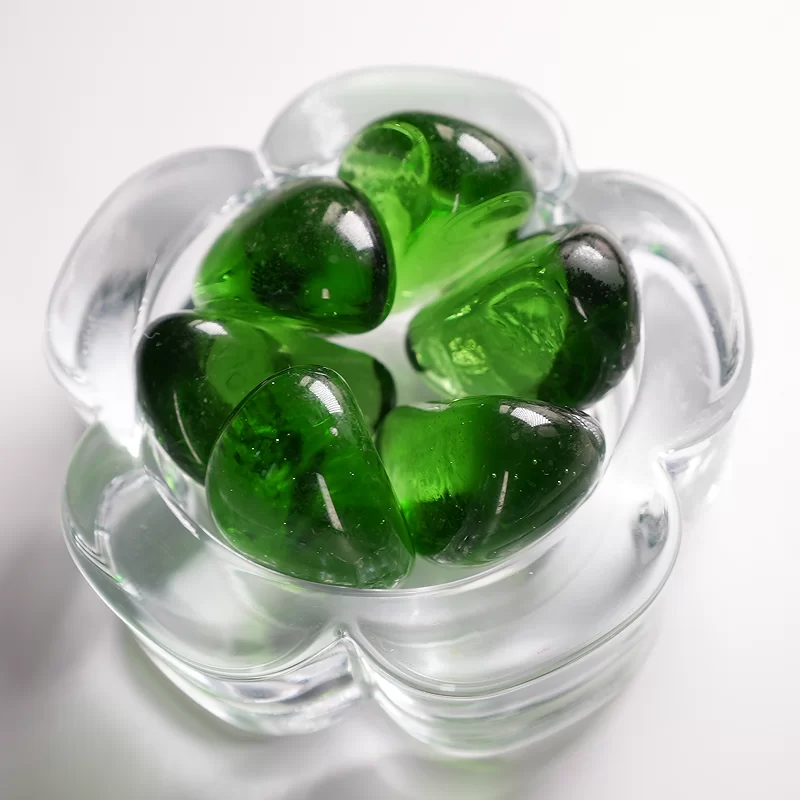
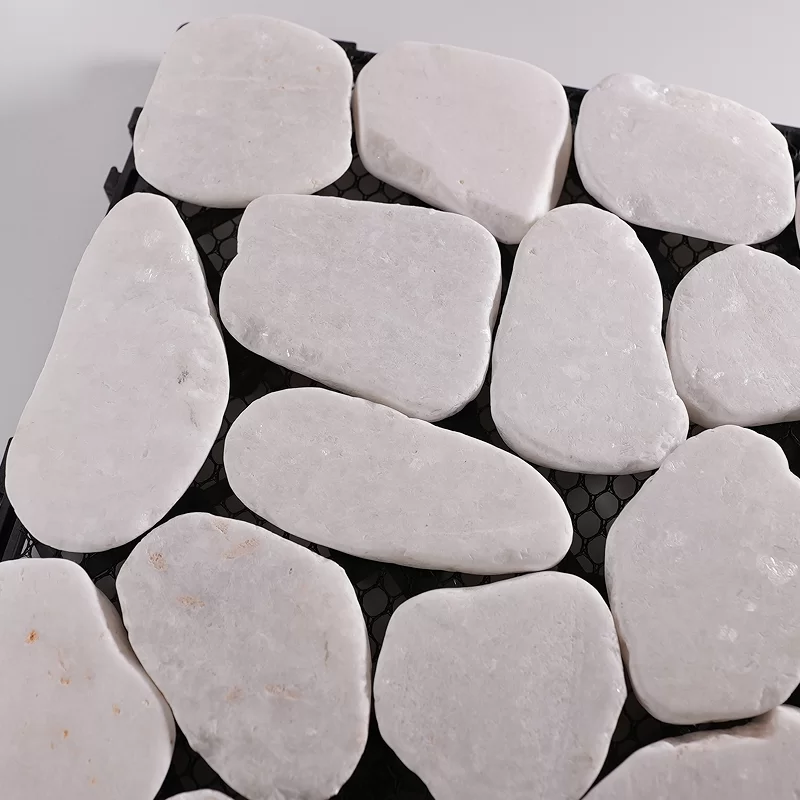
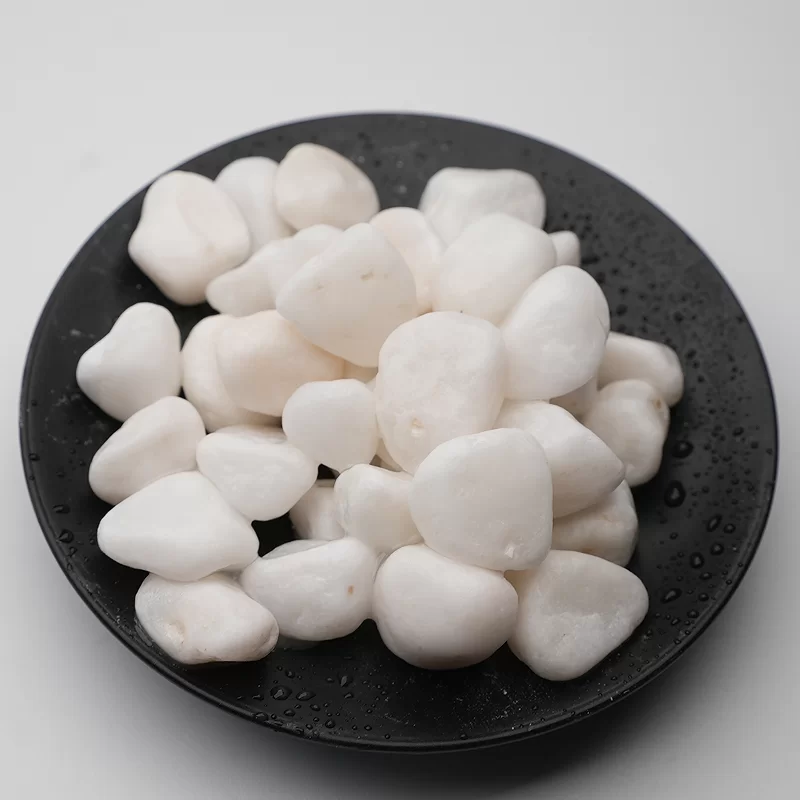
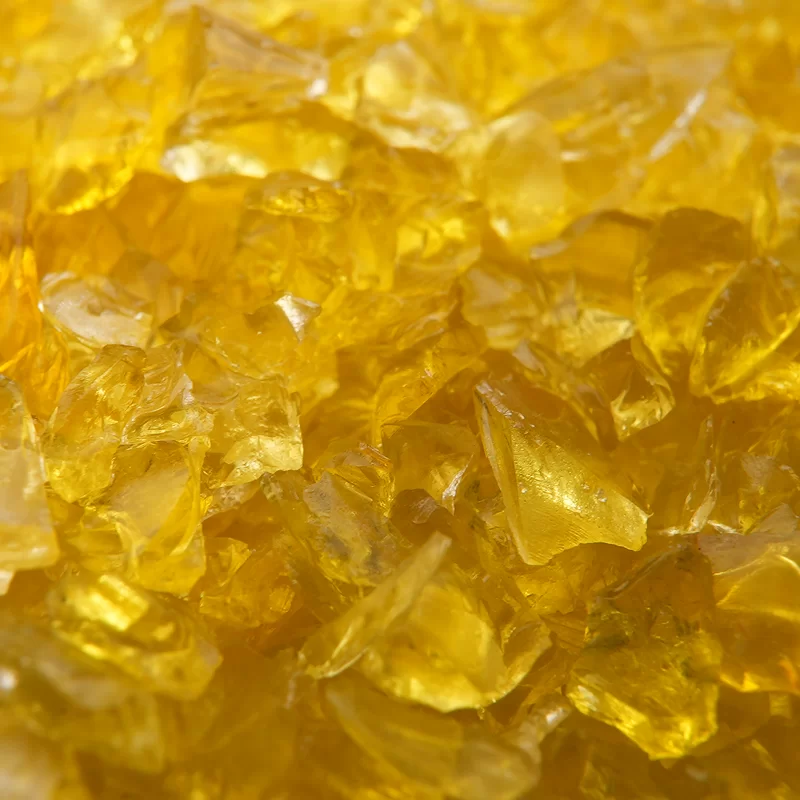
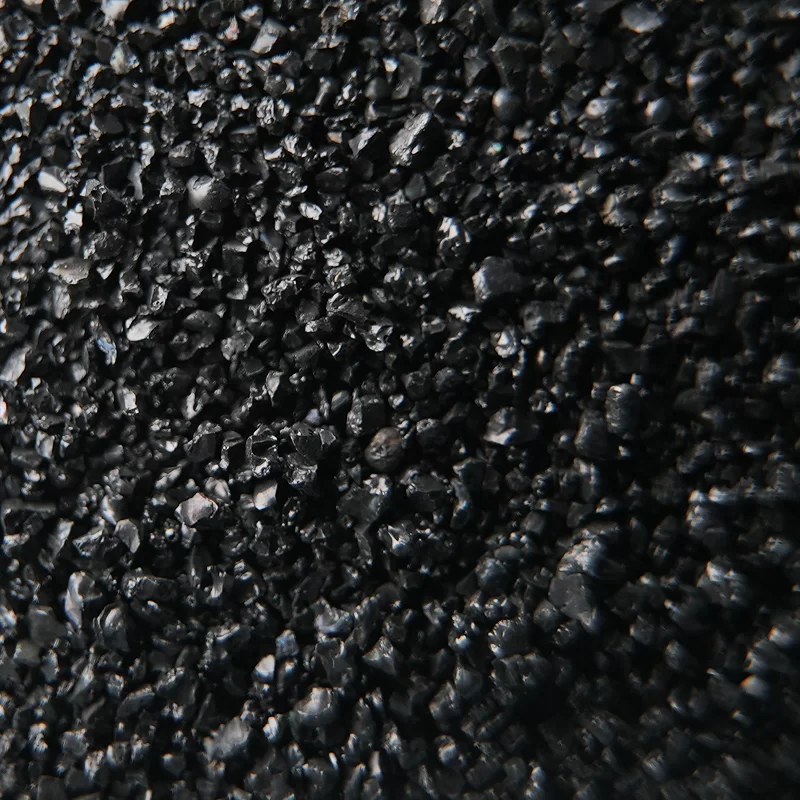
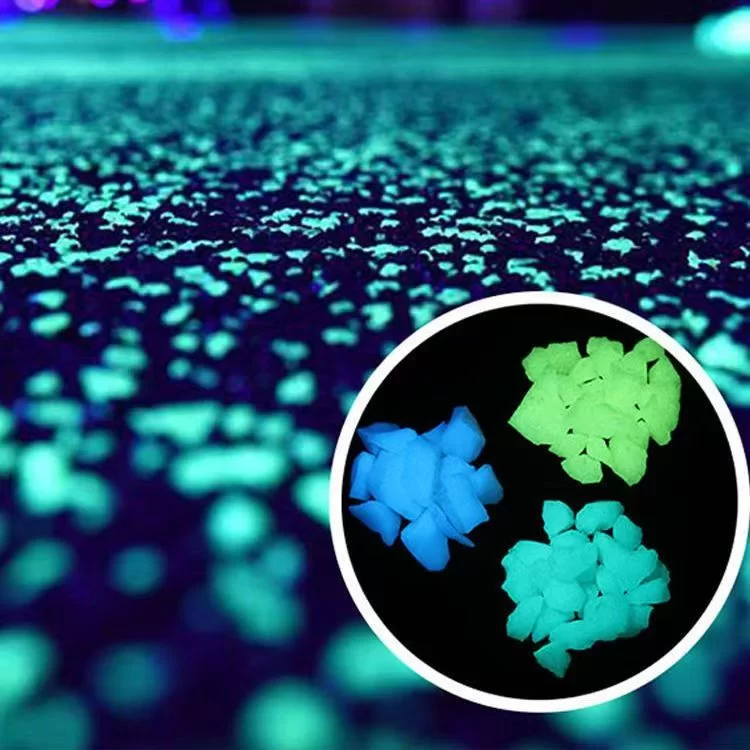
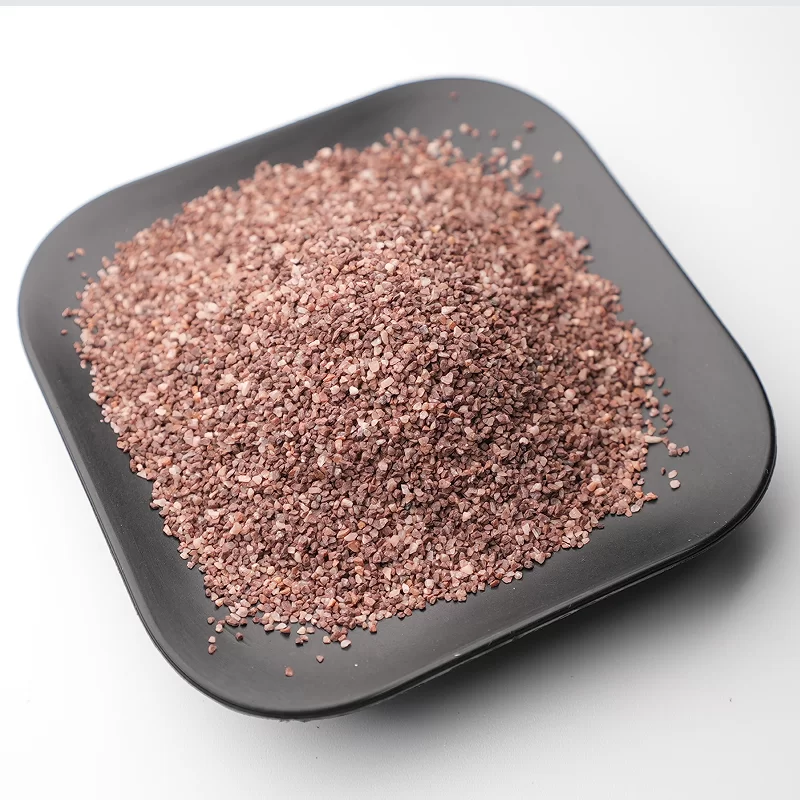
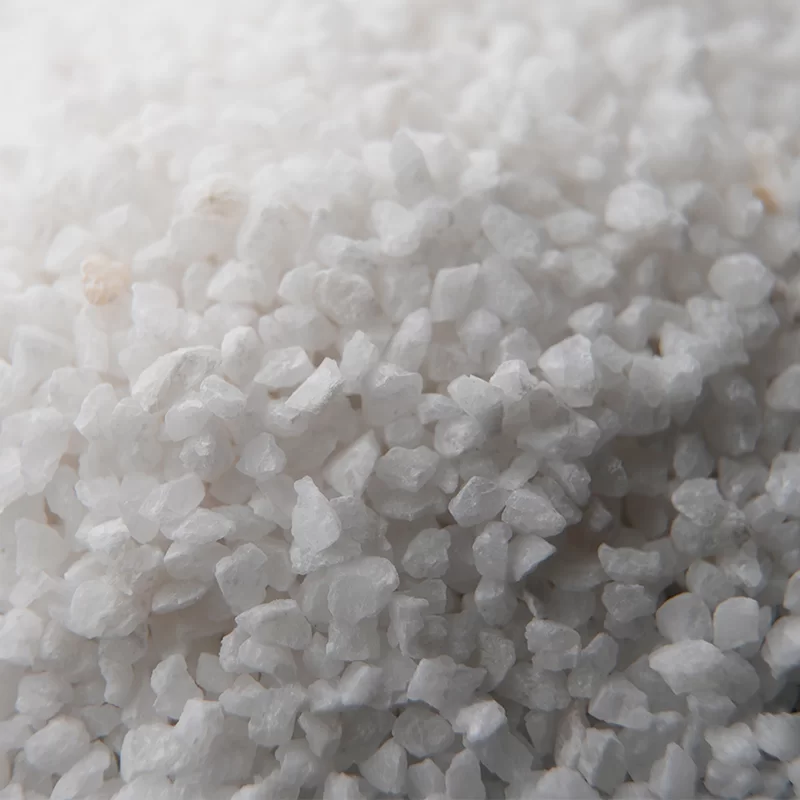
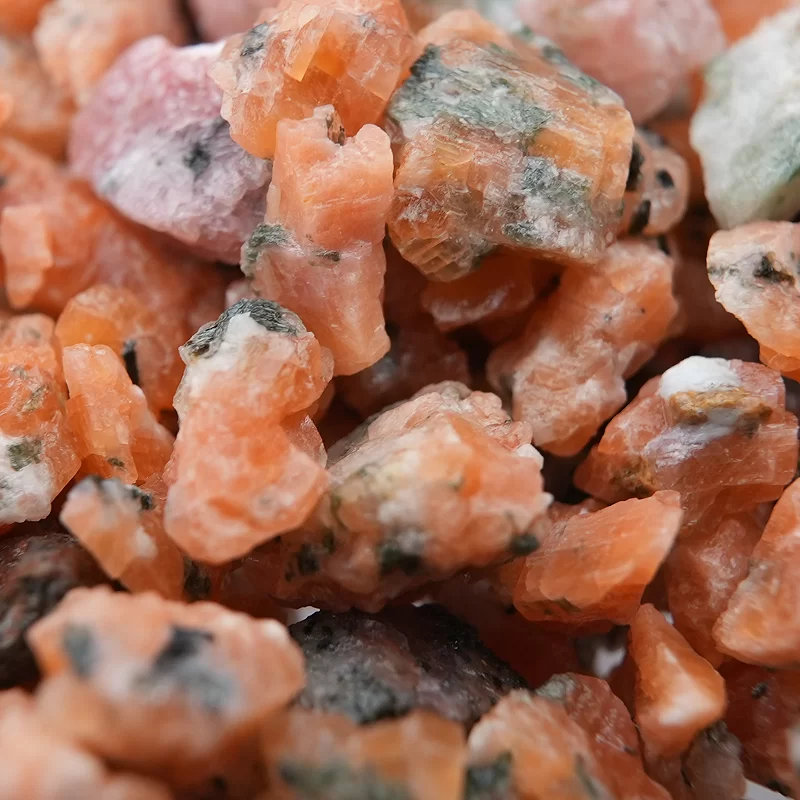
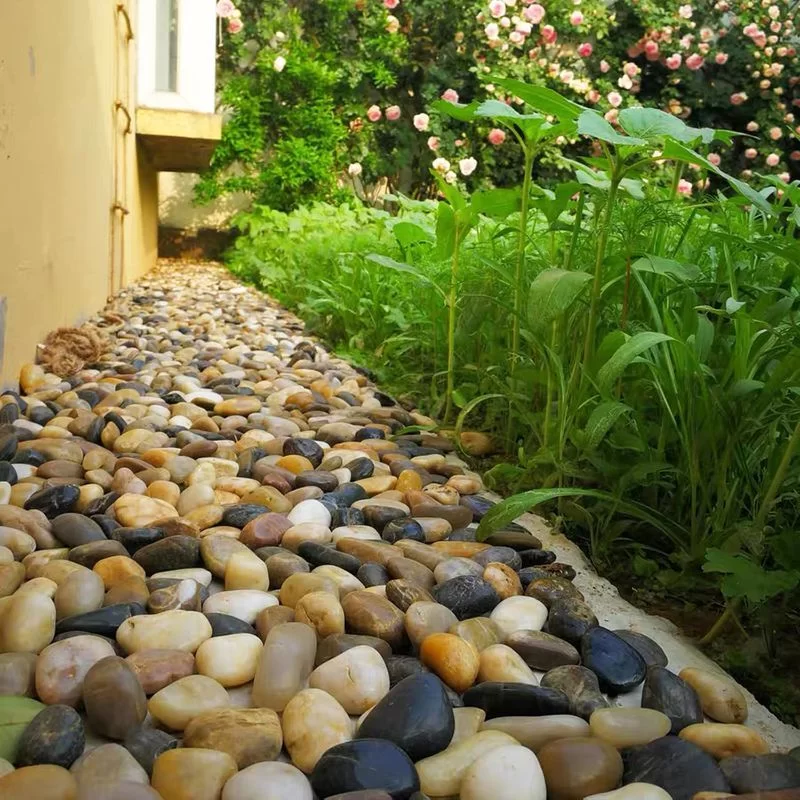
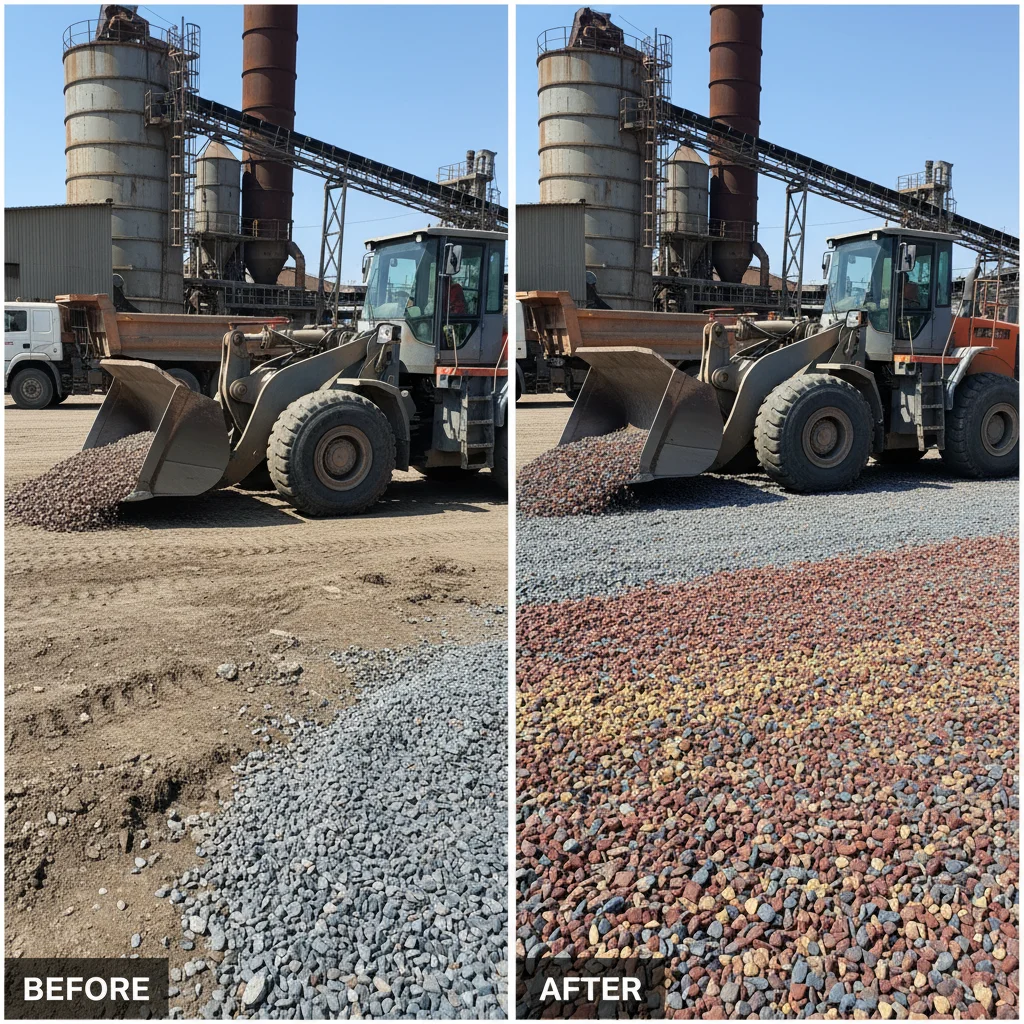
A wide variety of decorative gravel options are available, each with its unique characteristics and aesthetic appeal. Common types include pea gravel (smooth, rounded stones), crushed granite (angular, durable), river rock (larger, smooth stones), and lava rock (lightweight, porous). The best choice depends on your specific project needs and desired look. Pea gravel is ideal for walkways and play areas due to its smoothness, while crushed granite provides excellent drainage and stability for driveways. River rock creates a more natural and rustic appearance, and lava rock is excellent for retaining moisture in garden beds. At CN Floor Materials, we offer a diverse selection to suit any landscaping design.
Key Highlights: Choosing the right gravel type impacts the aesthetic, functionality, and maintenance of your outdoor space.
How to Calculate Gravel Quantity
Accurately calculating the amount of gravel needed is essential to avoid overspending or running short. First, determine the area you'll be covering (length x width). Then, decide on the desired depth of the gravel layer. A typical depth for walkways is 2-4 inches, while driveways may require 4-6 inches. Use the following formula to estimate the volume needed: Volume = Length x Width x Depth. Remember to convert all measurements to the same units (e.g., feet). It's always best to add a 5-10% buffer to account for compaction and waste. CN Floor Materials offers a convenient gravel calculator on our website to simplify this process.
Gravel Calculation Tips:
• Accurate measurements are crucial.
• Consider the desired depth of the gravel layer.
• Add a 5-10% buffer for compaction and waste.
• Use our online gravel calculator for quick estimation.
Comparing Popular Gravel Types
Choosing the right gravel can be overwhelming. Here’s a comparison of some popular choices to help you decide. Factors to consider include cost, drainage, durability, and aesthetic appeal.
Installation and Maintenance Tips
Installing decorative gravel is a relatively straightforward DIY project. Begin by preparing the area by removing any existing vegetation and leveling the ground. Consider using landscape fabric underneath the gravel to prevent weed growth. Spread the gravel evenly and compact it slightly. For maintenance, regularly rake the gravel to keep it looking tidy and remove any debris. Replenish the gravel as needed to maintain the desired depth. For the best buy decorative gravel and long-lasting results, proper preparation and maintenance are key.

Where to Buy Decorative Gravel
CN Floor Materials is your trusted source for high-quality decorative gravel. We offer a wide selection of colors, sizes, and types to suit your project needs. Our competitive pricing, reliable delivery, and expert customer service make us the preferred choice for homeowners and contractors alike. Explore our online catalog or visit our showroom to discover the perfect gravel for your outdoor space.
Conclusion: Enhance Your Outdoor Space with Decorative Gravel
Investing in decorative gravel from CN Floor Materials is a simple and effective way to elevate the beauty and functionality of your outdoor living areas. With a wide variety of options available, you're sure to find the perfect gravel to match your style and budget. Don't hesitate to contact us for expert advice and assistance with your project.
Frequently Asked Questions (FAQs)
How much does decorative gravel cost?
The cost of decorative gravel varies depending on the type, quantity, and location. Prices generally range from $30 to $80 per cubic yard. Factors like delivery fees and the need for landscape fabric can also impact the overall cost. CN Floor Materials offers competitive pricing and transparent quotes to help you budget accurately. We also frequently run promotions and discounts, so be sure to check our website for the latest deals.
What is the best gravel for drainage?
For optimal drainage, crushed granite and lava rock are excellent choices. Their angular shape and porous nature allow water to flow through easily, preventing puddling and erosion. Pea gravel also provides good drainage, but it may not be as effective as crushed granite or lava rock. Avoid using rounded, smooth stones for areas requiring significant drainage.
Do I need to use landscape fabric under the gravel?
Yes, using landscape fabric under the gravel is highly recommended. It prevents weeds from growing up through the gravel, reduces soil erosion, and helps maintain the gravel's appearance. Landscape fabric also prevents the gravel from sinking into the soil over time. Choose a high-quality landscape fabric that is durable and permeable to water.
How often should I replenish the gravel?
The frequency of replenishment depends on factors like foot traffic, weather conditions, and the type of gravel. Generally, it's a good idea to top up the gravel every 1-2 years to maintain the desired depth and appearance. Areas with heavy foot traffic or frequent rainfall may require more frequent replenishment. Regular raking also helps distribute the gravel evenly and minimizes the need for frequent top-ups.