
Transform Your Outdoor Spaces with Affordable Cheap Decorative Gravel
Finding the Perfect Look: A Guide to Cheap Decorative Gravel
Transforming your outdoor spaces doesn't have to break the bank. Cheap decorative gravel offers a versatile and affordable solution for landscaping projects of all sizes. From creating stunning pathways to adding texture to flowerbeds, gravel provides a beautiful and low-maintenance aesthetic. This guide explores the various types of affordable gravel, their uses, and how to choose the right option for your needs. Discover how to elevate your garden on a budget with the power of decorative gravel.
Understanding the Different Types of Affordable Gravel
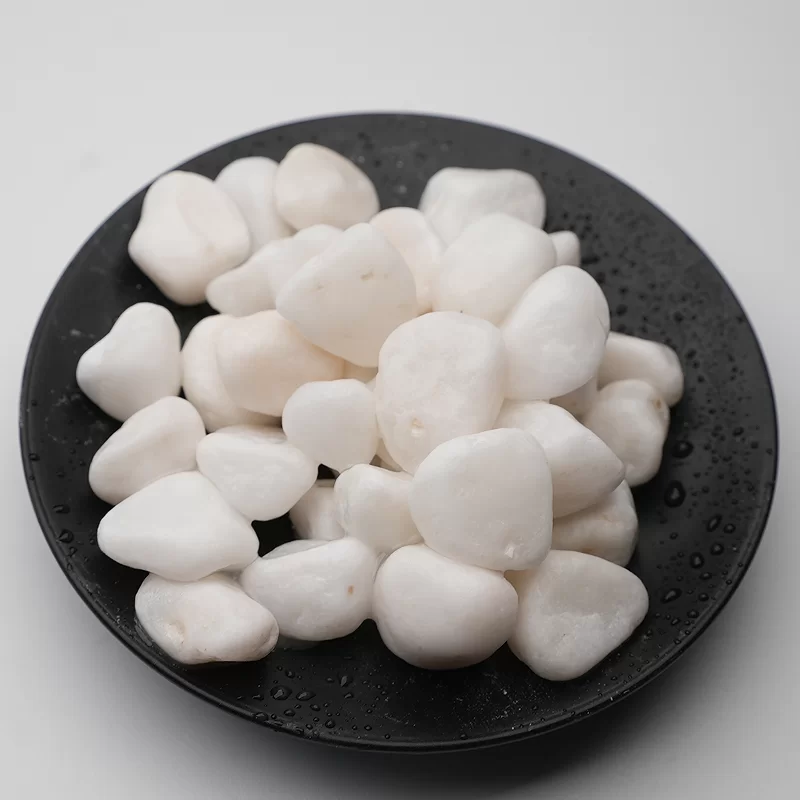
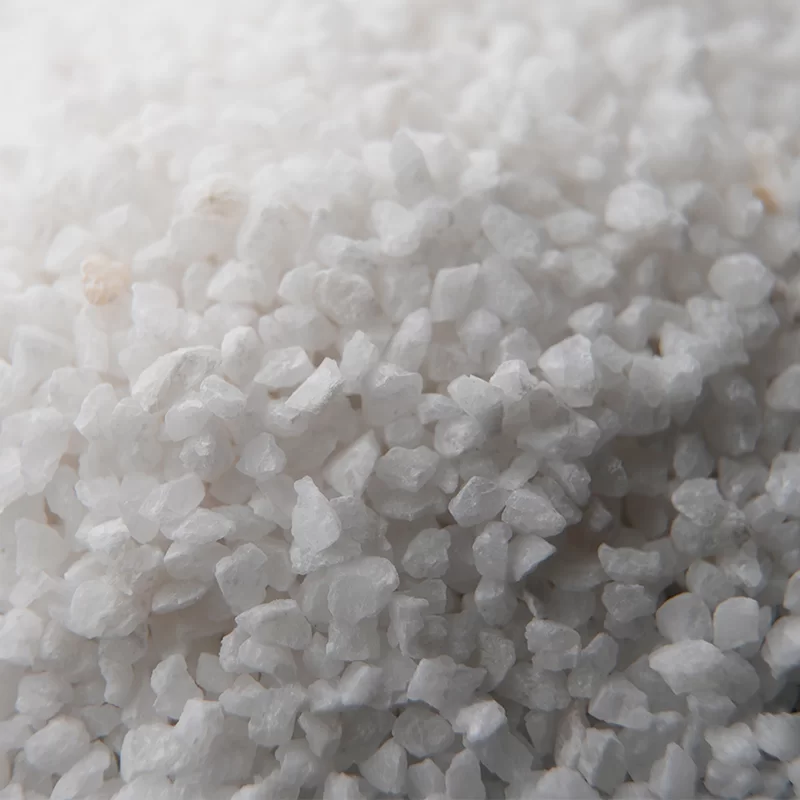
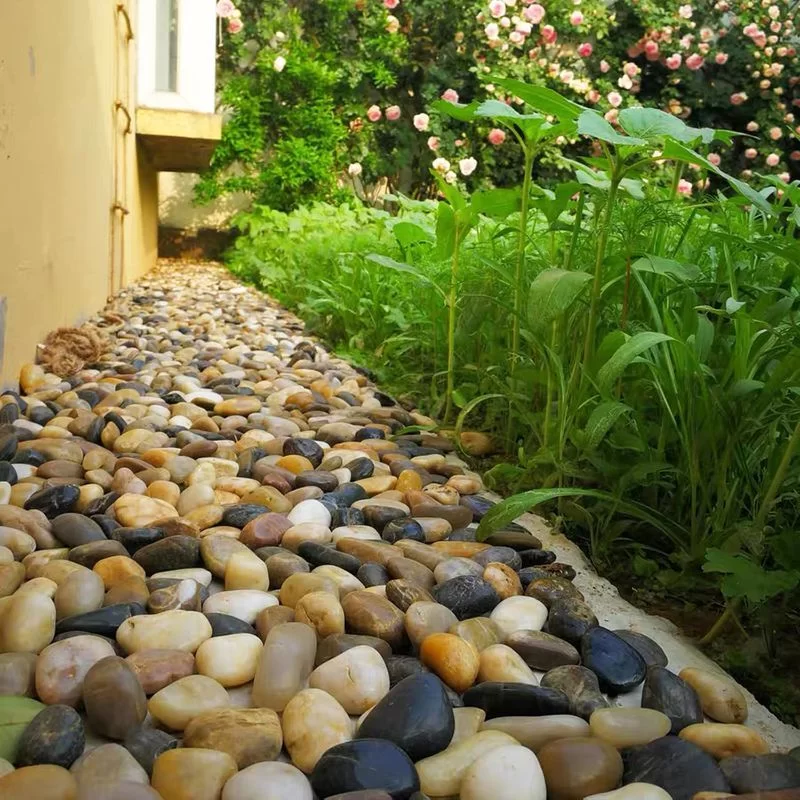
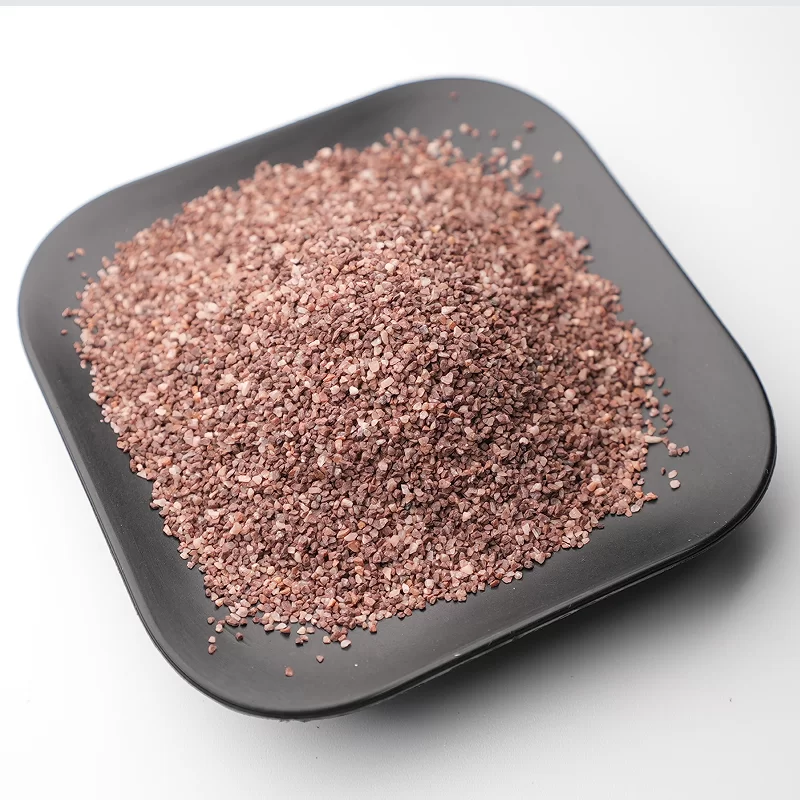
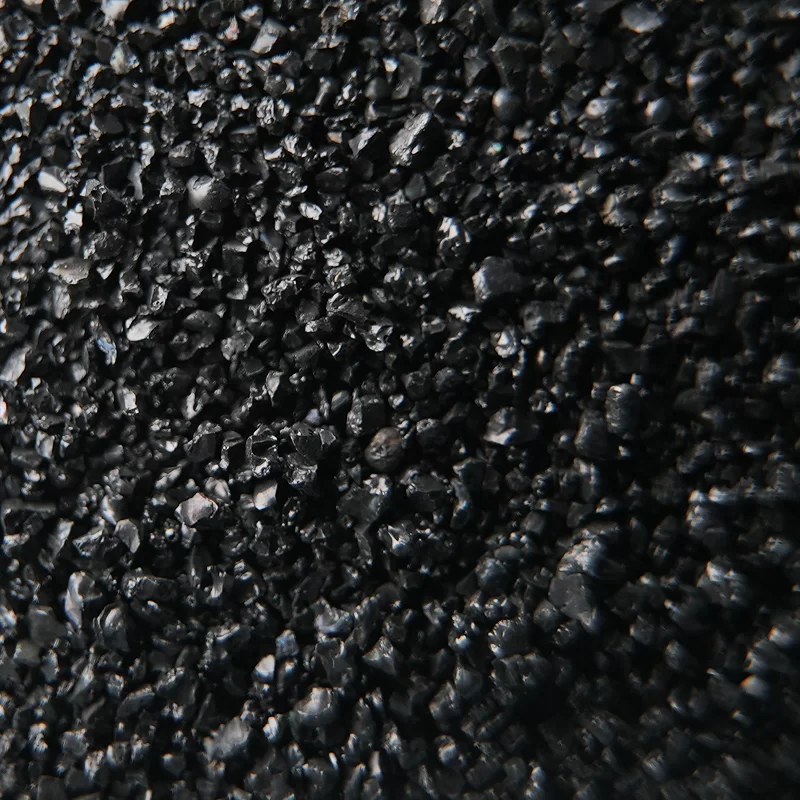
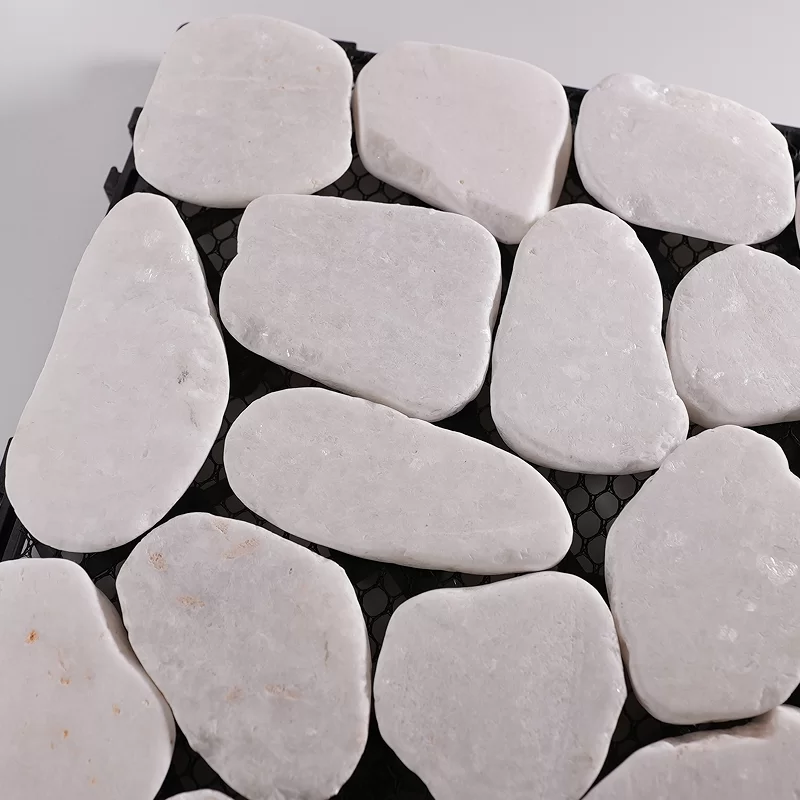
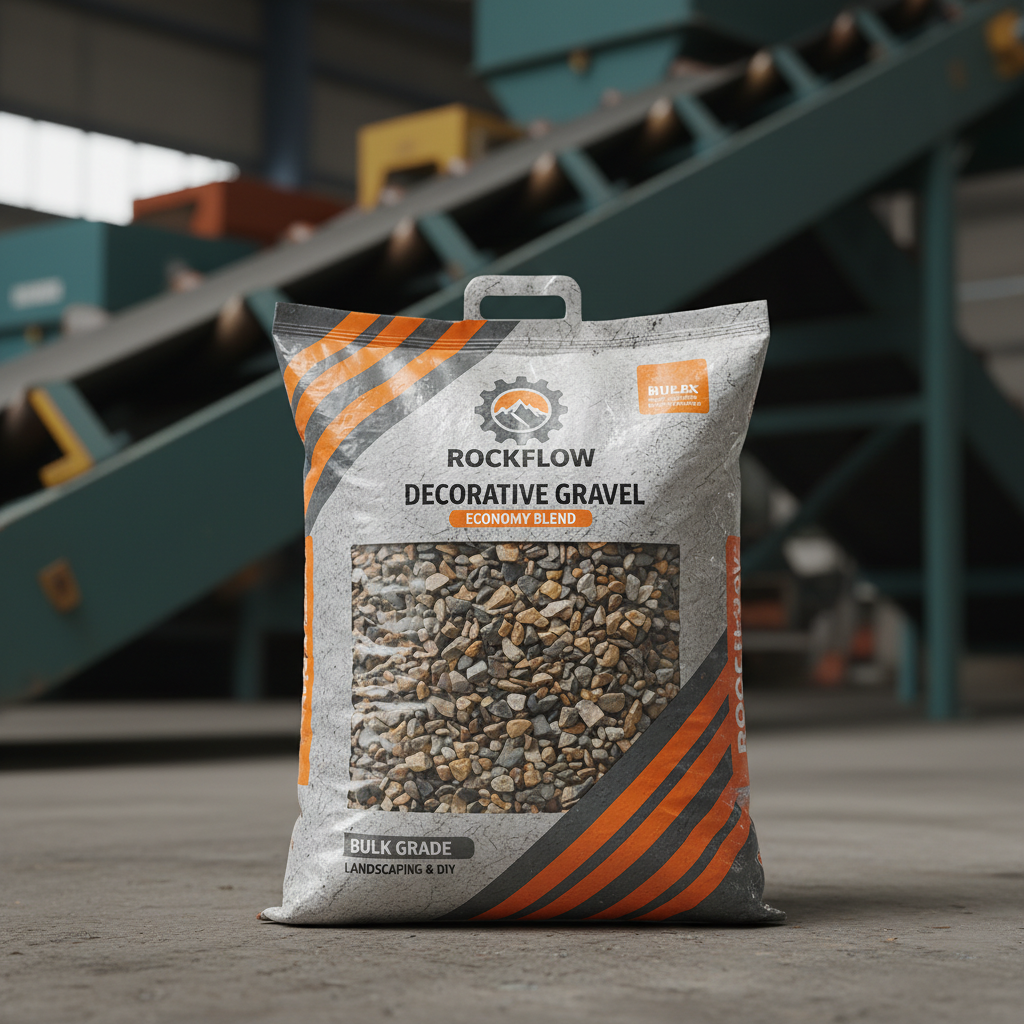
The term “cheap decorative gravel” encompasses a wide range of materials, each offering unique colors, textures, and price points. Common options include pea gravel, crushed stone, river rock, and decomposed granite. Pea gravel, known for its smooth, rounded shape, is excellent for pathways and playgrounds. Crushed stone, a more angular option, provides better compaction for driveways. River rock offers a natural, polished look ideal for dry creek beds. And decomposed granite creates a natural-looking, permeable surface. Choosing the right type depends on your project's aesthetic goals and functional requirements. CN Floor Materials offers a diverse selection of these gravels at competitive prices.
Key Highlights: Affordable gravel options provide versatility, low maintenance, and an aesthetic boost to any landscape project.
Popular Applications for Cheap Decorative Gravel
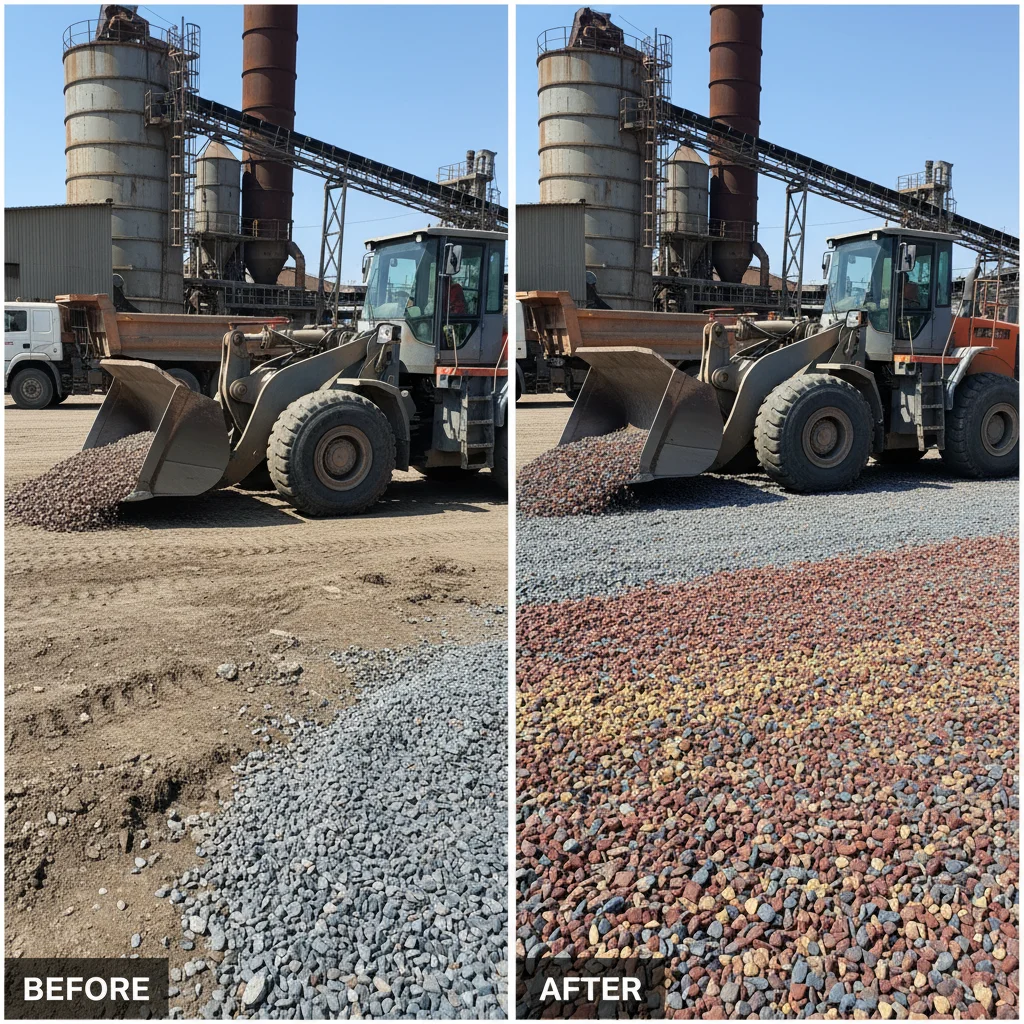
The applications for affordable gravel are extensive. Creating a winding pathway through your garden is a classic choice, offering a rustic and charming feel. Gravel is also excellent for filling spaces between paving stones, providing a visually appealing contrast. Use it around trees and shrubs as a mulch alternative to suppress weeds and retain moisture. Dry creek beds, featuring river rock, create a naturalistic element and help with drainage. And gravel can even be used as a base layer for patios and fire pits. With a little creativity, the possibilities are endless. Consider using different colors and sizes of gravel to create unique and eye-catching designs.
Gravel Application Ideas:
• Pathways and Walkways
• Mulch for Flowerbeds
• Dry Creek Beds
• Patio and Fire Pit Bases
Cheap Decorative Gravel: Comparing Popular Options
Choosing between the different types of gravel can be overwhelming. Here's a comparison of some popular options to help you decide:
Tips for Installing Cheap Decorative Gravel
Proper installation is key to ensuring your gravel landscape looks its best and lasts for years to come. Start by removing any existing vegetation and debris. Excavate the area to the desired depth. Lay down a layer of landscape fabric to prevent weeds from growing up through the gravel. This step is crucial for low maintenance. Then, spread the gravel evenly, using a rake to achieve the desired thickness. For pathways, a depth of 2-3 inches is typically sufficient. For driveways, a thicker layer of 4-6 inches is recommended. Finally, compact the gravel to create a stable surface.
Cost Considerations and Where to Buy
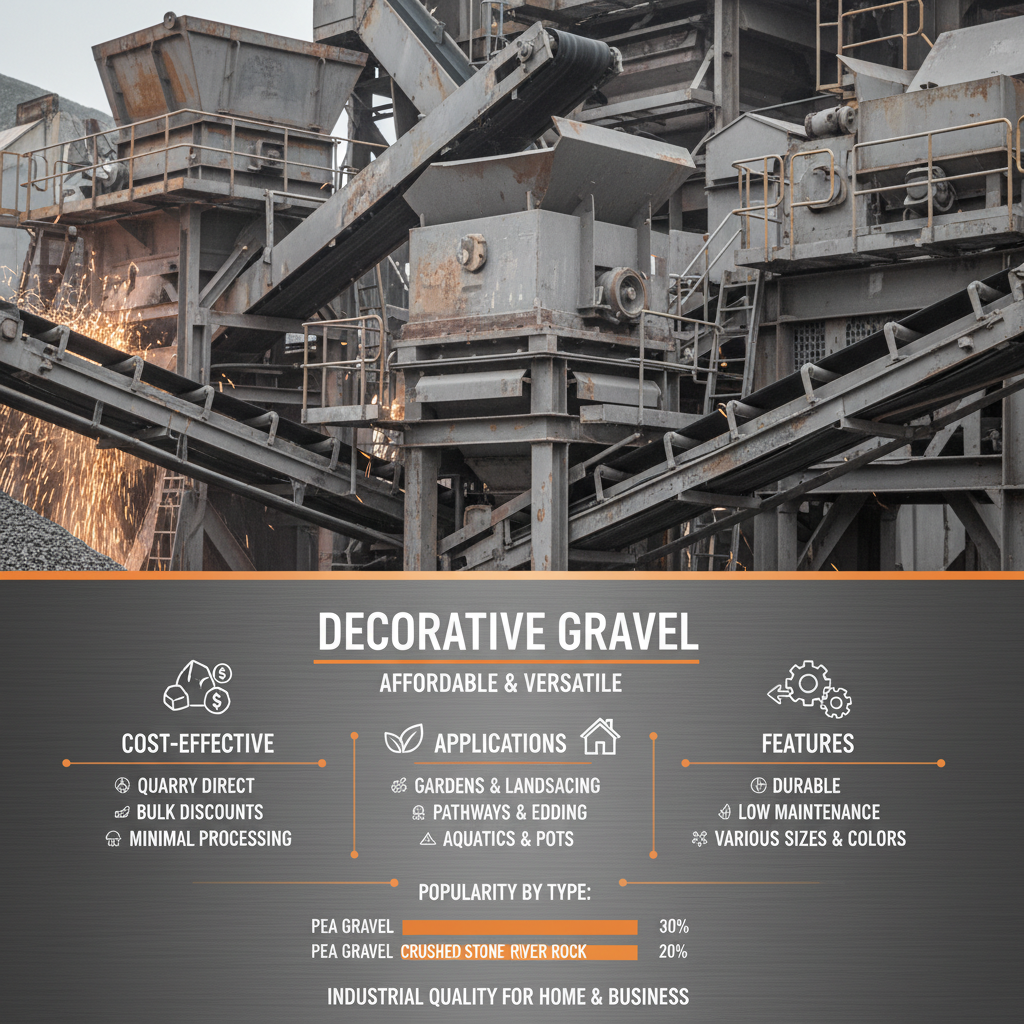
The cost of cheap decorative gravel varies depending on the type, quantity, and location. Generally, pea gravel and crushed stone are the most affordable options. Shipping costs can also add to the overall expense. Purchasing in bulk can often save you money. CN Floor Materials offers competitive pricing and convenient delivery options, making it easy to get the gravel you need for your project.
Conclusion: Enhance Your Landscape on a Budget
With its affordability, versatility, and aesthetic appeal, cheap decorative gravel is a fantastic choice for any landscaping project. By understanding the different types, applications, and installation tips, you can transform your outdoor spaces into beautiful and inviting havens without breaking the bank. Explore the options available at CN Floor Materials and start creating the landscape of your dreams today.
Frequently Asked Questions (FAQs)
How much gravel do I need for my project?
Calculating the amount of gravel needed requires knowing the area you’re covering and the desired depth. First, measure the length and width of the area in feet and multiply them to find the square footage. Then, determine the desired depth of the gravel in inches and convert it to feet (divide by 12). Finally, multiply the square footage by the depth in feet to get the volume in cubic feet. You can then convert cubic feet to cubic yards (divide by 27) to determine how much gravel to order. Many online calculators can also help with this calculation.
How do I prevent weeds from growing through gravel?
The most effective way to prevent weeds is to install landscape fabric beneath the gravel. This creates a barrier that prevents weed seeds from germinating and growing through the gravel. Ensure the fabric overlaps at the seams to prevent weeds from finding a way through. Regularly inspect the area and remove any weeds that do manage to sprout. Applying a pre-emergent herbicide before laying the gravel can also help prevent weed growth.
Is gravel a good drainage solution?
Yes, gravel is an excellent drainage solution, especially when used in combination with landscape fabric. Its porous nature allows water to drain quickly and easily, preventing puddling and waterlogging. This is particularly beneficial for areas prone to flooding or with poor soil drainage. However, it’s important to ensure the area has sufficient slope to allow the water to flow away from structures.
How often should I replenish the gravel?
The frequency of replenishment depends on factors like foot traffic, weather conditions, and the type of gravel used. Over time, gravel can become compacted, displaced, or lost due to erosion. Typically, replenishing the gravel every 1-2 years will maintain the desired depth and appearance. Regularly raking the gravel can help redistribute it and prevent compaction.