0%

Table of Contents

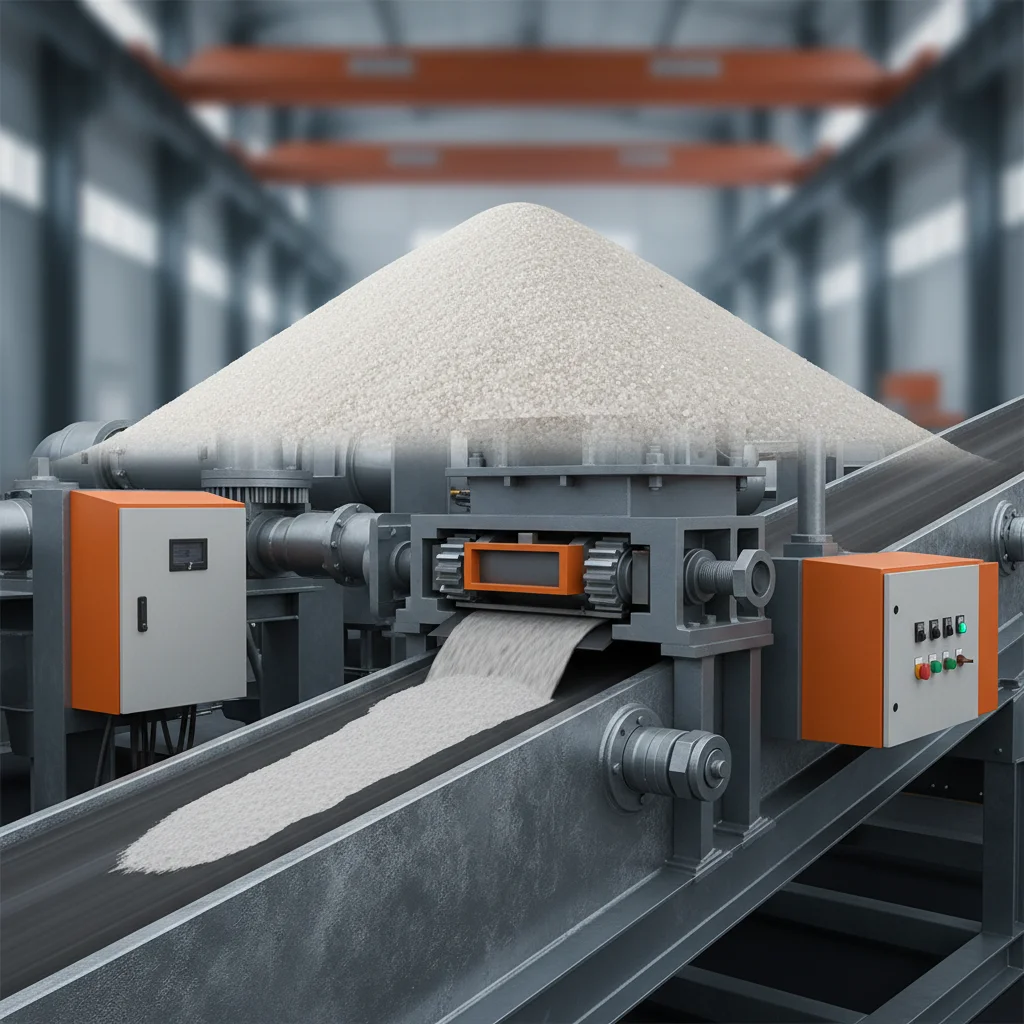
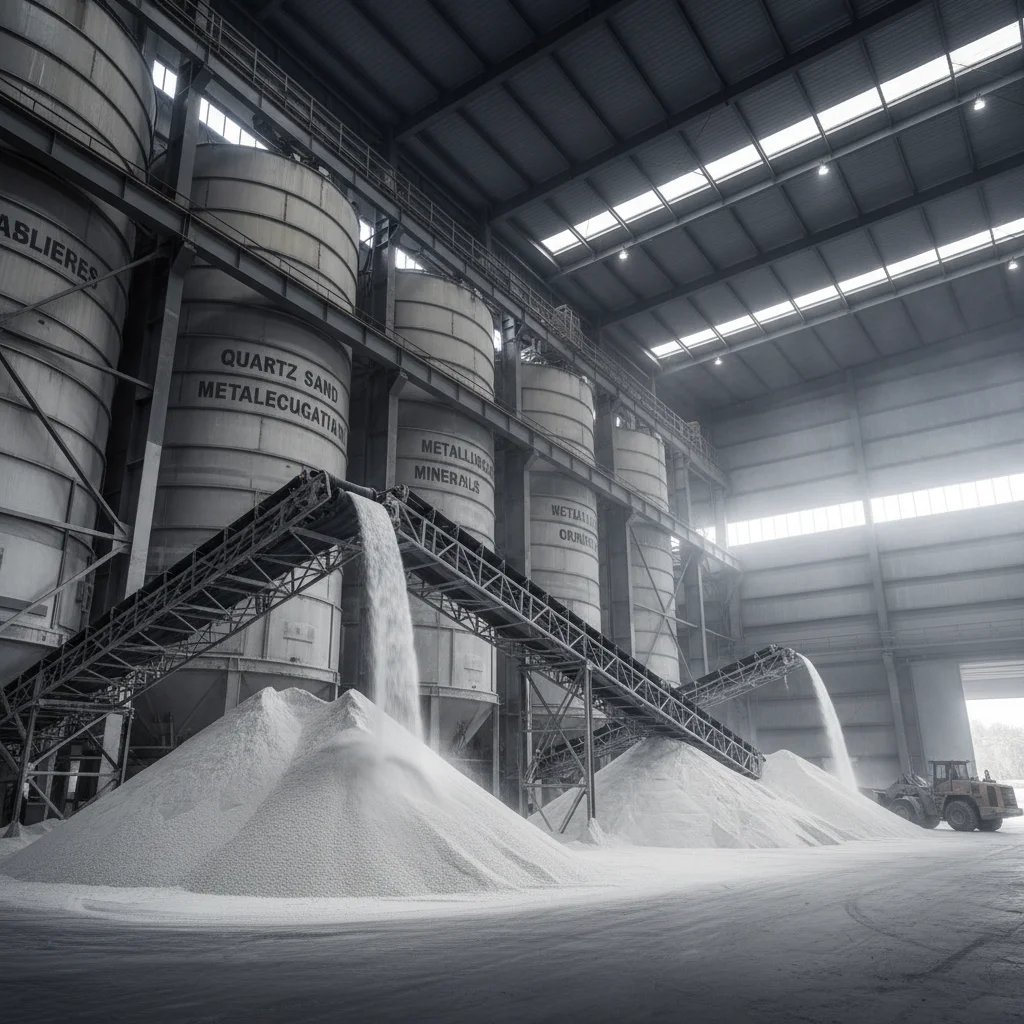
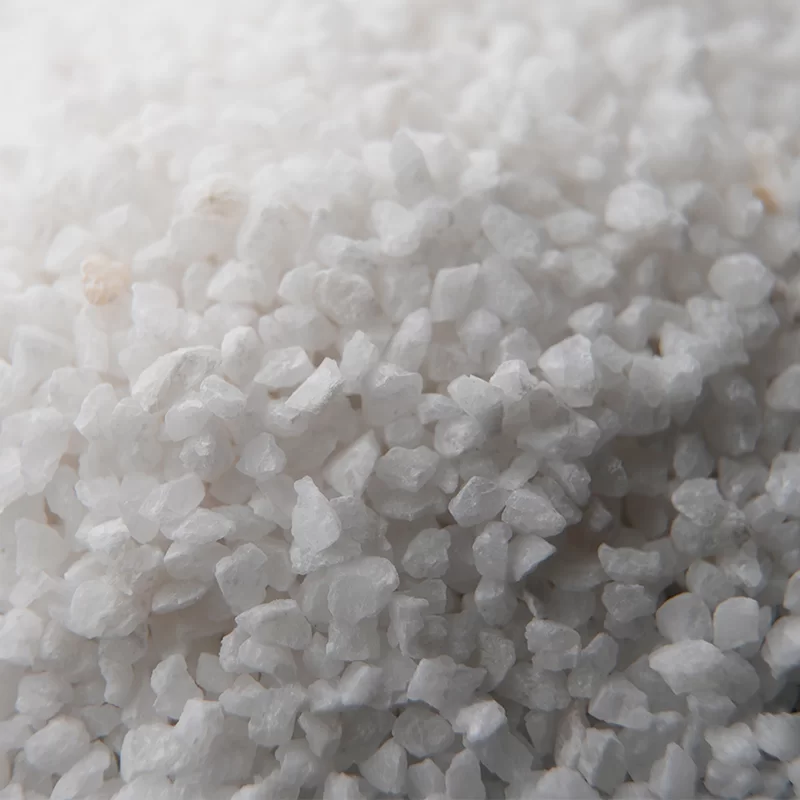
crystalline quartz sand. It’s not just pretty silica, it’s the backbone of so much we build. I’ve spent years on sites, getting dust in my teeth, and watching projects rise or fall based on the quality of materials. And let me tell you, getting the sand right – the crystalline quartz sand – is absolutely critical. It impacts everything from the strength of concrete to the lifespan of glass, and increasingly, to the performance of advanced materials we’re using now. It's a deceptively simple material with a huge ripple effect.

We're seeing a massive global demand for crystalline quartz sand. China and India are driving infrastructure growth, the Middle East is still building at a furious pace, and even developed nations are constantly repairing and expanding. This isn’t some niche market, this is fundamental to global development. The UN projects a continued rise in urbanization, meaning more concrete, more glass, more demand for high-quality sand. Supply chains are tightening, quality control is paramount, and the need for sustainable sourcing is becoming a massive concern.

And honestly, it’s a headache sometimes. Too often, projects cut corners on sand quality to save a few bucks upfront, which leads to long-term problems. I’ve seen entire structures require early repairs because of subpar aggregates. That’s why understanding crystalline quartz sand - its properties, sourcing, and applications - isn’t just academic, it’s about building things that last.
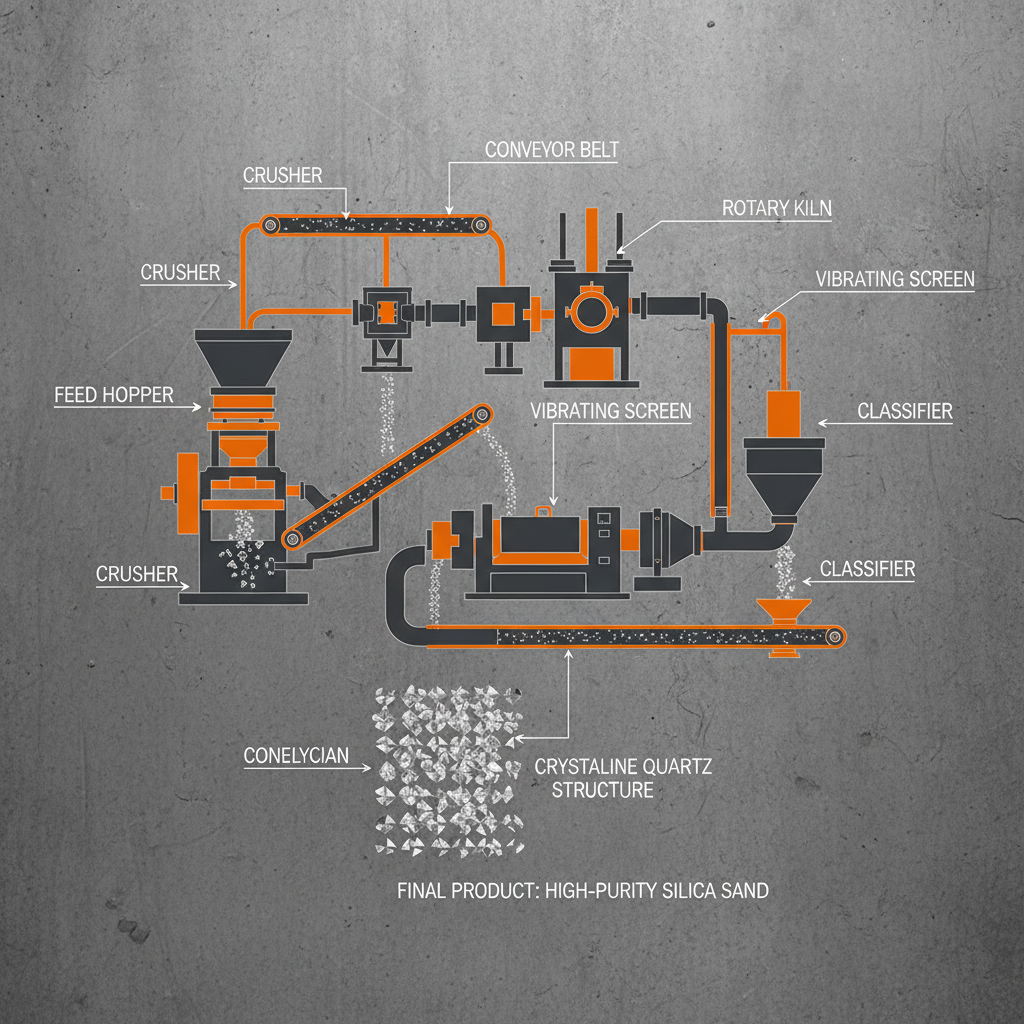
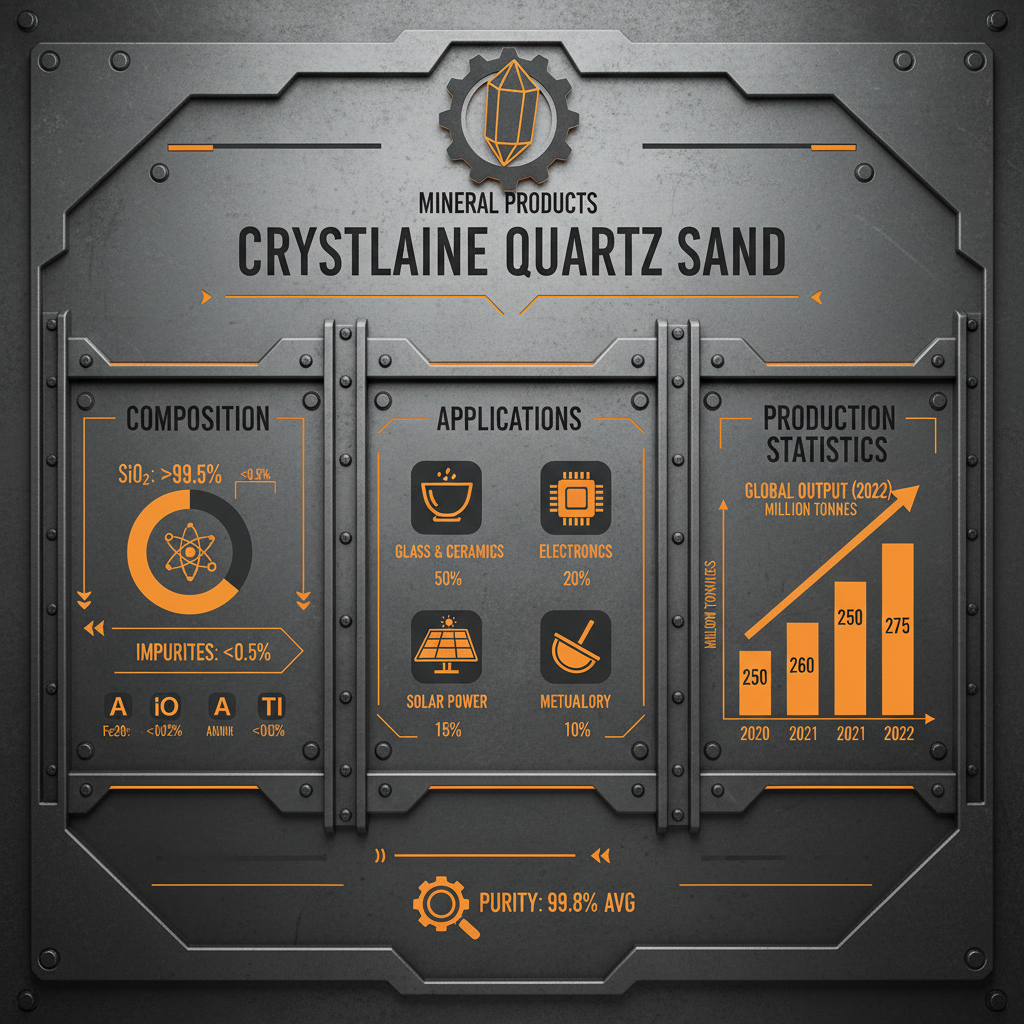
crystalline quartz sand

The Importance of Crystalline Quartz Sand

crystalline quartz sand

Look, I've been dealing with aggregate for twenty years, and it all boils down to quality. Crystalline quartz sand isn't just filler; it's a fundamental component of so many materials we rely on. It gives concrete its strength, glass its clarity, and even plays a role in specialized applications like resin systems. You can’t skimp on this stuff and expect a durable, long-lasting result.

It’s about more than just building structures. It's about safety, it’s about sustainability, and honestly, it’s about avoiding headaches down the road. Poor quality sand leads to cracking, premature wear, and costly repairs. Investing in good crystalline quartz sand is an investment in the long-term integrity of any project.

Global Relevance and Demand

The demand for crystalline quartz sand is absolutely exploding. You’ve got China and India, with their massive infrastructure projects. Then you look at the Middle East, still heavily investing in construction. Even in Europe and North America, we're constantly rebuilding and expanding. According to the World Bank, global construction spending is projected to reach over $18 trillion by 2030. Where do you think a huge chunk of that budget goes? It’s materials, and a big part of those materials is quartz sand.

The ISO standards for construction materials are getting stricter, and rightly so. Clients are demanding better quality, and engineers are specifying materials with tighter tolerances. This isn’t just a trend; it’s a fundamental shift in how we approach construction. And frankly, it’s about time.

But here’s the problem: quality sand isn’t infinite. Good sources are getting depleted, and the logistics of getting it to where it’s needed are becoming increasingly complex. This is creating a supply squeeze, and that impacts cost and project timelines. We need to start thinking about sustainable sourcing and alternative materials, but for now, crystalline quartz sand remains king.

Defining Crystalline Quartz Sand

Okay, so what is crystalline quartz sand? It's not just any sand. It's composed of silica (silicon dioxide) that's formed into durable, crystalline structures. These crystals give it unique properties – hardness, chemical inertness, and a consistent particle shape. That consistent shape is crucial; it impacts how the sand packs together, affecting the strength and workability of concrete and other mixtures.

It’s directly connected to modern industry. Think about your smartphone – the glass in the screen relies on high-purity quartz sand. The silicon chips inside? Also derived from quartz. It’s a foundational material for the tech world, not just the construction world. The demand extends to ceramics, paints, plastics… you name it. It’s woven into the fabric of modern life.

And it’s not just about the silica content. The size and shape of the grains, the presence of impurities, and the angularity of the crystals all play a role. That’s why rigorous testing and quality control are essential. You can’t just grab any pile of sand and assume it’ll work.

Key Properties for Construction

I’ve learned the hard way that some properties are just non-negotiable. First, durability. You need sand that can withstand the stresses of construction and the elements. Crystalline structure makes it highly resistant to weathering and abrasion. Second, gradation. This refers to the range of particle sizes. A well-graded sand packs tightly, reducing voids and increasing strength.

Then there's chemical inertness. You don't want sand that reacts with other materials in the mixture. Quartz is remarkably stable and doesn't leach harmful substances. Angularity is key too – angular grains interlock better, providing greater strength. And finally, cleanliness. Contaminants like clay or organic matter can weaken the mixture.

Crystalline Quartz Sand Property Importance

Real-World Applications

We’re talking about everything from the foundations of skyscrapers to the glass in your windows. Concrete production is the biggest consumer, without question. Then there’s glass manufacturing, which requires incredibly pure quartz sand. It's also used in the production of abrasives, paints, and even hydraulic fracturing (fracking), though that's a controversial application.

I've seen it used in specialty applications too – in water filtration systems, for example. The crystalline structure provides excellent filtration capabilities. And increasingly, we're seeing it used in high-performance materials like epoxy resins and composites, where its strength and stability are critical.

Advantages and Long-Term Value

The biggest advantage is long-term durability. Structures built with high-quality crystalline quartz sand simply last longer, reducing lifecycle costs. It’s also a relatively cost-effective material, at least compared to some of the alternatives. From a sustainability standpoint, while mining can be impactful, responsible sourcing and optimized use can minimize the environmental footprint.

And it's about trust. Knowing you've used a reliable material gives you peace of mind. It’s about building structures that are safe, sound, and stand the test of time. It provides safety, improves material reliability, and builds confidence in construction processes.

Future Trends and Innovations

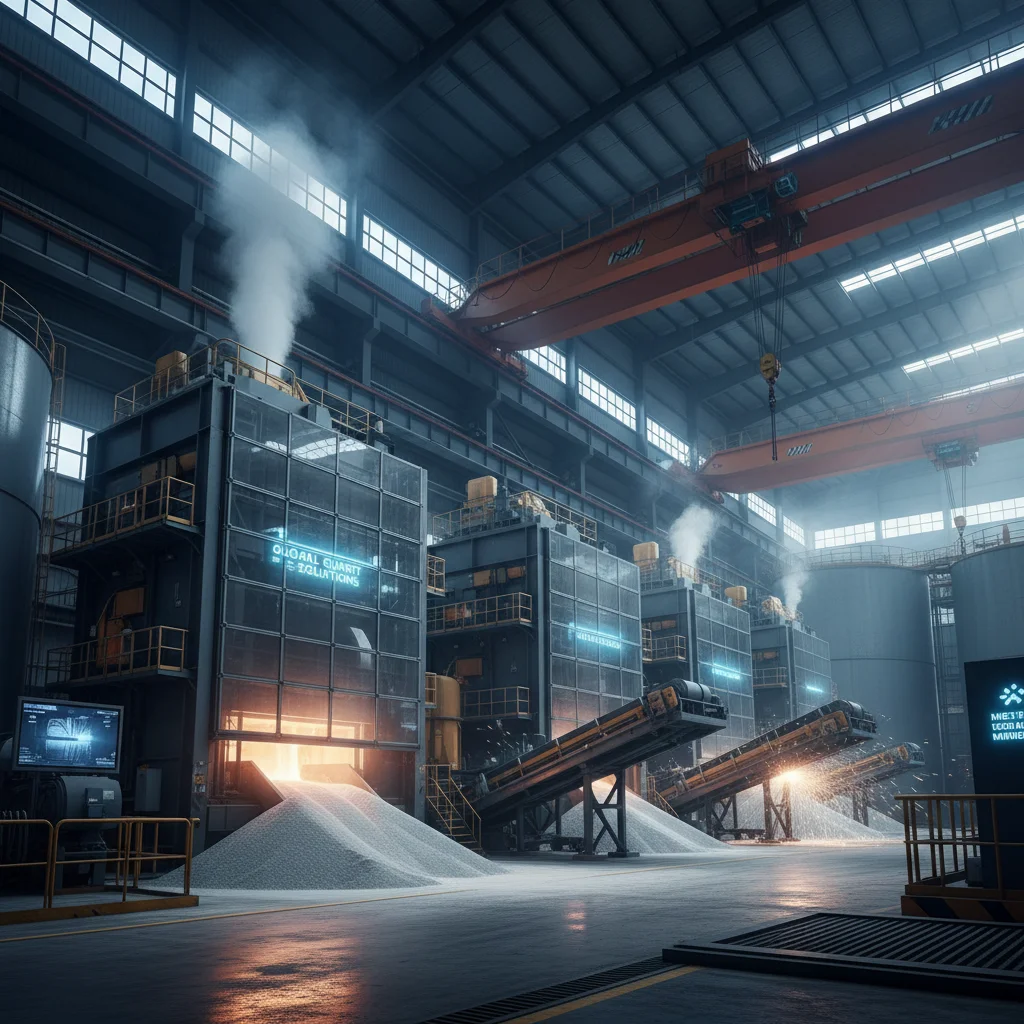
We're starting to see more research into alternative sand sources – crushed glass, recycled concrete aggregates, even manufactured sand. These materials are promising, but they haven't fully replicated the properties of natural crystalline quartz sand yet. We’re also seeing advancements in sand washing and grading technologies, which improve the quality and consistency of the material.

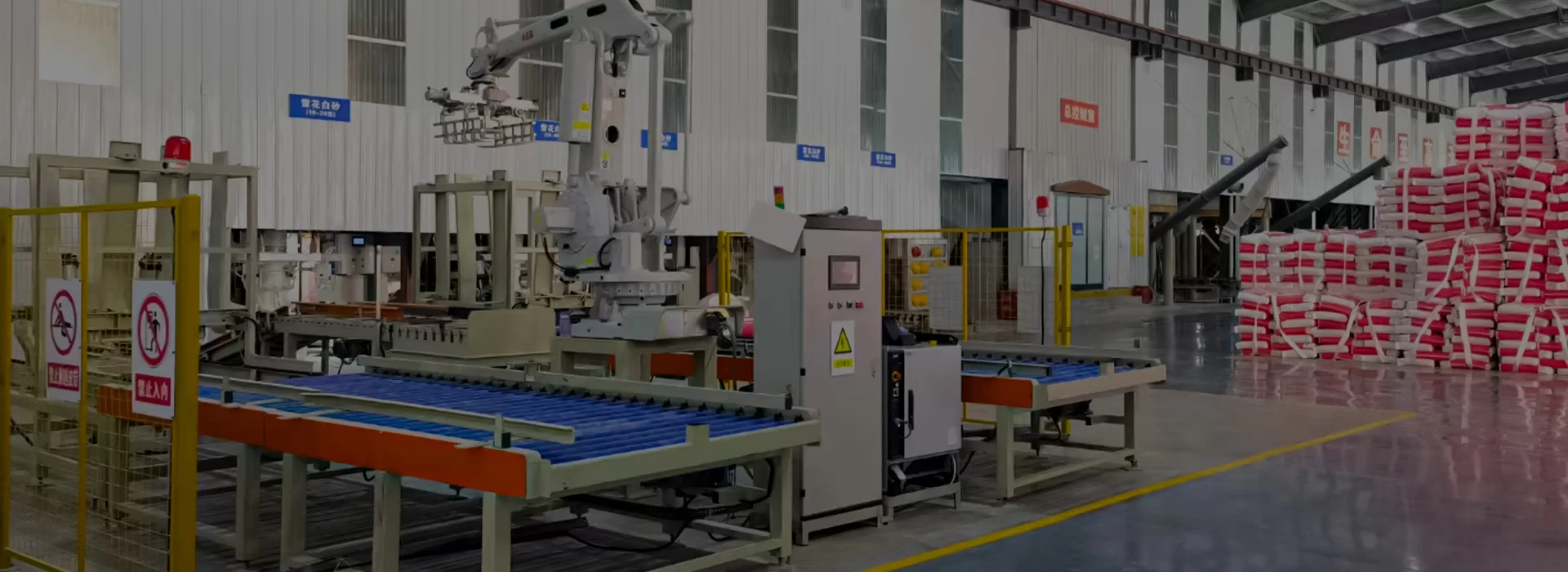
Digitalization is playing a role, too. Sensors and data analytics are being used to monitor sand quality in real-time, ensuring consistency and identifying potential issues. Automation in sand processing plants is also increasing efficiency and reducing costs.

Ultimately, the future will likely involve a combination of improved sourcing, innovative processing, and the development of alternative materials. But crystalline quartz sand won't be going anywhere anytime soon.

Summary of Crystalline Quartz Sand Sourcing & Quality Analysis

Source Location Purity Level (%) Gradation Coefficient Sustainability Rating (1-5)
Texas, USA 99.5 0.85 3
Wisconsin, USA 98.9 0.78 4
Egypt 97.2 0.65 2
Australia 99.1 0.92 3
India 96.5 0.70 1
Canada 98.7 0.82 4

FAQS

What are the primary factors influencing the price of crystalline quartz sand?

The price of crystalline quartz sand fluctuates based on several key factors. Distance to source, transportation costs, purity levels, and demand all play a role. Increasing environmental regulations and permitting requirements also add to the overall price. Right now, we're seeing a lot of price volatility due to supply chain disruptions and increased global demand. It's not just about the sand itself; it's about getting it to the job site.

How does crystalline quartz sand compare to other types of sand in concrete applications?

Crystalline quartz sand generally provides superior strength and durability compared to other sand types like river sand or limestone sand. Its angular shape and consistent particle size create a denser concrete mix with lower permeability. However, it can be more expensive and sometimes requires additives to improve workability. Ultimately, it's a trade-off between cost and performance. For critical structural applications, crystalline quartz sand is the way to go.

What are the sustainability concerns surrounding crystalline quartz sand mining?

Traditional quartz sand mining can have significant environmental impacts, including habitat destruction, water pollution, and dust emissions. That's why responsible sourcing is critical. We prioritize suppliers who implement best practices for land reclamation, water management, and dust control. There’s also a growing push for using recycled sand and exploring alternative materials to reduce our reliance on virgin quartz.

What quality control measures should be implemented when purchasing crystalline quartz sand?

Always request a detailed specification sheet from the supplier, including particle size distribution, purity levels, and moisture content. Independent lab testing is also highly recommended to verify the quality of the sand. Check for certifications and compliance with relevant industry standards. And finally, visual inspection is important – look for any signs of contamination or inconsistencies.

Can crystalline quartz sand be used in applications other than concrete and glass?

Absolutely. It's a versatile material with applications in everything from water filtration and abrasives to paints and plastics. It’s even used in the oil and gas industry for hydraulic fracturing. The specific grade and purity level required will vary depending on the application. It really is a fundamental building block for a surprising number of industries.

What are the long-term trends in the crystalline quartz sand market?

We're expecting to see continued growth in demand, driven by global urbanization and infrastructure development. There will be increasing pressure to adopt sustainable sourcing practices and develop alternative materials. We’ll also see more technological innovation in sand processing and quality control. Ultimately, the key will be finding ways to meet the growing demand responsibly and efficiently.

Conclusion

crystalline quartz sand is far more than just a commodity. It’s a critical foundation for modern construction, technology, and infrastructure. From the durability of our buildings to the screens on our phones, its impact is profound. Understanding its properties, sourcing, and applications is vital for anyone involved in these industries.

Looking ahead, the focus must be on sustainable sourcing, innovative processing techniques, and exploring alternative materials. We need to ensure a reliable supply of high-quality sand while minimizing environmental impact. It's not just about building structures; it's about building a sustainable future. For more information and to explore our range of crystalline quartz sand products, visit our website today.

Robert Chen

Robert Chen

Robert Chen serves as the Head of Export Sales at Hebei Quanerduo Mining Development. With a background in international business and a deep understanding of the mineral market, Robert manages our relationships with clients in Southeast Asia and the Middle East. He joined the company in 2015, bringing with him a proven track record of expanding market reach and building long-term partnerships. Robert is responsible for navigating export regulations, coordinating logistics, and ensuring client satisfaction throughout the sales process. He is fluent in Mandarin and English, facilitating seamless communication with our global customer base. Robert is dedicated to providing tailored solutions to meet each client’s unique requirements.
Previous The Indispensable Role of Crystal Quartz Sand in Modern Construction
Next Exploring the Versatile Applications of Dry Quartz Sand and Future Trends
High-quality architectural stone — crafted for strength, beauty, and lasting performance.
Factors Affecting Industrial Perlite Insulation Price and Value
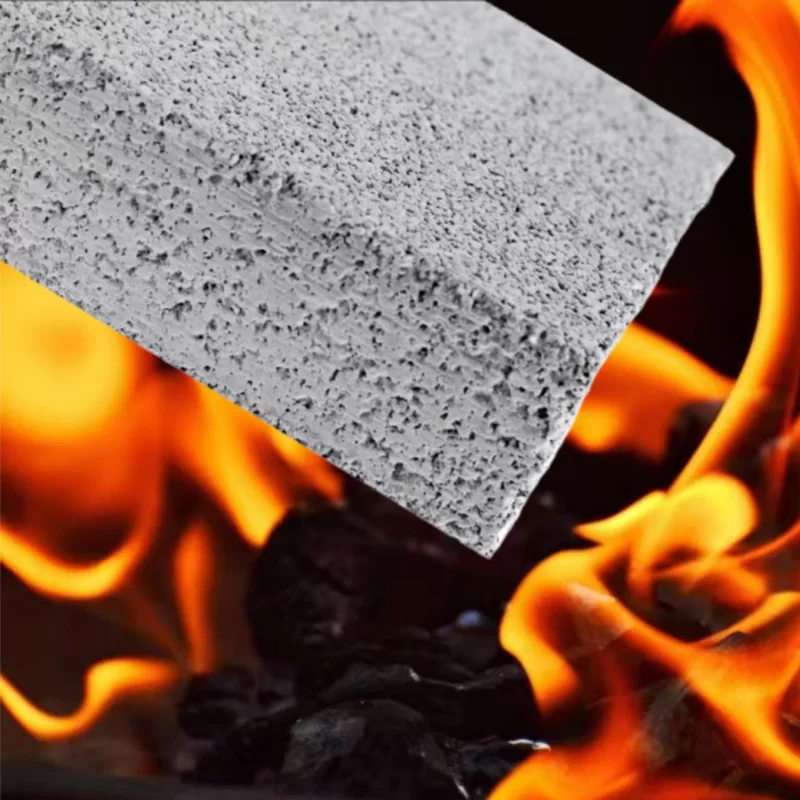
When evaluating industrial thermal solutions, the perlite insulation price is a critical variable that influences both initial capital expenditure and long-term operational efficiency. Within the non-metallic mining and sand and gravel extraction sectors, perlite is prized for its lightweight nature and exceptional thermal resistance, making it a staple for high-temperature industrial applications. Procurement managers often struggle to balance the upfront cost of perlite-based materials against the energy savings they provide. The challenge lies in understanding how raw material purity, expansion ratios, and processing methods directly impact the market price and subsequent performance in real-world insulation projects.
Factors Influencing Perlite Insulation Board Price and Value
When evaluating the budget for high-performance thermal barriers, the perlite insulation board price is rarely a static figure, as it fluctuates based on density requirements, board thickness, and the purity of the expanded volcanic glass used. For procurement managers and architects, understanding the variables that drive these costs is essential for maintaining project viability without compromising on thermal efficiency. The market for mineral-based insulation is currently shifting toward materials that balance structural rigidity with extreme low-thermal conductivity. Perlite, a naturally occurring amorphous volcanic glass, provides a unique advantage due to its lightweight nature and fire-resistant properties, making it a staple
High Performance Perlite Board for Fire Safety and Insulation
Selecting the right insulation material often involves a difficult trade-off between fire safety, thermal efficiency, and structural longevity. For industrial and commercial construction, perlite board has emerged as a critical solution that addresses these conflicting requirements through its unique volcanic glass composition. Unlike synthetic foams or traditional mineral wools, expanded perlite boards offer a non-combustible, inorganic structure that maintains stability under extreme thermal stress. This makes them indispensable for projects where energy efficiency must be paired with stringent fire-resistance ratings. Understanding the technical nuances of this materialfrom its porous architecture to its moisture-resistant propertiesallows engineers and procurement managers to optimize building envelopes
Premium Quartz Sand for Epoxy Floor for Industrial Durability
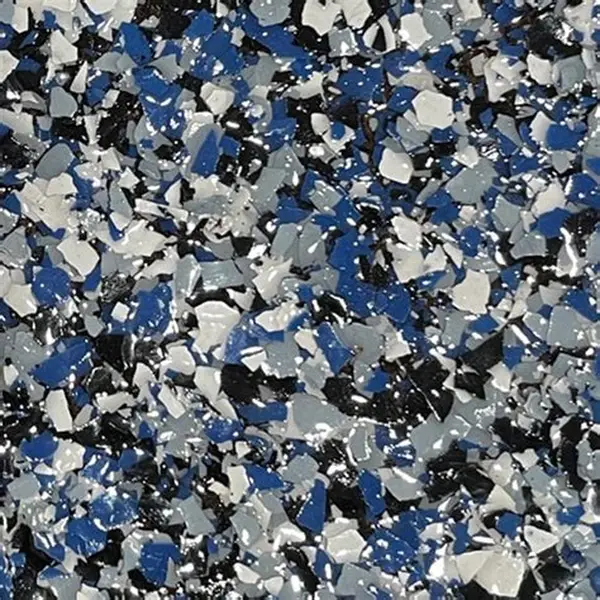
The selection of high-performance minerals is critical for the longevity of industrial flooring, and utilizing premium quartz sand for epoxy floor systems has become the global standard for achieving maximum durability. By integrating a high-purity silicon dioxide base, contractors can ensure that the resulting surface resists the most grueling mechanical stresses and chemical exposures found in modern industrial environments. Globally, the demand for advanced flooring solutions is rising as infrastructure standards evolve to prioritize safety and maintenance efficiency. The integration of specialized minerals addresses the common problem of surface wear and peeling, which often plagues standard epoxy applications
Innovative Architecture and Modern Quartz Sand Uses for Design
The exploration of specialized mineral aggregates has revealed that quartz sand uses extend far beyond simple construction, playing a pivotal role in the creation of high-end architectural finishes. By integrating high-purity silica particles with various binders, industries can achieve a balance of structural integrity and aesthetic brilliance that defines modern interior design. Globally, the demand for durable and customizable surfacing materials has led to an increased focus on the versatility of crushed stone and silica. Understanding the diverse range of quartz sand uses allows architects and developers to optimize material selection for longevity, ensuring that high-traffic areas maintain their luster
Innovative Sand Use and Technical Benefits of Mosaic Tiles
The global construction and decoration industry has seen a significant shift toward materials that balance aesthetic versatility with extreme durability. At the heart of this evolution is the strategic application of mineral-based components, where the specific sand use in the creation of high-end mosaics has redefined interior and exterior design standards. By transforming raw geological materials into refined artistic tiles, the industry now offers solutions that are not only visually stunning but also technically superior. Understanding the technical nuances of these materials is crucial for architects and homeowners alike.

If you are interested in our products, you can choose to leave your information here, and we will be in touch with you shortly.