
Professional Guide to Installing Landscape Rocks for Your Yard
Mastering the Art of Installing Landscape Rocks for a Stunning Yard
Transforming your outdoor space doesn't always require expensive construction or constant pruning. One of the most effective ways to enhance curb appeal and reduce maintenance is by installing landscape rocks. Whether you are looking to create a zen garden, prevent soil erosion, or simply replace a high-maintenance lawn, the right approach to rock installation can make a world of difference. In this guide, we will walk you through the professional process of selecting, preparing, and laying stones to ensure a long-lasting and visually appealing result. A well-executed rock landscape not only adds value to your property but also provides a sustainable alternative to traditional gardening.

Planning Your Project: Choosing the Right Materials
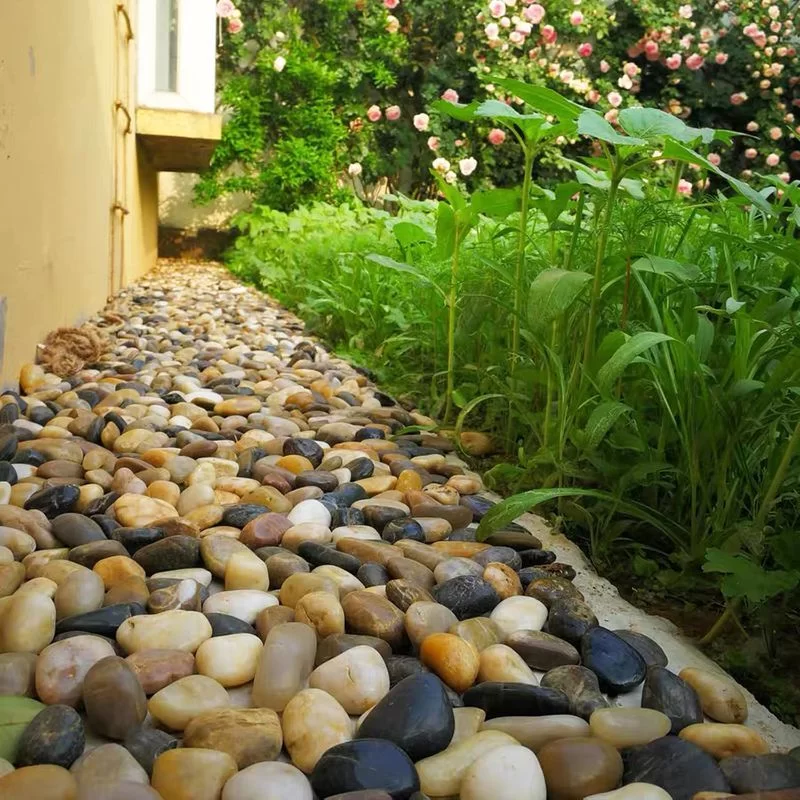
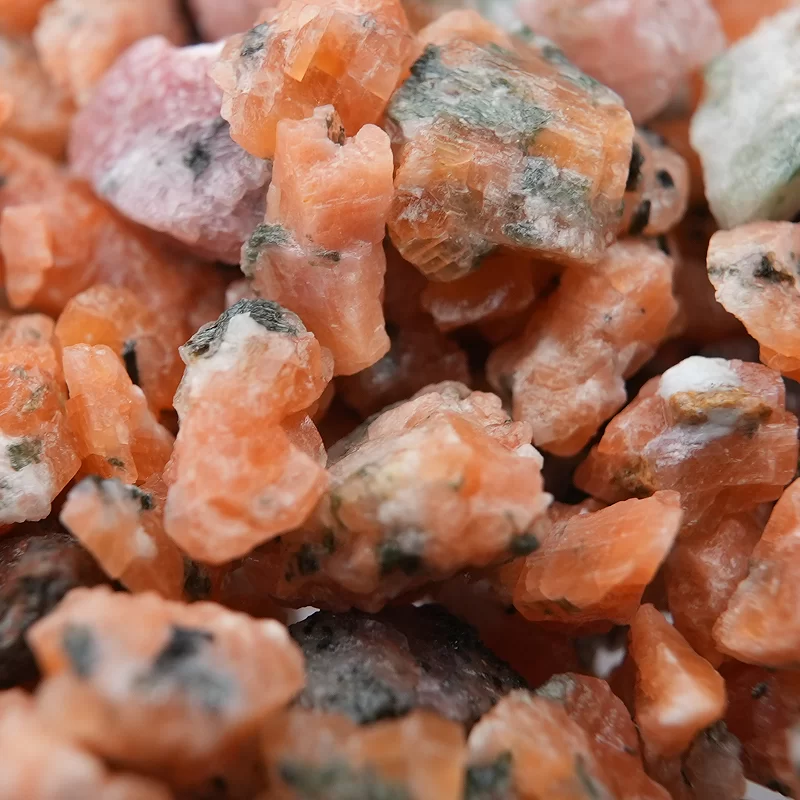
Before you begin installing landscape rocks, you must decide which type of stone fits your aesthetic and functional needs. River rocks are excellent for drainage and natural looks, while crushed granite or lava rocks provide a more modern, structured appearance. Consider the color palette of your home; light-colored stones can brighten a shaded area, while dark basalt or slate adds a sophisticated, moody vibe to contemporary architecture. It is also important to consider the size of the rocks—larger boulders serve as focal points, while smaller pebbles are ideal for filling gaps and creating paths.
Pro Tip: Always order about 10% more material than your calculations suggest to account for settling and irregular coverage areas.
Site Preparation and Ground Leveling
The secret to a professional finish when installing landscape rocks lies in the preparation. Start by clearing the area of all weeds, grass, and debris. Use a garden rake or a tiller to loosen the soil and level the ground. Proper grading is essential to ensure that water flows away from your home's foundation. If the area is prone to heavy rain, consider creating a slight slope. Once the ground is level, compact the soil slightly to prevent the rocks from sinking unevenly over time. This foundation stage prevents the "sunken look" that often plagues DIY landscaping projects.
The Importance of Weed Barriers in Installing Landscape Rocks
One of the biggest challenges with rock gardens is weed intrusion. To combat this, high-quality landscape fabric is non-negotiable. A heavy-duty geotextile fabric allows water to permeate the soil while blocking sunlight from reaching weed seeds. When installing landscape rocks, overlap the edges of the fabric by at least 6 inches to prevent weeds from creeping through the seams. Secure the fabric with landscape staples every few feet. This step significantly reduces future maintenance and keeps your rock bed looking clean and professional for years to come.
Step-by-Step Execution of Installing Landscape Rocks
Once your area is prepared and the fabric is laid, it's time for the actual placement. Start from the edges and work your way toward the center. If you are using a mix of sizes, place your largest anchor stones first to establish the structure of the garden. Then, fill in the surrounding areas with medium and small rocks. Avoid dumping the rocks in one giant pile; instead, spread them evenly using a rake to achieve a consistent depth of 2-4 inches. Spreading them too thin will expose the fabric, while too thick a layer can make walking difficult and increase costs unnecessarily. This method ensures a balanced look when installing landscape rocks.

Maintenance and Long-term Care for Rock Gardens
While rock landscaping is "low maintenance," it is not "no maintenance." Over time, dust, organic debris, and stray seeds can accumulate on top of the stones, creating a thin layer of soil where weeds can grow. To keep your yard pristine, occasionally use a leaf blower to remove organic matter. If you notice weeds appearing, pull them by hand immediately to prevent the roots from penetrating the fabric. For light-colored stones, a periodic rinse with a garden hose can restore their original brilliance. By following these simple steps, the effort you put into installing landscape rocks will pay off in a consistently beautiful environment.
Technical Specifications for Rock Depth and Volume
Calculating the correct amount of material is critical to avoid multiple delivery fees or running short mid-project. The general rule for installing landscape rocks is a depth of 3 inches for most decorative purposes. For high-traffic paths, a depth of 4 inches is recommended for better stability. Below is a specification table to help you estimate your needs based on square footage.
Conclusion: Elevating Your Home with Professional Rock Landscaping
Successfully installing landscape rocks is a blend of careful planning, rigorous preparation, and artistic placement. By investing in high-quality materials and taking the time to install a proper weed barrier, you create a low-maintenance sanctuary that enhances the natural beauty of your property. Whether you prefer the rugged look of lava rock or the serenity of polished river stones, following these professional guidelines ensures a durable and visually striking result. Start your project today and experience the perfect balance of form and function in your outdoor living space.
Frequently Asked Questions (FAQs)
Do I really need landscape fabric when installing landscape rocks?
Yes, landscape fabric is highly recommended. Without it, your rocks will eventually sink into the soil, and weeds will grow through the stones with ease. Fabric acts as a separator that keeps the rocks on the surface while preventing the growth of unwanted vegetation. While it adds an extra step and cost to the project, it saves dozens of hours of weeding and the need to replenish your rocks every few years because they've vanished into the mud.
How deep should my rock layer be for a professional look?
For most decorative landscape beds, a depth of 3 inches is the industry standard. This thickness is typically enough to completely cover the landscape fabric and prevent it from peeking through. If you are creating a walking path, increasing the depth to 4 inches provides better stability and a more comfortable walking surface. Avoid going deeper than 4 inches, as this can make the area look unnatural and significantly increase your material costs without providing additional benefits.
Can I install landscape rocks over existing grass?
It is not recommended to install rocks directly over live grass. Grass will decompose, creating organic matter that encourages weed growth and can lead to uneven settling. The best practice is to remove the sod first. You can do this manually with a spade or use a sod cutter for larger areas. Once the grass is removed, you can level the soil and lay your fabric. If you are in a rush, some people use a non-selective herbicide to kill the grass first, but physical removal always yields the best professional result.
How do I stop weeds from growing in my rock garden?
Preventing weeds starts with a high-quality fabric barrier. However, since wind-blown seeds can land on top of the rocks and grow in the accumulated dust, regular maintenance is key. Using a leaf blower once a week to clear organic debris prevents a "soil layer" from forming on top of your rocks. If weeds do appear, pull them immediately. For stubborn areas, a targeted application of a natural weed killer or a quick spray of vinegar solution can manage growth without damaging the surrounding environment.