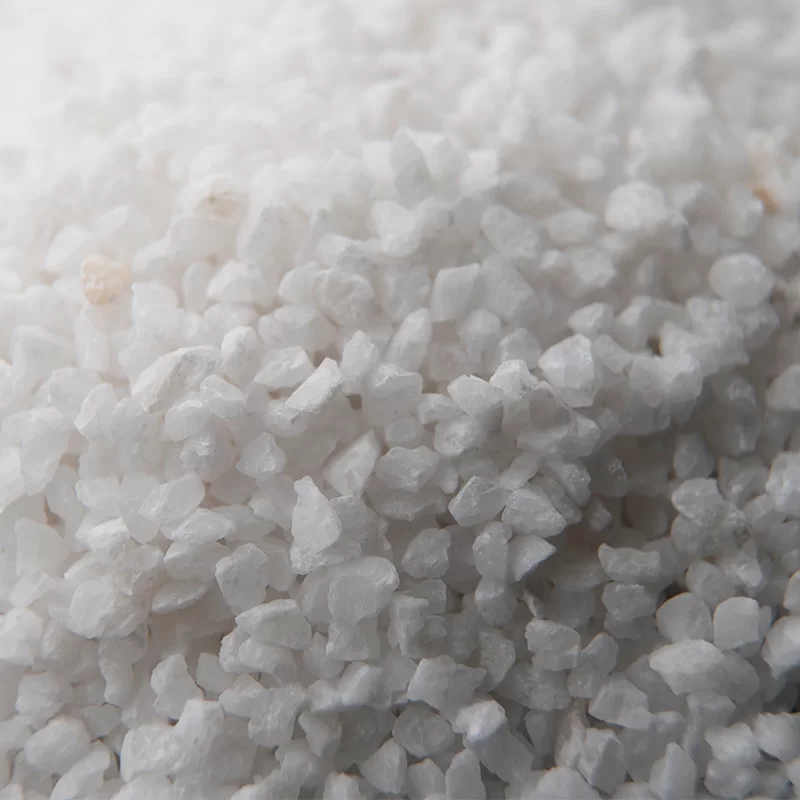

Elevate Your Outdoor Space with Grey Slate Landscape Rock
Elevate Your Outdoor Space with Grey Slate Landscape Rock
Creating a visually stunning and sustainable outdoor environment requires a balance of texture, color, and durability. One of the most versatile materials used by professional designers today is grey slate landscape rock, a natural stone that combines timeless elegance with rugged strength. Whether you are designing a modern Zen garden, a sophisticated walkway, or a robust retaining wall, grey slate provides a neutral yet striking backdrop that complements any flora. In this guide, we will explore the unique properties of this stone and how it can transform your residential or commercial landscape into a masterpiece of nature.

The Natural Appeal of Grey Slate Landscape Rock
The primary allure of grey slate landscape rock lies in its organic variation. Unlike manufactured pavers, natural slate offers a range of charcoal, silver, and deep blue tones that shift depending on the lighting and moisture levels. This creates a dynamic visual experience; for instance, after a light rain, the colors deepen, revealing the intricate veining and foliated structure of the stone. Its natural cleavage allows it to be split into flat sheets or kept as rugged chunks, making it suitable for everything from precision paving to wild, naturalistic rockeries.
Design Tip: Pair grey slate with bright green mosses or vibrant red Japanese maples to create a high-contrast color palette that feels both modern and organic.
Durability and Performance in Harsh Climates
When selecting materials for the outdoors, longevity is non-negotiable. grey slate landscape rock is renowned for its exceptional hardness and resistance to weathering. Because it is a metamorphic rock, it has undergone intense heat and pressure, resulting in a dense structure that resists cracking during freeze-thaw cycles. This makes it an ideal choice for regions with volatile winters. Additionally, its low porosity ensures that it does not absorb excessive water, preventing the growth of unsightly algae and reducing the need for chemical cleaners.
Comparing Grey Slate to Other Landscape Stones
Not all stones are created equal. When deciding between grey slate landscape rock, river pebbles, and limestone, it is important to consider both the aesthetic and the functional requirements of your project. While river rocks are excellent for drainage, they lack the structural stability of slate. Limestone, while beautiful, can be prone to erosion from acidic rain. Slate sits in the "sweet spot," offering the structural integrity of a hardstone with the artistic versatility of a decorative pebble. The following table provides a detailed comparison to help you choose.
Creative Ways to Use Grey Slate in Your Garden
Integrating grey slate landscape rock into your yard can be done in several artistic ways. For a modern look, use large, flat slate slabs to create a "floating" stepping stone path across a bed of smaller grey chips. For a more natural approach, use rugged slate boulders to anchor a rock garden, mimicking a mountain stream. Slate is also an exceptional mulch alternative; unlike organic bark, it doesn't decompose, meaning you won't need to replace it every year, significantly reducing long-term maintenance costs and environmental waste.

Technical Specifications of Premium Slate
When ordering grey slate landscape rock, understanding the technical specifications ensures that the product meets the needs of your specific project. Whether you need "chips" for ground cover or "slabs" for flooring, the mineral composition remains consistent, providing the characteristic strength and color. Most high-quality slate is sourced from regions with rich metamorphic deposits, ensuring the stone is free from impurities that could cause discoloration over time.
Conclusion: A Timeless Investment for Your Home
Choosing grey slate landscape rock is more than just a design choice; it is an investment in the value and sustainability of your property. Its unique blend of aesthetic versatility and industrial-grade durability ensures that your landscape remains beautiful regardless of the season or the weather. By integrating this natural stone, you create a sophisticated atmosphere that bridges the gap between architecture and nature. For those seeking a low-maintenance, high-impact solution, grey slate is the ultimate choice.
Frequently Asked Questions (FAQs)
How do I install grey slate landscape rock for a walkway?
To install a slate walkway, start by excavating the area to a depth of about 4-6 inches. Lay down a heavy-duty weed barrier fabric to prevent unwanted growth. Fill the base with 2-3 inches of crushed stone or sand and compact it thoroughly to ensure stability. Place your slate slabs or rocks, leaving consistent gaps if you intend to fill them with smaller slate chips or ground cover. Once positioned, tamp them down firmly. This process ensures the path remains level and prevents the stones from shifting over time, providing a safe and professional finish.
Does grey slate fade over time when exposed to the sun?
Unlike dyed mulches or some synthetic materials, natural grey slate is highly resistant to UV fading. Because its color is a result of its mineral composition rather than a surface coating, the charcoal and silver tones remain consistent for decades. In some cases, the stone may develop a slight natural patina over many years, which often adds to the character and authenticity of the landscape. To keep the colors looking "fresh" and deep, you can occasionally rinse the rocks with water to remove accumulated dust.
Can I use grey slate in a water feature or pond?
Yes, grey slate is an excellent choice for water features. Its low porosity means it will not degrade or crumble when submerged. Furthermore, the way slate interacts with water is visually stunning; the stone darkens and becomes more reflective, creating a mirror-like effect in shallow areas. Whether you are building a waterfall, a pond liner edge, or a small decorative fountain, slate provides the structural strength needed to hold back water and the beauty to make the feature a focal point. You can find premium options at cnfloormaterials.com.
Is grey slate eco-friendly compared to other options?
Natural slate is considered a very eco-friendly choice for several reasons. First, it is a natural product that does not involve the chemical dyes or plastics found in synthetic landscaping materials. Second, its extreme durability means it does not need to be replaced frequently, reducing the carbon footprint associated with transportation and manufacturing. Finally, when used as a mulch alternative, it helps in moisture retention for the soil beneath it, reducing the amount of water needed for your plants. It is a sustainable solution for the environmentally conscious homeowner.