
Enhance Your Outdoor Space Using Quality Landscape Accent Rocks
Enhancing Your Outdoor Space with Landscape Accent Rocks
Creating a visually stunning garden is more than just planting flowers; it is about adding texture, structure, and a touch of nature's raw beauty. Using landscape accent rocks is one of the most effective ways to achieve a professional, polished look in any outdoor environment. Whether you are aiming for a Zen-inspired sanctuary, a rugged mountain aesthetic, or a modern minimalist courtyard, the right stone choice can transform a flat yard into a three-dimensional masterpiece. In this guide, we will explore how to choose, place, and maintain these natural elements to maximize your property's curb appeal and value.

Choosing the Right Type of Landscape Accent Rocks
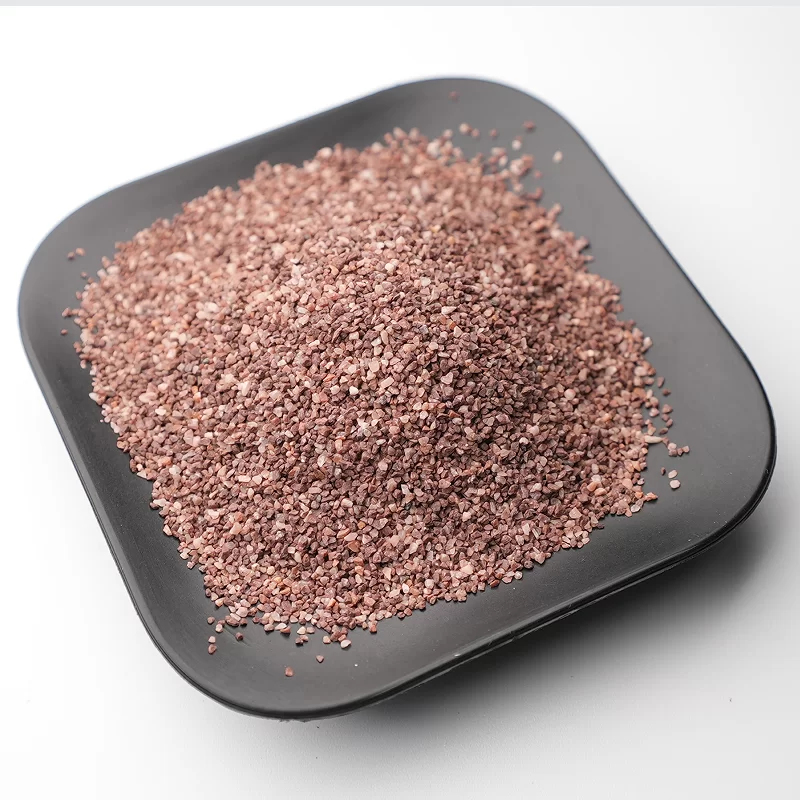
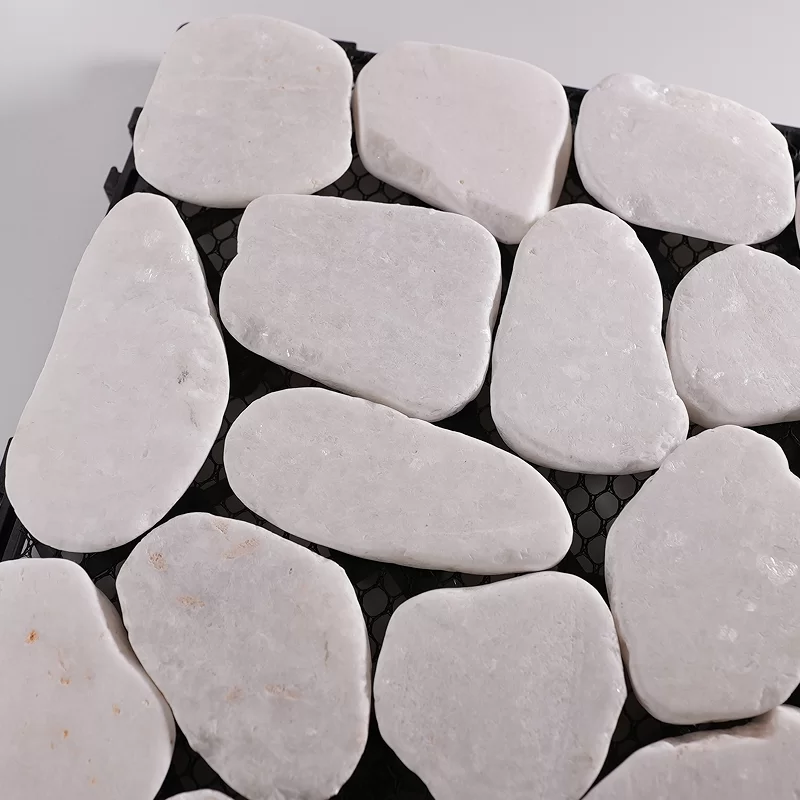
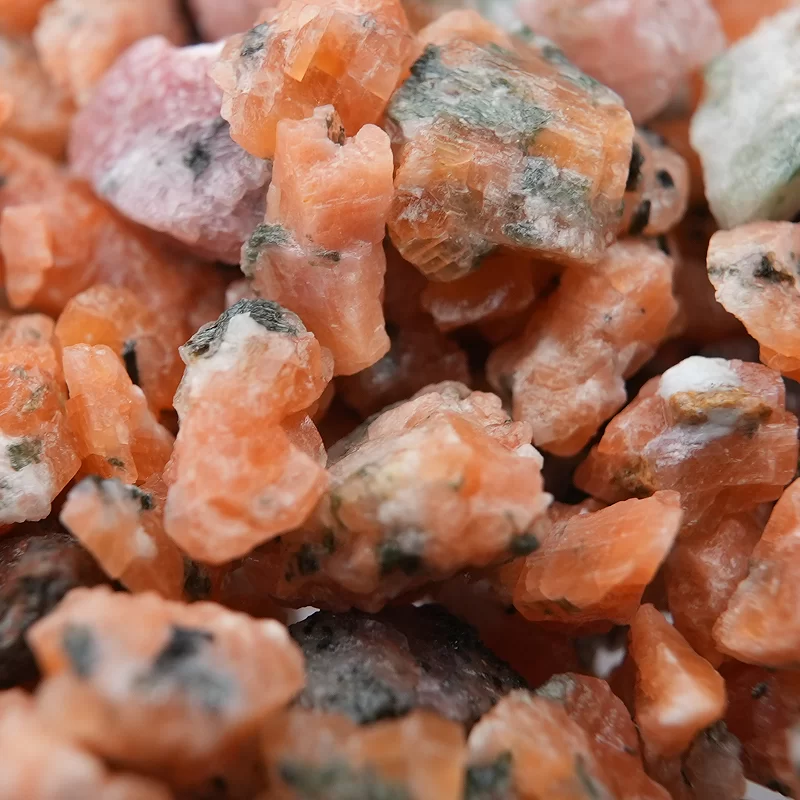
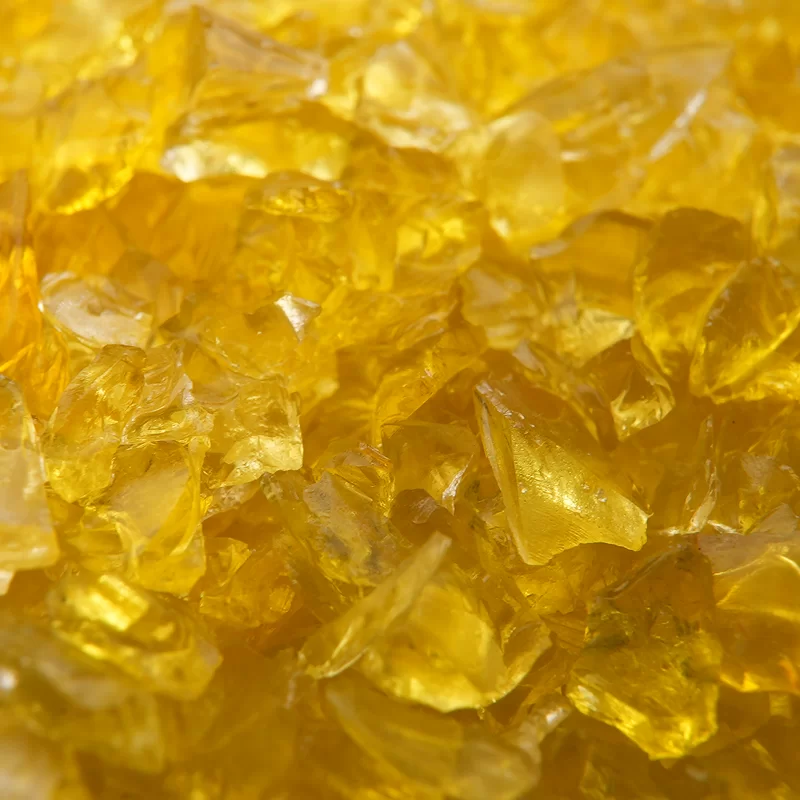
Not all stones are created equal. Depending on your regional climate and the "mood" of your garden, you will want to select a material that complements the surrounding flora. River rocks are ideal for creating dry creek beds or adding a soft, organic feel around water features. Volcanic rocks provide a striking contrast with their porous texture and dark hues, while white quartz or marble chips offer a clean, bright look often seen in contemporary designs. When selecting your landscape accent rocks, consider the color palette of your home's exterior to ensure a harmonious blend of natural and architectural elements.
Design Tip: Mix different sizes of rocks—from small pebbles to large boulders—to create a more natural, unplanned appearance that mimics the wild beauty of nature.
Strategic Placement of Your Accent Stones
Placement is the secret to successful landscaping. To avoid the "piled up" look, integrate your stones into the landscape. Use larger boulders as focal points at the intersection of garden paths or tucked slightly into a slope to create an anchored feel. Smaller accent stones can be used to edge garden beds, preventing soil erosion and keeping mulch in place. By strategically positioning landscape accent rocks, you can guide the eye toward your most prized plants or create a sense of mystery by partially hiding a garden bench or sculpture.
Comparing Popular Landscape Accent Rocks
When deciding which stone to purchase, it is helpful to compare their physical properties and visual impact. Some rocks are better suited for high-traffic areas, while others are purely decorative. For instance, polished stones offer a luxurious feel but can be slippery when wet, whereas rough-cut granite provides excellent stability and a timeless, rugged appearance. Below is a detailed comparison to help you select the best landscape accent rocks for your specific project.
The Functional Benefits of Landscape Accent Rocks
While aesthetics are the primary driver, landscape accent rocks serve several critical functional purposes. First, they act as a highly effective natural mulch. Unlike organic mulch, rocks do not decompose, meaning you won't need to replace them every year. They are excellent for suppressing weed growth and retaining soil moisture by reducing evaporation. Furthermore, in areas prone to heavy rain, rock accents can be engineered into "rain gardens" to manage runoff and prevent soil erosion from washing away your expensive plantings.

Technical Specifications for Rock Selection
When sourcing materials for large-scale projects, understanding the technical specifications is key to ensuring longevity. Factors such as porosity, hardness (Mohs scale), and thermal conductivity determine how the stone reacts to freezing winters or scorching summers. For instance, high-porosity stones can hold more water, which might lead to cracking in extreme frost. Selecting the right grade of landscape accent rocks ensures that your investment doesn't fade or crumble over time.
Conclusion: Elevate Your Home with Quality Stones
Incorporating landscape accent rocks is more than a trend; it is a timeless landscaping strategy that blends functionality with artistry. From the calming presence of a Zen garden to the structural strength of a retained slope, the right stones provide an enduring foundation for your outdoor living space. By choosing high-quality materials and placing them with intention, you can create a low-maintenance environment that remains beautiful year after year. Invest in the right stone today and watch your landscape evolve into a professional sanctuary.
Frequently Asked Questions (FAQs)
How do I prevent weeds from growing through my accent rocks?
The most effective way to prevent weed growth is to install a professional-grade, heavy-duty geotextile weed barrier fabric underneath your landscape accent rocks. This fabric allows water to permeate the soil while blocking sunlight from reaching weed seeds. Additionally, ensure that your rock layer is at least 2-3 inches deep, as a thicker layer provides better shading and makes it more difficult for opportunistic weeds to penetrate the surface. Periodic maintenance with a leaf blower or a mild organic herbicide can keep your stone areas pristine.
Which rock color is best for a small garden?
For smaller gardens, lighter colors—such as white quartz, light grey granite, or tan river stones—are generally recommended. Light colors reflect more light, which can create an optical illusion of more space and brightness, making a cramped area feel more open and airy. Conversely, very dark rocks can absorb heat and may make a small space feel more enclosed. However, the ultimate choice should depend on your plant colors; for example, bright green hostas look stunning against dark volcanic rocks, regardless of the garden size.
Do accent rocks affect the soil pH?
Most landscape accent rocks are chemically inert and will not affect your soil pH. However, there are exceptions. For example, limestone or marble rocks are alkaline and can gradually raise the pH of the soil if they are in direct contact with it over a long period. If you are growing acid-loving plants like azaleas or blueberries, it is best to avoid limestone-based stones or use a fabric barrier to separate the stones from the planting soil. Always check the mineral composition of your stone if you have sensitive plant species.
How many rocks do I need for a specific area?
Calculating the amount of stone depends on the square footage and the desired depth. A general rule of thumb for a standard 2-inch coverage is to multiply the square footage by 0.16 to get the cubic yardage required. For example, if you have a 100 sq. ft. area, you would need approximately 16 cubic feet of stone. For larger accent boulders, it is better to plan by "visual weight"—selecting 3 to 5 primary boulders of varying sizes to create a natural cluster rather than spacing them evenly, which can look artificial.