
Available Sizes and Color Blends of Epoxy Flakes
Epoxy flooring has become a popular solution for residential garages, commercial buildings, warehouses, and retail spaces. One of the key elements that makes epoxy floors visually appealing and highly customizable is the use of epoxy flakes, also known as decorative flakes or color chips. These small vinyl or acrylic pieces are broadcast into wet epoxy coatings to create a textured, durable, and visually attractive surface.
Understanding the available sizes and color blends of epoxy flakes is essential when planning an epoxy flooring project. The right combination can dramatically affect the final appearance, slip resistance, and overall performance of the floor. In this guide, we will explore the common sizes of epoxy flakes, popular color blends, and how to choose the best option for your flooring needs.
What Are Epoxy Flakes and Why Are They Used?
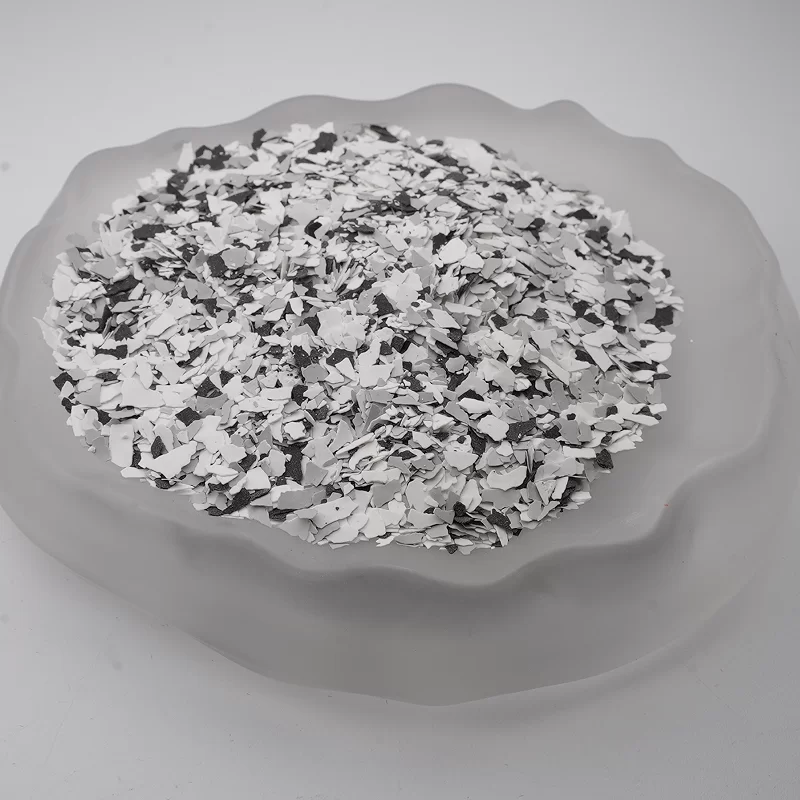
Epoxy flakes are small decorative chips made from polymer materials that are designed to be broadcast into epoxy floor coatings. Once the epoxy cures, the flakes become embedded in the surface, creating a durable and decorative finish.
These flakes serve several important purposes beyond aesthetics. First, they help hide imperfections in the concrete substrate, such as small cracks, stains, or patch repairs. Second, they improve the slip resistance of the floor, making them a practical choice for garages, workshops, and industrial facilities. Third, epoxy flakes help enhance durability and wear resistance, especially in high-traffic environments.
Another advantage is their ability to create a stone-like or terrazzo-style appearance without the cost and complexity of traditional flooring materials. Because flakes come in many sizes and color blends, contractors and designers can easily customize
the look to match a specific design style or brand identity.
Common Sizes of Epoxy Flakes
Epoxy flakes are available in a variety of sizes, each producing a different visual effect on the floor surface. Choosing the right size depends on the desired aesthetic and the type of environment where the floor will be installed.
The most common epoxy flake sizes include:
1/32 inch (Micro flakes)
These very small flakes create a subtle texture and a smooth appearance. They are often used in commercial or retail environments where a refined finish is preferred.
1/16 inch flakes
This is a popular size for light decorative applications. The flakes provide moderate texture while still maintaining a relatively uniform look.
1/8 inch flakes
One of the most widely used sizes in epoxy flooring systems. These flakes provide a balanced appearance with noticeable texture and color variation.
1/4 inch flakes
These larger flakes create a bold decorative effect. They are often used in garage floors and showrooms where a more dramatic appearance is desired.
Custom or mixed sizes
Many manufacturers offer blends that combine multiple sizes to create a more natural and dynamic surface pattern.
In general, smaller flakes create a smoother and more subtle look, while larger flakes create stronger visual contrast and texture.
Popular Epoxy Flake Color Blends
Color blends play a major role in the final appearance of an epoxy flake floor. Instead of using a single color, manufacturers typically mix several complementary colors together to create a natural, multi-dimensional look.
Some of the most popular epoxy flake color blends include:
Gray blends
Gray-based blends are extremely common in garages and industrial facilities. They help hide dirt, tire marks, and dust while maintaining a clean professional appearance.
Tan and beige blends
These warm color combinations are often used in residential spaces, retail stores, and offices. They create a softer and more welcoming atmosphere.
Black and white blends
High-contrast blends provide a modern and stylish appearance. These are frequently used in showrooms, gyms, and commercial spaces.
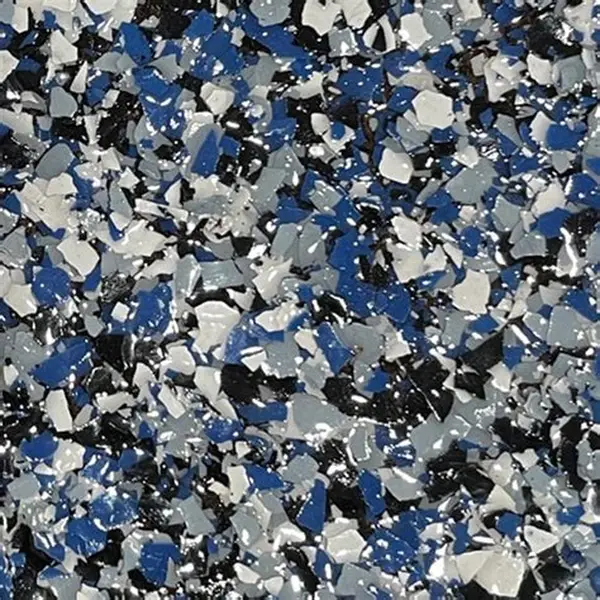
Blue and cool-tone blends
Blue-based blends are commonly used in healthcare environments, laboratories, and clean industrial spaces because they convey a sense of cleanliness.
Custom brand colors
Many companies choose custom blends that match their brand identity, making epoxy flake flooring an effective design element in commercial interiors.
How Flake Size Affects Floor Appearance
The size of epoxy flakes does more than simply change the texture—it also affects how the overall floor pattern is perceived.
Smaller flakes tend to create a more uniform and refined finish. Because the pieces are tiny, they blend together visually, producing a smoother surface appearance. This makes them suitable for offices, retail stores, and professional environments.
Medium-sized flakes provide a balanced look that works well in both residential and commercial settings. They create noticeable color variation while still maintaining a consistent pattern.
Larger flakes, on the other hand, create a bold and decorative effect. The larger pieces stand out more clearly, giving the floor a distinctive terrazzo-style appearance. These are especially popular for garages, workshops, and automotive facilities.
The choice ultimately depends on whether the design goal is subtle elegance or strong visual texture.
Choosing the Right Epoxy Flake Blend for Your Project
Selecting the right epoxy flake blend involves more than just choosing colors that look good. Practical factors should also be considered to ensure the flooring system performs well over time.
Consider the environment
Industrial environments often benefit from darker blends that can hide dirt and stains. Residential spaces may prefer lighter blends that brighten the area.
Think about maintenance
Floors that experience heavy traffic or vehicle use may require color blends that effectively mask dust, debris, and tire marks.
Match the surrounding design
The floor should complement the walls, equipment, and overall architectural style of the space.
Evaluate lighting conditions
Lighting can significantly affect how colors appear. A blend that looks perfect in a showroom may appear different in a dimly lit garage.
Working with a supplier that offers sample kits can be helpful in visualizing how the flakes will look once applied.
Custom Epoxy Flake Options for Unique Designs
One of the biggest advantages of epoxy flakes is the ability to create custom color blends and size combinations. Many manufacturers allow customers to mix different colors and flake sizes to achieve a completely unique floor design.
Custom blends are commonly used in:
Corporate facilities seeking branded interior designs
Retail environments that want a distinctive customer experience
Sports facilities and gyms with themed color schemes
Residential garages designed as premium hobby spaces
In addition to color customization, flakes can also vary in thickness, gloss level, and material composition, allowing contractors to tailor the system to specific performance requirements.
This flexibility makes epoxy flake flooring one of the most versatile decorative concrete coating systems available today.
Conclusion
Epoxy flakes are a crucial component in modern decorative epoxy flooring systems. By selecting the right flake size and color blend, it is possible to create floors that are both visually striking and highly durable.
From subtle micro flakes used in professional spaces to bold 1/4-inch flakes commonly found in garages, the available size options allow for a wide range of design possibilities. Likewise, the extensive variety of color blends—from neutral grays to vibrant custom combinations—makes it easy to match any architectural or branding requirement.
Whether for residential garages, commercial showrooms, or industrial facilities, choosing the right epoxy flakes ensures a flooring system that is attractive, long-lasting, and perfectly suited to the environment.