When sourcing mineral aggregates for large-scale architectural or industrial projects, the challenge often lies in balancing material purity with volume consistency. For procurement managers and contractors, securing a reliable channel for sand wholesale is not merely about finding a supplier, but about ensuring that the physical properties of the mineral—such as grain size and chemical stability—align perfectly with the technical requirements of the project to avoid structural failures or aesthetic inconsistencies.
The complexity of this process increases when specializing in decorative or industrial grades, where natural color sand or quartz sand must meet strict tolerances. In the context of non-metallic mining, the quality of the raw material is dictated by the geological origin and the precision of the beneficiation process. This is where the relationship between raw extraction and refined output becomes critical, as the wrong grade of material can compromise the durability of epoxy flooring, the clarity of mosaic tiles, or the effectiveness of industrial powders.
Understanding the nuances of mineral grading and supply chain logistics is essential for optimizing project costs and ensuring long-term reliability. By analyzing the technical specifications of various aggregates and the operational capabilities of the producer, buyers can make informed decisions. This guide explores the critical factors of sand wholesale, providing a professional framework for evaluating material quality and supplier efficiency in the modern mining sector.


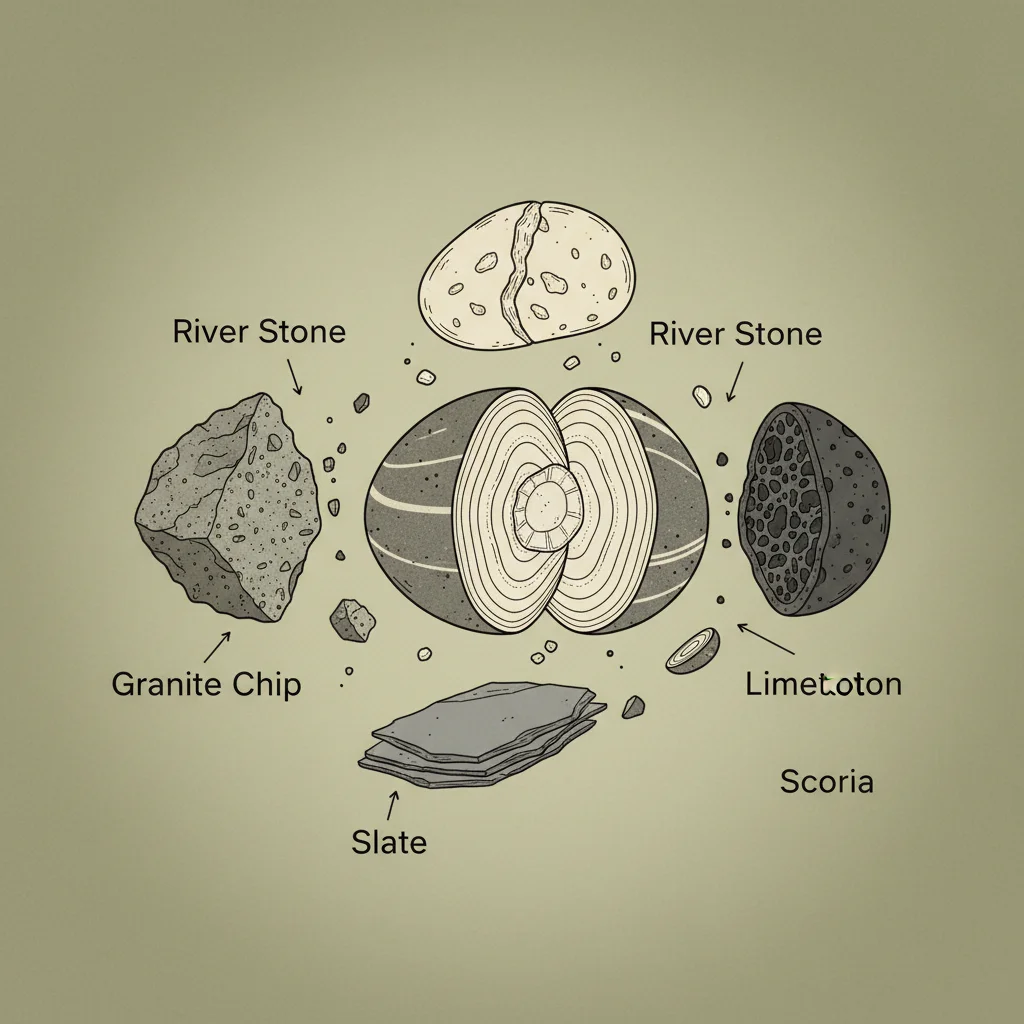
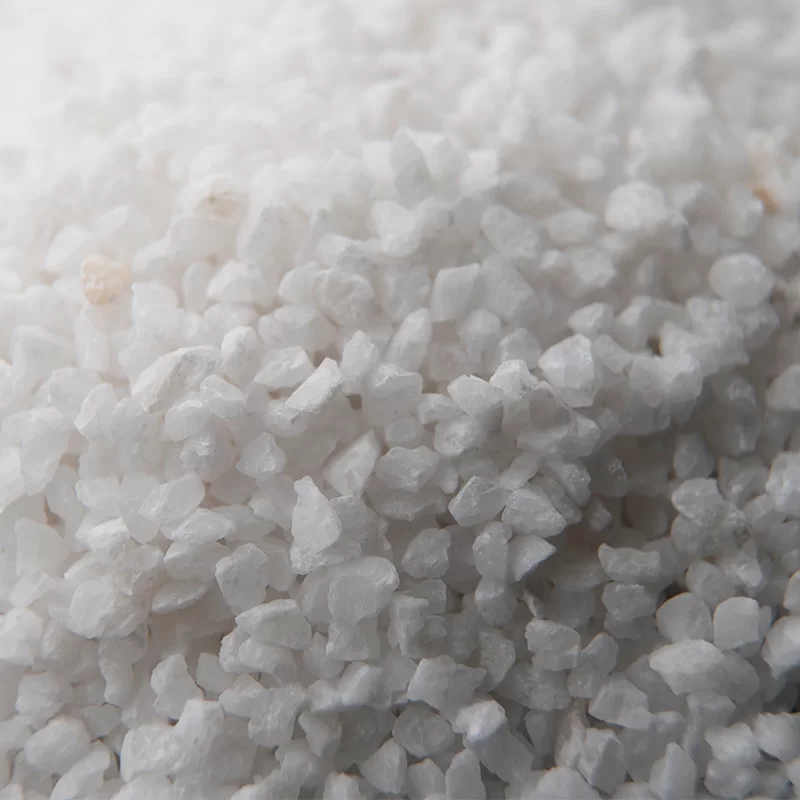
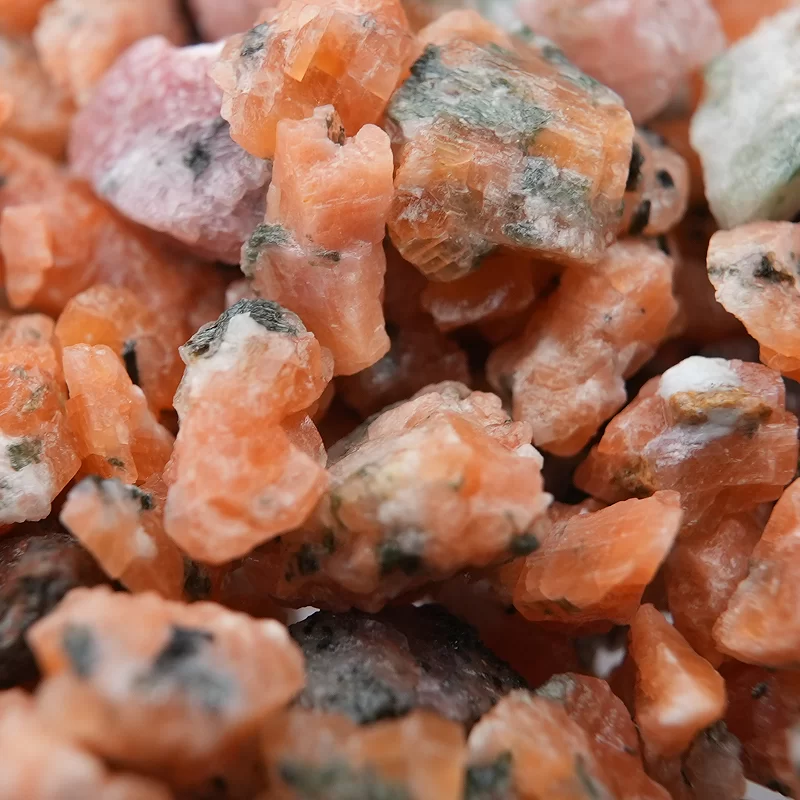
Industrial mineral aggregates are categorized by their chemical composition, grain geometry, and hardness. In the non-metallic mining sector, materials like quartz sand and natural colored sand are not merely fillers but functional components. Quartz sand, for instance, is valued for its high silica content and thermal stability, while decorative aggregates like Rain Flower Stone are prized for their unique hydrothermal pigmentations and natural textures, which are formed over millions of years through crustal movement and water transport.
The production process involves a rigorous sequence of extraction, beneficiation, and grading. Beneficiation is particularly critical as it removes impurities that could cause chemical reactions in epoxy resins or affect the luminosity of luminous materials. For high-precision applications, the material must undergo strict laboratory testing to ensure consistency in density and glossiness, transforming raw geological deposits into standardized industrial products suitable for global export.
Selecting the correct aggregate requires an analysis of several physical and chemical parameters. Grain size distribution is the primary factor; for example, Yuhua stones are offered in precise ranges from 1-3mm up to 3-5cm to suit different decorative scales. A narrow size distribution ensures a uniform appearance in flooring and prevents structural weak points in industrial casting.
Hardness and wear resistance are equally vital, especially for materials used in high-traffic areas. The high hardness of specialized sands ensures they can withstand long-term abrasion and resist the erosion of chemical substances like acids and alkalis. This makes them ideal for environments where both aesthetic appeal and industrial-grade durability are non-negotiable, such as commercial plazas or chemical processing plants.
Finally, color stability and pigment concentration determine the visual longevity of the material. In natural colored sands, the variety of shades—ranging from red and yellow to blue and purple—is a result of different pigment ions dissolved in silica hydrothermal solutions. Ensuring these colors remain vibrant under UV exposure is a key quality control metric for any professional mining operation.
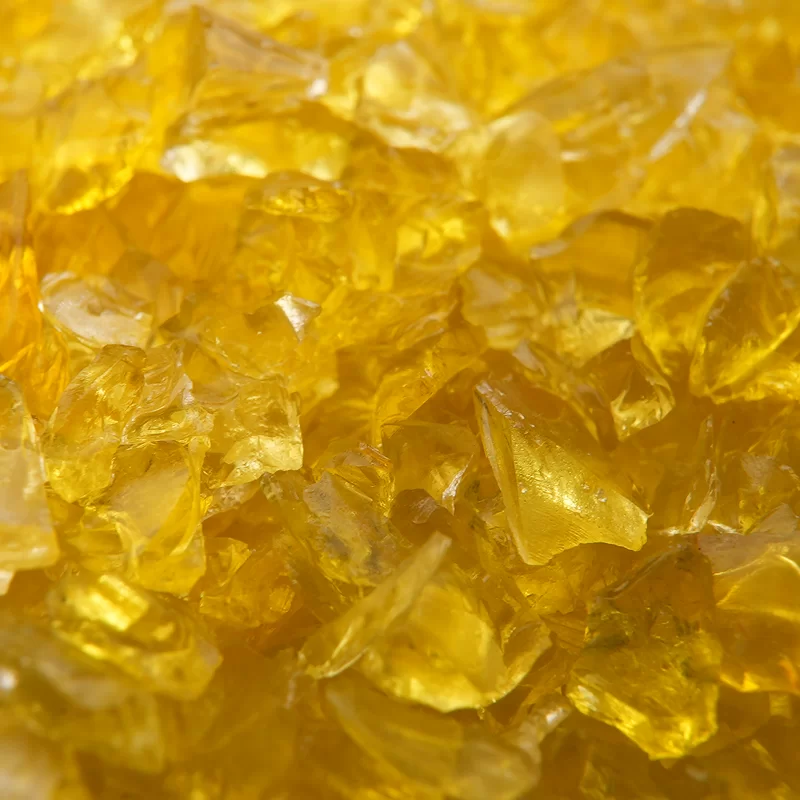
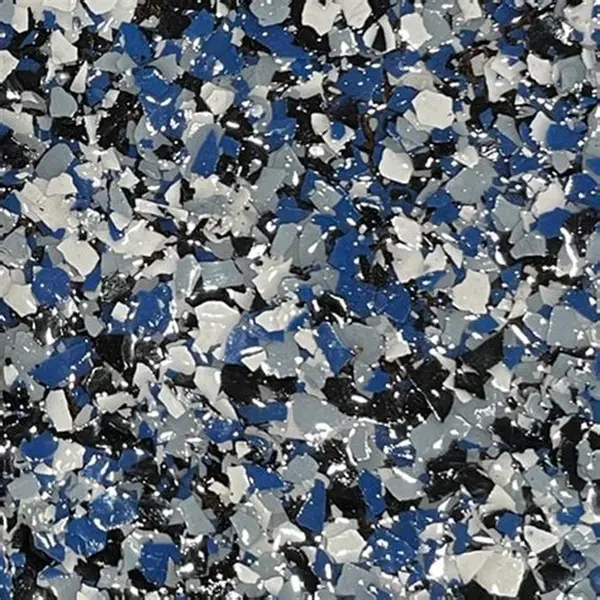
The value of specialized aggregates is realized when their specific physical properties solve a precise engineering or design problem. For instance, utilizing epoxy flakes or colored glass in flooring is not just about decoration; it is about creating a seamless, non-porous surface that is easier to maintain and more resistant to impact than traditional tiles.
The strategic advantage of high-purity aggregates lies in their ability to reduce total lifecycle costs by eliminating premature wear and reducing the frequency of surface restoration, particularly when using materials with high corrosion resistance and optimized grain density.
Furthermore, the integration of materials like perlite board or industrial powders allows for lightweighting in construction without sacrificing structural integrity. By choosing the correct mineral density and porosity, engineers can optimize the thermal insulation and acoustic properties of a building, turning a simple bulk purchase into a performance-enhancing strategic decision.
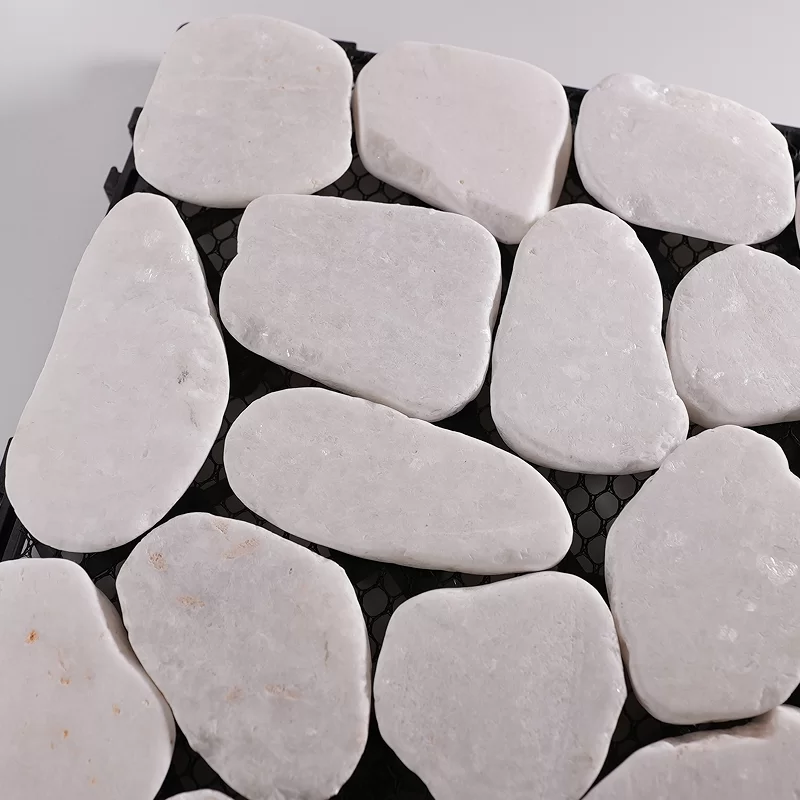
When comparing different mineral aggregates, the primary differentiation occurs in their resistance to environmental stressors and their aesthetic versatility. While quartz sand provides the baseline for structural strength and purity, decorative gravel and pebbles offer the necessary visual texture and organic feel for landscape and interior architecture.
The following data illustrates the relative performance of common wholesale aggregates across key industrial metrics. This comparison helps procurement officers determine which material provides the highest efficiency for specific application environments, such as high-wear industrial floors versus luxury residential decor.
In urban infrastructure, the use of high-grade natural colored sand and decorative pebbles is prevalent in the creation of permeable pavements and sustainable drainage systems. These materials allow for water infiltration while maintaining a high-end aesthetic, making them essential for "sponge city" initiatives and modern eco-friendly architectural designs.
In industrial settings, the application of emery sand and specialized industrial powders is critical for surface preparation and abrasive blasting. The precision of the grain size determines the profile of the surface, which in turn affects the adhesion of protective coatings. This technical synergy ensures that infrastructure in harsh environments, such as coastal bridges or oil rigs, remains protected against corrosion for decades.
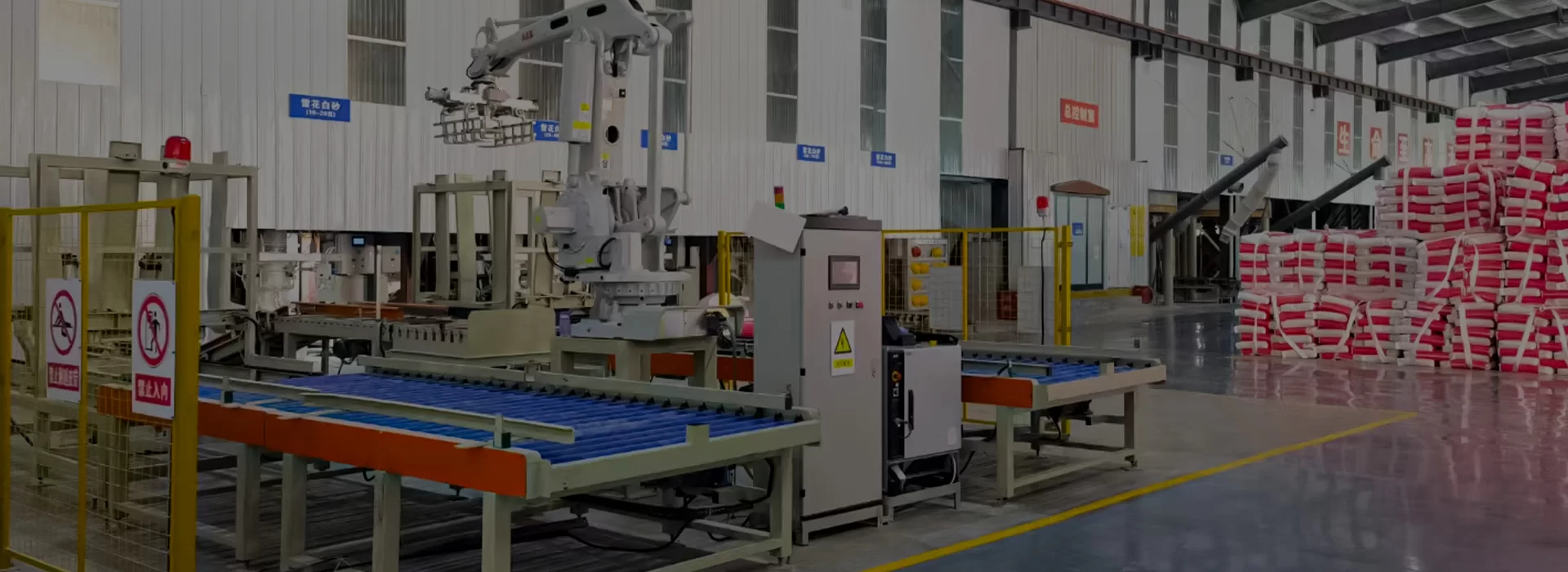
The non-metallic mining industry is shifting toward a model of scientific management and strict quality control. Modern production facilities now integrate advanced laboratory testing equipment to monitor hardness, density, and glossiness in real-time. This evolution ensures that every batch of exported material meets the specific requirements of international clients in regions such as South Korea, Japan, and the UAE.
Environmental sustainability is also driving innovation in beneficiation technology. The move toward closed-loop water systems and the reduction of chemical additives in the cleaning process for quartz and colored sands reflect a global trend toward greener mining. This not only complies with international regulations but also improves the purity of the final product by reducing residual contamination.
Finally, the integration of multi-layer management systems allows for better synchronization between extraction schedules and shipping logistics. For wholesale buyers, this means more predictable lead times and a significant reduction in the risk of project delays caused by material shortages or inconsistent quality across different shipments.
One of the most significant challenges in bulk mineral procurement is the "consistency gap," where the sample provided differs from the bulk delivery. To mitigate this, professional suppliers implement rigorous batch-tracking and pre-shipment inspection protocols. This ensures that the color, texture, and grain size remain identical from the first ton to the last.
Another critical hurdle is the logistics of transporting heavy mineral products across borders. Optimizing packaging and selecting the right shipping methods can significantly reduce the total landed cost. Utilizing professional packing workshops that specialize in moisture-proof and secure containment is essential for maintaining the purity of industrial powders and fine sands during long-sea transit.
Ultimately, the success of a wholesale partnership depends on the supplier's ability to offer tailored solutions rather than generic products. Whether it is adjusting the grain size of Yuhua stones for a specific sculpture or providing a custom blend of epoxy flakes for a unique flooring project, technical flexibility is the hallmark of a trusted mining partner.
| Material Type | Key Property | Primary Use | Durability Level |
|---|---|---|---|
| Quartz Sand | High Purity | Industrial Casting | Extreme |
| Natural Color Sand | Visual Variety | Decorative Flooring | High |
| Yuhua Stone | Unique Texture | Artistic Decor | High |
| Epoxy Flakes | Chemical Bond | Industrial Coating | Medium-High |
| Emery Sand | Abrasiveness | Surface Prep | Extreme |
| Luminous Material | Phosphorescence | Safety Marking | Medium |
The quality is primarily defined by color consistency, grain size uniformity, and the absence of impurities. For materials like Yuhua stones, parameters such as hardness, density, and glossiness are key indicators. Professional quality control ensures that the pigment ions dissolved in the silica hydrothermal solution provide a vibrant and stable color that does not fade under environmental stress.
The choice depends on the desired texture and the thickness of the binder. For a smooth, polished finish, smaller sizes like 1-3mm are preferred. For more tactile, organic, or heavy-duty surfaces, larger sizes such as 3-6mm or 6-9mm are used. It is recommended to match the aggregate size with the viscosity of the epoxy or resin to ensure full encapsulation and prevent air pockets.
Yes, most high-grade natural sands, particularly those with high silica content, possess excellent corrosion resistance. They can withstand exposure to mild acids and alkalis, making them suitable for industrial environments. However, the overall resistance of a floor depends on both the mineral aggregate and the quality of the sealant or resin used to bind them.
Quartz sand is primarily valued for its chemical purity and structural hardness, often used in industrial and construction applications where neutrality is required. Natural color sand is selected for its aesthetic properties and diverse pigmentations. While both may be silica-based, the latter focuses on the visual impact and artistic application in mosaics and decorative landscapes.
Stability is guaranteed through the integration of large-scale storage workshops and scientific production scheduling. By utilizing geographical advantages—such as proximity to mineral-rich regions like the Taihang Mountains—and employing experts in mineral processing, suppliers can maintain consistent output levels and ensure timely delivery regardless of seasonal fluctuations.
Absolutely. Professional manufacturers can adjust the beneficiation process to achieve specific purity levels or use precision screening to provide custom grain size distributions. This is particularly common for industrial powders or decorative pebbles where a specific mix of sizes is required to achieve a certain packing density or visual effect.
Navigating the complexities of sand wholesale requires a shift from viewing aggregates as simple commodities to treating them as engineered materials. Whether the goal is achieving an artistic vision with Rain Flower Stone or ensuring the structural integrity of an industrial floor with quartz sand, the key lies in the alignment of technical specifications with application requirements. A rigorous approach to material selection, focusing on purity, grain distribution, and durability, is the only way to ensure long-term project success.
For organizations seeking a partner capable of delivering high-consistency mineral products and professional technical support, partnering with an established mining development enterprise is essential. By leveraging advanced production technology and a commitment to strict quality control, you can secure the materials necessary to grow your business and enhance your project outcomes. We invite you to explore the full range of professional mineral solutions at www.cnfloormaterials.com to find the perfect fit for your next venture.



If you are interested in our products, you can choose to leave your information here, and we will be in touch with you shortly.