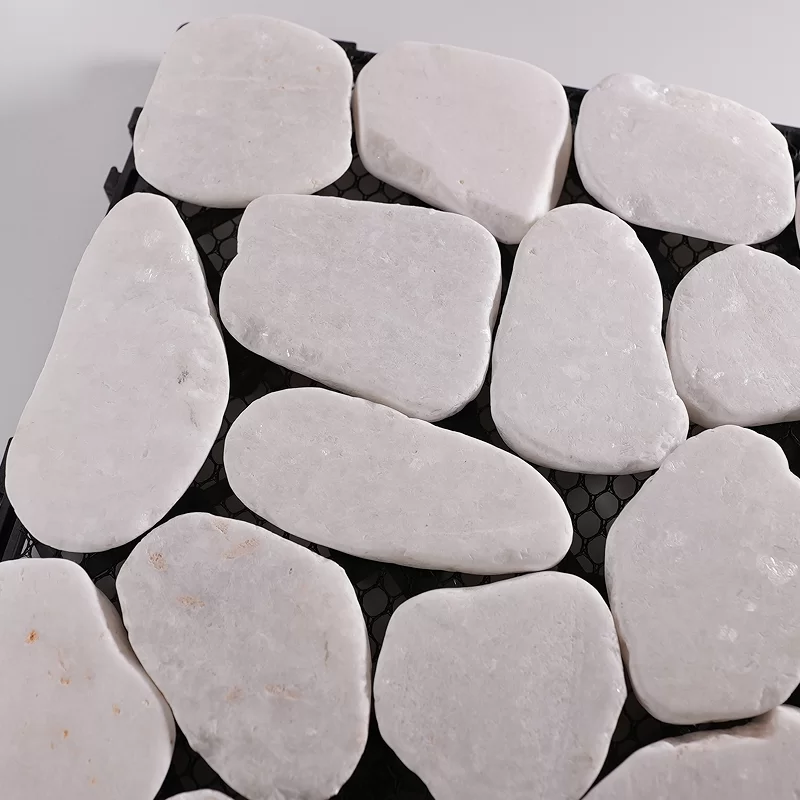
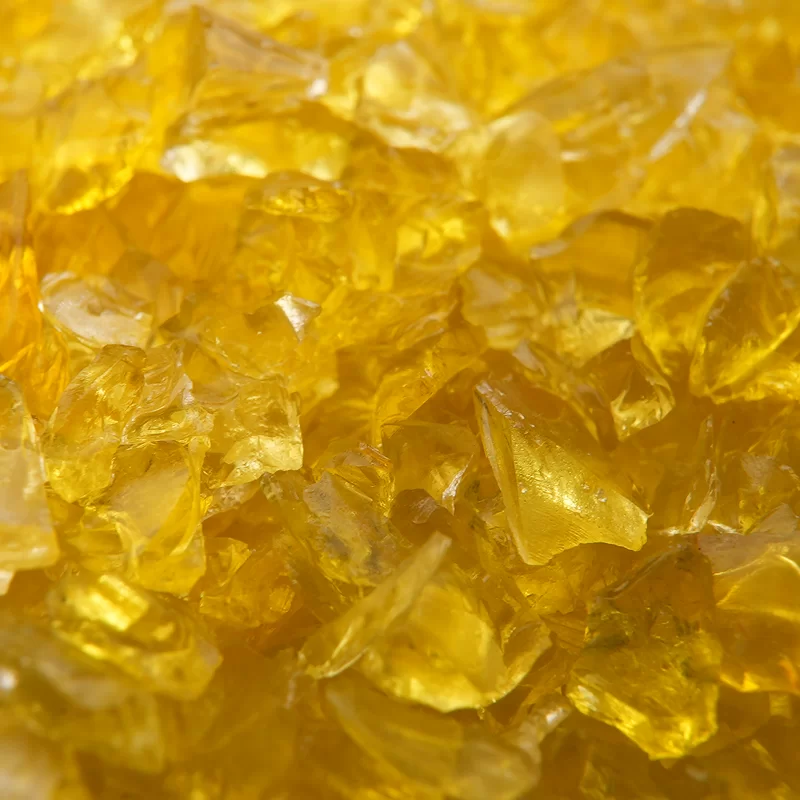
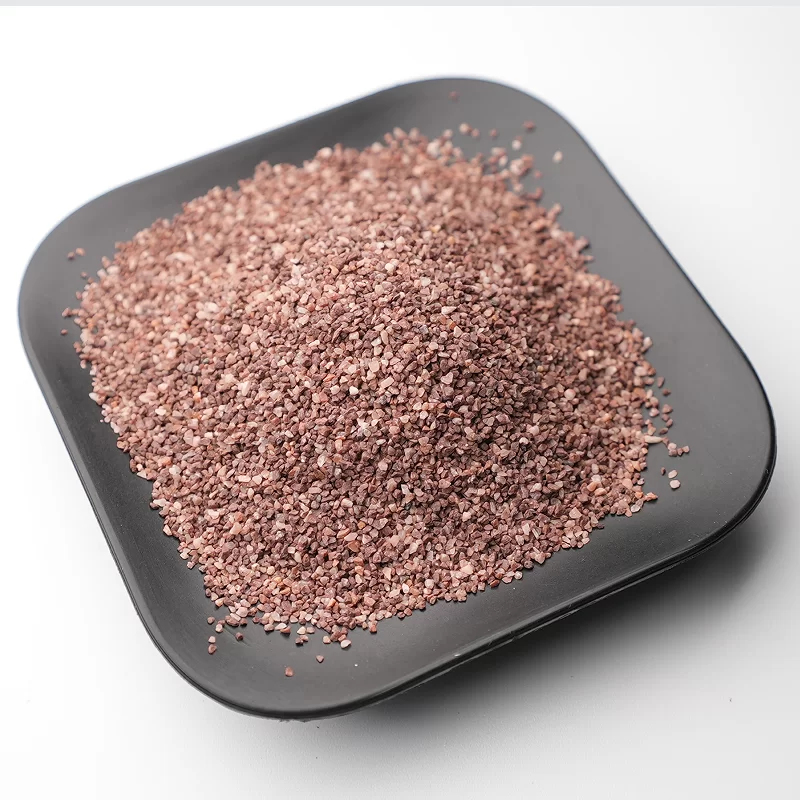
Integrating high-quality natural aggregates into architectural design has become a cornerstone of modern landscaping, blending raw elemental beauty with structural precision. The use of specialized stones not only enhances the visual appeal of a property but also provides critical functional benefits, such as improved drainage and surface durability. By selecting the right materials, designers can create timeless environments that harmonize with the surrounding nature while meeting rigorous engineering standards.
Across the globe, the shift toward sustainable urban development has increased the demand for permeable paving solutions that mitigate the risks of surface runoff and urban flooding. Traditional non-porous surfaces often lead to environmental degradation, whereas advanced stone-based systems allow for natural water infiltration. This transition is part of a broader movement toward "Sponge City" initiatives, where the integration of high-porosity materials helps replenish groundwater and reduce the load on municipal sewage systems.
When selecting pebbles for garden decoration and professional paving, the focus must remain on the balance between aesthetic versatility and long-term resilience. From luxury residential driveways to expansive public parks, the choice of SiO₂-based natural stone ensures a non-toxic, weather-proof, and slip-resistant finish. These premium aggregates provide a sophisticated foundation for contemporary eco-friendly construction projects worldwide.

Material Composition and Grading of Resin Bound Pebbles
Our premium resin bound pebbles are crafted from 100% natural stone with a SiO₂-based composition, ensuring maximum chemical stability and environmental safety. These aggregates are precision-graded to meet specific architectural needs, ranging from fine textures like 1-3mm and 2-5mm to larger, more robust gradings such as 2-3cm and 3-5cm. This variety allows for a seamless transition between different functional zones within a landscape.
The natural rounding and smooth surface texture of these stones are achieved through geological processes, which minimize friction during the mixing phase with polymer adhesives. Because they are non-toxic and non-radioactive, they are perfectly suited for sensitive environments, providing a safe and sustainable option for those seeking high-quality pebbles for garden decoration and high-performance paving.
Structural Integrity and Extreme Durability
The structural performance of natural stone aggregates is defined by their high compressive and wear resistance. Unlike artificial alternatives, SiO₂-based pebbles are engineered by nature to withstand immense pressure, making them capable of supporting light vehicle lanes and heavy pedestrian sidewalks without loosening or shifting over time.
Furthermore, the chemical stability of these materials ensures that they are both acid and alkali resistant. This means the surfaces remain unaffected by environmental pollutants, road salts, or acidic rain, which typically degrade lower-quality paving materials. This inherent resilience translates to a significantly extended service life, spanning decades with minimal degradation.
When integrated into a resin-bound matrix, the pebbles are fully encapsulated, creating a locked structure that resists the common problem of "stone loss." This fusion of natural hardness and modern polymer engineering ensures that the architectural finish remains intact even under rigorous daily use.
The Role of Permeability in Sustainable Drainage
One of the most significant advantages of using professional-grade pebbles for garden decoration and paving is their contribution to Sustainable Urban Drainage Systems (SuDS). The high porosity of the resin-bound structure allows rainwater to seep directly through the surface and into the ground below, rather than pooling on top.
This permeable design is critical for the "Sponge City" concept, which aims to reduce surface runoff and replenish groundwater levels. By preventing the rapid accumulation of water on driveways and paths, these systems effectively reduce the risk of urban flash flooding and decrease the burden on city drainage infrastructure.
Beyond the environmental impact, permeability enhances user safety. By eliminating standing water and puddles, the risk of hydroplaning for vehicles and slipping for pedestrians is greatly reduced. This makes resin-bound natural aggregates an ideal choice for eco-conscious developers and homeowners alike.
Performance Analysis of Different Pebble Sizes
Selecting the correct pebble size is essential for optimizing the balance between load-bearing capacity and aesthetic appeal. Smaller gradings, such as 2-5mm and 3-6mm, offer a denser matrix that is highly recommended for residential driveways due to superior structural strength and efficient load distribution.
Larger gradings, such as 9-12mm or 1-2cm, are often preferred for decorative borders or low-traffic pedestrian paths where a more pronounced natural stone texture is desired. Each size provides a different level of friction and permeability, allowing architects to tailor the surface based on the specific requirements of the project.
Comparison of Application Performance for Pebbles for Garden Decoration
Aesthetic Versatility in Architectural Landscapes
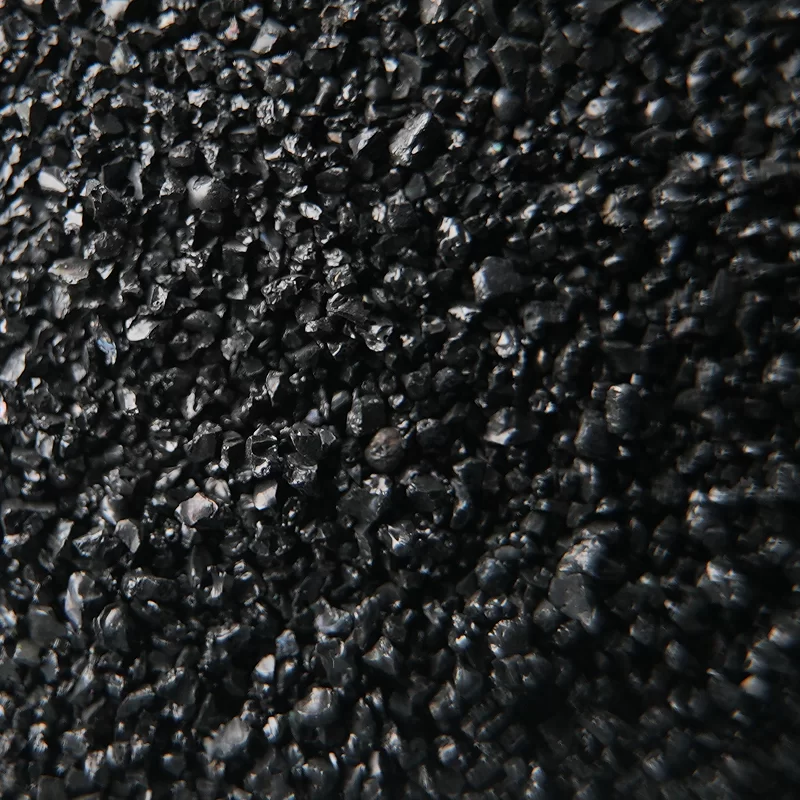
The visual impact of natural stone aggregates is unmatched, offering a wide palette of natural colors that can be customized to fit any architectural style. By blending different colors—such as deep blacks, pristine whites, earthy grays, and warm yellows—designers can create intricate artistic patterns, elegant gradients, or bespoke regional combinations that elevate the entire landscape.
Whether the goal is a minimalist contemporary look or a rustic traditional feel, the versatility of these pebbles for garden decoration allows for complete creative freedom. The seamless finish provided by the resin-bound application ensures that these colors flow naturally across the surface, creating a cohesive and luxurious visual experience.
Safety and Maintenance of Natural Aggregates
Safety is a primary concern in any public or residential space, and natural pebbles provide an inherent advantage through their high friction coefficient. The naturally rounded yet textured surface ensures excellent anti-slip performance, which is critical for maintaining safety during rainy or snowy weather conditions.
From a maintenance perspective, resin-bound surfaces are significantly more efficient than traditional gravel or paving. The smooth, encapsulated shapes of the stones resist dirt accumulation, and because the matrix is locked, it naturally inhibits the growth of weeds, eliminating the need for frequent weeding or chemical herbicides.
Furthermore, the durability of the SiO₂ composition means that these surfaces require minimal upkeep. A simple occasional cleaning is typically sufficient to maintain the vibrancy of the colors and the integrity of the surface, making it a cost-effective long-term investment for property owners.
Comparison of Resin Bound vs Bonded Systems
It is essential to distinguish between "Resin Bound" and "Resin Bonded" systems to ensure the correct material is used for the intended application. In a bound system, the pebbles for garden decoration are mixed with the resin before application, creating a fully permeable, interconnected matrix where every stone is encapsulated.
Conversely, a bonded system involves scattering aggregates on top of a pre-applied layer of resin. While this creates a textured finish, it results in a non-permeable surface that does not support SuDS compliance and is more prone to stone loosening over time. For projects prioritizing sustainability and durability, the bound system is the superior choice.
The choice between these two methods ultimately impacts the long-term return on investment. While bonded systems may be simpler to apply in some contexts, the bound system's ability to manage water and resist wear makes it the gold standard for modern, eco-friendly construction.
Comparison Analysis of Resin-Based Paving Systems
| System Type | Permeability Level | Structural Durability | Maintenance Effort |
|---|
| Resin Bound (Fine) | Fully Permeable | Extreme High | Very Low |
| Resin Bound (Coarse) | Fully Permeable | High | Low |
| Resin Bonded | Non-Permeable | Moderate | Moderate |
| Loose Gravel | Highly Permeable | Low (Shifts) | High |
| Traditional Concrete | Zero Permeability | High | Low |
| Asphalt Paving | Low Permeability | Moderate-High | Moderate |
FAQS
For residential driveways, we recommend using 2-5mm or 3-6mm sizes. These smaller, precision-graded pebbles provide superior structural strength and a more stable load distribution for vehicles, while still maintaining the excellent drainage properties required for a permeable surface.
Their porous structure allows rainwater to drain directly through the surface and into the sub-base and ground, rather than running off into sewers. This aligns with Sustainable Urban Drainage Systems (SuDS) and "Sponge City" initiatives, significantly reducing the risk of surface flooding in urban areas.
Yes, natural pebbles formed through geological processes possess a dense, crystalline SiO₂ structure. This provides far higher resistance to wear and chemical corrosion compared to artificial aggregates, making them ideal for high-traffic areas and exposure to harsh weather conditions.
Bound pebbles are mixed with resin before being laid, creating a permeable, locked matrix. Bonded aggregates are simply scattered on top of a resin layer, creating a non-permeable surface. The bound system is generally preferred for its drainage capabilities and superior durability against stone loss.
Absolutely. By utilizing a variety of natural colors—such as black, white, gray, and yellow—you can design bespoke architectural styles, including elegant gradients, geometric puzzles, or regional color combinations to enhance the aesthetic of your landscape.
Yes, our pebbles are 100% natural stone, non-toxic, and non-radioactive. They contain no harmful chemicals, making them an ideal and eco-friendly choice for use in private gardens, public parks, and other environmentally protected zones.
Conclusion
The integration of premium resin-bound natural aggregates represents a perfect synergy between geological beauty and modern engineering. By prioritizing high-porosity SiO₂-based materials, property owners and architects can achieve a surface that is not only visually stunning and versatile in color but also structurally durable and environmentally responsible. The ability of these systems to support sustainable drainage and resist environmental degradation ensures a high return on investment through reduced maintenance and increased property value.
Looking forward, the adoption of "Sponge City" principles will continue to drive the demand for permeable paving solutions. We suggest that developers and homeowners move away from traditional non-porous materials in favor of resin-bound systems to contribute to a more sustainable urban future. To explore our full range of professional-grade aggregates and transform your outdoor space, visit our website: www.cnfloormaterials.com.