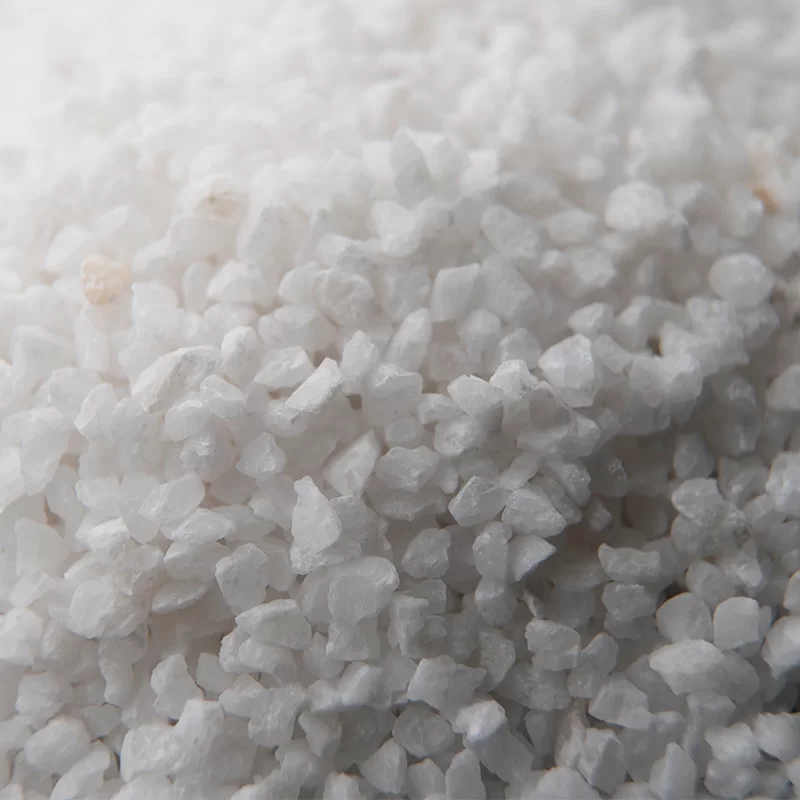
In the modern landscape of industrial minerals and construction materials, the search for high-performance solutions often leads professionals to explore unique geological resources. While some may search for decorative options like natural blue sand, the critical needs of energy efficiency and fire safety are increasingly being met by advanced inorganic materials such as expanded perlite boards. These materials represent a shift toward sustainable, rock-based insulation that prioritizes safety and longevity over temporary aesthetics.
The global construction industry is currently facing a dual challenge: the need to reduce carbon footprints through energy efficiency and the necessity of implementing stricter fire prevention protocols. As urban density increases, the demand for non-combustible, lightweight, and sound-absorbing materials has surged. Perlite-based solutions have emerged as a primary answer, offering a stability that traditional organic insulators cannot match, ensuring that structural integrity is maintained even under extreme thermal stress.
Understanding the intersection between mineral extraction and building science is essential for architects and engineers. By leveraging the porous structure of expanded perlite, the industry can achieve unprecedented levels of thermal insulation and sound dampening. Whether integrated into industrial warehouses or residential complexes, these inorganic boards provide a reliable, eco-friendly alternative to synthetic foams, bridging the gap between natural mineral utility and modern architectural requirements.

Thermal Insulation and Energy Efficiency
The core advantage of perlite boards lies in their exceptional insulation performance. Due to their unique porous structure, these boards effectively trap air, which significantly reduces heat transfer between environments. This makes them an ideal choice for buildings aiming to reduce energy consumption for heating and cooling, providing a stable thermal barrier that outperforms many traditional materials.
Unlike decorative minerals such as natural blue sand, perlite boards are engineered for functional efficiency. With a low density typically ranging between 100-300kg/m³, they provide high thermal resistance without adding excessive weight to the building structure, ensuring that energy saving is achieved without compromising architectural load limits.
Fire Resistance and A-Grade Safety
Safety is the paramount concern in modern construction, and perlite fireproof boards are specifically designed to meet the most stringent requirements. As an A-grade non-combustible inorganic insulation material, perlite board does not ignite or contribute to the spread of flames. This characteristic is critical for protecting occupants and maintaining structural integrity during fire emergencies.
The manufacturing process involves expanding perlite particles and mixing them with inorganic environmentally friendly adhesives, then reinforcing the structure with double-layer metal mesh. This combination ensures that the board remains stable and intact even when exposed to extreme temperatures, preventing the catastrophic failure often seen with organic insulation materials.
While aesthetics might lead some to consider materials like natural blue sand for visual appeal, the safety profile of perlite board is unmatched in industrial applications. Its ability to act as a fire wall allows it to be used in high-risk zones, ensuring that fire prevention is built into the very fabric of the building.
Structural Stability and Service Life
One of the most compelling reasons to choose perlite insulation boards is their remarkable service life. Because they are composed of rock-like inorganic materials, they are naturally resistant to aging, decay, and biological degradation. This longevity ensures that the investment in insulation pays off over decades, not just a few years.
When compared to the transient nature of some decorative elements like natural blue sand, perlite boards offer a permanent solution. Their inherent stability means they do not warp or shrink over time, maintaining a consistent thermal and protective seal across the entire surface of the installation.
Furthermore, the integration of double-layer metal mesh provides the necessary tensile strength to prevent cracking. This structural reinforcement allows the boards to be used in diverse environments, including earthquake-prone regions, where flexibility and strength are required to prevent the insulation from crumbling under seismic stress.
Acoustic Performance and Sound Absorption
Beyond thermal and fire protection, perlite boards offer superior acoustic benefits. The porous nature of the expanded perlite allows sound waves to be trapped and dissipated rather than reflected. In practical terms, the sound absorption effect of perlite board is approximately five times higher than that of ordinary concrete.
With a sound insulation coefficient greater than 45, these boards are an excellent choice for industrial settings or residential units where noise pollution is a concern. This makes them far more functional than standard filler materials or natural blue sand, providing a quiet interior environment that enhances productivity and well-being.
Performance Comparison of Perlite vs Standard Materials
Moisture Resistance and Waterproofing
Water damage is a leading cause of insulation failure, but perlite fireproof boards are engineered to resist moisture. Rigorous immersion testing has proven that these boards do not expand, deform, or fall off when exposed to water, ensuring they maintain their original strength even in humid conditions.
The water absorption rate is remarkably low, measured at only 50g/(m²·h), which is approximately one-tenth of that found in similar insulation products. While natural blue sand might be used for drainage in landscapes, perlite boards provide a critical internal moisture barrier that prevents mold growth and structural rot.
Environmental Impact and Sustainability
Sustainability is no longer optional in the construction industry; it is a requirement. Perlite boards are manufactured from pure inorganic green materials, making them non-toxic, harmless, and pollution-free. This ensures a healthy indoor air quality, as they do not emit volatile organic compounds (VOCs) commonly found in synthetic foams.
The energy efficiency provided by these boards directly translates to a lower carbon footprint for the building throughout its life cycle. By reducing the reliance on HVAC systems, perlite boards help building owners meet green building certifications and ISO environmental standards.
Unlike the extractive processes associated with some specialized minerals like natural blue sand, perlite is a naturally occurring volcanic glass that is processed with minimal chemical intervention, reinforcing its status as an environmentally responsible choice for the 21st century.
Installation Logistics and Maintenance
The economic value of perlite insulation boards is further enhanced by their ease of construction. The boards come in standardized sizes, such as 50050030mm or 52545040mm, but can also be custom-made to meet specific project requirements. This versatility reduces material waste during installation and speeds up the construction timeline.
Maintenance costs are exceptionally low due to the material's inherent durability. Because they are resistant to pests, rot, and aging, there is no need for the frequent replacements or chemical treatments required by organic insulators. This makes them a highly cost-effective solution over the long term.
Whether you are working on a large-scale industrial project or a specialized renovation, the simplicity of installing these boards ensures that labor costs remain manageable. While natural blue sand might be used for aesthetic surfacing, the perlite board provides the essential structural foundation for a safe, efficient, and low-maintenance building.
Comparison of Perlite Board Specifications and Performance
| Technical Parameter |
Perlite Board Value |
Standard Concrete |
Impact Level |
| Density |
100-300kg/m³ |
2400kg/m³ |
Ultra-Lightweight |
| Fire Rating |
Grade A (Non-combustible) |
Non-combustible |
Maximum Safety |
| Sound Absorption |
5x Higher than Concrete |
Baseline |
Superior Acoustic |
| Water Absorption |
50g/(m²·h) |
High |
Highly Resistant |
| Service Life |
Long-term/No Aging |
Standard |
High Durability |
| Toxicity |
Non-toxic/Green |
Neutral |
Eco-Friendly |
FAQS
Perlite boards are A-grade non-combustible inorganic materials, meaning they do not ignite or burn. In contrast, many traditional foam insulations are organic and can be highly flammable or release toxic smoke when ignited. This makes perlite boards significantly safer for industrial and residential applications.
Yes, they are highly moisture-resistant. Testing shows they do not expand or deform during immersion, and their water absorption rate is about one-tenth of similar products, ensuring structural strength is maintained even in damp environments.
Standard sizes include 50050030mm and 52545040mm. However, because they are manufactured to order, they can be customized to fit the specific dimensions and thickness requirements of your construction project.
Perlite boards are exceptionally effective, with a sound absorption capacity approximately five times greater than ordinary concrete and a sound insulation coefficient greater than 45, making them ideal for reducing machinery noise.
On the contrary, construction is relatively simple, and the low density of the boards makes them easy to handle. This simplicity leads to lower labor costs and very low long-term maintenance expenses due to the material's resistance to aging.
Yes, perlite boards are made from pure inorganic materials that are non-toxic and pollution-free. They contribute to energy efficiency, reducing the overall carbon footprint of the buildings in which they are installed.
Conclusion
In summary, perlite insulation boards represent a superior synthesis of safety, efficiency, and sustainability. By combining A-grade fire resistance, exceptional thermal and acoustic insulation, and a robust, moisture-resistant structure, they solve the most critical challenges of modern construction. Unlike purely aesthetic minerals like natural blue sand, these boards provide a functional foundation that ensures buildings are not only energy-efficient but inherently safe for their occupants.
As the world moves toward stricter green building codes and more resilient infrastructure, the adoption of inorganic, rock-based materials will only increase. We recommend that developers and architects prioritize materials that offer long-term stability and environmental safety to future-proof their investments. For more information on high-performance industrial materials and specialized mineral solutions, visit our website: www.cnfloormaterials.com.