
Ultimate Guide to Using Garden Landscape Rocks for Your Backyard
Elevating Your Outdoors: The Ultimate Guide to Garden Landscape Rocks
Transforming a backyard into a sanctuary requires a balance of organic growth and structured design. Using garden landscape rocks is one of the most effective ways to achieve this balance. Not only do they provide a timeless aesthetic, but they also offer practical solutions for erosion control, weed suppression, and drainage management. Whether you are aiming for a Zen-inspired rock garden or a rugged mountain look, the right selection of stones can dramatically increase your property's curb appeal and value. In this guide, we will explore the various types of landscape rocks and how to integrate them seamlessly into your outdoor space.

Choosing the Right Types of Garden Landscape Rocks
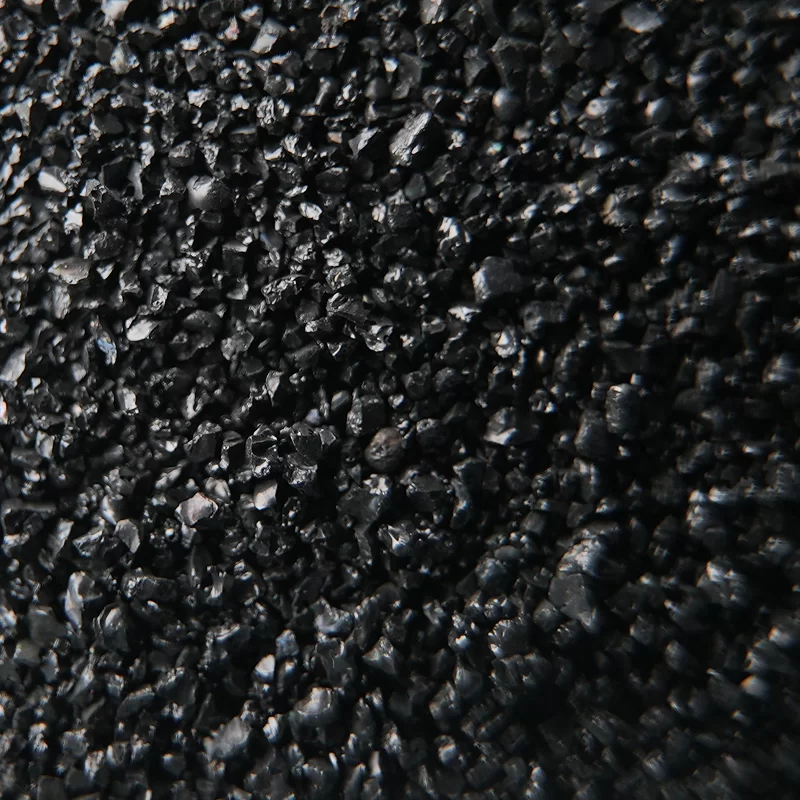
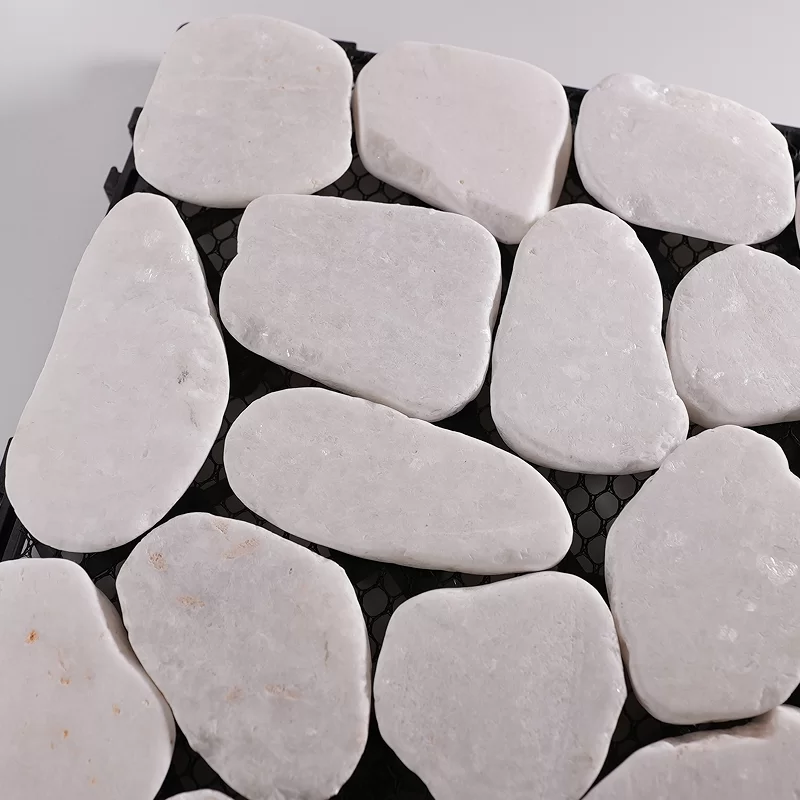
Not all stones are created equal. Depending on the geological composition, garden landscape rocks vary in color, texture, and durability. River rocks are ideal for creating dry creek beds due to their smooth, rounded edges. Lava rocks, known for their porous nature, are excellent for moisture retention and adding a bold, dark contrast to green foliage. For those seeking a polished, modern look, polished pebbles in white or black provide a clean, sophisticated finish. Understanding these materials is the first step in designing a landscape that is both beautiful and functional.
Pro Tip: Always consider the natural color palette of your home's exterior before choosing your rocks to ensure a harmonious visual flow between the architecture and the nature surrounding it.
Practical Benefits of Garden Landscape Rocks
Beyond aesthetics, integrating garden landscape rocks serves several critical utilitarian purposes. One of the primary advantages is weed suppression; a thick layer of stone prevents sunlight from reaching weed seeds. Additionally, rocks are invaluable for soil stabilization on slopes, preventing precious topsoil from washing away during heavy rains. They also act as an efficient mulch alternative that doesn't decompose, meaning you won't have to replace them every season. This makes them a sustainable, long-term investment for any homeowner.
Comparing Popular Rock Materials for Landscaping
When deciding which garden landscape rocks to purchase, it helps to compare them based on their specific attributes and best use cases. Some rocks are better for walking paths, while others are strictly decorative.
Installation Tips for Garden Landscape Rocks
To ensure your garden landscape rocks stay in place and look professional, proper preparation is key. First, clear the area of all existing weeds and debris. Second, always lay down a high-quality landscape fabric (weed barrier) before pouring your stones. This prevents the rocks from sinking into the soil and stops weeds from pushing through from below. Finally, distribute the rocks evenly, ensuring a depth of 2-3 inches for full coverage and maximum effectiveness.

Technical Specifications for Bulk Rock Ordering
When ordering garden landscape rocks in bulk, it is essential to understand the specifications to avoid under-ordering. Most landscaping stones are sold by the ton or cubic yard. Calculating the square footage of your area and multiplying it by the desired depth will give you the volume needed.
Conclusion: Creating a Lasting Impression with Stone
Incorporating garden landscape rocks is more than just a decorative choice; it is a strategic move to enhance the functionality and longevity of your outdoor living space. From the rugged beauty of river stones to the clean lines of polished pebbles, the options are endless. By focusing on proper material selection and meticulous installation, you can create a low-maintenance landscape that evolves beautifully over time. Visit our website to find the perfect materials for your next project.
Frequently Asked Questions (FAQs)
How do I stop weeds from growing through my landscape rocks?
The most effective way to prevent weeds is by installing a professional-grade weed barrier fabric beneath your garden landscape rocks. This fabric blocks sunlight and creates a physical barrier that prevents seeds from rooting in the soil. Additionally, avoid using organic mulch or soil on top of the rocks, as these provide a nutrient-rich medium for wind-blown seeds to germinate. Periodic spraying of eco-friendly weed killer can help manage any surface-level growth.
Can I use landscape rocks in a vegetable garden?
Yes, you can use rocks in vegetable gardens, but they are best used for paths rather than as a direct mulch for the plants. Rocks can absorb heat from the sun and radiate it back into the soil, which can be beneficial for warm-weather crops in cooler climates. However, too much heat can stress some plants. Using light-colored garden landscape rocks reflects sunlight and keeps the soil cooler, while dark rocks will increase the temperature.
How often do I need to replace or refresh my landscape rocks?
One of the biggest advantages of using garden landscape rocks is that they do not decompose like bark or wood chips. In most cases, you will never need to replace them. However, they may accumulate dust, leaves, or organic debris over time, which can dull their color. A simple rinse with a garden hose or a light power wash every few years is usually enough to keep them looking fresh and vibrant.
What is the best rock for a low-budget project?
For those on a budget, pea gravel or locally sourced crushed limestone are often the most cost-effective options. These materials are widely available and provide excellent coverage. While they may not have the dramatic look of large boulders, they are highly versatile and can be used for everything from walkways to drainage areas. When sourcing your garden landscape rocks, buying in bulk tons rather than individual bags can also significantly reduce your overall costs.