
Transform Your Outdoor Space with Gold Landscape Rock
Transform Your Outdoor Space with Gold Landscape Rock
Enhancing your home's curb appeal often starts with the right ground cover. Utilizing gold landscape rock can instantly elevate a garden from ordinary to extraordinary. These stunning stones offer a warm, radiant glow that complements both lush greenery and modern architectural lines. Whether you are looking to create a Zen-inspired rock garden or a sophisticated border for your flower beds, choosing high-quality decorative stone is a strategic investment in your property's value. In this guide, we will explore the aesthetic advantages and practical applications of these golden treasures.

The Aesthetic Appeal of Gold Landscape Rock
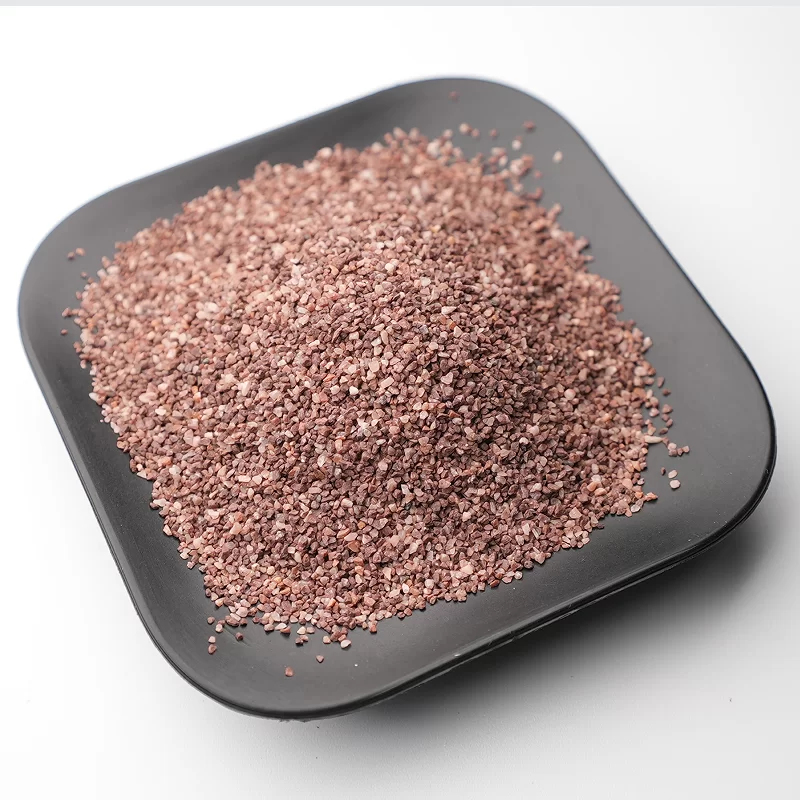
The primary draw of gold landscape rock is its ability to capture and reflect light. Unlike dark basalt or grey granite, gold-toned stones brighten shaded areas of the yard, creating a sense of openness and warmth. These rocks typically range from a soft buttery yellow to a deep metallic amber, providing a luxurious contrast against deep green foliage or red mulch. Architects and designers frequently use these stones to create focal points that guide the eye across the landscape, ensuring that the outdoor environment feels curated rather than accidental.
Design Tip: Pair golden stones with dark purple plants like Heuchera or deep blue conifers to create a high-contrast, professional-grade color palette in your garden.
Practical Benefits of Using Decorative Gold Rock
Beyond beauty, incorporating gold landscape rock serves several functional purposes. First, these stones act as an excellent mulch alternative; unlike organic bark, they do not decompose, meaning you won't need to replace them every season. They are highly effective at suppressing weed growth by blocking sunlight from reaching the soil. Additionally, rock coverage helps in moisture retention for the underlying soil, reducing the frequency of watering for your ornamental plants. This makes gold rock a sustainable and low-maintenance choice for the modern homeowner.
Comparing Gold Landscape Rock to Other Mulch Options
When deciding on the best material for your garden beds, it is helpful to compare the longevity and maintenance requirements. While wood chips are cheaper initially, they fade and rot. Gold landscape rock provides a permanent solution that maintains its color integrity over decades. The table below highlights the key differences between gold rock and traditional landscaping materials.
Installation Guide for Gold Landscape Rock
To get the most out of your gold landscape rock, proper installation is key. Start by clearing the area of all existing weeds and debris. We highly recommend laying down a professional-grade geotextile weed barrier before spreading the stones. This prevents the rocks from sinking into the soil and ensures that weeds cannot penetrate the surface. Spread the rocks to a depth of approximately 2-3 inches to ensure full coverage and maximum effectiveness. For paths, consider using edging strips to keep the golden stones contained and neat.

Technical Specifications of Gold Decorative Stones
Depending on the project, you may need different sizes of stones. Small pebbles are ideal for filling gaps or creating smooth walking paths, while larger cobbles are better for structural borders or accent pieces. The quality of gold landscape rock is determined by its mineral composition, which ensures it doesn't fade under intense UV exposure. Below are the typical specifications for our most popular gold stone varieties:
Conclusion: Elevate Your Garden with Golden Elegance
Choosing gold landscape rock is more than just a design choice; it is a commitment to long-term beauty and low-maintenance luxury. By combining striking visual appeal with practical benefits like weed suppression and soil moisture retention, these stones provide a comprehensive solution for any outdoor space. Whether you are a professional landscaper or a DIY enthusiast, the radiance of gold stones will bring a timeless quality to your home. Invest in quality materials today and watch your outdoor environment flourish.
Frequently Asked Questions (FAQs)
Will gold landscape rock fade over time?
High-quality gold landscape rocks are made from natural minerals that are inherently resistant to UV radiation. Unlike dyed mulches or painted stones, the gold hue in natural rock is part of its geological composition, meaning it will not fade even under intense direct sunlight. To keep your rocks looking their best, we recommend occasionally rinsing them with water to remove dust or organic debris that may dull their natural shimmer.
Do I really need a weed barrier under the rocks?
Yes, we strongly recommend using a heavy-duty landscape fabric. Without a barrier, the rocks will eventually migrate into the soil, requiring you to add more material to maintain the desired depth. More importantly, a weed barrier prevents seeds from germinating in the soil and pushing through the rock layer. While some weeds may still blow in from the top, a barrier makes them much easier to remove by hand, keeping your gold landscape rock installation pristine.
How do I calculate how much rock I need?
To calculate the amount of rock needed, first determine the square footage of your area (Length x Width). For a standard depth of 3 inches (0.25 feet), multiply the square footage by 0.25 to get the total cubic feet. Since most rocks are sold by the ton or cubic yard, divide the total cubic feet by 27 to get cubic yards. For a more precise estimation and to ensure you choose the right stone size for your specific project, you can consult the experts at CN Floor Materials.
Can gold landscape rock be used in potted plants?
Absolutely. Using small-grain gold pebbles as a top-dressing for indoor or outdoor potted plants is a great way to add a professional touch. Not only does it look beautiful, but it also helps prevent soil from splashing onto the leaves during watering and reduces water evaporation from the soil surface. It is a popular choice for succulents and cacti, where a clean, mineral-rich top layer is both aesthetically pleasing and functional.