0%

Table of Contents

Honestly, the whole epoxy flakes market… it’s gotten wild. Everyone’s chasing that seamless, shiny floor look, you know? It used to be just for showrooms, but now even factories want it. I’ve been seeing a lot more demand for metallic pigments mixed in, people wanting that real depth. But it's a tricky business, getting the right blend. Too much metallic and it looks… gaudy. Too little, and you’ve wasted your money. And the clear coats, don't even get me started.

The biggest thing I’ve noticed lately is everyone trying to cut corners. Cheap epoxy, thin flakes…it always comes back to haunt you. I was at a build site last week – a new car dealership - and they’d gone with the lowest bidder for their flake floor. Cracking already, six months in. Six months! You get what you pay for, every single time. It's a frustrating thing to see, because it creates bad impressions for everyone in the industry.

And then there's the whole "self-leveling" myth. It's not magic. You still need skilled guys to prep the concrete *properly*. Grinding, patching, priming…it’s the 80/20 rule – 80% of the success is in the prep work. I’ve seen floors fail because someone skipped the primer, thinking they could get away with it. Don’t. Just don't.
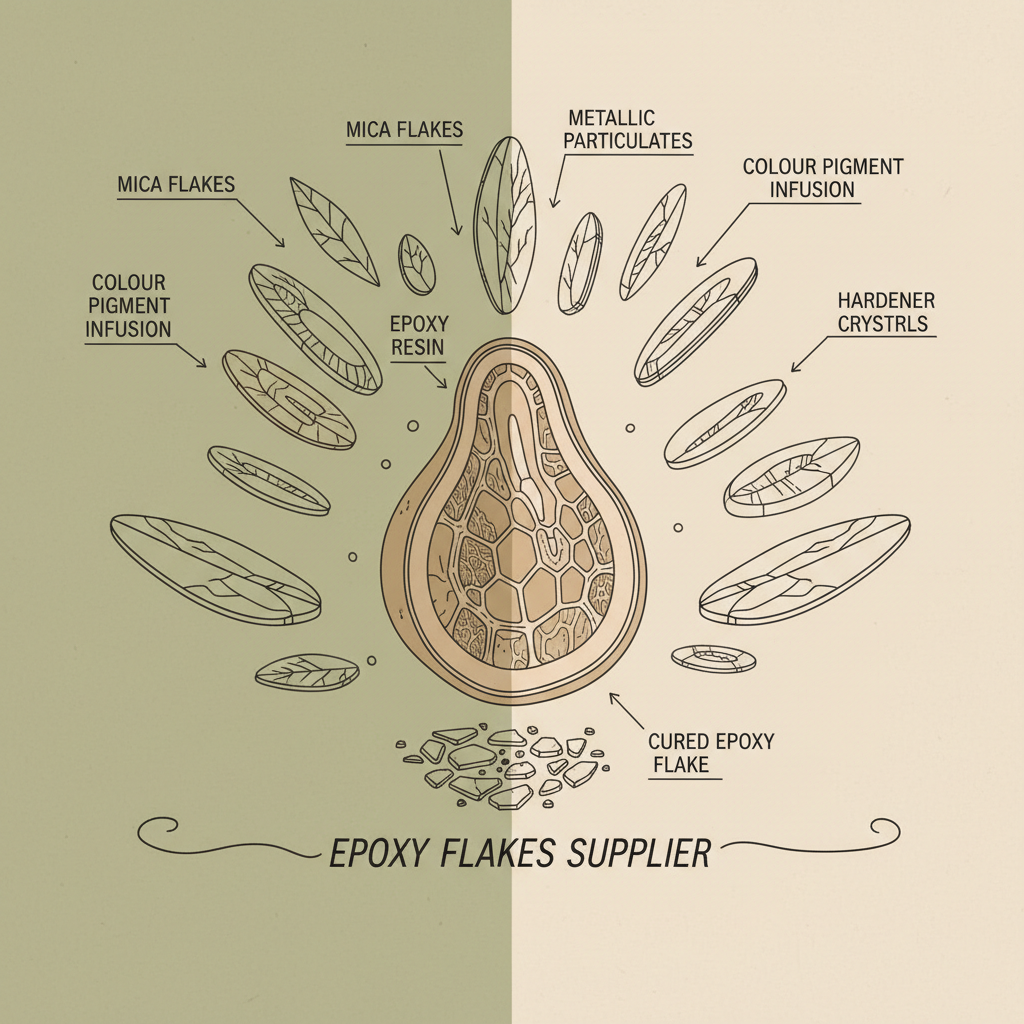
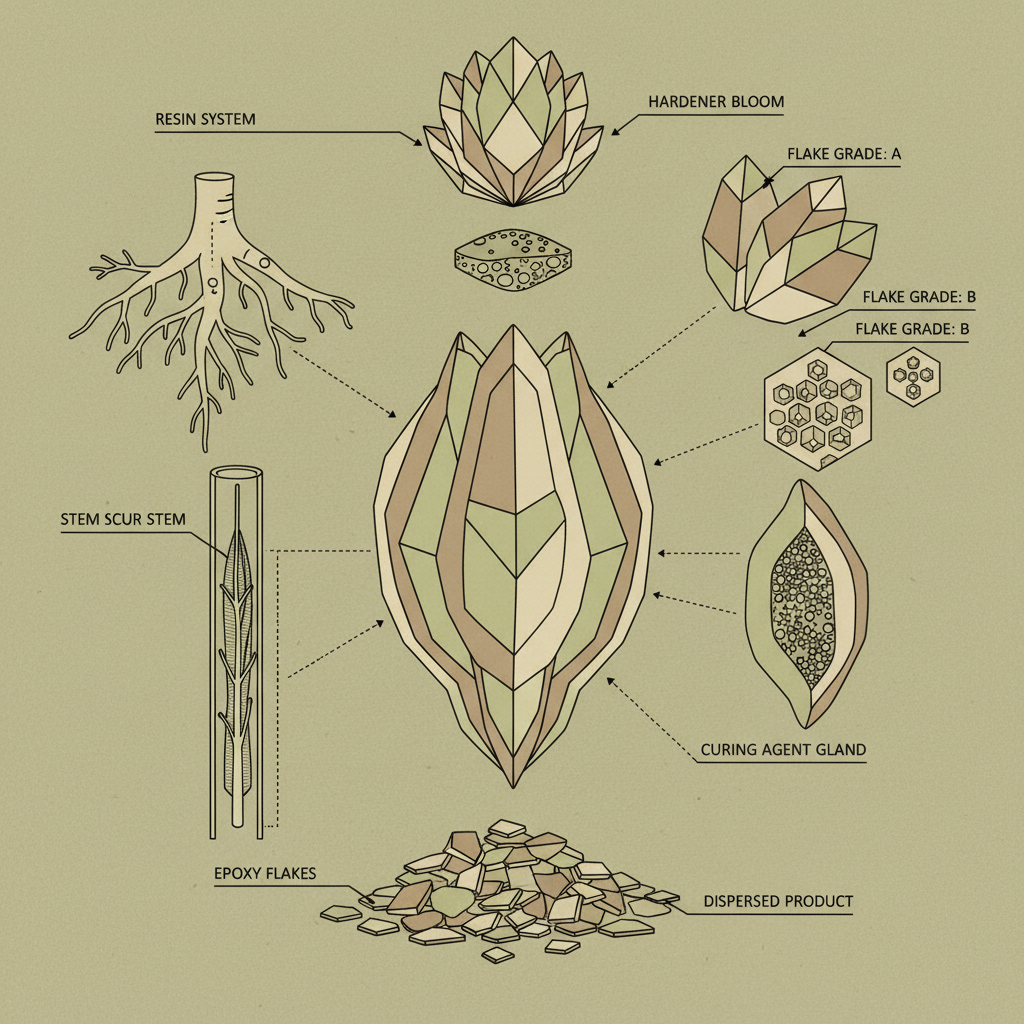
epoxy flakes supplier

What's Trending in Epoxy Flake Floors?

epoxy flakes supplier

Strangely enough, the biggest trend I’m seeing isn’t just the flakes themselves, but the *systems* surrounding them. People are demanding more comprehensive kits – primer, epoxy, flakes, topcoat, even the application tools. Makes life easier for the contractor, sure. But it also means the epoxy flakes supplier has to really deliver on quality across the board.

Another big thing? Sustainability. I’ve had a few clients asking about bio-based epoxies, or flakes made from recycled materials. It’s still a niche market, and the performance isn’t always quite there yet, but the demand is growing. They want that peace of mind, knowing they're not contributing to more landfill waste.

Common Design Pitfalls

Oh boy, where to start? The biggest mistake I see is underestimating the amount of epoxy needed. Contractors will try to stretch it, thin it out… bad idea. You end up with a patchy, uneven coating that looks terrible. Then, there's the flake coverage. Too few flakes, and it looks sparse and cheap. Too many, and it feels gritty underfoot. It’s a delicate balance, you know?

And don’t even think about skipping the edge details. That’s where things really fall apart. You need to properly cove the edges, otherwise moisture gets in, and the whole thing starts to peel. It is a very common complaint.

Also, color matching. Have you noticed how different batches of flakes can vary slightly in color? It drives everyone crazy. Always, *always* order enough flakes for the entire job at once. Trust me on this one.

The Materials: A Hands-On Look

The epoxy itself… well, it smells like epoxy. That distinct, chemical odor. But quality epoxy feels different. It's thicker, more viscous. The cheap stuff is thin and watery, and it just doesn’t spread as nicely. And the flakes. There are so many types! Vinyl, polymer, metallic… Vinyl is the most common, cheapest. Polymer is more durable, holds color better. Metallic? That's where you can really get creative, but it’s also the most expensive.

I encountered this at a factory last time, they were mixing the epoxy by hand, using those cheap plastic stir sticks. You can imagine the mess and the inconsistent mix. A proper electric mixer is essential, especially for larger jobs. And always wear a respirator! That stuff’s nasty. Even when it’s “low VOC”, you don't want to be breathing it in all day.

Then there’s the topcoat. That’s your UV protection, your abrasion resistance. You want something that’s going to hold up to foot traffic and cleaning. Polyurethane is a good choice, but it can yellow over time. Polyaspartic is more expensive, but it’s crystal clear and incredibly durable. Anyway, I think the topcoat is often overlooked, but it’s critical.

Real-World Testing: Beyond the Lab

Lab tests are fine, but they don’t tell the whole story. I prefer to see how these floors hold up in real-world conditions. I’ve seen floors tested by driving forklifts over them, dropping weights on them, even spilling harsh chemicals. The key is to simulate the actual stresses the floor will experience.

We do a scratch test, of course. Just dragging a key across the surface to see how easily it scratches. But also, we look for things like staining, fading, and abrasion resistance. We pour oil, vinegar, even red wine on the floor and let it sit for a few hours to see if it stains. It sounds crude, but it works.

Epoxy Flake System Performance – Real-World Testing

How People *Actually* Use Epoxy Flake Floors

You’d think people would be careful with these floors, right? Wrong. I've seen everything spilled on them - oil, grease, paint, coffee, you name it. They’re surprisingly resilient, but they're not indestructible.

I've also noticed that people tend to use them as work surfaces, even though they're not really designed for that. Putting tools, boxes, heavy equipment directly on the floor. It’s inevitable, I guess. That’s why a good topcoat is so important.

The Good, The Bad, and Customization

The good? They look fantastic. They’re easy to clean. They're durable. And, frankly, they elevate the look of any space. The bad? They can be expensive. Installation is labor-intensive. And, if you cut corners, they can fail spectacularly.

But the customization options are endless. You can blend different flake colors, add metallic pigments, even embed objects into the epoxy. I had one customer who wanted to embed seashells into his garage floor. It was a nightmare, but it looked amazing when it was finished.

We've also done floors with company logos embedded in them, using different colored flakes. That’s a nice touch for showrooms or retail spaces.

A Customer Story: Shenzhen and the Saga

Last month, that small boss in Shenzhen who makes smart home devices insisted on changing the interface to , and the result was… complete chaos. Anyway, he wanted a super modern, high-gloss epoxy flake floor for his new production facility. He’d seen some pictures online and wanted to replicate the look. He was *very* particular about the flake colors. He wanted a specific blend of silver, gray, and black, and he wanted it to match his company branding exactly.

We went back and forth for days, sending him samples, tweaking the formula. He kept changing his mind. Finally, we got it right. Or so we thought. When we finished the installation, he complained that the flakes weren't "dynamic" enough. He wanted more "sparkle." More sparkle! It was… frustrating, to say the least.

We ended up adding a touch of iridescent pigment, and he was finally happy. But it was a lesson learned. Some customers just want what they want, and you have to be patient and willing to accommodate them, even if it drives you crazy.

A Rough Comparison of Common Epoxy Flake Systems

System Type Initial Cost (USD/sqft) Durability (1-10) Ease of Installation (1-10)
Standard Vinyl Flake $3 - $5 6 7
Polymer Flake $5 - $8 8 6
Metallic Flake $8 - $12 7 5
100% Solids Epoxy $7 - $10 9 4
Polyaspartic Topcoat $4 - $6 10 6
Hybrid Epoxy/Polyaspartic $6 - $9 9 5

FAQS

What's the best way to prep concrete for epoxy flake flooring?

Honestly, thorough prep is 90% of the battle. You need to grind the concrete to open up the pores, repair any cracks or damage, and then prime it with a good quality epoxy primer. Don't skimp on the priming! The primer creates a bond between the concrete and the epoxy, preventing peeling and cracking. And make sure the concrete is completely dry – moisture is the enemy. Vacuum everything up really well before you start pouring the epoxy.

How long does an epoxy flake floor typically last?

It depends on a lot of factors – the quality of the materials, the installation, the amount of traffic, and the maintenance. But a well-installed epoxy flake floor should last at least 10-15 years, and potentially much longer. I've seen some floors that are over 20 years old and still look great. Regular cleaning and a good topcoat are key to longevity. Avoid abrasive cleaners and harsh chemicals.

Can epoxy flake floors be repaired if they get damaged?

Yes, but it depends on the extent of the damage. Small chips and scratches can often be touched up with a matching epoxy blend. Larger cracks or gouges may require patching and re-coating. It's always best to call in a professional for repairs, especially if the damage is significant. Trying to DIY a repair can often make things worse.

Is epoxy flake flooring suitable for outdoor use?

Generally, no. Standard epoxy isn't UV stable and will fade and chalk in direct sunlight. There are UV-resistant epoxy formulations available, but they're much more expensive and still not ideal for prolonged outdoor exposure. Epoxy flake floors are best suited for indoor applications where they are protected from the elements.

What's the best way to clean an epoxy flake floor?

Regular sweeping and mopping with a mild detergent is usually all you need. Avoid abrasive cleaners, steel wool, and scouring pads, as these can scratch the surface. For stubborn stains, you can try a specialized epoxy floor cleaner. And be careful with oil-based spills – clean them up immediately to prevent them from penetrating the surface.

What’s the difference between vinyl and polymer flakes?

Vinyl flakes are the budget-friendly option, great for basic looks. But polymer flakes? Those are more durable, resist fading way better, and hold their color over time. They cost more upfront, but I’ve seen them last significantly longer without looking worn. It's really about balancing cost and longevity based on the space's use.

Conclusion

Ultimately, epoxy flake floors are a great option for a variety of applications, offering durability, aesthetic appeal, and ease of maintenance. But remember, the success of any installation hinges on proper preparation, quality materials, and skilled workmanship. It’s not a shortcut to a beautiful floor, it’s a process.

And here's the thing: you can talk about specs and technical details all day long, but at the end of the day, whether this thing works or not, the worker will know the moment he tightens the screw. Visit our website at epoxy flakes supplier to learn more and find the right materials for your next project.

Kevin Wilson

Kevin Wilson

Kevin Wilson is a Chemical Engineer at Hebei Quanerduo Mining Development, specializing in the refinement of quartz sand and glass sand. He joined our team in 2018 after completing his PhD at MIT. Kevin focuses on optimizing the chemical processes involved in purification and grading our sand products, ensuring they meet the specific demands of our diverse client base. His research and implementation of new technologies have significantly improved product consistency and reduced waste. Kevin actively contributes to our sustainability initiatives, seeking eco-friendly solutions within our manufacturing processes.
Next Navigating the Complexities of Quartz Sand Manufacturers and Material Quality
High-quality architectural stone — crafted for strength, beauty, and lasting performance.
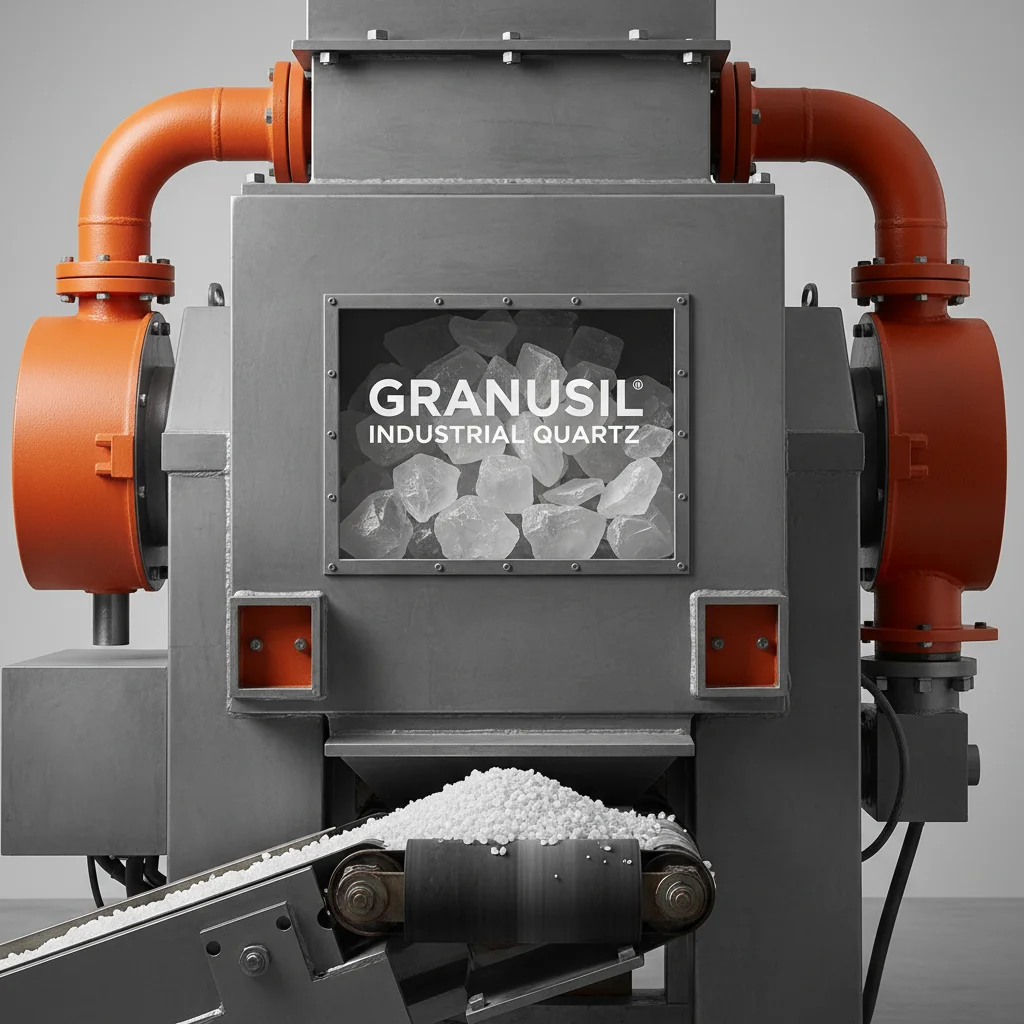
Technical Guide to High Purity Granusil Industrial Quartz Uses
In the sophisticated landscape of industrial mineral extraction, granusil industrial quartz stands as a cornerstone material that bridges the gap between raw geological deposits and high-precision engineering. Its unique chemical stability and physical hardness make it indispensable for a wide array of manufacturing processes, from glass production to advanced filtration systems. Understanding the nuances of this material is not merely a technical requirement but a strategic advantage for companies aiming to optimize their production yield and product longevity.
Best Uses of Colored Gravel for Landscaping to Enhance Your Yard
Creating a visually stunning garden or walkway requires a balance of functionality and aesthetic appeal. Using colored gravel for landscaping is one of the most effective ways to introduce vibrant tones and professional texture to your outdoor environment. Unlike traditional mulch, colored stone provides a permanent solution that resists decay and reduces maintenance. Whether you are looking to define a path, highlight a flower bed, or create a modern Zen garden, the right choice of aggregate can transform a dull yard into a masterpiece. In this guide, we will explore the various types of colored gravel and how to use them.
Enhancing Your Outdoor Space with Brown Landscape Rock Guide
Creating a visually stunning and sustainable outdoor environment requires a thoughtful choice of materials. Among the most versatile options available, brown landscape rock offers a perfect blend of natural aesthetics and long-term durability. Whether you are designing a Zen garden, constructing a retaining wall, or simply looking for a low-maintenance alternative to traditional mulch, these earthy tones provide a timeless appeal. In this comprehensive guide, we will explore the various types of brown stone, their practical benefits, and how to integrate them into your home's exterior design to increase both beauty and property value.
Exploring the Versatile Applications of Gold Sand Quartz in Modern Industries
Gold sand quartz, a fascinating combination of materials, holds a significant place in both industrial applications and aesthetic design. Its unique properties stemming from the quartz component, coupled with the visual appeal of sand-like grains, make it a versatile material across diverse sectors. This article delves into the intricacies of gold sand quartz, exploring its definition, key attributes, global applications, and future prospects. Understanding this material is crucial for professionals in construction, manufacturing, and design, enabling them to leverage its benefits effectively.
Enhance Your Outdoor Space with Bright White Landscaping Rocks Ideas
Creating a beautiful and low-maintenance landscape often involves choosing the right ground cover. Bright white landscaping rocks are a popular option, offering a clean, modern aesthetic and a host of practical benefits. This article will explore everything you need to know about these rocks, from their uses and benefits to installation tips and cost considerations. We will guide you through selecting the perfect white rocks for your outdoor space and maximizing their impact on your overall landscape design.
Exploring the Versatile Applications of Dry Quartz Sand and Future Trends
Dry quartz sand, a granular material composed of silica, plays a pivotal role in a diverse array of industries worldwide. From glass manufacturing and foundry casting to construction and filtration, its unique properties – chemical inertness, thermal stability, and abrasive qualities – make it an indispensable component in countless applications. Understanding the characteristics and sourcing of dry quartz sand is crucial for optimizing processes and ensuring product quality across numerous sectors.

If you are interested in our products, you can choose to leave your information here, and we will be in touch with you shortly.