Understanding Luminous Materials And Their Everyday Applications

Understanding Luminous Materials And Their Everyday Applications

Light is an essential part of modern life, but not all light sources depend on electricity or the sun. Some objects can glow on their own through a fascinating property called luminescence. These materials, known as luminous materials, play an important role in safety, decoration, and industrial applications. In this article, we’ll explore what luminous materials are, how they work, and provide a practical luminous material example to help you understand their versatility.


What Is a Luminous Material?

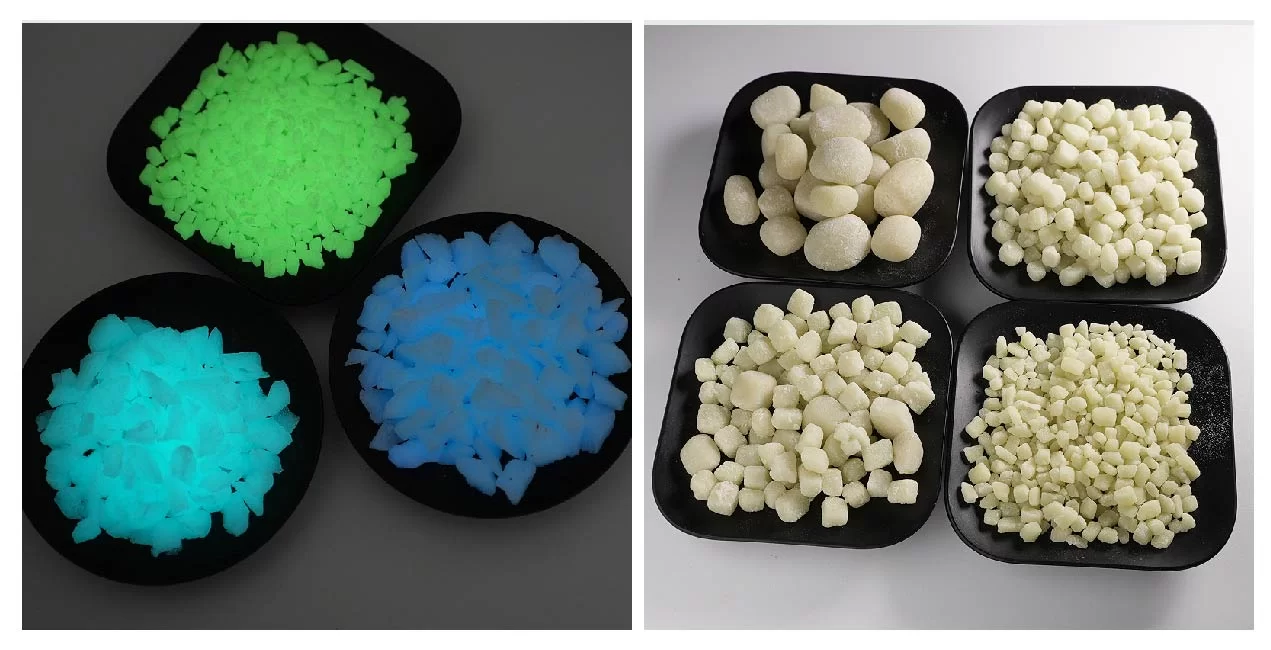
A luminous material is any substance that emits visible light without being heated. Unlike traditional light bulbs that rely on high temperatures to produce light, luminous materials create light through chemical or physical reactions. This process is known as luminescence and can occur in several ways, such as photoluminescence, chemiluminescence, and electroluminescence.


In simpler terms, a luminous material absorbs energy from an external source—like sunlight or artificial light—and stores it. Later, when the surroundings are dark, it releases the stored energy as visible light. This glow may last for minutes or even hours, depending on the material’s composition.


Modern luminous materials are designed using phosphorescent compounds such as strontium aluminate or zinc sulfide. These materials are non-toxic, durable, and capable of producing bright, long-lasting illumination. Because of their energy-saving properties, luminous materials are considered an eco-friendly alternative to powered lighting systems in specific applications.

Luminous Material Example and Applications

A common luminous material example is the glow-in-the-dark safety sign you might see in public buildings or factories. These signs absorb light during the day and automatically illuminate in darkness, guiding people toward exits during emergencies.


Another practical luminous material example can be found in watch dials, emergency pathways, bicycle reflectors, and marine safety equipment. In these cases, the luminous coating ensures visibility even when there is no external light source available.


In decorative design, luminous paints and tiles are popular choices for outdoor landscapes, swimming pools, and interior design accents. These materials not only enhance aesthetic appeal but also contribute to safety by marking steps or edges at night.


In the technology field, luminous materials are used in display panels, instrument backlighting, and optical sensors. Scientists are also exploring innovative uses, such as in bioimaging and renewable energy systems, where luminescent compounds can help improve energy conversion efficiency.
Luminous materials are more than just glowing substances—they represent a blend of science, safety, and sustainability. From glow-in-the-dark signage to artistic installations, they offer countless ways to make our environments brighter and safer without constant energy consumption.


As we continue to innovate, new luminous material examples will likely emerge in industries such as construction, medical technology, and renewable energy. Their ability to combine functionality with visual appeal ensures that luminous materials will remain a key component in future design and safety solutions.


PREVIOUS: This is the first article
NEXT:
High-quality architectural stone — crafted for strength, beauty, and lasting performance.
How to Choose a Reliable Stone Exporter for Mineral Aggregates
Selecting a reliable stone exporter is a critical decision for construction firms and industrial manufacturers who rely on high-purity mineral aggregates. The global supply chain for non-metallic mineralsranging from decorative glass beads to structural graveldemands a partner capable of maintaining strict consistency and navigating complex international logistics. This article explores the technical and commercial framework required to vet suppliers and ensure material integrity. In the B2B mining and mineral sector, the challenge often lies in the gap between catalog specifications and delivered reality. Whether sourcing colored glass beads for high-end architectural flooring or quartz sand for industrial filtration
Colored Glass Beads Wholesale: Flat Beads or Spherical Beads for Decoration?
Compare colored glass beads wholesale options from Hebei Quanerduo Mining Development Co., Ltd.: spherical colored glass beads in multiple small size grades and glass cashew nut stones with a flattened oval shape. The comparison covers material, dimensions, optical range, hardness, density, colors, finishes, and suitable decorative applications.
Premium Quality Materials from Reliable stone wholesale suppliers
When sourcing premium mineral aggregates for large-scale construction or decorative projects, the choice of material significantly impacts both the aesthetic longevity and structural integrity of the installation. Whether you are designing a high-traffic public space, a luxury swimming pool, or a bespoke residential interior, understanding the nuances of mineral compositions is critical. Professional procurement requires a balance between durability, slip resistance, and visual appeal, which is why many industry experts look for reliable stone wholesale suppliers to secure consistent quality. From the versatility of ceramic and glass mosaics to the raw strength of natural quartz and pebble aggregates
Decorative Mosaic Tiles FAQ: Specifications, Ordering and Support Questions
Answers for buyers reviewing Decorative Mosaic Tiles, including material options, applications, surface properties, customization, maintenance and documented compliance information.
High Purity Industrial Mineral Sourcing and Stone China Suppliers
Sourcing high-purity industrial minerals from East Asia requires a deep understanding of the geological diversity and processing capabilities available in the region. For global procurement officers, finding reliable stone china suppliers involves evaluating not just the raw material availability, but the beneficiation technology that transforms raw geological resources into standardized industrial powders. This guide examines the technical specifications and selection criteria for non-metallic mineral powders used in modern construction and manufacturing. The demand for high-performance fillers like Calcium, Talc, Kaolin, and Metakaolin has grown as industries strive for better structural integrity and cost-efficiency.
How to Find and Use Cheap White Pebbles for Landscaping
Achieving a clean, modern aesthetic in outdoor design often comes down to the choice of ground cover, where the contrast of bright white minerals against greenery creates a striking visual impact. Homeowners and professional designers frequently seek high-impact yet cost-effective materials to define pathways, garden beds, and Zen-inspired spaces. The challenge lies in balancing the desire for an upscale look with a strict project budget. While premium marble chips are available, the market for affordable alternatives has expanded, offering various mineral options that provide similar luminance without the prohibitive cost of luxury stone.

If you are interested in our products, you can choose to leave your information here, and we will be in touch with you shortly.