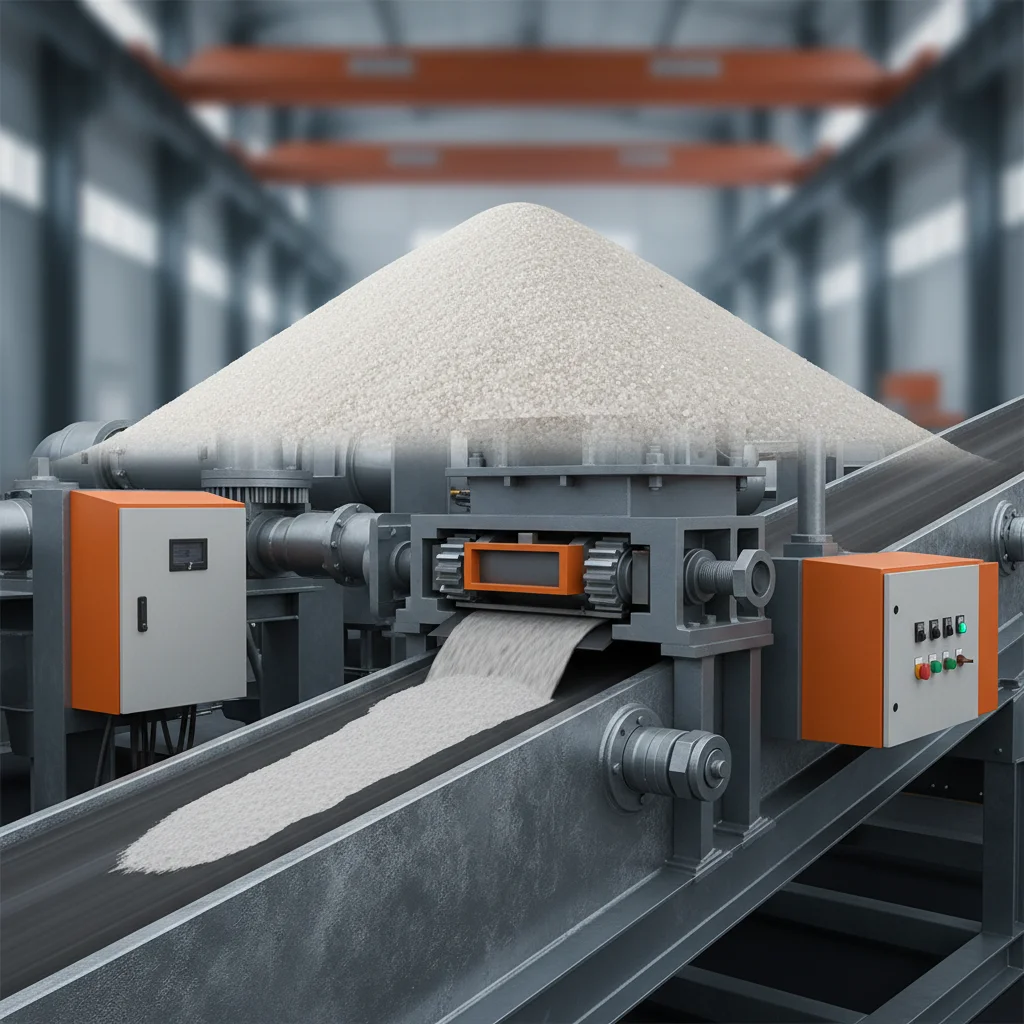
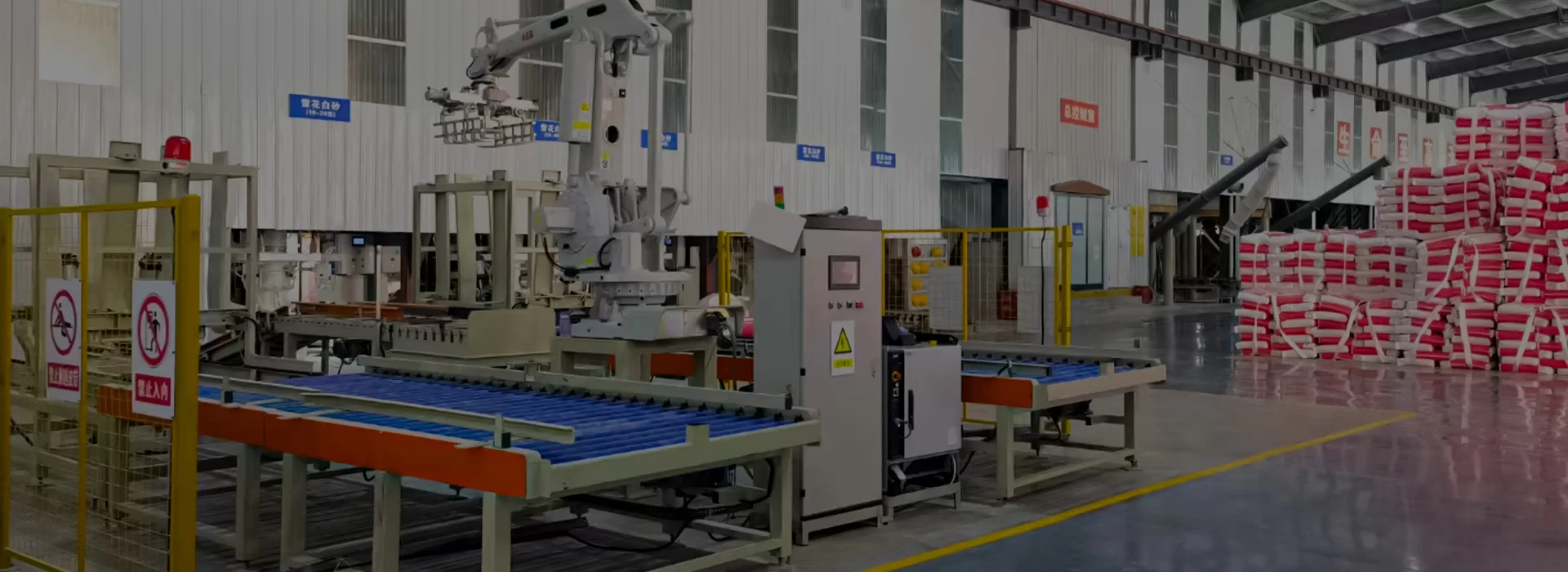
Key Applications of Fine Quartz Sand in Modern Manufacturing
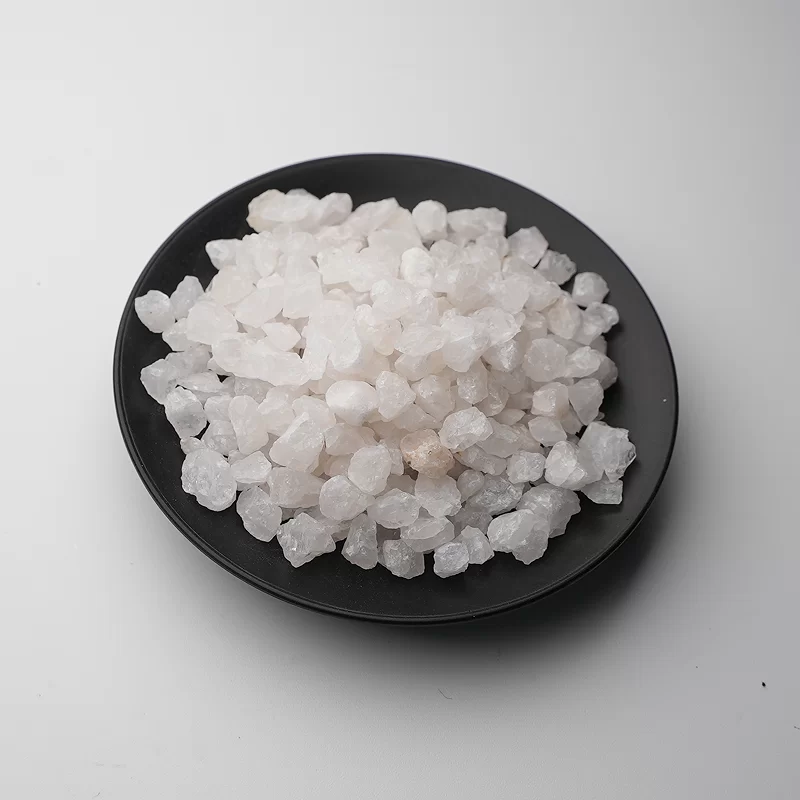
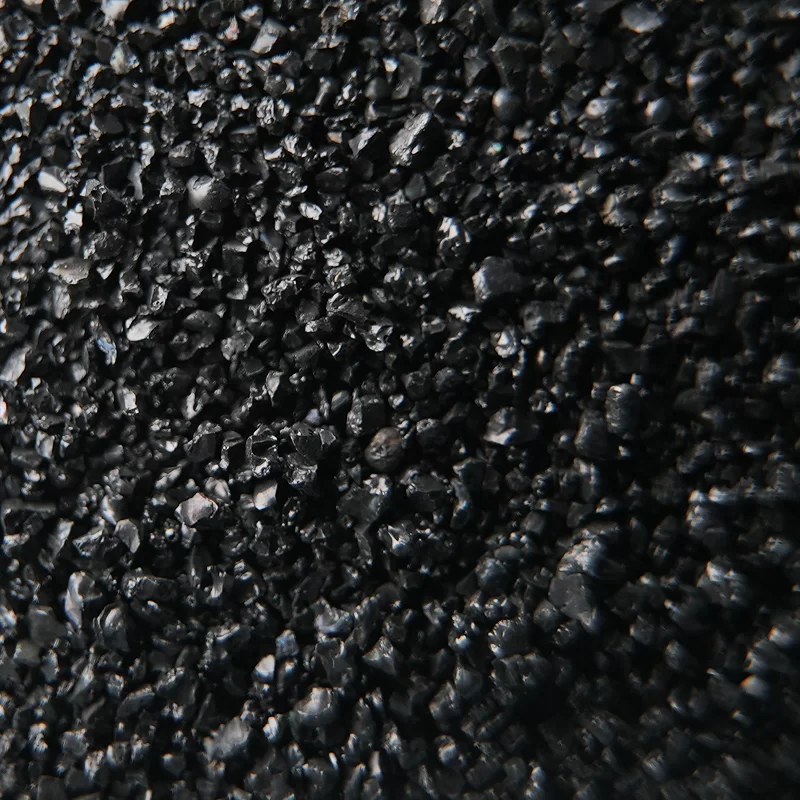
Fine quartz sand has become an essential raw material in modern industrial production. Thanks to its high silica content, excellent chemical stability, and consistent particle size distribution, it is widely used across multiple manufacturing sectors. From glass production to electronics and construction materials, fine quartz sand plays a critical role in improving product performance, durability, and manufacturing efficiency.
As industries continue to pursue higher precision and better material performance, the demand for high-purity silica materials continues to grow. Understanding how fine quartz sand is applied in different industries can help manufacturers choose the right grade and specification for their production needs.
Fine Quartz Sand in Glass Manufacturing
One of the most significant applications of fine quartz sand is in the glass manufacturing industry. Quartz sand is the primary source of silica (SiO₂), which is the main component in glass production. High-purity fine quartz sand ensures that glass products maintain excellent transparency, strength, and chemical stability.
In the production of flat glass, container glass, and specialty glass products, manufacturers rely on carefully graded quartz sand to achieve uniform melting and consistent quality. Fine particle size helps the raw materials melt more evenly in glass furnaces, improving energy efficiency and reducing impurities.
Additionally, industries producing optical glass, solar glass, and high-performance glass panels often require ultra-pure fine quartz sand with extremely low iron content. This helps maintain optical clarity and prevents unwanted coloration in finished
glass products.
High-Purity Quartz Sand for Electronics and Semiconductors
In the electronics and semiconductor industries, high-purity fine quartz sand is a critical material used in the production of silicon wafers and electronic components. The high silica purity allows quartz sand to be processed into silicon, which forms the foundation of most modern electronic devices.
Semiconductor manufacturers require extremely refined quartz materials because even small impurities can affect electrical performance. Fine quartz sand is used to produce quartz crucibles, semiconductor-grade silicon, and specialized glass components used in chip fabrication processes.
As technologies such as 5G communication, artificial intelligence, and electric vehicles continue to expand, the demand for semiconductor materials is increasing rapidly. This growth further highlights the importance of fine quartz sand as a fundamental material in advanced electronics manufacturing.
Fine Quartz Sand in Construction Materials
The construction industry also heavily depends on fine quartz sand as a key ingredient in building materials. Its strength, hardness, and durability make it suitable for use in concrete mixtures, mortars, and decorative building products.
In high-performance concrete applications, fine quartz sand improves compressive strength and enhances structural stability. Because of its consistent grain size and resistance to weathering, it helps produce durable construction materials that perform well under long-term stress and environmental exposure.
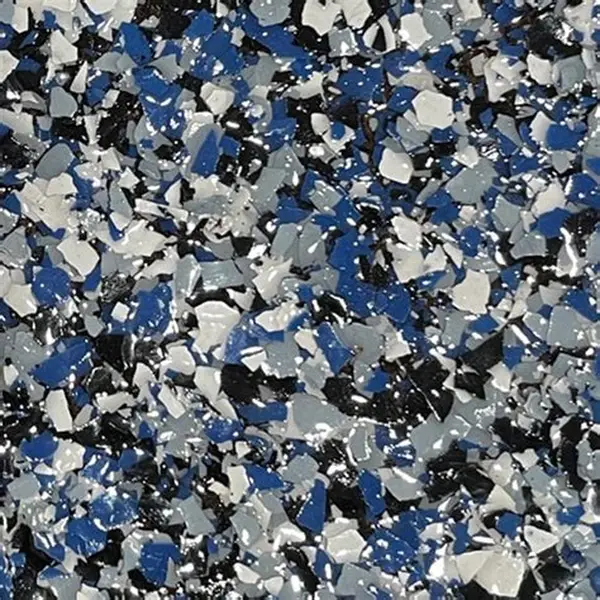
Fine quartz sand is also widely used in engineered stone, artificial quartz countertops, and decorative flooring materials. These products combine natural quartz aggregates with resins or binders to create surfaces that are both aesthetically appealing and highly durable.
Industrial Applications of Silica Sand in Foundry Casting
Another important industrial use of fine quartz sand is in metal casting and foundry processes. Silica sand is widely used as a molding material in the production of iron, steel, and non-ferrous metal components.
In foundry operations, fine quartz sand provides excellent thermal resistance and dimensional stability during the metal casting process. It can withstand extremely high temperatures without breaking down, which ensures precise mold shapes and high-quality metal parts.
Manufacturers often select specific grain sizes of quartz sand depending on the casting requirements. Fine quartz sand helps produce smoother casting surfaces, reducing the need for extensive post-processing or machining. This improves overall production efficiency and lowers manufacturing costs.
Fine Quartz Sand for Water Filtration Systems
Water treatment and filtration systems also rely on fine quartz sand as a highly effective filtering medium. Due to its hardness, chemical stability, and uniform particle size, quartz sand is widely used in industrial and municipal water purification systems.
In filtration tanks, layers of fine quartz sand trap suspended particles, sediments, and impurities as water flows through the filter bed. This process helps improve water clarity and removes unwanted contaminants.
Fine quartz sand is commonly used in drinking water treatment plants, swimming pool filtration systems, and wastewater treatment facilities. Its durability allows the filtration media to maintain effectiveness over long operational cycles without rapid degradation.
Fine Quartz Sand in Abrasives and Surface Treatment
Another valuable application of fine quartz sand can be found in abrasive materials and surface treatment processes. Due to its hardness and wear resistance, quartz sand is frequently used in sandblasting, polishing, and grinding applications.
In sandblasting operations, fine quartz sand is propelled at high speeds to remove rust, paint, or contaminants from metal surfaces. This process prepares surfaces for coating, welding, or painting and is widely used in shipbuilding, construction, and machinery manufacturing.
Fine quartz sand is also used in the production of abrasive tools, grinding media, and polishing compounds. These applications benefit from the material’s consistent hardness and particle shape, which help achieve efficient and uniform surface finishing.
Future Demand for Fine Quartz Sand in Advanced Manufacturing
As modern industries continue to evolve, the importance of fine quartz sand in advanced manufacturing is expected to grow even further. Emerging sectors such as renewable energy, photovoltaic solar panels, precision electronics, and high-performance materials all rely heavily on high-purity silica resources.
In solar panel production, for example, fine quartz sand is refined into silicon used to manufacture photovoltaic cells. With global demand for clean energy increasing, the need for high-quality quartz sand is rising as well.
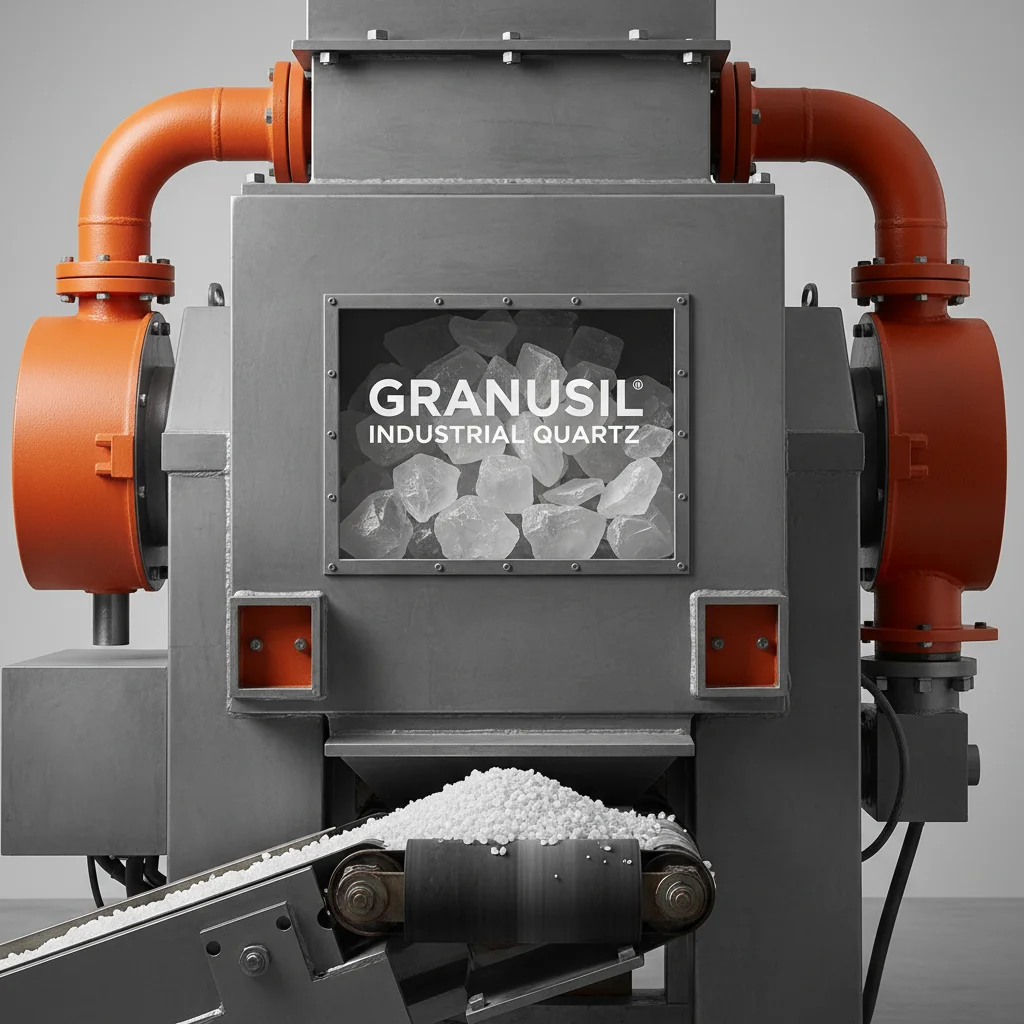
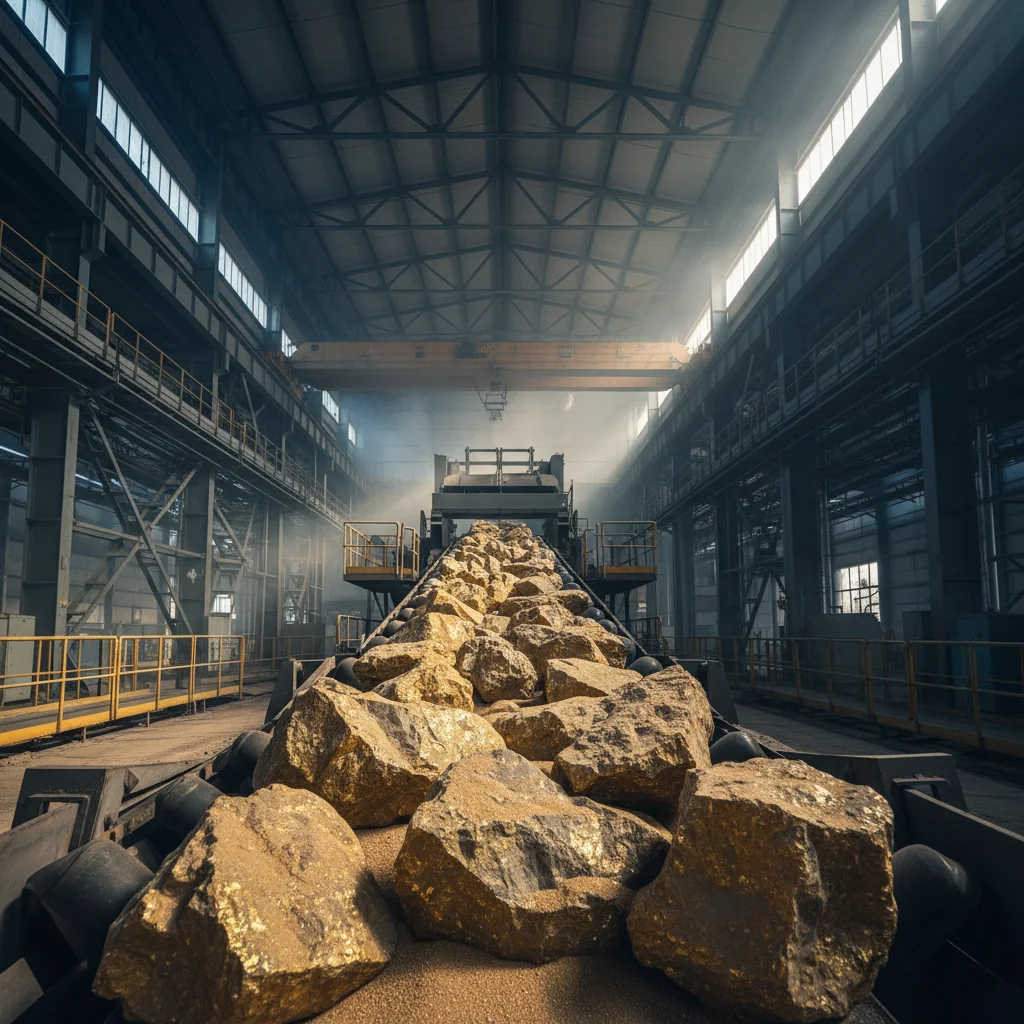
At the same time, improvements in mineral processing technologies are making it possible to produce high purity quartz sand grades suitable for demanding industrial applications. These developments will continue to expand the role of quartz materials in modern manufacturing systems.
Conclusion
Fine quartz sand plays a vital role in many industrial sectors, including glass production, semiconductor manufacturing, construction materials, foundry casting, water filtration, and abrasive processing. Its unique combination of high silica content, durability, and chemical stability makes it one of the most versatile raw materials in modern manufacturing.
As technology advances and industries demand higher-performance materials, the importance of fine quartz sand will only continue to grow. Manufacturers that invest in high-quality quartz resources and precise processing technologies will be well positioned to support the next generation of industrial innovation.